Discover The Perfect Deck For Your Matching Card Game!
By Tom Seest
At CardGameNews, we help people who love card games by collating information and news about card games.
Be sure to read our other related stories at CardGameNews to learn more about card games.
What Types Of Decks Are Used for Matching Card Games?
When it comes to matching card games, it’s like stepping into a well-stocked toolbox filled with unique instruments, each serving a different purpose in the hands of skilled players. The variety of decks available can significantly shape your play experience, so let’s roll up our sleeves and take a closer look at what’s out there.
First up, we have the classic standard deck. You know the kind: 52 cards, four suits, and those face cards that always seem to bring a bit of elegance to the table. This deck is versatile enough to accommodate a plethora of games, and among those is the beloved matching card game. Players often find themselves matching pairs, suits, or even numbers, all while navigating the intricacies that a familiar 52-card landscape provides. It’s like old-fashioned comfort food; you know what you’re getting, and it rarely disappoints.
Next, let’s dig into a more specialized deck known as the pinochle deck. With only 48 cards, this one might not be as familiar to the average Joe, but it holds its own weight in the matching game arena. It’s a unique blend of strategy and memory, as players match up cards that might not be as evident at first glance. If you’re ready to think outside the box, this deck invites you to explore a new level of challenge.
Then we have the double deck cards—yep, that’s right, we’re talking about keeping things interesting with two standard decks shuffled together. This approach boosts the game’s complexity and can lead to some intense moments around the table. Think of it as a culinary experiment; sometimes, doubling up on ingredients creates something extraordinary. Not everyone enjoys this method, but it certainly adds a layer of strategy and fun that keeps players on their toes.
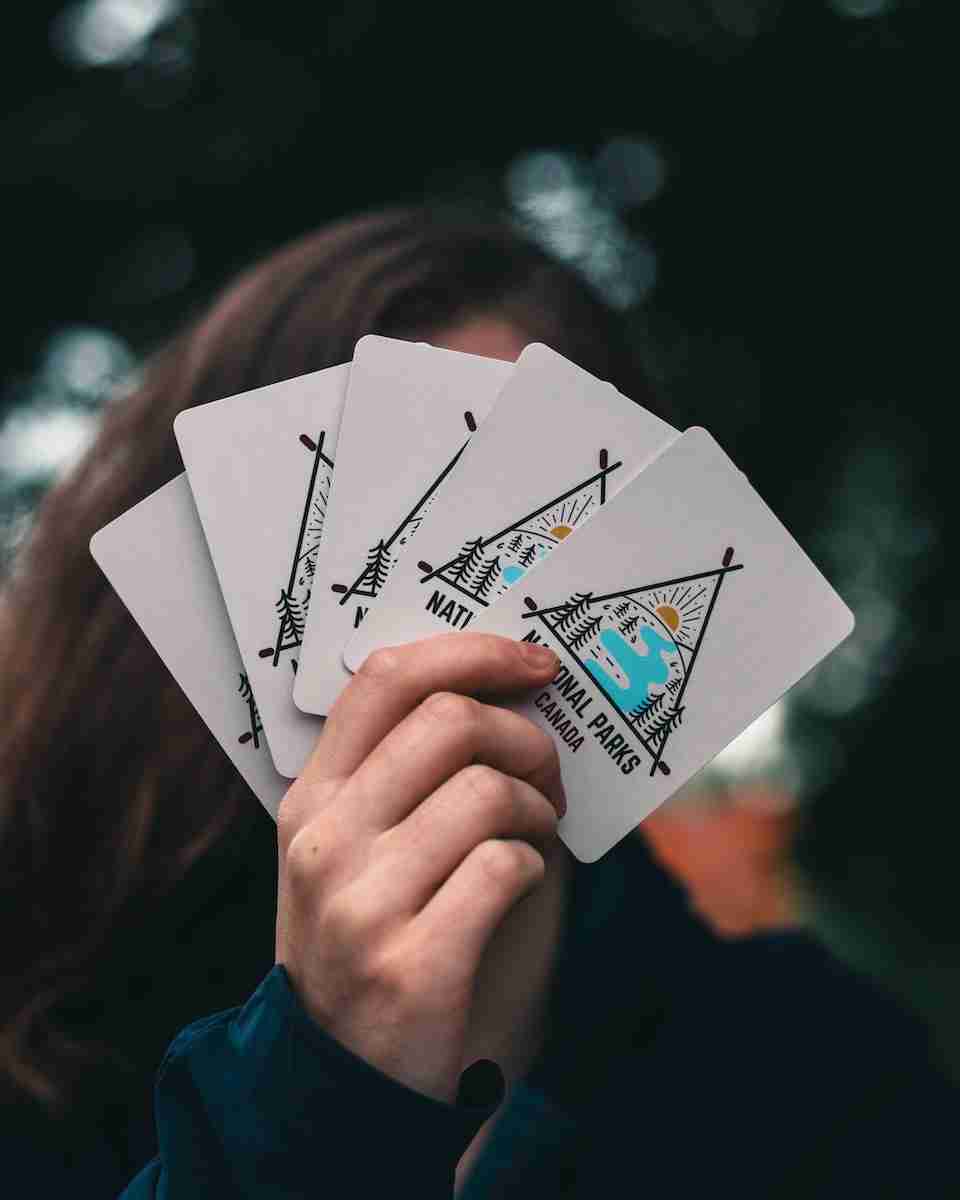
Now, let’s not forget about the quirky world of themed or custom decks. Sure, you can find decks adorned with superheroes, whimsical creatures, or even historical figures. These decks often entice players who are drawn to artistic flair or fandoms. While the gameplay remains fundamentally the same, the aesthetics can elevate the experience and create a more engaging atmosphere, inviting newcomers into the fold.
In the ever-evolving landscape of card games, matching remains a cherished pastime, thanks in large part to the variety of decks available. Whether you prefer the reliability of the standard deck or the whimsy of a themed collection, there’s always a way to play your hand wisely. So, gather your friends, shuffle those cards, and let the matches begin!

What Types Of Decks Are Used for Matching Card Games?
What Types Of Decks Are Used for Matching Card Games?
- Matching card games offer a variety of decks, enhancing the play experience.
- The classic standard deck consists of 52 cards and is versatile for many games, including matching games.
- The pinochle deck, with only 48 cards, combines strategy and memory for unique matching challenges.
- A double deck method involves using two standard decks, increasing complexity and excitement during play.
- Themed or custom decks add artistic flair and engage players with various fandoms and aesthetics.
- The variety of available decks contributes to the enduring popularity of matching card games.
- Players can enjoy traditional gameplay while exploring innovative and fun deck options.

What Types Of Decks Are Used for Matching Card Games?
Table Of Contents
- What Types Of Decks Are Used for Matching Card Games?
- What Types Of Card Decks Are Suitable For Matching Games?
- How Do Standard Decks Differ In Matching Games?
- What Are Themed Decks And How Are They Used?
- Are Custom Decks Popular For Matching Card Games?
- What Advantages Do Unique Decks Offer In Gameplay?
- How Do Player Preferences Affect Deck Choice?
- Can You Use Multiple Deck Types In One Game?
- Conclusion
- Other Resources
- Glossary Of Terms
- Other Questions
- Haiku
- Poem
- Checklist
What Types Of Card Decks Are Suitable For Matching Games?
When it comes to matching games, not all card decks are created equal. Some decks are designed for strategy, while others are perfect for memory exercises that will challenge your brain and keep you on your toes. So, what types of card decks are really suitable for matching games? Let’s dive in.
First on the list, we have the classic playing cards. These little wonders, with their suits and ranks, can be used for a myriad of games, from Poker to Blackjack. But for matching purposes, you can whip out a standard deck for a simple game of memory. Just lay them face down and see who can find the most pairs. The beauty of a standard deck lies in its accessibility; everyone’s got one lying around, just waiting for some attention.
Moving on, we have themed or novelty decks. You know, those decks that boast beautiful illustrations of cats, superheroes, or even historical figures. These can add that extra flair to your matching game, not to mention they can be a great conversation starter. A Harry Potter-themed deck, for instance, not only spices up the game but can also make the matching process a whole lot more engaging. You might find yourself reminiscing about your favorite scenes while hunting for pairs!
Then, let’s not forget about educational decks. These are gold mines for teachers and parents alike. Imagine a deck where each card features a different animal, capital city, or even math equations. Such decks have the dual benefit of being engaging and educational while keeping the matching game lively. Kids won’t even realize they’re learning when they’re busy matching!
And for those who really want to crank up the fun factor, consider collectible trading card sets. Whether it’s Magic: The Gathering or Pokémon cards, you can create matching games that involve not just pairs but also different combinations or sequences. This can add a layer of strategy and excitement that standard cards just can’t provide.
Lastly, let’s highlight custom decks. If you’re feeling particularly crafty, you can create your own matching game using personalized images or phrases that resonate with you or your group. The possibilities are endless!
Remember, the joy of matching games lies not only in the cards but also in the memories created while playing. So grab a deck that tickles your fancy and get to matching!

What Types Of Card Decks Are Suitable For Matching Games?
What Types Of Card Decks Are Suitable For Matching Games?
- Not all card decks are suitable for matching games; some focus on strategy, while others enhance memory exercises.
- Classic playing cards are versatile and can be used for traditional games like Poker and Blackjack, as well as simple memory games.
- Themed or novelty decks featuring illustrations can add flair and serve as conversation starters during matching games.
- Educational decks, showcasing animals or math equations, provide an engaging learning experience while playing matching games.
- Collectible trading card sets (like Magic: The Gathering or Pokémon) introduce strategic combinations and sequences to matching games.
- Custom decks allow you to personalize your matching game with unique images or phrases, enhancing the experience.
- The enjoyment of matching games comes from both the cards and the memories created while playing with others.

What Types Of Card Decks Are Suitable For Matching Games?
How Do Standard Decks Differ In Matching Games?
When you think of matching games, your mind might wander to casual get-togethers or family game nights where laughter mingles with the shuffle of cards. But what often goes unnoticed is how standard decks can take on different roles in these games, much like the unsung heroes behind everyday tasks. Each game brings its own flavor, and the standard deck, our trusty band of cards, adapts to those needs with surprising versatility.
First off, let’s break it down—what is a standard deck? Typically, we’re talking about 52 cards plus the jokers. Now, insert that deck into the world of matching games, and suddenly you’re in a realm where simplicity meets strategy. Take Memory, for instance. This game relies heavily on players’ recall as they flip cards in a quest to find pairs. Here, it’s all about the numbers, as cards are matched not just for the suit or color, but for that nagging sense of familiarity. A standard deck, with its four suits, lends itself well to this purpose, making it easy for players to spot potential matches—if they can remember the location of those personable kings and queens.
Now, let’s consider the colorful mud that is Uno. While it diverges from the standard deck in terms of its own special cards and rules, the heart of matching games often carries through a standard deck’s DNA. Here, players must match colors and numbers, incorporating just a slight twist from what you’d find in a traditional playing session. It’s like taking the same ingredients and whipping up a completely different dish—a little creativity goes a long way!
But hold on, it’s not all fun and games without discussing the classic Go Fish. Using a standard deck, players ask each other for specific cards in hopes of building pairs. The strategic angle shifts when it comes to eliciting responses from others—what cards do they have, and how can I get them to reveal their hand? While the essence stays the same, the dynamics change based on how opposing players interact with one another.
In wrapping up, while standard decks vary in their application across different matching games, they remain a common thread that ties these experiences together. Just as each card holds its place in a full house, so too does the versatile nature of these decks shape the game night experience, proving once again that you can get more mileage out of a deck of cards than you might ever expect.

How Do Standard Decks Differ In Matching Games?
How Do Standard Decks Differ In Matching Games?
- Matching games often evoke casual gatherings and family fun around card games.
- A standard deck typically consists of 52 cards plus jokers, showcasing remarkable versatility.
- Memory is a classic game where players recall card locations to match pairs, utilizing the deck’s four suits.
- Uno, while using special cards, adapts the matching game concept with color and number matching.
- In Go Fish, players request specific cards from others to form pairs, adding a strategic element to gameplay.
- Standard decks serve as a foundation across various matching games, connecting different experiences.
- The adaptable nature of standard decks enhances game night experiences, demonstrating their unexpected potential.

How Do Standard Decks Differ In Matching Games?
What Are Themed Decks And How Are They Used?
Themed decks are fascinating creations in the ever-popular world of card games. You see, a themed deck is more than just a collection of cards; it’s a thoughtful curation that tells a story or embodies a particular concept. Think of it as a concert where every card plays its part in harmony, delivering an immersive experience that resonates with players and enthusiasts alike.
These decks can revolve around anything—a specific genre, a pop culture phenomenon, a historical event, or even an emotion. Picture yourself sitting down with a group of friends, perhaps ready to engage in a card game, and you pull out a deck themed around your favorite fantasy novel. Each card is a character, a magical artifact, or a significant event, transporting everyone into a richly woven narrative, filled with intrigue and adventure.
How are these themed decks used? Well, they often serve several purposes. First and foremost, they spice up the gameplay. Let’s face it: playing with a standard deck can sometimes feel a bit like going through the motions. But when you shuffle in some thematic flair, it’s like adding a secret ingredient to a recipe. Suddenly, the game isn’t just about winning or losing; it’s about sharing an experience. Each player brings their own knowledge of the theme, adding layers to strategies and discussions that wouldn’t happen with a generic deck.
Moreover, themed decks can act as a powerful tool for teaching. When you’re trying to help someone graspe the mechanics of a card game, using a deck steeped in a theme they love can make learning easier and more engaging. For example, kids are far more likely to remember the rules of the game when they’re battling dragons instead of playing with plain cards numbered one through ten.
Let’s not overlook the social aspect either. A themed deck can spark conversations, evoke nostalgia, or ignite friendly debates among players. Remember that time when the hero just couldn’t find the enchanted sword? The shared memories built around these experiences create bonds between friends and even strangers.
Themed decks elevate the world of card games from a simple pastime to an enriching journey. So, whether you’re diving into a mystical realm or revisiting a beloved childhood story, themed decks bring an added layer of enjoyment that’s hard to match.

What Are Themed Decks And How Are They Used?
What Are Themed Decks And How Are They Used?
- Themed decks in card games are curated collections that tell a story or represent a concept.
- These decks can revolve around various themes, such as genres, pop culture, historical events, or emotions.
- Themes enhance gameplay, making it more immersive and engaging than using a standard deck.
- Players can share their knowledge of the theme, adding depth to strategies and discussions.
- Themed decks serve as effective teaching tools, especially for younger players, by tying game mechanics to relatable themes.
- They promote social interaction, sparking conversations and creating memorable shared experiences.
- Themed decks transform card games from mere pastimes into enriching journeys filled with enjoyment.

What Are Themed Decks And How Are They Used?
Are Custom Decks Popular For Matching Card Games?
When it comes to the world of card games, there’s a certain magic in the air. The shuffle of a deck, the sound of cards slapping against one another, and the thrill of strategy unfolding right before our eyes. Yet, in recent years, there’s been a burgeoning trend that’s reshaping the landscape of this age-old pastime—custom decks. So, are custom decks popular for matching card games? You bet they are, and for good reason.
Card games have always embraced creativity, from classic favorites like poker to unique indie creations. But now, we’re stepping into a new era where customization is the name of the game. Imagine this: you’re sitting down with your friends for a casual night of cards, and instead of the standard deck you’ve used a thousand times, you pull out a custom-designed one featuring your buddy’s face on the king of hearts. Instant laughter, right? That’s the appeal. Custom decks add a highly personalized element that simply isn’t present with their cookie-cutter counterparts.
The popularity of custom decks also reflects a desire for uniqueness in a world that often gravitates toward the mass-produced. It’s about making a statement—whether it’s funky illustrations, thematic designs, or even personalized touches, these bespoke decks invite players to bring their personalities right into the game. And let’s not forget the collector’s aspect. Enthusiasts are eager to own these one-of-a-kind items, making them a sweet addition to any card game lover’s arsenal.
Moreover, social media has played an extraordinary role in this movement. Platforms like Instagram and TikTok are filled with images of stunning custom decks that draw in viewers and fuel interest. When a card game becomes more than just a game, but also a way to express creativity and connect with an audience, you’re onto something big.
So, whether you’re playing a family-favorite matching card game or diving deep into a complex strategy round, a custom deck can elevate the experience from ordinary to extraordinary. They not only serve as tools for playing but also as conversation starters, art pieces, and treasured memorabilia. In this vibrant culture of customization, it’s clear that custom decks are not just popular—they’re here to stay, reshaping how we engage with card games for years to come.

Are Custom Decks Popular For Matching Card Games?
Are Custom Decks Popular For Matching Card Games?
- Card games evoke a sense of magic with strategic gameplay and sensory experiences.
- The trend of custom decks is reshaping traditional card games, adding personalization.
- Custom decks make games more entertaining and create laughter, such as featuring friends’ faces.
- There is a growing desire for uniqueness in a mass-produced world, reflected in custom deck designs.
- Collector enthusiasm adds value to bespoke custom decks for card game lovers.
- Social media platforms like Instagram and TikTok amplify interest in unique custom decks.
- Custom decks enhance gameplay and serve as conversation starters, art pieces, and collectibles.

Are Custom Decks Popular For Matching Card Games?
What Advantages Do Unique Decks Offer In Gameplay?
In the vibrant world of card games, where creativity meets strategy, unique decks stand out like a hand-crafted artisan piece in a sea of mass-produced trinkets. Imagine sitting at a table, the scent of fresh cards in the air, as your opponents unveil their tried-and-true strategies. Then, you drop your unique deck on the table—an entire ecosystem built on the unexpected. Right then, you can almost feel the tension shift.
First off, let’s talk about surprise. In any competitive setting, having a unique deck means that your opponents can’t easily predict your moves. They may have endless strategies and counterplays for the usual configurations, but when you pull out unconventional cards, you’re throwing a wrench into their plans. It’s like showing up to a battle equipped with a sword made of shadows or a shield fashioned from the moonlight; suddenly, it’s not just about the typical attacks and defenses anymore.
Then there’s the element of personal expression. Each card you choose tells a story—your story. A unique deck is a reflection of your gaming philosophy and playstyle. Do you revel in chaos? Perhaps your deck is a wild jamboree of unpredictable effects. Do you prefer subtlety and cunning? Your carefully curated strategies might involve intricate combos that unfold like a well-rehearsed dance. It’s not merely about winning; it’s an art form, unique and deeply personal.
Now, let’s not forget the social aspect. In the card game community, variety is the spice of life. When you bring a one-of-a-kind deck to the table, you’re not just playing a game; you’re inviting conversation. Players naturally gravitate towards something novel. They want to know how your deck works, what inspired your choices, and—more importantly—how they can overcome it. It creates a dynamic dialogue, an exchange of ideas that enriches everyone involved.
Finally, let’s consider adaptability. A unique deck isn’t just a collection of odd cards; it often promotes a flexible mindset. When your go-to strategy is unconventional, you learn to pivot and adjust on the fly, honing your skills with every flip of a card. This adaptability can be your greatest weapon, allowing you to thrive even in the most tumultuous gameplay scenarios.
A unique deck in a card game isn’t just a collection of cards; it’s a strategic marvel, a personal narrative, a social lubricant, and a catalyst for growth. That’s the magic of embracing the unique.

What Advantages Do Unique Decks Offer In Gameplay?
What Advantages Do Unique Decks Offer In Gameplay?
- Unique decks in card games stand out like artisan pieces in a mass-produced environment.
- Having a unique deck introduces an element of surprise, making it harder for opponents to predict your moves.
- Each card in a unique deck tells a personal story, reflecting the player’s gaming philosophy and style.
- A unique deck invites conversation and engagement within the card game community, promoting a dynamic exchange of ideas.
- Using unconventional cards encourages adaptability and honed skills during gameplay.
- A unique deck serves as a strategic marvel and a personal narrative for the player.
- Embracing uniqueness in gameplay enhances the overall experience and contributes to personal and communal growth.

What Advantages Do Unique Decks Offer In Gameplay?
How Do Player Preferences Affect Deck Choice?
When it comes to the intricacies of a card game, the choices players make often reflect a blend of personal tastes, strategic inclinations, and even psychological factors. Each player comes to the table not just with a deck but with a worldview shaped by their experiences, preferences, and sometimes, their whims. You might think it a simple matter of cards and rules, but dive a little deeper, and you’ll find the currents that guide each decision run much deeper.
Consider this: two players can sit across from one another, using the same game mechanics and rules but wield entirely different decks. Why? The answer lies in personal preference. Some players prefer the high-octane thrill of aggressive strategies, packing their decks with fast-paced cards that aim for a quick victory. There’s an exhilarating rush that comes from the heart-pounding clock of pressure, as they throw down in an all-out assault, seeking to capitalize on every ounce of momentum.
On the flip side, you’ve got players who focus on a more methodical or defensive approach. These deck architects have a knack for patience, crafting their strategies to withstand the storm while waiting for the perfect moment to strike. For them, every card is part of a larger chess match, where the battle isn’t just in the present moment but stretches into predictions of future turns. This results in a complex psychological dance, as they gauge their opponent’s tendencies and adapt their strategies accordingly.
Then, there are those who value thematic or aesthetic elements in their deck choice. For some players, a card game isn’t just about winning; it’s an expression of identity. Whether it’s a fantasy-driven narrative, a cultural reference, or simply the art on the cards, these players often infuse a personal story into their deck construction. This interplay between theme and gameplay can create a vibrant tapestry of interactions at the table, where emotions are just as critical as strategy.
Player preferences shape not just individual decks, but the entire atmosphere of the game. Each player brings their style, their expectations, and their passion to the table, resulting in an intricate web of strategies, tactics, and narratives that make every card game unique. In essence, what begins as merely a choice of cards transforms into a reflection of who we are and how we engage with the world around us, revealing that the seemingly simple act of selecting a deck can be a window into the complexities of human nature.

How Do Player Preferences Affect Deck Choice?
How Do Player Preferences Affect Deck Choice?
- Players’ choices in card games reflect personal tastes, strategic inclinations, and psychological factors.
- Each player brings a unique worldview shaped by experiences and preferences to the game.
- Different players can use the same game mechanics but have diverse decks based on personal preferences.
- Aggressive players favor fast-paced strategies for quick victories, enjoying the thrill of pressure.
- Defensive players adopt a methodical approach, crafting strategies that focus on patience and timing.
- Some players choose decks based on thematic or aesthetic elements, making it an expression of identity.
- Player preferences influence the game’s atmosphere, creating a unique blend of strategies, tactics, and narratives.

How Do Player Preferences Affect Deck Choice?
Can You Use Multiple Deck Types In One Game?
When you dive into the world of card games, it’s easy to get swept away in the currents of strategy, chance, and competition. One question that often rises to the surface is whether you can use multiple deck types in one game. It’s a good question—one that can stir up both excitement and confusion among players.
Imagine you’re sitting around a table with friends, the air thick with camaraderie and a hint of tension as everyone prepares for the battle ahead. Each player pulls out their carefully crafted decks, colorful designs and themes reflecting their individual styles. But what if you decided to mix things up—incorporating elements from different decks?
The short answer is, it depends. Most traditional card games come with a set of rules that dictate what is permissible, and varying those rules can lead to a broad spectrum of outcomes. If the game in question is built around a singular type of deck, then introducing others can skew the entire experience. Think of it like trying to mix oil and water; they simply don’t blend. The essence of that original card game might get lost in a chaotic mix of styles, strategies, and win conditions.
However, some card games embrace diversity and even encourage players to experiment with hybrid decks. Here, players might combine multiple deck types to create a unique gameplay experience. This can lead to unexpected alliances, betrayals, and dramatic shifts in strategy. But proceed with caution! It’s imperative to discuss your intentions with your fellow players and possibly even agree on house rules. There’s nothing worse than discovering mid-game that you’ve unleashed a card combo that throws the balance of play out the window.
Another exciting avenue is the realm of expandable or collectible card games, where players are often encouraged to blend decks to harness certain synergies. Imagine the thrill of piecing together a formidable force from different realms, merging strengths and compensating for weaknesses. In that environment, the possibilities seem endless, and you might just find a winning strategy by crisscrossing the landscape of your card game.
Ultimately, whether you stick to one deck or dare to mix it up is a reflection of your own style as a player. So step back, take a breath, and decide what kind of experience you want to create. After all, in the end, it’s not just about winning; it’s about the journey—the fun, the unpredictability, and the joyous gatherings that make card games a cherished tradition.

Can You Use Multiple Deck Types In One Game?
Can You Use Multiple Deck Types In One Game?
- Card games involve strategy, chance, and competition.
- Players may wonder about using multiple deck types in a game, which can excite and confuse them.
- Mixing different deck types can disrupt the original game’s experience.
- Some card games promote experimentation with hybrid decks for unique gameplay.
- Discussing intentions and agreeing on house rules is vital when combining decks.
- Expandable or collectible card games often encourage blending decks for strategic advantages.
- Ultimately, players should choose their approach based on their desired gaming experience.

Can You Use Multiple Deck Types In One Game?
Conclusion
As we wrap up our exploration of the colorful world of matching card games, let’s take a moment to appreciate the diverse tools at our disposal—each deck akin to a specialized instrument in a musician’s collection—ready to make beautiful music in the hands of passionate players. Much like a trusty toolbox, the right deck can shape your gaming experience, transforming an ordinary evening into an extraordinary gathering of minds and strategies.
Let’s start with the classic standard deck. It’s the workhorse of card games, a versatile companion that offers familiarity while accommodating various styles of play. Whether you’re diving into a simple game of memory or a more complex challenge, the standard deck allows for a comfortable comfort zone—like curling up with your favorite book on a rainy day. There’s nothing quite like the thrill of matching pairs as you flip the cards, often recalling past games and the laughter that accompanied them.
On the other hand, we delve into the world of themed and custom decks—where creativity reigns supreme. These decks add a splash of flair, delighting players with everything from whimsical illustrations to nods to beloved movies and franchises. A Harry Potter-themed deck can make a familiar matching exercise feel fresh and exciting, igniting nostalgia and sparking new friendships. Custom decks elevate gameplay, allowing players to express themselves while creating memorable moments filled with laughter and camaraderie.
Unique decks offer another level of interaction, encouraging players to think outside the box and adapt their strategies in real-time. Imagine the social dynamics as players react to unfamiliar moves and eccentric combinations—it’s like a strategic dance where everyone learns from each other’s moves. This adaptability is key, catching opponents off guard and allowing for intense, dynamic gameplay that can shift with each play.
But can you mix decks? That’s another layer of fun. While traditional games usually adhere to specific rules regarding deck types, others embrace diversity and hybrid play. Just like a good recipe invites improvisation, so too can your card game adapt to incorporate different styles, creating an entirely new experience with every shuffle.
In the end, whether you’re a casual player or a strategic mastermind, the world of matching card games is one where the joy lies not just in competition, but in the shared experiences and memories made around the table. So gather your buddies, pick the deck that resonates with you, and let the matches begin. In this vibrant arena, every game is a chance to connect, laugh, and perhaps even uncover a little bit more about ourselves along the way.

Conclusion
Conclusion:
- The exploration of matching card games highlights the diverse tools available, likened to a musician’s instruments.
- The standard deck serves as a versatile and familiar companion for various styles of play.
- Themed and custom decks enhance gameplay with creative designs and familiar themes, promoting nostalgia and friendship.
- Unique decks encourage strategic thinking and real-time adaptability, creating dynamic social interactions.
- Mixing decks adds an additional layer of fun, inviting hybrid play and improvisation in card games.
- The joy of matching card games lies in shared experiences and memories made with friends.
- Players are encouraged to choose the deck that resonates with them and enjoy the vibrant game atmosphere.

Conclusion
Other Resources

Other Resources
Here is a list of other resources you can review online to learn more:
- Gaming Rules!
- Tantrum House
- Love Letter
- Champions of Midgard
- Quined Games
- Queen Games
- The Secret Cabal Gaming Podcast
- Pandemic
- Blood Rage
- Instapaper
Use This Prompt To Get More Resources With Your Favorite Online AI Tool: Please provide me with a list of online articles with their URLs in a bulleted list that I can read regarding What Types Of Decks Are Used for Matching Card Games?

Other Resources
Glossary Terms
What Types Of Decks Are Used for Matching Card Games? – Glossary Of Terms
1. Playing Card Deck: A standard set of cards usually consisting of 52 cards divided into four suits: hearts, diamonds, clubs, and spades.
2. Uno Deck: A proprietary deck used in the game Uno, consisting of 108 cards featuring four colors and various action cards.
3. Memory Game Deck: A deck specifically designed for memory games, typically featuring pairs of matching images or symbols that players must remember.
4. Tarot Deck: A deck of 78 cards used for various games and divination, featuring suits that include cups, swords, wands, and pentacles.
5. Custom Deck: A personalized set of cards, often designed for a specific game or theme, that might deviate from traditional card deck standards.
6. Bridge Deck: A standard 52-card deck used in the game Bridge, featuring a unique system of points and bidding.
7. Pinochle Deck: A specialized deck typically comprising 48 cards, featuring two copies of each card from 9 to Ace in the four suits.
8. Go Fish Deck: A simple deck suited for the Go Fish game, often using a standard 52-card deck, but can also come in themed variations for younger audiences.
9. Sofia’s Deck: A thematic matching card game deck based on popular characters or images, often used in children’s matching games.
10. Snap Deck: A regular deck of cards used to play Snap, where players compete to spot pairs of cards.
11. Old Maid Deck: A specialized deck with pairs of cards, this game features one unmatchable card (the Old Maid), which players try to avoid holding.
12. Rummy Deck: A traditional 52-card deck used in many variations of Rummy games, where players match sets and runs of cards.
13. Jumbo Deck: A larger-than-normal deck of playing cards, often used in games for larger groups or to facilitate visibility.
14. Wild Card: A card that can represent any card in the deck, typically used to enhance gameplay in various card games.
15. Expansion Pack: An additional set of cards that may be added to a base deck to enhance a game and increase gameplay options.
16. Deck of Tarot for Games: A distinct subset of the tarot deck tailored for gaming purposes rather than divination, often with different gameplay mechanics.
17. Uno Flip Deck: A variant of the Uno deck with double-sided cards, introducing new challenges and strategies to the game.
18. Bluff Deck: A deck used in games like Liar’s Dice, focusing on the strategy of deception and bluffing.
19. Card Suit: The four categories into which standard playing cards are divided: hearts, diamonds, clubs, and spades.
20. Standard Deck: Refers to the traditional 52-card set used in most card games, as well as two jokers.
21. Card Types: Different classifications of cards in a deck, including numbered cards, face cards (Jacks, Queens, Kings), and special cards (i. e. , Jokers).
22. Color Deck: A deck that uses colors to denote different cards, seen in games like Uno.
23. Point Count Deck: A scoring system often used in games like Pinochle or Rummy, where cards have assigned values to calculate scores.
24. Matching Game Deck: A versatile deck specifically designed for matching games, often featuring pairs of numbers, colors, or images.
25. Theme Deck: A card set designed around a specific theme or narrative, often found in collectible card games.
26. Collectible Card Deck: A deck made up of collectible cards from games like Magic: The Gathering, where players build decks with rare and valuable cards.
27. Card Game Rules: The set of instructions or guidelines defining how a particular card game is played, including deck composition and game mechanics.
28. Shuffled Deck: A deck that has been mixed thoroughly to randomize card order before gameplay.
29. Deck Construction: The process of building a deck for a specific game, deciding on card selection based on strategy and gameplay style.
30. Match Pair Cards: Cards specifically printed in pairs within a memory or matching game that players seek to find.

Glossary Of Terms
Other Questions
What Types Of Decks Are Used for Matching Card Games? – Other Questions
If you wish to explore and discover more, consider looking for answers to these questions:
- What are the best strategies for using a standard deck in matching card games?
- How do themed decks impact the overall experience of matching games?
- Are there any classic matching games that can only be played with certain types of decks?
- What are the rules for using unconventional decks in matching card games?
- How can one create a custom deck for matching games?
- What are the most popular themed decks among card game players?
- Can mixing different card game decks affect gameplay positively or negatively?
- What factors should players consider when choosing a deck for matching games?
- Are there any specific matching games that are better suited for educational decks?
- What makes collectible trading card sets effective for matching games?
- How can player preferences change the flow of gameplay in matching games?
- What types of themed decks are available in the market?
- How do custom decks vary in style and usability across different matching games?

Other Questions
Haiku
What Types Of Decks Are Used for Matching Card Games? – A Haiku
Decks of cards delight,
Match in style: themes unite,
Play, laugh, and ignite.

Haiku
Poem
What Types Of Decks Are Used for Matching Card Games? – A Poem
In a toolbox of fun, where cards do align,
Classic decks beckon, like old friends entwined.
Fifty-two treasures, with suits and with kings,
A tapestry woven, where memory sings.
Pinochle calls forth, a challenge anew,
Just forty-eight cards in a dance with a view.
A twist of strategy, a test of the mind,
In that search for the pairs, new treasures to find.
Double decks shuffle, revealing the stakes,
With complexity heightened, a thrill that awakes.
A culinary fusion, a recipe grand,
In the heat of the game, players take a stand.
Themed decks emerge, a canvas to share,
With superheroes, cats, stories that dare.
Each card a reflection, a journey unfolds,
As laughter and memories brightly retold.
Custom designs bloom, unique flair to the game,
A friend on the card, never two decks the same.
A statement of joy, artful and bold,
Every shuffle reveals a new tale to hold.
Strategy dances in varied play styles,
Aggressors and thinkers, with unique smiles.
Player’s choices shape the entire affair,
Decks rich as a tapestry, layered with care.
To mix and to blend, here lies the debate,
Can cards of all kinds harmonize fate?
In the heart of the game, let rules be your guide,
For the joy’s in the journey, with friends by your side.
So gather the decks, let the matches ignite,
In the world of card games, where hearts take flight.
From standard to custom, the choice is your own,
In this realm of delight, where friendships have grown.

Poem
Checklist
What Types Of Decks Are Used for Matching Card Games? – A Checklist
1. Determine Your Game Type
_____ Classic Matching: Will you use a standard deck of 52 cards?
_____ Specialty Games: Are there specific games that require specialized decks (e. g. , Pinochle, Uno)?
2. Consider Deck Variety
_____ Standard Deck: Has the classic 52 cards plus jokers for simplicity and versatility.
_____ Double Deck: Will you use two standard decks shuffled together for more complexity?
_____ Themed Decks: Are you opting for decks with unique artwork (superheroes, fantasy, historical figures)?
_____ Educational Decks: Do you need decks that promote learning (math problems, animals, capitals)?
_____ Collectible Trading Cards: Are you incorporating trading card sets (like Pokémon or Magic: The Gathering) for unique gameplay?
3. Match Player Preferences
_____ Aggressive Strategies: Does your group enjoy fast-paced and competitive gameplay?
_____ Methodical Approach: Are players more inclined to play carefully and defensively?
_____ Aesthetic Choices: Do players prefer decks that reflect personal interests or thematic narratives?
4. Review Gameplay Dynamics
_____ Surprise Factor: Does your chosen deck provide an element of surprise?
_____ Flexibility and Adaptability: Will players benefit from a deck that encourages strategic shifts during gameplay?
5. Assess Social Interactions
_____ Conversation Starters: Will the deck spark discussions or reminiscences among players?
_____ Shared Memories: Does the theme invoke nostalgia or prior experiences that enhance camaraderie?
6. Explore Mixing Decks
_____ Game Compatibility: Does the game rules allow for mixing different deck types?
_____ House Rules: Are you willing to set new guidelines to adapt mixed deck play?
7. Personalization Options
_____ Custom Decks: Have you considered creating your own deck with personal images or themes?
_____ Unique Additions: Are there any specific elements you want included (e. g. , funny illustrations, important dates)?
8. Final Preparations
_____ Shuffle & Organize: Ensure your chosen deck is shuffled properly.
_____ Gather Your Group: Confirm participation from friends or family excited about playing.
9. Enjoy the Game
_____ Match and Play: Dive into exciting matches and enjoy the fun of gameplay with your chosen deck!
Extra Tips:
_____ Consider having a few decks on hand to cater to different preferences.
_____ Use themed or custom decks for special occasions to make game nights memorable.
By following this checklist, you’re well-equipped to pick the right deck for any matching card game and ensure a fantastic gaming experience!

Checklist
At CardGameNews, we help people who love card games by collating information and news about card games.
Be sure to read our other related stories at CardGameNews to learn more about card games.