Mastering Narrative Tactics In Card Games
By Tom Seest
At CardGameNews, we help people who love card games by collating information and news about card games.
Be sure to read our other related stories at CardGameNews to learn more about card games.
What Strategies Are Needed for Story-Driven Card Games?
In the ever-evolving landscape of game design, story-driven card games occupy a unique and captivating space, blending the thrill of competition with the art of narrative. To craft a memorable experience, developers must implement strategies that engage players on multiple levels, immersing them in rich storytelling while ensuring the mechanics remain compelling.
First and foremost, the narrative must be well-defined and engaging. A robust backstory infused with relatable characters and intriguing conflicts provides a foundation for gameplay. Developers should ask themselves: What motivates the players, and how do their choices within the game influence the story? This is where the magic happens—by intertwining the fates of the characters with the players’ decisions, the game transforms into a living saga. Each card drawn, each decision made should echo the overarching plot, creating a dynamic narrative that feels both personal and significant.
Next, it’s essential to strike a balance between story depth and gameplay mechanics. A rich narrative risk becoming too cumbersome if not integrated smoothly with the game’s design. Players should be able to grasp the story without feeling overwhelmed by excessive lore or complex backstories. Clear, concise writing paired with intuitive game mechanics allows players to explore the narrative without hindrance. It’s like seasoning a good meal: just enough to enhance the flavor without overpowering the main dish.
Moreover, player agency is crucial in story-driven card games. Giving players the power to shape the narrative fosters deeper emotional investment. Choices that lead to branching paths or multiple endings invite players to explore different outcomes, enhancing replayability. This strategy not only maintains interest but also builds a community around shared experiences and discussions about varying narrative arcs.
Additionally, integrating art and thematic elements reinforces the story. Visually striking and thematically cohesive artwork not only grabs attention but also communicates the essence of the story without a single word. Art should complement the narrative, connecting players to the world and its characters on an emotional level.
Lastly, continuous feedback and adaptation are vital. Engaging with the player community can yield invaluable insights. Listening to players’ experiences and incorporating their feedback ensures that the game evolves in a way that resonates with its audience, enhancing the overall narrative journey.
In summary, the success of story-driven card games hinges on a delicate interplay of narrative, mechanics, player agency, visual art, and community engagement. Nail these elements, and you won’t just have a game; you’ll have a thriving world for players to lose themselves in.

What Strategies Are Needed for Story-Driven Card Games?
What Strategies Are Needed for Story-Driven Card Games?
- Story-driven card games blend competition with narrative art, creating memorable experiences.
- A well-defined and engaging narrative, with relatable characters and conflicts, is essential.
- Player decisions should intertwine with character fates, making the game feel like a living saga.
- Balance must be struck between story depth and gameplay mechanics to avoid overwhelming players.
- Player agency enhances emotional investment and encourages exploration of different narrative outcomes.
- Art and thematic elements should visually communicate the story, connecting players emotionally.
- Continuous community feedback and adaptation are key to evolving the game and enriching the narrative journey.

What Strategies Are Needed for Story-Driven Card Games?
Table Of Contents
- What Strategies Are Needed for Story-Driven Card Games?
- What Are The Key Elements Of A Story-Driven Card Game?
- How Can Narrative Enhance Gameplay Experience?
- What Strategies Can Improve Player Engagement?
- How Should Players Balance Story And Gameplay Mechanics?
- What Role Does Character Development Play In Card Games?
- How Can Players Create Effective Storytelling Through Cards?
- What Are Common Pitfalls In Story-Driven Card Game Design?
- How Can Themes Shape Strategies In Card Gameplay?
- What Techniques Can Enhance Immersion In Card Games?
- What Approaches Can Be Used To Encourage Player Creativity?
- How Does World-Building Influence Gameplay Strategies?
- What Methods Can Be Employed To Enhance Cooperative Play?
- How Can Feedback Loops Improve Story Progression?
- What Are Effective Ways To Introduce Players To The Story?
- How Can Card Synergies Deepen The Narrative Experience?
- Conclusion
- Other Resources
- Glossary Of Terms
- Other Questions
- Haiku
- Poem
- Checklist
What Are The Key Elements Of A Story-Driven Card Game?
When it comes to the world of card games, the handful of cards you shuffle and deal can hold more than just numbers and abilities; they can weave a narrative that grips players from the first hand to the last. So, what are the key elements that transform a mere collection of cards into a story-driven experience?
First, let’s talk about the narrative backbone. A good story-driven card game must have a strong and engaging narrative that serves as the foundation for the gameplay. This could be a rich fantasy setting, a suspenseful mystery, or a spin through history. The plot needs to unfold with each game, leading players to become invested in their characters and the challenges they face. Every card should serve a purpose, tying back to this overarching tale, so players feel like they’re striking meaningful choices that affect the outcome of their journey.
Next up is character development. Just like an unforgettable novel or film, a memorable card game will have well-rounded characters. It’s crucial that players can relate to their avatars, whether they’re a raggedy rogue or a stoic knight. Each character should come equipped with unique abilities and backgrounds that not only influence gameplay tactics but also add depth to the gaming experience. When players can connect with their characters, every draw from the deck feels like a personal investment, rather than just a strategy.
Another element to consider is interactivity and player choices. A strong story-driven game empowers players to make choices that matter. Choices can influence the narrative path, determine alliances, or even alter the game’s ending. This interactivity creates a dynamic experience that keeps the tension high and the stakes higher. Players want the feeling that their actions are not just random moves on a board but steps in their character’s evolution.
Finally, let’s not forget about the atmospheric elements. Art, music, and thematic elements all play a vital role in pulling players into the game world. A beautifully illustrated card can convey moods and settings that enhance the storytelling aspect, while a haunting score can elevate tension and excitement. These sensory inputs work in harmony to create a fully immersive experience that encapsulates the imagination of everyone around the table.
In essence, the key elements of a story-driven card game intertwine narrative, character, choice, and atmosphere, resulting in a tapestry of play that engages the mind and heart alike. When done right, a card game can turn a simple pastime into an epic odyssey, one card at a time.

What Are The Key Elements Of A Story-Driven Card Game?
What Are The Key Elements Of A Story-Driven Card Game?
- Narrative Backbone: A captivating story serves as the foundation, engaging players from the start.
- Character Development: Well-rounded characters with unique abilities allow players to connect on a personal level.
- Interactivity and Player Choices: Players make meaningful choices that influence the narrative and their character’s evolution.
- Atmospheric Elements: Art, music, and thematic features enhance the storytelling and immersive experience.
- Meaningful Choices: Decisions impact gameplay outcomes, increasing tension and stakes throughout the game.
- Immersive Experience: A combination of narrative, character, choice, and atmosphere creates an engaging and unforgettable play.
- Epic Odyssey: A well-designed card game transforms simple play into a grand adventure.

What Are The Key Elements Of A Story-Driven Card Game?
How Can Narrative Enhance Gameplay Experience?
When we think about gaming, the first things that often leap to mind are flashy graphics, intense action, and the thrill of competition. But if you dig a little deeper, you’ll find that at the heart of many beloved games lies a powerful narrative—an often-overlooked treasure that enhances the gameplay experience in ways that can be as compelling as the gameplay itself.
Picture this: you’re deep into a game, not just pushing buttons and racking up points, but fully immersed in a story that pulls you in like a good book. That sense of connection is what narrative does best—it builds bridges between what’s happening on-screen and the player’s own emotions. When a game weaves intricate plots and relatable characters, it transforms the act of playing into something profoundly personal. You’re not just a nameless avatar; you become a hero on a quest, a savior of worlds, or a survivor against all odds.
Consider the choices you make in these immersive worlds. A well-crafted narrative often presents dilemmas and moral choices that can lead to vastly different outcomes. This interactivity elevates gameplay, engaging players in a way that mere mechanics cannot. You’re not just maneuvering around obstacles; you’re making decisions that affect your character’s journey, fundamentally altering your relationship with the game itself. This level of engagement fosters a sense of agency—players feel like their actions truly matter, and that’s where the magic happens.
The emotional rollercoaster doesn’t stop there. A gripping narrative can evoke laughter, tears, or even rage, connecting players on an emotional level. That moment when you lose a beloved character, or the exhilaration of a hard-won victory after facing seemingly insurmountable odds, becomes etched in your memory. These are the experiences that linger long after the console has been turned off, creating bonds between players and stories that resonate far beyond the pixels on the screen.
Let’s not forget about world-building, either. When a game immerses players in a richly crafted universe, it invites them to explore, invent, and imagine. The thrill of discovering hidden lore or unraveling backstories fuels curiosity and keeps players invested.
In essence, narrative enhances gameplay by bridging the divide between player and game, turning mere play into an unforgettable experience. It reminds us that at the end of the day, we’re not just playing; we’re telling compelling stories—one quest, one decision, one adventure at a time.

How Can Narrative Enhance Gameplay Experience?
How Can Narrative Enhance Gameplay Experience?
- Gaming often evokes thoughts of graphics and competition, but the underlying narrative is vital.
- A strong narrative connects players emotionally, making the gameplay experience deeply personal.
- Interactivity in narratives allows players to make decisions that alter their character’s journey.
- Emotional engagement through narrative evokes various feelings, creating lasting memories.
- Rich world-building invites players to explore and immerse themselves in intricate universes.
- Narrative transforms gaming from simple play into unforgettable storytelling experiences.
- Each quest and decision contributes to a larger narrative, enriching the player’s journey.

How Can Narrative Enhance Gameplay Experience?
What Strategies Can Improve Player Engagement?
In the world of gaming, if we want players to stick around longer than a soggy sandwich, we’ve got to grab their attention and keep it. It’s not just about flashy graphics and bombastic explosions—though, let’s be honest, they don’t hurt. The key to engagement is creating an experience that resonates, captivates, and, dare I say, transforms your players from casual button-mashers into passionate advocates for your game. So, what can we do to boost player engagement?
First off, let’s talk about the power of community. People have an innate desire to connect with each other. By fostering a sense of belonging through forums, social media groups, or in-game guilds, developers can create an environment where players feel valued and heard. Encourage collaboration and competition alike. Host events that allow players to team up or challenge each other. When players feel like they’re part of something bigger, you’ll find they spend more time within the game, forging bonds that often extend beyond the pixels.
Next on the list: push the importance of rewards. But here’s the catch—don’t fall into the trap of the same old “level up to win” routine. Players crave novelty and want to feel accomplished. Introduce diverse and meaningful rewards that aren’t just another shiny sword or a fancy hat. Think outside the loot box. It might be access to unique storylines, characters, or special abilities that enhance their experience and give them a sense of ownership over their progress.
Then, there’s the storytelling element. Don’t underestimate the emotional power of a good narrative. Craft an engaging story that hooks players from the outset. Make them care about the characters and the world they inhabit. If they’re genuinely invested in the plot, they’ll keep coming back to find out what happens next.
Lastly, don’t forget about feedback. Engaging with your players about what they like or loathe in your game can offer invaluable insights. A quick poll or a request for comments can go a long way. When players see that their opinions make a difference, it not only strengthens the bond between them and the developers but also enhances their overall gaming experience.
In short, boosting player engagement isn’t just about keeping players occupied; it’s about creating a rich tapestry of experiences that players are not only excited to dive into but are also proud to share. That’s how you turn a simple game into a vibrant community—where players stay, thrive, and build something remarkable together.

What Strategies Can Improve Player Engagement?
What Strategies Can Improve Player Engagement?
- Player engagement goes beyond graphics and explosions, focusing on creating resonant experiences.
- Fostering a sense of community through forums, social media, and in-game guilds enhances player connection.
- Encouraging collaboration and competition through events will keep players invested.
- Introduce diverse and meaningful rewards, moving beyond traditional leveling systems.
- Craft an engaging narrative to hook players and make them care about characters and the storyline.
- Solicit player feedback to strengthen bonds and improve their gaming experience.
- Creating a vibrant community is key to turning casual players into passionate advocates for the game.

What Strategies Can Improve Player Engagement?
How Should Players Balance Story And Gameplay Mechanics?
How Should Players Balance Story and Gameplay Mechanics?
In the world of gaming, we often find ourselves at a crossroads: the tale we want to tell and the mechanics that facilitate it. Anyone who’s picked up a controller or sat in front of a keyboard knows that engaging narratives can whisk us away, wrapping us in their embrace, while robust gameplay can challenge us, pushing our limits and honing our skills. But the question lingers—how do players strike the right balance between these two essential elements without sacrificing one for the other?
First, let’s acknowledge that storytelling isn’t merely a backdrop against which gameplay occurs; it’s a vital part of the experience. When well-crafted narratives blend seamlessly with gameplay mechanics, they’re like the perfect cup of coffee: invigorating yet comforting. On one hand, players should appreciate a game’s plot—those well-timed twists, character arcs, and emotional payoffs keep us invested. But on the other hand, if a game feels too linear or scripted, we risk feeling more like spectators than participants. So where’s that sweet spot?
Consider the power of choice: games that allow players to influence the storyline through their actions provide a sense of ownership and immersion. It’s a bit like weaving your own patchwork quilt—each decision adds a unique stitch that reflects your journey. In this light, gameplay mechanics can enhance narrative depth. For instance, employing stealth mechanics in a thriller may prompt heart-pounding tension, making choices that shape how the story unfolds feel all the more consequential.
But there’s danger in an unbalanced approach. A game heavy on mechanics might overshadow the narrative, reducing rich plot elements to mere afterthoughts. Conversely, games emphasizing storytelling can sometimes feel stagnant if the mechanics become secondary, offering limited engagement. Players should remain aware—a title that lets you choose your character’s journey through meaningful gameplay can create echoes in your memory long after you’ve put it down.
Ultimately, the solution may lie in players taking an active role in their gaming experience. Embrace the narrative, but don’t shy away from exploring mechanics. Use them to deepen your understanding of the story, and let the game world challenge you to engage more fully. Strike that balance, and you might just find that the journey is as rewarding as the destination.

How Should Players Balance Story And Gameplay Mechanics?
How Should Players Balance Story And Gameplay Mechanics?
- Players often face a dilemma between storytelling and gameplay mechanics in gaming.
- Engaging narratives are crucial, as they enrich the gaming experience beyond mere mechanics.
- Well-crafted stories and gameplay should blend seamlessly to avoid making players feel like spectators.
- Games that allow players to influence outcomes through choice enhance immersion and ownership.
- Unbalanced game design can lead to overshadowed narratives or stagnant gameplay mechanics.
- A game that allows meaningful character choices can create lasting memories for players.
- Active player engagement with both narrative and mechanics leads to a more rewarding gaming experience.

How Should Players Balance Story And Gameplay Mechanics?
What Role Does Character Development Play In Card Games?
When you sit down to play a card game, you might think it’s all about strategy, luck, and maybe a few cheeky bluffs. But one of the unsung heroes of the card game universe is character development. Yes, character development—something often reserved for novels, movies, and television. In card games, it adds an intriguing layer that transforms a routine shuffle of cards into a rich tapestry of human experience, ambition, and rivalry.
Imagine for a moment you’re sitting across the table from your friends, the tension palpable, each hand revealing pieces of a deeper narrative. The characters you embody—whether a cunning rogue or an honorable knight—are more than just avatars on a playing surface; they have their own backstories, strengths, weaknesses, and unique abilities. This doesn’t just enhance the gameplay; it forges emotional connections and investment that keep players engaged long after the cards are put away.
Character development in card games allows for a genuine exploration of personality. It’s about more than just stacking up points or gathering resources; it’s about how you choose to embody your character. Will you play strategically and rely on your character’s strengths, or will you gamble it all on a risky move, embracing your character’s adventurous side? Each choice reflects not only on the game state but also on the player’s personality and decision-making process.
Moreover, as characters evolve through the course of the game—whether through gaining experience, acquiring new abilities, or forging alliances—players find themselves in a collaborative storytelling adventure. Each round becomes a chapter, each decision a plot twist. This depth transforms the experience from a mere competition into a shared journey, rife with laughter, tension, and unexpected turns.
Personal investment naturally heightens the stakes. You start to care not just about winning, but about the journey of your character. Will your rogue finally snag that elusive treasure, or will your paladin find redemption? In this way, character development bridges the gap between player and persona, fostering camaraderie, rivalry, and a whole lot of fun at the table.
Character development isn’t just a fancy add-on in the realm of card games; it’s a crucial element that elevates the entire experience. It combines strategy, storytelling, and social interaction, proving that sometimes, the most significant victories are not just on the scoreboard, but in the tales we weave together along the way. So, the next time you shuffle those cards, remember: it’s not just about the game; it’s about the journey of your character, and the legendary moments you create together.

What Role Does Character Development Play In Card Games?
What Role Does Character Development Play In Card Games?
- Character development enhances card games by infusing them with a rich narrative layer.
- Players embody characters with distinct backstories, strengths, weaknesses, and abilities, creating emotional connections.
- The gameplay encourages players to explore personality through strategy and choices that reflect character traits.
- As characters evolve, gameplay transforms into a collaborative storytelling adventure.
- Players become personally invested in their characters’ journeys, raising the stakes beyond mere competition.
- This investment fosters camaraderie and rivalry among players, creating memorable experiences.
- Overall, character development is a vital aspect that combines strategy, storytelling, and social interaction in card games.

What Role Does Character Development Play In Card Games?
How Can Players Create Effective Storytelling Through Cards?
When it comes to card games, the true magic lies not just in the strategies players employ or the moves they make, but in the stories they craft through each hand they play. Let’s break down the art of effective storytelling through cards—because let’s face it, every card is a potential chapter, waiting for its writer.
First and foremost, players need to embrace the idea that each card they hold is part of a larger narrative. Imagine drawing that Ace of Spades—it isn’t just a high-value card; it’s a bold character stepping onto the stage, ready to bring tension and excitement to the unfolding drama. Players should think beyond their own hands and consider how their plays affect the overarching tale. A carefully timed bluff? That’s the plot twist that leaves everyone gasping. A strategic sacrifice? A selfless act unveiling a deeper narrative of camaraderie. Each choice contributes to a tapestry of tension, triumph, and, occasionally, tragic miscalculations.
Now, let’s talk about engagement. The best storytellers draw their audience in, and card games provide a perfect forum to captivate fellow players. Sharing anecdotes during gameplay—perhaps relating a heroic moment from a past match or a surprising comeback—helps to create a communal experience. It’s the kind of banter that turns an ordinary game night into an epic saga filled with laughter, memories, and a shared love for the experience. Encouraging your fellow players to share their own tales can enrich the atmosphere, giving everyone a chance to be both a storyteller and a listener.
Building character is pivotal as well. Each player embodies their unique style, much like actors playing distinct roles. Maybe there’s the fearless risk-taker, or the meticulous planner. Perhaps there’s someone who throws caution to the wind for the sake of a good laugh or a memorable mishap. These characters breathe life into the game, creating a backdrop that elevates competition to an exploration of personality.
Finally, every great story needs a climax, and in the world of cards, this often manifests in nail-biting final rounds. Here, emotions run high. The stakes seem insurmountable. Players should relish in that moment, fully aware that this tension fuels the narrative, ensuring that when the last card is played, it resonates far beyond the table.
So, the next time you gather around a table, remember: it’s not just about the cards you play; it’s about the stories you weave through them. Embrace the narrative potential, and let your imagination take the lead.

How Can Players Create Effective Storytelling Through Cards?
How Can Players Create Effective Storytelling Through Cards?
- Card games are about more than strategy; they involve storytelling through each hand played.
- Each card represents a part of a larger narrative, affecting the overall story in the game.
- Actions like bluffing and sacrificing contribute to a dynamic narrative filled with tension and triumph.
- Engagement with fellow players enhances the experience, turning game nights into shared epic sagas.
- Encouraging storytelling amongst players creates a communal atmosphere rich with laughter and memories.
- Each player’s unique style adds personality to the game, enhancing the competitive experience.
- The climax of the game often brings heightened emotions, making the final moments resonate beyond the table.

How Can Players Create Effective Storytelling Through Cards?
What Are Common Pitfalls In Story-Driven Card Game Design?
When it comes to crafting story-driven card games, there’s a seductive allure in weaving together narrative and mechanics. But tread carefully, my friends, because the path is littered with common pitfalls that can turn a promising concept into a tangled mess. Here’s a rundown of what to watch out for—because even the best intentions can lead you astray.
First off, don’t underestimate the importance of clarity. A game can boast the most enthralling story, but if players are left scratching their heads over how to engage with it, all that narrative brilliance will drown in a sea of confusion. Remember, you don’t want your gamers treating rule books like ancient scrolls they have to decipher. Keep your mechanics intuitive; the story should flow like a river, not like a sequence of hurdles.
Next, there’s the issue of balance. You can’t let the story overshadow the gameplay, nor should the mechanics stifle the narrative progression. A card game needs to feel dynamic and responsive, rather than like players are just following a scaffolded script. If every decision is dictated by predetermined story arcs, you risk alienating your players, who crave agency and excitement. Find that sweet spot where choices matter, and make sure the gameplay reinforces the story rather than constraining it.
Another trap is the dreaded info dump. Sure, your lore may be as rich as the Grand Canyon, but players don’t want to feel like they’re undergoing a three-hour lecture on the cultural nuances of your fantasy world. Instead, drip-feed them bits of background through your cards, gameplay, or interactions. Let them breathe in the flavor of your narrative rather than drowning in it.
And then there’s the emotional investment. It’s great to shape an epic story, but players need to connect with characters and stakes on a personal level. Characters without depth can make the most riveting plot feel flat. Make sure your characters aren’t mere placeholders; give them motivations and flaws that resonate with players. A game that evokes genuine emotions can leave a lasting impression.
Finally, always remain vigilant against scope creep. It’s easy to be seduced by the idea of multiple pathways or outcomes, but piling on too much can dilute the essence of both the narrative and the gameplay. Keep a keen focus on what makes your story compelling and streamline the mechanics to support it. After all, a well-executed vision is far more impactful than a sprawling landscape that loses its meaning in complexity.

What Are Common Pitfalls In Story-Driven Card Game Design?
What Are Common Pitfalls In Story-Driven Card Game Design?
- Beware common pitfalls when creating story-driven card games to avoid a tangled mess.
- Ensure clarity in gameplay; intuitive mechanics are crucial for player engagement with the narrative.
- Maintain balance between story and gameplay without overshadowing one for the other.
- Avoid info dumps; introduce lore gradually through cards and gameplay interactions.
- Focus on emotional investment; develop deep characters that resonate with players.
- Be cautious of scope creep; too many pathways can dilute the narrative and gameplay experience.
- Streamline mechanics to support a compelling story for a more impactful game.

What Are Common Pitfalls In Story-Driven Card Game Design?
How Can Themes Shape Strategies In Card Gameplay?
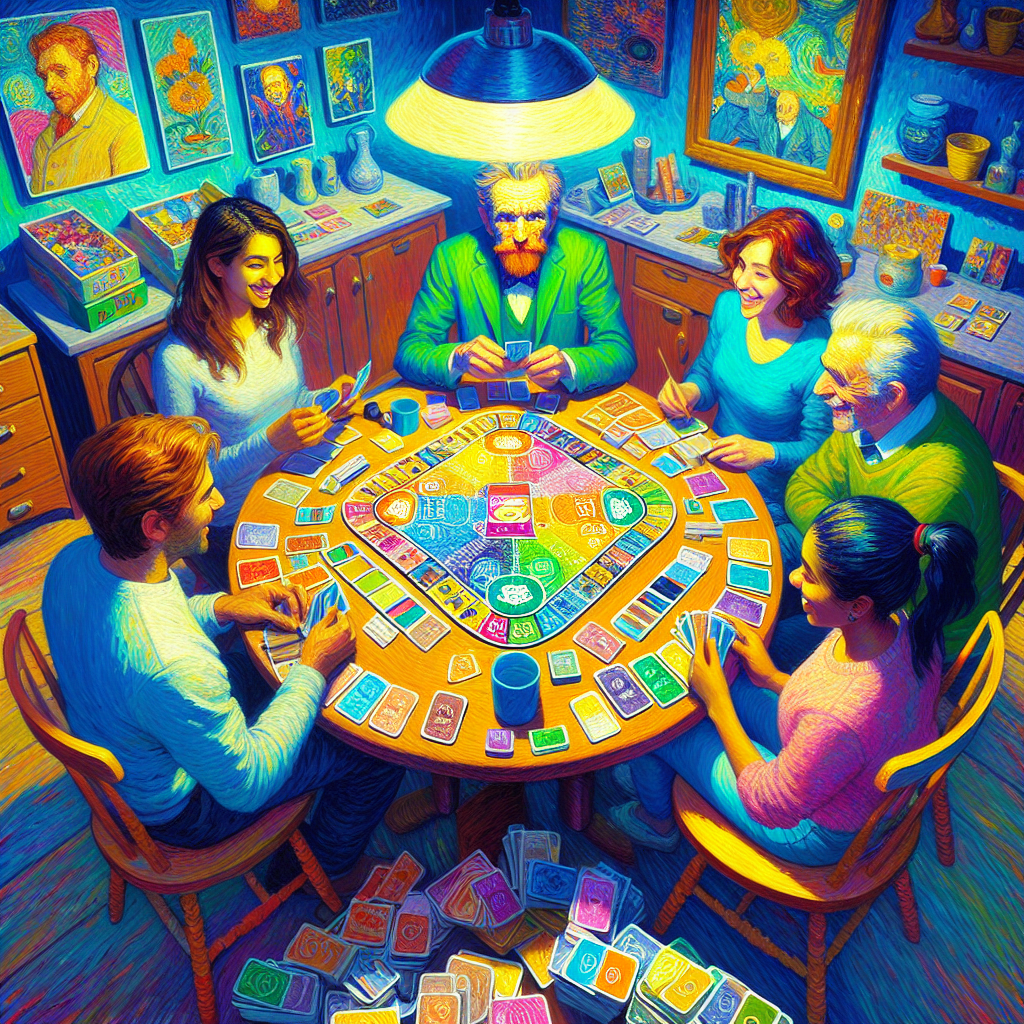
When you sit down for a game of cards, you’re not just shuffling a deck—you’re stepping into a vivid world where themes can turn a simple pastime into a multi-layered experience. Strategy in card gameplay isn’t just about counting cards or memorizing odds; it’s deeply intertwined with the thematic elements that weave through the game. Let’s unpack how these themes can shape the choices you make at the table.
Take, for example, a deck themed around a fantasy realm. This isn’t just colorful artwork or whimsical names—every card tells a story. You’ve got knights clashing with dragons, sorceresses conjuring spells, and treasure hunters navigating treacherous dungeons. Each theme offers a unique set of mechanics and goals. The chalice of victory isn’t just a win, it’s the kind of victory you achieve through cunning alliances or daring battles. Understanding the theme allows players to embody the roles effectively and adopt strategies that reflect their characters.
Now, consider a sci-fi deck. Here you’re not just battling for territory; you’re navigating complex technologies and uncharted galaxies. The theme dictates that your decisions may hinge on time travel, resource management, or even diplomacy with alien species. Perhaps your strategy involves forming temporary alliances in a cosmos where everyone is out for their own interests, or maybe it’s a solo mission, infiltrating enemy factions and capturing knowledge. The thematic framework shapes the tactics you’ll deploy, melding the narrative with the mechanics to create an immersive experience.
Then there are games rooted in historical themes. When employing a strategy here, players must recognize that each card reflects real-world dynamics—territorial expansion, trade agreements, or cultural shifts. Understanding the historical context not only enhances the gameplay but also allows you to devise strategies that mirror genuine events from the past. Are you the aggressive conqueror or the shrewd negotiator? The theme draws you in, influencing your gaming psychology and pushing you toward tactics that resonate with the era being depicted.
Ultimately, themes breathe life into strategies, transforming a largely number-driven exercise into a dynamic narrative. Whether you are waging war in an ancient kingdom or building a futuristic empire, understanding the nuances of the theme not only gives your strategy direction but also enriches your engagement. So, the next time you’re dealt a hand, remember: you’re not just playing cards; you’re navigating a rich tapestry of adventure, conflict, and storytelling. Let that theme guide your hand, and watch as your strategy unfolds into something far greater than mere calculations.
How Can Themes Shape Strategies In Card Gameplay?
How Can Themes Shape Strategies In Card Gameplay?
- Card games offer immersive experiences beyond just gameplay, influenced by thematic elements.
- Different themes, such as fantasy, sci-fi, and historical, shape players’ strategies and choices.
- A fantasy-themed deck features narratives like knights, dragons, and sorcery that guide gameplay strategies.
- In sci-fi games, players navigate technologies and alliances, affecting their tactical approach.
- Historical-themed games reflect real-world dynamics, allowing players to draw upon genuine events for strategy.
- Themes enrich gameplay and influence players’ roles, enhancing engagement and decision-making.
- Understanding the theme transforms card playing into a narrative-driven experience rather than just a numbers game.

How Can Themes Shape Strategies In Card Gameplay?
What Techniques Can Enhance Immersion In Card Games?
When you think about card games, you might envision a leisurely afternoon with friends, a warm drink in hand, all punctuated by laughter and the occasional cutthroat bluff. But underneath that veneer of casual fun, there’s a world of strategy, psychology, and emotion waiting to be unraveled. To truly immerse yourself in these games, you need to dig deeper than the shuffling of cards. Here are a few techniques that can transform a mundane game night into an electrifying experience.
First, focus on the atmosphere. Sure, it might be tempting to play a quick hand in the background of a bustling living room, but that’s like trying to enjoy a symphony in a subway station. Dim the lights, light some candles, or use a table lamp to create a cozy, intimate setting. The right ambiance helps heighten emotions—an important element in games where tension is the name of the game. Give your space a personality; let it reflect the theme of the card game. A pirate-themed deck deserves an adventurous setting, maybe with a few nautical decorations that spark conversation.
Next, consider the storytelling element. Every card game has its nuances and underlying narratives. Make an effort to weave storytelling into your sessions. Introduce your characters or cards; give them backstories filled with conflict, ambition, and dramatic twists. If you’re playing a fantasy game, set the stage with rich lore, mythology, or even improvised storytelling. The more vivid the narrative you create, the more engrossed you’ll become in the game’s universe.
Then, let’s talk about engagement. Breaking the ice with goofy house rules can be a surefire way to get everyone involved. Think of rules that promote interaction—call-outs, challenges, or even fun penalties that add an element of humor or excitement. When players feel more connected, they are more likely to put their heart into the game. This camaraderie enhances the overall experience, making every card drawn feel like a moment of destiny.
Lastly, embrace the rituals. Maybe it’s a particular song that gets played at the beginning, or a specific way the cards are shuffled or dealt. Rituals create a sense of belonging—a shared culture that enhances the immersion for everyone at the table. They serve as a bridge that connects game night with tradition, making each session feel like a cherished event rather than just another game.
Card games are more than just pastimes; they are narratives waiting to unfold—full of drama, laughter, and moments to be cherished. Embrace these techniques, and you’ll find yourself and your friends not just playing the game but living it.

What Techniques Can Enhance Immersion In Card Games?
What Techniques Can Enhance Immersion In Card Games?
- Card games offer relaxation, but involve strategy, psychology, and emotion.
- Create a cozy atmosphere with dim lighting and themed decorations to enhance tension and enjoyment.
- Incorporate storytelling into gameplay by giving characters or cards rich backstories and narratives.
- Use goofy house rules to promote engagement and interaction among players, fostering camaraderie.
- Embrace rituals, such as specific songs or card-shuffling methods, to create a sense of belonging.
- Card games can transform into immersive experiences that are more than just pastimes.
- By using these techniques, players can enjoy not just the game, but the entire experience of it.

What Techniques Can Enhance Immersion In Card Games?
What Approaches Can Be Used To Encourage Player Creativity?
Encouraging player creativity in gaming isn’t merely about giving them a sandbox to mess around in; it’s about crafting an environment where they feel inspired to push boundaries, explore possibilities, and unleash their imaginations. So, how do we foster that creative spark? Let’s roll up our sleeves and dig into some practical approaches.
First off, consider the world-building aspect of games. Creating rich, immersive environments packed with lore and intricate details encourages players to engage deeper. Think of it as setting the stage for a grand performance. The more compelling the backdrop, the easier it is for players to envision their own stories unfolding within it. Developers can enrich this experience by providing tools for players to become part of that narrative—perhaps through modding capabilities or user-generated content features where they can contribute their own characters or quests. The more players feel like architects of their world, the more incentivized they’ll be to innovate.
Next, let’s talk about constraints. It may seem counterintuitive, but limitations can actually fuel creativity. By imposing specific challenges or parameters, you can encourage players to think outside the box. Whether it’s a quest that can only be completed using a limited set of resources or a puzzle that requires unconventional thinking, these constraints can serve as creative springboards. They force players to brainstorm unconventional solutions, often resulting in unique and inventive approaches that they wouldn’t have considered without those boundaries.
Community plays a pivotal role too. By fostering an engaged and enthusiastic community, developers can create a delightful ecosystem of sharing and collaboration. Player forums, social media groups, and in-game events can be fantastic platforms for players to showcase their creations, share tips, and learn from one another. Highlighting standout creations or organizing competitions can spark further creativity, motivating players to dive deeper into their own imaginative endeavors.
Lastly, let’s not forget about feedback. Establishing avenues for players to share their thoughts and ideas can be a goldmine for creativity. Encourage them to provide input on what they’d like to see in the game or feature new tools that players have been dreaming about. When players see that their voices matter in shaping the game, they’re more likely to engage actively and creatively. So, whether through surveys, forums, or social channels, keeping lines of communication open can unleash a wave of innovative ideas and creations.
At its core, encouraging player creativity is about creating an atmosphere where exploration is not just welcomed but celebrated. When players feel that their imagination can roam as freely as they wish, the results can be nothing short of spectacular.

What Approaches Can Be Used To Encourage Player Creativity?
What Approaches Can Be Used To Encourage Player Creativity?
- Encouraging player creativity involves crafting inspiring environments beyond mere sandbox play.
- Rich world-building with intricate lore helps players engage and envision their own stories.
- Providing modding capabilities or user-generated content tools allows players to contribute to the narrative.
- Imposing constraints can fuel creativity by forcing players to think outside the box.
- A vibrant community fosters sharing, collaboration, and motivates players through competition.
- Gathering player feedback is crucial, as it encourages active participation and innovative ideas.
- Creating a celebratory atmosphere for exploration leads to spectacular imaginative outcomes.

What Approaches Can Be Used To Encourage Player Creativity?
How Does World-Building Influence Gameplay Strategies?
In the realm of gaming, world-building isn’t just a backdrop; it’s the very soil from which gameplay strategies sprout. A well-crafted universe invites players to immerse themselves, establishing a rich tapestry of lore, geography, and societal norms that dictate the rules of engagement. This is where the magic happens, creating layers of complexity that can transform a simple interaction into a profound experience.
Let’s start with the geography. Consider a game set in a sprawling, mountainous landscape versus one ensnared in a claustrophobic cityscape. The former encourages exploration, rewarding players with hidden treasures tucked away in crevices or valleys. On the flip side, urban environments often create bottlenecks that force players into close-quarters combat and strategic positioning. Such distinct settings inherently influence how players approach challenges, shaping everything from combat tactics to resource management.
Then there’s the culture of the world. A game steeped in ancient folklore might provoke a sense of reverence and caution among players, prompting them to respect the power of the magical artifacts they encounter. In contrast, a dystopian future where every choice is a gamble could cultivate a more reckless gameplay style, where players might sacrifice caution for speed and aggression. The established norms and values of a game world can nudge players toward specific strategies, whether it’s stealthy ambushes in a realm governed by subterfuge or full-blown assaults in a militaristic society.
Moreover, world-building lays the groundwork for character development, which can further influence tactics. When players are emotionally invested in their character’s backstory, victories feel earned and setbacks sting a little more. Choices made in character creation—like aligning with a band of rogue rebels versus a noble empire—can lead to starkly different strategic paths. Each faction might come with its own set of tactics, resources, and alliances, making the decision of where to align both a personal and strategic one.
World-building isn’t merely a narrative flourish; it’s an integral component that shapes gameplay strategies in profound ways. As players traverse these intricately woven landscapes, they’re not just navigating a game—they’re engaging with a living, breathing environment that demands adaptability and encourages creativity. Each decision is colored by the world’s nuances, driving players to think critically and act decisively. In this way, world-building isn’t just about creating a stage; it’s about crafting the rules of engagement that turn gaming into something truly immersive.

How Does World-Building Influence Gameplay Strategies?
How Does World-Building Influence Gameplay Strategies?
- World-building serves as the foundation for gameplay strategies in gaming.
- A well-crafted universe provides players with immersive lore, geography, and societal norms.
- Distinct geographical settings influence gameplay approaches, encouraging exploration or strategic positioning.
- The culture of a game impacts player behavior, promoting either caution or recklessness based on the environment.
- World-building enhances character development, affecting player investment and strategy choices.
- Players’ decisions in character creation align them with factions, leading to diverse tactical paths.
- Overall, world-building shapes the rules of engagement, making the gaming experience more immersive and dynamic.

How Does World-Building Influence Gameplay Strategies?
What Methods Can Be Employed To Enhance Cooperative Play?
In the world of gaming and team dynamics, the spirit of cooperation can turn a good experience into a memorable one. But weaving that spirit into the fabric of gameplay requires more than just tossing a group of players together and hoping for the best. Here are a few methods that can help boost cooperative play, transforming a motley crew into a well-oiled machine.
Firstly, clear communication is paramount. Think of it like a well-rehearsed dance. Each player needs to know their role, understand the moves, and be ready to improvise when things don’t go according to plan. Tools like voice chat, in-game signals, or even old-fashioned text can break down barriers and ensure that everyone is on the same page. Create an environment where players feel comfortable sharing their thoughts and strategies. Just as in any good team effort, sharing information can sometimes be the difference between victory and defeat.
Secondly, consider gamifying cooperation itself. Many games inherently reward teamwork, but you can enhance this even further by setting specific challenges that require collaboration to complete. Whether it’s a scavenger hunt for items that require multiple players to retrieve, or a puzzle that necessitates teamwork to solve, these tasks can encourage players to engage with each other more deeply. Establishing team-based mini-goals can inject a sense of purpose, pushing players to rely on one another and develop a stronger team bond.
Next on the list is the role of feedback. Constructive feedback fosters growth but ensure it’s delivered in a manner that uplifts rather than undermines. After a round, encouraging players to reflect on what went well, and where improvements can be made fosters an open and honest atmosphere. This not only helps in refining skills but builds trust among team members. Remember, the key is not to call out mistakes but rather to frame discussions around collective improvement.
Finally, instilling a sense of narrative or lore can really bind a group together. Crafting a shared story or mission allows players to immerse themselves in a shared experience, making every cooperative action feel significant. When players feel like they are part of something larger, they are more likely to collaborate wholeheartedly, drawing not just on their individual strengths, but on the shared motivation that tinges every interaction.
By implementing these diverse strategies—clear communication, gamification of cooperation, constructive feedback, and shared storytelling—players are more likely to thrive in an environment built on teamwork. It’s about unifying individuals with a common goal and inspiring them to play not just together, but for one another.

What Methods Can Be Employed To Enhance Cooperative Play?
What Methods Can Be Employed To Enhance Cooperative Play?
- Cooperation enhances the gaming experience, creating memorable moments.
- Clear communication is essential; players should understand their roles and be adaptable.
- Gamifying cooperation with specific challenges can deepen player engagement.
- Team-based mini-goals help players bond and foster collaboration.
- Constructive feedback promotes growth and builds trust among team members.
- Encouraging reflection on successes and improvements fosters an open atmosphere.
- Creating a shared narrative can unify players and enhance their cooperative efforts.

What Methods Can Be Employed To Enhance Cooperative Play?
How Can Feedback Loops Improve Story Progression?
In any good story, whether it’s a gripping novel, a thrilling film, or even a heartfelt podcast, the journey hinges on one essential element: feedback loops. You see, feedback loops aren’t just for the latest tech gadgets or high-tech business models; they’re crucial in refining and elevating the narrative experience. So, what exactly is a feedback loop in storytelling, and how does it drive the engine of story progression? Let’s break it down.
At its core, a feedback loop is a cycle of information and response that helps shape a narrative based on what resonates with the audience. Think of it like a conversation between the storyteller and the listeners. A writer pans out a draft, and then, through feedback—be it from beta readers, editors, or even test audiences—they gather insights on what worked and what didn’t. This process allows for an organic evolution of the story, making it not just a product of one person’s imagination, but a collaborative effort that grows stronger through constructive criticism.
Consider this: every plot twist, character arc, or emotional moment can be refined based on audience reactions. If readers are bored at a certain passage, or if they don’t connect with a character’s motivations, that’s crucial information for the storyteller. By analyzing these responses, the writer can rework those weak points, add tension, deepening connections, or shift the pacing. It’s a bit like tuning an engine; every adjustment enhances performance, ensuring the story zips along at just the right speed, capturing the viewer’s attention.
Additionally, feedback loops can cultivate engagement and investment in the story. When audiences feel their opinions matter—when they see elements of their feedback reflected in the storyline—they are likely to become more engrossed in the material. This not only enhances their emotional attachment but also encourages a word-of-mouth buzz that can drive the narrative forward. The more invested the audience is, the more they spread the word about the tale they just can’t put down or the series they binge-watch on weekends.
In sum, incorporating feedback loops in storytelling isn’t just a smart move; it’s a vital ingredient for success. It transforms a simple tale into a rich, layered experience that keeps audiences coming back for more, ensuring that every twist, turn, and emotional beat resonate powerfully. After all, a well-tuned story isn’t just told—it’s experienced.

How Can Feedback Loops Improve Story Progression?
How Can Feedback Loops Improve Story Progression?
- Feedback loops are essential in storytelling across various mediums, including novels, films, and podcasts.
- They involve a cycle of information and response that shapes a narrative based on audience resonance.
- Feedback from beta readers, editors, or test audiences allows for organic story evolution through constructive criticism.
- Story elements like plot twists and character arcs can be refined based on audience reactions.
- Analyzing feedback helps writers rework weak points, enhance tension, and improve pacing.
- Engagement increases when audiences see their opinions reflected in the storyline, fostering emotional attachment and word-of-mouth promotion.
- Incorporating feedback loops transforms stories into layered experiences, making them more compelling and rewarding for the audience.

How Can Feedback Loops Improve Story Progression?
What Are Effective Ways To Introduce Players To The Story?
In the ever-evolving world of gaming, capturing a player’s attention right from the get-go is like trying to catch a greased pig. You can make all the noise you want, but unless you have a solid grip on the story, it’s all for naught. So, how do we ease these enthusiastic players into the rich narrative tapestry we’ve woven? Let’s roll up our sleeves and dig in.
First and foremost, start with a hook. Just like a good fishing story, it’s all about that initial bite. Create a compelling opening scenario that hints at the stakes—something thrilling or mysterious that nudges the player’s curiosity. Consider the ancient art of storytelling. Think of it as a simmering pot: you want to introduce the sizzle before the feast. Give players a taste of the conflict they’re about to dive headfirst into, whether it’s a fraught relationship, a looming disaster, or an enigma that demands solving.
Next, use the environment to your advantage. A well-designed world isn’t just a backdrop; it’s a narrative device in itself. You can sprinkle lore, character snippets, or backstory within the environment—graffiti on a wall, a forgotten diary on a table, or echoes of past events that resonate through the landscape. This not only immerses players in the story but also invites them to uncover secrets at their own pace. You want them to feel like explorers with a treasure map, the X marking not just the spot, but the very essence of your tale.
Don’t underestimate the power of characters. Just as we’re drawn to certain people in real life, players gravitate towards characters that resonate with them—those who are eccentric, relatable, or just downright intriguing. Introduce key figures through interactive dialogue or compelling cutscenes so that players form connections early on. A heartfelt introduction can span the gulf between pixelated figures and real emotional investment.
Lastly, consider pacing. Nobody likes to be bombarded with exposition like a surprised contestant on a game show. Instead, layer the story gradually. Reveal bits and pieces as players progress, allowing them to piece together the puzzle over time. This not only keeps the story engaging but also ensures that players feel a sense of accomplishment as they unlock the mysteries you’ve crafted.
By harnessing these elements—the hook, environmental storytelling, engaging characters, and thoughtful pacing—you won’t just introduce players to a story; you’ll invite them to live it. And nothing keeps players coming back quite like a narrative that feels alive and breathing beside them.

What Are Effective Ways To Introduce Players To The Story?
What Are Effective Ways To Introduce Players To The Story?
- Engage players from the start with a captivating hook to pique their curiosity.
- Set up a compelling opening scenario that hints at the stakes of the story.
- Utilize the game environment as a narrative tool by embedding lore and backstory.
- Encourage exploration through environmental storytelling, allowing players to uncover secrets.
- Create relatable and intriguing characters to foster emotional connections with players.
- Employ gradual pacing to reveal the story, allowing players to piece together the narrative over time.
- By integrating these elements, you can create an immersive experience that keeps players engaged in the narrative.

What Are Effective Ways To Introduce Players To The Story?
How Can Card Synergies Deepen The Narrative Experience?
In the world of storytelling, every element matters, from dialogue to setting, but there’s something unique about how card synergies can deepen the narrative experience. Imagine unearthing a hidden layer in a beloved novel or revealing an unexpected twist in a classic film. That’s the magic that happens when card synergies come into play.
Card games are often pigeonholed as mere entertainment, but they can serve as an exceptional medium for storytelling. Each card can encapsulate emotions, histories, or character arcs, and when these cards interact, they create a tapestry of narrative possibilities. Picture two cards: one represents a wise sage who’s seen the world change around him, and the other embodies a brash hero eager to prove himself. When these two cards are played consecutively, the synergy between them can illuminate their relationship. The sage’s wisdom complements the hero’s raw fervor, crafting a moment that resonates with anyone who’s ever stood at the crossroads of youth and experience.
This is where the joy of discovery lies. As players explore the dynamics of different card combinations, they uncover stories that weren’t immediately evident. Synergies engage players not just on a tactical level but also foster emotional engagement. The most successful games thrive on these connections—allowing players to weave narratives that intertwine characters and ideologies in a way that feels organic and deeply impactful.
Think of it as assembling a puzzle where every piece has its own story—at first, a simple image forms, but start interlocking the pieces, and suddenly a rich, expansive world emerges. This layering of meanings leads to moments of insight and revelation. Players may find themselves reflecting on themes of sacrifice, loyalty, and triumph in ways that are personal and profound.
Moreover, card synergies often encourage collaboration and dialogue among players, not unlike a well-crafted ensemble cast in a film. As players swap strategies and insights, they enhance the collective storytelling experience, breathing life into the game itself. It’s not just about winning or losing; it’s about sharing narratives, forging connections, and building a richer world together.
In essence, card synergies don’t merely complement gameplay; they enhance the very act of storytelling, transforming a game into a shared narrative adventure that players can remember long after the final card is played.

How Can Card Synergies Deepen The Narrative Experience?
How Can Card Synergies Deepen The Narrative Experience?
- Card synergies deepen the narrative experience in storytelling.
- Card games can serve as a unique medium for encapsulating emotions and character arcs.
- Interactions between cards reveal intricate relationships, enhancing player engagement.
- Exploring card combinations uncovers hidden stories and fosters emotional connections.
- Players experience themes like sacrifice and triumph, offering personal insights.
- Collaboration among players enhances the storytelling experience and builds connections.
- Ultimately, card synergies transform gameplay into a shared narrative adventure.

How Can Card Synergies Deepen The Narrative Experience?
Conclusion
In the complex world of story-driven card games, success boils down to a symbiotic blend of narrative depth, mechanics, and player engagement. Think of a classic card game as a stage; every card isn’t just a move, but a character in a multifaceted play waiting to unfold. The key, my friends, lies in crafting a narrative that hooks players from the start, allowing them to live a vivid shared experience rather than merely participating in a competition.
Imagine this: the story serves as the backbone of the game, rich with backstory, relatable characters, and intriguing conflicts. Developers should ask themselves how their players’ choices impact this narrative. Each decision made during the game shouldn’t just be a strategic move; it should resonate with the overarching plot—a living saga where players become the heroes of their stories.
Next, we can’t ignore the pivotal role of character development. Just as good books offer memorable protagonists, the best card games provide characters that players can root for. The stitches that weave together the patchwork quilt of gameplay and narrative should allow players not only to invest in their characters’ journeys but also grant them a sense of agency. The choices they make, from pivotal tactical decisions to emotional moments, become investments in a storyline that they help craft.
Engagement spikes when players aren’t just passive observers; they must have the power to influence the narrative through their decisions and strategies. This leads to not only a sense of empowerment but also fosters community—players should feel inspired to share their unique experiences and insights regarding the game and its characters.
But immersion doesn’t end with mechanics or character development. Aesthetics play a strong role. Visual artistry and thematic elements should reinforce the story, wrapping players in a world where every card illustrated conjures emotions beyond mere gameplay.
And let’s not forget about cooperation—both among players and between players and developers. Feedback loops should serve as essential tools for evolving the game experience. Developers must listen to their audience, using insights to refine narrative arcs or gameplay mechanics, ensuring that both players and the story grow together.
By mindfully considering each of these elements, developers can truly create card games that resonate on multiple levels, delivering not just competition, but an immersive journey full of tales worth telling. When the dust settles after the final hand is dealt, players should not just walk away with scores, but rather with stories forever etched in their memories—creating a tapestry of shared experiences that keep them coming back for more.

Conclusion
Conclusion:
- Success in story-driven card games depends on a blend of narrative, mechanics, and player engagement.
- The narrative should hook players and offer a vivid shared experience, beyond mere competition.
- Player choices should impact the story, transforming each decision into a meaningful part of the overarching plot.
- Strong character development allows players to connect with and invest in their characters’ journeys.
- Players should influence the narrative through their decisions, fostering a sense of empowerment and community.
- Visual artistry and thematic elements should enhance immersion and evoke emotions related to the story.
- Feedback loops between players and developers are essential for evolving the game and ensuring a collaborative growth of narrative and gameplay.

Conclusion
Other Resources

Other Resources
Here is a list of other resources you can review online to learn more:
- “Narrative Design 101 — What is Narrative Design?”
- “Developing Meaningful Player Character Arcs in …”
- “4. Narrative – Designing Games [Book]”
- “Mastering The Narrative: The Art Of Interactive Storytelling …”
- “Unveiling the Art of Narrative Game Design”
- “Storytelling in Open World Games. A Writer’s Guide | by Talin”
- “Introducing story cards”
- “A Complete Guide to Game Narrative Design”
- “Interactive storytelling: Game Storytelling: Beyond Fun”
- “Stories in Games for Health: More Pros or Cons? – PMC”
- “SGI :: Story/character arc cards”
- “Games Are a Whole New Form of Storytelling”
- “Schedule”
- “Videogames and Agency”
- “Interaction and Narrative — Mateas and Stern”
- “Analyzing the Game Narrative: Structure and Technique”
- “Sliding Scale of Gameplay and Story Integration”
- “Narrative Mechanics – Strategies and Meanings in Games …”
- “Fallout 76 | Fallout Wiki”
- “Game Design: Theory & Practice”
Use This Prompt To Get More Resources With Your Favorite Online AI Tool: Please provide me with a list of online articles with their URLS in a bulleted list that I can read regarding What Strategies Are Needed for Story-Driven Card Games?

Other Resources
Glossary Terms
What Strategies Are Needed for Story-Driven Card Games? – Glossary Of Terms
1. Narrative Mechanics: Elements within the game that facilitate storytelling, such as dialogue choices or branching plot events.
2. Character Development: The process of evolving a character throughout the game, often influenced by player choices and card selection.
3. Lore: The backstory and world-building elements that enrich the game’s setting and provide context to the characters and events.
4. Card Synergy: The strategic combination of cards that enhance each other’s effects when played together.
5. Thematic Deck-Building: Constructing a deck that reflects the story’s themes or character traits, enhancing immersion in the narrative.
6. Player Agency: The degree of influence a player has over the game’s outcome, often linked to their choices in the narrative.
7. Choice Architecture: The design of decision-making pathways that guide players toward meaningful choices that impact the storyline.
8. World-Building: The creation of an in-depth universe where the game is set, contributing to the overall narrative and player engagement.
9. Dynamic Storytelling: A method of storytelling that adapts based on player actions, ensuring a unique experience for each playthrough.
10. Conflict Resolution: Mechanics for resolving narrative conflicts, often integrated into gameplay with cards representing challenges or obstacles.
11. Feedback Loops: Systems where player choices influence future game scenarios, reinforcing the consequences of actions taken.
12. Foreshadowing: Subtle hints embedded in the game that indicate future events, enhancing storytelling and player engagement.
13. Immersive Experience: The quality of drawing players deeply into the game’s narrative and world, often achieved through rich storytelling elements.
14. Goal-Driven Gameplay: Gameplay that centers around achieving specific narrative or thematic objectives through chosen strategies.
15. Emotional Resonance: The ability of the story and characters to evoke feelings in players, impacting their decisions and connections to the game.
16. Branching Paths: Different narrative routes that players can take depending on their choices, leading to various outcomes.
17. Card Flavor Text: Descriptive text on cards that adds narrative depth, enhancing the storytelling aspect of the game.
18. Player Narratives: Individual stories created by players based on their decisions, interactions, and experiences within the game.
19. Meta-Story: An overarching narrative that ties together multiple story arcs or character paths within the game.
20. Reward Systems: Mechanisms designed to incentivize players for making choices that align with the narrative and thematic: goals.
21. Character Archetype: Common character types (e. g. , hero, mentor, villain) that serve specific roles within the story, often influencing gameplay strategies.
22. Pacing: The rhythm of storytelling and gameplay, determining how quickly or slowly the narrative unfolds in relation to card play.
23. Event Cards: Special cards that introduce significant narrative twists or challenges, impacting the overall storyline.
24. Atmospheric Elements: Components such as art style, music, and sound effects that enhance the storytelling experience through mood and tone.
25. Narrative Stakes: The significance of player choices and actions, which impact the urgency and importance of the unfolding story.
26. Interactive Dialogue: Conversations within the game that offer players choices affecting both character development and plot progression.
27. Game Master: A facilitator who guides the narrative flow, making adjustments based on player choices (relevant in table-top adaptations).
28. Motivation Systems: The reasons driving character actions and player decisions, often rooted in the narrative.
29. Thematic Consistency: The alignment of game mechanics and narrative elements to maintain a cohesive story experience.
30. Final Resolution: The conclusion of the narrative brought about by player choices, often resulting in multiple possible endings based on the paths taken.

Glossary Of Terms
Other Questions
What Strategies Are Needed for Story-Driven Card Games? – Other Questions
If you wish to explore and discover more, consider looking for answers to these questions:
- What are some examples of popular story-driven card games?
- How do story-driven card games differ from traditional card games?
- What role does player feedback play in the development of a story-driven card game?
- How can developers ensure that the narrative does not overshadow gameplay mechanics?
- What are some best practices for integrating art and thematic elements in card games?
- How can a game master implement storytelling strategies in tabletop card games?
- What methods can players use to create their own narratives during gameplay?
- How can developers balance player agency with narrative structure in card games?
- What are the potential consequences of poor character development in card games?
- What techniques can enhance the visual storytelling aspect of card games?
- Are there any specific genres of storytelling that work best for card games?
- How can narrative-driven experiences be used to attract new players to card games?
- How do cultural themes influence story-driven gameplay mechanics?
- What role do cooperative elements play in enhancing the narrative experience?
- How can an emphasis on storytelling affect player retention in card games?

Other Questions
Haiku
What Strategies Are Needed for Story-Driven Card Games? – A Haiku
Cards shuffle tales,
Choices weave a living plot,
Game shapes our journey.

Haiku
Poem
What Strategies Are Needed for Story-Driven Card Games? – A Poem
In the Realm of Cards and Stories
In a world where cards and tales entwine,
A dance unfolds, a grand design.
With each draw whispers weave a thread,
Of heroes rising, and whispers of dread.
First, a tale must cradle the game,
With vibrant backstories to stake a claim.
Characters drawn with care, profound and bold,
Their choices shaping the fables told.
Each card, a chapter, each play, a plot twist,
Where stakes rise high, and none can resist.
Balance is key, so story and skill flow,
Like seasoning just right, enhancing the show.
Embrace player choices, let pathways divide,
In narratives branching, where secrets abide.
Art and theme—a canvas alive,
Transfixing the hearts of those who strive.
Engage with your players, take heed of their voice,
For together, you’ll craft, together—rejoice.
Feedback builds bridges, lays pathways anew,
In this living saga, each player’s view.
So gather around with ambition and glee,
Unravel the stories, let imagination be free.
In this world of cards where legends ignite,
You’ll not just play games; you’ll soar into flight.
With laughter that echoes and tales that excite,
Embrace every moment, let creativity light.
As the last card is drawn and the stories ascend,
Remember, dear players, this journey won’t end.

Poem
Checklist
What Strategies Are Needed for Story-Driven Card Games? – A Checklist
1. Develop a Strong Narrative Backbone
_____ Create a well-defined and engaging narrative.
_____ Infuse the backstory with relatable characters.
_____ Ensure conflicts drive player motivation and choices.
2. Balance Story Depth with Gameplay Mechanics
_____ Integrate narrative elements smoothly with game mechanics.
_____ Avoid overwhelming players with excessive lore or complex backstories.
_____ Use clear, concise writing to explain story elements.
3. Foster Player Agency
_____ Allow players to shape the narrative with meaningful choices.
_____ Create branching paths or multiple endings to enhance replayability.
_____ Encourage exploration of different narrative outcomes.
4. Enhance Visual and Thematic Elements
_____ Use striking artwork that resonates with the story.
_____ Ensure thematic consistency in the game’s visuals and sound.
_____ Immerse players emotionally through aesthetic choices.
5. Engage with the Player Community
_____ Collect feedback and iterate on the game based on player experiences.
_____ Host community events to foster a sense of belonging and shared storytelling.
_____ Build a supportive environment for discussion of gameplay and narrative arcs.
6. Ensure Character Development
_____ Design well-rounded characters with unique abilities and backgrounds.
_____ Enable character growth over the course of the game.
_____ Relate characters’ experiences to the players’ journey.
7. Utilize Feedback Loops for Story Progression
_____ Implement a cycle of feedback that allows for narrative evolution.
_____ Respond to player input to refine story elements and keep them engaged.
_____ Create a narrative that feels alive and responsive to player actions.
8. Incorporate Environmental Storytelling
_____ Use the game environment to subtly reveal lore and backstory.
_____ Scatter narrative clues throughout the game world.
_____ Encourage players to explore their surroundings for deeper understanding.
9. Creatively Introduce Players to the Story
_____ Start with a captivating hook to grab attention.
_____ Introduce key characters through engaging dialogue or scenarios.
_____ Gradually reveal the story as players progress to maintain intrigue.
10. Enhance Cooperative Play
_____ Encourage clear communication and collaborative strategies among players.
_____ Create team-based challenges requiring cooperation to succeed.
_____ Foster a shared narrative or mission that binds players together.
11. Propel Strategy with Thematic Elements
_____ Align gameplay mechanics with the overarching theme of the game.
_____ Use thematic constraints to stimulate creative problem-solving.
_____ Design scenarios that encourage players to embody their characters’ roles.
By following this checklist, you can create a compelling and immersive experience in your story-driven card game, captivating players and allowing them to become a part of a rich narrative.

Checklist
At CardGameNews, we help people who love card games by collating information and news about card games.
Be sure to read our other related stories at CardGameNews to learn more about card games.