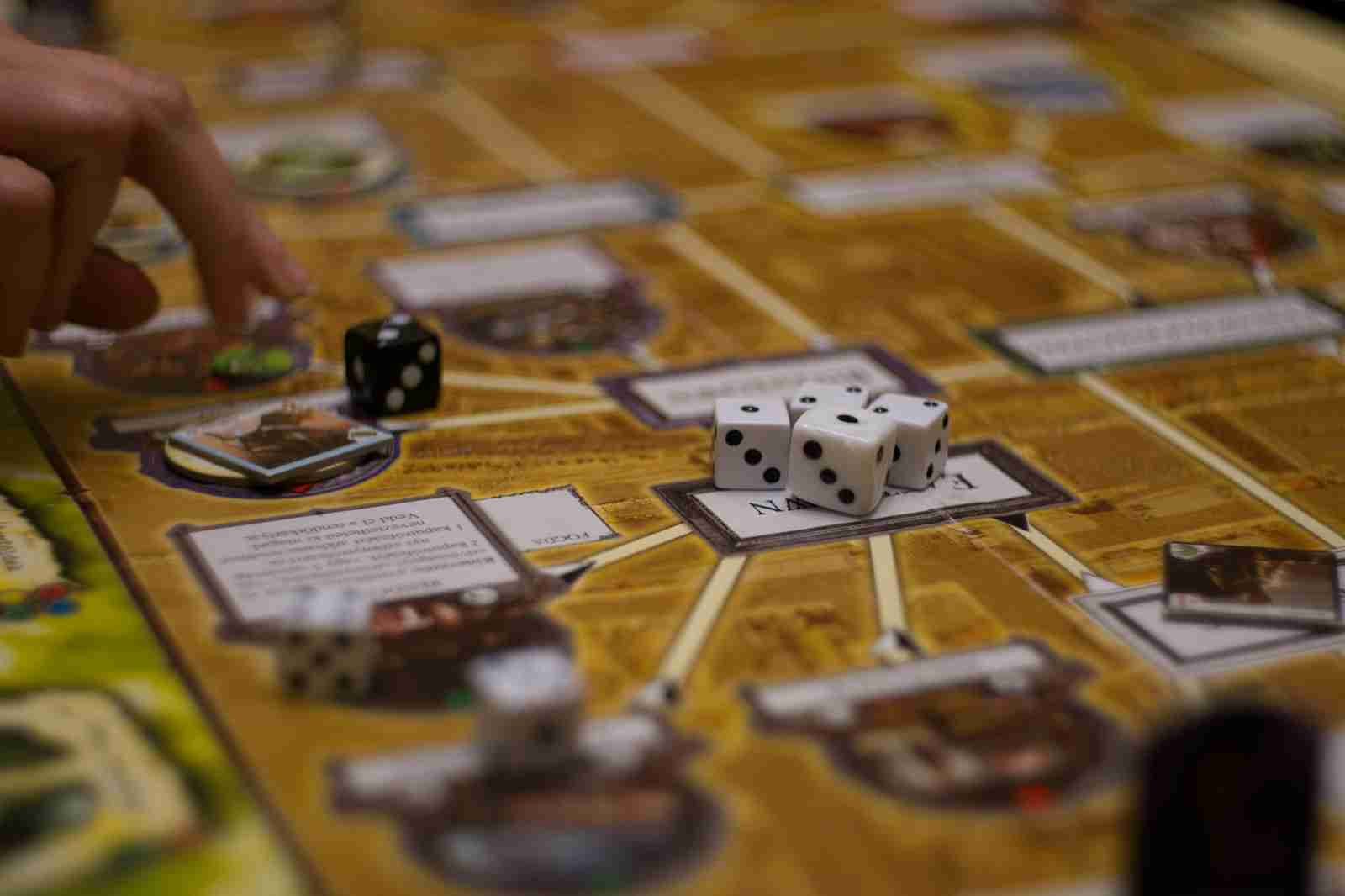
Mastering The Art Of Quick Card Victories
By Tom Seest
At CardGameNews, we help people who love card games by collating information and news about card games.
Be sure to read our other related stories at CardGameNews to learn more about card games.
What Strategies Are Needed for Speed Card Games?
When it comes to speed card games, there’s no holding back—it’s the moment where the rubber meets the road. Unlike your leisurely poker nights with friends, speed card games demand quick thinking, razor-sharp reflexes, and a smattering of strategy. So, if you want to elevate your game and leave your opponents in a haze of confusion, you’d better arm yourself with some solid strategies that can mean the difference between victory and defeat.
First things first, familiarize yourself with the rules inside out. This sounds like a no-brainer, but trust me, nothing derails a game like a player scrambling to remember whether they can stack or must play sequentially. Speed is of the essence, and the more you understand the flow of the game, the quicker you’ll be able to react. Once you’ve nailed the basics, it’s time to sharpen your instincts.
Next, practice your hand management. In a game where every second counts, you want to be able to flick through your cards like a seasoned magician. Keep a mental note of which cards are where and anticipate the moves of your opponents. Playing defensively can be just as crucial as being aggressive. If you notice someone gearing up for a winning move, don’t hesitate to thwart their plans by holding onto a vital card that can block their path or force them to draw instead.
Now, let’s talk positioning. In many speed card games, physical placement can influence the pace of play. Find your optimal spot at the table—close enough to engage without crowding—but also where you can keep an eye on everyone’s moves. The slightest twitch of a finger or a nervous glance can give away valuable information. Stay calm, keep your poker face intact, and read those signals.
One tip that transcends card games is the importance of mental agility. You’ve got to train your mind to stay a step ahead of the game. Drills like quick card sorting and memory exercises can significantly sharpen your cognitive speed. Trust me, nothing feels better than zipping through your hand when your brain is firing on all cylinders.
Finally, embrace the chaos. Speed card games are designed to shake off complacency and pit players against one another in an exhilarating race of wits. So loosen up, relish the challenge, and let that adrenaline fuel your instincts. At the end of the day, it’s all about having fun, but there’s nothing wrong with coming out on top either. So gear up, sharpen those skills, and may the fastest hand win!

What Strategies Are Needed for Speed Card Games?
What Strategies Are Needed for Speed Card Games?
- Speed card games require quick thinking, sharp reflexes, and strategy.
- Familiarize yourself with the rules to react swiftly during play.
- Practice hand management to maintain control and anticipate opponents’ moves.
- Position yourself strategically at the table for optimal engagement and observation.
- Develop mental agility through exercises like quick card sorting to enhance cognitive speed.
- Embrace the chaotic nature of speed card games for a thrilling and enjoyable experience.
- Focus on having fun while aiming for victory in these fast-paced games.

What Strategies Are Needed for Speed Card Games?
Table Of Contents
- What Strategies Are Needed for Speed Card Games?
- What Are The Basic Rules Of Speed Card Games?
- How Can I Improve My Speed?
- What Are Effective Card Counting Techniques?
- How Do I Manage My Cards Efficiently?
- What Strategies Can Help With Quick Decision-Making?
- Should I Focus On Offense Or Defense Strategies?
- What Common Mistakes Do Players Make In Speed?
- How Does Practice Influence Skill Level In Speed?
- What Role Does Concentration Play In Winning?
- Are There Specific Opening Moves That Enhance My Chances?
- How Do I Stay Calm Under Pressure In Speed Games?
- What Variations Of Speed Card Games Exist?
- How Can I Adapt My Strategy Against Different Opponents?
- What Psychological Tactics Can Give Me An Advantage?
- How Important Is Teamwork In Multiplayer Speed Games?
- Conclusion
- Other Resources
- Glossary Of Terms
- Other Questions
- Haiku
- Poem
- Checklist
What Are The Basic Rules Of Speed Card Games?
When it comes to speed card games, simplicity is key, but don’t be fooled—there’s a healthy dose of strategy involved. These fast-paced games are all about quick thinking, quick moves, and a dash of dexterity. So, grab your deck and let’s dive into the fundamental rules that will have you racing toward victory in no time.
First off, you’ll need a standard deck of 52 playing cards. Shuffle it well, because randomness is your best friend in this game. Players typically sit across from each other, and each player is dealt a set number of cards—usually 15. The rest of the deck forms a draw pile in the center, and you’ll have two ‘build piles’ on either side. The aim? Be the first to get rid of all your cards.
Now, the game starts with both players flipping over the top card from their respective piles at the same time. The goal is to place cards from your hand onto these build piles, forming a sequence in ascending or descending order. For example, if there’s a 5 on the pile, you can place a 4 or a 6. Remember, Aces can be both high and low, giving you an extra edge. It’s not just about speed; your ability to quickly assess your options makes all the difference.
Don’t forget about the draw pile! If you run out of usable cards from your hand, you can draw from the center pile to replenish your cards. This is where strategy kicks in: should you take that risk and draw, potentially altering the order in your hand, or stick to your current cards? It’s a judgment call that could leave you ahead or scrambling for options.
As the game progresses, the tension rises. Players are encouraged to think on their feet—shouting out “Speed!” when someone has managed to play all their cards is customary. But beware of the consequences: if you call “Speed” too soon or without merit, you could be left vulnerable to a comeback.
In short, speed card games are about more than just quick reflexes. They require thought, strategy, and a good bit of competitive spirit. With practice and a steady hand, you’ll find yourself mastering the art of speed in no time. So, gather some friends, shuffle those cards, and get ready to put your skills to the test—it’s a whirlwind of fun that’s hard to beat!

What Are The Basic Rules Of Speed Card Games?
What Are The Basic Rules Of Speed Card Games?
- Speed card games emphasize simplicity but require strategy and quick thinking.
- Players use a standard deck of 52 cards, shuffling them well before play.
- Each player is dealt 15 cards; the remainder forms a draw pile in the center.
- The objective is to be the first player to get rid of all their cards.
- Players place cards on build piles in ascending or descending order, using Aces flexibly.
- Drawing from the center pile adds a strategic element to the game.
- Competitors signal when they’ve played all their cards by shouting “Speed!”, but timing is crucial.

What Are The Basic Rules Of Speed Card Games?
How Can I Improve My Speed?
Speed isn’t just about how fast you can run; it’s about movement, agility, and efficiency in whatever you do—whether it’s sprinting on a track, working on construction, or even responding to a fire alarm. If you want to rev up your pace and leave those sluggish days behind, there are a few tried-and-true methods you can apply. So buckle up and let’s dig in.
First off, understand that improving speed goes beyond sheer physical exertion. It’s about building a solid foundation. Strength training plays a crucial role in speed development. You want to strengthen those muscles that power your movements. Think squats, lunges, and deadlifts—basic, but incredibly effective. Building up explosive strength in your legs and core will give you the push you need to move faster.
Now, let’s talk about technique. If your form is all over the place, you’re wasting energy and sacrificing speed. Watch videos of athletes who excel in the area you want to improve and mimic their movements. Pay attention to their posture, stride, and the mechanics of their arms. A robust and efficient running technique can shave precious seconds off your time, whether in a race or in daily activities.
Ever heard of interval training? It’s time to give it a shot. Alternating between bursts of high-intensity work and recovery periods can boost your speed significantly. This method teaches your body to deliver quick bursts of energy while also improving your cardiovascular endurance. So next time you’re on the track, try sprinting for 30 seconds, followed by a minute of walking or jogging, and repeat. You’ll be surprised at how much this improves your overall speed.
But speed improvement isn’t just a physical endeavor. Your mindset plays a huge role, too. The difference between a person who jogs and one who sprints often lies in their mental approach. Set specific, measurable goals—don’t just say, “I want to get faster.” Aim for something concrete, like knocking off a few seconds from your mile time. Visualize yourself achieving these goals, and keep that vision in the back of your mind when the going gets tough.
Finally, listen to your body. The road to improvement is a long one, and it’s essential to avoid injuries. Rest is just as vital as any workout session. Recovery time allows your body to mend and grow stronger, setting the stage for that coveted extra gear.
So there you have it! Tackle these strategies with determination, and you’ll be well on your way to outpacing not just the competition, but the limits you once thought defined you. Now get out there and make it happen!

How Can I Improve My Speed?
How Can I Improve My Speed?
- Speed involves movement, agility, and efficiency, not just running fast.
- Strength training is crucial; focus on exercises like squats, lunges, and deadlifts to build explosive strength.
- Proper technique is essential for efficiency; observe and mimic skilled athletes’ form and mechanics.
- Incorporate interval training to enhance speed and cardiovascular endurance with high-intensity bursts followed by recovery.
- A positive mindset influences speed improvement; set specific and measurable goals to enhance motivation.
- Listen to your body and prioritize rest for recovery to prevent injuries and promote stronger performance.
- Apply these strategies with determination to break through previous limits and improve your speed.

How Can I Improve My Speed?
What Are Effective Card Counting Techniques?
Card counting might sound like something out of a high-stakes movie, but let me tell you, it’s a technique that real players use in the trenches of the casino jungle. It’s not just about numbers; it’s about strategy, discipline, and maybe a little bit of guts. So buckle up, as we take a stroll through the gritty world of effective card counting techniques.
At its core, card counting is about keeping track of the ratio of high cards to low cards remaining in the deck. This is usually done with the help of a system like the Hi-Lo, one of the most popular techniques. The premise is simple: low cards (2 through 6) get assigned a value of +1, while high cards (10, face cards, and Aces) receive a -1. Cards that fall in the middle (7, 8, 9) are worth nothing. By keeping a running tally of these values, you can determine when the deck is favorable for you to increase your bets.
Now, let’s not sugarcoat it: memorizing all those values takes practice. It’s like training for a marathon. You don’t just wake up one day and decide to run 26.2 miles. You build up your stamina gradually, learning to read your body and adjust your pace. Card counting demands the same kind of dedication. You’ve got to drill it into your head until it becomes second nature. That means sitting at home, flipping through a deck like a madman, and keeping score.
Another critical element is the concept of the “true count.” This takes the casual run and refines it further—essentially adjusting your count based on the number of decks still in play. If you’re at a single-deck game, a running count of +4 might be fantastic. But in a six-deck shoe, you need to divide that running count by the number of decks left to get an accurate true count. It’s a little math magic that can give you the edge you need.
Finally, let’s talk about camouflage. Being a card counter isn’t just about knowing the math; it’s also about blending in. You don’t want the pit bosses zeroing in on you while you’re quietly playing your edge. Varying your bets, engaging in conversation, and occasionally making a questionable play can go a long way in keeping suspicion at bay.
In this game, knowledge is power, but it’s your ability to blend tactics with a little subtlety that makes all the difference. So, next time you sit at a blackjack table, remember: it’s not just about the cards; it’s about how you play the game.

What Are Effective Card Counting Techniques?
What Are Effective Card Counting Techniques?
- Card counting is a real technique used by casino players, focusing on strategy, discipline, and guts.
- It involves keeping track of the ratio of high cards to low cards, often using the Hi-Lo system.
- In the Hi-Lo system, low cards (2-6) are assigned +1, high cards (10, face cards, Aces) are -1, and middle cards (7-9) are worth nothing.
- Memorizing card values requires practice and dedication, similar to training for a marathon.
- The “true count” is an important adjustment based on the number of decks still in play, refining the running count.
- Camouflage techniques, like varying bets and engaging in conversation, are essential for avoiding suspicion while playing.
- Success in card counting relies on both mathematical knowledge and tactical subtlety in gameplay.

What Are Effective Card Counting Techniques?
How Do I Manage My Cards Efficiently?
Let’s face it—managing your cards isn’t just a chore; it’s an art form. It’s like trying to juggle while navigating a minefield of offers, fees, and endless interest rates. It can make anyone’s head spin. But fear not! With a little strategy, you can not only survive but actually thrive in the world of credit cards.
First things first, know what you’ve got. Gather all your cards and take a good look at them. Check the perks, interest rates, and due dates. It’s amazing how many people have no idea what’s lurking in their wallets. Some may offer points, cash back, or travel rewards. Others come with high interest that’ll make your wallet feel like it’s on a diet. Understanding the landscape is your first step to being in control.
Next, let’s talk about payment priority. Missing payments can feel like a slap in the face, not to mention it’ll pull your credit score down like a lead balloon. Set up a system that works for you—whether that’s an old-fashioned calendar, a budgeting app, or good ol’ sticky notes on the fridge. You want to treat your payment schedule like an important appointment; because, spoiler alert: it is.
Now, you can’t ignore the smaller details—here’s where the magic happens. If you’ve got your eye on rewards, use the right card for the right purchase. Some cards give you double points on dining, others on travel or groceries. By aligning your spending with your cards’ strengths, you’re essentially squeezing out every last drop of value. Remember, it’s not about how much you spend; it’s about how wisely you spend it.
Additionally, don’t be seduced by those flashy introductory offers. You know the ones—they promise the world but often come with strings attached. Always read the fine print and calculate whether those temporary perks are even worth it in the long haul. Weigh those benefits against any annual fees or after-the-fact interest rates like a seasoned negotiator making a deal.
Finally, keep an eye on your credit score. It’s your financial report card, and just like school, nobody wants a D in credit! Regular monitoring can help you identify any issues before they become a bigger mess. Managing your cards is about being informed and intentional. Arm yourself with knowledge and strategy, and you’ll turn a daunting task into an efficient, rewarding process.

How Do I Manage My Cards Efficiently?
How Do I Manage My Cards Efficiently?
- Managing credit cards requires strategy and awareness to thrive rather than just survive.
- Gather all your cards and analyze their perks, interest rates, and due dates.
- Develop a payment system to avoid missed payments, which can negatively impact your credit score.
- Use the right card for specific purchases to maximize rewards, aligning spending with card strengths.
- Be cautious of flashy introductory offers and always read the fine print to evaluate their long-term value.
- Regularly monitor your credit score to identify issues and maintain a healthy credit profile.
- Knowledge and strategy are key for efficiently managing credit cards and making the process rewarding.

How Do I Manage My Cards Efficiently?
What Strategies Can Help With Quick Decision-Making?
In a world that moves at a breakneck pace, the ability to make quick decisions is more than just a handy skill—it’s a necessity. Whether you’re navigating the chaos of everyday life or facing high-stakes situations, having a reliable approach to quick decision-making can make all the difference. Let’s dive into some practical strategies that can sharpen your instincts and streamline your choices when time is of the essence.
1. Trust Your Gut: Your intuition is a powerful tool. Countless studies have shown that our brains can process information and draw conclusions faster than we realize. When faced with an immediate decision, pause for a moment and listen to that inner voice. It’s often grounded in experiences you might not consciously recognize. But remember, gut feelings aren’t foolproof; they’re most effective when coupled with a bit of rational thinking.
2. Limit Your Options: Ever heard the phrase “analysis paralysis”? It’s real. When you’re faced with too many choices, clarity flies out the window faster than you can say “pro con list.” Simplifying your options can help you hone in on what resonates most. Settle on two or three viable alternatives that align with your objective and eliminate the rest. This focused approach not only speeds up decision-making but eases mental clutter.
3. Implement the “Two-Minute Rule”: This isn’t just for organizing your inbox; it can be a game-changer for big-picture choices too. If you can make a decision within two minutes, do it. That could mean anything from approving a project idea to answering an urgent email. The idea here is to tackle easy decisions immediately so your mental energy is reserved for the trickier, weighted choices later.
4. Gather Quick Feedback: Use your network. Sometimes, a friend, colleague, or even a stranger can provide insights that spark clarity. Don’t hesitate to reach out. Their perspective can challenge your assumptions and highlight angles you might’ve missed. Plus, they can validate your thoughts, paving the way for quicker resolution.
5. Reflect After the Fact: Decision-making isn’t just about the choices you make; it’s also about learning from them. After each decision—be it a success or a misstep—take a moment to reflect. What worked? What didn’t? This reflection solidifies your learning curve and fine-tunes your decision-making instincts for the next time.
Embrace these strategies, and you’ll find that quick decision-making doesn’t have to be stressful or intimidating. With a little practice, it can become second nature, turning you from a hesitant ponderer into a decisive dynamo.

What Strategies Can Help With Quick Decision-Making?
What Strategies Can Help With Quick Decision-Making?
- Importance of Quick Decision-Making: In a fast-paced world, quick decision-making is essential for effective navigation through everyday chaos and high-stakes situations.
- Trust Your Gut: Intuition serves as a powerful tool; while gut feelings can provide quick insights, they are most effective when combined with rational thinking.
- Limit Your Options: Reducing choices helps avoid “analysis paralysis,” allowing focus on two or three viable alternatives aligned with your objectives.
- Implement the “Two-Minute Rule”: For decisions that can be resolved within two minutes, tackle them immediately to conserve mental energy for more complex choices.
- Gather Quick Feedback: Utilize your network for insights that can challenge assumptions and provide clarity on your decision-making process.
- Reflect After the Fact: Post-decision reflection enhances learning from past choices, allowing you to fine-tune your decision-making instincts.
- Embrace the Strategies: Practicing these techniques can transform quick decision-making from a stressful task into a natural and efficient process.

What Strategies Can Help With Quick Decision-Making?
Should I Focus On Offense Or Defense Strategies?
When it comes to strategizing in any competitive field—be it business, sports, or even personal development—the perennial question of whether to focus on offense or defense often pops up like an unwelcome weed in the garden of your mind. It’s a dilemma that can leave you pondering late into the night, eyes glazed, wondering whether you should charge ahead or fortify your position.
Let’s break it down. Offense is about initiative—taking the bull by the horns, making bold moves, and seizing opportunities before they disappear faster than an ice cream cone on a summer day. An offensive strategy is about growth, innovation, and putting yourself out there, whether it’s by launching a new product, trying a daring marketing campaign, or exploring uncharted territories in your personal life. It’s thrilling, electrifying, and offers the promise of great rewards. Just think of it as driving a sports car at full speed; exhilarating, yet it demands constant attention and the skill to navigate tricky turns.
On the flip side, we have defense. This is the realm of protection, preservation, and resilience. A defensive strategy is not about being passive; it’s about building a solid foundation, safeguarding your assets, and anticipating threats before they explode in your face like a poorly made fireworks display. It’s the art of playing it smart, ensuring you’re grounded and prepared for whatever life throws your way. Think of it as navigating a stormy sea in a sturdy vessel; it may not be as flashy as the race car, but it will get you through the roughest waves.
So, should you focus on offense or defense? The answer might not be as black-and-white as you’d like. In many cases, the wisest approach lies in blending both strategies into a cohesive plan. Consider your unique circumstances: Are you in a settlement phase where maintaining what you have is crucial? Or are you in a growth stage, ready to take bold strides into new territories?
A balanced strategy can often yield the best results, allowing you to seize opportunities while simultaneously shielded against the unforeseen challenges that life inevitably throws your way. At the end of the day, the key is adaptability—knowing when to push forward and when to hold the line, all while keeping your eyes on the ultimate goal. Now, grab your gear and decide how you’ll play your game.

Should I Focus On Offense Or Defense Strategies?
Should I Focus On Offense Or Defense Strategies?
- The dilemma of choosing between offensive and defensive strategies frequently arises in competitive fields like business, sports, and personal development.
- Offensive strategies focus on initiative, innovation, and seizing opportunities for growth and advancement.
- Examples of offensive moves include launching new products, daring marketing campaigns, and exploring new personal territories.
- Defensive strategies prioritize protection, preservation, and resilience, focusing on safeguarding assets and anticipating potential threats.
- Defense isn’t passive; it’s about building a strong foundation and being prepared for unexpected challenges.
- The best approach may involve blending both offense and defense to create a cohesive plan based on individual circumstances and goals.
- Adaptability is crucial, as it helps determine when to take bold actions and when to maintain a protective stance while pursuing objectives.

Should I Focus On Offense Or Defense Strategies?
What Common Mistakes Do Players Make In Speed?
When you step onto the field, the air thick with expectation and adrenaline, speed becomes your silent partner. It’s exhilarating, but let’s be real: even the best players can stumble over their own laces when it comes to harnessing that speed effectively. What might seem like a straightforward dash can unravel into a number of common missteps that can derail a player’s performance faster than you can say “touchdown.”
First and foremost, let’s talk about body mechanics. A classic mistake is neglecting proper posture while running. Too many players lean forward excessively or hunch their shoulders, which can not only slow them down but also cause fatigue way faster than an upright, aligned posture would. Staying tall and relaxed with a slight forward lean from the ankles allows players to slice through the air rather than claw at it.
Next up is foot placement. Imagine driving a high-performance car but consistently taking turns too wide. Players who fail to plant their feet properly or overstride can find themselves losing momentum right when they need it most. The key isn’t just speed; it’s controlled speed. Quick, short strides can be more effective than a frantic sprint that leaves you off-balance and spinning.
Then, there’s the temptation to look behind. Whether you’re chasing an opponent or fleeing from one, those quick glances over your shoulder can significantly cut into your forward momentum. Instead of maintaining speed and focus, you’re distracted, risking not only a decrease in pace but an increased chance of colliding with a teammate or, worse, missing a critical play due to lack of awareness.
And let’s not gloss over mental errors. Speed is as much a psychological game as a physical one. In the heat of a match, nerves can turn that adrenaline into chaos. Players often rush their decisions, leading to hasty passes or ill-timed cuts. Developing the ability to remain calm and composed under pressure pays dividends in maintaining superior speed and agility.
Lastly, neglecting recovery can be a sneaky trap. Players may push through fatigue instead of recognizing that muscles need to recover to maintain peak performance. Rest is not just a luxury; it’s a necessity. Understanding when to throttle back gives your body the fuel it needs to unleash that speed when it counts.
Avoid these pitfalls, and you might just find that your speed not only looks good on the field but performs even better. Remember, speed isn’t just about how fast you can run; it’s about how effectively you can navigate the race—and how well you can dodge the pitfalls along the way.

What Common Mistakes Do Players Make In Speed?
What Common Mistakes Do Players Make In Speed?
- Body mechanics are critical; poor posture can lead to fatigue and reduced speed.
- Proper foot placement is essential; overstriding can cause loss of momentum.
- Avoid looking behind while running to maintain speed and focus.
- Mental errors can impede performance; stay calm under pressure to make better decisions.
- Recovery is necessary; listen to your body and allow time for muscles to recuperate.
- Speed is not just about quickness; it involves controlled movement and awareness on the field.
- Recognizing and avoiding common mistakes can enhance on-field performance.

What Common Mistakes Do Players Make In Speed?
How Does Practice Influence Skill Level In Speed?
There’s a timeless adage that says, “Practice makes perfect.” It sounds cliché, but let’s dissect that a little, especially through the lens of speed—whether it’s running, cycling, or any sport that rewards quickness. The truth is, practice doesn’t just make perfect; it cultivates a skill set that can ultimately transform a novice into a powerhouse.
First off, it’s crucial to understand what we mean by “practice.” It’s not merely about the act of repeating the same motion over and over again. It’s about intentional, focused effort aimed at honing a specific skill. Consider the sprinter at the starting blocks. This athlete isn’t just running wildly down the track; they are using practice sessions to build muscle memory, improve their technique, and develop explosive power. Every stride taken in practice is a step toward refining their form, optimizing efficiency, and ultimately enhancing their speed.
One of the fundamental aspects of effective practice is the concept of deliberate training. This means setting clear goals and benchmarks. For example, a runner might aim for a sub-five-minute mile. The routine isn’t just a monotonous series of laps around the track; it’s a calculated program that includes interval training, strength conditioning, and pacing strategies. In the throes of this disciplined practice, athletes begin to learn not just how their bodies respond to strain, but they also recognize the psychological elements at play—overcoming fear, battling fatigue, and pushing through the discomfort of growth.
Technology has also played a significant role in how practice influences speed. With the advent of wearables and performance analytics, athletes can now gather data on their strides, heart rate, and overall efficiency. This data-driven approach allows for a level of attention to detail that was previously unattainable. Athletes can track their progress, analyze their weaknesses, and make adjustments on the fly—all contributing to faster times.
However, let’s not forget the age-old lesson that sometimes the best practice happens outside of structured training. It’s those spontaneous runs with friends, those weekend races, or the impromptu hill sprints that add a different flavor to the grind. All of these elements coalesce to create a rich tapestry of experience that sharpens one’s instinct and reaction time.
The journey to speed is more than just an equation; it’s a blend of hard work, smart training, and a willingness to learn. So, lace up those shoes and get after it—after all, the only way to get faster is to keep moving forward.

How Does Practice Influence Skill Level In Speed?
How Does Practice Influence Skill Level In Speed?
- Practice not only makes perfect but also transforms a novice into a skilled athlete.
- Effective practice involves intentional and focused efforts to refine specific skills.
- Deliberate training includes setting clear goals and benchmarks, such as running a sub-five-minute mile.
- A disciplined training program incorporates interval training, strength conditioning, and pacing strategies.
- Technology, including wearables and performance analytics, enhances practice by providing data insights.
- Spontaneous activities, like casual runs and races, contribute significantly to overall speed improvement.
- The journey to speed combines hard work, smart training, and a continuous willingness to learn.

How Does Practice Influence Skill Level In Speed?
What Role Does Concentration Play In Winning?
Winning isn’t just about the score; it’s about the fight in every moment leading up to the final whistle. If you want to talk about concentration, let’s get that straight: it’s the unsung hero in the arena of victory. Imagine you’re neck-deep in a grueling contest. The noise is deafening, your heart’s pounding like a jackhammer, and every ounce of fatigue begs you to give in. Yet, somewhere in the chaos, there’s a flicker—a singular focus that drives you forward. That’s concentration in action.
Picture a seasoned athlete in the middle of a championship game. Every movement is a dance, every play a calculated risk. Concentration shapes that dance, allowing an athlete to read the game, anticipate opponents, and make split-second decisions with precision. During these moments, distractions fade away. The roaring crowd, the pressure of expectation, the weight of the moment—all of it evaporates, leaving behind the clarity of purpose. It’s almost as if time suspends, allowing the player to operate in a zone where instinct meets intention.
But let’s not kid ourselves: concentration isn’t just about the individual. It filters through the entire team. Think of it as the collective glue that holds strategy and execution together. A team that can focus in the heat of the moment is one that’s positioned to seize opportunity. When one player gets tunnel vision, it can throw the entire game off track. Conversely, when a group maintains that razor-sharp focus, they’re functioning like a well-oiled machine, orchestrated to adapt and respond as a cohesive unit.
Now, let’s explore the mental training that fosters concentration. It’s not merely about silencing noise; it’s about cultivating a mindset that embraces both pressure and fatigue as part of the journey. Techniques like visualization, meditation, and mindfulness have crept into the playbooks of champions. These tools don’t just prepare the individual; they prepare the team to remain undeterred when the stakes are highest. Focus becomes habitual, a muscle that grows stronger with each repetition.
So, whether you’re on the field, in the boardroom, or simply striving to be the best version of yourself, remember this: concentration is the driving force behind every triumph. It separates the good from the great, the average from the extraordinary. Embrace it, hone it, and watch how far it can take you. After all, when it comes to winning, every moment counts, and losing your concentration could cost you everything.

What Role Does Concentration Play In Winning?
What Role Does Concentration Play In Winning?
- Winning involves the fight leading up to the final whistle, not just the score.
- Concentration is essential and often overlooked in achieving victory.
- Amid chaos, concentration provides a singular focus that propels athletes forward.
- It allows athletes to anticipate opponents and make precise, split-second decisions.
- Concentration is a team effort, acting as the glue for strategy and execution.
- Mental training techniques like visualization and mindfulness enhance concentration.
- Concentration drives success, distinguishing the extraordinary from the average.

What Role Does Concentration Play In Winning?
Are There Specific Opening Moves That Enhance My Chances?
When it comes to the game of chess, the opening moves are akin to setting the stage for a grand performance. Imagine you’re an actor stepping onto a stage – the lights are bright, the audience is waiting, and your first words can determine how the whole show plays out. Just like those early lines, the moves you make at the start of a chess game can define the rhythm and flow of the contest.
Now, let’s get something straight: no specific opening move is guaranteed to hand you the victory on a silver platter. It’s not as simple as saying, “Play this and win!” But certain openings introduce strategies that can enhance your chances of emerging victorious. One of the classics is the Queen’s Gambit. It’s bold, it’s daring, and it’s inviting. You offer a pawn to your opponent, saying, “Here, take this freebie. But if you do, you might find yourself trapped in a web of complications you were not prepared for.” This entices your opponent to engage in battle from the get-go, challenging them to make tough decisions.
Then there’s the Ruy López, or the Spanish Opening, which plays a bit more like a waltz. It’s elegant, it allows for a strong center control, and it develops your pieces harmoniously. This opening offers a beautiful blend of aggression and finesse, giving the player a solid structure to build upon.
If you prefer the more unorthodox route, the Sicilian Defense might tickle your fancy. It’s like saying, “I’m ready for a brawl!” The Sicilian is the most popular response to 1.e4 and immediately challenges conventional expectations. By taking control of the center with the pawns while lurking in the shadows, you’re setting yourself up for both defensive resilience and offensive strikes.
Ultimately, mastering any opening is about understanding the principles behind them. It’s not merely rote memorization of moves; it’s about grasping the reasons those moves work. As you familiarize yourself with the strengths and weaknesses of various openings, remember that the real magic lies in how you adapt, learn, and pivot during the game. Each opening is a language, a means of communication that shapes the ensuing conversation on the board. So choose your words wisely – your chess fate depends on it!

Are There Specific Opening Moves That Enhance My Chances?
Are There Specific Opening Moves That Enhance My Chances?
- The opening moves in chess set the stage for the entire game, similar to an actor’s first lines in a performance.
- No specific opening guarantees victory, but certain strategies can enhance winning chances.
- The Queen’s Gambit is a bold opening that challenges opponents to make tough decisions early on.
- The Ruy López, or Spanish Opening, emphasizes elegant piece development and strong center control.
- The Sicilian Defense offers an unorthodox approach, emphasizing both defensive strength and offensive opportunities.
- Mastering an opening involves understanding the underlying principles rather than just memorizing moves.
- Each chess opening serves as a unique language that shapes the flow of the game; players should choose their strategies wisely.

Are There Specific Opening Moves That Enhance My Chances?
How Do I Stay Calm Under Pressure In Speed Games?
When the clock is ticking, and the stakes are high, many of us can feel the weight of anxiety trying to pull us under. Whether you’re in an online arena where every millisecond matters or a good old-fashioned high-stakes tabletop game, staying cool when the pressure mounts can be the difference between triumph and disaster. So, how does one maintain their composure when all hell is breaking loose?
First and foremost, it’s essential to remember that panic is often just a sign that you’re genuinely invested in what you’re doing. Embrace that feeling, but don’t let it take the wheel. Instead, turn it into a form of motivation. Channel your excitement into focus. A little bit of adrenaline can sharpen your reflexes and help you think critically—if harnessed correctly.
Next, practice makes perfect. You wouldn’t jump into a marathon without training, so why would you expect to excel under pressure without putting in the hours? Familiarize yourself with the games you want to conquer by practicing deliberately. The more adept you become, the more confident you will feel when push comes to shove. Just like a musician honing their craft, muscle memory kicks in when you need it most.
Another crucial tip? Breathe. Yes, it’s a cliché, but there’s a reason people keep telling you to take a deep breath. When the heat is on, our bodies often retreat into a fight-or-flight instinct, which can make our hearts race and our minds scramble. By consciously engaging in deep, steady breaths, you can lower your heart rate and help clear your mind, allowing you to think and react rather than freeze up.
Before diving into a heated match, take a moment to set your intentions. Visualize how you want to perform—see yourself moving fluidly and making that clutch play. Mental rehearsal works wonders for improving performance and helping you stay calm under pressure. It’s like giving your brain a little pre-game pep talk.
Finally, don’t forget to have fun. Remember why you started playing in the first place. If you find joy in the game, the pressure will feel a little lighter. Games are, at their core, a form of play; keep that spirit alive, and you just might find that calm you’re looking for amid the chaos. When all else fails, a good laugh at the absurdity of it all can be the most effective balm for pressure.

How Do I Stay Calm Under Pressure In Speed Games?
How Do I Stay Calm Under Pressure In Speed Games?
- Recognize that panic indicates investment in the game and can be turned into motivation.
- Practice deliberately to enhance skills and boost confidence under pressure.
- Engage in deep, steady breathing to lower heart rate and clear the mind.
- Set intentions before a match and use mental rehearsal to visualize performance.
- Remember to enjoy the game to alleviate pressure and maintain a playful spirit.
- Channel adrenaline effectively to sharpen reflexes and critical thinking.
- Embrace humor to cope with the absurdity and intensity of high-pressure situations.

How Do I Stay Calm Under Pressure In Speed Games?
What Variations Of Speed Card Games Exist?
When it comes to speed card games, you’re not just dealing with one solitary version but rather an entire expanse of variants that both challenge and entertain. Picture this: you’ve got a standard 52-card deck, a couple of eager players, and the stakes of your reputation—and maybe a cookie or two—hanging in the balance. As you prepare to dive headfirst into the fray, let’s explore the thrilling world of speed card game variations.
First up, we have *Speed*, the quintessential classic. In this head-to-head duel, players race to get rid of their cards as quickly as possible, responding swiftly to a shared pile at the center. The goal? To be the first to empty your hand. Tactics may come into play—do you hold back certain cards for a strategic showdown, or do you let loose and trust your reflexes? The tension builds, excitement mounts, and the hands start to fly—a euphoric dance of cards that leaves adrenaline coursing through your veins.
Then, let’s not overlook *Double*—an upgrade to the traditional format. Much like Speed, but with a twist, players primarily focus on completing pairs rather than racing to empty their hands. Instead of merely reacting to a shared pile, this version invites players to match cards in hand and on the table, creating an absurdly frenetic atmosphere. Timing is everything. In Double, you could be a flash of brilliance one moment and a jumble of confusion the next, with players’ eyes darting like ping-pong balls as they seek their winning pairs.
Another notable variant is *Spit*—a speed game with an added layer of complexity. While you scramble to get rid of your cards, you must also account for your opponent’s moves, as simultaneous action plays a crucial role. Spit employs a unique mechanic: players can only play their cards onto a pile when they match the value of the top card. With a healthy dose of skill and a pinch of luck, this variant creates a chaotic flurry of movement that keeps everyone on their toes.
Don’t forget *Nertz*, a multi-player extravaganza, where the excitement multiplies like rabbits in springtime. In this version, multiple players race to empty their decks while building common foundations. It demands not just speed, but also a sharp eye for strategic movement. Amidst the whirlwind of cards being frantically flipped, you might just find the most unpredictable moments offer the greatest thrill.
Whether you’re a seasoned speedster or a curious newcomer, these are just a few variations of speed card games that can ignite your competitive spirit. So shuffle up, deal the cards, and let the races begin!

What Variations Of Speed Card Games Exist?
What Variations Of Speed Card Games Exist?
- Speed card games encompass numerous variations that offer both challenge and entertainment.
- *Speed* is the classic variant where players race to empty their hands by responding quickly to a shared pile.
- *Double* enhances the traditional game by focusing on pairing cards, creating a fast-paced and chaotic environment.
- *Spit* adds complexity by requiring players to match the value of the top card in a simultaneous action format.
- *Nertz* is a multi-player game where players compete to empty their decks while building common foundations.
- Game variations encourage excitement and require quick reflexes and strategic thinking.
- These games are suited for both experienced players and newcomers eager to engage in thrilling competition.

What Variations Of Speed Card Games Exist?
How Can I Adapt My Strategy Against Different Opponents?
In the world of competition—whether it’s in sports, business, or even life itself—understanding your opponent is not just a good idea; it’s essential. Adapting your strategy to counter the strengths and weaknesses of various adversaries can be the difference between success and failure. But how do you go about this?
First off, it’s vital to assess your opponent. Every competitor brings their own unique set of skills to the table, be it a well-trained rival or a fresh entrant in the game. Take time to study their moves, their past performances, and even their weaknesses. If they have a particular tactic they’re known for, such as a signature play in a game or a distinctive approach in business negotiations, make it your mission to analyze it. Knowledge is power, and in most cases, it arms you with the tools needed to counteract what they bring to the table.
Once you’ve gathered intel, it’s time to adjust your own game plan. This doesn’t mean shredding the whole strategy you’ve meticulously built; think of it more as fine-tuning your approach. If you know you’re facing a tenacious opponent who thrives on pressure, consider ways to change the tempo. Slow things down and create space, throwing them off their rhythm. If they’re reactive by nature, hitting them fast and hard might be your ticket to the upper hand.
Flexibility is key. You’re not going to make it far if you’re rigid and unwilling to shift gears when circumstances demand it. This isn’t merely about being reactive; it’s about being proactive in understanding how your decisions influence the scenario at hand. Over time, this adaptability will not only enhance your performance but also instill a sense of unpredictability that keeps your opponents guessing.
Remember, the best strategies are often those that leverage your own strengths while countering your opponent’s. If you’re a powerhouse in endurance, focus on outlasting them rather than matching their speed. If they’ve got more experience, play to your agility and creativity, surprising them with innovative approaches.
It’s less about the opponent you face and more about the mindset you carry. Approach each challenge with curiosity, adapt your strategies like a skilled craftsman adjusting their tools, and you’ll find yourself not just ready for any opponent, but also thriving against them.

How Can I Adapt My Strategy Against Different Opponents?
How Can I Adapt My Strategy Against Different Opponents?
- Understanding your opponent is essential for success in competition (sports, business, life).
- Assess your opponent’s unique skills, past performances, and weaknesses to gather intelligence.
- Adjust your strategy based on your findings; fine-tune instead of completely overhauling your game plan.
- Be flexible and proactive, adapting to changing circumstances to maintain an edge.
- Leverage your strengths to counter your opponent’s weaknesses to enhance performance.
- Adopt a curious mindset and approach each challenge as a learning opportunity.
- Adapt your strategies like a craftsman, to thrive against any opponent you face.

How Can I Adapt My Strategy Against Different Opponents?
What Psychological Tactics Can Give Me An Advantage?
When it comes to gaining an edge in the game of life, understanding psychology can be your secret weapon. While hard work and perseverance can take you far, it’s the subtle interplay of human behavior that often plays a greater role in success. Let’s roll up our sleeves and dig into some psychological tactics that can give you an upper hand.
First on the list is the power of reciprocity. Ever notice how people are more inclined to lend a hand when you’ve done something for them? It’s basic human nature. By showing kindness, offering help, or even just a simple compliment, you create an atmosphere of goodwill. When they feel indebted, they’re likely to return the favor. It’s not about manipulation; it’s about fostering genuine relationships built on trust and mutual respect.
Next, let’s talk about social proof. People tend to look to others when making decisions—it’s like an unwritten rule of herd behavior. If you’re in a position to influence, showcase your successes and endorsements. Whether it’s testimonials from satisfied customers or evidence of your skills, painting a picture of credibility can go a long way. When potential partners or clients see that others have benefited from what you offer, they’re more likely to jump on the bandwagon.
Then there’s the omnipresent concept of scarcity. The moment something appears limited or exclusive, it becomes more desirable. This is why businesses often create limited-time offers or special editions. You can leverage this principle in your own endeavors by framing your skills, products, or availability in such a way that people see them as rare opportunities. But remember, it’s not just about creating urgency; it’s about ensuring that what you offer is genuinely valuable.
Lastly, let’s not overlook the art of mirroring. When you subtly imitate someone’s body language or speech patterns, it fosters a sense of connection and affirmation. This can be particularly effective in negotiations or networking situations. Just be cautious—too much mirroring can come off as insincerity. Aim for authenticity, and you’ll build rapport that can open a multitude of doors.
Incorporating these psychological tactics into your daily interactions won’t just provide a strategic advantage; they’ll also enrich your relationships. Life isn’t just a series of transactions; it’s about building connections. When you understand human behavior, you don’t just play the game—you start to understand the rules, and that’s the first step toward winning.
What Psychological Tactics Can Give Me An Advantage?
What Psychological Tactics Can Give Me An Advantage?
- Understanding psychology can provide a significant advantage in life.
- The power of reciprocity encourages people to return favors after receiving kindness.
- Social proof influences decision-making by showcasing successes and endorsements.
- Scarcity makes opportunities appear more desirable; frame offerings as limited or exclusive.
- Mirroring helps foster connections by subtly imitating body language or speech patterns.
- Effective use of psychological tactics can enrich relationships beyond simple transactions.
- Grasping human behavior allows for a deeper understanding of life’s dynamics and winning strategies.

What Psychological Tactics Can Give Me An Advantage?
How Important Is Teamwork In Multiplayer Speed Games?
In the fast-paced world of multiplayer speed games, where every second counts and every move could mean the difference between victory and defeat, teamwork is the unsung hero operating behind the scenes. You might think that in a game where reflexes reign supreme, individual skill would take center stage, but that’s only part of the story. The truth is, in these digital arenas, collaboration can be as crucial as clicking heads at lightning speed.
Imagine the tension of a chaotic race, where every player is vying for the top spot. What sets the winners apart is their ability to work cohesively as a unit. Great teams don’t just play together; they strategize, communicate, and adapt in real-time, much like a well-oiled machine. Each player has a role to play, whether they’re the fast-paced scout darting ahead, the tank absorbing hits, or the support keeping everyone topped up and fighting fit. Without cohesion, even the most talented individual players can find themselves spiraling into mediocrity.
Furthermore, the dynamics of teamwork extend beyond mere tactics. It’s about building camaraderie and trust, which enhances the overall gaming experience. When you know your teammates have your back, you’re free to take calculated risks—a bold flanking maneuver or an audacious push for an objective—because you’re not navigating that battlefield alone. That sense of shared purpose can foster a level of synergy that creates opportunities for success that lone wolves simply can’t achieve.
However, let’s not forget about the mental aspect. Multiplayer speed games can be intensely competitive and, at times, a bit frustrating. Having a solid support system in your teammates can help alleviate some of that pressure. You can exchange strategies, share playful banter, or discuss what went wrong in that last match—turning a setback into a learning experience. When you’re able to rely on others, it transforms a pressure cooker into a collaborative space where everyone can thrive.
While individual talent can get a player far, teamwork elevates the entire gaming experience. So, whether you’re bombing down a racetrack or storming a digital fortress, remember: the real magic doesn’t just happen at blistering speeds; it blooms in the bonds forged with your teammates along the way. Teamwork isn’t just important in multiplayer speed games; it’s the heartbeat that keeps the game alive.

How Important Is Teamwork In Multiplayer Speed Games?
How Important Is Teamwork In Multiplayer Speed Games?
- Teamwork plays a crucial role in multiplayer speed games, often behind the scenes.
- Winning teams strategize, communicate, and adapt in real-time, functioning cohesively.
- Each player has a specific role, such as scout, tank, or support, contributing to the team’s success.
- Camaraderie and trust among teammates enhance the gaming experience and allow for calculated risks.
- A solid support system helps mitigate the stress of competitive gameplay, fostering collaboration.
- Learning from setbacks becomes easier with a reliable team, turning challenges into experiences.
- Ultimately, teamwork is essential for elevating the multiplayer gaming experience and is the pulse of the game.

How Important Is Teamwork In Multiplayer Speed Games?
Conclusion
When it comes to speed card games, success hinges on more than a quick flick of the wrist or the fastest reflexes. Like a finely tuned engine, a complex mix of strategy, game knowledge, physical skill, and psychological tactics come together to determine who comes out on top. Just like Mike Rowe in the trenches of a good ol’ fashioned job, you’ve got to embrace the grit, sweat, and rigorous preparation necessary to master your craft.
First, know your game. Familiarize yourself thoroughly with the rules and game dynamics—this is your bread and butter. The smoother you are with the mechanics, the faster you can play. Think of it like knowing your toolset inside and out before diving into a job. Practice is not just about repetition; it’s about intentional skill development. Train yourself in hand management and quick decision-making, steering clear of common pitfalls. Players often stumble when they let panic set in, but breathing techniques and mental visualization can transform that chaos into focused energy.
Next, embrace adaptability. Your strategy should shift like shifting gears in a manual transmission. Tailoring your approach depending on your opponent’s strengths and weaknesses can make all the difference. Much like recognizing when to drill down into the nitty-gritty and when to pull back and reassess on a job site, you need a keen sense of timing in these games. When to push aggressively for victory and when to play defensively can leave your opponents guessing and off-balance.
But let’s not forget the foundational role of teamwork in multiplayer scenarios. Even in fast-paced environments, synergy with your teammates can turn a hectic battlefield into a well-coordinated operation. Just like on a construction crew, when everyone knows their role and trusts each other, the entire operation flows more smoothly.
Finally, remember to have fun—there’s no replacement for that thrill of competition. Enter each game with a light heart, and let the excitement propel you forward. The journey of mastering speed card games mirrors life’s challenges: prepare hard, adapt smartly, lean on your teammates, and most importantly, enjoy the ride. Gear up, train hard, and may the fastest hand win!

Conclusion
Conclusion:
- Success in speed card games relies on a blend of strategy, knowledge, skill, and psychology.
- Familiarity with the game’s rules and dynamics is essential for smooth gameplay.
- Practice focuses on intentional skill development, including hand management and decision-making.
- Staying calm through breathing techniques and mental visualization helps maintain focus.
- Adaptability in strategy is crucial; adjust your approach based on opponents’ strengths and weaknesses.
- Teamwork enhances performance in multiplayer situations, making operation smoother and more coordinated.
- Never forget to have fun; enjoy the experience and the thrill of competition.

Conclusion
Other Resources

Other Resources
Here is a list of other resources you can review online to learn more:
- Speed Card Game: Explore Its Exciting Variations & Strategies
- How to Play Speed | Official Rules
- Speed Card Game: Ultimate Rules and Tips – Card Games
- Speed Card Game: Rules and Quick Guide – Spielkarten
- Speed Card Game: Ultimate Quick-Start Guide – Play Cards
- Mastering the Card Game Speed: Ultimate Guide – Royal City Roulette
Use This Prompt To Get More Resources With Your Favorite Online AI Tool: Please provide me with a list of online articles with their URLs in a bulleted list that I can read regarding What Strategies Are Needed for Speed Card Games?

Other Resources
Glossary Terms
What Strategies Are Needed for Speed Card Games? – Glossary Of Terms
1. Speed: The pace of playing a card game, important for gaining an advantage over opponents.
2. Hand: The cards held by a player during the game, crucial for determining possible moves.
3. Discard Pile: The stack where played cards are placed, often used to track available moves.
4. Draw Pile: The pile from which players draw new cards, affecting hand composition.
5. Strategies: Plans of action designed to achieve a specific goal, such as winning a speed card game.
6. Bluffing: A tactic involving deception, where a player pretends to have stronger cards.
7. Observation: The act of closely watching opponents’ moves, which can provide insights into their strategies.
8. Speed Play: The technique of playing cards quickly to take advantage of opponents’ slower responses.
9. Timing: Knowing the right moment to play cards or make a move, crucial in fast-paced games.
10. Card Value: The significance of individual cards, which may vary depending on the game’s rules.
11. Set Collection: The strategy of gathering specific combinations of cards to create advantageous plays.
12. Counterplay: Tactics used to thwart or disrupt opponents’ strategies.
13. Reaction Time: The duration it takes for a player to make a move after observing the game state.
14. Focus: Maintaining concentration to quickly analyze moves and make decisions.
15. Aggression: A strategy characterized by fast and decisive play to pressure opponents.
16. Deck Composition: The variety and ratio of cards within a player’s deck, affecting their game approach.
17. Card Synergy: The collaboration between cards that enhance each other’s abilities when played together.
18. Strategy Adaptation: The ability to change strategies based on opponents’ actions during the game.
19. Risk Assessment: Evaluating potential outcomes of plays to make informed decisions.
20. Positioning: The arrangement of cards on the table, which can impact available moves.
21. Memory: The capacity to recall cards played, which aids in making strategic plays.
22. Card Flow: The rhythm and frequency of card play, important for maintaining speed.
23. Game Theory: The study of strategic interactions among rational decision-makers that apply to gameplay tactics.
24. Psychological Warfare: Techniques used to manipulate opponents’ emotions and decisions.
25. Endgame Strategy: Plans focused on the final stages of the game to secure victory.
26. Game Flow: The overall pace and progression of the game, which influences strategic decisions.
27. Quick Decisions: Making fast choices under pressure, necessary in speed card games.
28. Turn Order: The sequence in which players take their turns, affecting strategic positioning.
29. Card Drawing: The act of adding cards to a hand; timing and efficiency are crucial.
30. Winning Condition: The specific criteria a player must fulfill to win the game, guiding strategic focus.

Glossary Of Terms
Other Questions
What Strategies Are Needed for Speed Card Games? – Other Questions
If you wish to explore and discover more, consider looking for answers to these questions:
- What are the different types of speed card games available?
- Are there specific skills that enhance performance in speed card games?
- How can I stay focused before and during a speed card game?
- What are some advanced strategies for winning at speed card games?
- What role does practice play in mastering speed card games?
- How can I analyze my opponents’ strategies in speed card games?
- Are there tips for managing stress while playing speed card games?
- How does teamwork influence success in multiplayer speed games?
- What are some common misconceptions about speed card games?
- How do different playing styles affect strategy in speed card games?

Other Questions
Haiku
What Strategies Are Needed for Speed Card Games? – A Haiku
Quick minds and swift hands,
Cards fly through chaos like smoke—
Victory through speed.

Haiku
Poem
What Strategies Are Needed for Speed Card Games? – A Poem
In the realm of cards where speed is key,
Strategies swirl like leaves in a spree.
Quick reflexes, sharp minds, must take their stand,
As players dart swift with a flick of the hand.
Know the rules as your guiding star,
Familiarize yourself, for that’s where you’ll spar.
Manage your cards with a magician’s grace,
Keep mental notes as you pick up the pace.
Offense or defense? It’s a vital choice,
Adapt your tactics, let your instincts voice.
Position yourself, spy on the plays of the crowd,
In chaos, embrace what makes victory loud.
Practice your moves till they flow like a stream,
Under pressure, stay calm; it’s all part of the dream.
Train your mind to dance past anxiety’s sway,
Visualize triumph, let no fear lead you astray.
In games of speed, each second must count,
While strategic minds and quickhands surmount.
Connect with your team; let trust bind your fate,
For the thrill of the chase is a bond you create.
So shuffle those cards, come play if you dare,
The game is alive in the heart of the air.
Master the art where quick victories blend,
For when speed takes the stage, you’ll be the one to transcend.

Poem
Checklist
What Strategies Are Needed for Speed Card Games? – A Checklist
1. Familiarize Yourself with the Rules
_____ Read and understand the basic rules of the speed card game you’ll be playing.
_____ Practice the rules until you can recall them without hesitation.
2. Sharpen Your Instincts
_____ Engage in regular card game practice focusing on quick reflexes.
_____ Try drills like quick card sorting or memory exercises.
3. Practice Hand Management
_____ Regularly play games to improve your ability to mentally track your cards.
_____ Simulate quick decision-making to anticipate opponents’ moves.
4. Play Defensively When Necessary
_____ Identify when to hold onto key cards to thwart opponents’ winning moves.
_____ Be mindful of others’ card play and adjust your strategy.
5. Optimize Your Positioning
_____ Find your ideal seating position that allows you to see everyone’s moves.
_____ Stay aware of body language cues from opponents.
6. Develop Mental Agility
_____ Engage in brain-training activities to enhance your cognitive speed.
_____ Regularly challenge yourself with new card games for variety.
7. Embrace the Chaos of Speed Games
_____ Cultivate a mindset that enjoys the fast-paced nature of speed games.
_____ Allow yourself to get comfortable with the competitive atmosphere.
8. Focus on Quick Decision-Making Strategies
_____ Practice the two-minute rule: act quickly on simple decisions.
_____ Use breathing techniques to maintain calm during intense moments.
9. Analyze Your Opponents’ Strategies
_____ Observe and note the strengths and weaknesses of your opponents.
_____ Adjust your strategy based on opponent tendencies.
10. Foster Teamwork in Multiplayer Variants
_____ Communicate with your team during multiplayer speed card games.
_____ Build trust among teammates to facilitate synergy and strategy.
11. Learn from Your Mistakes
_____ Reflect on your gameplay after each match; identify areas for improvement.
_____ Consider keeping a journal to track your progress and experiences.
12. Adapt Strategies Based on Game Variations
_____ Familiarize yourself with different speed card game variations.
_____ Experiment with strategies unique to each variant.
Remember:
Mastering speed card games is not just about speed—it’s also about strategy, mental agility, and teamwork. Use this checklist to enhance your skills and enjoy the thrill of competition!

Checklist
At CardGameNews, we help people who love card games by collating information and news about card games.
Be sure to read our other related stories at CardGameNews to learn more about card games.