Mastering The Art Of Living Card Games
By Tom Seest
At CardGameNews, we help people who love card games by collating information and news about card games.
Be sure to read our other related stories at CardGameNews to learn more about card games.
What Strategies Are Needed for Living Card Games?
Living Card Games (LCGs) may be about shuffling cards and drawing the right ones, but the real magic happens when you take a step back and look at the bigger picture. Strategies in LCGs are akin to a well-planned road trip—you need the right map, a solid vehicle, and a few good snacks to keep you going. So let’s dive into what it takes to steer clear of pitfalls and pave the way to victory.
First up, deck-building prowess is essential. You wouldn’t head out on that road trip without a well-stocked toolkit, would you? Similarly, your deck is your toolkit in any LCG. Each card has its own strengths and weaknesses, and it’s crucial to understand them. Mix up your cards to cover all bases—attack, defense, support—like having both a spare tire and a map. A balanced deck can adapt to a variety of situations, making it resilient in the face of unexpected challenges.
Next, familiarity with the game mechanics is a must—there’s no replacing good old experience. Every game has its quirks, and LCGs are no exception. The more you play, the more you understand the flow of the game, the interactions between different cards, and how the rules can either work for or against you. Understanding these mechanics is like knowing the backroads on a journey; you’ll avoid the traffic jams that can leave less experienced players stalled.
Now, let’s talk about adaptability. In a living card game, nothing is set in stone. The best strategies often come from being prepared to adjust on the fly. Imagine driving through a storm and needing to reroute your path; the same principle applies here. Stay flexible in your gameplay. If your strategy isn’t working, don’t hesitate to pivot—discard that rigid plan and embrace the chaos. Your ability to adjust on-the-spot could turn the tide in your favor when you least expect it.
Team dynamics also play a significant role, especially in cooperative LCG scenarios. Just like a crew on a fishing boat must work together, every player in an LCG must communicate effectively and understand their role within the team. Coordinate with your fellow players, build synergies, and ensure everyone understands the plan, as this unity can lead to synergistic victories that feel all the more rewarding.
Lastly, learn from the battlefield. Each game you play is an opportunity to refine your approach, analyze your decisions, and grow from your experiences. Victory is great, but the real growth often occurs in those hard-fought losses. So take notes, adjust, and prepare for your next round—it’s all part of the adventure. In the world of Living Card Games, strategy isn’t just about winning; it’s about becoming a better player and enjoying every moment of the journey.

What Strategies Are Needed for Living Card Games?
What Strategies Are Needed for Living Card Games?
- Deck-building prowess is essential; your deck acts as your toolkit in any LCG.
- Understand the strengths and weaknesses of each card for a balanced deck that adapts to various situations.
- Familiarity with game mechanics is crucial, as experience helps you navigate the game’s flow and interactions.
- Adaptability is key; be prepared to adjust your strategy on the fly when needed.
- Team dynamics are important, especially in cooperative scenarios; effective communication leads to synergistic victories.
- Learn from each game played, analyzing decisions and refining approaches after both victories and losses.
- Strategy encompasses growth as a player and enjoying the journey, not just achieving wins.

What Strategies Are Needed for Living Card Games?
Table Of Contents
- What Strategies Are Needed for Living Card Games?
- What Are The Essential Strategies For Winning Living Card Games?
- How Can Deck Building Impact Your Success In Living Card Games?
- What Are Common Mistakes To Avoid In Living Card Games?
- How Does Meta Understanding Influence Gameplay In Living Card Games?
- What Role Does Resource Management Play In Living Card Games?
- How Can Player Synergy Enhance Your Living Card Game Experience?
- What Strategies Can Help In Countering Opponents Effectively?
- How Do Expansions Affect Strategies In Living Card Games?
- What Are Effective Ways To Test And Refine Your Deck Strategy?
- How Can You Adapt Your Strategy To Different Opponents In Lcgs?
- What Are The Benefits Of Joining A Community For Living Card Games?
- How Does Card Synergy Contribute To Winning In Living Card Games?
- How Can You Stay Updated With New Strategies In Living Card Games?
- What Psychological Strategies Can Be Applied During Gameplay?
- How Do Playing Styles Influence Overall Strategies In Lcgs?
- Conclusion
- Other Resources
- Glossary Of Terms
- Other Questions
- Haiku
- Poem
- Checklist
What Are The Essential Strategies For Winning Living Card Games?
Living Card Games (LCGs) can be a bit like standing on a tightrope while juggling: exciting, a little wobbly, and requiring a keen sense of balance. To succeed in this exhilarating world, you must embrace a few essential strategies that not only sharpen your skills but also enhance your enjoyment of the game.
First off, know your deck inside and out. Think of your deck as an extension of yourself; become its champion by familiarizing yourself with every card. Understand the synergies between cards and how they play into your overall strategy. This means more than just rote memorization. You need to connect the dots, discover what cards work well together, and use their unique abilities to exploit your opponent’s weaknesses. A deck that flows is a deck that wins.
Next, don’t overlook the importance of adaptability. No two games are the same, and your opponents will have their plans and strategies. So, when it comes to LCGs, a one-size-fits-all approach rarely pays off. Learn to read the room—evaluate your opponent’s moves and adjust your strategy accordingly. Flexibility is your ally; whether that means pivoting to a defensive stance or going all-out offense when the opportunity arises, being adaptable can turn the tide of a game.
Then there’s the element of resource management. In many LCGs, your resources are like currency—spend wisely and invest in the right cards at the right time. Knowing when to hold back and when to play aggressively can make the difference between a thrilling victory and a stunning defeat. Remember, patience is a virtue in this fast-paced world. Sometimes, it pays to bide your time until the perfect moment presents itself.
After that, practice makes perfect. Nothing beats hands-on experience. The more you play, the better you’ll become at recognizing patterns, predicting your opponent’s moves, and implementing your strategies effectively. It’s also a great way to learn from mistakes—because let’s face it, losses can be some of your best teachers in the long run.
Lastly, never underestimate the power of camaraderie and sharing knowledge. Engage with the community; whether it’s online forums or local game nights, swapping strategies, and tips can shed new light on your approach. Ultimately, winning at LCGs isn’t just about the thrill of victory; it’s also about the journey, the friendships forged, and the stories shared. So, grab that deck, find your balance, and let the games begin!

What Are The Essential Strategies For Winning Living Card Games?
What Are The Essential Strategies For Winning Living Card Games?
- Know your deck thoroughly to utilize its strengths and synergies.
- Adapt your strategy based on your opponent’s moves and game dynamics.
- Manage resources wisely, treating them as valuable currency in the game.
- Practice regularly to improve skills and learn from mistakes.
- Engage with the community for knowledge-sharing and strategy exchange.
- Embrace flexibility in gameplay to capitalize on changing circumstances.
- Enjoy the journey, friendships, and stories that come with playing LCGs.

What Are The Essential Strategies For Winning Living Card Games?
How Can Deck Building Impact Your Success In Living Card Games?
When it comes to living card games (LCGs), deck building is more than just stacking cards together; it’s about crafting a strategy, telling a story, and leveling up your gameplay experience. Imagine walking into a room full of eager players, all clutching their carefully crafted decks, each representing hours—sometimes days—of thought, tweaking, and relentless playtesting. So how can this creative endeavor impact your success in the game? Let’s dig in.
First, consider your deck as your personal blueprint. Much like an architect designs a building based on its intended purpose, successful players construct decks that reflect their strengths and playstyles. A well-built deck isn’t just a random assortment of cards; it’s a meticulous composition of strategies, synergies, and counterplays, all woven together with a specific goal in mind. Are you aiming for all-out aggression, or are you the type who prefers to play the long game? Deciding on your lane from the outset will guide your selections and impact every subsequent decision.
But there’s more to it than just picking a theme. Success hinges on understanding the metagame— the landscape of what your opponents are bringing to the table. Are there certain archetypes dominating the scene? What cards are in vogue? Adjusting your deck to exploit the weaknesses of popular strategies is akin to fishing where the fish are biting; it requires attention and adaptability.
Let’s not forget the beauty of synergy. Just like a finely tuned engine, the best decks hum when the cards work in harmony. Finding that perfect combination of cards that amplify each other’s strengths can elevate your game from standard to spectacular. This could mean combining abilities that ramp up damage or pairing control cards with those that draw you further into your deck. The goal is to create a streamlined machine that outputs victory.
Finally, successful deck building is about iteration and experimentation. Your first draft might not take you to the final table, but refining your deck after each session will strengthen your skill set. Adapt your strategies as you learn what works and what doesn’t. After all, victory is often sweeter when it’s earned through the grind of trial and error.
In essence, deck building impacts your success in living card games by empowering you with strategy, adaptability, and creativity. It’s a path paved with effort and insight, transforming not just your deck, but your experience as a player. So get in there, mix it up, and let the cards tell your story!

How Can Deck Building Impact Your Success In Living Card Games?
How Can Deck Building Impact Your Success In Living Card Games?
- Deck building in living card games (LCGs) is a strategic and creative process, not just assembling cards.
- Your deck serves as a personal blueprint reflecting your strengths and playstyles, guiding selections and decisions.
- Understanding the metagame is crucial for success, as it helps players exploit opponents’ weaknesses.
- Synergy among cards is essential; well-combined cards improve overall performance in the game.
- Iterative refinement and experimentation enhance skill and effectiveness in deck building.
- Success in deck building empowers players with strategy, adaptability, and creativity.
- The journey of building and improving your deck enriches the overall gameplay experience.

How Can Deck Building Impact Your Success In Living Card Games?
What Are Common Mistakes To Avoid In Living Card Games?
Living Card Games (LCGs) offer a rich tapestry of strategy and community, blending the thrill of competition with the joy of storytelling. But it’s easy to get swept up in the excitement and trip over some common pitfalls. Let’s dive into a few mistakes that can turn an epic quest into a mere hiccup.
First off, don’t underestimate the power of research. Jumping into an LCG without delving into the rulebook is like setting sail without a map. Each game has its intricacies—mechanics, phases, and card synergies that all deserve a good once-over before you crack open a booster pack. It’s not just about knowing your cards; it’s about understanding the entire ecosystem of the game. A little research can prevent a huge amount of frustration during game night.
Next, build a balanced deck. This isn’t just about cramming in your favorite cards; it’s about strategy. Many new players toss together a deck based on flashy cards or sentimental favorites, only to find themselves outgunned at the first encounter. Spend some time crafting your deck with a mix of offense, defense, and resource generation. A well-rounded deck not only increases your chances of victory but also enriches the experience for everyone around the table.
Then, be mindful of your pacing. It’s easy to rush into the action, eager to wield your cards like a sledgehammer, but patience is key. Take your time to assess the board, understand your opponents’ strategies, and plan your next move. The real joy in LCGs comes from the mental chess game played between you and your opponents, and a deliberate approach is often the difference between victory and defeat.
Finally, embrace the social aspect. LCGs aren’t just about winning; they’re about the camaraderie that comes from shared experiences. Many newcomers focus solely on the competition, forgetting that laughing over misplays and strategizing together forms the heart of the game. So whether you’re seated at a table with seasoned veterans or fellow newbies, remember: it’s not just about claiming the title; it’s about building bonds and making memories.
In summary, navigating the world of Living Card Games requires not just skill, but a mindful approach to the game and its community. By avoiding these common pitfalls, you can enhance your enjoyment and ensure that every game night is a legendary adventure. So grab those cards, read the fine print, and get ready for a journey that’s as much about the friends you make as the victories you claim.

What Are Common Mistakes To Avoid In Living Card Games?
What Are Common Mistakes To Avoid In Living Card Games?
- Living Card Games (LCGs) combine strategy, competition, and storytelling.
- Research the rules and intricacies of the game to enhance gameplay and avoid frustration.
- Build a balanced deck, considering offense, defense, and resource generation.
- Mind your pacing; take time to assess the board and opponents’ strategies before acting.
- Embrace the social aspect of LCGs; focus on camaraderie and shared experiences.
- A mindful approach to gameplay can greatly enhance enjoyment and foster memorable moments.
- Remember, LCGs are about the journey with friends as much as the victories achieved.

What Are Common Mistakes To Avoid In Living Card Games?
How Does Meta Understanding Influence Gameplay In Living Card Games?
When you dive into the world of Living Card Games (LCGs), you quickly realize that it’s more than just a game of chance; it’s a battleground of strategy, foresight, and psychological warfare. Enter the concept of “meta understanding”—a term thrown around like confetti at a carnival but one that carries a hefty weight in the context of gameplay.
Picture yourself sitting across the table, card sleeves crinkling softly as you shuffle your deck. You’re not just playing against a set of cards; you’re navigating the collective wisdom and trends of an entire player community. This is where meta understanding kicks in. It’s the art of recognizing the prevailing strategies, counter-strategies, and card synergies that define a game’s current landscape. In a sense, it’s as if you’re not just playing the cards in your hand but also the minds of everyone else at the table.
Imagine you walk into a local game night. You’ve done your homework, keeping your ear to the ground and your eyes peeled for the most popular decks in circulation. Maybe everyone’s buzzing about an aggressive deck that rushes down opponents before they can establish their defenses. If you bring a slow, control-oriented build to the fray, you might find yourself outpaced and overrun. But with an astute understanding of the meta, you might tweak your strategy, introducing just the right countercards or faster mechanics to turn the tide in your favor.
But it isn’t just about adapting; it’s about anticipating. As players compete, the meta evolves. What was once the dominant strategy can quickly become outdated as newcomers discover weaknesses and exploit them. Thus, staying ahead isn’t just advantageous; it’s crucial. This cycle can feel as relentless as a game of chess played against a grandmaster—one wrong move, one card played without consideration of the broader landscape, and you might find yourself out of the game before it has even really begun.
This constant balancing act keeps players on their toes, creating a dynamic environment that’s both thrilling and nerve-racking. It forces each participant to think two steps ahead, to read the room as much as their own hand, and to develop an understanding of the game that transcends the cards themselves. So, whether you’re an old pro or a fresh face at the table, having a grip on the meta makes all the difference between a leisurely game night and a fierce duel of wits.

How Does Meta Understanding Influence Gameplay In Living Card Games?
How Does Meta Understanding Influence Gameplay In Living Card Games?
- Living Card Games (LCGs) involve strategy, foresight, and psychological elements beyond mere chance.
- “Meta understanding” refers to grasping the current strategies, counter-strategies, and synergies shaping gameplay.
- A player’s success relies not just on their cards but on the collective wisdom and trends of the community.
- Staying informed about popular decks can significantly impact your strategy during gameplay.
- Adapting strategies is essential, as the meta evolves with new discoveries and players’ tactics.
- Players must think two steps ahead, anticipating opponents’ moves while balancing their own strategy.
- Mastering meta understanding enhances the competitive experience and distinguishes recreational play from serious competition.
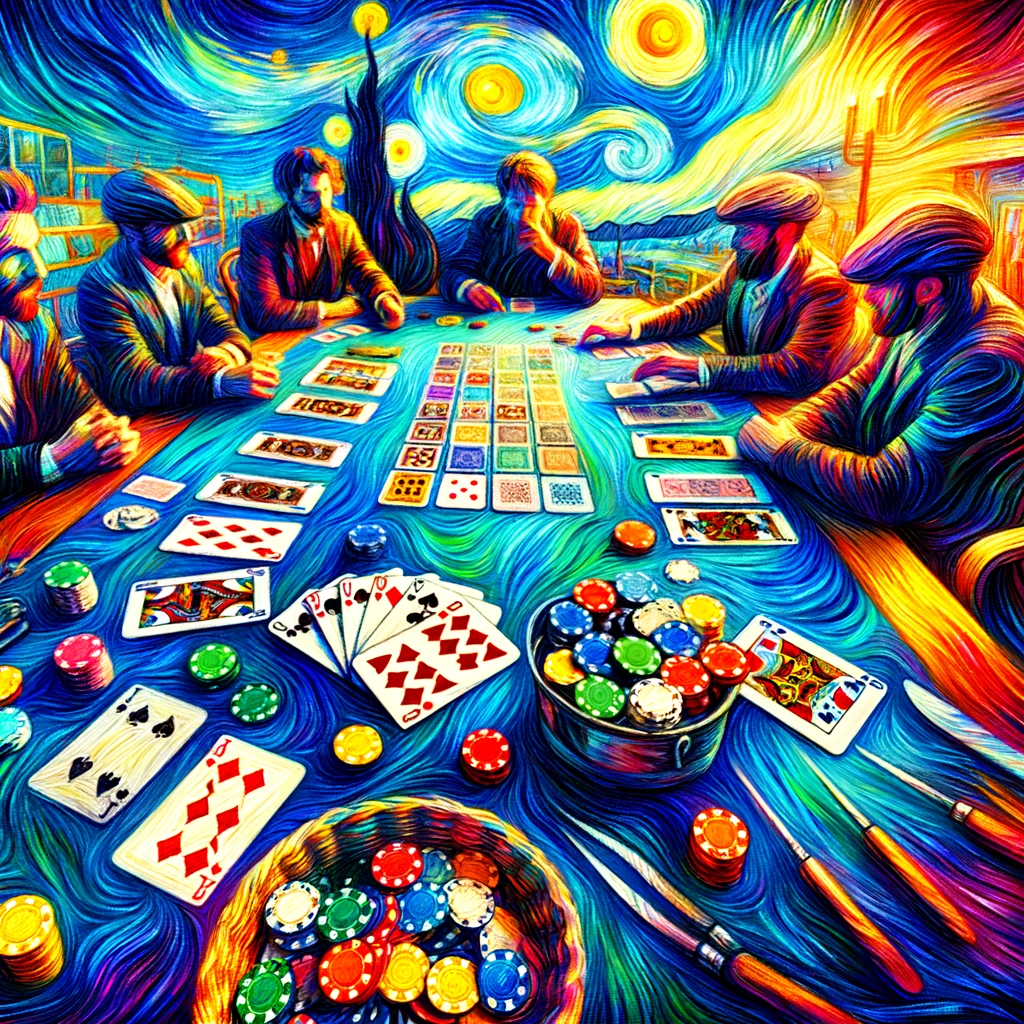
How Does Meta Understanding Influence Gameplay In Living Card Games?
What Role Does Resource Management Play In Living Card Games?
In the world of living card games (LCGs), resource management often stands as the unseen backbone, quietly holding the entire experience together. Players often dive headfirst into the flashy artwork, intricate lore, and the thrill of strategic competition, but it’s the skillful allocation of resources that separates the tacticians from the dreamers.
At first glance, it may seem trivial—cards in hand, points on a scoreboard—but dig a little deeper, and you’ll see the alchemy at play. Much like tending to a garden, players must cultivate their resources carefully. Imagine each card as a seed; some sprout quickly while others take time to blossom. Balancing these different types of “seeds” is essential for a thriving strategy. Whether it’s managing health points, action tokens, or the all-important cards in your hand, every decision ripples out, shaping the entire landscape of the game.
Just like in real life, where every choice can lead to triumph or disaster, LCGs demand that players look beyond the immediate. Do you unleash your powerful ally now, or save your resources for a game-changing play later? Each decision carries weight; the fear of missing an opportunity can loom large. Good resource management often means knowing when to seize the moment and when to hunker down.
Moreover, the fluidity of LCGs adds another layer to the resource conundrum. With new expansions rolling out periodically, players are introduced to fresh dynamics and challenges. Adaptability becomes key as these new cards can shift the balance, suddenly making once-sacred strategies obsolete. Navigating this shifting terrain requires a keen eye and an agile mindset; those who manage their resources wisely will bend with the changes rather than break.
And let’s not forget the psychological element at play. The tension created by resource management can set the stage for memorable gameplay. Each decision you make reverberates through the turns, creating opportunities for bluffing, misleading your opponents, or showcasing your absolute strategy expertise. The ability to outthink and outmaneuver others, all while managing your own resources, turns a simple card game into a high-stakes chess match—a thrilling duel of wits.
Resource management isn’t merely a mechanic; it’s a dance of strategy, intuition, and foresight. When played well, it transforms living card games from a collection of cards into a vibrant theater of competition and cunning.

What Role Does Resource Management Play In Living Card Games?
What Role Does Resource Management Play In Living Card Games?
- Resource management is a crucial element in living card games (LCGs), often overlooked in favor of artwork and lore.
- Players must skillfully allocate resources, similar to cultivating a garden, balancing different types of “seeds” for a strong strategy.
- Each decision in resource management has significant consequences, requiring players to consider immediate versus long-term benefits.
- LCGs are dynamic, with new expansions introducing fresh challenges that necessitate adaptability in strategies.
- The psychological aspect of resource management creates tension, allowing for bluffing and strategic maneuvers against opponents.
- Effective resource management transforms gameplay into a high-stakes duel of wits, elevating the experience beyond a simple card game.
- Ultimately, resource management is a dance of strategy, intuition, and foresight, enriching the competitive aspect of LCGs.

What Role Does Resource Management Play In Living Card Games?
How Can Player Synergy Enhance Your Living Card Game Experience?
When it comes to living card games, the thrill often lies not just in your own skill but in the magic that happens when you team up with others. Picture this: You’re seated at a table, an array of cards and hopes spread before you, surrounded by folks who are eager to dive into the game. The synergy between players becomes as vital as the cards you play. It’s a symphony, where every contribution harmonizes to create the ultimate gaming experience.
You see, living card games aren’t just about the individual; they’re an invitation to collaborate and strategize. Each player brings their unique strengths to the table, like a well-balanced meal served by a team of master chefs. One might be a tactical genius, mapping out strategies and analyzing every possible move, while another has an intuition for padding defenses and ensuring survival. When these different skills collide, they create a powerful synergy that elevates the game from ordinary to exceptional.
Imagine two players strategizing together. One’s foot might be tapping in anticipation while the other meticulously arranges their cards. They share ideas, resources, and sometimes even a friendly jab about a blunder that’s proven all too revealing. This exchange paves the way for deeper strategies, encouraging creativity that you wouldn’t typically explore when playing solo. It’s a kind of dance—sometimes you lead, sometimes you follow, but the rhythm keeps everyone engaged.
Beyond strategy, synergy fosters a sense of camaraderie. When victories are achieved, they’re celebrated as a group, painting memories that linger long after the cards are shuffled away. Those moments of triumph, or even the amusing flops, further glue the relationship among players. The laughter shared over a misplayed card, or a near-miss that turned into a learning moment, builds bonds that transform mere acquaintances into steadfast allies.
And let’s not forget the beauty of evolving gameplay. Living card games thrive on changes and expansions. As new cards and strategies roll in, the dynamic between players shifts, encouraging them to adapt and grow together. Embracing this evolution fosters not only individual growth but also strengthens group cohesion.
So next time you gather for a round of your favorite living card game, remember that it’s not just the cards in hand that matter; it’s the players around you. Invest in that synergy, and you’ll likely find the experience richer and more rewarding than you ever imagined.

How Can Player Synergy Enhance Your Living Card Game Experience?
How Can Player Synergy Enhance Your Living Card Game Experience?
Here is the summarized text in a formatted bulleted HTML list:
- Living card games emphasize collaboration and strategy among players.
- Players’ unique skills create a powerful synergy that enhances the gaming experience.
- Strategizing together fosters creativity and deeper gameplay dynamics.
- Victory and fun moments are shared, strengthening camaraderie and relationships among players.
- Misplays and learning moments contribute to bonding and shared memories.
- Evolving gameplay and new expansions encourage adaptation and group growth.
- The experience of playing is enriched by the connections with fellow players.

How Can Player Synergy Enhance Your Living Card Game Experience?
What Strategies Can Help In Countering Opponents Effectively?
When it comes to countering opponents effectively, the strategies you choose can make all the difference, whether you’re dealing with a rival in sport, a competitor in business, or even a challenging situation in life. Here are some practical approaches to help you navigate through these confrontations with insight and resilience.
First things first: know your opponent. This isn’t about pulling out a magnifying glass and dedicating hours to surveillance. It’s about understanding the strengths and weaknesses of the person or entity you’re up against. Do your homework. Whether it’s studying their past performances, understanding their tactics, or even analyzing their mindset, having a clear picture of who you’re dealing with can arm you with invaluable information. Think of it as scouting a playbook; the more aware you are of potential moves, the better prepared you’ll be to counter them.
Next, leverage adaptability. If there’s one constant in life, it’s change. Opponents will frequently adjust their tactics, and being rigid won’t do you any favors. The ability to pivot, to reassess your strategies on the fly, is crucial. Be willing to think outside the box and consider alternative methods. This might mean altering your approach mid-battle, testing new strategies, or even employing a dose of creativity. Sometimes, the best counter isn’t to meet force with force, but to take a step back and outmaneuver them with a new angle altogether.
Then there’s the power of emotional intelligence. Recognizing your opponent’s feelings and motivations can provide you with insight that goes beyond mere statistics or tactics. Understand when they’re feeling pressured, confident, or uncertain—each emotion can present an opportunity. If you can sense their apprehension, you can adjust your approach to exploit that vulnerability.
Don’t forget the importance of maintaining your own composure. Opponents thrive on chaos; when you stay grounded, you hold the upper hand. Keep a level head, stay focused on your goals, and resist the temptation to make impulsive decisions. Remember, it’s about playing the long game, not just winning the battle.
Lastly, cultivate a network of support. No one fights alone, and having allies can greatly enhance your position. Whether it’s friends, colleagues, or mentors, their perspectives and encouragement can provide new strategies and keep your morale high.
So, next time you find yourself in the arena, remember these strategies. Embrace the challenge, adapt to the circumstances, and counter your opponents with confidence.

What Strategies Can Help In Countering Opponents Effectively?
What Strategies Can Help In Countering Opponents Effectively?
- Effective countering strategies are vital for success against rivals in sports, business, or life.
- Understand your opponent’s strengths and weaknesses through research and analysis.
- Be adaptable; change your strategies as opponents adjust theirs.
- Utilize emotional intelligence to gauge your opponent’s feelings, creating opportunities.
- Maintain composure; staying grounded gives you an advantage over chaotic situations.
- Develop a support network of allies for encouragement and fresh perspectives.
- Embrace challenges, adapt, and counter confidently in confrontational scenarios.

What Strategies Can Help In Countering Opponents Effectively?
How Do Expansions Affect Strategies In Living Card Games?
When a new expansion lands in the bustling realm of Living Card Games (LCGs), it’s like throwing a fresh log onto a roaring bonfire. The flames may flicker and dance, reshaping the landscape of strategy for everyone gathered around. This is where the true essence of gameplay transforms, inviting both seasoned veterans and wide-eyed newbies to rethink their approaches.
First off, expansions tend to introduce a wealth of new cards and mechanics that can fundamentally alter existing strategies. Picture this: you’ve spent countless hours mastering a synergy between cards—your combo is slick, your tactics pristine. Then bam! An expansion drops, unveiling a new faction with fresh abilities that upend the old ways. Suddenly, your hour-long brainstorming sessions feel like you’re tossing pebbles into an ocean, while waves of new interactions crash onto the shore. This is where adaptability becomes your best friend. Players soon realize that rigidity can lead to defeat; the savvy ones shift their strategies almost on a dime, adapting to the dynamic environment.
Moreover, the competitive scene thrives on these new offerings. Expansions inject life into the metagame, creating a cocktail of shifting trends. This means your favorite deck might become the toast of the town one day and a relic of the past the next. Staying ahead of the curve often requires not only an understanding of your own cards but an acute awareness of what others are brewing in their decks. The savvy strategist checks the pulse of the community, learning which decks are dominant and finding counters. It’s a chess match where the pieces are constantly reshuffling, a high-stakes game of adaptation.
Let’s also consider the thematic side. Every expansion generally carries its flavor, introducing new lore and narrative elements that can inspire new strategies that feel narratively cohesive yet strategically sound. Players may craft decks that not only beat their opponents but also resonate with the storylines and characters they’ve come to love, leading to more meaningful engagements at the game table.
Expansions are more than mere additions to a game; they are upheavals that can bring strategy, competition, and creativity rushing to the forefront. Whether you choose to embrace the changes or resist them, one thing’s for sure: the game will never be quite the same, and neither will you.

How Do Expansions Affect Strategies In Living Card Games?
How Do Expansions Affect Strategies In Living Card Games?
- Expansions in Living Card Games (LCGs) introduce new cards and mechanics that transform gameplay.
- New factions and abilities can overturn established strategies, challenging players to adapt quickly.
- Adaptability is essential for success, as rigid strategies may lead to defeat.
- The competitive scene benefits from expansions, creating dynamic metagames with shifting trends.
- Players must stay informed about dominant decks and counters to maintain an edge in competition.
- Expansions add thematic elements, enriching lore and providing a narrative context for strategies.
- Overall, expansions are significant events that reshape strategies and enhance creativity in gameplay.

How Do Expansions Affect Strategies In Living Card Games?
What Are Effective Ways To Test And Refine Your Deck Strategy?
When it comes to testing and refining your deck strategy, there’s no substitute for a good ol’ fashioned hands-on approach. Just like a mechanic diagnosing a problem under the hood, you’ve got to roll up your sleeves and get right in there. It’s about experimentation and adaptation—two concepts that are as vital in a card game as they are in any field of labor.
First off, dive into a series of practice games. These don’t have to be against top-tier opponents; sometimes your best test subjects are friends willing to shuffle up and lend a hand. Play a good number of games, and don’t just focus on winning. Instead, zoom in on your decision-making process. Ask yourself, what worked, what didn’t, and why? Keeping a journal of these reflections can be beneficial; it’s like taking notes on a job site. When you encounter a problem, you can pull up past experiences for reference.
Next, it’s crucial to embrace feedback—both from yourself and your peers. After each match, sit down and talk about the game. What plays went well? Which choices were head-scratchers? Constructive criticism is a goldmine. Remember, it’s not about protecting your pride but improving your craft, so be ready to hear some hard truths.
Once you’ve gathered your data and feedback, it’s time to scrutinize your deck’s composition. Maybe you’ve been clinging to those nostalgic cards because they held a special place in your heart, but that doesn’t mean they’re still pulling their weight. Evaluate card effectiveness regularly. If a card is underperforming more often than not, consider swapping it out. An empty space in the deck can lead to more innovative outcomes—think of it as creating room for a new tool in your toolbox.
Finally, don’t forget to embrace the community. Join forums, participate in local tournaments, and soak up strategies and suggestions from other players. Sometimes, the best insights come from outside your own sphere. Engaging with others can open up new perspectives, helping you refine your strategy in ways you never considered.
Testing and refining your deck strategy is less about becoming a master tactician overnight and more about a continuous commitment to learning and adapting. So grab those cards, keep your mind open, and remember: every game is a new opportunity to roll up your sleeves and get to work.

What Are Effective Ways To Test And Refine Your Deck Strategy?
What Are Effective Ways To Test And Refine Your Deck Strategy?
- Adopt a hands-on approach to test and refine your deck strategy, akin to a mechanic diagnosing a problem.
- Engage in practice games, preferably with friends, to focus on the decision-making process rather than just winning.
- Maintain a journal to reflect on your gameplay, noting what worked, what didn’t, and why for future reference.
- Embrace feedback from yourself and peers by discussing matches and openly receiving constructive criticism.
- Regularly scrutinize your deck’s composition and be willing to replace underperforming cards with new options.
- Engage with the community through forums and local tournaments to gather diverse strategies and insights.
- View deck improvement as a continuous learning experience rather than a quick path to mastery.

What Are Effective Ways To Test And Refine Your Deck Strategy?
How Can You Adapt Your Strategy To Different Opponents In Lcgs?
In the world of Living Card Games (LCGs), strategy is the bedrock on which victory is built. But here’s the thing: your strategy can’t be a one-size-fits-all ensemble. Like a tailor adjusting a suit, you need to refine your approach based on the opponent sitting across the table from you. Understanding the nuances of different decks and play styles makes all the difference between obscurity and triumph.
First, let’s talk about adaptability. Imagine walking into a poker game where you’re familiar with one player’s habits but find another mixing up their strategy. That’s your first clue! Recognizing what kind of deck your opponent is fielding—whether it’s aggro, control, combo, or something unconventional—can shape your approach significantly. For instance, if you’re squaring off against an aggressive deck, your priority should shift to defense. Focus on cards and strategies that allow you to survive those early assaults and set the stage for a counterattack. On the flip side, if you’re up against a control deck, you might want to play unpredictably, dropping card after card to overwhelm their strategies before they can respond.
Next, let’s dive into psychology. LCGs aren’t just about the cards; it’s a mental game, akin to a chess match where both players are trying to predict each other’s moves. Keep an eye on your opponent’s emotional responses and betting patterns. Are they getting flustered? Can you exploit that anxiety by bluffing? Sometimes, all it takes is a little misdirection to make your opponent second-guess their plays.
Then we have deck composition. Adjusting your own deck to counter a specific opponent’s strengths can be a game-changer. If you know you’re likely facing a lot of low-cost units, consider teching in some board wipes. Conversely, if your opponent relies heavily on drawing power, cards that disrupt their hand or limit card draw become invaluable.
Lastly, don’t underestimate the power of reflection. After a game, whether you win or lose, take the time to assess what worked and what didn’t. Learn from your experiences, and tweak your strategies accordingly for the next bout. After all, every opponent you face offers a lesson, often in the form of a bruise on your ego or a surprise victory.
In this evolving landscape of LCGs, flexibility is your ace in the hole. Tailor your strategies not just to the game at hand, but to the players sitting across from you, and you’ll find that your chances of success will multiply with every match. Adaptation is the name of the game, and those who can pivot will always come out ahead.

How Can You Adapt Your Strategy To Different Opponents In Lcgs?
How Can You Adapt Your Strategy To Different Opponents In Lcgs?
- Strategy is essential for success in Living Card Games (LCGs), requiring a tailored approach.
- Understanding your opponent’s deck and play style is crucial for effective strategy adjustment.
- Recognizing whether the opponent is using aggro, control, or combo decks can shape your gameplay tactics.
- Psychological aspects, like observing emotional responses, play a significant role in influencing game outcomes.
- Adjusting your deck composition to counter an opponent’s strengths can be a key to victory.
- Reflecting on your gameplay after each match helps in refining strategies for future encounters.
- Flexibility and adaptability are vital; tailoring strategies to both the game and the opponent enhances success rates.

How Can You Adapt Your Strategy To Different Opponents In Lcgs?
What Are The Benefits Of Joining A Community For Living Card Games?
Imagine you’re sitting at your kitchen table, deck spread out before you, surrounded by a handful of cards, and you’re piecing together strategies like a puzzle with no prescribed picture. It’s a solitary endeavor—rewarding, but solitary. Now, picture stepping into a space buzzing with camaraderie, where fellow enthusiasts congregate, trading not just cards but tales of triumph and disaster. Welcome to the world of living card games (LCGs), where joining a community elevates the experience from meandering solo to an electrifying journey shared with others.
First and foremost, the social aspect of a community can be a game-changer. In local game shops or online forums, you’ll find a diverse cast of characters, each bringing their own strategies and perspectives. Engaging with others not only exposes you to various play styles, but it also sharpens your own skills. Players exchange tactics, dissect matchups, and provide valuable feedback that can help polish your approach. Think of it this way: learning from your own mistakes is one thing, but learning from the blunders of others? That’s a masterclass without the tuition fee.
Then there’s the sense of belonging that a community fosters. When you sit down to play against someone across the table, you’re not just two opponents; you’re part of something bigger. You share a passion for crafting the perfect deck and an appreciation for the intricate lore embedded in each game. This shared enthusiasm provides a rich backdrop of support and encouragement. Whether you’ve won big or suffered a crushing defeat, knowing you have a community that understands the ups and downs of the game can be incredibly comforting.
Communities also enhance the thrill of competition. Tournaments and organized events give passionate players a platform to showcase their skills, pushing everyone to elevate their game. The adrenaline rush that comes from facing off in front of a live audience beats saying, “I’m the best” into the void. Winning isn’t just about the cards you hold; it’s the camaraderie, the cheers, and the learning experiences that elevate that victory from ordinary to extraordinary.
Lastly, let’s not forget the sheer joy of trading cards and discovering new strategies. The LCG landscape is always evolving, thanks to dynamic releases and expansions. Communicating with fellow community members keeps you up-to-date on trends, insights, and hidden gems that might just transform your deck.
In essence, joining a community for living card games is like swapping a solitary stroll for a vibrant parade. The experiences and relationships cultivated through shared passion add immeasurable value to your card-playing journey. Who knew a few pieces of cardboard could knit together such intricate friendships?

What Are The Benefits Of Joining A Community For Living Card Games?
What Are The Benefits Of Joining A Community For Living Card Games?
Here’s a bulleted summary of the text formatted as an HTML list:
- Playing living card games (LCGs) can be a solitary experience, but joining a community enhances the enjoyment.
- Communities provide a social aspect that exposes players to diverse strategies and perspectives.
- Engaging with others allows for skill sharpening through the exchange of tactics and feedback.
- Being part of a community fosters a sense of belonging among players who share a passion for the game.
- Communities enhance the thrill of competition through tournaments and organized events that elevate player skills.
- Trading cards within the community allows players to discover new strategies and stay updated on game trends.
- Ultimately, a vibrant community adds significant value to the LCG experience, transforming solitary play into a shared journey.

What Are The Benefits Of Joining A Community For Living Card Games?
How Does Card Synergy Contribute To Winning In Living Card Games?
In the world of Living Card Games (LCGs), finding the right combination of cards isn’t just a matter of picking your favorites—it’s about achieving a delicate dance of synergy that can propel you toward victory. Think of it as a well-orchestrated band, where each musician contributes their unique sound to create a harmonious symphony, rather than a chaotic noise. When players harness the power of card synergy, they unlock strategies that can turn the tide of battle and leave their opponents wondering what just hit them.
At its core, card synergy revolves around understanding how different cards interact with one another. In an LCG, each card has specific abilities, strengths, and weaknesses; it’s how these cards complement each other that matters most. For instance, consider a scenario where you pair a character with abilities that boost attack strength alongside a support card that enhances defense. When played together, these cards don’t just function independently—they create a formidable unit that can withstand and deal tremendous damage in a single turn.
But there’s more to it than simple math. Synergy also involves creating thematic connections within your deck. When you build around a specific theme—be it heroes united under a common cause or nefarious villains plotting their next move—you not only improve individual card performance but create an engaging narrative. This keeps players invested emotionally and strategically. It’s about telling a story with your cards, making each decision impactful, not just in the mechanics of the game, but in the world you’re creating.
Moreover, successful synergy requires adaptability. It’s not just about assembling the perfect deck and expecting to win every match. Each game scenario presents a new set of challenges, and the best players learn to read the board and adjust their strategy on the fly. This adaptability is often what separates the novices from the seasoned pros. They can pivot their plans, utilizing their synergy in response to opponents’ moves, turning weaknesses into strengths.
In the final moments of a game, synergy reveals its true power. A well-timed combination of card abilities can leave your adversary scrambling, even when they thought they had the upper hand. In LCGs, just like in life, it’s not always the strongest or the most aggressive that wins; often, it’s the one who understands how to weave their cards together, creating a tapestry of strategy that dazzles, surprises, and ultimately triumphs.

How Does Card Synergy Contribute To Winning In Living Card Games?
How Does Card Synergy Contribute To Winning In Living Card Games?
- In Living Card Games (LCGs), achieving victory relies on card synergy rather than just personal favorites.
- Card synergy involves understanding how different cards interact, boosting each other’s strengths and compensating for weaknesses.
- Thematic connections within a deck enhance card performance and create an engaging narrative for players.
- Building a deck around a specific theme fosters emotional investment and strategic decision-making.
- Successful synergy requires adaptability to respond to new challenges and opponents’ strategies during gameplay.
- Experienced players can pivot their plans, turning weaknesses into strengths through effective use of synergy.
- Ultimately, victory in LCGs comes from weaving cards together to create surprising and effective strategies, rather than sheer strength.

How Does Card Synergy Contribute To Winning In Living Card Games?
How Can You Stay Updated With New Strategies In Living Card Games?
In the ever-evolving world of Living Card Games (LCGs), keeping your finger on the pulse of new strategies can feel like a relentless game of whack-a-mole. Just when you think you’ve mastered one facet of the game, a new expansion or update swings into town, ready to throw your carefully crafted plans into disarray. But fear not, challengers of the card table! Staying updated doesn’t have to be a daunting task. In fact, it can be downright enjoyable if you approach it with the right mindset.
First and foremost, immerse yourself in the community. Dive headfirst into online forums, social media groups, and Discord servers dedicated to your favorite LCGs. These digital gathering spots are teeming with passionate players sharing tips, strategy guides, and the latest happenings in the game. Don’t just lurk like a wallflower at the school dance—engage with others! Ask questions, share your experiences, and maybe even challenge someone to a match. The more you interact, the more insights you’ll gain.
Next, turn your gaze toward content creators. YouTube, Twitch, and podcasts are gold mines for fresh strategies. Many dedicated gamers produce insightful videos and streams that break down the latest cards, unveil new tactics, and explore various deck-building philosophies. The beauty here is not just in the knowledge but in the variety of perspectives. Watching a seasoned pro dissect a recent match can give you a nuanced understanding that reading a strategy article simply can’t match. Try a few different creators; you might find someone whose style and approach resonate with your own.
Don’t forget the power of playtesting. Put theory into practice by experimenting with new decks and strategies in your own games. There’s an old saying that knowledge is power, but knowledge without application is just fluff. Grab a friend, shuffle those cards, and get to work. Even losses can be revealing, as they often highlight weaknesses and open new avenues for improvement.
Finally, keep an eye on official announcements from the game’s developers. News about errata, balance changes, or upcoming expansions can help preemptively guide your strategy. By being proactive rather than reactive, you’ll not only navigate the turbulent waters of LCGs but potentially come out on top.
So suit up, shuffle those cards, and step boldly into the fray. With a bit of engagement, exploration, and good old-fashioned practice, you’ll transform into the card-slinging strategist you aspire to be!

How Can You Stay Updated With New Strategies In Living Card Games?
How Can You Stay Updated With New Strategies In Living Card Games?
- Stay updated on strategies in Living Card Games (LCGs) as they frequently evolve with new expansions.
- Engage with the LCG community through online forums, social media, and Discord for shared tips and experiences.
- Explore content from creators on YouTube, Twitch, and podcasts for fresh strategies and insights.
- Watch detailed breakdowns of matches to gain a deeper understanding of gameplay tactics.
- Practice by playtesting new decks and strategies with friends to apply your knowledge effectively.
- Monitor official announcements for game updates, errata, and upcoming expansions to refine your strategy.
- Adopt a proactive approach to mastering LCGs through engagement, exploration, and practice.

How Can You Stay Updated With New Strategies In Living Card Games?
What Psychological Strategies Can Be Applied During Gameplay?
When it comes to gaming, whether you’re battling it out in the digital arena or solving cryptic puzzles, your mind is your greatest weapon. Players often overlook the mental aspect of the game, but harnessing psychological strategies can elevate performance from mundane to extraordinary. Let’s talk about a few approaches that can enhance your gaming experience and give you that competitive edge.
First on the list is positive reinforcement. Just like training a dog, rewarding yourself for small victories can build momentum. Did you finish a particularly tough level? Treat yourself to a snack, take a break, or revel in a celebratory dance. This doesn’t mean turning every small win into a parade, but giving yourself a moment to acknowledge progress can bolster confidence and encourage continued effort. Your brain loves patterns and rewards; use this to your advantage.
Next up is the power of visualization. Picture this: you’re standing at the precipice of the final boss fight. Instead of spiraling into doubt, take a moment to visualize a successful outcome. Walk through the fight in your mind, anticipate challenges, and conjure the steps necessary to emerge victorious. Athletes use this strategy all the time, and it can be equally effective in the gaming world. Visualization not only prepares you mentally but enhances your focus, reinforcing your ability to react in high-pressure situations.
Mindfulness and deep breathing can also be game-changers, particularly in high-stakes scenarios. When you feel that adrenaline spike, take a step back, close your eyes, and focus on your breath. A few deep inhalations can calm your racing heart and clear the mental clutter. This practice nurtures a state of acute awareness, helping you pick up on subtleties in the game that you might otherwise miss while flailing about in panic.
Furthermore, the concept of flow is essential. Achieving this state involves striking a balance between challenge and skill; neither should overwhelm the other. Choose games that stretch you, but not to the point of frustration—this sweet spot fosters engagement and can transform your experience from a mere pastime to a riveting journey.
Lastly, don’t overlook the social dynamics at play. Engaging with fellow gamers on forums, streaming your gameplay, or just hanging out while playing with friends creates a sense of community. The positive social interactions can enhance motivation and make even the toughest challenges feel lighter.
Incorporating these psychological strategies into your gameplay can be like adding jet fuel to your gaming engine. So, whether you’re chasing high scores or just looking to improve, remember that your mind is the ultimate tool at your disposal. Tinker with it, cultivate it, and watch your gameplay soar!

What Psychological Strategies Can Be Applied During Gameplay?
What Psychological Strategies Can Be Applied During Gameplay?
- Mental Aspect of Gaming: Players often overlook the psychological strategies that can enhance performance.
- Positive Reinforcement: Reward yourself for small victories to build momentum and bolster confidence.
- Power of Visualization: Visualize successful outcomes to enhance focus and prepare for high-pressure situations.
- Mindfulness and Deep Breathing: Use these techniques to calm your racing heart and improve acute awareness during intense moments.
- Concept of Flow: Aim for a balance between challenge and skill to enhance engagement and enjoyment in gaming.
- Social Dynamics: Engage with fellow gamers to foster community, motivation, and make challenges more enjoyable.
- Cultivating Your Mind: Incorporate these strategies to improve gameplay and realize the mind’s role as your ultimate gaming tool.

What Psychological Strategies Can Be Applied During Gameplay?
How Do Playing Styles Influence Overall Strategies In Lcgs?
In the world of Living Card Games (LCGs), playing styles are more than just personal preferences; they’re the heartbeat of strategy. Imagine a vast landscape dotted with different approaches to gameplay—each one offering its own unique flavor and challenges. Just as a chef tailors a dish to enhance certain ingredients, players leverage their styles to shape the flow and outcome of the game.
Let’s take a step back and examine the fundamental playing styles. You’ve got your Aggro players, who thrive on speed, churning out threats faster than you can say “deck shuffle.” Their strategy is simple yet effective: overwhelm the opponent before they have a chance to mount any sort of defense. This approach demands not just a quick deck but also the ability to read the table and strike at the opportune moment. Everything is about tempo—how quickly can you turn cards into victory?
On the flip side, we have the Control specialists, who patiently bide their time like seasoned fishermen waiting for the perfect catch. These players focus on managing the game state — manipulating resources, countering threats, and ultimately imposing their will. Their strategy is a delicate dance of patience and precision. They thrive on creating an environment where their opponents struggle to make meaningful moves, slowly wearing them down into submission. In this case, a card played is more than just a move; it’s a statement of intent that can turn the tide of the game.
Then, there are the Combo enthusiasts, the mad scientists of the LCG world. They craft intricate chains of cards that, when executed correctly, can lead to spectacular victories. Their strategies often hinge on assembling specific pieces while fending off distractions. It’s like building a machine in a workshop—each piece needs to fit perfectly to unleash the potential of that grand explosion of victory, igniting a well-planned crescendo of effects that leaves opponents in awe.
The interplay of these playing styles shapes the overarching strategies that govern LCGs. A player’s choices dictate not just their own approach but also engage with the broader game ecosystem. Each duel becomes a vibrant tapestry woven together by tactics, counter-tactics, and a healthy dose of unpredictability.
Ultimately, understanding these playing styles allows players to adapt and improvise. Whether you favor the rush of Aggro, the meticulous control of a defensive game, or the intricate strategy of Combo, your playing style informs your decisions, influences your strategies, and ultimately defines your journey in the challenging world of LCGs. Now, next time you sit down to play, take a moment to explore how your style can serve not just your goals but reshape the very game itself.

How Do Playing Styles Influence Overall Strategies In Lcgs?
How Do Playing Styles Influence Overall Strategies In Lcgs?
- Playing styles in Living Card Games (LCGs) are key to strategic gameplay.
- Aggro players focus on speed and overwhelming opponents quickly.
- Control specialists manipulate game states and counter threats with patience.
- Combo enthusiasts build intricate chains of cards for spectacular victories.
- The interplay of these styles creates diverse strategy dynamics in LCGs.
- Understanding your playing style enhances adaptability and decision-making.
- Your chosen style can reshape the game, influencing overall gameplay experience.

How Do Playing Styles Influence Overall Strategies In Lcgs?
Conclusion
When it comes to Living Card Games (LCGs), honing your strategy is like fine-tuning a complex machine—each part needs to work in tandem for success. Think of it as setting out on a grand road trip: you’ll need a reliable vehicle (your deck), a map (your understanding of the game), and, surprisingly, a sense of flexibility (because who hasn’t taken a wrong turn?). The key here is to step back from the cards and see the big picture, guiding you toward victory while ensuring you enjoy the journey.
First and foremost, deck-building stands as the cornerstone of your strategy. This isn’t just about picking your favorite cards; it’s about creating a toolkit that balances offense, defense, and support – like ensuring your car has all the necessary tools for a smooth ride. Knowing the strengths and weaknesses of each card will prepare you for whatever unexpected encounters come your way.
Understanding game mechanics is equally vital. Just as every good driver knows the rules of the road and can anticipate traffic patterns, understanding how cards interact with one another will elevate your performance. Familiarity with the flow of the game saves you from rookie mistakes, allowing you to navigate smoothly through complex scenarios.
But hold on, because adaptability is where the magic happens. LCGs are dynamic; your strategy must evolve in response to the ever-changing battlefield. Every match could unveil something new and potentially disruptive to your well-laid plans. Think of it as adjusting your path mid-journey to avoid a washed-out road—staying flexible can turn what looks like an unfortunate setback into a golden opportunity to seize the moment.
Equally crucial is understanding the role of teamwork in cooperative scenarios. Just like a well-rehearsed band, each player needs to contribute their unique talents and skills for a harmonious victory. Effective communication and coordination elevate your chances of triumph, proving that collective effort often leads to the most gratifying achievements.
The road to mastery involves learning from each experience. Every game is a lesson, regardless of its outcome. Embrace both victories and losses, as they will refine your skills and strategies. Remember, in the vibrant world of Living Card Games, it’s not solely about the end goal; it’s about the friendships forged and the stories shared along the way.
So dust off that deck, hit the living room table with your friends, and let the games begin! With the right mindset and strategies in your toolkit, you’ll be prepared to navigate the exciting, unpredictable roads of Living Card Games. After all, every card played is a potential adventure waiting to unfold, and the journey is half the fun.

Conclusion
Conclusion:
- Effective strategy in Living Card Games (LCGs) is like fine-tuning a complex machine, requiring all parts to work together.
- Deck-building is crucial; it should balance offense, defense, and support, rather than just including favorite cards.
- Understanding game mechanics is vital for anticipating interactions and avoiding mistakes during gameplay.
- Adaptability is key, as strategies must evolve in response to the dynamic nature of LCGs and unexpected challenges.
- Teamwork in cooperative play enhances victory, emphasizing the need for effective communication and coordination among players.
- Learning from each game, regardless of the outcome, refines skills and strategies, highlighting the importance of the journey over the end goal.
- Engaging in LCGs fosters friendships and stories, making the experience enjoyable and memorable.

Conclusion
Other Resources

Other Resources
Here is a list of other resources you can review online to learn more:
- “Living Card Games”
- “Living Card Game – LCG”
- “Board Game Book Vol 1 – Spreads HIGH QUALITY PDF”
- “What Exactly Are Living Card Games?”
Use This Prompt To Get More Resources With Your Favorite Online AI Tool: Please provide me with a list of online articles with their URLS in a bulleted list that I can read regarding What Strategies Are Needed for Living Card Games?

Other Resources
Glossary Terms
What Strategies Are Needed for Living Card Games? – Glossary Of Terms
1. Deck Building: The process of selecting and organizing cards to create a playable deck, tailored to specific strategies or themes.
2. Card Synergy: The interaction between cards that enhances their effectiveness when used together, resulting in greater overall performance.
3. Resource Management: The strategic allocation and usage of resources, such as cards or in-game currency, to maximize the effectiveness throughout the game.
4. Meta Game: The current trends and prevalent strategies within the game community that influence how players build their decks and approach matches.
5. Win Condition: The specific goals or conditions needed to achieve victory in the game, guiding a player’s strategy and deck composition.
6. Counterplay: Strategies devised to neutralize or mitigate an opponent’s actions or win conditions, often involving specific card choices or play styles.
7. Aggro Deck: A type of deck that focuses on fast-paced, aggressive play to deal damage to the opponent before they can mount a defense.
8. Control Deck: A strategy that emphasizes managing the game state and limiting the opponent’s options, often aiming for a long-term win condition.
9. Combo Deck: A deck that relies on assembling specific card combinations to achieve a powerful effect that can often lead to instant victory.
10. Sideboard: A set of cards that players can swap in and out of their main deck between matches to better adapt to their opponent’s strategy.
11. Board State: The current arrangement of cards on the playing field, including both players’ cards and their positions, which can significantly affect strategical choices.
12. Card Advantage: A situation where a player has more cards available to them than their opponent, allowing for more options and plays.
13. Tempo: The balance between offensive and defensive gameplay; maintaining or disrupting the flow of turns and actions to achieve strategic advantage.
14. Late Game: The phase of a match when players have developed their strategies and resources, often leading to powerful plays and decisive outcomes.
15. Early Game: The initial phase of the game where players establish their boards and begin to implement their strategies; crucial for setting up future plays.
16. Drafting: The process of selecting cards from a randomized pool to create a deck, often used in limited formats to test strategy versatility.
17. Bluffing: A tactic where a player feigns having a strong position or card to mislead their opponent into making suboptimal plays.
18. Sudden Impact: A card or play that creates an unexpected shift in the game, often with high rewards but potentially high risks involved.
19. Pivoting: The ability to shift strategies mid-game based on the changing state of play or an opponent’s actions, showcasing adaptability.
20. Stun Mechanic: A game mechanic that temporarily disables a card or player’s actions, often used strategically to gain the upper hand.
21. Late Game Powerhouse: A card or strategy that becomes significantly stronger in the later stages of the game, providing a potential win condition.
22. Risk Assessment: The evaluation of potential threats and opportunities in a game situation, guiding decision-making on plays and resources.
23. Aggressive Mulligan: Choosing to reshuffle a hand of cards before the game starts in hopes of drawing a better starting hand, especially with aggressive decks.
24. Field Control: Maintaining dominance over the game board through strategic card play, positioning, and resource allocation.
25. Meta Shift: Changes in the prevailing strategies within the game community, often requiring players to adapt their decks and approaches accordingly.
26. Playtesting: Experimenting with a deck or strategy in practice games to identify strengths, weaknesses, and potential improvements.
27. Lethal Damage: The amount of damage required to defeat an opponent, often influencing a player’s strategic planning towards achieving victory.
28. Resource Denial: Strategies aimed at limiting an opponent’s access to resources or advantageous plays, disrupting their game plan.
29. Card Draw: The action of gaining additional cards from the deck, which can enhance a player’s options and sustain their strategy.
30. Game Theory: The study of strategic decision-making that can inform planning and expectations of opponent behavior in competitive situations.

Glossary Of Terms
Other Questions
What Strategies Are Needed for Living Card Games? – Other Questions
If you wish to explore and discover more, consider looking for answers to these questions:
- What are the best tips for beginner players in Living Card Games?
- How can I improve my deck-building skills for Living Card Games?
- What are some advanced strategies for experienced players in Living Card Games?
- How do different game mechanics affect strategy in Living Card Games?
- What common rules should players be aware of when playing LCGs?
- What role does luck play in Living Card Games compared to strategy?
- How can I analyze my gameplay to identify areas for improvement?
- What types of cards should I focus on to build a competitive deck?
- How can I better communicate with my teammates in cooperative Living Card Games?
- What online resources can help me stay current with Living Card Games trends?

Other Questions
Haiku
What Strategies Are Needed for Living Card Games? – A Haiku
In card games we play,
Strategy weaves through each turn,
Synergy wins hearts.

Haiku
Poem
What Strategies Are Needed for Living Card Games? – A Poem
The Art of Cards: A Journey’s Guide
In a world where cards hold sway,
A living game leads hearts astray,
With strategic maps and woven plans,
A deck is built by skilled hands.
Balance the pieces, like a well-tuned ride,
Know each card’s strength, let knowledge guide.
Embrace the flow, let tactics combine,
A harmonious dance where friendships entwine.
Adapt and pivot when storms arise,
Reflect on losses, let wisdom be your prize.
Together we shine in the glow of play,
As camaraderie blooms on game night’s display.
A canvas of choices, each turn a brush,
In the heat of battle, feel the thrill of the rush.
Resource allocation, a skillful ballet,
Every move matters, shaping the fray.
Join the chorus, share knowledge and fate,
In vibrant communities, we celebrate.
For triumph is sweeter when shared with a friend,
A journey of laughter where stories blend.
So shuffle those cards, embrace every trial,
For in Living Card Games, life’s joys reconcile.
With strategy’s pulse and synergy’s call,
Each game is a saga—a tale to enthrall.

Poem
Checklist
What Strategies Are Needed for Living Card Games? – A Checklist
1. Deck-Building Prowess
_____ Understand the strengths and weaknesses of each card.
_____ Create a balanced deck covering attack, defense, and support.
_____ Mix up card abilities to address various challenges.
2. Familiarity with Game Mechanics
_____ Learn the rules and flow of the game from the rulebook.
_____ Experience different card interactions through regular gameplay.
_____ Identify unique mechanics of your preferred LCG.
3. Adaptability
_____ Stay flexible during gameplay; pivot strategies when necessary.
_____ Be prepared to adjust to unexpected moves from opponents.
_____ Embrace the changing landscape of strategies as new cards come into play.
4. Team Dynamics (for Cooperative Games)
_____ Communicate effectively with team members.
_____ Understand each player’s role and strengths.
_____ Build synergies with teammates during gameplay.
5. Learning from Experience
_____ Analyze your gameplay decisions after each match.
_____ Keep notes on successful strategies and areas for improvement.
_____ Focus on personal growth, not just on winning.
6. Know Your Opponents
_____ Study common opponent play styles and strategies.
_____ Adapt your strategy based on the deck type of your opponent.
_____ Anticipate their moves and prepare ways to counter them.
7. Resource Management
_____ Know when to play aggressively and when to hold back resources.
_____ Prioritize card plays based on strategic timing.
_____ Develop a plan for resource allocation that matches your deck type.
8. Engagement with Community
_____ Participate in local game shops or online forums.
_____ Attend tournaments and community events.
_____ Share strategies and learn from others’ experiences.
9. Testing and Refining Your Deck
_____ Conduct practice games focusing on deck performance, not just wins.
_____ Seek constructive feedback from fellow players.
_____ Regularly review and adjust your deck composition based on experiences.
10. Stay Updated with Expansions and Trends
_____ Follow game developer announcements about new expansions and changes.
_____ Engage with content creators for insights on evolving strategies.
_____ Participate in discussions about meta shifts in your game community.
By following this checklist, you’ll enhance your skills and maximize your enjoyment while playing Living Card Games! Happy gaming!

Checklist
At CardGameNews, we help people who love card games by collating information and news about card games.
Be sure to read our other related stories at CardGameNews to learn more about card games.