

Mastering The Art Of Deck-Building Games
By Tom Seest
At CardGameNews, we help people who love card games by collating information and news about card games.
Be sure to read our other related stories at CardGameNews to learn more about card games.
What Strategies Are Needed for Deck-Building Card Games?
Deck-building card games might seem like a simple pastime, but they require a depth of strategy that rivals the most intricate of board games. To truly excel in these competitive arenas, players must arm themselves with a toolkit of strategies designed to optimize their deck, manage resources, and outmaneuver their opponents. Here’s a deep dive into the essential strategies that can elevate a player from casual participant to formidable contender.
First, understanding the core mechanics of the game is essential. Each deck-building game has its own nuances, be it card synergies, resource management, or victory conditions. Mastering these mechanics lays the groundwork for any strategy. Pay close attention to the cards available during the draft phase—this is your opportunity to lay the foundation for a powerful deck. Prioritize cards that synergize well with each other. Whether it’s a card that ramps your resources or one that grants additional turns, choosing cards that complement each other can exponentially increase your effectiveness.
Next, resource management is critical. Much like a chef juggling ingredients, a player must balance their cards, energy, and actions. Don’t fall into the trap of hoarding resources—know when to spend and when to save. The timing of your moves can dramatically affect the outcome, so consider both your current needs and what’s likely to happen next. Planning several moves ahead can give you the upper hand, allowing you to adjust your strategy on the fly.
Another vital element is adaptability. No matter how carefully you strategize, the game will change with each draw and each opponent’s move. Be prepared to pivot your strategy based on the evolving landscape. Sometimes the best-laid plans go awry, and being flexible enough to exploit new opportunities is what marks a skilled player. If an adversary is building a powerful engine, for instance, it might be time to shift focus from your own progression to disrupting their game plan.
Finally, stay mindful of the endgame. As you work toward accumulating points and crafting your deck for maximum synergy, keep an eye on how your choices influence your standing in relation to your opponents. Often, the most effective players don’t just focus on building their own deck but also strategize about how to minimize their opponent’s success.
In the ever-evolving universe of deck-building card games, a blend of knowledge, resource management, adaptability, and foresight is what takes a player to the next level. With these strategies in hand, victory isn’t just a possibility—it’s a probability.

What Strategies Are Needed for Deck-Building Card Games?
What Strategies Are Needed for Deck-Building Card Games?
- Deck-building card games require deep strategic thinking and complexity comparable to intricate board games.
- Understanding the core mechanics and nuances of each game is essential for developing effective strategies.
- Pay attention to card synergies during the draft phase to build a powerful deck.
- Effective resource management involves knowing when to spend and when to save cards, energy, and actions.
- Adaptability is crucial; players should be ready to change their strategies based on opponents’ moves and game developments.
- Mind the endgame by considering how your choices affect not only your strategy but also your opponents’ success.
- A combination of knowledge, resource management, flexibility, and foresight enhances a player’s chance of victory.

What Strategies Are Needed for Deck-Building Card Games?
Table Of Contents
- What Strategies Are Needed for Deck-Building Card Games?
- What Are The Basic Rules Of Deck-Building Card Games?
- How Do You Choose A Winning Strategy?
- What Is The Importance Of Deck Synergy?
- How Can You Effectively Manage Your Resources?
- What Role Does Card Drafting Play In Strategy?
- What Types Of Cards Should You Prioritize During Play?
- How Does Card Value Change Throughout A Game?
- What Are Some Common Mistakes To Avoid In Deck-Building?
- How Do Expansions Impact Deck-Building Strategies?
- What Strategies Work Best For Different Player Counts?
- How Can You Adapt Your Strategy Mid-Game?
- What Are The Benefits Of Focusing On A Single Strategy?
- How Important Is Player Positioning In Strategy?
- What Ways Can You Enhance Your Deck Over Time?
- How Do You Create A Balanced And Versatile Deck?
- Conclusion
- Other Resources
- Glossary Of Terms
- Other Questions
- Haiku
- Poem
- Checklist
What Are The Basic Rules Of Deck-Building Card Games?
Deck-building card games have surged in popularity, captivating both newcomers and seasoned players alike. Behind their allure lies a simple yet robust framework that governs how the game unfolds. If you’re stepping into the world of deck-building, understanding the basic rules will set you on the path to victory, or at least ensure you’ve got a fighting chance.
First and foremost, every deck-building game kicks off with a starting deck. Players typically begin with a modest collection of cards that represent resources—whether gold, mana, or soldiers—depending on the theme of the game. These cards are the lifeblood of your strategy, and knowing the ins and outs of your initial hand is crucial. You can’t just rely on luck; familiarizing yourself with your cards can give you the tactical edge you need.
As the game progresses, players draw cards from a communal pool known as the “market.” This market is typically composed of various cards that players can buy or acquire to enhance their decks. The choices you make here are pivotal. Will you go for aggressive cards to attack quickly, or will you invest in more strategic cards that might bolster your long-term game plan? Figuring out how to maneuver within the market is key.
A significant aspect of deck-building is the concept of “deck thinning.” This is where players can remove weaker cards from their decks to improve their overall draw quality. The fewer duds you have in your deck, the better your chances of consistently drawing powerful cards. It’s a bit like working smarter, not harder—focus on refining what you have rather than just piling on more cards.
Don’t overlook the importance of synergy! This word may sound fancy, but what it means is that certain cards work better together than others. Understanding how to create combos can lead to explosive turns. Pay attention to not just what cards are strong on their own, but how they can enhance or amplify each other when played in succession.
Lastly, while deck-building is about strategy and skill, don’t forget the social element. Engage with your fellow players; after all, it’s called a game for a reason! Understanding your opponents’ strategies and adjusting your gameplay accordingly can make all the difference.
So, as you venture forth into the realm of deck-building card games, remember these foundational rules. Equip yourself with knowledge, refine your strategy, and maybe—just maybe—the cards will fall in your favor.

What Are The Basic Rules Of Deck-Building Card Games?
What Are The Basic Rules Of Deck-Building Card Games?
- Deck-building card games are popular among both new and experienced players.
- Each game starts with a modest starting deck that represents resources like gold or mana.
- Players draw cards from a communal “market” to enhance their decks with strategic choices.
- Deck thinning improves draw quality by removing weaker cards, enhancing chances of drawing powerful ones.
- Synergy between cards is crucial; some combos can lead to stronger plays.
- The social aspect of gameplay is important; engage with opponents to adjust your strategy.
- Knowledge and strategy are essential for success in deck-building card games.

What Are The Basic Rules Of Deck-Building Card Games?
How Do You Choose A Winning Strategy?
Choosing a winning strategy is akin to picking the right tool from a well-stocked shed—it’s all about knowing what you need and what’s best for the job at hand. First and foremost, understand that there’s no one-size-fits-all solution when it comes to strategies. Each situation is unique, like a snowflake or an old toolbox. What worked for your buddy down the road might not work for you, and that’s perfectly okay.
Start with self-awareness. A solid strategy begins with a clear understanding of your strengths and weaknesses. Are you a planner who thrives on detailed blueprints, or are you more of a seat-of-the-pants improviser? Own it! Recognizing your style allows you to choose a strategy that aligns with your natural inclinations. If you’re the meticulous type, lean toward something structured and methodical. Conversely, if you’re the adaptable sort, embrace a flexible approach that allows for spontaneity.
Next, take a hard look at the environment you’re operating in. Understanding the landscape is critical. This includes the competition, the resources at your disposal, and the market trends. Picture it like preparing for a fishing trip: knowing the weather, the type of fish in the pond, and even what bait to use can dramatically influence your success. Research and gather intelligence, even if it means rolling up your sleeves and getting your hands dirty. The more you know, the better prepared you’ll be.
Then there’s the importance of setting clear goals. What does victory look like for you? It can be tempting to shoot for the stars, but keep in mind that lofty objectives can lead to disillusionment if they’re not grounded in reality. Break things down into manageable milestones. Celebrate small victories along the way; they’ll fuel your motivation and keep you focused on the larger picture.
Finally, don’t underestimate the power of collaboration. Reach out to others and cultivate relationships. Building a network of mentors and peers offers diverse insights that can refine your strategy. Listen, learn, adapt, and don’t be afraid to pivot if something isn’t working. A great strategy isn’t just a plan; it’s an evolving journey influenced by experience, reflection, and a willingness to change course when necessary.
In the grand tapestry of choices, the key is to choose wisely, adapt graciously, and keep your eyes peeled for opportunities. After all, a winning strategy is as much about the journey as it is the destination.

How Do You Choose A Winning Strategy?
How Do You Choose A Winning Strategy?
- Choosing a strategy is like selecting the right tool; it should be suited to the specific job and situation.
- There is no universal strategy; each situation is unique and requires a tailored approach.
- Self-awareness is crucial; understand your strengths and weaknesses to guide your strategy selection.
- Evaluate your environment, including competition and market trends, to inform your decisions.
- Set clear, realistic goals with manageable milestones to maintain motivation.
- Collaboration and building a network of mentors can enhance your strategic approach.
- A winning strategy is an evolving journey that requires adaptability and openness to change.

How Do You Choose A Winning Strategy?
What Is The Importance Of Deck Synergy?
Step into the world of card games, where strategy reigns supreme and the right combination of cards can turn the tide of any match. At the heart of this strategy lies a concept that’s as crucial as it is often overlooked: deck synergy. You might be wondering, “What exactly does that mean?” Well, grab your favorite beverage and let’s break it down.
Deck synergy is akin to a well-oiled machine, where every part works in harmony to achieve a common goal. Think of it as the difference between a group of individuals stumbling around trying to complete a project and a skilled team that knows how to leverage each other’s strengths. In card gaming, synergy means selecting cards that complement each other, enhancing their individual strengths and masking their weaknesses. It’s about building a cohesive strategy that makes your game plan smoother and more effective.
Picture this: you’re in a tight match, and your opponent lays down a powerful card that seems insurmountable. If your own deck is a haphazard mix of high-powered cards with no coherent theme, you’re going to find yourself scrambling. On the flip side, a well-synergized deck enables you to craft combos that can counter your foe’s moves, exploit weaknesses, and apply pressure effectively. It’s not just about having strong cards; it’s about having strong strategies.
Moreover, when your deck has synergy, you increase your chances of drawing useful cards at the right moments. Imagine pulling a sword when you need to fend off a dragon instead of a gardening hoe—it’s all about knowing what you need when the chips are down. This means fewer dead draws and wasted turns.
Let’s also consider longevity in the game. A deck built on synergistic principles is often more resilient. Sure, it can take a direct hit, but it rebounds by utilizing the cards in your hand to form a plan. Instead of relying on a single heavy hitter, you create layers of tactics that can confuse and outmaneuver your opponent, keeping them on their toes.
Deck synergy isn’t just a buzzword; it’s the lifeblood of strategy. A well-synergized deck gives you a fighting chance, makes your gameplay more enjoyable, and can ultimately bring a sense of satisfaction that comes from mastering the art of the game. So, when building your deck, remember: it’s not just about the cards; it’s about how they work together. Take a step back, consider the bigger picture, and watch as your success unfolds.

What Is The Importance Of Deck Synergy?
What Is The Importance Of Deck Synergy?
- Deck synergy is crucial in card games, focusing on the harmony of card combinations.
- It represents a cohesive strategy that enhances strengths and mitigates weaknesses.
- A well-synergized deck enables effective counterplays and strategic pressure on opponents.
- Synergy increases the likelihood of drawing useful cards at crucial moments, reducing dead draws.
- A synergistic deck is more resilient, allowing for tactical layers rather than reliance on single powerful cards.
- Deck synergy enhances gameplay enjoyment and satisfaction in mastering the game.
- Building a deck is about optimizing how cards work together, rather than just selecting strong cards.

What Is The Importance Of Deck Synergy?
How Can You Effectively Manage Your Resources?
Let’s get one thing straight: whether you’re managing a bustling workplace or a quiet home, effective resource management is like running a well-oiled machine. It’s not just about having what you need; it’s about knowing how to use it, where to find it, and when to let it go. Everything starts with awareness. You can’t manage what you don’t know exists, so take a good look around. Assess your resources—time, money, people, equipment—and get a firm grasp on what’s at your disposal.
Once you’ve got a handle on your assets, prioritize them. Not all resources are created equal. What’s the difference between a hammer and a nail if you pick the wrong tool for the job? Identify what’s crucial to your goals. If you’re a team leader, find out who’s ready to tackle the heavy lifting and who might need a little encouragement. If you’re at home, figure out where your time can be best spent. Are those cluttered closets a priority, or is family dinner time? The key is to identify what matters most and make that your focus.
Now, resource management isn’t just about hoarding supplies or people; it’s about collaboration and sharing. Think of your resources like a potluck dinner. Everyone brings something to the table. Encourage teamwork and communication. When you leverage skills and strengths, you end up with a more resilient network. No one person has to shoulder the burden alone when you have a solid crew by your side.
And let’s talk about efficiency—that sweet spot where productivity intersects with ingenuity. Look for ways to streamline processes and cut waste. Sometimes that means saying goodbye to old habits that no longer serve you. If something isn’t working, or if it’s taking more resources than it’s worth, don’t be afraid to pivot. Adaptability is your best friend in resource management.
Finally, always keep one eye on the future. Plan for tomorrow, next week, and beyond. Resources are finite, and the landscape is ever-changing. If you can anticipate shifts and prepare accordingly, you’ll find yourself not just managing your resources, but thriving because of them. The bottom line? Effective resource management is about being proactive, not reactive. So roll up your sleeves, pay attention, and ensure that every tool you have is put to its best use.

How Can You Effectively Manage Your Resources?
How Can You Effectively Manage Your Resources?
- Effective resource management is essential for both workplaces and homes; it involves knowing how to use, locate, and dispose of resources.
- Awareness is key; assess your available resources such as time, money, personnel, and equipment.
- Prioritize resources according to your goals; identify what is crucial to your objectives, whether in work or home settings.
- Resource management is about collaboration; encourage teamwork and communication to leverage collective strengths.
- Focus on efficiency by streamlining processes and eliminating waste; be willing to adapt if current methods are ineffective.
- Always plan for the future; anticipate changes and prepare resources accordingly to thrive in a dynamic environment.
- Effective resource management requires a proactive approach to ensure all tools and resources are being used to their fullest potential.

How Can You Effectively Manage Your Resources?
What Role Does Card Drafting Play In Strategy?
When you step into the world of card drafting, you’re not just picking cards; you’re engaging in a high-stakes game of mental chess. It’s an art form, a dance of strategy and foresight, where each decision can ripple out and affect your entire gameplay. At its core, card drafting is about more than just acquiring the best cards—it’s about understanding the ebb and flow of the game and positioning yourself for success amidst an ever-shifting landscape.
Imagine you’re sitting at a table surrounded by eager opponents, each one eyeing the same handful of cards you are. You reach for one, and instinctively you pull back your hand, weighing the options. Should you take the card that will help your strategy blossom, or do you snatch it up simply to prevent someone else from using it against you? This tension is where the magic happens. Every card can pose a threat or an opportunity, and navigating this minefield requires a keen sense of what lies ahead.
Card drafting isn’t just a solitary quest for power; it’s a social activity laced with psychology. You have to read your opponents, gauging their needs and desires. Are they building a monster creature deck, or are they focused on intricate synergies? The more you learn about their strategies, the sharper your own choices become. Sometimes it’s not about getting the strongest card but making sacrifices to stop someone else from building their ultimate combo. The subtle art of denying others what they want can be just as powerful as enhancing your own hand.
Timing comes into play, too. Knowing when to hold back or when to go all-in can make all the difference. The game is not just about the now, but also about anticipating the future—a future shaped by the decisions made today during the drafting phase. As the cards move around the table, each selection becomes a piece of a larger puzzle.
Card drafting encapsulates the thrilling uncertainty of strategy games. It’s not simply about luck or chance; mastery requires practice, keen observation, and an intuitive understanding of your surroundings. The next time you find yourself at a drafting table, remember: the right card isn’t always the one that fits your immediate plan but can often be the one that outmaneuvers your competition. It’s a blend of strategy, psychology, and perhaps a touch of bravado, all rolled into one exhilarating experience.

What Role Does Card Drafting Play In Strategy?
What Role Does Card Drafting Play In Strategy?
- Card drafting is a strategic game akin to mental chess, requiring careful consideration of each move.
- It involves understanding the dynamics of the game and positioning oneself for success among opponents.
- Players must decide between selecting cards to further their own strategy or blocking opponents from gaining advantageous cards.
- It’s a social activity that involves reading opponents’ strategies and adjusting one’s own choices accordingly.
- Timing is crucial; knowing when to hold back or take risks impacts overall success.
- Mastery of card drafting depends on practice, keen observation, and an intuitive grasp of the game environment.
- The right card choice often goes beyond immediate benefits, focusing on how to outmaneuver the competition.

What Role Does Card Drafting Play In Strategy?
What Types Of Cards Should You Prioritize During Play?
When it comes to card games, knowing which cards to prioritize can be the difference between a smooth victory lap and a facepalm moment that leaves you scratching your head. Dive right in with a keen sense of strategy and an eye for opportunity, and you’ll find yourself navigating the deck like a seasoned pro, even if you’re still in the learning phase. Buckle up, folks; there’s a method to this madness.
First and foremost, look for cards that pack a punch in terms of utility. Cards that can serve multiple purposes often deserve your attention more than those that only shine under very specific circumstances. For instance, if you’re playing a game where resource management is key, prioritize cards that generate multiple resources or provide powerful effects at a lower cost. These are the unsung heroes of your hand, quietly working hard behind the scenes while the more glitzy options take center stage.
Next on your hit list are cards that set the tempo of the game. Cards that can control the board, slow down your opponent, or even disrupt their strategy can create a ripple effect. It’s like being in the driver’s seat of a well-tuned machine—once you hit the gas on these game-changers, the opposition is forced to play catch-up. For instance, if a card allows you to counter an opponent’s move or enhances your own plays significantly, it earns a spot at the top of your prioritization.
Let’s not forget about synergy. Cards that work well together can amplify your strategy. Identify combinations that lead to explosive plays or create significant advantages. It’s about building a cohesive unit rather than throwing together a hodgepodge of flashy cards. When you witness the power of synergy in action, it’s reminiscent of a well-rehearsed orchestra hitting all the right notes.
Finally, always be aware of the shifting dynamics of the game. As you draw cards and your opponent makes plays, adjust your priorities accordingly. What might have looked tempting just a turn ago may no longer be the best choice. Being adaptable is the name of the game, and with a discerning eye, you can pivot to capitalize on emerging opportunities.
So, as you sit down to shuffle those cards, remember to keep your priorities straight. Utility, tempo, synergy, and adaptability are the pillars upon which great strategies are built. And who knows? You may just find yourself at the top of the leaderboard, having outsmarted your opponents with nothing but savvy card selection and a bit of grit. Now that’s a game worth playing!

What Types Of Cards Should You Prioritize During Play?
What Types Of Cards Should You Prioritize During Play?
- Prioritize cards with high utility that serve multiple purposes.
- Focus on cards that enhance resource generation or provide powerful effects at lower costs.
- Identify tempo-setting cards that can control the board and disrupt opponents’ strategies.
- Look for cards that allow you to counter moves or significantly enhance your plays.
- Explore synergy between cards to create powerful combinations and advantages.
- Stay adaptable and adjust your priorities based on drawn cards and opponent actions.
- Remember that utility, tempo, synergy, and adaptability are key pillars of effective strategies.

What Types Of Cards Should You Prioritize During Play?
How Does Card Value Change Throughout A Game?
Imagine, if you will, a game that unfolds in real-time, a battlefield where cards clash, strategies are devised, and fortunes are made and lost. In this captivating world, the value of each card is not set in stone; rather, it ebbs and flows like the tide, influenced by the dynamics of the game, the choices of the players, and even the very essence of luck.
At the start of a game, a player’s hand can feel like a treasure trove. Some cards sparkle with potential, their value perceived through the lens of raw power or versatility. But even the shiniest gem can dull as the game progresses. A powerful card in the early rounds might be the key to an overwhelming strategy, but as the game unfolds, certain cards may become liabilities. Perhaps there’s a newfound counter-strategy that neutralizes that once-mighty card, or maybe another player has amassed enough resources to thwart your plans entirely. In those moments, the card that once gleamed with opportunity may just become a weight around your neck.
As turns pass, the value of cards is also heavily influenced by the board state. Just like a poker player reading the table, one must continually assess the situation, recalibrating the worth of their cards in light of shifting dynamics. A card that looked weak at the beginning can suddenly shine brightly if it synergies perfectly with new developments in the game. The art of card valuation isn’t merely about the stats printed on a piece of cardstock; it’s analyzing the potential interactions and reactions to every move made by opponents.
Additionally, the psychological warfare that unfolds cannot be overlooked. A low-value card may gain immense worth simply because it prompts hesitation in an opponent’s strategy. The card’s presence on the field may force adversaries to question their own moves, thus amplifying its value beyond mere statistics.
As the game winds down, those initial powerhouses may lose their luster entirely, replaced by cards that were once overlooked but now hold the potential for a last-minute comeback. In these final moments, a shrewd player can turn the tide, capitalizing on seemingly mundane cards that have, against all odds, become invaluable.
In the world of card games, value is as fluid as the decisions made around the table. The key is to stay adaptable, to keep a watchful eye on the ever-changing landscape, and to seize opportunity when it presents itself. That’s the thrill of the game—where one moment you’re riding high, and in the next, you’re scrapping for survival, all amidst the fickle dance of card value.

How Does Card Value Change Throughout A Game?
How Does Card Value Change Throughout A Game?
- The game is real-time, with cards clashing and strategies evolving constantly.
- Card values fluctuate based on player choices, game dynamics, and luck.
- Initial card value can change, with powerful cards becoming liabilities as the game progresses.
- Players must continually assess and recalibrate the value of their cards based on the board state.
- Psychological elements can enhance a card’s worth, influencing opponent strategies.
- In the final moments, previously overlooked cards can become crucial for a comeback.
- Adaptability and awareness of shifting card values are essential for success in the game.

How Does Card Value Change Throughout A Game?
What Are Some Common Mistakes To Avoid In Deck-Building?
What Are Some Common Mistakes to Avoid in Deck-Building?
Deck-building, much like woodworking or any craft, requires an eye for detail, a plan, and a healthy dose of common sense. Yet, when enthusiasts dive into building their perfect deck, it’s all too easy to make mistakes that can lead to unnecessary headaches down the line. Here’s a breakdown of some common blunders and how to steer clear of them.
Ignoring Local Regulations
When it comes to deck-building, the first rule of thumb is to know your local regulations. Many folks dive into construction without a second thought about permits or zoning laws. Before picking up the hammer, make sure you familiarize yourself with local building codes. This can save you from costly fines or having to dismantle your hard work.
Cutting Corners on Materials
We’ve all heard the phrase “you get what you pay for.” Skimping on materials is a slippery slope that can lead to disaster. Whether it’s selecting lower-quality wood, opting for cheap fasteners, or avoiding protective treatments, taking shortcuts will bite you in the long run. Invest in good materials, and your deck will stand the test of time, keeping your labor from going to waste.
Overlooking Drainage Issues
Water is the nemesis of any structure. A common error inexperienced builders make is not considering drainage. Water pooling around the foundation can lead to rot, mold, and structural instability. Design your deck with proper drainage in mind; this means sloping the surface away from the house and utilizing gutters or drains effectively. Don’t shy away from a little groundwork—trust me, future you will be grateful.
Underestimating Space Needs
Imagine hosting a summer barbecue, only to find that your guests are practically sitting on each other’s laps. Not using enough space is a classic misstep in deck design. Before constructing your deck, consider how you plan to use the space. Make sure there’s enough room for furniture, movement, and guests. Sketch it out, take measurements, and create an area that invites comfort rather than chaos.
Neglecting Aesthetics
Finally, don’t overlook aesthetics. A deck isn’t just a functional space; it’s part of your home’s appeal. Some builders focus solely on structure, neglecting how it will fit into the overall ambiance of their property. Choose colors, textures, and designs that complement your home. After all, you want to create a space that you’re proud to showcase, not just a slab of wood bolted to the side of your house.
By avoiding these common pitfalls, you can pave the way for a successful deck-building experience that will serve as a beautiful and functional addition to your home for years to come.

What Are Some Common Mistakes To Avoid In Deck-Building?
What Are Some Common Mistakes To Avoid In Deck-Building?
- Understanding local regulations is crucial; familiarize yourself with permits and zoning laws.
- Invest in high-quality materials; cutting corners can lead to structural issues and costly repairs.
- Consider drainage carefully to prevent water pooling, which can cause rot and instability.
- Plan for adequate space to ensure comfort for yourself and guests during gatherings.
- Don’t neglect aesthetics; choose designs that enhance your home’s overall appeal.
- Sketch plans and take measurements before construction to avoid common mistakes.
- Prioritize quality and thoughtful design for a functional and lasting deck.

What Are Some Common Mistakes To Avoid In Deck-Building?
How Do Expansions Impact Deck-Building Strategies?
When a new expansion hits the scene, it’s like a fresh breeze cutting through a stuffy room. Players, both seasoned and newbies alike, feel that electric excitement as they navigate the bustling terrain of newly introduced cards and mechanics. This phenomenon doesn’t just shake up the game; it radically alters deck-building strategies, demanding that players reevaluate what they thought they knew about synergy, power, and fun.
First things first, an expansion can introduce a slew of new cards that can redefine archetypes. Remember the days when a particular strategy reigned supreme? Suddenly, with one expansion, you find yourself staring down a new breed of cards that can counteract that once-dominant playstyle. With the introduction of new mechanics or keywords, what was once “the best” can quickly become yesterday’s news. Players must adapt or risk being left in the dust, desperately clinging to outdated strategies that are now as effective as a shovel in a hurricane.
The beauty of expansions is their ability to create an environment ripe for experimentation. What was considered a niche card in a previous deck might suddenly shine in a new light, thanks to complementary cards. This is where deck builders must put on their thinking caps and get crafty—mixing and matching new cards with old favorites to whip up combinations that are as delicious as they are dangerous. They might sift through a pile of cards, looking for that diamond in the rough—the oddball that no one else sees but could propel them into victory at the next tournament.
Moreover, expansions often foster a loose atmosphere of camaraderie and rivalry. It’s not just about building decks anymore; it’s about sharing insights and engaging in conversations around strategy. Players eagerly swap tales of their exhilarating victories and crushing defeats, creating a body of collective wisdom that colors the landscape of deck building.
Lastly, let’s not ignore the community’s pulse. Expansions breathe life into discussions online and at game shops. Every player has their own take, their own innovative twist. You find new blogs sprouting up, detailing the intricate art of building with the freshest cards, and forums become hotbeds for passionate debates.
In essence, every expansion is a reset button—a chance for evolution in strategy and creativity. So gather your cards, roll up your sleeves, and dive headfirst into this ever-changing world. The deck-building game just got a whole lot more interesting, and the only limit is your imagination.

How Do Expansions Impact Deck-Building Strategies?
How Do Expansions Impact Deck-Building Strategies?
- Expansions introduce excitement and fresh mechanics, invigorating both new and seasoned players.
- New cards can redefine existing archetypes and strategies, forcing players to adapt quickly.
- What was once a dominant strategy can become ineffective with the arrival of new counteractive cards.
- Expansions encourage experimentation, allowing niche cards to find new relevance and synergy.
- Deck builders must creatively mix new and old cards to discover powerful combinations.
- Expansions foster community engagement, with players sharing strategies and experiences.
- They create a lively atmosphere for discussion, with new resources emerging online and in local game shops.

How Do Expansions Impact Deck-Building Strategies?
What Strategies Work Best For Different Player Counts?
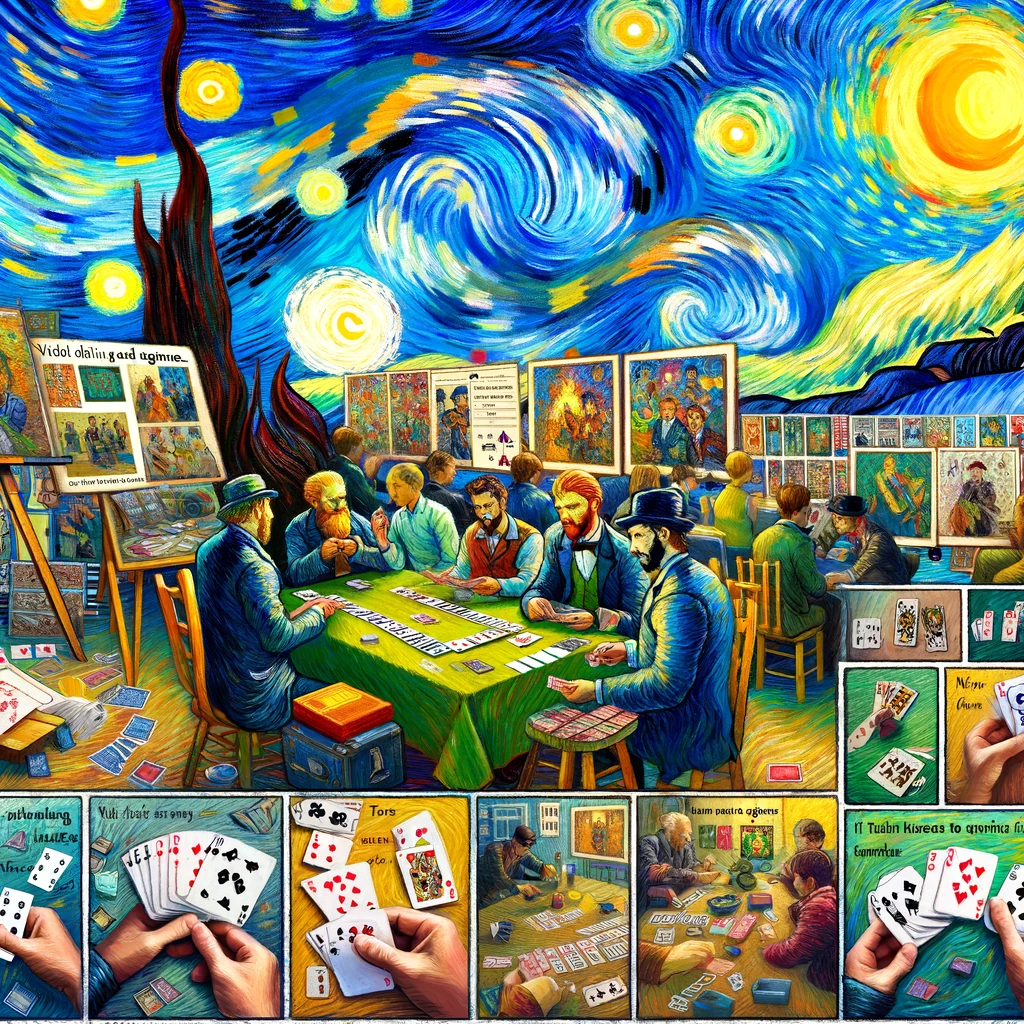
When it comes to gaming, player count isn’t just a number—it’s a game changer. Whether you’re rolling dice around a cluttered table or strategizing through a digital battlefield, the approaches you adopt can shift dramatically based on how many players are in the mix. So, let’s break it down.
With two players, the dynamics can feel akin to a heavyweight boxing match. Every move is crucial; one poorly considered action could flip the game on its head. Therefore, strategy takes a mirrored approach—anticipate your opponent’s moves while constructing your defenses. Here, bluffing becomes your best buddy. Engage in psychological warfare, making them second-guess their strategies. Master the art of deception, but make sure your own house is built on solid ground.
As we step into a multi-player realm—say, three to five players—the landscape expands, and with it, the need to adapt. Team alliances might form on the fly, driving an amalgam of collaboration and competition. This requires a more flexible approach. It’s no longer just about outsmarting your opponent; it’s about reading the room and recognizing shifting loyalties. In this setting, resource management becomes paramount.
When you’ve got a full house—six or more players—the game usually turns into a raucous affair. The strategy often revolves around survival and chaos management. Strongman tactics can give some players an upper hand, but true mastery comes in the form of adaptability. Here, you have to juggle both offense and defense while observing the spectrum of player interactions. Working hand in hand with others against perceived threats can be the key to staying in the game. Knowing when to break alliances and when to double down is a skill that separates the amateurs from the veterans.
And let’s not forget about the evening spent with friends over a party game where almost every option is valid for a solid laugh. In these types of games, humor and creativity often outshine conventional strategies. Engage in the unexpected, take wild chances, and share a good laugh, even if your strategy went south.
While the essence of the game may remain the same, the player count drastically alters the approach. The ability to read the shifting tides of the table, whether through alliances or bluffs, can be your greatest weapon. So next time you gather your comrades for a gaming night, remember: adjust your strategy to fit the crowd, or you just might find yourself left out in the cold!
What Strategies Work Best For Different Player Counts?
What Strategies Work Best For Different Player Counts?
- Player count significantly impacts gaming dynamics and strategy.
- With two players, strategies revolve around psychological warfare and careful planning.
- In three to five player games, flexibility and resource management become crucial.
- Games with six or more players introduce chaos and the need for adaptability.
- Collaborative tactics and timing in alliances separate novices from experienced players.
- Party games favor humor and creativity over traditional strategies.
- Adapting strategies to fit the player count is essential for success in gaming.

What Strategies Work Best For Different Player Counts?
How Can You Adapt Your Strategy Mid-Game?
Adapting your strategy mid-game is akin to being a seasoned navigator on a voyage through unpredictable waters. One moment, the sun is shining; the next, dark clouds roll in, and you must adjust your sails. The key to successful adaptation lies in your ability to observe, assess, and react with intention.
First off, remain vigilant. The play of the game is a living thing, ever-changing and riddled with surprises. It’s a blend of instinct and awareness. Pay attention to the shifts in momentum; notice how the other players respond to your moves, and be alert to the patterns that unfold. This means not just focusing on your own strategy, but actively watching your opponents. Understand their tactics. Are they aggressive? Defensive? This insight will empower you to pivot, allowing you to counter their advances effectively.
Next, embrace flexibility. Clinging too tightly to a preconceived notion of success can lock you into a singular mindset, stifling your creativity. If your original plan isn’t yielding results, let it go and be willing to experiment. Sometimes, the best moves emerge from uncharted territory. Whether it’s a bold play or a cautious retreat, don’t shy away from taking calculated risks. Flexibility isn’t just about making changes; it’s about making informed changes guided by the rhythm of the game.
Another vital aspect is communication. In team scenarios, clarity is paramount. Ensure everyone is on the same page, echoing the new strategy loudly so that chaos doesn’t reign. If a mid-game reevaluation occurs, gather your teammates and discuss your observations. Facilitating open dialogue invites fresh perspectives and harnesses collaborative energy to rally support for the new game plan. Remember, no one player is an island; success is often a collective endeavor.
Lastly, maintain a level head. When the pressure mounts, emotions can run high, leading to rash decisions. Stepping back for a moment to breathe and recalibrate can make all the difference. Consider your options thoughtfully, and don’t let adrenaline steer the ship. A cool and collected mind is an adaptive mind.
Adapting your strategy mid-game isn’t just about survival; it’s about thriving in the chaos. With keen observation, flexible thinking, open communication, and a composed demeanor, you’ll not only navigate the challenges at hand but emerge stronger—ready for whatever the next play may bring.

How Can You Adapt Your Strategy Mid-Game?
How Can You Adapt Your Strategy Mid-Game?
- Adapting strategies mid-game is similar to navigating unpredictable waters.
- Remain vigilant by observing changes in momentum and opponents’ tactics.
- Embrace flexibility; be open to experimenting if original plans aren’t effective.
- Take calculated risks, as innovative moves can arise from uncharted territory.
- Prioritize communication; ensure team members understand the new strategy.
- Maintain a level head to avoid rash decisions under pressure.
- Effective adaptation leads to thriving in chaos and preparing for future challenges.

How Can You Adapt Your Strategy Mid-Game?
What Are The Benefits Of Focusing On A Single Strategy?
In a world that’s constantly clamoring for our attention, we often find ourselves trying to juggle a dozen different strategies at once, each one demanding its share of our time and resources. But let me tell you, there’s a powerful case to be made for zeroing in on just one strategy and sticking to it like glue.
First off, focus breeds clarity. When you concentrate on a single strategy, you sharpen your vision and streamline your efforts. You don’t just scatter your energy across a hundred different ideas, hoping that something sticks. Instead, you put all your chips on one table, allowing you to dive deep and fully understand the nuances and intricacies of that approach. This depth of knowledge is invaluable, helping you to anticipate challenges and navigate obstacles with confidence.
Moreover, think about the power of momentum. When you channel your energy into one strategy, every small success feeds into the next, creating a positive feedback loop. It’s like building a sturdy foundation for a house: the more you reinforce it, the more resilient the whole structure becomes. Every win—whether it’s refining a process, gaining a client, or mastering a skill—adds to your growing sense of accomplishment. That momentum can propel you forward in ways that half-hearted attempts at multiple strategies simply can’t.
Let’s not forget about resource allocation. Time, money, and brainpower are finite. By dedicating yourself to a single strategy, you make it easier to allocate resources effectively. You can invest more meaningfully—be it in tools, training, or team collaboration—ensuring that every dollar and every hour spent drives real results. It’s about efficiency—doing more with less, and getting the most bang for your buck.
Lastly, a singular focus fosters accountability. When you have a clear strategy in mind, it’s easier to measure success and hold yourself accountable for results. You can set realistic goals, monitor your progress, and adjust your tactics when necessary. It’s a straightforward plan that keeps you in the driver’s seat rather than spinning in circles.
So, while the allure of diversification can be tempting, remember that there’s something to be said for the art of simplicity. Focusing on a single strategy not only clarifies your mission but also fuels momentum, optimizes resources, and enhances accountability. Staying the course can lead to extraordinary outcomes, even in the midst of life’s chaotic clamor.

What Are The Benefits Of Focusing On A Single Strategy?
What Are The Benefits Of Focusing On A Single Strategy?
- Juggling multiple strategies can dilute focus and effectiveness.
- Concentrating on one strategy sharpens vision and streamlines efforts.
- A single focus allows for deeper understanding and better anticipation of challenges.
- Momentum builds from small successes, creating a positive feedback loop.
- Resource allocation becomes more efficient with a dedicated strategy.
- A clear strategy fosters accountability and facilitates measuring success.
- Embracing simplicity and focus can lead to extraordinary outcomes amidst chaos.

What Are The Benefits Of Focusing On A Single Strategy?
How Important Is Player Positioning In Strategy?
When it comes to the world of strategy, be it on the battlefield, the boardroom, or the playing field, positioning is the silent sentinel that can either crown a victor or bedazzle a loser in the chaos of competition. Picture this: you’ve got a chessboard laid out—it’s a classic 8×8 grid where every move counts. Now consider that each piece is more than just a pawn, knight, or rook; they represent choices that can pivot the outcome of the game. Whether you’re maneuvering someone to defend a stronghold or navigating around an ambush, where and how you place your pieces truly matters.
In the domain of sports, player positioning plays a pivotal role in dictating the rhythm of the game. Take football, for example. A quarterback can orchestrate a symphony of plays, but if the wide receivers aren’t positioned correctly, that symphony can quickly turn into a dissonant cacophony. A well-timed route, a calculated yardage read, it all boils down to positioning. And in that fleeting moment of snap, muscles tensed, sweat glistening, it’s the positioning that can ignite a 50-yard touchdown or send a player tumbling into the arms of defeat.
But let’s not confine ourselves to the physical realms. Think about business strategy. In a world flooded with consumer choices, where positioning isn’t confined to premium shelf space but extends to brand identity and market perception, the principles remain the same. A company that knows where to place its message—be it through marketing tactics, messaging, or product placement—has a better chance of connecting with its audience. Think of it as a dance—the right moves and the perfect timing can lead to success, while missteps and awkward positioning can send you tumbling off the stage.
Whether you’re hunting for a football championship or trying to claim your space in a saturated marketplace, remember that success isn’t just about the strength of your pieces. It’s about understanding the battlefield, the placement, the strategy. Like gears in a well-oiled machine, the right positioning harmonizes every element, ensuring that when the moment of truth arrives, you’re not just reacting—you’re winning. And folks, in this game of life, who doesn’t want to come out on top?

How Important Is Player Positioning In Strategy?
How Important Is Player Positioning In Strategy?
- Positioning is crucial in strategy across various arenas, including the battlefield, boardroom, and sports.
- Each chess piece symbolizes a choice that impacts the game’s outcome, emphasizing the importance of placement.
- In sports like football, proper player positioning dictates gameplay dynamics and can affect scoring opportunities.
- A quarterback’s success relies heavily on the correct positioning of wide receivers to execute plays effectively.
- In business, effective market positioning influences brand identity and consumer perception.
- Strategic messaging and product placement can enhance a company’s connection with its audience.
- Overall success stems from understanding the environment and leveraging proper positioning in all endeavors.

How Important Is Player Positioning In Strategy?
What Ways Can You Enhance Your Deck Over Time?
When it comes to enhancing your deck, it’s all about understanding that this outdoor space isn’t just an extension of your home; it’s a canvas waiting for your creative touch. Just like a fine wine or a well-aged cheese, a deck gets better with time – provided you’re willing to put in the effort to maintain and improve it. So roll up those sleeves, and let’s dive into some practical ways to elevate your deck over the years.
First off, consider the basics: upkeep is king. Regular cleaning and maintenance not only prolong the life of your deck but also set the stage for more significant enhancements. Make it a ritual to sweep, scrub, and reseal your deck annually. A clean surface not only looks better but allows any new stain or treatment to adhere properly, ensuring that your hard work pays off in longevity and aesthetics.
Next, think about the materials you’ve got underfoot. Composite decking is a popular choice, but if your deck is made of wood, consider upgrading to a more durable species like Ipe or Cumaru. These rare and robust hardwoods can handle the elements far better than traditional softwoods and can turn your deck into a stunning centerpiece that can withstand the tests of time.
Now, let’s talk aesthetics. Lighting can transform your deck from a simple backyard structure into a magical evening retreat. String lights, lanterns, or built-in LED fixtures can create an inviting ambiance. Don’t underestimate the power of a well-lit deck to enhance the mood and extend your outdoor enjoyment well into the night.
But let’s not forget about furniture! The right outdoor furniture can make all the difference. Invest in weather-resistant pieces that suit your style, whether it’s sleek and modern or rustic and cozy. Add cushions, throws, and a few potted plants, and your deck shifts from an outdoor area to a personal sanctuary.
Finally, think big: consider adding features like built-in benches, a fire pit, or even a pergola for shade and style. These enhancements not only add functionality to your space but also increase your property’s value.
Remember, enhancing your deck isn’t about getting it perfect overnight; it’s a gradual process. Every small improvement adds character and charm. So take your time, get messy, and enjoy the journey of transforming your deck into a true reflection of you. After all, good things take time – and a little bit of elbow grease!
What Ways Can You Enhance Your Deck Over Time?
What Ways Can You Enhance Your Deck Over Time?
- Your deck is a creative canvas and requires effort to enhance and maintain over time.
- Regular cleaning and maintenance are essential for prolonging your deck’s life; aim for annual upkeep rituals.
- Consider upgrading materials; durable hardwoods like Ipe or Cumaru are better than traditional softwoods.
- Lighting can significantly enhance your deck’s ambiance, creating a magical evening retreat with options like string lights and lanterns.
- Invest in weather-resistant outdoor furniture that reflects your style and complements your deck’s aesthetic.
- Add features like built-in benches, fire pits, or pergolas to boost functionality and property value.
- Enhancing your deck is a gradual process; small improvements over time add character and charm.

What Ways Can You Enhance Your Deck Over Time?
How Do You Create A Balanced And Versatile Deck?
Creating a balanced and versatile deck is like preparing the ultimate toolbox for a job; you want to be ready for anything that comes your way. Whether you’re engaged in a competitive battle or just having a friendly match, a well-constructed deck can be the difference between success and a quick trip to disappointment city.
First, let’s talk about the core components of a balanced deck: resource management, diversity, and synergy. Imagine your deck as a well-oiled machine. To keep it running smoothly, you need the right mix of cards that allow you to play strategically under various conditions. Aim for a blend of low, mid, and high-cost cards. Low-cost cards can help you establish early board presence, while high-cost cards usually pack a serious punch once you’ve gained enough resources. Mid-range cards can fill the gaps and adapt to what the match throws at you.
Next up is diversity. Don’t put all your eggs in one basket. A single strategy can be tempting, but it’s also a one-way ticket to being outplayed. Ideally, you should include different types of cards—creatures, spells, and perhaps a few wild cards that can surprise your opponent. This variety not only makes you unpredictable but also gives you multiple avenues of attack and defense, ensuring you’re not caught flat-footed.
Now let’s chat about synergy. Think of the cards in your deck as a quirky team of misfits. Alone, they might not look like much, but together they can make magic happen. Some cards work particularly well with others, enhancing their effects or compensating for their weaknesses. Pay attention to these interactions, because the right combination can turn the tide of a match. Building synergy isn’t just about overpowering your opponent; it’s about creating opportunities where your cards can work together in perfect harmony.
Of course, the fun part comes when you’ve built your deck and start testing it out. Play a few matches, and don’t shy away from tweaking your configuration based on what you learn. Remember, even the best mechanics need some fine-tuning. Take notes, assess your performance, and don’t be afraid to mix things up. A balanced and versatile deck is a living organism, changing and adapting to the battles it faces.
So there you have it: the roadmap to constructing a formidable deck that’s ready for whatever comes its way. Get out there, have fun, and may the odds be ever in your favor!

How Do You Create A Balanced And Versatile Deck?
How Do You Create A Balanced And Versatile Deck?
- Creating a balanced deck is essential for success in competitive and casual matches.
- Key components of a balanced deck include resource management, diversity, and synergy.
- A mix of low, mid, and high-cost cards is crucial for strategic play.
- Diversity is important; avoid relying on a single strategy to stay unpredictable.
- Synergy enhances the effectiveness of card interactions, turning them into a cohesive unit.
- Testing and tweaking your deck is necessary for improvement; take notes on performance.
- A successful deck is adaptable and evolves with each match, keeping gameplay fresh and engaging.

How Do You Create A Balanced And Versatile Deck?
Conclusion
Conclusion: Mastering Deck-Building Card Games
So, you’ve gathered around the table with friends, cards in hand, and you might think you’re just playing a game. But make no mistake: deck-building card games are a battlefield of strategy, skill, and wit. If you want to move from casual to that formidable contender who dominates the table, you’ll need a solid arsenal of strategies up your sleeve. And while it might seem overwhelming, it boils down to a few key elements that can take your game to new heights.
First and foremost, you’ve got to understand the mechanics of your game like the back of your hand. Each deck-building adventure comes with its own set of rules, unique card synergies, and a predetermined path to victory. Familiarity lays the groundwork for success, and recognizing which cards work well together is akin to identifying the right tools for the job.
Resource management, folks, is crucial. Just as any seasoned chef knows the timing of when to add ingredients, you must learn when to spend your resources and when to save them. A well-timed play can shift the game dramatically, so adopt a long-term view; think ahead, plan your moves, and don’t get caught off guard.
Adaptability is your best friend in this ever-evolving landscape. Plans will fall apart, cards won’t play as you hoped, and opponents will throw you curveballs. The ability to pivot—alter your strategy based on new developments—distinguishes the rookies from the real pros. Disrupting an opponent’s strategy might even take precedence over building your own deck; seize those opportunities.
And let’s not forget the importance of synergy and player positioning in your strategic framework. Each card should work together seamlessly, like gears in a finely-tuned machine. You want harmonious interactions that maximize your deck’s effectiveness. Meanwhile, where you sit at that table can also affect gameplay dynamics, so be mindful of your position relative to other players.
Lastly, keep your eye on the big picture and adjust your strategy accordingly throughout the game. The essence of deck-building profound lies in observing, evaluating, and refining as you play. As you incorporate these strategies—knowledge, resource management, adaptability, synergy, and positioning—you’ll not only up your game but might just turn that casual card night into one for the record books.
So grab those cards, embrace the process, learn from every win and loss, and remember: in the world of deck-building card games, mastery isn’t just about knowledge; it’s about execution, intuition, and a whole lot of heart. Now get out there and make your mark on the table!

Conclusion
Conclusion:
- Understanding game mechanics is essential for success in deck-building card games.
- Resource management is crucial; know when to spend or save resources for optimal plays.
- Adaptability is key; adjust strategies based on game developments and opponent actions.
- Synergy among cards enhances effectiveness, ensuring they work together like a well-oiled machine.
- Player positioning can influence gameplay dynamics; be aware of your table position.
- Continuously evaluate and refine your strategy to maintain a long-term perspective throughout the game.
- Mastery involves not just knowledge, but also execution and intuition—embrace the learning process.

Conclusion
Other Resources

Other Resources
Here is a list of other resources you can review online to learn more:
- “The Art of Deck Building: Strategy and Creativity in Card …”
- “Awesome Board Games”
- “Looking for deck builder with more mechanics”
- “Deck Builders Log for Competitive Card Games: Journal …”
- “Drafting in Collectible Card Games via Reinforcement …”
- “Resource Management Systems in Card Games”
- “How would you improve: Deck Building : r/boardgames”
- “Ascension: a Case Study in Deckbuilding Games”
- “Collectible Card Games: A Beginner’s Guide to Strategy …”
- “Games Library”
- “Other Products :: Hobby Master”
- “World of Board Games”
Use This Prompt To Get More Resources With Your Favorite Online AI Tool: Please provide me with a list of online articles with their URLS in a bulleted list that I can read regarding What Strategies Are Needed for Deck-Building Card Games?

Other Resources
Glossary Terms
What Strategies Are Needed for Deck-Building Card Games? – Glossary Of Terms
1. Deck: A collection of cards that a player uses to compete in the game. The composition can affect gameplay dynamics.
2. Draw Phase: The stage of a player’s turn where they draw cards from their deck, providing options for plays.
3. Play Phase: The phase in which players can play cards from their hands to perform actions or summon characters.
4. Resource Management: The strategy of effectively utilizing limited resources (like cards or in-game currency) to maximize efficiency and effectiveness in gameplay.
5. Synergy: The concept of combining cards whose effects complement each other, enhancing overall strategy and effectiveness.
6. Constructed Deck: A deck built from the available card pool, usually tailored to a specific strategy or theme before gameplay starts.
7. Drafting: A method of building a deck by selecting cards from a limited pool, often used in tournaments.
8. Card Advantage: The advantage gained by having more cards available than an opponent, allowing for greater options and plays.
9. Meta: The current state of play in a game environment, including popular strategies and deck types, influencing player choices.
10. Win Condition: The specific objective or method by which a player aims to secure victory, such as reducing an opponent’s life points or achieving specific goals.
11. Combo: A combination of cards played in succession that create a powerful effect or result, often leading to an overwhelming advantage.
12. Control Deck: A strategy focused on controlling the game and limiting the opponent’s options while building toward a win condition.
13. Aggro (Aggressive) Deck: A deck designed to quickly reduce the opponent’s health or resources through rapid, aggressive plays.
14. Midrange Deck: A balanced strategy that aims to control the board early while transitioning to powerful plays in the mid-to-late game.
15. Board Presence: Refers to the number of cards a player has in play, influencing their control over the game state.
16. Removal: Cards or effects that eliminate opponent’s cards from play, providing control over board presence.
17. Stall: A strategy aimed at delaying opponents’ progress or actions, often while building up one’s own resources.
18. Meta-Game: The strategic considerations of what decks, cards, or strategies to expect from opponents based on current popular strategies.
19. Sideboard: A set of additional cards that can be swapped in or out of a deck between games in a match to adapt to opponents.
20. Tempo: The pace at which a player gains advantage, balancing aggressive plays with resource management.
21. Diversification: The strategy of building a deck with a variety of card types to handle different situations effectively.
22. Building Curve: Refers to the balance of card costs in a deck, ensuring enough plays at various stages of the game.
23. Topdecking: Drawing a card from the top of the deck, often used in situations where players rely on luck to influence their next move.
24. Tech Card: A card included in a deck to counter specific threats or strategies often seen in the current meta.
25. Combo-Deck: A deck built with the primary goal of assembling a specific combination of cards to achieve a potent effect or win condition.
26. Discard: The action of removing cards from hand or play, which can be used strategically to control opponents’ options.
27. Value: The efficiency of a card or play in gaining advantage; higher value plays yield better results for resources spent.
28. Mind Games: Psychological strategies used to predict or manipulate an opponent’s decisions during play.
29. Card Cycling: The ability to draw additional cards or exchange them quickly, improving flexibility and options during gameplay.
30. Draft Strategy: The approach taken when selecting cards during a drafting phase, determined by evaluating cards and predicting opponent choices.

Glossary Of Terms
Other Questions
What Strategies Are Needed for Deck-Building Card Games? – Other Questions
If you wish to explore and discover more, consider looking for answers to these questions:
- What are the top deck-building card games for beginners?
- How can I determine the best card synergies for my deck?
- What mistakes do newcomers often make in deck-building card games?
- How does player experience level affect strategies in deck-building games?
- What resources are available for learning advanced deck-building techniques?
- How can I improve my skills in deck-building over time?
- What role does luck play in deck-building card games?
- How should I adapt my strategy for different genres of deck-building games?
- What are some recommended expansions for popular deck-building card games?
- How can I effectively track my performance in deck-building games?
- What tips do professional players have for mastering deck-building games?

Other Questions
Haiku
What Strategies Are Needed for Deck-Building Card Games? – A Haiku
Cards laid upon the table,
Strategy blooms through the game;
Synergy wins all.

Haiku
Poem
What Strategies Are Needed for Deck-Building Card Games? – A Poem
In the Realm of Cards: A Deck-Building Ode
In a world where cards align,
Strategies dance, intricate design,
Deck-building games, both art and game,
To master the craft, you must know their name.
Begin with the heart, the core mechanics,
Understand the flow, its subtle semantics,
Cards with synergy, forged in the fire,
Together they rise, ever higher and higher.
Balance your resources, don’t hoard or lose,
Like a chef with ingredients, know how to choose,
Timing is key, a calculated play,
Plan your next moves, let your strategy sway.
Adapt with grace, let your mind be the guide,
When the landscape shifts, let your tactics abide,
Whether to fortify or disrupt their might,
A true player thrives in the heat of the fight.
Focus on victory, point by point,
Craft a clear vision, let ambition anoint,
From drafting to playing, each choice that you make,
Reveals the finesse of the moves that you stake.
Combinations flourish, synergy sings,
In the dance of the deck, discover new things,
As you fine-tune your craft, let the laughter be loud,
For the heart of the game is the joy of the crowd.
So shuffle those cards, let the game unfold,
In the realm of strategy, be brave and be bold,
With knowledge, with teamwork, with each passing round,
In the world of deck-building, true victory is found.

Poem
Checklist
What Strategies Are Needed for Deck-Building Card Games? – A Checklist
1. Understanding Game Mechanics
_____ Familiarize yourself with the core rules of the game.
_____ Identify the victory conditions specific to the game.
_____ Recognize unique card synergies and resource management techniques.
2. Drafting Strategy
_____ Pay attention to the cards available in the draft phase.
_____ Prioritize cards that synergize well with your strategy.
_____ Consider dual-purpose cards that offer versatility.
3. Resource Management
_____ Regularly assess your available resources (cards, energy, actions).
_____ Develop a plan for when to spend vs. when to save resources.
_____ Plan several moves ahead to maintain strategic advantage.
4. Adaptability
_____ Remain flexible and adjust your strategy according to game dynamics.
_____ Be conscious of opponents’ tactics and adapt to counter them.
_____ Embrace new opportunities that arise from each game draw.
5. Endgame Mindset
_____ Monitor your point accumulation and positioning relative to opponents.
_____ Consider how your card choices influence your opponents’ success.
_____ Prepare for the endgame by optimizing your deck synergy.
6. Building Deck Synergy
_____ Focus on selecting cards that complement and enhance each other.
_____ Understand how different cards can interact to form powerful combinations.
_____ Avoid haphazard card selection; prioritize cohesive strategies.
7. Effective Card Prioritization
_____ Look for cards that provide multi-functional value.
_____ Identify cards that can control the tempo of the game.
_____ Consider synergy and adaptability when selecting cards.
8. Card Value Assessment
_____ Regularly evaluate the changing value of your cards throughout gameplay.
_____ Recognize how board state and opponents’ actions affect card utility.
_____ Be willing to shift focus from high-value cards to newly valuable options.
9. Common Mistakes to Avoid
_____ Don’t ignore local rules and regulations of the game.
_____ Avoid overloading your deck with low-impact cards.
_____ Keep an eye on your deck’s balance; strive for versatility.
10. Player Positioning & Dynamics
_____ Pay attention to how the number of players influences strategies.
_____ Adjust your tactics based on player interactions and relationships.
_____ Use bluffing and psychological strategy in two-player games for advantage.
11. Continuous Improvement
_____ Analyze and reflect on your performance after each game.
_____ Incorporate new strategies and feedback from others to enhance your deck.
_____ Regularly update your deck based on expansions and evolving strategies.
By following this checklist, you’ll build a strong foundation for mastering deck-building card games, enabling you to improve your gameplay and increase your chances of victory. Enjoy the journey as you refine your strategies and dominate your next gaming session!

Checklist
At CardGameNews, we help people who love card games by collating information and news about card games.
Be sure to read our other related stories at CardGameNews to learn more about card games.


