

Mastering Winning Tactics For Collectible Card Games
By Tom Seest
At CardGameNews, we help people who love card games by collating information and news about card games.
Be sure to read our other related stories at CardGameNews to learn more about card games.
What Strategies Are Needed for Collectible Card Games?
When you sit down to engage in a collectible card game, you’re stepping into a world where strategy reigns supreme and luck may play a part, but it never steals the show. Just like a master craftsman perfects his trade, players should hone strategies that define their playstyle and set them apart from the competition.
First and foremost, understanding your deck is like knowing the tools in your toolbox. Each card in your collection has its own strengths and weaknesses, and familiarity with these elements is crucial. Build a deck that not only reflects your personal taste but also synergizes with your gameplay strategy. A well-thought-out collection won’t do you any good if you’re throwing cards together haphazardly. Spend time analyzing various combinations and how different cards interact.
Next up, adaptability is key. Picture yourself in the middle of an intense match. Your opponent has just laid down a powerful creature, and suddenly your original game plan feels flimsy. Panic won’t save you, but adaptability will. Be prepared to adjust your tactics on the fly. Whether that means switching from an offensive approach to a defensive one or utilizing a counter-strategy based on what cards your opponent is playing, flexibility can make the difference between victory and defeat.
Also, keep your opponent in mind. Knowing your adversary is just as crucial as knowing your own deck. Study their playstyle, anticipate their moves, and use that knowledge to gain an edge. It’s not enough to understand your cards; recognize how your opponent’s cards can affect you. This is where observation and experience come into play.
Don’t forget about resource management. Just like a budget, managing your cards effectively will determine your long-term success. Be strategic about when you play certain cards and how many resources you commit to a single turn. Winning often hinges on the balance of short-term gains and long-term strategy.
Finally, never underestimate the power of practice. Building a strategy is one thing, but execution is another altogether. Regular practice not only sharpens your skills but also builds intuition around different scenarios. You may find that even the best-laid plans can be improved through experience and feedback.
Success in collectible card games is as much about mental agility and foresight as it is about having a robust collection. By developing a well-rounded strategy, you can transform a simple card game into an exhilarating battle of wits. So, roll up your sleeves, gather your cards and prepare to sharpen those strategic skills. The game is afoot!

What Strategies Are Needed for Collectible Card Games?
What Strategies Are Needed for Collectible Card Games?
- Collectible card games emphasize strategy over luck, requiring players to hone their unique strategies.
- Understanding your deck involves knowing each card’s strengths and weaknesses and building a synergistic collection.
- Adaptability is crucial during gameplay; be ready to adjust your tactics in response to your opponent’s moves.
- Studying your opponent’s playstyle and cards can provide valuable insights and advantages during matches.
- Resource management is key to long-term success; be strategic about card play and resource allocation.
- Regular practice enhances skills and allows for refined execution of strategies, improving overall gameplay.
- A well-rounded strategy, mental agility, and foresight are essential for transforming card games into exciting competitions.

What Strategies Are Needed for Collectible Card Games?
Table Of Contents
- What Strategies Are Needed for Collectible Card Games?
- What Are The Basics Of Deck Building For Card Games?
- How Can I Effectively Manage My Resources During A Game?
- What Are The Best Strategies For Card Draw And Filtering?
- What Is The Importance Of Maintaining Board Control?
- How Can I Create Synergies Between Different Cards?
- What Role Does Card Rarity Play In Gameplay Strategy?
- How Do I Adapt My Strategy During A Tournament?
- What Are Common Mistakes To Avoid In Collectible Card Games?
- How Can I Improve My Skills Through Practice And Analysis?
- What Are Effective Ways To Counter Popular Strategies?
- How Can I Utilize Bluffing To Gain An Advantage?
- What Should I Know About The Metagame In Card Gaming?
- How Do I Choose The Right Collectible Card Game For Me?
- What Strategies Are Best For Playing With Friends Casually?
- How Can I Stay Updated On New Expansions And Card Releases?
- Conclusion
- Other Resources
- Glossary Of Terms
- Other Questions
- Haiku
- Poem
- Checklist
What Are The Basics Of Deck Building For Card Games?
When it comes to deck building for card games, there’s a fine art that blends strategy, creativity, and a sprinkle of good old-fashioned trial and error. Let’s dive into the nitty-gritty, shall we? You’ve got your game in front of you, an array of cards at your disposal, and the thrill of victory whispering sweet nothings in your ear. But before you rush to assemble the most radical deck known to humankind, there are some fundamental principles you should keep in mind.
First off, know your game. Each card game has its own set of rules, mechanics, and winning conditions. Whether you’re balancing a wildfire of spells in a fantasy card game or strategizing treasure hunts in a competitive arena, understanding the core mechanics is your first step. Pay attention to the synergy among your cards; they need to work together like a well-oiled machine. Some cards may strengthen others, while others might trigger special abilities, so don’t just throw together a jumble of your favorites and call it a day.
Next, consider the concept of balance and versatility. A good deck generally finds the sweet spot between offense and defense. You don’t want to bulldoze your opponent without considering your own vulnerabilities. Creating a diverse range of cards—some that attack, some that defend, and some that provide utility—will enhance your adaptability in different situations. There’s nothing worse than a deck that can overpower but crumbles like a house of cards when faced with a little adversity.
Another essential element is consistency. You want to ensure that you can execute your game plan reliably without being hindered by a handful of high-cost cards sitting stubbornly in your hand. A well-constructed deck often focuses on a particular strategy or theme, allowing for repeated execution of specific tactics. Just remember, while it’s thrilling to throw in powerful cards, if they slow you down, they might not be the best fit.
Finally, test and refine. Once you think you’ve built the ultimate deck, take it for a spin. Play against others, learn from every encounter, and don’t shy away from tweaking your creation. Overtime, you’ll discover which cards are indispensable and which ones are just taking up space. A fine card deck is a living, breathing entity—one that evolves with every game you play. So jump in, get your hands dirty, and let the magic of deck building unfold one card at a time.

What Are The Basics Of Deck Building For Card Games?
What Are The Basics Of Deck Building For Card Games?
- Deck building combines strategy, creativity, and trial and error.
- Understand your game’s rules, mechanics, and winning conditions before assembling a deck.
- Focus on card synergy; ensure cards work together effectively instead of just mixing favorites.
- A well-balanced deck should include offensive, defensive, and utility cards for adaptability.
- Aim for consistency by minimizing high-cost cards that disrupt your game plan.
- Test your deck against others, learn from encounters, and be open to making adjustments.
- A successful deck is dynamic, evolving with each game played and refined through experience.

What Are The Basics Of Deck Building For Card Games?
How Can I Effectively Manage My Resources During A Game?
Alright, gather ‘round, gamers, because we’re diving deep into the art of resource management—an element of gaming that might not get the spotlight it deserves but can spell the difference between glorious victory and a not-so-glorious defeat. Whether you’re battling your way through a sprawling RPG or strategizing in a real-time strategy game, how you handle your resources can make or break your experience.
First off, let’s talk about the resources themselves. In many games, you’ve got a variety: health points, mana, building materials, and sometimes even time. Each resource is a tool, and understanding what each one does is crucial. Know your strengths and weaknesses. Are you a kicking-down-doors brute with limited finesse? Then hoarding health packs can lead to early retirements. Get to know your resources intimately; they’re like the friends you love but sometimes forget to call.
Now, let’s discuss prioritization. Imagine you’re in the middle of an epic battle, and you’ve got a healing potion that could save you but you’re also itching to cast that powerful spell. You’ve got to weigh the options. Sometimes it’s wiser to let your wounds bleed a little longer in exchange for some tactical advantage. Assess the situation, and allocate your resources according to what’s vital. If you’re low on health but high on mana, consider defensive strategies.
Then there’s the planning stage. Combat may be chaotic, but that doesn’t mean your strategy should be. Before you jump into the fray, lay out a game plan. Map out how you’re going to gather resources during the calmer moments. If you’re in a survival game, make sure you know where the best spots are to stockpile food or tools. Remember, opportunity favors the prepared mind.
Finally, let’s not forget adaptability. Sometimes, your best-laid plans will go south faster than you can say “game over.” The true mark of an adept gamer lies in being able to shift gears on the fly. That means staying keenly aware of your surroundings and ready to adjust your resource allocation in real-time.
So, harness these principles, pay close attention to your inventory, and treat your resources like the valuable currency they are. With a bit of knowledge, strategy, and good old-fashioned adaptability, you’ll soon find yourself managing your resources like a pro, paving the way to victories that are worth celebrating. Game on!

How Can I Effectively Manage My Resources During A Game?
How Can I Effectively Manage My Resources During A Game?
- Resource management is crucial in gaming, influencing the outcome between victory and defeat.
- Different games offer various resources, including health points, mana, building materials, and time.
- Understanding the strengths and weaknesses of resources can greatly enhance your gaming strategy.
- Prioritization is key; sometimes you must choose between immediate healing or tactical advantages.
- Planning before combat is essential; map out resource gathering strategies during calmer moments.
- Adaptability is vital; be prepared to adjust your resource management in real-time as situations change.
- Effective resource management leads to gaming success and enhances your overall experience.

How Can I Effectively Manage My Resources During A Game?
What Are The Best Strategies For Card Draw And Filtering?
When it comes to card games—whether it’s a leisurely round with friends or a high-stakes duel—the ability to manage your hand effectively can mean the difference between victory and defeat. Drawing the right cards at the right time and filtering out the unwanted ones are essential skills for mastering any game. So let’s break down some solid strategies for card draw and filtering that’ll make you the sharpest player at the table.
First off, understanding card draw mechanics is vital. Some games allow you to draw cards simply by playing certain actions or fulfilling conditions—like landing a monster hit or completing a challenging quest. If you know the rules intimately, you can plan your moves and maximize your draws. The key here is anticipation, so keep an eye on what cards have already been played and adjust accordingly. Late in the game, when the deck is thin, every draw can be a game-changer.
Next, let’s talk about filtering. Filtering means discarding unwanted cards and improving the overall quality of your hand. A great way to filter is by utilizing abilities that allow you to sift through your deck without taking unnecessary risks. Look for cards that enable you to draw multiple cards and then allow you to pick the best ones to keep, such as look-and-then-draw effects. This not only sharpens your hand but offers insight into what’s left in your deck—a crucial advantage.
Consider the synergy in your deck as well. Every card should work together like a well-oiled machine. When deciding what to draw or filter, think about the combinations—what cards complement each other? A smart player always has a backup plan, so having cards that support one another can make filtering a more powerful tool. Use cards that let you reshuffle or rotate through your deck, enhancing your chances of drawing those critical combo pieces.
Finally, keep your eyes peeled for opportunities during your opponent’s turn. You might learn enough from their strategies to adjust your filtering and drawing tactics. What cards they’re hoarding could reveal their hand, and you can pivot your strategy accordingly.
Card draw and filtering are about being decisive and strategic. It’s about finding harmony between risk and reward, using knowledge of the game to create opportunities for success. So gear up, keep your wits about you, and don’t forget—it’s not just about the cards you draw, but how you play them that truly defines a champion.

What Are The Best Strategies For Card Draw And Filtering?
What Are The Best Strategies For Card Draw And Filtering?
- Effective hand management is crucial in card games, impacting the outcome of matches.
- Understanding card draw mechanics allows players to optimize their strategy by anticipating moves and adjusting based on played cards.
- Filtering involves discarding unnecessary cards to improve hand quality and can be enhanced through certain abilities and card effects.
- Prioritizing synergy between cards increases effectiveness; players should consider how cards complement each other when filtering or drawing.
- Utilizing reshuffle or deck rotation cards can improve chances of obtaining essential combo pieces.
- Observing opponents’ strategies during their turn can provide insights to adjust your own tactics accordingly.
- The balance between risk and reward is essential; decisive play and strategic knowledge define success in card games.

What Are The Best Strategies For Card Draw And Filtering?
What Is The Importance Of Maintaining Board Control?
When it comes to running a business, the board of directors behaves a lot like the crew on a well-oiled machine. Each member has a role to play, ensuring that things run smoothly. Maintaining control at this level is not just about exerting power; it’s about steering the ship in the right direction, preserving the integrity of the organization, and making tough calls when the ocean gets choppy.
First and foremost, maintaining board control ensures that the company’s vision and mission remain intact. Picture a rudderless boat: it’s going to drift aimlessly without any real direction. A well-controlled board keeps the organization aligned with its goals, avoiding the pitfalls of distraction or mission creep. By sticking to what really matters, the board can focus resources and energy where they’ll have the greatest impact.
Moreover, effective board control fosters accountability and transparency. When a board is engaged and informed, it’s like having a good mechanic checking the engine. Regular oversight ensures that everything is functioning as it should, minimizing the risk of hidden problems that could jeopardize the whole operation. When the board exercises control, it sets standards for performance and holds management accountable. A culture of accountability can do wonders, ensuring that everyone from the corner office to the shop floor knows they’re part of a larger mission.
Board control also plays a vital role in risk management. In today’s business landscape, uncertainty is the only certainty. A strong board is aware of potential threats—whether they’re financial, reputational, or operational—and is equipped to make informed decisions. When the going gets tough, a cohesive board can step in, offer guidance, and keep a steady hand on the wheel while others might be tempted to panic.
Lastly, let’s not forget the importance of diversity and how it enhances board control. A well-rounded board brings various perspectives to the table, which can lead to more innovative solutions and better decision-making. Diversity in thought and experience enriches discussions, ensuring that different angles are explored before any decisions are made.
In summary, maintaining board control isn’t just about power plays and bravado; it’s about guidance, accountability, risk management, and embracing a myriad of perspectives. A strong board acts as the backbone of an organization, helping it to navigate the complexities of today’s business environment with confidence and clarity. Without it, you may find yourself in turbulent waters without a lifeboat in sight.

What Is The Importance Of Maintaining Board Control?
What Is The Importance Of Maintaining Board Control?
- Board of directors functions like a crew on a well-oiled machine, each member playing a crucial role.
- Maintaining control ensures the company’s vision and mission are preserved, avoiding distractions.
- Effective board control fosters accountability and transparency, minimizing hidden problems.
- A controlled board sets performance standards and holds management accountable, promoting a culture of accountability.
- Board control is vital for risk management, preparing the organization for potential threats in an uncertain business landscape.
- Diversity in the board enriches discussions, leading to innovative solutions and improved decision-making.
- Overall, board control is about guidance, accountability, risk management, and embracing diverse perspectives.

What Is The Importance Of Maintaining Board Control?
How Can I Create Synergies Between Different Cards?
Creating synergies between different cards can feel a bit like piecing together a jigsaw puzzle. It requires an eye for detail, a touch of creativity, and, let’s be honest, a dash of experimentation. The beauty of card synergy lies in the interplay between different abilities and effects, which can propel your game to new heights. Let’s dive into how you can effectively weave these connections.
First things first: understand your cards. Know the strengths and weaknesses of each one in your deck. Some cards excel at dealing damage, while others might provide healing or enhance your play. The trick is to find a rhythm among them—the yin to their yang, if you will. For example, if you have a card that excels in dealing damage over time, pair it with a card that enhances its effectiveness or lowers your opponent’s defenses. It’s like making a good stew; each ingredient adds its own flavor, but the real magic happens when they blend together.
Next, look for combos that trigger specific conditions. Many cards have special abilities that activate under particular circumstances. Let’s say you have a card that deals damage based on how many cards you’ve played this turn. Complement it with a card that allows for quick, successive plays. When you chain these cards together, not only do you multiply your damage output, but you also create a tactical advantage that can catch your opponent off guard.
Don’t overlook the potential for defense, either. Some cards can create barriers or buffs that can protect your more fragile units. Want to keep your powerful—but vulnerable—cards safe while they do their thing? Team them up with cards that enhance their resilience or retaliate against attacks.
Lastly, be sure to mix and match your strategies over time. As new cards enter your arsenal, your approach should evolve, allowing you to explore emerging synergies. You might discover an unexpected powerhouse combo that was hidden until now.
In this game, adaptability is key. Some days, you’ll hit the synergy jackpot; other days, you’ll learn from misfires. Don’t get discouraged by a little trial and error; it’s all part of the journey. Embrace the experimentation, foster those connections between your cards, and watch as your deck transforms into a finely tuned machine ready to surprise and conquer. Happy gaming, and may your synergies be ever in your favor!

How Can I Create Synergies Between Different Cards?
How Can I Create Synergies Between Different Cards?
- Creating card synergies involves detail, creativity, and experimentation.
- Understand the strengths and weaknesses of each card in your deck.
- Look for combinations that trigger specific abilities based on card interactions.
- Utilize cards that create defenses or buffs to protect vulnerable units.
- Continuously evolve your strategies as new cards become available.
- Adaptability is essential; learn from both successes and failures.
- Embrace experimentation to discover powerful combinations in your deck.

How Can I Create Synergies Between Different Cards?
What Role Does Card Rarity Play In Gameplay Strategy?
What Role Does Card Rarity Play in Gameplay Strategy?
In the world of card-based gaming, the term “rarity” often gets tossed around like a hot potato at a picnic. But let’s dig deeper and uncover what this really means for gameplay strategy. Card rarity essentially tells you how easy or hard it is to find a particular card. Rare cards are typically like gold nuggets buried in a mine; they come with unique powers or abilities that can tip the scales in your favor. However, that’s just the tip of the iceberg.
Now, one might think that diving headfirst into a deck full of rare cards will guarantee a swift victory. But hold your horses! It’s far more nuanced than that. Strategy is a balancing act, akin to a tightrope walker navigating a windy day. Sure, rare cards can deliver impressive, flashy moves, but they can also infuse your deck with a certain level of inconsistency. If you rely solely on these high-flyers, you might find your strategy quickly unraveling when you are dealt an unfortunate hand.
This is where the common and uncommon cards come into play. While they may lack the wow factor of the rarities, they often serve as the backbone of a more stable and reliable deck. Think of them as the solid foundation of a house. They can assist in resource generation, support your more powerful cards, or even protect your health points. Successful players don’t just hoard their rare cards—they weave them into a tapestry of synergy, ensuring that every piece supports the whole.
Another crucial aspect to consider is adaptability. A well-crafted strategy doesn’t just leverage card rarity; it adapts to the challenge at hand. For example, if your opponent commands a deck loaded with rare powerhouse cards, you might consider a swarm tactic, utilizing your common cards to overwhelm and outnumber. It’s about recognizing that while rarity can provide a sparkle, it’s strategy that delivers results.
Lastly, let’s not forget the psychological angle. Knowing your deck contains a few rare gems might give you a confidence boost, turning your plays into daring strategies that could catch your opponent off guard. But remember: glossy cards don’t always translate into game-winning tactics. It’s a complex dance, requiring not just a good hand, but a keen mind that understands the interplay between card rarity and gameplay strategy. So, before you stack your deck with shiny cards, ask yourself how they’ll fit into the bigger picture. Because, at the end of the day, it’s not about luck; it’s about skill, strategy, and yes, a sprinkle of ingenuity.

What Role Does Card Rarity Play In Gameplay Strategy?
What Role Does Card Rarity Play In Gameplay Strategy?
- Card rarity indicates the difficulty of finding specific cards, with rare cards often possessing unique powers.
- Having a deck full of rare cards does not guarantee victory; strategy is more nuanced and requires balance.
- Common and uncommon cards provide stability and support, acting as the foundation of a reliable deck.
- Successful players integrate rare cards into a cohesive strategy, ensuring synergy among cards.
- Adaptability is key; strategies should adjust according to the opponent’s deck composition.
- The psychological effect of possessing rare cards can enhance confidence and influence gameplay decisions.
- Success in card-based gaming relies on skill and strategy rather than luck alone, emphasizing the importance of understanding card rarity.

What Role Does Card Rarity Play In Gameplay Strategy?
How Do I Adapt My Strategy During A Tournament?
When it comes to tournaments, whether you’re on the field, the court, or the virtual arena, flexibility isn’t just a buzzword; it’s a lifeline. Imagine you’re a ship captain navigating through ever-changing waters—storms arise, winds shift, and the currents tug you this way and that. The ability to adjust your strategy in real-time can mean the difference between victory and defeat.
First and foremost, stay plugged into the pulse of the competition. Pay attention to the strengths and weaknesses of your opponents as the tournament unfolds. Does one player have a penchant for overcommitting? Is there a certain team consistently faltering under pressure? Analyze these patterns like a hawk eyeing its prey. This kind of situational awareness allows you to pivot your approach, making the necessary adjustments on the fly.
Next, don’t forget the importance of self-reflection. After each match, take a minute—not just to celebrate a win or sulk over a loss—but to dissect your own performance. Did your initial strategy hold water, or did it sink like a stone? Perhaps your game plan was solid, but your execution went awry. Identifying these nuances will help you adapt not just to what others are doing, but to your own evolving capabilities.
Now, consider the role of communication, especially if you’re part of a team. If you’re the only one picking up on the changing tides, you’re destined to capsize. Share observations with your teammates. Collaboration breeds innovation. Sometimes, the best adaptations emerge from group brainstorming—think of it as a collective squaring of shoulders against the challenges ahead.
Lastly, leverage your instincts, honed through training and experience. Your gut knows things that rational thought may not always capture. When the stakes are high, and the clock is ticking, trusting yourself can lead to bold decisions that pay off. Sure, you might misstep from time to time, but taking calculated risks can also open doors that sticking rigidly to the playbook never could.
In a nutshell, adapting your strategy during a tournament is about embracing change, analyzing the environment, communicating effectively, and trusting your instincts. So, when you find yourself in the thick of it, remember to keep your head up and your eyes sharp. The game is always changing; if you’re ready to change with it, the scoreboard just might reflect your tenacity when the dust settles.

How Do I Adapt My Strategy During A Tournament?
How Do I Adapt My Strategy During A Tournament?
- Flexibility is essential in tournaments, akin to a ship captain navigating changing waters.
- Stay alert to your opponents’ strengths and weaknesses for real-time strategic adjustments.
- Engage in self-reflection after each match to assess the effectiveness of your strategy and execution.
- Effective communication with teammates is crucial for collaborative adaptation and innovation.
- Trust your instincts, as experience and training can guide you towards bold decisions.
- Adapting your strategy involves embracing change, analyzing the environment, and collaborating effectively.
- Being prepared to change with the game can enhance your chances of success and lead to better outcomes.

How Do I Adapt My Strategy During A Tournament?
What Are Common Mistakes To Avoid In Collectible Card Games?
When it comes to collectible card games, the thrill of strategizing and building your deck can make it easy to overlook some essential truths. Even the most seasoned players can stumble into pitfalls that could have easily been avoided. Let’s dive into some of the most common mistakes to steer clear of if you want to keep your winning streak alive.
First on the list is neglecting to read the rulebook. Sure, the art on the cards is stunning, and the lore can be captivating, but underestimating the importance of understanding the rules can lead to a whole world of hurt in gameplay. A single overlooked mechanic can turn the tide of battle, leaving you scratching your head in disbelief. Take the time to absorb those guidelines; they’ll serve you well.
Then we come to the impulse buy. Yes, collecting cards is thrilling, and that shiny booster pack is calling your name, but don’t let that excitement lead you astray. Random packs can be incredibly tempting, but if you don’t have a clear idea of what you need for your deck, you might end up with duplicates of cards you don’t want. It pays to do your research and set your sights on specific cards that will maximize your strategy.
Next, building a deck without a game plan can feel like getting behind the wheel without knowing your destination. While experimental decks can be fun, relying solely on randomness can leave you vulnerable. Take the time to develop a cohesive strategy that includes a balance of offense and defense, as well as synergy between your cards. Crafting a plan can elevate your gameplay from mere chance to tactical triumph.
And let’s not forget the importance of practicing good sportsmanship. In the heat of competitive play, it’s easy to let your frustrations take the reins. However, staying respectful to your opponent not only enhances the overall experience but it also builds camaraderie within the community. After all, we’re all here for the love of the game.
Lastly, don’t overcommit to a single strategy. The metagame shifts; what worked last season may not work now. Adaptability is crucial. Stay informed about trends, and be flexible enough to tweak your deck as needed.
In summary, avoid skipping the rulebook, resist impulse buying, develop a strategic deck, embrace good sportsmanship, and adapt to the ever-changing landscape. By steering clear of these common missteps, you’ll find yourself navigating the world of collectible card games with a bit more wisdom and a lot more success.

What Are Common Mistakes To Avoid In Collectible Card Games?
What Are Common Mistakes To Avoid In Collectible Card Games?
- Stay informed by reading the rulebook to understand game mechanics and avoid confusion during play.
- Avoid impulse buying of cards; research and plan to acquire cards that fit your strategy.
- Develop a cohesive deck strategy rather than relying on randomness or experimentation.
- Maintain good sportsmanship; respect your opponents to foster a positive gaming community.
- Be adaptable; recognize shifts in the metagame and adjust your strategy accordingly.
- Focus on creating a balanced deck with offensive and defensive synergy.
- Keep learning and evolving your gameplay to enhance your success in collectible card games.

What Are Common Mistakes To Avoid In Collectible Card Games?
How Can I Improve My Skills Through Practice And Analysis?
How Can I Improve My Skills Through Practice and Analysis?
Improving your skills isn’t just a matter of putting in the hours; it’s about working smarter, too. The most successful folks in any field aren’t just those who can put in the time. They’re the ones who analyze their performance and learn from it. Think of it like this: practice isn’t just repetition. It’s a deep dive into your own competence, a chance to really wrestle with what works and what doesn’t.
First things first, embrace the grind. Every expert you admire once started somewhere — likely at the bottom, just like you. They didn’t get there by magically acquiring skills; they learned through relentless practice. But here’s the kicker: you have to be purposeful about it. Don’t just go through the motions. Set specific goals for each practice session. Want to improve your speed? Time yourself. Struggling with a certain technique? Zero in on it and tackle it directly.
Once you’ve practiced, it’s time to analyze. After each session, take a moment to reflect — and be honest with yourself. What went right? What went wrong? Video yourself if you can; there’s something about seeing yourself in action that opens your eyes to your habits and errors. This isn’t just about critique; it’s about evolution. You’re not just a performer; you’re also your own coach, and every coach takes notes.
After you’ve done your analysis, take the insights gained and reshape your next practice session. If you find that you’re consistently struggling in one area, address it head-on. Think of it like adjusting the sails of a ship — the wind may be in your favor, but if your sails aren’t set right, you won’t get very far.
Another key aspect of this journey is feedback. Seek it out like a hawk. Connect with peers or mentors who can give you an outside perspective. Sometimes we’re so close to our craft that we can’t see the forest for the trees. A fresh set of eyes can help identify blind spots you never even knew existed.
So, in essence, practice with intention, analyze sharply, and adapt based on what you discover. This cycle — practice, analysis, adapt — is more than a method; it’s a mindset. And the more you embrace it, the better you’ll become. Keep sharpening your skills like a well-honed blade, and remember that every step you take is a step towards mastery.

How Can I Improve My Skills Through Practice And Analysis?
How Can I Improve My Skills Through Practice And Analysis?
- Improving skills requires both time and smart practice through analysis.
- Set specific goals for each practice session to focus on areas of improvement.
- Reflect honestly after each session to identify successes and shortcomings.
- Consider recording practice sessions for better self-evaluation of habits and errors.
- Use insights from analysis to reshape future practice, addressing challenges directly.
- Seek feedback from peers or mentors to gain an outside perspective on performance.
- Embrace the cycle of practice, analysis, and adaptation for continuous improvement and mastery.

How Can I Improve My Skills Through Practice And Analysis?
What Are Effective Ways To Counter Popular Strategies?
In the fast-paced world we navigate, it’s easy to find ourselves knee-deep in the trenches of common strategies that get thrown about like confetti at a parade. From corporate culture tactics to social media trends, it’s easy to get swept up. However, knowing how to counteract these so-called popular strategies can be the secret weapon in your tactical toolbox.
First off, let’s talk about the power of research. It’s astonishing how many people dive headfirst into strategies without ever checking their effectiveness. Consider flipping the script: rather than following what everyone else is doing, take a step back to analyze the landscape. Dig deep into data! Look for trends and outcomes that others seem to be missing. This could be the key to discovering a more efficient or innovative approach that flies under the radar. The research can reveal nuances that popular strategies overlook, giving you the chance to carve your own path.
Next, let’s not underestimate the value of conversation and collaboration. Often, popular strategies gather steam through groupthink – everyone nodding along without questioning. To counter this, assemble a diverse team. Encourage open dialogue; a healthy debate can yield insights that mainstream strategies often bypass. The collective intelligence of a varied group can produce unique solutions and creative strategies that give you a true competitive edge.
Another effective way to counter popular strategies is to embrace flexibility. In today’s world, the only constant is change. Strategies that worked well last year can be outdated in an instant. Be the nimble fox in a world of lumbering bears: adapt and evolve. Implementing regular reviews of your own strategies will allow you to pivot quickly when your landscape shifts. Don’t get too attached to your plans; they should dance with the times rather than remain rigid.
Finally, never underestimate the power of resilience. There will be moments when your counter-strategies don’t pan out, and that’s okay. Popular strategies often come with a following that can make them seem invincible. But history has shown that persistence and a willingness to learn from failure can lead to breakthroughs. So, if your approach goes off the rails, take a moment to recalibrate, learn from the missteps, and then dive back in with renewed vigor.
In short, to counter popular strategies effectively, arm yourself with knowledge, gather diverse perspectives, stay adaptable, and cultivate resilience. By doing so, you’ll not only navigate the treacherous waters but also chart your own course toward success.

What Are Effective Ways To Counter Popular Strategies?
What Are Effective Ways To Counter Popular Strategies?
- Beware of common strategies that can lead to uncritical following of trends.
- Utilize research to uncover effective alternatives that may be overlooked.
- Engage in discussions and foster collaboration to challenge groupthink.
- Assemble a diverse team to leverage collective intelligence for unique solutions.
- Embrace flexibility and regularly review strategies to adapt to change.
- Cultivate resilience, learning from failures to improve future efforts.
- Equip yourself with knowledge, diverse perspectives, adaptability, and resilience to achieve success.

What Are Effective Ways To Counter Popular Strategies?
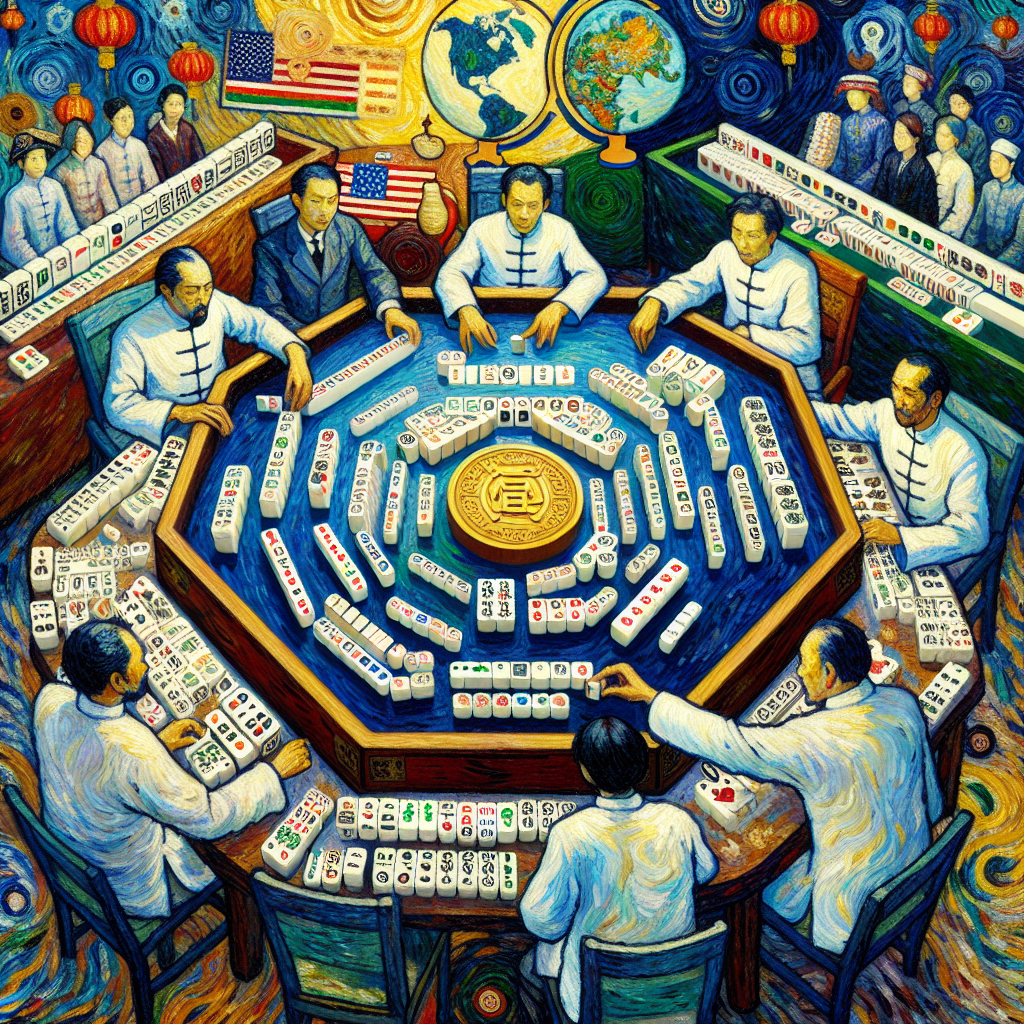
How Can I Utilize Bluffing To Gain An Advantage?
In the grand game of life, whether you’re sitting at a casino table or navigating a high-stakes boardroom, the art of bluffing can be your secret weapon. It’s not about deception for deception’s sake; it’s about leveraging perception to create opportunities that may otherwise elude you. In essence, bluffing is a calculated strategy—one that, if executed properly, gives you the upper hand.
First, understanding your audience is crucial. Just like a poker player studies their opponents, pay attention to the people you’re dealing with. Observe their behaviors, their reactions, and their tells. In a business setting, is your boss the type to get flustered under pressure, or do they thrive in it? In social interactions, do your friends react with excitement or skepticism? Tailoring your approach to fit the dynamics can make all the difference. When you know what buttons to push, you can confidently paint a picture that serves your agenda.
Next, timing is everything. You wouldn’t show your cards too soon in a poker game—it’s about waiting for the right moment to strike. Apply this principle to bluffing as well. A well-timed confidence boost or an exaggerated claim can shift the power balance when it’s least expected. But be wary: move too quickly, and you may find yourself caught in a web of your own making. Leave hints rather than making bold proclamations, creating a sense of intrigue that draws people in, rather than pushing them away.
Don’t forget the importance of body language. Confidence is key, but so is authenticity. If you’re trying to bluff your way through a sensitive conversation, make sure your body language aligns with your words. A steady gaze, an assured posture, and calm gestures can convey that you mean business. If your outward demeanor contradicts your message, you’ll be sniffed out faster than a raccoon at a campsite.
Finally, keep in mind that bluffing doesn’t exist in a vacuum. Like any good strategy, there’s a risk-reward balance to consider. If you overreach and get called out, it could lead to damaging consequences. So, play the game wisely. Bluffing should be a tool in your arsenal—not the entirety of your strategy. With careful planning and execution, you can use this art effectively to gain an invaluable edge in both professional and personal endeavors.
How Can I Utilize Bluffing To Gain An Advantage?
How Can I Utilize Bluffing To Gain An Advantage?
- Bluffing is a strategic tool in both life and business, not merely an act of deception.
- Understanding your audience is essential; observe their behaviors and reactions to tailor your approach.
- Timing plays a crucial role; wait for the right moment to reveal information or make exaggerated claims.
- Use subtle hints instead of bold statements to create intrigue without pushing others away.
- Align your body language with your words to convey confidence and authenticity.
- Be aware of the risk-reward balance; overreaching can lead to negative consequences.
- Bluffing should complement your overall strategy, not replace it, to gain an advantage.

How Can I Utilize Bluffing To Gain An Advantage?
What Should I Know About The Metagame In Card Gaming?
Card gaming, at its core, is a lively dance between strategy, psychology, and a pinch of luck. But lurking beneath the surface of any great game is a complex layer known as the metagame. If you’re venturing into this realm, understanding the metagame is crucial. It’s a term that might not be tossed around in everyday conversation, but it could well be the difference between victory and defeat.
So what exactly is this metagame? Simply put, it’s the game about the game. While the cards in your hand and your immediate strategy matter, the metagame encompasses the broader landscape of what’s being played, the decks that are dominating the scene, and the fluctuating trends in card strategy. Think of it as a living, breathing organism—the popular decks, strategies, and player tendencies all feed into its development.
In the world of card gaming, the metagame evolves continuously. Each time a new set of cards is released, or a major tournament concludes, the metagame shifts. Popular decks rise to prominence, while others fall from grace. If you’re using an outdated strategy, you might find yourself outmaneuvered by those who have adapted to the most current trends. In essence, keeping an eye on the metagame can help you anticipate what your opponents might be bringing to the table.
Also, consider the psychology of your fellow players. How do they think? What strategies are they likely to employ? Knowing the metagame isn’t just about knowing what cards are popular; it’s about predicting and countering the moves that might catch you off guard. For instance, if everyone is playing aggressive fast-paced decks, a slower, control-oriented approach could give you an edge. It’s a game of chess hidden inside a card game.
Lastly, remember that while the metagame is essential, it should enhance your playing experience, not dictate it entirely. Delve into different strategies, play what you enjoy, and experiment. Create your own metagame within the broader spectrum. After all, the most rewarding aspects of card gaming are the friendships forged, the challenges accepted, and the satisfaction of well-played moves, both on and off the battlefield. As you hone your skills, embrace the metagame—it’s a rich resource waiting to be explored.

What Should I Know About The Metagame In Card Gaming?
What Should I Know About The Metagame In Card Gaming?
- Card gaming combines strategy, psychology, and luck, with the metagame serving as a crucial underlying layer.
- The metagame refers to the broader context of card gaming, including popular decks, strategies, and trends.
- It evolves continuously, influenced by new card releases and tournament results.
- Staying aware of the metagame helps players anticipate and counter opponents’ strategies.
- Understanding fellow players’ psychology can enhance gameplay by predicting their likely moves.
- While important, the metagame should enhance the gaming experience rather than limit personal choice.
- Players are encouraged to explore different strategies and enjoy the social aspects of card gaming.

What Should I Know About The Metagame In Card Gaming?
How Do I Choose The Right Collectible Card Game For Me?
Choosing the right collectible card game (CCG) isn’t much different from picking your favorite fishing spot or determining which tool to grab from the shed for a tough job. It’s a personal choice, often guided by your tastes, time commitments, and even your social circle. So, let’s dive into some practical steps to help you find the perfect game that’ll not only entertain but also resonate with who you are.
First off, consider what you’re looking for when you sit down to play. Do you thrive on strategy and psychology? Are you the type who enjoys outsmarting opponents with clever moves? In that case, you might want to look at games with deep strategic layers, where every card play requires thought and foresight. Alternatively, if you prefer a more casual atmosphere with friends, search for games that balance skill and luck. These often feature lighter mechanics and allow room for laughter and banter.
Next, think about the investment—both time and money. Some collectible card games demand hours of your week, while others can be played in shorter bursts. If your life resembles a busy work schedule with family obligations, perhaps opt for something that lets you jump in and out easily. Also, consider the financial commitment. Some games have a lower barrier to entry, while others can hit your wallet hard if you’re not careful. Do a bit of research. Many online forums and local game shops can offer insights into the average costs involved with decks, expansions, and accessories.
Community plays a big role, too. Engage with the folks who are already playing your game of interest. Ask them about their experiences, what’s thrilling about the game, and what pitfalls to watch for. Often, local game stores will host events or leagues that provide a chance to sample the game before diving in, so take advantage of those opportunities.
Finally, don’t shy away from trial and error! The world of collectible card games is vast. Grab a few starter decks, invite some friends over, and get a feel for what clicks. You might be surprised at how your preferences evolve through play. Ultimately, remember this: the right game is the one that brings you joy, stimulates your mind, and builds connections with others. It’s not just about winning; it’s about the experience.

How Do I Choose The Right Collectible Card Game For Me?
How Do I Choose The Right Collectible Card Game For Me?
- Choosing a collectible card game (CCG) is a personal decision influenced by individual tastes, time commitments, and social circles.
- Consider what you desire in gameplay: deep strategy for competitive play or lighter mechanics for casual play with friends.
- Evaluate your time and financial investment; some games require significant commitment while others allow for shorter play sessions.
- Research costs associated with decks, expansions, and accessories; check online forums and local game shops for insights.
- Engage with the CCG community; ask players about their experiences, and take advantage of local events to try games before committing.
- Don’t hesitate to experiment with different games; trial and error can help identify your preferences as you play.
- The ideal game is one that provides joy, mental stimulation, and fosters connections, emphasizing experience over winning.

How Do I Choose The Right Collectible Card Game For Me?
What Strategies Are Best For Playing With Friends Casually?
When it comes to playing games with friends in a casual setting, it’s all about finding that sweet spot where fun meets camaraderie. Forget about cutthroat competition or overly complex strategies; the goal here is to enjoy each other’s company while indulging in some good-natured rivalry. So, if you want to level up your casual game nights with friends, grab your favorite snacks, kick back, and consider these strategies.
First up, choose the right game. Think of it as setting the stage for a performance. You wouldn’t want to bring a dramatic Shakespearean play to a backyard barbecue, right? The same goes for games. Go for titles that are easy to pick up and play—games like “Codenames,” “Sushi Go!,” or “Mario Kart” strike the perfect balance between engaging gameplay and lighthearted fun. Avoid anything that takes an hour to explain or requires intense concentration. Remember, we want laughter and togetherness, not furrowed brows and tension-filled silence.
Next, embrace the art of collaboration. While winning is nice, working together as a team can often bring out the best moments. Consider co-op games where you’re all in the same boat. There’s a unique thrill in tackling challenges as a group, whether it’s outsmarting opponents in “Overcooked” or battling hordes in “Keep Talking and Nobody Explodes.” These games are like a team-building exercise disguised as fun—perfect for strengthening bonds and creating memories.
And then, there’s the magic of house rules. Sometimes, you have to toss the rulebook out the window. If you can agree on a fun twist to a game, go for it! Whether it’s adding silly penalties for losing rounds or creating wild objectives that diverge from the traditional play, these little variations can inject a whole new level of hilarity into the proceedings. After all, the standard rules can be a tad boring when you’re just trying to make memories.
Remember, the essence of casual gaming is to create an environment where everyone feels included. Make sure to rotate games and switch up the players, so everyone gets a chance to shine and play alongside different friends. This keeps things fresh and ensures that no one feels left out.
So, when you gather your friends for a game night, keep it light, keep it fun, and above all, keep it social. That’s the real score in any game night worth playing.

What Strategies Are Best For Playing With Friends Casually?
What Strategies Are Best For Playing With Friends Casually?
- Focus on fun and camaraderie rather than competition during casual game nights.
- Choose easy-to-pick-up games like “Codenames,” “Sushi Go!,” and “Mario Kart.”.
- Embrace collaboration with co-op games for teamwork and shared challenges.
- Use house rules to add fun twists and variations to standard gameplay.
- Create an inclusive environment by rotating games and players.
- Prioritize a lighthearted and social atmosphere over intense competition.
- The ultimate goal is to enjoy each other’s company and make lasting memories.

What Strategies Are Best For Playing With Friends Casually?
How Can I Stay Updated On New Expansions And Card Releases?
In the ever-evolving world of card games, staying updated on new expansions and card releases is akin to tracking the tides for a fisherman. It’s essential for navigating your way through the thrilling, occasionally turbulent waters of strategy and competition. So, how do you ensure you’re not left high and dry when a fresh wave of gameplay hits the shore?
First off, the internet is your best friend. Major game developers have dedicated websites and social media channels that buzz with the latest news. Follow them closely. Twitter, Facebook, Instagram, and even TikTok are teeming with updates, sneak peeks, and behind-the-scenes footage. Engaging with these platforms can be a delightful way to immerse yourself in the community and hear directly from the source about upcoming releases.
Next on your list should be community forums and fan sites. Places like Reddit or specialized Discord servers not only keep you in the loop but also foster discussions among fellow enthusiasts. They share tips, card analyses, and speculative insights that can deepen your understanding of what those new changes mean for your gameplay. Plus, you might stumble across some hidden gems of information that official channels overlook. Swing by these forums regularly, and consider even contributing your thoughts. It’s one thing to read about card releases; it’s another to engage in a dynamic conversation with others who share your passion.
Don’t overlook the podcasts and YouTube channels that cater to card game aficionados. There are countless creators out there who dissect and analyze every card and expansion as if they’re unearthing treasures in an ancient relic hunt. These mediums are often filled with engaging content—be it live gameplay, reviews, or deck-building tips. The audio-visual experience can sometimes make the details stick, transforming complex mechanics into digestible nuggets of wisdom.
Lastly, consider signing up for newsletters from card game developers and retailers. These often have the scoop on pre-orders, exclusive releases, and limited-time events that you won’t want to miss. It’s like having a telephone line to the heart of the card-playing universe, delivering updates right to your inbox.
So, whether you’re a seasoned player or a newcomer eager to develop your skills, staying informed on expansions and releases can keep your gameplay fresh and exciting. Just dive in, stay curious, and keep those eyes peeled!

How Can I Stay Updated On New Expansions And Card Releases?
How Can I Stay Updated On New Expansions And Card Releases?
- Staying updated on card game expansions and releases is crucial for strategy and competition.
- The internet provides the latest news from major game developers through websites and social media channels.
- Engaging with platforms like Twitter, Facebook, Instagram, and TikTok can enhance community immersion.
- Community forums and fan sites, such as Reddit and Discord, offer discussions, tips, and insights from fellow enthusiasts.
- Podcasts and YouTube channels feature content analyzing cards and expansions, making complex mechanics easier to understand.
- Signing up for newsletters from game developers and retailers ensures access to pre-orders and exclusive releases.
- Staying informed enhances gameplay excitement for both seasoned players and newcomers.

How Can I Stay Updated On New Expansions And Card Releases?
Conclusion
When you’re venturing into the world of collectible card games, you’re signing up for more than just a play session; you’re stepping into an intricate dance of strategy, wit, and, let’s face it, a healthy dose of luck. So, how do you stand out in a sea of card-slinging competitors? Let’s break down some winning strategies like a good ol’ toolbox renovation, because navigating these waters requires both skill and savvy.
First off, you need to know your deck inside and out. Think of it as understanding the tools at your disposal. Each card has unique strengths and weaknesses, much like learning the ins and outs of your favorite power tool. Build your deck around a personal theme that also supports your gameplay strategy—because throwing together a collection of random cards is about as effective as using a butter knife to drive a nail.
Next, adaptability is your best friend. Mid-game surprises are the name of the game, and being stuck with a rigid strategy can backfire faster than a loose throttle on a go-kart track. When your opponent lays down that powerhouse card, panic won’t do you any favors. Instead, be ready to pivot your tactics on the fly, whether it’s transitioning from offense to defense or strategizing counter-attacks based on what you see them playing.
And let’s not gloss over resource management. This isn’t just about card counts; it’s about weighing your plays carefully, much like budgeting in your day-to-day life. Every resource counts, and making calculated decisions on where to invest can be the difference between immediate gains and long-term strategy.
Of course, there’s no substitute for good, old-fashioned practice. This isn’t just about repetition but real-time learning. Dive into matches, analyze where you excel and where you don’t, and refine your approach over time. Your strategy may be solid on paper, but the battlefield is where the real learning occurs.
Lastly, don’t forget the importance of engaging with your opponents. Keeping an eye on their playstyle is vital to developing your counter-strategies. After all, knowledge is power, and understanding their tactics can give you a major leg up.
By honing these strategies, you’re not just playing; you’re transforming every match into an exhilarating duel of wits. So, gather your cards, embrace the art of adaptability, manage your resources wisely, practice relentlessly, and be ready to outsmart your opponents. The game is afoot—now go out there, and let your strategic prowess shine!

Conclusion
Conclusion:
- Engage in collectible card games for a mix of strategy, wit, and luck.
- Know your deck thoroughly, building around a personal theme that supports gameplay strategy.
- Be adaptable mid-game; flexibility in tactics can turn the tide against opponents.
- Practice effective resource management to weigh plays and optimize investment.
- Regular practice helps in refining strategies and learning from real-time experiences.
- Observe opponents’ playstyles to develop counter-strategies and gain an advantage.
- Embrace the game as an exhilarating duel of wits; let your strategic skills shine.

Conclusion
Other Resources

Other Resources
Here is a list of other resources you can review online to learn more:
- “TCG and LCG”
- “Hack The Planet – Core Rules – Singles | Download Free PDF”
- “Usurper Claim To Power A Game of Lords Rogues and …”
- “SGI :: Card Printing”
- “Genesys Core Rulebook 9781633443204”
- “Digital Material – mtschaefer”
- “Masked’s TTRPG Review Roundup Pen & Paper”
- “dresden files rpg by Sid Comegys”
- “Other Dust”
- “Full text of “”Compute! Magazine Issue 118″””
- “Games People Played: A Global History of Sport …”
- “Compute Mar 1990”
- “OCTOBER 2018”
- “Full text of “”Dragon Magazine”””
- “Decade Book – 1960s.pdf”
- “http://www.topitarcade.com/th”
- “Shadowrun: Court of Shadows”
Use This Prompt To Get More Resources With Your Favorite Online AI Tool: Please provide me with a list of online articles with their URLS in a bulleted list that I can read regarding What Strategies Are Needed for Collectible Card Games?

Other Resources
Glossary Terms
What Strategies Are Needed for Collectible Card Games? – Glossary Of Terms
1. Deckbuilding: The process of selecting cards to create a competitive deck, balancing between strategy, synergy, and card types.
2. Mana Management: The skill of utilizing resources (like mana or energy) efficiently to maximize plays each turn.
3. Synergy: The interaction between cards that creates a more powerful effect when played together.
4. Meta: Short for “metagame,” it refers to the prevailing strategies and decks that are successful within the current competitive environment.
5. Card Advantage: The concept of having more cards available than your opponent, usually leading to a higher chance of winning.
6. Tempo: A measure of how fast a player can establish board presence and pursue victory; balancing aggressive plays with defensive plays is key.
7. Board Control: The strategy of maintaining an advantageous position on the game board, ensuring you have the strongest creatures or units in play.
8. Aggro: A fast-paced strategy aimed at quickly reducing the opponent’s life total, often by playing many low-cost cards.
9. Control: A slower strategy focused on negating the opponent’s plays and gradually winning through card advantage.
10. Combo: A strategy that involves playing specific cards together to create a powerful effect or win condition.
11. Removal: Cards or abilities that eliminate threats on the opponent’s side of the board; crucial for controlling the game state.
12. Discard: A mechanic that forces opponents to lose cards from their hand, reducing their options and card advantage.
13. Deck Archetype: A classification of deck types based on shared strategies and card choices, such as aggro, control, midrange, or combo.
14. Sideboard: A collection of additional cards that players can swap in or out between games to counter specific opponents or strategies.
15. Win Condition: The method or card(s) that a player relies on to achieve victory in the game.
16. Bluffing: The act of feigning intentions or card choices to mislead opponents about your strategy.
17. Lethal Damage: The exact amount of damage needed to defeat an opponent, which players must calculate to secure victory.
18. Resource Optimization: The strategic use of all available resources (cards, mana, life points) to create the best possible advantage.
19. Infect: A mechanic in some games where damage dealt to a player is marked as poison counters instead of traditional damage.
20. Tiers: Rankings of decks and strategies based on their performance in competitive play, often categorized from tier 1 (top) to tier 3 (least competitive).
21. Drafting: A method of deck construction where players select cards from a limited pool, often in a round-robin style.
22. Aggro-Control: A hybrid strategy that combines elements of both aggressive and control play styles.
23. Turn Structure: The rules governing the sequence of gameplay actions, influencing how players plan their strategies.
24. Card Cycling: The ability to draw additional cards, allowing players to improve their hand and maintain options.
25. Win Rate: The percentage of games won compared to total games played, a metric often used to evaluate a deck’s effectiveness.
26. Tech Cards: Cards included in a deck to counter specific popular strategies or threats in the current meta.
27. Early Game: The initial turns of a game, where establishing board presence and setting up momentum is critical.
28. Late Game: The end stage of the game, often involving more powerful cards and complex strategies to secure a win.
29. Metagaming: The practice of adapting strategies and deck choices based on the expected decks and strategies of opponents.
30. Mind Games: Psychological tactics employed to influence the opponent’s decisions and reactions during gameplay.
Feel free to ask for more details or examples on any of these terms

Glossary Of Terms
Other Questions
What Strategies Are Needed for Collectible Card Games? – Other Questions
If you wish to explore and discover more, consider looking for answers to these questions:
- What are some tips for beginner players in collectible card games?
- How can I identify the strengths and weaknesses of my deck?
- What are the different genres of collectible card games?
- How do I choose the best cards for my strategy?
- What role does player psychology play in card games?
- What are some recommended resources or websites for card game players?
- How can I find local tournaments or events to participate in?
- What common strategies should I be cautious about?
- How do expansions impact the metagame of a card game?
- What are effective ways to build a competitive deck?
- How can I improve my observational skills in matches?
- What are some common misconceptions about collectible card games?
- How do I know when to change my strategy mid-game?
- What are some advanced techniques for resource management?
- How do I maintain a good attitude in competitive play?

Other Questions
Haiku
What Strategies Are Needed for Collectible Card Games? – A Haiku
Strategy guides and plans,
Decks and cards in harmony,
Play sharp, win with grace.

Haiku
Poem
What Strategies Are Needed for Collectible Card Games? – A Poem
The Art of Cards: A Game of Wits
In a world where cards lay down their fate,
Crafting strategies to navigate,
Mastering tactics, player’s might,
Where skill shines bright amidst the fight.
Know your deck, each card a tool,
Strengths and weaknesses—the golden rule.
Synergy is the name of the game,
Mix them wisely, ignite your flame.
Adapt and pivot when plans go awry,
Flexibility, a warrior’s ally.
Study your foe, watch every play,
In the dance of strategy, seize the day.
Balance your resources, don’t go astray,
Timing the moves, seize chance in play.
Card draw and filters—wisdom and flair,
Sift through the clutter, find gems of rare.
Practice and analyze, learn from the past,
With every defeat, let your spirit outlast.
Embrace the metagame, trend and flow,
Craft your unique style, let your genius show.
Respect in competition, sportsmanship reigns,
Adapt with the times, and dismiss the chains.
So raise your cards high, let your spirit unfold,
In the realm of the game, be daring and bold.

Poem
Checklist
What Strategies Are Needed for Collectible Card Games? – A Checklist
1. Understand Your Deck
_____ Familiarize yourself with the strengths and weaknesses of each card.
_____ Analyze card combinations and interactions for synergy.
_____ Build a deck that reflects your unique playstyle and strategy.
2. Practice Adaptability
_____ Be prepared to adjust your tactics during a match.
_____ Recognize when to switch between offensive and defensive strategies.
_____ Observe your opponent’s moves to anticipate their next actions.
3. Master Resource Management
_____ Know your resources and how to utilize them effectively (health points, mana, etc. ).
_____ Prioritize resource allocation based on the current game situation.
_____ Plan your moves ahead of time but remain flexible to adapt.
4. Enhance Card Draw and Filtering
_____ Learn the mechanics surrounding card draw specific to your game.
_____ Utilize cards that allow you to filter out unwanted cards for better draw quality.
_____ Identify synergies within your deck to optimize your hand.
5. Maintain Board Control
_____ Keep your strategy aligned with the game’s vision and mission.
_____ Foster accountability within your gameplay and respect your opponents.
_____ Be vigilant about the risk management of potential threats.
6. Create Synergies Between Cards
_____ Pair cards that enhance or trigger abilities for maximum effectiveness.
_____ Focus on combos that can turn the tide of the game.
_____ Experiment with new card combinations as the game evolves.
7. Be Aware of Card Rarity
_____ Understand how card rarity affects gameplay and deck consistency.
_____ Balance rare cards with reliable common and uncommon cards.
_____ Adapt your strategy based on what’s relevant in the current metagame.
8. Adapt Strategy During Tournaments
_____ Analyze opponents’ behavior and strategies during matches.
_____ Reflect on your own performance after each game, identifying areas for improvement.
_____ Communicate with teammates and adjust collaborative strategies as needed.
9. Avoid Common Mistakes
_____ Read and understand the rulebook before playing.
_____ Avoid impulse buying and ensure you know what you need before purchasing.
_____ Develop a strategy for your deck rather than relying on randomness.
10. Improve Through Practice and Analysis
_____ Regularly practice specific skills and set clear goals for each session.
_____ Analyze your gameplay to identify strengths and weaknesses.
_____ Seek feedback from peers and adapt your methods based on insights gained.
11. Counter Popular Strategies
_____ Research popular strategies and be prepared with counter tactics.
_____ Encourage open discussions within your gaming circle to find alternative approaches.
_____ Embrace adaptability in your strategy; change as the game landscape shifts.
12. Utilize Bluffing
_____ Study your opponents’ behavior for better bluffing opportunities.
_____ Use bluffing strategically to create advantageous scenarios.
_____ Ensure your body language conveys confidence to avoid giving away your intentions.
13. Stay Updated on the Metagame
_____ Follow game forums, social media, and news outlets for the latest updates.
_____ Engage with the community to discuss trends and strategies.
_____ Experiment with different tactics based on the evolving metagame.
14. Choose the Right Game
_____ Select games that match your interests and playstyle preferences.
_____ Consider both time and financial investment before diving in.
_____ Get involved with local gaming communities to test different games before committing.
15. Strategies for Casual Play
_____ Choose easy-to-learn games for low-pressure environments.
_____ Incorporate cooperative games to enhance teamwork among friends.
_____ Adjust rules to keep the atmosphere fun and inclusive.
16. Stay Informed About Expansions and Releases
_____ Follow game developers online and subscribe to their newsletters.
_____ Engage in community discussions to get updates on new cards.
_____ Watch YouTube channels and listen to podcasts for in-depth analysis of new content.
By following this checklist, you can enhance your gameplay, improve your strategies, and enjoy your experience in collectible card games. Happy gaming!

Checklist
At CardGameNews, we help people who love card games by collating information and news about card games.
Be sure to read our other related stories at CardGameNews to learn more about card games.


