Winning Strategies For Popular Shedding Card Games
By Tom Seest
At CardGameNews, we help people who love card games by collating information and news about card games.
Be sure to read our other related stories at CardGameNews to learn more about card games.
What Skills Are Needed for Shedding Card Games?
Shedding card games can be a delightful mix of strategy, psychology, and a dash of luck. To truly excel in these games, it takes more than just a basic understanding of the rules; it requires a toolkit of essential skills. So, lace up your boots and let’s dive into what it takes to shed those cards with style.
1. Strategic Thinking: First and foremost, you need a sharp mind for strategy. This means not just playing your best cards but also anticipating what your opponents are likely to do. Think several moves ahead, mapping out potential scenarios much like a chess player planning a checkmate. Each game is a puzzle—your objective is to find the most efficient way to fit the pieces together.
2. Memory Mastery: Then there’s memory. In shedding card games, remembering what cards have been played and which remain is crucial. This isn’t just about numbers; it’s about tracking patterns and tendencies. Your opponents’ playing styles may reveal their strengths and weaknesses. The more you recall, the better your odds of outmaneuvering the competition.
3. Psychological Acumen: Now let’s talk psychology. Understanding your opponents might just be the secret sauce to your success. Knowing when to bluff or deceive can swing the game in your favor. Maintain a poker face (pun intended) while reading facial expressions and body language of those around the table. Are they nervous? Overly confident? Each little twitch could be a tell that you can exploit.
4. Adaptability: You also need to be flexible and adaptive. Shedding games can shift in the blink of an eye, and what seems like a winning strategy at the outset can crumble faster than a cookie under pressure. If your opponents shift tactics, you must pivot seamlessly—an unexpected card draw might require a complete overhaul of your game plan.
5. Communication Skills: Lastly, soft skills play a role, too. Many shedding games thrive on social interaction. Whether it’s negotiating alliances or engaging in light-hearted banter, the ability to communicate effectively can bolster your position at the table. Strong interpersonal skills will help you read the room, making you not just a participant, but a player who others are eager to include in their strategies.
In short, thriving in shedding card games is no walk in the park. It’s a blend of sharp strategic thinking, stellar memory, psychological insight, adaptability, and a sprinkle of good communication. So gather your cards, flex those mental muscles, and get ready to shed!

What Skills Are Needed for Shedding Card Games?
What Skills Are Needed for Shedding Card Games?
- Strategic Thinking: Essential for anticipating opponents’ moves and planning several steps ahead, similar to chess.
- Memory Mastery: Crucial for remembering played cards and identifying patterns in opponents’ playing styles.
- Psychological Acumen: Understanding opponents’ emotions and behaviors can aid in successful bluffs and strategic plays.
- Adaptability: Must pivot strategies quickly as game dynamics can change unexpectedly.
- Communication Skills: Important for social interaction and building alliances, enhancing your position in the game.
- Overall Skills Required: Thriving in shedding games requires a blend of strategic thinking, memory, psychology, adaptability, and communication.
- Call to Action: Gather your cards and prepare to engage your mental skills for a successful game!.

What Skills Are Needed for Shedding Card Games?
Table Of Contents
- What Skills Are Needed for Shedding Card Games?
- What Are The Basic Rules Of Shedding Card Games?
- What Strategies Can Improve My Gameplay?
- How Can I Develop Better Card Counting Skills?
- What Mental Skills Are Essential For Success In These Games?
- What Role Does Risk Management Play In Shedding Card Games?
- How Can I Enhance My Decision-Making Abilities?
- What Techniques Can Help In Memorizing Cards Played?
- How Important Is Teamwork In Multiplayer Shedding Card Games?
- What Resources Are Available For Learning Advanced Strategies?
- How Can Practice Impact Skill Development In Shedding Games?
- What Common Mistakes Should Beginners Avoid In Shedding Card Games?
- How Does Understanding Probabilities Affect Gameplay Strategy?
- What Psychological Skills Are Beneficial For Shedding Players?
- How Can I Improve My Patience And Focus During Games?
- What Adaptive Skills Can Help Me Adjust To Different Opponents?
- Conclusion
- Other Resources
- Glossary Of Terms
- Other Questions
- Haiku
- Poem
- Checklist
What Are The Basic Rules Of Shedding Card Games?
Shedding card games—now there’s a classic pastime that combines strategy, a touch of luck, and plenty of friendly rivalry. Whether you’re gathered around a kitchen table or camping under the stars, the thrill of getting rid of your cards before anyone else is hard to beat. While variations abound, the core rules often share common threads that keep the game engaging. So, grab your deck and let’s break it down.
First and foremost, the objective is simple: you want to be the first player to get rid of all your cards. Typically, each player is dealt a specific number of cards, and the remaining cards form the draw pile, with one card flipped over to start the discard pile. The game usually revolves around following suit or rank, depending on the specific rules in play.
One of the fundamental rules is that players take turns in a clockwise direction, and on your turn, you either play a card from your hand that matches the rank or suit of the top card on the discard pile, or you draw from the pile. If you can’t play, you simply pick up a card and pass your turn. This is where the strategy comes in—figuring out which cards to hoard and which ones to play can make or break your game.
Now, let’s talk about the wild cards. In many variants, certain cards are designated as wild, allowing players to change the active suit or rank. These are powerful tools, and using them effectively can provide you with the edge you need. Just remember, every action has consequences—a bold move can sometimes backfire and give your opponents the chance to swoop in for the win.
Another critical aspect is what happens when you’re down to your last card. When you’re hanging on to just a single card, it’s customary to shout “Uno!” or “Last card!” depending on the game. Failing to declare this can sometimes lead to a penalty, like drawing additional cards—a hard lesson in staying vigilant.
Lastly, while we love the competitive spirit, remember it’s all about having a good time. The heart of shedding card games lies in camaraderie—share a laugh, relish the tension, and enjoy those moments when you upend your friends’ hopes with a well-timed play. After all, winning isn’t everything; it’s the stories you’ll recount later that matter most. So shuffle those cards and get ready to shed your way to an unforgettable time!

What Are The Basic Rules Of Shedding Card Games?
What Are The Basic Rules Of Shedding Card Games?
- Shedding card games combine strategy, luck, and friendly rivalry, suitable for various settings.
- The objective is to be the first to get rid of all your cards, with players drawing from a central pile.
- Players take turns in a clockwise direction, matching the rank or suit of the top discard card or drawing if unable to play.
- Wild cards can change the active suit or rank, providing strategic advantages but requiring careful use.
- Players must declare when down to their last card, or face penalties for failing to do so.
- The essence of the game is camaraderie, enjoying the competitive spirit while sharing laughs and memorable moments.
- Winning is secondary to the fun and stories created during gameplay; prepare for an unforgettable experience!
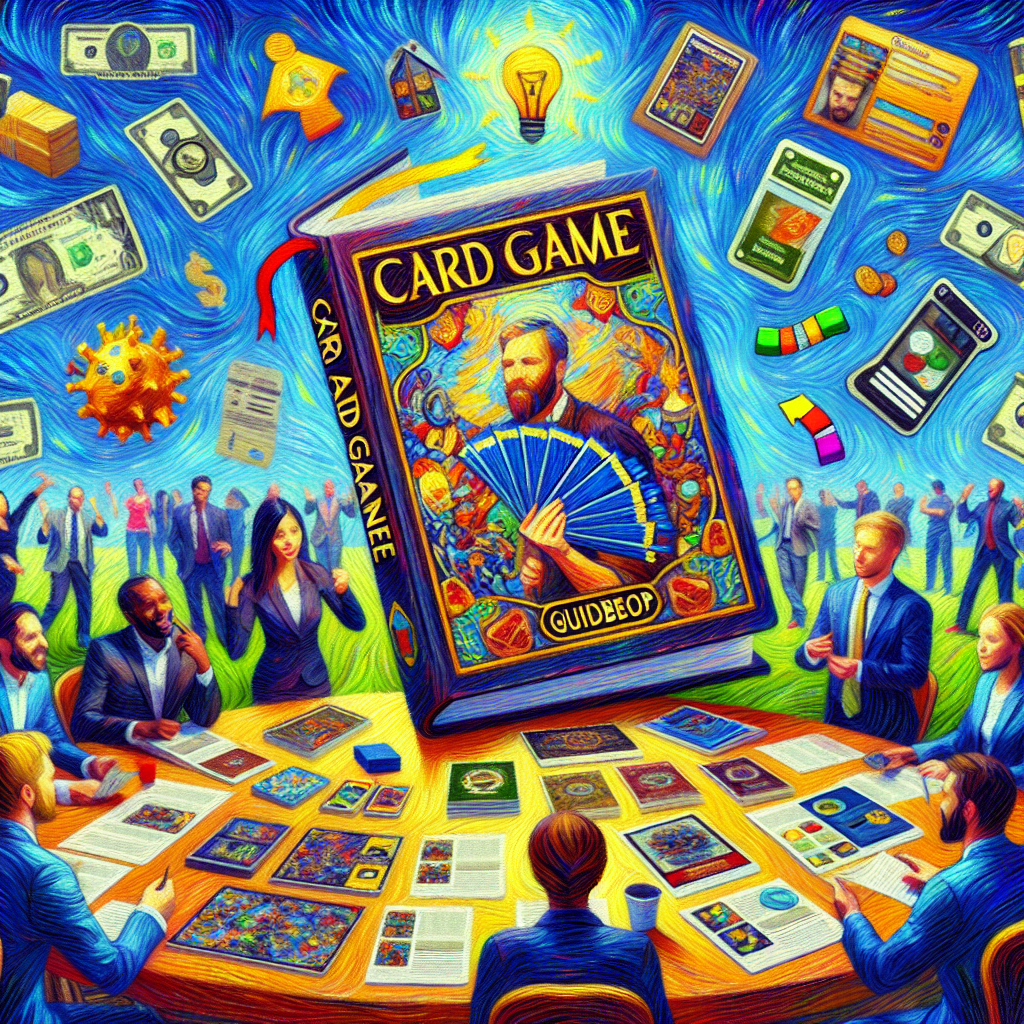
What Are The Basic Rules Of Shedding Card Games?
What Strategies Can Improve My Gameplay?
When it comes to improving your gameplay, it ain’t just about reacting faster or getting that perfect aim. Sure, being quick on the draw helps, but the real artistry lies in the nuances of strategy and mindset. So, let’s roll up our sleeves and dig into some tried-and-true tactics that can take your skills from “just okay” to “watch out world!”
First off, knowledge is power. Familiarize yourself with the game’s mechanics down to the last detail. Understanding the strengths and weaknesses of different characters or roles, the map designs, and the flow of the game can give you a substantial advantage. Spend a little time watching tutorials or breakdowns; they’re invaluable resources that can elevate your understanding. When you know what’s coming at you, you’ll be better equipped to handle it.
Next up, practice with purpose. Now, I’m not just talking about mindless grinding here; I mean diving into specific areas you want to improve upon. Instead of playing for hours without a clear goal, identify one aspect of your gameplay that needs work—be it your positioning, decision-making, or teamwork—and focus on it during your practice sessions. This targeted approach takes discipline, but trust me, it pays off in spades.
Speaking of teamwork, remember that even the most skilled lone wolf can’t conquer every challenge. Communication with your team is essential. Develop a shorthand, share your strategies, and don’t hesitate to voice your thoughts. Teams that work well together can often outmaneuver a set of highly skilled solo players simply because they know how to play off one another’s strengths.
Then there’s the good ol’ reflection and analysis. After each game, take a moment to reflect. What went right? What could’ve gone better? Instead of being your harshest critic, think of yourself as your own coach. Jot down what you learn, review your gameplay, and make notes on situations where you could pivot. This isn’t just about improving—a well-rounded player is always searching for layers to peel back.
Finally, take breaks. It’s easy to burn out in an attempt to improve, but don’t underestimate the power of rest. Stepping away can recharge your mental batteries and offer fresh perspectives that can lead you to better gameplay upon your return.
So, embrace these strategies, keep your mind sharp, and revel in the journey of self-improvement. In the grand scheme of things, it’s not just about the win, but how you grow and evolve with every match.

What Strategies Can Improve My Gameplay?
What Strategies Can Improve My Gameplay?
- Improving gameplay requires strategy and mindset, not just faster reactions and aim.
- Knowledge is crucial; understanding game mechanics, character strengths, and maps provides a competitive edge.
- Practice should be purposeful; focus on specific areas for improvement instead of mindless grinding.
- Effective communication and teamwork strategies can outperform even highly skilled solo players.
- Reflect on gameplay after each match; consider what worked and what didn’t to facilitate self-coaching.
- Taking breaks helps prevent burnout and can provide new perspectives for improvement.
- The journey of self-improvement is essential; focus on growth and evolution rather than just winning.

What Strategies Can Improve My Gameplay?
How Can I Develop Better Card Counting Skills?
Developing better card counting skills takes a commitment that’s often as gritty as a dirt road in the middle of nowhere. It’s not just about memorizing numbers; it’s about mindset, practice, and a sprinkle of cunning. So grab your metaphorical overalls, because we’re diving into the nitty-gritty of card counting.
First off, understand that the foundation of card counting is the High-Low system—think of it as the bedrock of your counting house. In this system, low cards (2-6) are assigned a value of +1, high cards (10-Ace) are -1, and the 7-9 are neutral. Sounds simple enough, right? Well, here’s where the rubber meets the road; it’s not enough to just know what each card is worth—you need to keep a running total in your head. That’s where practice comes into play.
To hone your skills, start by training your brain like an athlete trains their body. Use a deck of cards, and flip them one by one while keeping a count. You can start slow and gradually increase your speed. Yes, it may feel tedious at first, but repetition is the mother of all skill development. Set a timer; challenge yourself to keep pace with that shift of the deck. Soon enough, you won’t just be flipping cards; you’ll be flipping them with confidence, like a mechanic throwing wrenches.
Next, take your training to a real or simulated environment. Online casino games can allow you to practice without the pressure of a live audience. Play around with betting strategies as you count. Start modestly. It’s not about walking in and starting with big money; it’s about learning how to read the table, understanding when to bet big and when to hold back.
And between sessions, don’t forget about your mental fitness. Logic puzzles, memory games, and even simple math exercises can sharpen your brain, making counting a breeze.
Finally, remember that card counting isn’t an impenetrable fortress. Some will try to dismiss it as luck or chance, while others may view you as a walking ATM. But as with any skill, it requires practice, patience, and a willingness to learn from your mistakes. So don your cap, roll up those sleeves, and get to work; the world of card counting is waiting, and it’ll reward those who put in the effort with the knowledge that luck will play second fiddle to skill every time.

How Can I Develop Better Card Counting Skills?
How Can I Develop Better Card Counting Skills?
- Card counting requires a gritty commitment and a focus on mindset, practice, and cunning.
- The foundation of card counting is the High-Low system, where low cards (2-6) are +1, high cards (10-Ace) are -1, and 7-9 are neutral.
- Practicing keeping a running total of card values in your head is essential for success.
- Train your brain by flipping cards and keeping count, gradually increasing speed to build confidence.
- Use online casino games to practice in less pressured environments while experimenting with betting strategies.
- Enhance mental fitness with logic puzzles, memory games, and math exercises to make counting easier.
- Card counting requires practice and patience; it is a skill that can be developed, and luck will be secondary to skill.

How Can I Develop Better Card Counting Skills?
What Mental Skills Are Essential For Success In These Games?
When you step into the realm of competitive games—be it chess, esports, or any sport that gets the heart racing—what you’re really diving into is a mental battleground. Success in these games isn’t just about skill, technique, or sheer physical prowess; it’s heavily reliant on a set of mental skills that can mean the difference between victory and defeat. So, pull up a chair, grab some popcorn, and let’s unpack what mental chops you need to thrive.
First and foremost, let’s talk about focus. In a world flooded with distractions—from notifications pinging on your phone to the ever-present allure of social media—staying locked in on the game is a feat worthy of admiration. This is where the magic happens; a laser-like focus allows players to dissect their opponents’ moves before they even make them. It’s about stripping away the noise and honing in on that singular task at hand—winning.
Next up is adaptability. Imagine a ship captain navigating turbulent waters. If they cling too tightly to their original course, they’re bound to run aground. Similarly, in competitive games, the ability to pivot and adjust strategies on the fly can save the day. Games are dynamic, and what worked five minutes ago can become obsolete in the blink of an eye. Successful players have a mental toolbox ready, filled with multiple strategies, allowing them to recalibrate and take advantage of shifting circumstances.
Equally important is resilience; the capacity to bounce back from setbacks. Oh boy, does this one resonate! Whether it’s blundering your way into checkmate or getting wiped out in a match, that gut-wrenching feeling stings. But here’s the kicker: it’s how you respond to that failure that counts. Resilient players analyze their mistakes, learn from them, and come back stronger than before. They turn every loss into a stepping stone.
Then there is the element of visualization. Picture this: before stepping onto the field or the board, a successful player paces in their mind, strategizing moves and anticipating outcomes. This mental rehearsal not only builds confidence but also creates a roadmap for success. The subconscious mind is a powerful tool, and players adept at visualization often enter the arena with a game plan already in hand.
Finally, let’s not forget emotional regulation. High-stakes situations can lead to adrenaline spikes and a rush of anxiety. The ability to maintain composure, channel that energy productively, and execute under pressure is crucial. After all, when the heat is on, the last thing you want is to lose your cool.
In essence, mental skills are the unsung heroes in the playbook of competitive games. With focus, adaptability, resilience, visualization, and emotional regulation in your arsenal, you’re not just playing the game—you’re positioning yourself for triumph.

What Mental Skills Are Essential For Success In These Games?
What Mental Skills Are Essential For Success In These Games?
- Competitive games operate on a mental battleground where success relies on mental skills.
- Focus is essential amidst distractions, allowing players to anticipate opponents’ moves.
- Adaptability enables players to pivot and adjust strategies quickly in dynamic environments.
- Resilience involves bouncing back from setbacks and learning from mistakes to improve.
- Visualization helps players strategize and build confidence before engaging in competition.
- Emotional regulation is crucial for maintaining composure and executing under pressure.
- Mastering these mental skills positions players for triumph in competitive games.

What Mental Skills Are Essential For Success In These Games?
What Role Does Risk Management Play In Shedding Card Games?
When it comes to shedding card games, the thrill of competition often overshadows a crucial element that can separate the winners from the wannabes: risk management. In the world of shedding games—whether you find yourself trying to get rid of your cards in Uno, Crazy Eights, or even a complex variant like President—the decisions you make can significantly affect your chances of success. Understanding how to see risk coming, assess it, and strategically play with it in mind can turn the tide of any game.
First off, let’s consider the nature of risk itself. In shedding games, each player holds a hand full of cards, each card carrying its own potential for success or failure. An Ace may look tempting, but if everyone else is hoarding their low-numbered cards, that Ace may never see the light of play. Recognizing this, savvy players take a moment to evaluate their current hand against both their own goals and the visible actions of their opponents. The idea is simple: Know when to cut your losses and when to hold onto your cards like they were your last slice of pizza.
Next up is timing. Timing is everything in these high-stakes games, and this is where risk management shines. Just as a seasoned firefighter knows when to back off from a blaze, a good card player knows when to shed cards and when to hang tight. If your hand is overly concentrated with high cards, it may be wise to offload a few early on. But if you see your opponents wisely offloading their lower cards, you might want to pause and reconsider your strategy. Make sure to observe not just what cards other players are putting down, but also the patterns behind their decisions.
Another vital piece of risk management in shedding games is bluffing. It’s not just about what cards you’re holding; it’s about selling the drama of the moment. Sometimes, players can leverage the fear of what they might play next to manipulate their opponents into making a hasty move. If you can create a sense of urgency or uncertainty among your rivals, you can often control the pace of the game and reduce your own risk as you make calculated decisions.
Effective risk management in shedding card games isn’t just a tactical maneuver; it’s a mindset. It requires you to assess situations, adapt to new information, and be aware of the evolving dynamics at the table. Embrace the thrill of the game while maintaining a keen awareness of the risks at play, and you’ll find yourself shedding more than just cards—you’ll be shedding the fear of losing, gaining the confidence to claim victory.

What Role Does Risk Management Play In Shedding Card Games?
What Role Does Risk Management Play In Shedding Card Games?
- Risk management is crucial in shedding card games, influencing success over competition.
- Players must evaluate their hands against their goals and opponents’ visible actions.
- Recognizing when to cut losses or hold cards is key to strategizing.
- Timing plays a significant role; knowing when to shed or retain cards can change the game.
- Observing opponents’ card play patterns can inform strategic decisions.
- Bluffing adds a layer of strategy, allowing players to manipulate opponents’ moves.
- Effective risk management requires a mindset focused on adapting to new information and dynamics.

What Role Does Risk Management Play In Shedding Card Games?
How Can I Enhance My Decision-Making Abilities?
Let’s face it: decision-making can feel like trying to navigate a minefield with a blindfold on. Some days, the choices are as clear as mud, while other times, it’s like trying to pick a favorite child. But just like any skill, decision-making can be sharpened and honed until it practically gleams. Here’s how to whip that mental muscle into shape.
First off, get comfortable with the fact that not every decision needs to be a big, dramatic affair. Sometimes, the best choices spring from the simplest of criteria. You know that trusty rule of thumb? “If it ain’t broke, don’t fix it.” Apply that here. When faced with a decision, resist the urge to overanalyze. Sometimes, the best option is the one right in front of you. Learn to recognize when a choice is “good enough.”
Next on the agenda: gather data, but know when to stop. In the age of information, we have a buffet of facts to choose from, but too much data can confuse rather than clarify. Consider your goals and the context of your situation, then dig into the information that directly impacts your decision. Set a time limit on your research to force yourself into action. Rest assured, the decision-making world won’t come crumbling down if you don’t read every article on the subject.
Now, let’s not forget the power of brainstorming. Gather a diverse group of friends or colleagues, pour some coffee, and start spouting ideas. You’d be surprised at the gold that can emerge from a few heads coming together. The key is to listen actively, keep an open mind, and encourage wild ideas. Sometimes, the outlandish concepts will lead you down a path you never considered, ultimately shining a light on the most rational choice.
Once you’ve weighed your options, trust your gut. Your instincts come from a lifetime of experiences, and sometimes they know more than you give them credit for. Sure, a well-planned decision might be enticing, but don’t underestimate the power of intuition.
Lastly, embrace imperfection. Nothing is guaranteed in life; every choice carries a level of uncertainty. Accept that mistakes happen and view them as learning opportunities. The road to better decision-making is paved with trial and error; the more you practice, the sharper your instincts become. So roll up your sleeves, get in there, and start making those choices count!

How Can I Enhance My Decision-Making Abilities?
How Can I Enhance My Decision-Making Abilities?
- Decision-making can be challenging, resembling navigating a minefield.
- Not every decision needs to be complicated; simplicity can lead to good choices.
- Gather data wisely and set limits on research to avoid overwhelm.
- Brainstorming with diverse groups can uncover innovative ideas.
- Trust your gut instincts, as they are shaped by your experiences.
- Embrace imperfection and view mistakes as learning opportunities.
- Practice decision-making to sharpen your instincts and improve outcomes.

How Can I Enhance My Decision-Making Abilities?
What Techniques Can Help In Memorizing Cards Played?
When it comes to memorizing cards in a game, the task can seem daunting, more akin to herding cats than an engaging pastime. But fear not; there are several time-tested techniques that can help you get a grip on that slippery deck. The truth is, mastering this skill relies more on strategy and practice than on some enigmatic gift for memory.
First up is the classic method of creating stories or narratives. Picture this: you’re playing a game of blackjack with a motley crew of characters—a knight, a dragon, and a jester, all vying for your attention. Instead of simply noting down that a five of hearts has been played, you weave a tale: “The knight slays a dragon at the dawn of the heart.” As absurd as it sounds, turning cards into images in your mind can make them far easier to remember. It’s all about building connections; if you can associate the card with a story, it becomes a lot stickier in your brain.
Then there’s the technique of chunking. Think of how we often remember phone numbers—rather than trying to recall 10 individual digits, we break it down into manageable sections. The same can be applied to the cards. Instead of trying to remember each card individually, you group them. For instance, remember the first five cards as a chunk: “Ace of spades, queen of clubs, five of diamonds”—and so on. Envision the group as a cohesive unit; it’s far easier to recall those five cards together than one by one.
Visualization can also be a game changer. Create a vivid mental image of the cards in your mind’s eye. Picture the suit colors and the numbers, placing them in some distinctive scene in your head—a garden, a room, anywhere that feels memorable to you. By juxtaposing cards against a familiar backdrop, you give them a home in your brain, adding significance.
Lastly, repetition can’t be overstated. Like any skill worth having, repetition builds not just familiarity but mastery. Take the time to practice recalling the cards in different contexts—post-game, while taking a shower, or even during a walk. The key is to challenge your memory regularly, so the associations you’ve made become second nature.
So, gather your cards, concoct some stories, visualize your victories, and practice, practice, practice! Before you know it, you’ll be steeped in the strategy of games, keeping track of every card played like a seasoned pro. It’s not just memorizing; it’s about melding creativity with strategy to turn a simple card game into a mental workout.

What Techniques Can Help In Memorizing Cards Played?
What Techniques Can Help In Memorizing Cards Played?
- Memorizing cards can be challenging but can be simplified with effective strategies.
- Creating stories or narratives helps to remember cards by associating them with vivid imagery.
- Chunking information makes it easier to recall by grouping cards into manageable sections.
- Visualization of cards in a distinctive scene aids in memory retention.
- Regular practice through repetition enhances familiarity and mastery of card memorization.
- Engaging creativity with strategy transforms card games into a mental workout.
- With practice, you’ll improve your card tracking skills comparable to experienced players.

What Techniques Can Help In Memorizing Cards Played?
How Important Is Teamwork In Multiplayer Shedding Card Games?
When it comes to multiplayer shedding card games, the essence of teamwork can’t be overstated. Imagine the scene: players seated around a table, hands jammed with colorful cards, laughter punctuating the air, tension brewing as the game unfolds. Yet, beneath the surface of every round, the true magic lies not just in skillful play but in the intricate dance of collaboration.
In these games, every player’s move is a thread in a tapestry woven by the entire team. Unlike solitary pursuits, shedding card games thrive on interconnectedness; one player’s strategy can either lift their teammates to victory or send them spiraling into defeat. This dependency creates a delicate balance, where communication becomes vital. Each player must not only focus on their own hand but also keep a keen eye on their allies. What cards are they holding? What’s their strategy? The answers to these questions can mean the difference between a swift win and a protracted struggle.
Consider a classic game like Uno. It’s not just about throwing down the right color or number; it’s about discerning when to hold back your strongest cards to protect a teammate or, conversely, when to unleash that wild card to turn the tide in your favor. A well-timed play can create a domino effect, allowing your partner to shed their cards with ease. But miscommunication can lead to chaos, leaving players scrambling, cards flung about, frustration rising.
The camaraderie built in these moments reflects the heart of teamwork. Players celebrate each other’s wins, strategize over losses, and often, forge friendships that endure long beyond the playing table. A successful team isn’t just born out of skill; it’s cultivated through trust and mutual understanding. Each player’s contributions are recognized, creating an atmosphere where everyone feels valued, and those shared victories? They become the stuff of legend, stories retold with laughter and nostalgia.
Moreover, teamwork in multiplayer shedding games teaches valuable life skills. It underscores the importance of cooperation, sharing, and strategic thinking. In business or personal endeavors, the principles learned around a card table—listening, anticipating needs, supporting one another—are invaluable.
While individual prowess may shine in the spotlight, it’s the shadows of collaboration that truly bring the game to life. Teamwork transforms colorful cards into a symphony of strategy, laughter, and, ultimately, camaraderie that defines not only a game but the very essence of human connection.

How Important Is Teamwork In Multiplayer Shedding Card Games?
How Important Is Teamwork In Multiplayer Shedding Card Games?
- Teamwork is essential in multiplayer shedding card games, enhancing the overall experience.
- Each player’s move contributes to a collaborative strategy, impacting the team’s success or failure.
- Effective communication is crucial; understanding teammates’ strategies and card holdings is vital.
- Games like Uno exemplify the delicate balance between holding back and taking risks for the team’s benefit.
- Camaraderie forms through shared victories and losses, fostering lasting friendships beyond gameplay.
- Teamwork in these games teaches valuable life skills such as cooperation, sharing, and strategic thinking.
- The true magic of shedding card games lies in the collaboration, creating a rich tapestry of strategy and connection.

How Important Is Teamwork In Multiplayer Shedding Card Games?
What Resources Are Available For Learning Advanced Strategies?
When it comes to mastering advanced strategies in any field, you’ve got to roll up your sleeves and dig into a diverse toolbox of resources. There’s no magic bullet or one-size-fits-all approach. Whether you’re looking to sharpen your analytical skills, enhance your decision-making, or refine your personal development, the resources at your fingertips are both plentiful and powerful.
First up, books. Yes, the humble paper-and-ink miracle still reigns supreme. From classics like “The Art of War” to contemporary tomes such as “Thinking, Fast and Slow,” books present ideas that can reshape your thinking and introduce you to strategies employed by some of history’s greatest minds. Dive into them, take notes, and don’t be shy about dog-earing the pages that resonate most with you.
Next, consider online courses. Platforms like Coursera and edX are serving up courses from top universities and industry experts. You can learn at your own pace, which is a massive perk. Whether you’re after business acumen or advanced coding skills, there’s an online classroom waiting for you. And let’s face it – there’s nothing quite like being able to binge-watch a series of lectures on strategy while sipping your favorite beverage.
Podcasts and webinars have also become essential listening for the aspiring strategist. These platforms allow you to tap into the insights of leaders and innovators in real time. They’re like free coaching sessions in your pocket. From deep dives into adaptive thinking to discussions on risk management, these audio gems can be consumed while you’re commuting, exercising, or even doing some light housework. It’s multitasking at its finest!
Networking and mentorship shouldn’t be overlooked either. Engage with professionals in your field and learn from their experiences—both successes and failures. Attend seminars, workshops, and meetups. The value of personal connections can’t be overstated. They can lead you to resources and knowledge that are often not found in the mainstream.
Finally, don’t forget about practice. Yes, you can read until your eyes cross, but strategy is learned best through action. Engage in simulations, work on real-life projects, or join a think tank. Theoretical knowledge is only as good as its application, and nothing bolsters your understanding like getting your hands dirty.
Remember, learning advanced strategies is not a destination; it’s a journey—an ongoing commitment to growth. So, gear up, get out there, and utilize the myriad of resources available to you!

What Resources Are Available For Learning Advanced Strategies?
What Resources Are Available For Learning Advanced Strategies?
- Diverse resources are essential for mastering advanced strategies across any field.
- Books remain a central tool, offering insights from both classic and contemporary authors.
- Online courses on platforms like Coursera and edX allow for flexible learning at your own pace.
- Podcasts and webinars provide real-time insights from leaders and innovators, ideal for multitasking.
- Networking and mentorship are crucial for learning from professionals’ experiences and expanding knowledge.
- Practical application through simulations and real-life projects enhances theoretical understanding.
- Learning advanced strategies is a continuous journey that requires commitment to growth.

What Resources Are Available For Learning Advanced Strategies?
How Can Practice Impact Skill Development In Shedding Games?
When you think about shedding games, you might envision a peaceful afternoon spent among friends, tossing cards or tiles on the table. But what you don’t see—what often goes unnoticed—is the intricate dance of strategy, intuition, and skill that lies beneath the surface. This doesn’t just sprout from thin air; it’s cultivated through practice. And by practice, I don’t mean mindlessly shuffling cards and hoping for the best. I mean intentional, focused practice that transforms novices into seasoned players.
Let’s get something straight: shedding games may look simple, but mastery requires more than just slapping down a card when it’s your turn. Every move is a puzzle, an opportunity to sharpen your analytical skills and outmaneuver your opponents. That’s where practice comes in. Every hour spent in friendly competition is another hour spent refining your decision-making abilities, honing your foresight, and enhancing your strategic thinking.
Think of it as anything else you want to master—a trade, a sport, or a craft. You don’t just wake up one day throwing three-pointers or crafting a flawless piece of furniture because you had a daydream about being great. No, you roll up your sleeves, you commit time to trial and error, and you embrace failure as a teacher. So, why should shedding games be any different?
By regularly engaging in practice, players begin to develop a deeper understanding of the subtleties within the game. You learn the patterns, you grasp the nuances of other players’ styles, and you start to identify potential moves before they even unfold. This is where skill development truly blossoms. You become capable of anticipating strategies, recognizing bluffs, and executing your own game plans with the precision of a seasoned veteran.
Moreover, consistent practice fosters a sense of camaraderie among players. You learn not just from winning but also from each loss. In those defeats, there are lessons that cut to the core of game mechanics and interpersonal tactics. This is invaluable knowledge—wisdom that can’t be hijacked or hurried through a shortcut.
In essence, practice in shedding games is a journey rather than a destination. It’s a continuous loop of learning, adapting, and honing your skills, all wrapped up in the fun of competition. The more you invest in it, the more rewarding the experience becomes, both as a player and as a member of a vibrant community. So, gather your friends, shuffle those cards, and get to work—your skills won’t develop themselves!

How Can Practice Impact Skill Development In Shedding Games?
How Can Practice Impact Skill Development In Shedding Games?
- Shedding games involve more than simple gameplay; they require strategy, intuition, and skill.
- Mastery in shedding games stems from intentional and focused practice, rather than mindless play.
- Every move in shedding games presents an opportunity to refine decision-making and strategic thinking.
- Developing skill in shedding games mirrors the learning process in any trade, sport, or craft.
- Regular practice leads to a deeper understanding of game subtleties and player dynamics.
- Consistent practice creates camaraderie among players, providing valuable lessons from both wins and losses.
- The journey of skill development in shedding games is continuous, enhancing both individual abilities and community involvement.

How Can Practice Impact Skill Development In Shedding Games?
What Common Mistakes Should Beginners Avoid In Shedding Card Games?
Diving into the world of shedding card games can be both thrilling and overwhelming. The charm of these games is in their simplicity, yet newbies often stumble into a pitfall or two that can derail their fun faster than a two-for-one sale at a local thrift store. So, let’s break down some common blunders that can turn your card-playing experience into a game of whack-a-mole.
First off, let’s talk about the cardinal sin of card play: not knowing the rules inside and out. You wouldn’t attempt to fix a vintage car without knowing what each part does, would you? Yet, many beginners leap into shedding games armed with little more than a basic understanding. Read the rules, memorize them, and don’t be afraid to ask questions. Familiarizing yourself with the gameplay mechanics ensures you don’t end up playing a card too soon or missing opportunities to shed when you could’ve made a strategic move.
Next up, consider your hand—and not just the cards you’re holding. Each game often demands a keen awareness of your opponents’ actions. One common misstep is focusing too much on your strategy while ignoring what others are doing. Watch their moves! It’s like hunting: you need to know not just the terrain but also the habits of your fellow players. This insight can inform whether you want to play defensively or aggressively as the game progresses.
Another mistake that can cost valuable moments in the game is overloading on your best cards too early. New players often feel compelled to discard their high-value cards at the first opportunity. However, holding onto a strong card in anticipation of better chances to shed can lead to a more satisfying victory. It’s about pacing; remember, this isn’t a sprint.
Additionally, don’t forget about table etiquette. Many beginners overlook the importance of being courteous. Talking over others, rushing turns, or even gloating about a win can create a tense atmosphere that might ruin the fun for everyone. Good sportsmanship is just like a good pair of shoes—it makes every step easier.
Lastly, keep an open mind. Losing is part of the game. It’s easy to get frustrated, but every mishap is a lesson disguised in bad luck. Embrace the process, learn from each session, and who knows? Soon you’ll be shedding cards like a pro, not just avoiding the mistakes of beginners, but also creating your own winning strategies along the way.

What Common Mistakes Should Beginners Avoid In Shedding Card Games?
What Common Mistakes Should Beginners Avoid In Shedding Card Games?
- Shedding card games are thrilling yet can be overwhelming for beginners.
- Understanding the rules thoroughly is crucial before playing.
- Keep an eye on opponents’ actions to inform your own strategy.
- Avoid discarding high-value cards too early; pacing is key.
- Practice good table etiquette to ensure a pleasant atmosphere.
- Embrace losses as learning opportunities; frustration is part of the game.
- With time and experience, beginners can develop winning strategies.

What Common Mistakes Should Beginners Avoid In Shedding Card Games?
How Does Understanding Probabilities Affect Gameplay Strategy?
Understanding probabilities is like having a high-powered flashlight in a pitch-black room; it illuminates the hidden paths and traps that you might otherwise stumble into. In the world of gaming—be it poker, blackjack, or even video games—decision-making is often the key to success, and understanding the odds can provide that essential edge.
Consider poker, a game often portrayed as one of pure luck. Sure, there’s an element of chance, but it’s the players who grasp the probabilities who tend to walk away with the chips. Every time you’re dealt a hand, you can calculate the odds of improving your hand versus the likelihood of your opponents holding something stronger. It’s not just about your cards; it’s about predicting your opponents’ moves based on what they might be holding and the probabilities of those cards. When you realize that you have a 20% chance to hit your needed card on the turn, you can make a more informed decision about whether to bet, call, or fold.
In blackjack, the rules change, but the principle remains the same. Knowing the statistical likelihood of drawing a certain card allows players to adjust their strategy. If the deck is rich in high cards, the chances of busting with a risky hit increase, and a smart player would know when to stand firm. This understanding transforms a scattered approach into a calculated strategy—one that respects the probabilities rather than relying solely on intuition or luck.
But let’s not reserve the concept of probabilities for card tables; it finds a home in video gaming, too. Gamers must assess the odds when choosing strategies, whether it’s the likelihood of encountering an enemy, the chances of resource drops, or the probabilities that come with leveling up. Players who assess these variables are often more prepared for the challenges ahead, enabling them to adapt their strategies in real time. Understanding the mathematical landscape of a game turns gaming into not just an art, but a science.
In essence, incorporating a solid grasp of probabilities into your gameplay strategy can mean the difference between playing randomly and playing with purpose. Far from the realm of luck, players who appreciate the power of the odds can deftly navigate the challenges of the game and emerge victorious—more often than not. So, the next time you sit down to play, remember: it’s not just about the cards you’re dealt; it’s about knowing how to play them.

How Does Understanding Probabilities Affect Gameplay Strategy?
How Does Understanding Probabilities Affect Gameplay Strategy?
- Understanding probabilities serves as a valuable tool for decision-making in gaming.
- In poker, knowledgeable players calculate odds to assess their chances against opponents.
- Players improve their decision-making by predicting opponents’ moves based on card probabilities.
- In blackjack, knowing the likelihood of drawing specific cards helps shape strategy and reduces reliance on luck.
- Probabilities also play a crucial role in video gaming, affecting strategy and resource management.
- Players who understand probabilities can navigate challenges effectively and adapt their strategies.
- Mastery of probabilities distinguishes purposeful gameplay from random play, increasing chances of success.

How Does Understanding Probabilities Affect Gameplay Strategy?
What Psychological Skills Are Beneficial For Shedding Players?
When it comes to shedding players in the world of sports, the focus often falls on physical prowess, technical skills, and strategies. But if you dig a little deeper, you’ll find that the mental game is just as crucial, if not more so. Behind the jersey numbers and stats, there lies a psychological backbone that can make or break a player’s career—one that determines not just their performance, but their ability to adapt and thrive in competitive environments.
First up, resilience should be on every coach’s radar. The ability to bounce back from failure or setbacks is fundamental in sports, where losses can sometimes outnumber wins. Resilience is that mental fortitude that allows players to shake off mistakes, whether it’s a lost game or a botched play, refocusing their energies on the next opportunity. Cultivating resilience isn’t just about toughening up; it’s about learning from experiences and coming back stronger.
Then there’s self-awareness, a crucial skill that many overlook. Players need to have a clear understanding of their strengths and weaknesses. Self-awareness allows them to recognize when they need to push harder, adjust their approach, or step back and let a teammate shine. It’s that internal compass that guides them through the stormy seas of competition, enabling them to make informed decisions and maintain their composure under pressure.
Alongside self-awareness, visualization can be a game-changer. This powerful technique involves mentally rehearsing performances, enabling athletes to familiarize themselves with actions and scenarios before they even hit the field. By visualizing success, players can boost their confidence and prepare themselves for the challenges ahead. Imagine a quarterback who, just before the game, pictures himself throwing the perfect pass—a split-second decision made not just with his arm but with a prepared mind.
Not to be overlooked is the importance of goal-setting. When players set specific, achievable goals, they create clear pathways to success. Breaking down larger objectives into manageable chunks keeps motivation high and provides check-in points to celebrate progress along the way.
Lastly, emotional regulation is vital. Athletes must learn to manage their emotions, from ferocious competitiveness to the nerves of high-stakes moments. Holding onto positive emotions while letting go of negativity can make a world of difference, keeping players focused and in the zone.
In the grand tapestry of athletic performance, it’s these psychological threads that bind everything together, weaving resilience, self-awareness, visualization, goal-setting, and emotional regulation into the fabric of a successful sports career. Cultivating these skills not only helps players shine but also lays the groundwork for lasting achievement in sport and life.

What Psychological Skills Are Beneficial For Shedding Players?
What Psychological Skills Are Beneficial For Shedding Players?
- The mental game is crucial in sports, influencing performance and adaptability.
- Resilience is essential, allowing players to recover from failures and refocus.
- Self-awareness helps players understand their strengths and weaknesses.
- Visualization can enhance confidence by mentally rehearsing performances.
- Goal-setting creates clear pathways to success and maintains motivation.
- Emotional regulation is vital for managing feelings during competitions.
- Cultivating psychological skills contributes to success in both sports and life.

What Psychological Skills Are Beneficial For Shedding Players?
How Can I Improve My Patience And Focus During Games?
Let’s get one thing straight: games can be as unpredictable as a cat on a hot tin roof. One moment you’re soaring through strategic plays, and the next, you find yourself about ready to tear your hair out. Good patience and focus can mean the difference between a well-fought battle and a hasty retreat, and trust me, nobody wants to be the one throwing their controller in frustration. So, how do you arm yourself with these crucial skills? Buckle up; it’s going to take some work—but the rewards are worth every minute.
First off, training your patience is like sharpening a tool. It needs regular maintenance. Take a moment before each session to breathe and ground yourself. Picture yourself as the steady anchor amidst a storm of pixels. Try mindfulness techniques or simple breathing exercises; they’re like oiling the gears of your focus. Just a couple of minutes of concentrated breathing can clear the clutter from your mind, preparing you for whatever on-screen chaos is about to unfold.
Next, practice makes perfect. Just like a blacksmith hammers away at raw metal, you’ll refine your patience and focus by playing more games, but try this: set specific goals for each session. Maybe you want to master a particular ability, enhance your strategy, or simply enjoy the scenery. By concentrating on these objectives, you’ll lessen the pressure of immediate results, allowing your focus to improve and your frustration levels to decrease.
Now, let’s talk about taking breaks. You wouldn’t expect a thoroughbred to run a marathon without the occasional pit stop, right? After an intense gaming session, step back. Grab a snack, stretch your legs, or even stare at the wall for a while. This isn’t just whimsical advice; breaks can recharge your mental batteries and give you fresh eyes for the next round. Plus, when you jump back into the game, you’ll probably notice things you missed before—like that sneaky player hiding in the corner.
Lastly, don’t shun the old notion of practice with intention. Purposeful play is your secret weapon. Identify your triggers—the moments your patience wears thin—and plan to confront them head-on. Review each game session afterwards; your mistakes might just be your best teacher.
Focus and patience are not merely traits; they’re skills you can develop with time, practice, and a willingness to learn. And remember, every great player started somewhere, so embrace the journey, controller in hand.

How Can I Improve My Patience And Focus During Games?
How Can I Improve My Patience And Focus During Games?
- Games can be unpredictable; patience and focus are crucial for success.
- To build patience, practice mindfulness and breathing exercises before gaming sessions.
- Set specific goals for each gaming session to enhance focus and reduce frustration.
- Take breaks after intense gaming to recharge and gain fresh perspectives.
- Identify triggers that challenge your patience and confront them intentionally.
- Review game sessions to learn from mistakes and improve your skills.
- Focus and patience can be developed over time with practice and a willingness to learn.

How Can I Improve My Patience And Focus During Games?
What Adaptive Skills Can Help Me Adjust To Different Opponents?
In a world teeming with challenges and unpredictability, the ability to adapt isn’t just a nice trait to have—it’s essential. Think of it like being a Swiss Army knife: each blade has a purpose, and the more versatile you are, the better you’ll fare against any curveball life throws your way. When it comes to competing—whether on the field, in the office, or in everyday social situations—the adaptive skills you cultivate can be the difference between sinking and swimming.
First off, let’s talk about observation. The ability to keenly observe your opponent can unveil valuable insights about their strengths and weaknesses. Whether you’re facing a rival in a game or negotiating a business deal, pay close attention to their behaviors and strategies. Are they aggressive, playing it safe, or somewhere in between? By recognizing patterns and nuances, you position yourself to counter their moves effectively.
Next up is flexibility. Flexibility isn’t merely a physical endeavor; it embodies the willingness to pivot your approach when needed. If your game plan isn’t working, don’t be afraid to toss it out the window. Adaptability is about assessing the situation and being quick to switch tactics. Remember, a rigid mindset can leave you stuck in a rut; fluidity, on the other hand, allows you to navigate the twists and turns with grace.
Another vital skill is emotional intelligence. Understanding not only your feelings, but also the emotions of your opponent can provide a significant edge. Are they feeling confident? Nervous? Off their game? Tuning into these emotional currents can inform your strategy, allowing you to leverage their mental state to your advantage. It’s akin to anticipating the weather: a clever player knows when to bring an umbrella and when to enjoy the sunshine.
Lastly, resilience is your ultimate armor. Every setback offers a lesson, and each failure is a stepping stone toward growth. Instead of viewing obstacles as roadblocks, see them as opportunities for development. The more resilient you are, the more you’ll thrive regardless of the hurdles posed by your opponents.
In summary, honing adaptive skills like keen observation, flexibility, emotional intelligence, and resilience is crucial when contending with diverse opponents. Like a chameleon changes color, your ability to adjust can lead to successful outcomes, regardless of the challenge at hand. A well-rounded toolkit keeps you prepared, engaged, and ready to rise to the occasion, ensuring you’re never caught off guard when the heat is on.

What Adaptive Skills Can Help Me Adjust To Different Opponents?
What Adaptive Skills Can Help Me Adjust To Different Opponents?
- Adaptability is essential for navigating challenges in various aspects of life, likened to a Swiss Army knife’s versatility.
- Keen observation of opponents reveals insights into their strengths and weaknesses, critical for competitive scenarios.
- Flexibility involves the willingness to change tactics when current strategies are ineffective, promoting fluidity in approach.
- Emotional intelligence enables understanding both your own and your opponent’s feelings, informing strategic decisions.
- Resilience turns setbacks into learning opportunities, fostering growth and a better response to obstacles.
- Honing adaptive skills like observation, flexibility, emotional intelligence, and resilience is vital for success against diverse opponents.
- Your ability to adjust can lead to successful outcomes, ensuring you are prepared and engaged in any challenging situation.

What Adaptive Skills Can Help Me Adjust To Different Opponents?
Conclusion
In the world of shedding card games, you won’t just be forking over your cards at the drop of a hat; no, you’ll be embarking on a dynamic journey that tests your mental acuity, psychological prowess, and social finesse. And those skills we’ve talked about? They’re more than just bullet points on a list. They’re the lifeblood of what makes a player not just good, but truly exceptional at shedding games.
Let’s kick off with strategic thinking, the bread and butter of competitive play. You need to think not only about your next move but anticipate the moves of your opponents. Planning several steps ahead can be the difference between victory and defeat, so embrace a chess-like mindset, treating every round as an opportunity to solve a puzzle.
Next comes memory mastery. In these games, it’s crucial to keep track of what cards have already hit the table and what your opponents are likely holding. Consider it a mental workout; the more you practice, the sharper your skills will become.
Ah, psychological acumen. This isn’t just for poker-faced professionals; it’s about reading your friends like a book. Are they nervous? Confident? Each tell can provide you with invaluable insights that you can leverage to your advantage. Coupled with adaptability—the ability to shift strategies on the fly—success in shedding games becomes a lively dance rather than a rigid routine.
And let’s not overlook communication skills! After all, many shedding card games thrive on social interaction. Negotiating deals or engaging in banter can elevate the experience, turning casual encounters into thrilling adventures filled with laughter and camaraderie.
But let’s wrap it all up: thriving in shedding card games involves a blend of strategic thinking, memory mastery, psychological insight, adaptability, and solid communication. It’s about more than just focusing on your hand; it’s engaging with a room full of players, a myriad of strategies, and the unpredictable nature of the game itself. So, the next time you grab that deck of cards, remember—it’s not just about shedding cards; it’s about shedding the limits of your own potential. So, gather your crew, flex those mental muscles, and get back to the table with confidence and style! You’re bound for an unforgettable game night.

Conclusion
Conclusion:
- Shedding card games challenge players’ mental acuity, psychological skills, and social finesse.
- Strategic thinking is vital; players must anticipate opponents’ moves and plan several steps ahead.
- Memory mastery is essential for keeping track of cards that have been played and predicting opponents’ holdings.
- Psychological acumen involves reading opponents’ cues, such as confidence or nervousness, to gain insights.
- Adaptability allows players to shift strategies in response to the game’s evolving dynamics.
- Strong communication skills enhance the social aspect of the games, fostering interaction and camaraderie.
- Success in shedding games is a blend of strategy, memory, psychology, adaptability, and communication.

Conclusion
Other Resources

Other Resources
Here is a list of other resources you can review online to learn more:
Use This Prompt To Get More Resources With Your Favorite Online AI Tool: Please provide me with a list of online articles with their URLS in a bulleted list that I can read regarding What Skills Are Needed for Shedding Card Games?

Other Resources
Glossary Terms
What Skills Are Needed for Shedding Card Games? – Glossary Of Terms
1. Shedding: The process of removing cards from one’s hand by playing them according to the rules.
2. Strategy: The plan developed to achieve victory in the game, involving careful consideration of card play and opponent actions.
3. Card Counting: Keeping track of the cards that have been played to anticipate what cards remain in play.
4. Bluffing: Misleading opponents about the strength of one’s hand to affect their decisions.
5. Observation: The skill of closely watching opponents’ plays and behaviors to gain insight into their strategies and intentions.
6. Probability: Understanding the odds of drawing certain cards or the likelihood of opponents holding specific cards.
7. Risk Assessment: Evaluating potential moves based on their risks and rewards, considering both the player’s and opponents’ hands.
8. Adaptability: The ability to change strategies mid-game based on the evolving situation and opponents’ actions.
9. Decision Making: The process of choosing the best card to play based on current game conditions.
10. Memory: Retaining information about the cards played, the strategies used by opponents, and one’s own previous plays.
11. Hand Management: The skill of organizing and utilizing cards in one’s hand effectively to maximize plays.
12. Timing: Knowing the right moment to play certain cards or to make specific moves.
13. Reading Opponents: Deciphering the intentions or potential hands of other players through their actions and expressions.
14. Planning: Thinking ahead to develop a sequence of plays to maximize the chances of winning.
15. Cooperation: Working with other players in team games to execute a shared strategy.
16. Conflict Resolution: Skills to handle disputes or disagreements during gameplay, ensuring fair play.
17. Concentration: Maintaining focus throughout the game to avoid making mistakes or overlooking important details.
18. Emotional Control: Managing one’s emotions to prevent them from adversely affecting gameplay.
19. Analytical Thinking: Evaluating different game scenarios logically to make the best decisions.
20. Patience: The ability to wait for the right opportunity to play cards rather than rushing decisions.
21. Simulation: Practicing potential plays or strategies mentally before executing them in the game.
22. Communication: Effectively conveying strategies or intentions to teammates, when applicable.
23. Initiative: The ability to take charge in gameplay, especially in determining plays or modifying strategies.
24. Flexibility: The willingness to change strategies in response to unforeseen developments in the game.
25. Pacing: Understanding and controlling the tempo of the game, maintaining an efficient flow of play.
26. Rules Knowledge: Familiarity with the game’s rules to ensure compliance and optimize performance.
27. Game Sense: An intuitive understanding of how to navigate the nuances of the game effectively.
28. Social Skills: The ability to engage with other players positively, which can affect group dynamics and overall enjoyment.
29. Endgame Strategy: Specific tactics and approaches used when the game nears its conclusion.
30. Feedback Reception: The ability to accept and learn from feedback given by peers to improve one’s gameplay.

Glossary Of Terms
Other Questions
What Skills Are Needed for Shedding Card Games? – Other Questions
If you wish to explore and discover more, consider looking for answers to these questions:
- What are some examples of popular shedding card games?
- How can I practice strategic thinking for shedding card games?
- What are the benefits of playing shedding card games in a group?
- Are there specific techniques for bluffing effectively in these games?
- How can I track the cards played more effectively during a game?
- What resources are available for learning about different shedding card game variations?
- How does playing with different opponents improve my skills in shedding games?
- What psychological factors should I consider when playing against experienced opponents?
- Are there recommended training exercises for enhancing memory related to card games?
- What are some effective ways to manage emotions while playing competitive card games?

Other Questions
Haiku
What Skills Are Needed for Shedding Card Games? – A Haiku
Strategy and good cheer,
Cards shed in a dance of minds—
Luck and skill unite.

Haiku
Poem
What Skills Are Needed for Shedding Card Games? – A Poem
In the realm where laughter meets the game,
A table set, and all will know your name.
With cards in hand, strategy takes flight,
A blend of skill, psychology, and insight.
Strategic Thinking is the keenest eye,
Just as chessmen march, anticipate and try.
Each move a puzzle, complexities unwind,
Anticipate your rival, keep a sharp mind.
Memory Mastery—a player’s fate,
Recall the cards, the patterns—don’t be late!
Track what comes and goes, each play observed,
With knowledge as your shield, the odds are served.
In the game, Psychology plays its crucial role,
Bluffing, reading tells, that art to control.
With a poker face steadfast, navigate the scene,
Your rivals’ tells a treasure, on the table keen.
Adaptability, too, is a skill well earned,
When strategies falter, and tables have turned.
A shift in tides, an unforeseen draw—
The nimble-minded player embraces it all.
Communication flows in alliances made,
In this merry dance, don’t let trust fade.
With banter and laughter, bonds become strong—
In shedding games, together we belong.
So, gather your crew for a game filled with cheer,
For in shedding those cards, memories appear.
With patience and focus, let the fun never cease,
In this world of strategy, find joy and peace.
Shedding is more than just a tactic or chance,
It’s the stories we’re crafting with every advance.
So embrace the cards dealt, weave your own art,
For in the game of life, it’s all about heart.

Poem
Checklist
What Skills Are Needed for Shedding Card Games? – A Checklist
1. Strategic Thinking
_____ Anticipate opponents’ moves and plan several moves ahead.
_____ Recognize game patterns and adapt strategies accordingly.
2. Memory Mastery
_____ Keep track of cards played and remaining cards.
_____ Identify opponents’ tendencies and playing styles.
3. Psychological Acumen
_____ Develop the ability to read opponents’ body language and emotions.
_____ Practice bluffing and creating strategic deceptions.
4. Adaptability
_____ Be prepared to change your strategy based on new circumstances.
_____ Learn to pivot quickly when the game dynamics shift.
5. Communication Skills
_____ Engage with fellow players, using effective negotiation tactics.
_____ Foster camaraderie and a supportive gaming environment.
6. Understanding the Basic Rules
_____ Familiarize yourself with the specific rules of each shedding game.
_____ Know how to handle wild cards and the endgame declarations.
7. Knowledge of Advanced Strategies
_____ Research and study advanced tactics and gameplay techniques.
_____ Consider taking online courses or reading books on game strategy.
8. Practice
_____ Participate in regular game sessions with friends or family.
_____ Set specific practice goals for each game—like focusing on a particular skill.
9. Avoiding Common Mistakes
_____ Ensure you understand all the game rules before playing.
_____ Stay aware of your opponents’ plays to inform your strategy.
10. Risk Management
_____ Evaluate the potential risks and rewards of each move.
_____ Know when to make bold plays and when to play conservatively.
Use this checklist to enhance your skills and strategies in shedding card games. Each point is designed to help you become a more formidable player, ensuring you not only enjoy the game but also improve your chances of success!

Checklist
At CardGameNews, we help people who love card games by collating information and news about card games.
Be sure to read our other related stories at CardGameNews to learn more about card games.