

Mastering The Strategy Of Cooperative Card Games
By Tom Seest
At CardGameNews, we help people who love card games by collating information and news about card games.
Be sure to read our other related stories at CardGameNews to learn more about card games.
What Skills Are Needed for Cooperative Card Games?
When it comes to cooperative card games, it’s not just about shuffling the deck and hoping for the best. It doesn’t matter if you’re battling mythical creatures, solving a mystery, or saving the world from impending doom—success hinges on a specific set of skills that can turn a bunch of players into a cohesive unit. Let’s break it down.
Communication: First and foremost, let’s talk about communication. You may have heard the phrase, “Talk is cheap.” But in cooperative card games, talk is gold. Players need to convey thoughts, strategies, and intentions clearly and effectively. It’s about sharing what’s in your hand, revealing your game plan, and reading the room. Strong communicators can articulate desires and concerns while making sure everyone is on the same page. That way, every player feels engaged and important.
Strategic Thinking: Next up is strategic thinking. This isn’t just about playing your cards right; it’s about understanding how your move affects not just your outcome, but everyone’s. Players need to assess risks, evaluate potential gains, and anticipate others’ decisions. It’s like a game of chess where everyone works for the same side. The more minds you have contributing to the plan, the better your chances of weaving a path to victory.
Adaptability: Here’s the kicker—adaptability. No matter how well you plan, the game can take unexpected turns faster than you can say “Draw a card.” Being able to pivot your strategy and adapt to new information is crucial. Whether it’s a surprise card play from an opponent or a sudden twist in the story, the best players can recalibrate their approach without losing their cool.
Teamwork: And let’s not forget good old-fashioned teamwork. In a cooperative setup, selfish play can sink the whole ship. Each player must recognize their strengths and weaknesses and make the most of what everyone brings to the table. If a teammate is better at deduction, let them take the lead on that puzzle. If someone else excels at resource management, let them call the shots on card placement. It’s about harnessing a collective strength that far outweighs individual limitations.
Conflict Resolution: Finally, don’t ignore the need for conflict resolution skills. Working closely with others can lead to differing opinions and heated moments. The ability to navigate disagreements, offer compromises, and keep spirits high can make all the difference in whether you walk away as champions or frustrated players.
So, before you dive into the next cooperative card game, remember: success isn’t just about the cards you hold—it’s about the skills you bring to the table.

What Skills Are Needed for Cooperative Card Games?
What Skills Are Needed for Cooperative Card Games?
- Communication: Essential for conveying thoughts, strategies, and intentions effectively among players.
- Strategic Thinking: Understanding the impact of moves on the team and assessing risks and potential gains.
- Adaptability: Ability to pivot strategies in response to unexpected game developments.
- Teamwork: Recognizing and leveraging each player’s strengths to enhance collective performance.
- Conflict Resolution: Navigating disagreements and maintaining a positive atmosphere during gameplay.
- Cooperative Focus: Players must work together towards a common goal instead of pursuing individual agendas.
- Skill Integration: Success relies on the combination of communication, strategy, adaptability, teamwork, and resolution skills.

What Skills Are Needed for Cooperative Card Games?
Table Of Contents
- What Skills Are Needed for Cooperative Card Games?
- What Are The Basic Skills Required For Cooperative Card Games?
- How Does Communication Impact Success In Cooperative Card Games?
- Why Is Teamwork Essential In Cooperative Card Games?
- What Role Does Strategy Play In Cooperative Card Games?
- How Can Players Improve Their Decision-Making Skills?
- What Are The Benefits Of Empathy In Cooperative Card Games?
- How Does Adaptability Affect Gameplay In Card Games?
- Why Is Trust Among Players Important In This Type Of Gaming?
- What Skills Help Players To Effectively Read Opponents’ Actions?
- How Can Emotional Intelligence Enhance Cooperative Game Experiences?
- What Role Does Conflict Resolution Play In Cooperative Card Games?
- How Can Players Develop Better Problem-Solving Skills?
- What Is The Importance Of Patience In Cooperative Card Games?
- How Do Leadership Skills Influence Cooperative Gameplay?
- How Can Players Balance Competing Ideas During Gameplay?
- Conclusion
- Other Resources
- Glossary Of Terms
- Other Questions
- Haiku
- Poem
- Checklist
What Are The Basic Skills Required For Cooperative Card Games?
Cooperative card games are a delightful blend of strategy, teamwork, and a little bit of luck. Whether you’re fending off a zombie apocalypse, helping superheroes save the world, or solving a mystery, it’s essential to come equipped with a solid set of skills to dive into these card-slapping adventures. Let’s take a closer look at what you’ll need to bring to the table.
Communication is Key
First and foremost, effective communication stands as the cornerstone of any successful cooperative endeavor. You and your friends won’t just be playing cards; you’ll be crafting a strategy together. This means sharing your thoughts, listening actively, and being able to articulate your ideas clearly. Are you holding onto a powerful card that might change everything? Don’t keep it a secret! Open dialogue helps ensure that everyone is on the same page and maximizes your chances of success.
Strategic Thinking
Next up, sharpen your strategic thinking. In cooperative card games, every choice counts. You’ll need to evaluate not only your own hand but also the strengths and weaknesses of your teammates. Think ahead—consider the potential outcomes of each move. Playing defensively or offensively—decisions like these can turn the tide in your favor. Adobe colors might look lovely on a palette, but here, it’s all about assessing risks and rewards. Being able to analyze the state of play and predict future scenarios is invaluable.
Adaptability
But here’s where it gets interesting: adaptability is crucial. The cards you draw won’t always align perfectly with your game plan, and external factors will shift the dynamics. Perhaps a teammate makes a bold move that changes the game entirely. You’ll want to be flexible enough to switch gears and devise a new strategy on the fly. Rigidity can lead to defeat, while an open mind filled with creative solutions can open the door to victory.
Team Spirit
Lastly, let’s talk about team spirit. Cooperative card games aren’t just about individual prowess; they thrive on collaboration. Embrace the idea that you’re all in this together. Celebrate small wins, and when things don’t go as planned, keep morale high. Encourage one another, share the workloads, and relish the camaraderie you build as you face challenges side by side.
Arming yourself with these fundamental skills—communication, strategic thinking, adaptability, and team spirit—will not only enhance your gaming experience but also forge stronger friendships in the process. So gather your crew, shuffle those cards, and get ready to strategize your way to victory!

What Are The Basic Skills Required For Cooperative Card Games?
What Are The Basic Skills Required For Cooperative Card Games?
- Cooperative card games combine strategy, teamwork, and luck.
- Effective communication is essential for crafting a successful strategy.
- Strategic thinking involves evaluating your hand and your teammates’ strengths and weaknesses.
- Adaptability is crucial as game dynamics can change rapidly.
- Embracing team spirit fosters collaboration and celebrates small wins.
- Skills such as communication, strategic thinking, adaptability, and team spirit enhance gaming experiences.
- Gather your crew, shuffle the cards, and strategize for victory!

What Are The Basic Skills Required For Cooperative Card Games?
How Does Communication Impact Success In Cooperative Card Games?
In the world of cooperative card games, communication isn’t just an accessory; it’s the lifeblood that determines whether a team succeeds or flounders. Picture this: a group of players sitting around a table, cards in hand, with a common objective to beat the odds stacked against them. From the first shuffle to the last draw, it becomes glaringly clear that how these players communicate can make or break their experience—and their chance of winning.
Imagine the scene. Players are strategizing, plotting the best course of action while balancing their limited resources. It’s like a well-oiled machine, but only if everyone knows their role. When communication flows freely, ideas bounce around like rubber balls, fostering creativity. Each player can share insights about their cards, voice concerns about the overall strategy, and highlight potential threats. It becomes a dance of dialogue, where every suggestion is weighed, every opinion valued. Strong communication can elevate a mere card game into a full-fledged team adventure, where collective brainpower triumphs over individual talent.
Now, replace that healthy exchange with silence or cryptic messages. The atmosphere shifts dramatically. In the absence of clear communication, players might hoard their cards, reluctant to share critical information. The ambiguity leads to confusion, and strategies quickly fall apart. Team members may find themselves making moves that counteract one another, working in opposition rather than harmony. When stakes are high and the tension is palpable, the inability to articulate thoughts and ideas can feel like a game sentence to failure.
Good communication also involves active listening. It’s not just about speaking up; it’s about tuning in to your teammates. When players actively listen to one another, they pick up on cues that can shift the dynamics of play. Here, understanding becomes crucial—it’s not just about what is said but also how it’s received. This creates a shared mental model, allowing everyone to visualize the endgame together.
In essence, mastering communication in cooperative card games transforms a potentially solitary exercise of chance into a collaborative journey filled with strategy, wit, and teamwork. It cultivates not only the chances of success but also a deeper bond among players, making every session memorable. So, whether you’re rallying for a final push against a dastardly villain or simply trying to keep track of what everyone needs, remember: it’s not just the cards that count; it’s how you play the game with your words.

How Does Communication Impact Success In Cooperative Card Games?
How Does Communication Impact Success In Cooperative Card Games?
- Communication is essential for success in cooperative card games.
- Effective strategy requires players to share insights and concerns about the game.
- Strong communication fosters creativity and enhances team collaboration.
- Lack of communication can lead to confusion and ineffective strategies.
- Active listening plays a vital role in improving team dynamics.
- Mastering communication creates a shared understanding and mental model among players.
- Good communication not only boosts success rates but also strengthens player bonds.

How Does Communication Impact Success In Cooperative Card Games?
Why Is Teamwork Essential In Cooperative Card Games?
In the world of cooperative card games, where players band together against a common foe or challenge, teamwork isn’t just a good idea—it’s the very lifeblood that keeps the game pumping. Imagine a group of adventurers huddled around a table, cards in hand, their eyes gleaming with determination. Sure, they’ve got the mechanics down pat, but without solid teamwork, their efforts might as well be a sandcastle against an incoming tide.
First off, cooperative card games inherently require collaboration to succeed. Unlike competitive games where individual glory reigns supreme, these games thrive on the shared experience. The thrill of victory doesn’t belong to the strongest player, but rather to the team that can pool their strengths and strategies. In a cooperative setting, each player brings a unique skill set to the table. Whether it’s deftly drawing cards or crafting clever tactics, every contribution is crucial. And just like in any successful endeavor, communication is key. Players must engage in active discussions, signal their intentions, and share insights. This constant back-and-forth builds a synergy that can propel teams through even the toughest challenges.
Furthermore, teamwork fosters a sense of camaraderie that’s often missing in competitive formats. When players strategize together, they forge connections—a bond often thicker than a well-placed card offer. These relationships elevate the experience beyond mere game mechanics. Victory tastes sweeter when it’s shared with others, and moments of defeat become opportunities for collective problem-solving and growth. Collaborative victories create stories that players fondly recount long after the last card is drawn.
Then there’s the beauty of learning together. Cooperative card games are often complex, requiring flexibility and adaptation. When one member stumbles, the entire team can step in to help, turning potential failures into teachable moments. It’s a dynamic that creates resilience and nurtures personal growth, as players learn from each other’s strengths and weaknesses.
In essence, teamwork is the secret sauce that transforms cooperative card games from solitary struggles into epic journeys. Without it, players find themselves flailing in the dark, lost and alone, while hand-in-hand, they unlock the full potential of the experience. So next time you’re at the table, remember: it’s not just about the cards you’re holding; it’s about the bonds you’re building.

Why Is Teamwork Essential In Cooperative Card Games?
Why Is Teamwork Essential In Cooperative Card Games?
- Teamwork is essential for success in cooperative card games, as it forms the foundation of gameplay.
- Unlike competitive games, cooperative card games focus on shared experiences and collective victories.
- Each player contributes unique skills, making everyone’s participation crucial to the team’s success.
- Effective communication among players enhances strategy and helps navigate challenges.
- Teamwork creates a sense of camaraderie, strengthening bonds that enhance the gaming experience.
- Players learn from each other’s strengths and weaknesses, promoting personal growth and resilience.
- Overall, teamwork transforms the gameplay from isolated efforts into shared epic journeys.

Why Is Teamwork Essential In Cooperative Card Games?
What Role Does Strategy Play In Cooperative Card Games?
In the world of cooperative card games, strategy serves as the backbone, the skeletal structure that supports every thrilling ascent and nail-biting twist in the narrative. Picture yourself at a rickety table, surrounded by a band of fellow adventurers, each armed not just with cards but with the collective objective of outsmarting the game itself. Here, collaboration isn’t just a bonus; it’s the cornerstone of survival and victory.
At the heart of this dynamic lies the need for a shared vision. Players must communicate effectively, articulating not just what they’re holding but what they plan to do with it. In these games, each hand is a piece of a larger puzzle. While some players might feel inclined to rush into a decision, true success comes from taking a step back, analyzing the situation, and weighing options under the unrelenting pressure of time and potential disaster. This is where strategy becomes crucial.
For instance, let’s imagine a game where players are working together to thwart a mysterious villain. Each card played can lead to a cascading effect that might bolster your team or bring it to its knees. Deciding when to sacrifice a powerful card for a greater cause is an intricate dance that requires foresight and creativity. The beauty lies in the tension between selfish ambition and collective gain; strike a balance, and the rewards deepen.
Moreover, strategy in cooperative card games often mirrors real-life problem-solving. Players are encouraged to observe, adapt, and innovate, learning that sometimes a failure might be the best teacher. Perhaps one player decides to employ a bold tactic that flops spectacularly, revealing critical vulnerabilities in the group’s approach. It’s a moment of insight that builds not just the game but camaraderie, transforming individual missteps into lessons for the whole team.
And let’s not forget about flexibility. A strategic mindset fosters adaptability, allowing players to pivot and regroup in the face of unforeseen challenges. What worked like a charm in the last round may not apply in the next, and recognizing that ensures that players stay engaged and invested. Games evolve, strategies shift, and that’s where the true magic lies.
Strategy in cooperative card games isn’t just about winning or losing—it’s about building relationships, embracing the chaos, and navigating challenges as a united front. The cards might hang in the balance, but with a well-thought-out strategy, players find themselves not just part of a game, but chapter makers in an unfolding narrative of teamwork and resilience.

What Role Does Strategy Play In Cooperative Card Games?
What Role Does Strategy Play In Cooperative Card Games?
- Strategy is the foundation of cooperative card games, enhancing the overall experience.
- Effective communication among players is essential, as every card played contributes to a larger goal.
- Success comes from careful analysis and thoughtful decision-making under pressure.
- Players must balance individual ambition with collective gain, particularly in crucial moments.
- Real-life problem-solving skills are mirrored in strategic gameplay, fostering adaptability and innovation.
- Flexibility is key, as players must adjust their strategies based on evolving game dynamics.
- Cooperative card games emphasize relationships, teamwork, and resilience over mere victory.

What Role Does Strategy Play In Cooperative Card Games?
How Can Players Improve Their Decision-Making Skills?
In the world of sports, split-second decisions can define a game’s outcome. Whether you’re dribbling down the court with defenders hot on your tail or stationed at the plate with the pitcher staring you down, the ability to make quick, informed choices is paramount. But how does one hone this elusive skill?
First and foremost, practice is your best friend. And not just the physical kind where you dribble or shoot, but mental exercises that enhance cognitive agility. Picture this: agility drills that throw unexpected scenarios your way, forcing you to react in real-time. Simulating high-pressure situations can help mimic the emotional intensity of an actual game, sharpening your focus and decision-making under duress.
Next up is analysis. After a game, don’t just pack up and head home. Break down your plays. Review footage, identify choices that worked and those that didn’t. Be brutally honest with yourself. Ask, “What was I thinking?” or “What could I have done differently?” This reflective practice cements lessons learned and enables you to build a mental library of strategies for future reference. Over time, those experiences become invaluable training wheels, ready to support you in moments of uncertainty.
Then there’s the art of anticipation. Great players aren’t just reacting to what’s happening; they’re predicting it. Connecting the dots requires a deep understanding of not just your own abilities but also the tendencies of teammates and opponents alike. Watching for cues during games can train your brain to recognize patterns. The more you expose yourself to various scenarios, the better you’ll become at reading situations and anticipating outcomes before they unfold.
Lastly, collaboration is key. Engage with your coaches and peers. In group settings, working through plays and discussing different angles allows you to gather a wealth of perspectives. Sometimes the best insights come from those sitting on the sidelines. Keeping an open line of communication enhances team synergy, fostering an environment where collective decision-making flourishes.
So, whether it’s pushing through drills or analyzing post-game footage, remember that decision-making isn’t just an innate talent; it’s a skill that can be meticulously crafted. After all, in the grand theater of sports, it’s not about the mistakes you make; it’s about how you learn from them that sets the great apart from the good.
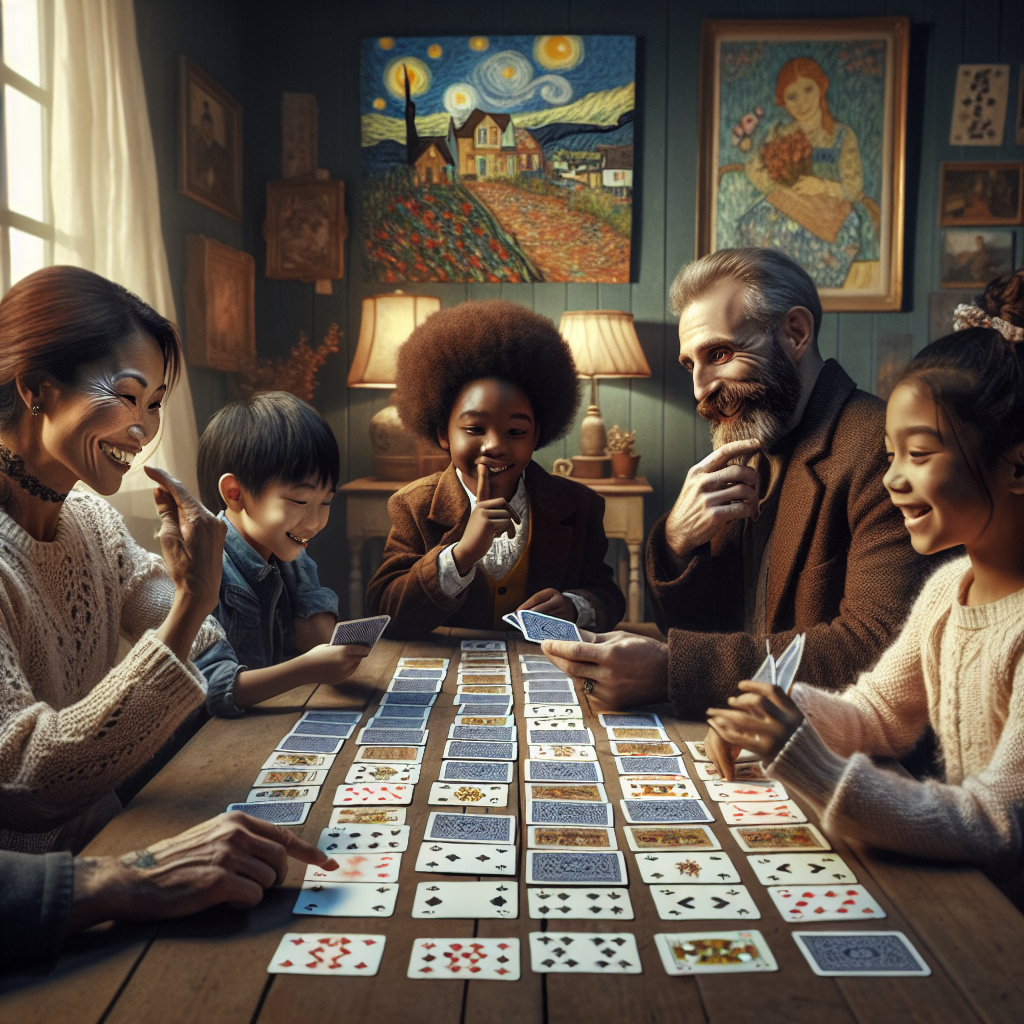
How Can Players Improve Their Decision-Making Skills?
How Can Players Improve Their Decision-Making Skills?
- Split-second decisions can determine the outcome of a sports game.
- Practice is crucial, including physical drills and mental exercises to enhance cognitive agility.
- Simulating high-pressure situations can improve focus and decision-making skills.
- Post-game analysis is important; review footage to learn from successes and failures.
- Anticipation is key; great players predict outcomes by understanding teammates and opponents.
- Collaboration with coaches and peers can provide valuable insights and enhance team synergy.
- Decision-making is a skill that can be developed through practice and reflection.

How Can Players Improve Their Decision-Making Skills?
What Are The Benefits Of Empathy In Cooperative Card Games?
When it comes to cooperative card games, empathy isn’t just a nice quality to have; it’s a game-changer. Sure, you may think it’s all about strategies, tactics, and a little bit of luck. But let’s set that aside for a moment and talk about what really holds the glue of teamwork together: understanding what your fellow players are feeling and thinking.
Empathy in cooperative card games allows players to sit in one another’s shoes. Imagine you’re faced with a sticky situation where a teammate is teetering on the brink of defeat. In that moment, empathy kicks in and opens up a crucial line of communication. Instead of merely calculating your move or focusing on your own cards, you start to consider your teammate’s perspective. You ask yourself, “What are they struggling with? How can I help?” This is essential for building trust. When players feel understood, they are more likely to share their thoughts and strategies, creating an environment where collaboration flourishes.
Another benefit of empathy is that it fosters a sense of community. Cooperative card games are already built around the idea of working together towards a common goal. When players engage with one another on an emotional level, the experience becomes more than just a game; it transforms into a shared adventure. This collective journey not only enhances gameplay but also strengthens bonds among players, making for unforgettable moments shared over the table.
Moreover, empathy sharpens decision-making. Just think about it: In a cooperative setup, you’re not just a lone wolf hunting for victory; you’re part of a pack. When you consider the emotions and perspectives of your teammates, you enhance your ability to make informed decisions that benefit the group. An emotionally intelligent player can discern when to take risks and when to play it safe, all based on the collective mood of the team.
Lastly, practicing empathy in these games can spill over into real life. It’s a subtle yet powerful exercise in interpersonal skills that enhances our ability to connect with others beyond the gaming table. In a world that often feels divided, building empathy through playful interaction can serve as a reminder of our shared humanity.
So, the next time you shuffle that deck, remember: empathy isn’t just a nice thing to have; it’s the lifeblood of cooperative gameplay. Embrace it, let it guide your moves, and watch how it transforms your experience.

What Are The Benefits Of Empathy In Cooperative Card Games?
What Are The Benefits Of Empathy In Cooperative Card Games?
- Empathy is a game-changer in cooperative card games, enhancing teamwork and collaboration.
- Understanding fellow players’ feelings encourages better communication and trust.
- Empathetic players are more likely to consider teammates’ struggles and perspectives during the game.
- Emotional engagement transforms the gameplay experience into a shared adventure and fosters community.
- Empathy sharpens decision-making by allowing players to make informed choices that benefit the group.
- Practicing empathy in games can improve interpersonal skills and foster connections in real life.
- Embracing empathy in gameplay enhances the overall experience and strengthens player relationships.
What Are The Benefits Of Empathy In Cooperative Card Games?
How Does Adaptability Affect Gameplay In Card Games?
Adaptability in card games is akin to the old saying about rolling with the punches. In an environment where the only constant is change, the ability to pivot, adjust, and evolve your strategy can make the difference between triumph and defeat. When you sit down at a table, perhaps surrounded by friends or foes, you’re not just playing against their cards—you’re playing against their minds. For the keen-eyed player, adaptability becomes a powerful weapon, sharpening their instincts and turning uncertainty into opportunity.
First, let’s talk about reading the room. Card games often entail a fascinating mix of luck and strategy. You’re not just dealing with the hand you’re dealt; you’re also grappling with the intentions of your opponents. In this high-stakes mental chess match, the ability to read body language, facial expressions, and betting patterns can help you discern when to hold tight and when to go all in. Adaptability allows you to shift your approach based on these cues. One moment you might play aggressively, and the next, you could adopt a more conservative style—both depending on how your adversaries are behaving. This fluidity keeps opponents guessing and mentally off-balance.
Moreover, adaptability encourages players to embrace creativity. Let’s face it: sticking rigidly to a single strategy can get you into a rut. Every card game has its set of common strategies—some tried and true, others a little quirky. But the true innovators, the players who rise above the pack, are those who can take what they know and twist it into something new. Perhaps you find that a certain tactic isn’t yielding results. If you can recognize that and adjust course—maybe even combine elements from multiple strategies—you’re more likely to find success. Flexibility in tactics can lead to a winning combo that no one saw coming.
Finally, adaptability fosters resilience. Every player faces setbacks, whether it’s a string of bad hands or an unexpected turn from an opponent. Those who can pivot in response to setbacks, recalibrating their strategies on the fly, often emerge more robust. Instead of dwelling on what went wrong, an adaptable player views each round as a learning opportunity, gathering insights and sharpening their game for the future.
In a world of cards, the ability to adapt isn’t just a skill; it’s the lifeblood of a true strategist. So, the next time you sit down at the table, remember: it’s not just about the cards in your hand; it’s about the cards you hold in your mind.

How Does Adaptability Affect Gameplay In Card Games?
How Does Adaptability Affect Gameplay In Card Games?
- Adaptability in card games is essential for success, allowing players to pivot their strategies amidst constant change.
- Players must read their opponents’ cues, such as body language and betting patterns, to adjust their gameplay accordingly.
- Flexibility in tactics keeps opponents off-balance by shifting between aggressive and conservative styles based on the situation.
- Creative adaptability enables players to innovate and combine different strategies for unexpected results.
- Those who can recognize when a tactic isn’t working and adjust accordingly tend to find greater success.
- Adaptability fosters resilience, helping players to learn from setbacks and refine their strategies for future games.
- The ability to adapt is crucial not only in card games but also in honing the mentality of a true strategist.

How Does Adaptability Affect Gameplay In Card Games?
Why Is Trust Among Players Important In This Type Of Gaming?
In the realm of gaming, especially in collaborative or competitive environments, trust is the invisible thread that binds players together. It’s not just about pixels on a screen or stats on a leaderboard; it’s about fostering an environment where players feel secure enough to take leaps together, make strategic decisions, and ultimately enjoy the experience. Quite frankly, without trust, you’re just knocking heads and spinning wheels.
Consider the dynamics of team-based games. Each player has a role, a specialty, a skill set that they bring to the table. Imagine being in a firefight where your partner is covering your flank, but you have no faith that they’ll actually pull the trigger when the moment calls for it. That second of hesitation can mean the difference between victory and defeat. Trust ensures that each player is confident in the decisions of their teammates, allowing for fluid gameplay and coordinated strategies. When players can count on one another, they can focus on improving their game instead of second-guessing their partners.
Trust also plays a significant role in communication. Effective communication does not happen in a vacuum; it’s a give and take built on the assurance that your words will be respected and valued. In a highly competitive gaming scenario, when the heat is on, players need to relay vital information quickly and efficiently. If players don’t trust each other to listen and respond appropriately, the entire operation falls apart. Not only does this lead to frustration, but it can also turn a fun gaming experience into a chaotic nightmare.
Moreover, the importance of trust extends beyond individual interactions. It shapes the community and culture of the game itself. When players trust one another, they are more likely to engage positively with the community, forge lasting friendships, and create an inclusive environment. In a healthy gaming atmosphere, players feel encouraged to share their experiences, strategies, and even their mistakes. This openness leads to growth—both personal and collective—as everyone learns from one another’s journeys.
In a world filled with trolls and lone wolves, building trust can be a challenge, but it’s also what makes the victories sweeter and the bonds stronger. So when you log in for your next session, remember: it’s not just about the game; it’s about the people you’re playing it with. Trust transforms gaming into a shared adventure, and that’s something worth investing in.

Why Is Trust Among Players Important In This Type Of Gaming?
Why Is Trust Among Players Important In This Type Of Gaming?
- Trust is essential for collaboration in gaming, enhancing the overall experience.
- In team-based games, trust allows players to focus on strategy without second-guessing each other.
- A lack of trust during critical moments can lead to defeat in competitive scenarios.
- Effective communication relies on trust, ensuring players convey important information efficiently.
- Trust fosters a positive gaming community, encouraging engagement and friendship among players.
- Creating an inclusive environment through trust leads to personal and collective growth.
- Building trust in gaming helps to make victories more rewarding and strengthens player bonds.

Why Is Trust Among Players Important In This Type Of Gaming?
What Skills Help Players To Effectively Read Opponents’ Actions?
In the world of competitive gaming, the ability to read an opponent’s actions is akin to having a sixth sense. It goes beyond mere observation; it’s about deciphering intentions, predicting movements, and adapting strategies in real-time. So, what skills enable players to hone this crucial ability? Let’s dig into the gritty details.
First and foremost, awareness stands at the forefront of skills that enhance an opponent-reading acumen. This isn’t just about keeping your eyes glued to the screen; it requires situational awareness. Players must develop a keen understanding of the game environment and their competitors’ strategies. This involves tracking multiple elements simultaneously—health bars, movement patterns, and even the psychological tendencies of opponents. The players who thrive are the ones who can process the rich tapestry of information buzzing around them, drawing insight from every pixel and movement.
Next up is predictive analysis, the art of forecasting an opponent’s next move based on observed behavior. Every action in gaming has a rhythm, a tempo, much like a dance. Skilled players pick up on these patterns, learning to anticipate where an opponent will land or how they’ll react in particular scenarios. This is not unlike a chess player anticipating their opponent’s next play; it’s a mental chess match that requires practice, experience, and an instinctive understanding of game mechanics.
Then there’s emotional intelligence—a skill that often gets overshadowed by technical prowess. In any competitive environment, reading emotions can provide a distinct advantage. Is an opponent rushed, frustrated, or overly confident? These emotional cues can signal shifts in their strategy. The ability to gauge these nuances can lead to crucial insights, turning a moment of tension into a tactical advantage for the alert player.
Last but certainly not least is adaptability. The surest way to lose is to become predictable. Effective players mix things up, changing their strategies based on what they’ve gleaned from their opponents. Being adaptable means more than just altering your playstyle; it means being ready to pivot in the heat of battle, responding to unexpected moves with agility and grace.
In summary, reading opponents’ actions is a multi-faceted endeavor that melds awareness, predictive analysis, emotional intelligence, and adaptability. Players who cultivate these skills not only amplify their winning potential but also elevate every match to a high-stakes showdown of wits and instincts. Through a relentless pursuit of these attributes, gamers can turn the tide of competition and savor the thrill of victory.

What Skills Help Players To Effectively Read Opponents’ Actions?
What Skills Help Players To Effectively Read Opponents’ Actions?
- Reading opponents’ actions in gaming is essential for success, akin to a sixth sense.
- A key skill is situational awareness, which involves understanding the game environment and competitors’ strategies.
- Predictive analysis allows players to forecast opponents’ moves based on observed behaviors and patterns.
- Emotional intelligence helps players pick up on opponents’ emotional cues, which can indicate potential changes in strategy.
- Adaptability is crucial; effective players must change their strategies in response to their opponents to avoid predictability.
- These skills—awareness, predictive analysis, emotional intelligence, and adaptability—enhance a player’s competitive edge.
- Developing these attributes allows gamers to improve their performance and enjoy a more intense competitive experience.

What Skills Help Players To Effectively Read Opponents’ Actions?
How Can Emotional Intelligence Enhance Cooperative Game Experiences?
When we think about cooperative games, the idea that usually pops into our heads is teamwork: players joining forces, strategizing, and working towards a common goal. But there’s an underlying element that can elevate the experience from a mere collection of game mechanics to a meaningful connection among players—emotional intelligence (EI).
Look, games are about more than just rolling dice and flipping cards. They engage our minds and our emotions, and understanding those emotions can be a game-changer, pun intended. Emotional intelligence is that little magic ingredient that allows us to read the room—or, in this case, the virtual battlefield. It’s about being in tune with our own feelings and those of our teammates. When you’re able to sense frustration or excitement among your crew, you can adjust your strategy, tone, and approach accordingly.
Imagine this: you’re in a cooperative mission, and your pal jitters with anxiety over a critical decision. Instead of steamrolling over their feelings and pushing forward, you take a step back. Your awareness allows you to suggest a pause. You can reassure them that mistakes are part of the game. That simple act not only calms the player down but elevates the team spirit. Emotions are contagious, and when one player feels supported, the entire group performs better—thanks to that emotional awareness.
Moreover, EI enhances communication. Cooperative games often require clear dialogue and strategic discussion. An emotionally intelligent player knows how to convey their thoughts effectively and empathetically, ensuring everyone’s on the same page. This doesn’t mean sugar-coating critiques or avoiding conflict. Instead, it’s about approaching difficult conversations with sensitivity, fostering a positive environment even when the stakes are high.
The beauty of cooperative gaming is that it often involves diverse groups of people, each bringing their unique backgrounds and emotional responses to the table. Emotional intelligence is the glue that binds these diverse personalities together. By fostering empathy and compassion, players learn to appreciate each other’s strengths and weaknesses. This creates a deeper bond, turning what could be a simple game night into a memorable experience filled with shared triumphs and struggles.
So the next time you gather around a table or log into a multiplayer arena, remember: the best strategies come from more than just tactics and dice rolls. They come from an understanding of the emotional landscape of your team. With a little emotional intelligence, you’ll not only win the game but also deepen your connections with your fellow players. Now that’s a victory worth celebrating.

How Can Emotional Intelligence Enhance Cooperative Game Experiences?
How Can Emotional Intelligence Enhance Cooperative Game Experiences?
- Cooperative games are centered around teamwork, strategizing, and achieving common goals.
- Emotional intelligence (EI) enhances the gaming experience by fostering meaningful connections among players.
- Understanding emotions allows players to adjust their strategies and interactions based on the group’s feelings.
- Emotionally intelligent players can support teammates by acknowledging their feelings, which boosts team spirit.
- EI improves communication by promoting effective and empathetic dialogue during strategic discussions.
- Diverse groups in cooperative games benefit from emotional intelligence, creating bonds through empathy and compassion.
- Success in gaming comes from understanding the emotional dynamics of the team, enriching both gameplay and relationships.

How Can Emotional Intelligence Enhance Cooperative Game Experiences?
What Role Does Conflict Resolution Play In Cooperative Card Games?
In the world of cooperative card games, the phrase “we’re all in this together” isn’t just a slogan—it’s the driving principle that transforms a pile of cards into an engaging, sometimes nail-biting experience. At the heart of these games lies an element that often gets overshadowed by the thrill of gameplay: conflict resolution. It’s like the unsung hero of the card table, quietly working to ensure that players move through challenges with camaraderie rather than chaos.
So, what exactly does conflict resolution entail in the context of cooperative card games? Think about your standard game night scenario. You and your friends gather around a table, cards in hand, spirits high. But soon enough, tensions can rise—maybe someone misread a rule, or perhaps a strategy seems to be backfiring spectacularly. This is where effective conflict resolution steps in, acting as a bridge over the chasm of discord that can unexpectedly form.
When players face conflict—whether it’s a misunderstanding about gameplay or a disagreement over strategy—having a clear system for resolving these issues keeps everyone engaged and focused on the common goal. Unlike competitive games, where the objective is to outsmart opponents, cooperative card games require players to collaborate, merging their strengths and ideas to tackle the game’s challenges. When conflict arises, it can either sink the ship or steer it toward calm seas; the key is open communication and collective problem-solving.
Conflict resolution in cooperative card games encourages discussion and negotiation. Players must voice their opinions, listen actively to one another, and find solutions that respect the perspectives of everyone involved. It can be as simple as rechecking a rule or as complex as reconsidering entire strategies based on group feedback. This collaborative spirit cultivates not only a deeper understanding of game mechanics but also strengthens relationships—through laughter, debate, and shared victories (or defeats).
Moreover, successful conflict resolution can even enhance the game experience. When players navigate disagreements with grace and humor, they create stories that linger long after the final round is played. Those moments of tension morph into shared memories, ultimately making the game more memorable and enjoyable.
Conflict resolution is more than a necessary evil; it’s a vital ingredient in the recipe for success in cooperative card games. It transforms potential roadblocks into stepping stones, fostering a sense of teamwork that turns a simple card game into an unforgettable journey.

What Role Does Conflict Resolution Play In Cooperative Card Games?
What Role Does Conflict Resolution Play In Cooperative Card Games?
- Cooperative card games promote the principle of teamwork, enhancing player engagement.
- Conflict resolution is essential for navigating tensions that may arise during gameplay.
- Players face conflicts such as rule misunderstandings or strategy disagreements, requiring effective resolution strategies.
- Open communication and collective problem-solving are key to maintaining focus on shared goals.
- Conflict resolution encourages discussion, negotiation, and active listening among players.
- Successful conflict management can turn disagreements into memorable shared experiences.
- Ultimately, conflict resolution is a vital component that transforms challenges into opportunities for teamwork.

What Role Does Conflict Resolution Play In Cooperative Card Games?
How Can Players Develop Better Problem-Solving Skills?
In the world of competitive gaming, where the stakes can rise faster than a player’s heart rate during a final match, honing problem-solving skills isn’t just beneficial; it’s essential. Nearly every success in a game comes down to how well a player can navigate challenges, adapt to unexpected turns, and execute strategies effectively. So, how can players sharpen these critical skills? Let’s break it down.
First off, embrace the grind. There’s a common misconception that talent alone fuels triumph in gaming. If you’re hoping to improve your problem-solving abilities, it’s time to roll up those sleeves and get to work. Much like any craft, consistent practice is vital. Set aside regular time to engage in scenarios that challenge your brain—a little bit of chaos goes a long way. Whether it’s puzzles, strategic games, or even simulations, deliberately placing yourself in high-stakes situations will build that mental muscle over time.
Another key to improving those problem-solving chops is to analyze your gameplay. Nobody likes watching their past failures, but that’s exactly where growth happens. Record your sessions and revisit them with a critical eye. Ask yourself: What went wrong? What could I have done differently? Identifying patterns in your mistakes helps create a roadmap for future improvements. It’s a bit like rewinding a game tape—only you’re not just focused on the highlights; you’re hunting for the errors that can teach you lessons.
Furthermore, don’t shy away from collaboration. Join a team, engage with forums, or participate in online communities. There’s immense value in seeing how others tackle problems. Different perspectives can shine a light on innovative solutions that you might’ve missed. Engaging in discussions about strategy fosters a shared learning experience and opens up avenues for creative problem-solving that can elevate your overall gameplay.
Lastly, keep a level head. Stress can turn a simple obstacle into a seemingly monstrous wall. Cultivating a calm mindset allows you to think critically and creatively in the face of challenges. Incorporate mindfulness practices, like deep breathing or taking short breaks, into your gaming routine. The clearer your mind, the sharper your problem-solving skills will be.
All these strategies—grinding, reflecting, collaborating, and maintaining composure—encourage players to grow not just as competitors, but as adaptable thinkers. Remembering that every challenge is an opportunity in disguise can transform the way you approach games—and life itself. So, get out there, tackle those challenges, and watch your skill set expand like never before.

How Can Players Develop Better Problem-Solving Skills?
How Can Players Develop Better Problem-Solving Skills?
- Problem-solving skills are essential for success in competitive gaming.
- Consistent practice and embracing challenges help improve these skills.
- Analyzing gameplay, including reviewing past mistakes, fosters growth.
- Collaboration with others provides new perspectives for problem-solving.
- Engaging in team discussions and online communities enhances strategic thinking.
- Maintaining a calm mindset through mindfulness reduces stress and aids decision-making.
- Approaching challenges as opportunities promotes growth as a player and thinker.

How Can Players Develop Better Problem-Solving Skills?
What Is The Importance Of Patience In Cooperative Card Games?
In the world of cooperative card games, often the most thrilling moments don’t come from flashy moves or high-stakes gambles but rather from the quiet strength of patience. When players sit around a table, strategizing how to tackle a common challenge, it is the virtue of patience that often separates the seasoned players from the newbies.
Imagine this: You’ve drawn a hand that could potentially change the course of the game. You feel that rush of adrenaline, the urge to unleash your cards in a whirlwind of excitement. But wait—before you make that move, consider the bigger picture. Patience allows you to evaluate not just your hand but the collective needs of your team. A calm approach can transform an impulsive play into a strategic masterpiece. It’s about recognizing that the game isn’t just yours; it belongs to everyone at the table.
Cooperative games thrive on collaboration and communication, making patience a linchpin in the overall dynamic. With each turn, you’re not just acting for yourself; you’re influencing the team’s fate. A hasty decision might seem bold, but it can lead to missed opportunities or, worse, unnecessary setbacks. When players exercise patience, they open themselves to the richness of collective decision-making. This means listening, discussing, and sometimes waiting for the perfect moment to strike. It’s like being in a well-choreographed dance, where every step matters.
Moreover, in high-pressure situations—when the clock is ticking or the stakes are mounting—patience can be the ace up your sleeve. When players take a deep breath and allow a little time to pass, tensions often dissipate. Ideas flow more freely, and collaboration flourishes. Teams that cultivate this patience often find themselves navigating through challenges with grace, emerging victorious more often than not.
Patience in cooperative card games isn’t about doing less; it’s about being smarter. It’s about understanding that sometimes, the best move is to hold back and observe, allowing the game to develop into something magnificent. So, the next time you sit down for a game with friends, remember: patience isn’t just a virtue; it’s your most powerful tool in navigating the intricate web of cooperation, strategy, and camaraderie that defines these engaging cosmic adventures.

What Is The Importance Of Patience In Cooperative Card Games?
What Is The Importance Of Patience In Cooperative Card Games?
- Patience is key in cooperative card games, distinguishing experienced players from newcomers.
- Players should evaluate their hand while considering the collective needs of their team.
- Collaborative games thrive on communication, making patience essential for team dynamics.
- Impulsive decisions can lead to missed opportunities and setbacks, highlighting the importance of strategic patience.
- In high-pressure situations, taking a moment to breathe can enhance collaboration and creativity.
- Patience allows for better decision-making, enabling players to hold back and observe for optimal strategies.
- Ultimately, patience is not just about restraint; it’s a vital tool for navigating cooperation in games.

What Is The Importance Of Patience In Cooperative Card Games?
How Do Leadership Skills Influence Cooperative Gameplay?
In the world of cooperative gameplay, the dynamics of teamwork can often resemble those of a well-oiled machine—every cog and gear must turn in harmony for optimal performance. At the heart of this synergy lies the influence of leadership skills, which can transform a ragtag group of players into a cohesive unit capable of overcoming even the toughest challenges. When players step into their virtual boots, the way they communicate, strategize, and execute plays can either make or break the experience.
Good leadership is not merely about being the loudest voice in the room; it’s about understanding the strengths and weaknesses of each team member. A skilled leader can identify who excels at strategic planning and who shines at real-time decision-making. This awareness allows for the division of roles based on individual strengths, creating a balance that can elevate the entire team’s performance. Just as in a construction crew, where the foreman recognizes that the carpenter operates best when measuring twice and cutting once, a proficient leader in a gaming context is equipped to assign tasks that maximize each player’s potential.
Moreover, leadership often cultivates a culture of trust and respect among team members. In cooperative gameplay, where players depend on each other to deliver on commitments, a good leader fosters an environment where everyone feels valued and heard. This respect not only keeps morale high but also encourages players to take calculated risks without the fear of being criticized. When team members feel safe to express ideas or concerns, innovation grows, leading to creative strategies that can surprise even the most seasoned opponents.
Additionally, effective leaders possess the ability to keep emotions in check during high-pressure situations. When the stakes are high, and the pressure is on, a calm and collected leader can steer the team through turbulent waters. By maintaining focus and encouraging a positive mindset, they can mitigate the stress that often comes with competitive play. This level of composure can prevent the unraveling that often accompanies moments of panic, allowing the team to regroup and tackle obstacles with renewed vigor.
Ultimately, the influence of leadership skills in cooperative gameplay extends beyond simple tactics. It’s about building a sense of unity, trust, and strategic prowess that can propel a group of individuals into a well-coordinated force. In this environment, every player feels empowered to contribute, and that, my friends, is the hallmark of a truly great team. Whether battling formidable foes or conquering virtual worlds, leadership skills turn casual gamers into champions ready to take on any challenge together.

How Do Leadership Skills Influence Cooperative Gameplay?
How Do Leadership Skills Influence Cooperative Gameplay?
- Teamwork in cooperative gameplay functions like a well-oiled machine, requiring harmony among players for optimal performance.
- Effective leadership skills can transform disparate players into a cohesive unit capable of overcoming challenges.
- Good leaders understand individual team member strengths and weaknesses, allowing for effective role assignments.
- A culture of trust and respect fostered by leaders encourages player innovation and morale, crucial in cooperative settings.
- Leaders maintain composure in high-pressure situations, helping to manage stress and keep the team focused.
- Leadership transcends tactics, building unity and strategic prowess within the team.
- Strong leadership empowers every player to contribute, making for a truly effective and champion-like team.

How Do Leadership Skills Influence Cooperative Gameplay?
How Can Players Balance Competing Ideas During Gameplay?
In the wild world of gaming, where strategy and spontaneity bump heads like two rams on a cliff, figuring out how to balance competing ideas during gameplay can feel like trying to juggle chainsaws. You’re not just maneuvering your character on-screen; you’re managing a delicate dance of minds, emotions, and aspirations. So how can players navigate this thrilling yet treacherous terrain?
First off, communication is key. Think of it as the lifeblood of collaboration. When players open up channels of dialogue, they’re giving each other the opportunity to express their thoughts, strategies, and even concerns. Whether it’s a simple “I need help” or a more complex breakdown of tactics, every piece of communicated information can help refine the group’s approach. But here’s the kicker: effective communication is not about shouting the loudest; it’s about listening attentively. Sometimes the most brilliant ideas arise from the quietest corners of the group. Embracing a culture of respect fosters a more open environment where everyone feels valued and understood.
Next, let’s talk about compromise. Now, it ain’t the most glamorous word in the lexicon, but it’s indispensable. In gameplay, you often find that everyone has their own vision for how to tackle challenges. Maybe you’ve got someone who’s itching for a full-frontal assault, while another player advocates for a stealthy approach. Rather than bulldoze through with the loudest plans, look for common ground. Perhaps you can split tactics: go in quietly, and if things go south, have your brawniest player ready to charge in. This approach empowers everyone and takes the pressure off any single player to carry the team’s hopes.
Another crucial aspect is adaptability. The best-laid plans can go awry quicker than a misfired spell, so having a flexible mindset is invaluable. Players should be ready to pivot their strategies based on real-time developments within the game. Being locked into one rigid idea can lead to missed opportunities and disastrous outcomes. Trust in your team’s ability to evolve and iterate, and remember: the most unforgettable victories often come from a willingness to adapt on the fly.
Lastly, celebrate the victories, no matter how small. Recognizing the collaborative efforts of your team not only builds morale but also solidifies the bond between players. When faced with competing ideas, a little positivity can go a long way in energizing everyone to keep pushing forward. In the high-stakes world of gaming, it’s precisely this balance of communication, compromise, adaptability, and celebration that turns a group of players into a cohesive team.

How Can Players Balance Competing Ideas During Gameplay?
How Can Players Balance Competing Ideas During Gameplay?
- Gaming requires balancing strategy and spontaneity, akin to juggling chainsaws.
- Effective communication is vital; it allows players to express thoughts, strategies, and concerns.
- Listening attentively is as important as speaking; great ideas may come from quieter players.
- Compromise is essential for collaboration, finding common ground among differing strategies.
- Adaptability is key; players should be ready to pivot based on in-game developments.
- Recognizing and celebrating small victories enhances team morale and cohesion.
- The balance of communication, compromise, adaptability, and celebration fosters a strong team dynamic.

How Can Players Balance Competing Ideas During Gameplay?
Conclusion
Alright, folks, let’s wrap this up with some solid takeaways about cooperative card games and the essential skills you need to master them. If you’re thinking it’s simply a matter of luck—flipping cards and hoping for the best—think again. Sure, fate might have a hand in it, but the real magic lies in honing specific skills that transform a bunch of individual players into a well-oiled team.
First off, communication is paramount. In these games, it’s not just about what cards you’re holding; it’s about how effectively you can relay that information to your teammates. Think of it as crafting a collective strategy. If one person withholds their thoughts or doesn’t speak up, the entire team can end up making bad moves. It’s like trying to navigate a ship without a map—chaos ensues, and the water gets choppy.
Next up, we’ve got strategic thinking. This isn’t just a game of chance; it’s a chess match where you have to forecast the impact of every move you—and your teammates—make. You need to weigh risks, foresee potential gains, and base decisions on the ebb and flow of gameplay. Every card has repercussions, and the more we anticipate them, the closer we get to victory.
As the game unfolds, adaptability becomes your best friend. Ever drawn a hand that doesn’t quite fit your strategy? You better believe that the ability to pivot is crucial. The successful players are those who can reassess and tweak their approach on the fly, juggling unexpected plot twists like seasoned pros. It’s about keeping cool under pressure and seizing opportunities when they arise.
Ah, teamwork—what a beautiful thing! In the cooperative card realm, selfish play can sink a ship faster than an anchor. Respecting each other’s strengths and weaknesses and capitalizing on them elevates the entire team. Identify who excels at deduction or resource management, and let them take charge in those areas. It’s all about harnessing the collective power of your crew.
Finally, let’s not forget the importance of conflict resolution. Disagreements will undoubtedly crop up, but how you handle them can make the difference between sinking into frustrations or rising like champions. Practicing patience, cultivating understanding, and embracing compromise keeps the group mood high and strengthens the bonds of your gaming experience.
So, before you shuffle your next deck, remember: it’s not just the cards you’re dealt that matter; it’s the community you’re building and the skills you bring to the table. Master these essential elements, and you’ll find yourselves not only playing for victory but also forging lasting friendships along the way. Now, go on out there, shuffle those cards, and enjoy the game!

Conclusion
Conclusion:
- Cooperative card games require skill, not just luck.
- Effective communication is crucial for successful teamwork.
- Strategic thinking involves anticipating the impact of moves made by players.
- Adaptability is necessary for adjusting strategies as the game evolves.
- Teamwork relies on recognizing and utilizing each player’s strengths.
- Conflict resolution skills help maintain a positive group dynamic.
- Building community and mastering skills lead to meaningful gaming experiences.

Conclusion
Other Resources

Other Resources
Here is a list of other resources you can review online to learn more:
- “The Game Card Game – A Highly-Addictive Challenge …”
- “Team Building Board Games”
- “Top 10 Cooperative Board Games”
- “Teamwork Lessons from Board Games”
- “Teamwork Game by The School of Life”
- “Top 5 best co-op board games for terrific teamwork”
- “https://boardgamegeek.com/sitemap_threads_page_152”
- “A Dictionary and Thesaurus of Contemporary Figurative …”
- “Co-Operative Games”
Use This Prompt To Get More Resources With Your Favorite Online AI Tool: Please provide me with a list of online articles with their URLS in a bulleted list that I can read regarding What Skills Are Needed for Cooperative Card Games?

Other Resources
Glossary Terms
What Skills Are Needed for Cooperative Card Games? – Glossary Of Terms
1. Cooperation: The ability to work together towards a common goal, emphasizing communication and teamwork.
2. Communication: The exchange of information among players, including verbal and non-verbal cues, to develop strategies and understand each other’s intentions.
3. Strategy: A plan of action designed to achieve a specific goal; important for making decisions about card play and resource management.
4. Decision-Making: The process of choosing a course of action among multiple options, crucial in determining the best moves for the team.
5. Critical Thinking: The ability to analyze and evaluate information to improve decision-making and adapt strategies based on new information.
6. Adaptability: The skill of adjusting one’s strategy and approach in response to changing circumstances or unexpected events in the game.
7. Problem-Solving: The process of identifying challenges within the game and developing effective solutions through teamwork and creativity.
8. Teamwork: The collaboration among players to leverage individual strengths and compensate for weaknesses, enhancing overall performance.
9. Conflict Resolution: The ability to manage disagreements or differences in opinion among players constructively and without disrupting team morale.
10. Time Management: The skill of efficiently managing game time for decision-making and action-taking, ensuring players can address all aspects of gameplay.
11. Resource Management: The ability to wisely manage limited resources (like cards or tokens) to maximize team effectiveness and success.
12. Planning: The skill of forecasting future moves and creating a detailed approach to achieve the game’s objectives collaboratively.
13. Observation: The ability to pay attention to changes in gameplay, opponent strategies, and teammates’ actions to maintain situational awareness.
14. Listening Skills: The capacity to actively listen to teammates, ensuring that everyone’s input is considered and understood in strategy discussions.
15. Trust-Building: The process of establishing confidence among players, which fosters open communication and reliance on each other’s abilities.
16. Creativity: The ability to think outside the box and devise innovative strategies that could lead to surprising game outcomes.
17. Risk Assessment: Evaluating potential risks associated with different actions to make informed decisions that favor the team’s success.
18. Role Assigning: The practice of defining clear responsibilities for each team member based on individual strengths and game requirements.
19. Goal Alignment: The process of ensuring all team members understand and are committed to the same objectives for successful cooperation.
20. Emotional Intelligence: The ability to manage one’s emotions and empathize with teammates, enhancing interpersonal interactions and reducing tension.
21. Memory: The skill of retaining information regarding earlier game developments, player behaviors, and previously played cards to inform current decisions.
22. Negotiation: The ability to reach agreements on strategies and actions collaboratively, ensuring that all members feel involved and valued.
23. Feedback: The process of providing constructive criticism and guidance to teammates, aimed at improving team performance and individual skills.
24. Leadership: The skill of guiding and motivating teammates, especially in critical moments, to drive the team towards shared success.
25. Deductive Reasoning: The ability to draw logical conclusions based on available information, helping in making informed decisions during gameplay.
26. Endpoint Evaluation: Assessing the game’s progression and the current situation to determine the best moves toward reaching final goals.
27. Patience: The skill of managing frustrations and waiting for the right moment to act, especially in tense situations.
28. Diversity Appreciation: Recognizing and valuing different perspectives and strategies offered by teammates, fostering an inclusive team environment.
29. Practice: Regularly engaging in gameplay to refine skills, enhance teamwork, and build familiarity with game mechanics.
30. Reflection: The process of reviewing past gameplay experiences to identify strengths and weaknesses, facilitating continuous improvement in future games.

Glossary Of Terms
Other Questions
What Skills Are Needed for Cooperative Card Games? – Other Questions
If you wish to explore and discover more, consider looking for answers to these questions:
- What are some popular cooperative card games for beginners?
- How do different player roles affect gameplay in cooperative card games?
- Are there specific strategies for new players to improve their performance?
- What are the most common mistakes players make in cooperative card games?
- How can players deal with difficult teammates in cooperative games?
- What are some advanced strategies for experienced players?
- How do cooperative card games compare to other types of board games?
- What are some resources or communities for players looking to improve their skills?
- How can players measure the effectiveness of their strategies during gameplay?
- What role does game design play in promoting teamwork in cooperative card games?

Other Questions
Haiku
What Skills Are Needed for Cooperative Card Games? – A Haiku
Teams seeking victory,
Patience, trust, and strategy,
Cards unite as one.

Haiku
Poem
What Skills Are Needed for Cooperative Card Games? – A Poem
In a realm where cards collide,
Where teamwork reigns and fate is tied,
Success is cast not just in chance,
But in the art of a shared dance.
Communication is the golden thread,
It binds our thoughts, it fuels our tread,
Each voice a note in a symphony grand,
Where strategy blooms with a guiding hand.
Strategic thinking, a mind’s embrace,
As players navigate through a complex space,
Risks and rewards must be weighed with care,
An intricate puzzle, a brain’s affair.
In twists and turns, adaptability shines,
Like a dancer who shifts with changing lines,
The unexpected strikes; we bend, we flow,
Surprising moves, together we grow.
Yet no venture thrives without teamwork’s heart,
For in unity’s strength, we play our part,
Celebrating skills, each role is embraced,
In this cooperative journey, our spirits are laced.
Conflict may rise; it’s part of the game,
But with resolution, we find our aim,
Through dialogue clear and respect on display,
We’re crafting solutions, come what may.
Empathy glows like a lantern’s light,
Guiding us through the depths of the night,
To feel what others speak without a sound,
Makes each game richer, our bonds profound.
With patience, we wait for the perfect cue,
Evaluating moves as risks we construe,
In the quiet strength where thoughtfulness thrives,
Our game transforms; it truly comes alive.
So gather your friends, shuffle those cards,
Embrace the journey; let down your guards,
In cooperative play, the magic is clear,
Together, we conquer; together, we cheer.

Poem
Checklist
What Skills Are Needed for Cooperative Card Games? – A Checklist
Communication
_____ Share thoughts, strategies, and intentions clearly with teammates.
_____ Practice active listening to understand team members’ perspectives.
_____ Engage in open dialogue about cards and plans.
Strategic Thinking
_____ Assess the potential outcomes of each move for the team.
_____ Evaluate risks versus rewards before making decisions.
_____ Collaborate with teammates to create a shared strategy.
Adaptability
_____ Be ready to adjust strategies based on changing game dynamics.
_____ Maintain composure when unexpected challenges arise.
_____ Embrace creativity to devise new tactics on the fly.
Teamwork
_____ Recognize and utilize the strengths of each team member.
_____ Cultivate a cooperative spirit and celebrate small wins.
_____ Keep morale high, especially in moments of frustration.
Conflict Resolution
_____ Develop a clear system for addressing misunderstandings.
_____ Communicate opinions and actively listen during disputes.
_____ Focus on collective problem-solving to maintain team cohesion.
Emotional Intelligence
_____ Tune into the emotions of teammates to enhance decision-making.
_____ Encourage a supportive environment where everyone feels valued.
_____ Be aware of your own emotions and their effect on gameplay.
Patience
_____ Take time to evaluate situations before making moves.
_____ Avoid impulsive decisions by considering team needs first.
_____ Practice mindfulness to stay calm in high-pressure situations.
Leadership Skills
_____ Foster an environment of trust and respect among team members.
_____ Identify each member’s strengths for effective role distribution.
_____ Maintain a positive mindset and help the team stay focused.
Problem-Solving Skills
_____ Engage regularly in puzzles and strategic games for practice.
_____ Analyze past gameplay to identify mistakes and learning opportunities.
_____ Collaborate with others to gain different problem-solving perspectives.
Trust-Building
_____ Create a safe space for sharing ideas without judgment.
_____ Encourage honest communication to strengthen relationships.
_____ Develop a culture of collaboration where every contribution matters.
By utilizing this checklist, you can enhance your skills and create a more cohesive and successful experience in cooperative card games. Happy gaming!

Checklist
At CardGameNews, we help people who love card games by collating information and news about card games.
Be sure to read our other related stories at CardGameNews to learn more about card games.


