

Unveiling The Irresistible Allure Of Alt-Art Cards
By Tom Seest
At CardGameNews, we help people who love card games by collating information and news about card games.
Be sure to read our other related stories at CardGameNews to learn more about card games.
What Makes These Alt-Art Cards So Special to Old-School Collectors
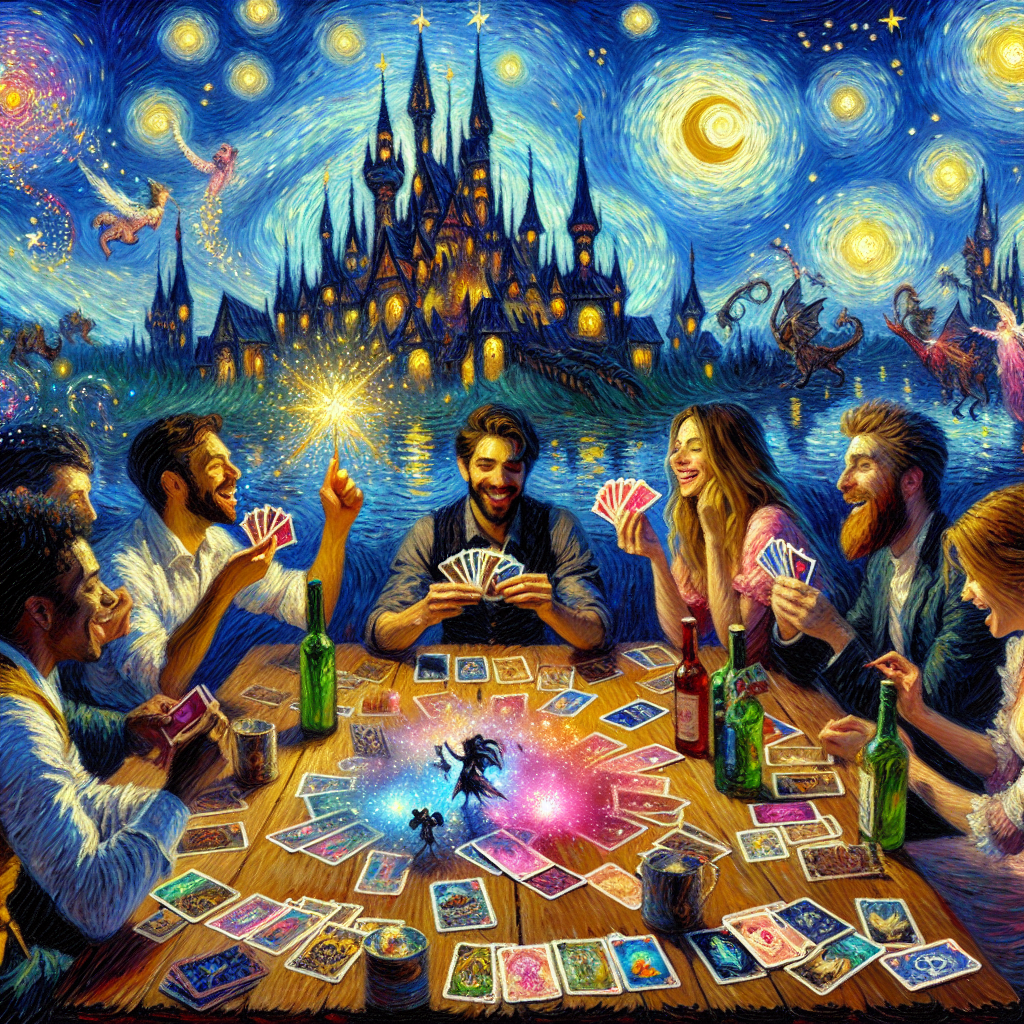
There’s a magic in the world of card games that transcends mere nostalgia. For veteran collectors, it’s not just about assembling a deck or filling a binder; it’s about holding a piece of history in your hands. These alt-art cards, with their distinct artistic interpretations and limited releases, serve as a portal to the past, encapsulating memories of countless hours spent huddled around tables or strategizing with friends. They embody the spirit of a bygone era where creativity and imagination thrived, making them precious not just as collectibles but as artifacts of a shared experience.
Old-school collectors often gravitate toward alt-art cards because they speak to the heart. Each unique design tells a story, evoking emotions tied to gameplay moments—victories, losses, and camaraderie. The brush strokes of a talented artist can ignite vivid memories of epic matchups or late-night card games. This emotional resonance isn’t merely a fleeting sentiment but a deep-rooted connection to a community that has persevered through changing trends and technologies. It’s a testament that the joy of card games isn’t confined to the latest offerings but is often found in the cherished artifacts of yesteryears.
Rationally, the allure of these cards goes beyond their sentimental value. As collectables, alt-art cards often appreciate in value, appealing to those who understand the market dynamics. The rarity of these pieces can foster an investment mindset that, when combined with the love for the game, is irresistible. For many collectors, acquiring these cards merges passion with smart financial strategy—a true win-win that aligns heart and head.
Ethically, old-school collectors uphold a culture of respect for the history and craftsmanship inherent to card games. By championing alt-art releases, they elevate the contributions of artists and sustain a community that values creativity. This sense of responsibility fosters relationships among collectors, artists, and players, all part of an ecosystem that thrives on mutual appreciation and support.
The social aspect can’t be overlooked; these cards are conversation starters among enthusiasts, bridging generational gaps and inspiring new narratives. A single alt-art card can spark a discussion that reignites friendships or forges new connections, keeping the spirit of the game alive and vibrant.
In this captivating world of alt-art cards, it’s evident these treasures are more than played pieces—they are woven into the very fabric of a community that thrives on shared passion and collective history. Embrace the journey, and let these cards guide you through a tale worth telling.

What Makes These Alt-Art Cards So Special to Old-School Collectors
What Makes These Alt-Art Cards So Special to Old-School Collectors
- Alt-art cards hold historical significance for veteran collectors, representing shared experiences from the past.
- Each unique design evokes emotions tied to gameplay moments, fostering deep-rooted connections within the community.
- The emotional value is complemented by the potential for financial appreciation, making alt-art cards appealing investment pieces.
- Old-school collectors promote respect for the craftsmanship and history of card games, supporting artistic contributions.
- These cards serve as conversation starters, bridging generational gaps and inspiring new friendships.
- Alt-art cards embody the joy and creativity that are central to the community of card game enthusiasts.
- The journey of collecting these cards intertwines passion with a sense of responsibility toward preserving the game’s legacy.
What Makes These Alt-Art Cards So Special to Old-School Collectors
Table Of Contents
- What Makes These Alt-Art Cards So Special to Old-School Collectors
- What Emotions Do These Alt-Art Cards Evoke In Long-Time Collectors?
- How Do the Unique Designs Enhance the Value Perceived By Collectors?
- What Ethical Implications Arise From Reproducing Classic Card Art?
- How Do These Cards Connect to Nostalgic Memories for Collectors?
- Which Artists Have Authority In the Alt-Art Scene and Why?
- Conclusion
- Other Resources
- Glossary Of Terms
- Other Questions
- Haiku
- Poem
- Checklist
What Emotions Do These Alt-Art Cards Evoke In Long-Time Collectors?
When you flip that alt-art card in your hand, something deeper stirs than just nostalgia—it’s a swirling mix of passion, pride, and purpose. For long-time collectors, these unique pieces are not merely decorative; they embody a rich history interwoven with friendships, competition, and growth within the card game community. Each stroke of alternate art tells a story, igniting memories of epic tournaments, thrilling trades, and laughter shared around tables strewn with cards.
As you gaze into the vivid imagery, every detail seems to pulse with life, echoing moments that helped shape who you are as a collector. It’s more than just the thrill of the chase; it’s the intimate sense of belonging that comes from holding onto something that resonates on a personal level. This is your sanctuary, a tangible reminder of the triumphs and trials that have made the hobby a cornerstone of your life.
Rationally, the investment in these alt-art treasures often pays dividends far beyond their monetary value. As the game evolves, so too does the significance of the art—its rarity can transform a simple piece of cardboard into an emblem of status and a conversation starter. The emotional weight of these cards can elevate your collection, sparking admiration and fostering connections with fellow enthusiasts who understand the journey.
But there’s also an ethical dimension at play. Supporting artists who push the boundaries of creativity reinforces the intrinsic value of the card game. By appreciating alt-art, you stand as an advocate for artistic expression—an invisible thread connecting you to every creator, every realization of their vision reflected in that glossy finish. You are part of a community that values originality, one that celebrates the spirit of collaboration and encourages aspiring artists.
Collecting these cards transcends mere ownership; it’s about continuity in a world that often feels fragmented. The shared language of art among collectors breeds camaraderie, fostering a beat of solidarity that can be felt wherever you find yourself. Whether you’re in a local playgroup or sharing stories online, these alt-art cards become conduits for connection, uniting people of diverse backgrounds through a passion that knows no bounds.
So, as you slide that alt-art card back into its sleeve, remember: this isn’t just a piece of your collection; it’s a reflection of your journey. It’s an emblem of dedication, camaraderie, and shared passion that inspires you to keep the flame of this beloved card game alive.

What Emotions Do These Alt-Art Cards Evoke In Long-Time Collectors?
What Emotions Do These Alt-Art Cards Evoke In Long-Time Collectors?
- Alt-art cards evoke a mix of passion, pride, and purpose beyond nostalgia.
- They embody a rich history tied to friendships, competition, and growth in the card game community.
- Each card tells a story, recalling memories of tournaments, trades, and shared laughter.
- Investing in alt-art cards offers emotional value, fostering a sense of belonging among collectors.
- The rarity of these cards can enhance their status and create connections within the community.
- Supporting artists through these cards advocates for creativity and artistic expression.
- Collecting transcends ownership, fostering camaraderie and uniting diverse individuals through shared passions.

What Emotions Do These Alt-Art Cards Evoke In Long-Time Collectors?
How Do the Unique Designs Enhance the Value Perceived By Collectors?
When you think about a card game, the images of nostalgia and friendly competition come to mind. Each card is more than just a piece of cardboard, it’s a tangible slice of memories, stories, and moments shared with friends and family. Unique designs enhance the intrinsic value of these cards, weaving emotion and significance into every game played. Collectors often find themselves drawn not just to the gameplay, but to the artistry that adorns each card. The vivid illustrations and carefully crafted themes evoke a sense of wonder and pride, pulling at the strings of our hearts.
Consider the artist behind each card—a creative spirit pouring hours into ensuring that every detail resonates with players. Each piece of artwork tells a story, capturing the essence of adventure or the thrill of competition. This isn’t merely about playing a card game; it’s about participating in a narrative that unfolds with every shuffle and draw. And in an age where mass production is the norm, collectors crave that personal touch, longing for items that reflect individuality and craftsmanship.
Ethically speaking, supporting these unique designs often means supporting independent artists and small businesses. It fosters a community where talent is nurtured, and creativity can flourish. This connection strengthens the bonds between collectors, creating a sense of belonging. When you hold a card that bears the distinctive mark of a passionate creator, you aren’t just owning a collectible; you are investing in a movement.
Moreover, collectors understand the market trends, often guided by authority figures within the community who comment on value appreciation and scarcity. They recognize that unique designs are a reflection of quality and authenticity, which can soar in value over time. This triggers a rational response, making investing in these cards not only a heartfelt decision but also a smart financial move.
The designs serve as a bridge—the heartstrings pulling us back to moments of joy, the logic convincing our heads of the value, and the ethical threads weaving us into a community that cherishes artistry. So, the next time you’re drawn to a collection of uniquely designed cards, remember: you’re becoming part of a greater story, where every card holds the promise of adventure, nostalgia, and connection.

How Do the Unique Designs Enhance the Value Perceived By Collectors?
How Do the Unique Designs Enhance the Value Perceived By Collectors?
- Card games evoke nostalgia and friendly competition, representing memories shared with loved ones.
- Unique card designs enhance emotional significance, attracting collectors to both gameplay and artistry.
- Artists invest time and creativity into each card, making the artwork a narrative of adventure and competition.
- Supporting unique designs fosters a community that nurtures independent artists and small businesses.
- Collectors value market trends and recognize that unique designs can appreciate in value over time.
- Investing in collectible cards combines emotional fulfillment with smart financial decisions.
- Each uniquely designed card contributes to a larger story of adventure, nostalgia, and connection within the community.

How Do the Unique Designs Enhance the Value Perceived By Collectors?
What Ethical Implications Arise From Reproducing Classic Card Art?
Reproducing classic card art invites a storm of ethical implications that ripple across the landscape of creativity, ownership, and nostalgia. Imagine flipping through a deck that evokes memories of late-night games shared with family and friends. Each card becomes a vessel of time, steeped in tradition and sentiment. Yet, behind that vibrant artwork lies a complex tapestry of rights, history, and responsibility that we can’t afford to ignore.
At the heart of this debate is the question of authorship. Who truly owns a piece of art? The creator? The publisher? Or the community that has cherished it for generations? Card games have long served as communal experiences, binding groups through gameplay and shared stories. When we reproduce classic art without recognizing its lineage or the artists who birthed it, we risk diminishing the very essence of that connection. Think of the moments you’ve laughed, strategized, and built lasting relationships around those cards; those emotions deserve respect.
Then there’s the gut feeling—the raw instinct that pulls us toward fairness. When iconic images are sold as mere commodities, we strip them of their soul. This commodification reduces art to a transaction, overlooking the authenticity that fuels the creative spirit. It’s more than just cards; it embodies a shared cultural heritage that should never be traded for mere profit.
Additionally, consider the voices that might go unheard. In a world increasingly sensitive to representation, reproducing classic card art necessitates a dialogue about inclusion and diversity. If iconic images inadvertently reinforce outdated stereotypes, we must confront that reality and strive to create a space where all players feel represented and valued.
Finally, let’s reflect on authority. Art has the power to transcend rules, but it should also respect established boundaries. We stand on the shoulders of giants who shaped this art form. By ensuring that we honor their contributions, we not only safeguard artistic integrity but also cultivate an environment of trust within the community.
Reproducing classic card art is about more than just nostalgia. It’s an invitation to reflect on our values, respect our shared history, and foster connections that enrich our lives. With each card drawn, let’s commit ourselves to ethical practices that honor those who came before us and resonate with those who will come after.

What Ethical Implications Arise From Reproducing Classic Card Art?
What Ethical Implications Arise From Reproducing Classic Card Art?
- Reproducing classic card art raises ethical issues regarding creativity, ownership, and nostalgia.
- Each card represents shared memories and traditions, making them vessels of time.
- The debate centers around authorship—questioning who truly owns the art: the creator, the publisher, or the community.
- Reproducing art without recognizing its history risks undermining the emotional connections players have built.
- Commodification of iconic images reduces art to mere transactions, ignoring cultural heritage and authenticity.
- Consideration of inclusion and diversity is essential, as reproducing art can perpetuate outdated stereotypes.
- Respecting established boundaries and honoring the contributions of past artists is crucial to uphold artistic integrity.

What Ethical Implications Arise From Reproducing Classic Card Art?
How Do These Cards Connect to Nostalgic Memories for Collectors?
For many collectors, card games are more than just a hobby; they’re a bridge to cherished memories, standing like cherished postcards from the past. Picture the fabric of your childhood—hot summer afternoons filled with laughter, where the clatter of cards on the table intertwined with the banter of friends. Those vibrant images, those rare cards, hold the power to transport you back to moments when the world felt more straightforward, each game promising both competition and camaraderie.
Every card tells a story, a narrative of battles won and friendships forged. The art and the statistics painted across the surface evoke the characters we idolized, the games we played, and the bonds we created. They represent not just the thrill of the draw, but also the quiet thrill of nostalgia—the echoes of laughter, the exhilaration of the game, and that satisfying feeling of trading a card that meant something special. This emotional resonance creates a convincing argument for why collectors find solace in these pieces of cardboard that have transcended their physical form.
Yet there’s another layer to this card game. Collecting isn’t merely about the past; it’s an ethical connection to a community that understands the value of preservation—preserving not just the cards themselves but the memories they encapsulate. You become a custodian of history, much like an archivist in a museum, ensuring that the narrative of your youth, and perhaps even the virtues of teamwork and strategy, aren’t lost in the passing of time.
The allure of these cards can also be explained through a rational lens: they hold real value in our world, both sentimental and sometimes monetary. As we gather those limited-edition gems, we’re not just investing in nostalgia; we’re making smart decisions in the collectible arena. As we share this journey with fellow enthusiasts, we establish a social network built on trust and shared passion—a band of collectors, each holding a piece of history, each with a unique tale of their own.
So, whether you find yourself flipping through those well-loved binders or reminiscing about a legendary game night, remember that every card you hold is a tangible connection to the moments that shaped you. And that feeling, that human experience, is worth holding onto.
How Do These Cards Connect to Nostalgic Memories for Collectors?
How Do These Cards Connect to Nostalgic Memories for Collectors?
- Card games serve as a nostalgic connection to cherished childhood memories.
- They bring back feelings of laughter, camaraderie, and competition among friends.
- Each card embodies stories of battles won, friendships forged, and shared experiences.
- Collectors view themselves as custodians of history, preserving both cards and the memories they hold.
- The appeal of cards extends to their sentimental and monetary value as collectibles.
- Collecting fosters a community of enthusiasts who share trust and passion for the hobby.
- Every card represents a tangible reminder of the moments that have shaped our lives.

How Do These Cards Connect to Nostalgic Memories for Collectors?
Which Artists Have Authority In the Alt-Art Scene and Why?
In the vibrant world of alt-art, authority isn’t just a badge worn by a few; it’s an unspoken understanding amongst artists and audiences alike. These creators don’t just paint pretty pictures; they delve deep into the human experience, crafting works that resonate on a profoundly emotional level. Picture this: you wander into an unconventional gallery, the walls alive with visions that challenge your perceptions. Here, an artist, armed with little more than their past experiences and a dream, uses their canvases to tell stories. This isn’t merely art; it’s a card game where vulnerability meets audacity, where each brushstroke holds a risk.
Take a moment to reflect on the artists who capture our attention, often weaving narratives that evoke both joy and sorrow. These are individuals who understand the delicate balance between head and heart. They challenge viewers to contemplate their place in society while sparking an inner dialogue that’s hard to ignore. Their authority stems not just from talent but from honesty. They’ve borne their soul, and in return, gain our trust.
Consider the ethics of creation and consumption in this scene. As more people embrace alt-art, we must acknowledge the responsibility these artists wield—they craft visual conversations about identity, politics, and the human condition. Their work urges us to engage, to question, and ultimately, to connect more deeply with one another. Artists like these bring forth a sense of community through shared struggles and triumphs, reminding us that we aren’t alone.
Furthermore, we must not overlook the role of social media in amplifying their voices. Every platform is a stage, and here, artists can showcase their work and process, reaching audiences far beyond their immediate reach. This digital connectivity democratizes the art world, allowing emerging talents to carve a niche and claim their authority, too.
Being part of the alt-art scene means embracing that grit—the understanding that anyone can create something meaningful. You might be an artist yourself, a participant in this card game who adds a new layer to the ongoing narrative. So, engage with these voices, support them, and allow yourself to be challenged. You never know—you might just find a piece that speaks directly to your heart, head, and gut, reminding you that art is ultimately about connection and understanding.

Which Artists Have Authority In the Alt-Art Scene and Why?
Which Artists Have Authority In the Alt-Art Scene and Why?
- In alt-art, authority is collectively understood by artists and audiences.
- Artists explore deep human experiences, creating emotionally resonant works.
- Unconventional galleries showcase art that challenges perceptions and evokes narratives of joy and sorrow.
- The authority of artists arises from their honesty and the vulnerability embedded in their art.
- Alt-art reflects on identity, politics, and the human condition, inviting engagement and deeper connections.
- Social media plays a key role, allowing artists to showcase their work and reach broader audiences.
- Embracing the alt-art scene means recognizing that everyone can create meaningful art and contribute to ongoing narratives.

Which Artists Have Authority In the Alt-Art Scene and Why?
Conclusion
Nestled within the vibrant universe of alt-art cards lies a charm that resonates deeply with collectors, urging them to cherish not only the cards but the memories and experiences attached to them. In this world, every piece is a timeless artifact, capable of transporting individuals back to significant milestones in their lives—be it the frenzied excitement of a competition or the warmth of friendships forged over countless game nights. Beyond the aesthetic appeal, there’s a pulse that defines these collectibles; they anchor us to our past while compelling us to forge new connections in the present.
Emotionally, these cards become intertwined with our identities. Each unique design reflects a story, encapsulating victories, defeats, and the timeless camaraderie of the gaming community. Collectors palpably feel this bond, making them custodians of their rich history, ensuring that the spirit of these games thrives across generations. Every time you pick up an alt-art card, you’re not just flipping through a mere collection—you’re engaging with a narrative steeped in shared experiences, laughter, and the kind of joy that draws us together as human beings.
Rationally, the value of alt-art cards cannot be dismissed. The growing market for these collectibles signifies that their worth isn’t limited to sentiment alone. Collectors often reconcile their passion with informed investment strategies, as scarcity and artistic merit can drive prices upward. This convergence of heart and mind makes for a powerful allure, turning nostalgia into a conversation about tangible value amid changing landscapes.
Yet the ethical responsibilities of collectors become paramount. Supporting original artistry honors the creators, allowing their voices to flourish within the community. By elevating alt-art cards, collectors nurture an environment that celebrates creativity and storytelling, fostering relationships that endure. This ethical dimension enriches the collecting experience, linking every card with a commitment to appreciate the artistry behind it.
Socially, the bonds formed by shared interests in these cards speak volumes. A single card can spark conversations that bridge gaps across generations, igniting new friendships and reviving old ones. In a fragmented world, the collective passion for alt-art cards fosters camaraderie, unites enthusiasts, and keeps the essence of card gaming alive and kicking.
Ultimately, alt-art cards transcend mere collectibles. They symbolize a devoted journey through nostalgia, ethics, and connection—a testament to the human spirit’s yearning for community and creativity. Embracing these cards means embracing a legacy worth telling. Each card you own invites you into an ongoing story, one that inspires and binds us in a shared love for the game.

Conclusion
Conclusion:
- Alt-art cards resonate with collectors, embodying memories and experiences tied to significant life milestones.
- These collectibles serve as timeless artifacts that anchor us to our past and foster new connections.
- Each card’s unique design reflects personal stories, victories, and camaraderie within the gaming community.
- Collectors serve as custodians of history, ensuring the games’ spirit endures across generations.
- The growing market for alt-art cards indicates that their value goes beyond sentiment to informed investment strategies.
- Supporting original artistry honors creators and nurtures an environment that values creativity in the card community.
- Shared interests in alt-art cards foster friendships and connections, bridging generational gaps in the gaming world.

Conclusion
Other Resources

Other Resources
Here is a list of other resources you can review online to learn more:
- Mansions of Madness: Second Edition
- Matagot
- GameNight!
- GamesRadar+
- Plurk
- Bezier Games
- White Goblin Games
- Dominion: Seaside (Second Edition)
- Rahdo Runs Through
- Twilight Struggle
- Gloom
- North Star Games
- Exploding Kittens
- Sushi Go!
- Gaia Project
- Euchre
- Watch It Played
- Beasts of War
Use This Prompt To Get More Resources With Your Favorite Online AI Tool: Please provide me with a list of online articles with their URLs in a bulleted list that I can read regarding What Makes These Alt-Art Cards So Special to Old-School Collectors

Other Resources
Glossary Terms
What Makes These Alt-Art Cards So Special to Old-School Collectors – Glossary Of Terms
1. Alt-Art Cards: Alternate artwork versions of traditional trading cards, often featuring unique illustrations or designs distinct from the original.
2. Old-School Collectors: Individuals who have been involved in trading card collecting since earlier eras, typically valuing nostalgia and rarity.
3. Nostalgia: A sentimental longing for the past, contributing to the appeal of certain card designs and eras.
4. Rarity: The limited availability of a card, making it more sought after by collectors, especially those interested in unique artwork.
5. Artwork: The visual design and illustration on a card which can significantly affect its desirability and perceived value.
6. Condition: The physical state of a card, including factors like wear, scratches, or discoloration that impact its market value.
7. Grading: The process of evaluating the condition of a card, often by professional services, leading to a standardized score that can influence its worth.
8. Foil: A type of card treatment that features a reflective surface, often enhancing visuals and drawing collector interest.
9. Limited Edition: Cards produced in a restricted quantity, often creating increased demand and value among collectors.
10. Variant: An alternate version of a card that differs in art, frame, or other aspects, appealing to collectors seeking uniqueness.
11. Hero Cards: Cards featuring major characters or iconic figures in a particular game or franchise, often more sought after due to their significance.
12. Chase Cards: Rare cards included in a set that collectors actively seek, often featuring special artwork or designs.
13. Collector’s Market: The economic landscape surrounding trading cards, including buying, selling, and trading practices among enthusiasts.
14. Preservation: The methods used to maintain the quality and integrity of cards over time, crucial for retaining their value.
15. Community: The network of collectors and enthusiasts who share information, trade cards, and support each other in the collecting experience.
16. Trade Shows: Events where collectors gather to buy, sell, and trade cards, often featuring special releases and exclusives.
17. First Editions: Initial print runs of cards that are often more valuable due to their historical significance and limited supply.
18. Autographs: Signatures from the creators or artists of the cards, which can elevate a card’s appeal and market value.
19. Sets: Collections of cards released together, often organized by themes, series, or game expansions.
20. Resale Value: The potential worth of a card on the secondary market, influenced by demand, rarity, and condition.
21. Investment: The practice of buying cards with the expectation of future appreciation in value.
22. Artistry: The skill and creativity involved in designing card illustrations, which can enhance their appeal to collectors.
23. Legacy: The lasting impact and historical significance of a card or series, often considered by collectors when evaluating value.
24. Promotion: Marketing strategies that highlight special editions or artwork to attract collectors’ interest.
25. Crossover Appeal: The attribute of a card that attracts fans from across different genres or fandoms, enhancing its desirability.
26. Documentation: Records and resources detailing the history and value of specific cards, aiding collectors in making informed decisions.
27. Interactive Elements: Features on cards that may enhance gameplay or collector experience through unique mechanics or augmented realities.
28. Reprints: Subsequent releases of popular cards that may feature updated artwork or mechanics, sparking discussion about value and desirability.
29. Collector’s Guide: Publications or online resources that provide information on card values, trends, and collecting advice.
30. Community Events: Gatherings or tournaments for collectors that promote interaction and exchange within the card-collecting world.

Glossary Of Terms
Other Questions
What Makes These Alt-Art Cards So Special to Old-School Collectors – Other Questions
If you wish to explore and discover more, consider looking for answers to these questions:
- What are the most sought-after alt-art cards among collectors?
- How do different card games utilize alt-art cards?
- What trends are emerging in the alt-art card market?
- How does the rarity of alt-art cards affect their value?
- What steps do collectors take to authenticate alt-art cards?
- How can new collectors get started with alt-art cards?
- What are the most influential artists in the alt-art card community?
- How do collectors determine the fair market value of alt-art cards?
- What role do events and tournaments play in promoting alt-art cards?
- How are alt-art cards received by younger generations of collectors?
- What ethical considerations should collectors keep in mind when purchasing alt-art cards?
- How has the digital age impacted the creation and distribution of alt-art cards?
- What stories do specific alt-art cards tell about their respective games?
- In what ways do alt-art cards foster community and connection among players?

Other Questions
Haiku
What Makes These Alt-Art Cards So Special to Old-School Collectors – A Haiku
Cards of vibrant art,
Echoes of past laughter,
Unity through play.

Haiku
Poem
What Makes These Alt-Art Cards So Special to Old-School Collectors – A Poem
In a world of card games spun from thread and ink,
Where memories are woven in the spaces we think,
Lie alt-art treasures, both rare and profound,
Echoes of laughter in each card found.
Nostalgia breathes life into colors and lines,
Every stroke tells a story, each image entwines,
Moments of triumph, friendships crafted in play,
As collectors embrace what their hearts long to say.
Rational minds see the value in charm,
Investments in artistry, where passion meets arm,
In the dance of supply meets the pull of demand,
Each card a strategy, worth holding in hand.
Ethics guide choices where creativity blooms,
Supporting the artists, dispelling the glooms,
A culture revered, where respect takes a stand,
Together we build, united and grand.
Conversations spark with each alt-art we share,
Bridging the ages, igniting the air,
As generations gather, stories unfold,
Community thrives in this tapestry bold.
Yet, in the shadows, the questions do rise,
Is ownership fleeting? We ponder the ties,
With care for the history and voices unheard,
We navigate choices that honor the word.
So next time you hold that card steeped in lore,
Remember the journey, the ties that restore,
For these pieces reflect not just someone’s bold quest,
But the heart of a game and the joy it begets.

Poem
Checklist
What Makes These Alt-Art Cards So Special to Old-School Collectors – A Checklist
Checklist for Alt-Art Card Collectors:
Emotional Appeals:
_____ Reflect on your personal experiences with card games. What memories do certain cards bring back?
_____ Identify your favorite alt-art card and write down why it resonates with you emotionally.
_____ Share a storytelling moment about an unforgettable game or trading experience with friends.
Rational Appeals:
_____ Research the current market value of a few alt-art cards you own. Are they appreciating in value?
_____ Create a collection strategy balancing your passion for art with potential investment returns.
_____ Compare the rarity and designs of alt-art cards to traditional cards. What unique features do the former offer?
Ethical Appeals:
_____ Educate yourself on the artists behind your favorite alt-art cards. How can you support them?
_____ Consider the implications of reproducing classic art. Are there ways to honor original artists while enjoying these cards?
_____ Reflect on the ethical responsibilities of collectors—how can you promote fair practices within your community?
Authority Appeals:
_____ Follow influential figures and artists in the alt-art scene to stay informed about trends and values.
_____ Attend local or online events concentrating on alt-art card discussions to expand your knowledge base.
_____ Create a list of authoritative sources that you trust for valuation and artistry trends in collectible cards.
Narrative Appeals:
_____ Imagine a storyline that connects your collection—what unique narrative do your cards tell?
_____ Write down the journey of how you started collecting. What inspired you and what have you learned?
_____ Share how your understanding of art and community has evolved through your collecting experience.
Social Appeals:
_____ Join collector groups online or locally to meet fellow enthusiasts and share stories.
_____ Organize a card game night or trading event to foster connections in your community.
_____ Post about your collection and experiences on social media to inspire others and engage with a broader audience.
Using this checklist, foster a deeper appreciation for alt-art cards and the community surrounding them while enhancing your collecting journey.

Checklist
At CardGameNews, we help people who love card games by collating information and news about card games.
Be sure to read our other related stories at CardGameNews to learn more about card games.


