Unlocking The Allure Of Tableau-Building Card Games
By Tom Seest
At CardGameNews, we help people who love card games by collating information and news about card games.
Be sure to read our other related stories at CardGameNews to learn more about card games.
What Makes Tableau-Building Card Games Appealing to Fans?
In today’s world of fast-paced digital entertainment, there’s a growing passion for something a bit more tactile, a bit more tangible—the humble tableau-building card game. There’s an underlying magic to these games that draws enthusiasts in, and it’s worth exploring what makes them truly appealing to their fans.
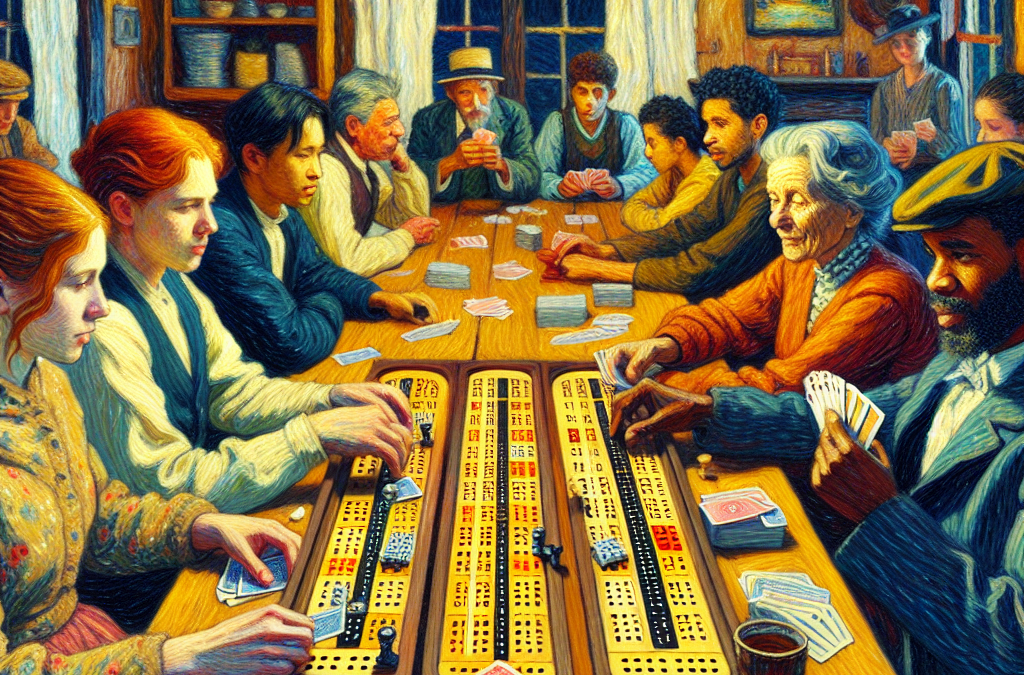
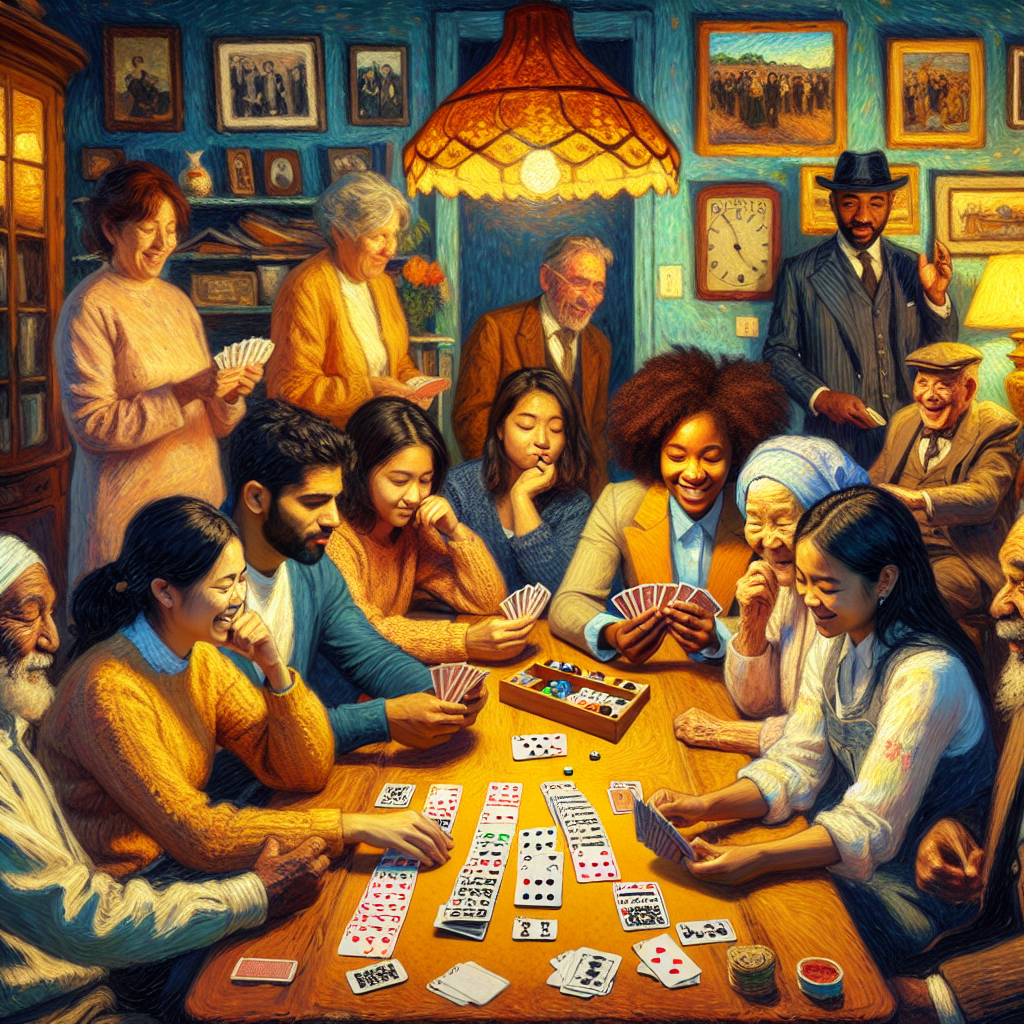
At their core, tableau-building games are about strategy and resource management, but they tap into something deeper than mere mechanics. Picture it: a table scattered with colorful cards, surrounded by friends eagerly plotting their next move, laughter echoing, ideas sparking like wildfire. The tactile enjoyment of shuffling cards, the thrill of drawing the perfect piece, and the satisfaction of watching your carefully curated tableau expand before your eyes create an atmosphere that’s hard to replicate in the digital realm.
But it’s not just the physical components that capture hearts. Tableau-building games often provide a unique blend of competition and collaboration. Players must engage with each other—not only to advance their own strategies but also to anticipate opponents’ moves and disrupt their plans when necessary. It’s a dance of cunning and wit, akin to chess with a splash of improvisational theater. Friends lean in, eyes sparkling as they call out the latest development or defend their position—a shared experience that fortifies friendships and fosters camaraderie.
The diverse themes and settings of tableau-building games also keep the appeal alive. Whether you’re constructing a medieval kingdom, building a tech empire, or managing a bustling farm, these games transport players into different worlds. Each game tells a story, allowing fans to escape the mundane and dive headfirst into a realm brimming with possibility. This narrative aspect, combined with strategic depth, creates a rich tapestry of engagement that keeps players coming back to the table.
And let’s not overlook the satisfaction of seeing a plan come together. There’s an electric rush that comes from optimizing resources, crafting the perfect strategy, and executing it flawlessly. As players manipulate their cards, they’re not just participants—they’re architects of their own victory, witnessing firsthand the fruits of their labor. That sense of achievement, however small, is a powerful allure that keeps the passion alive.
In an era dominated by screens and instant gratification, tableau-building card games cultivate patience, critical thinking, and interpersonal connection. They remind fans of the value of slow, deliberate play, and of gathering together to share in the laughter and the competition. A simple game, yes, but one that holds a treasure trove of experiences worth cherishing.
What Makes Tableau-Building Card Games Appealing to Fans?
What Makes Tableau-Building Card Games Appealing to Fans?
- Tableau-building card games provide a tactile and engaging experience in a digital world.
- These games emphasize strategy and resource management while fostering social interactions among players.
- The physical act of managing cards adds excitement and nostalgia, enhancing the gameplay atmosphere.
- They blend competition and collaboration, requiring players to anticipate and counter opponents’ moves.
- Diverse themes and settings offer immersive narratives, transporting players into different worlds.
- Players experience a sense of achievement as they craft strategies and witness their success unfold.
- These games encourage patience, critical thinking, and interpersonal connections, emphasizing the joy of shared experiences.
What Makes Tableau-Building Card Games Appealing to Fans?
Table Of Contents
- What Makes Tableau-Building Card Games Appealing to Fans?
- What Elements Draw Players To Tableau-Building Card Games?
- How Do Tableau Mechanics Enhance Player Engagement?
- What Strategies Do Players Use In Tableau-Building Games?
- How Do Themes Influence Player Enjoyment In These Games?
- What Role Does Competition Play In Tableau-Building Card Games?
- How Have Tableau-Building Games Evolved In Recent Years?
- What Are The Most Popular Tableau-Building Games Currently?
- How Do Player Interactions Impact The Appeal Of These Games?
- What Factors Contribute To The Replayability Of Tableau Games?
- How Do Solo Modes Affect The Enjoyment Of Tableau-Building Games?
- What Design Elements Make Tableau-Building Games Visually Appealing?
- How Do Storytelling Elements Enhance Tableau-Building Card Games?
- What Demographics Are Most Attracted To Tableau-Building Games?
- What Challenges Do Designers Face When Creating Tableau Games?
- What Effect Do Expansions Have On The Popularity Of These Games?
- Conclusion
- Other Resources
- Glossary Of Terms
- Other Questions
- Haiku
- Poem
- Checklist
What Elements Draw Players To Tableau-Building Card Games?
When it comes to tableau-building card games, it’s fascinating to explore the elements that draw players in. These games often serve as a delightful intersection of strategy, creativity, and competition—a trifecta that tickles the fancy of anyone with a penchant for playful challenge.
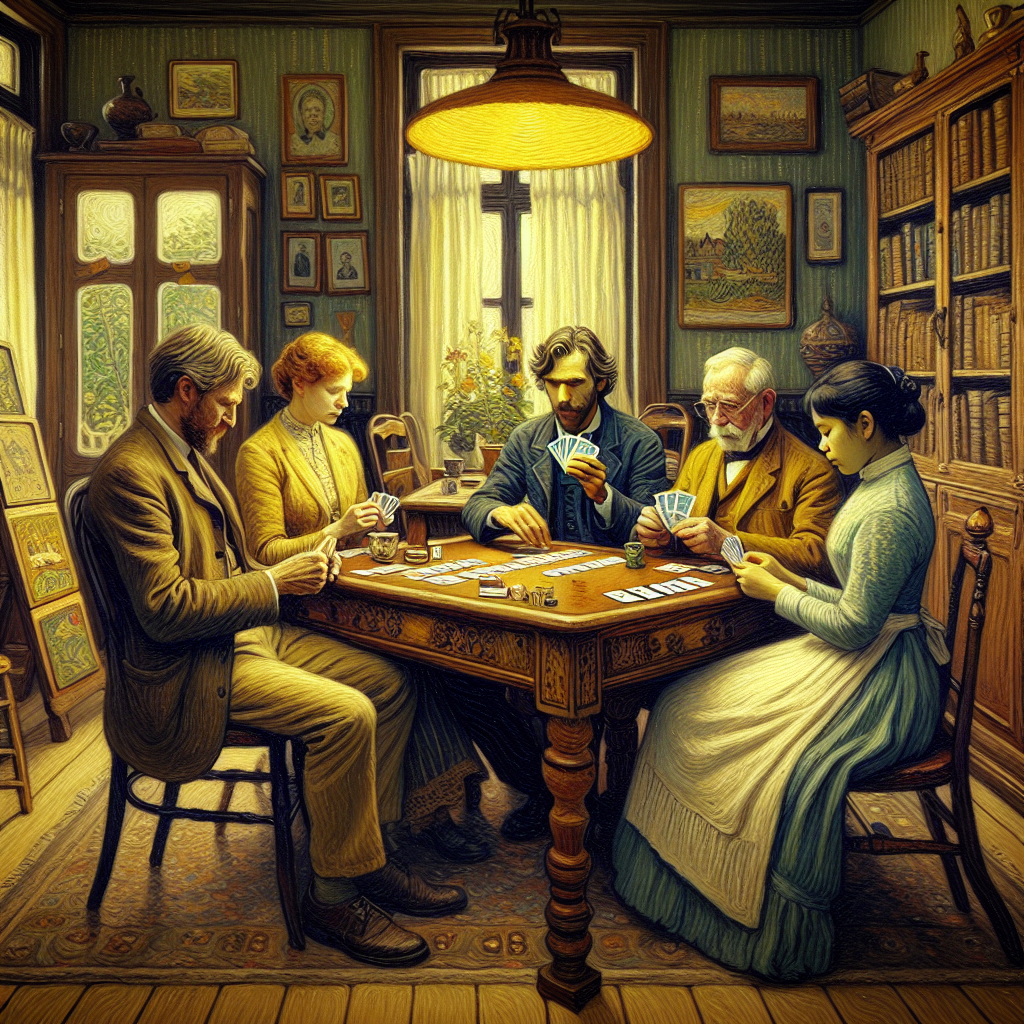
First and foremost, let’s talk about the thrill of creation. Players love the sensation of building something from the ground up, akin to a master architect watching their vision take shape. In a tableau-building game, each player constructs their own tableau—a personal display of cards that forms a unique strategy. This personal touch allows for expression and individuality. Whether you’re stacking up a formidable economy or drafting a winning strategy with an eye toward synergy, the act of assembling that tableau becomes an art form in itself. Gamers relish the opportunity to sculpt their path, making each game a fresh canvas.
Another draw is the inherent tension created by resource management. As players grapple with limited cards and competing objectives, the stakes rise. The thrill of making tough choices—do I invest in long-term benefits, or do I capitalize on immediate gains?—injects an emotional charge that keeps hearts racing. The race to assemble the perfect tableau while simultaneously thwarting an opponent’s plans adds an intriguing layer to the game. It’s a dance of strategy, a battle of wits wrapped in cards and numbered values.
Moreover, let’s not overlook the social aspect. Many of these games transform mundane evenings into vibrant gatherings filled with laughter, rivalry, and camaraderie. There’s something special about huddling around a table, exchanging banter with friends, while the cards spread out before you become a battleground of ideas and tactics. These tabletop experiences create lasting memories, reinforcing friendships and building bonds over late-night game sessions and animated discussions about optimal plays.
Finally, there’s the allure of accessibility. Tableau-building card games typically offer manageable entry points for newcomers, making them inviting for those who may be intimidated by more complex titles. Simple rules paired with strategic depth ensure that players of various skill levels can enjoy the experience. This combination unites casual gamers and hardcore strategists alike, creating a rich tapestry of diverse players in one room.
In summary, it’s a heady mix of creativity, decision-making, social interaction, and approachability that draws players to these tableau-building card games. Each session can feel like an exhilarating journey where every card played offers a new avenue for exploration. Simply put, there’s magic in the art of building and contending in this enchanting world.
What Elements Draw Players To Tableau-Building Card Games?
What Elements Draw Players To Tableau-Building Card Games?
- Tableau-building card games blend strategy, creativity, and competition, appealing to playful challengers.
- Players enjoy the thrill of creation, building unique tableaux that reflect personal strategies and artistic expression.
- Resource management adds tension, forcing players to make tough choices between long-term investments and immediate gains.
- Strategic competition enhances the experience, as players work to assemble perfect tableaux while countering opponents.
- These games foster social interactions, transforming gatherings into vibrant experiences filled with laughter and camaraderie.
- Accessibility is a key draw, with simple rules inviting newcomers while providing strategic depth for seasoned players.
- The mix of creativity, decision-making, and social elements makes each game an exhilarating journey and a magical experience.

What Elements Draw Players To Tableau-Building Card Games?
How Do Tableau Mechanics Enhance Player Engagement?
In the world of gaming, engagement isn’t just a buzzword; it’s an experience. It’s the electric thrill that courses through your veins as you dive into a meticulously crafted universe where every decision counts. At the heart of this dynamic landscape lies the concept of tableau mechanics – a powerful tool that developers utilize to pull players deeper into the narrative and the action. So, let’s roll up our sleeves and dig into how these mechanics effectively enhance player engagement.
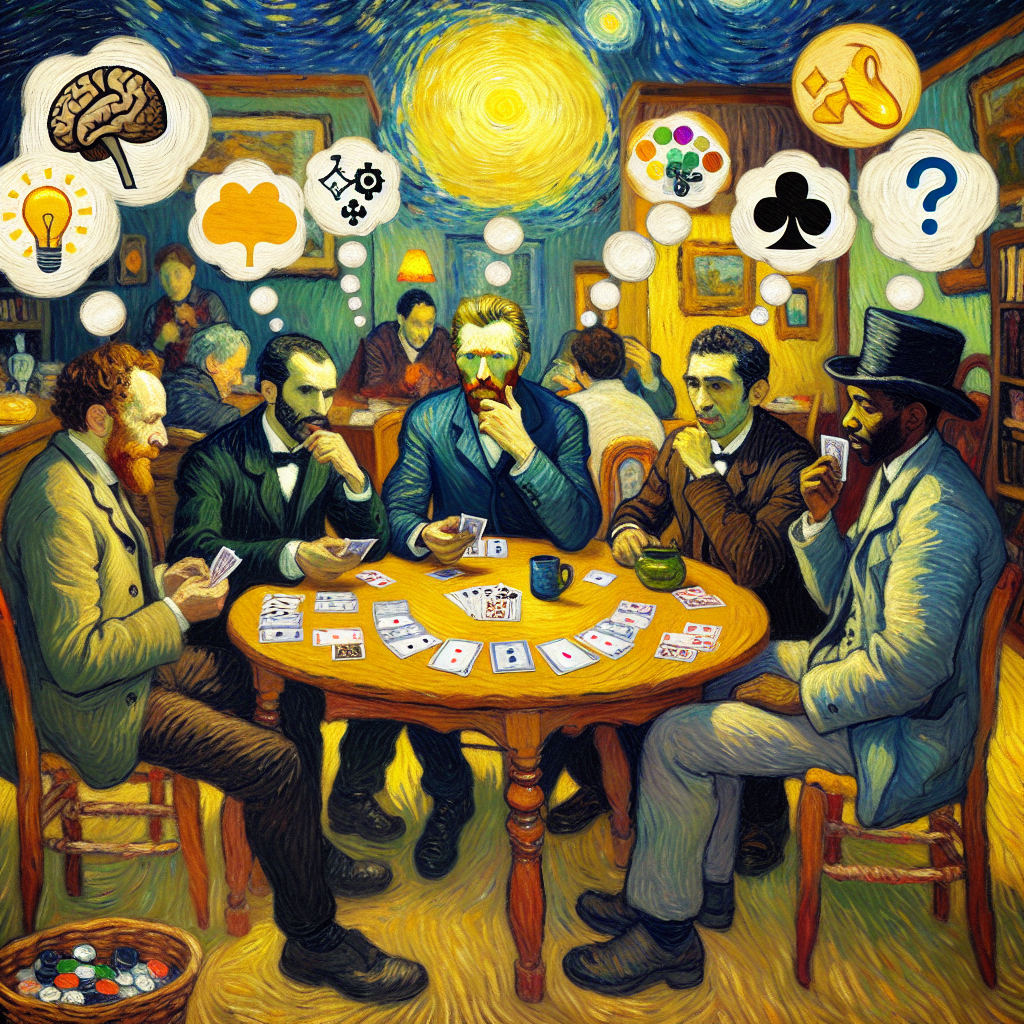
At its core, tableau mechanics involve creating visual representations of situations—think of them as strategic snapshots of choices, characters, and events simmering in the background. Imagine standing in front of a huge chalkboard filled with the tangled web of a story, the characters, and their fateful interactions. Instead of simply watching a tale unfold, players become active participants in this living tableau. They engage with the narrative not just by reading or observing but by making choices that alter the course of events. It’s a transformation from passive observer to active player that injects a serious dose of adrenaline into every moment.
These mechanics also amplify the emotional stakes. When players can see the consequences of their decisions laid out before them—visualized in a way that strikes the heart as much as the mind—they are more likely to invest emotionally. Picture a scene where your character must choose between ally or enemy, life or death. The tableau in front of you reflects not just the current dilemma but also the cascading effects of your choices, making every selection feel monumental. It’s this heightened sense of agency that keeps players on the edge of their seats, hearts pounding.
Moreover, tableau mechanics promote a sense of discovery that’s hard to match. As players navigate through a game’s narrative, they uncover layers of complexity in the mechanics, revealing new strategies and outcomes with each playthrough. Each engagement serves as a ticket to a unique experience, encouraging players to come back for another round, eager to see how different decisions shape the story.
Ultimately, tableau mechanics serve as both a stage and a script for players, inviting them to step into a world where their choices wield real power. It’s a potent cocktail of strategy, emotion, and creativity that pulls gamers into the action, making them not just players, but key architects of their own experience. Who wouldn’t want to design their own destiny in a vibrant, interactive landscape?
How Do Tableau Mechanics Enhance Player Engagement?
How Do Tableau Mechanics Enhance Player Engagement?
- Engagement in gaming is more than a buzzword; it’s an immersive experience that enhances player involvement.
- Tableau mechanics serve as a vital tool for developers, pulling players deeper into the game’s narrative and action.
- These mechanics create visual representations of choices, characters, and events, making players active participants rather than passive observers.
- By visualizing the consequences of decisions, tableau mechanics amplify emotional stakes, encouraging players to invest emotionally in the game.
- Players discover layers of complexity through tableau mechanics, revealing new strategies and outcomes with each playthrough.
- Each engagement offers a unique experience, motivating players to return and explore different narrative paths.
- Ultimately, tableau mechanics empower players to shape their own destinies within a dynamic and interactive gaming world.

How Do Tableau Mechanics Enhance Player Engagement?
What Strategies Do Players Use In Tableau-Building Games?
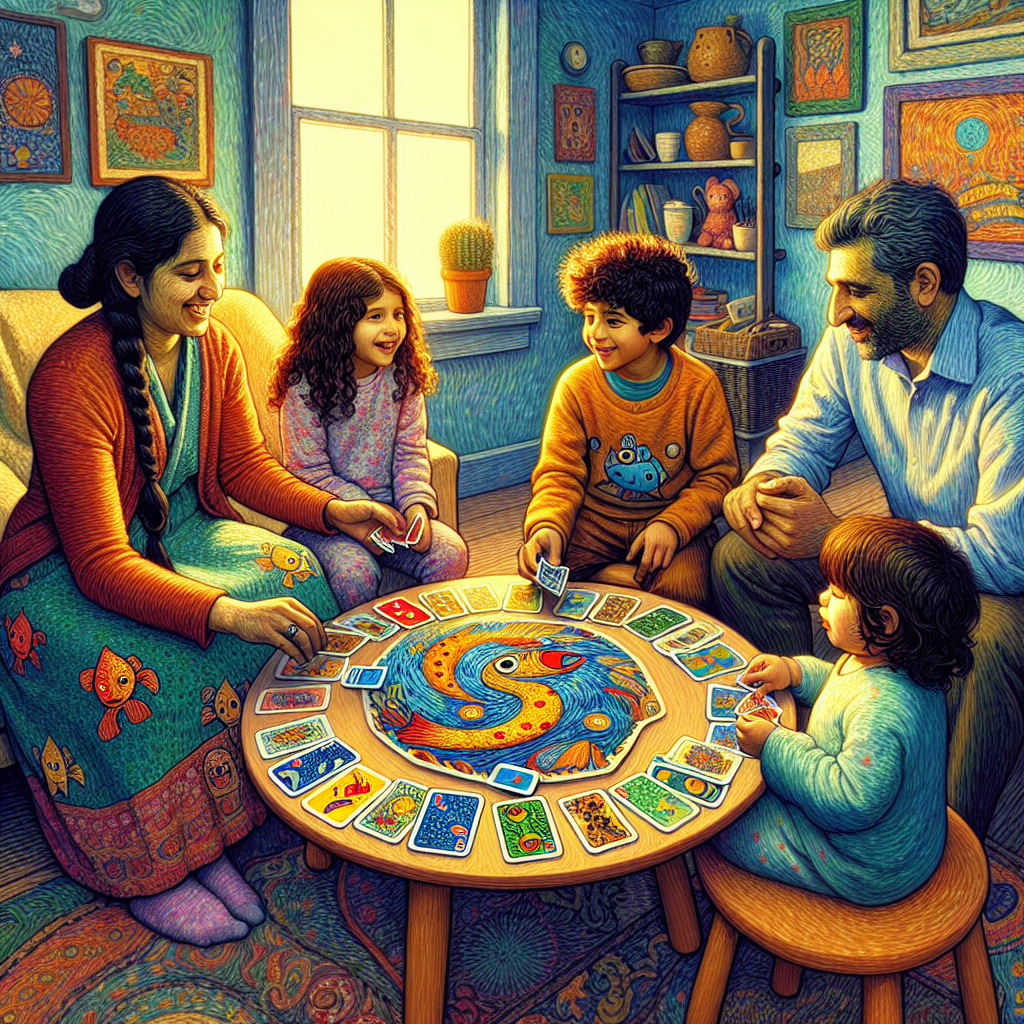
When it comes to tableau-building games, players dive in with a mix of strategy and instinct, much like a craftsman assessing raw materials before starting a project. These games demand not just a head for numbers but a keen eye for opportunity. After all, the essence of tableau building is all about creating a unique tapestry of cards that best reflects your strategy while anticipating the moves of your opponents.
First off, one must consider the balance of risk and reward. Players often start by assessing their starting resources and available cards. Do they chase after high-value cards that take significant effort to secure, or do they opt for a more stable set of lower-value options that can generate consistent returns? The answer often lies in the player’s long-term strategy, a projection of where they want their tableau to lead and how flexible they can be along the way.
Then there’s the art of synergy. In many tableau-building games, cards do more than just sit pretty; they interact with each other in profound ways. Savvy players look for combinations that elevate their tableau, perhaps leveraging a card that doubles points for certain types or relies on specific resources. It’s akin to putting together a well-rehearsed ensemble—each card plays a part, and the best performances come from those that harmonize perfectly.
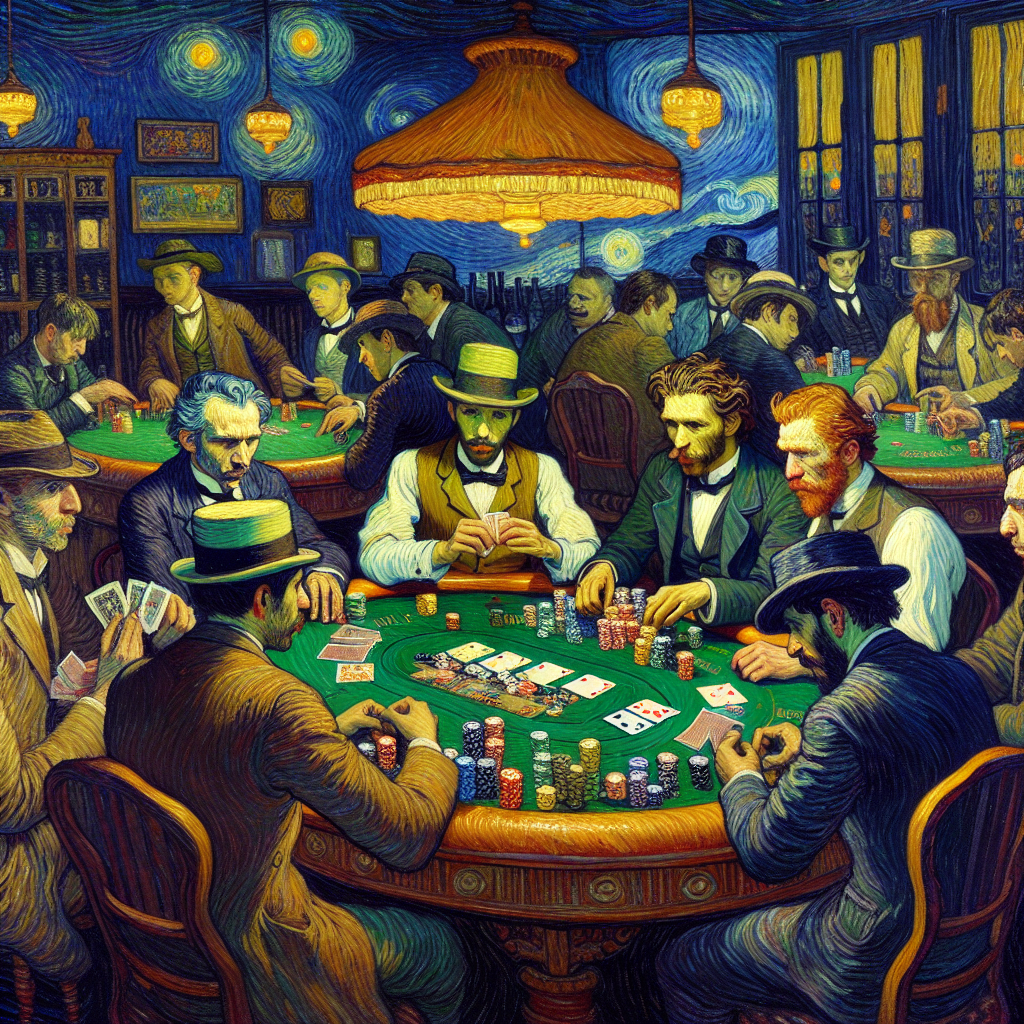
However, it isn’t merely about personal gains. Watching opponents is crucial. Knowing when to hold back a card or to block a competing strategy can alter the trajectory of the game. This anticipatory play involves a fair bit of psychological warfare. For instance, if an opponent has their eye on a potent card that would complete their tableau, snatching it away can create a ripple effect, forcing them to reconsider their path.
Finally, adaptability shines as a core strategy. Players can go in with a plan, but the best-laid plans often crumble under the weight of unpredictability. Recognizing when to pivot, whether due to a surprising opponent’s move or an alluring new card, is vital. The tableau isn’t just a static picture; it evolves, and players must be prepared to reframe their strategies on the fly, taking advantage of new openings while defending their territory.
In essence, tableau-building games challenge players to think critically and adaptively, constantly weaving together their aspirations and reactions into a strategic masterpiece. It’s a bold dance of competition, instinct, and innovation that keeps players coming back for more.
What Strategies Do Players Use In Tableau-Building Games?
What Strategies Do Players Use In Tableau-Building Games?
- Tableau-building games require a blend of strategy and instinct, similar to a craftsman evaluating materials.
- Players must balance risk and reward by assessing resources and card options for effective long-term strategies.
- Synergy among cards is key, as they can interact and elevate the tableau through strategic combinations.
- Being observant of opponents enables players to block strategies and adapt their play for competitive advantage.
- Psychological tactics play a role, such as snatching cards that opponents need to disrupt their plans.
- Adaptability is crucial, as players must be ready to pivot their strategies based on new developments.
- Overall, these games encourage critical thinking and innovation, creating a dynamic interplay of competition and creativity.
What Strategies Do Players Use In Tableau-Building Games?
How Do Themes Influence Player Enjoyment In These Games?
When you dive into the world of gaming, you quickly realize that it’s about more than just flashy graphics or intricate mechanics. Themes are the threads that weave together the fabric of a game, creating rich landscapes and emotional experiences that resonate with players long after they’ve put down their controllers. Whether it’s the haunting beauty of a post-apocalyptic world or the whimsical charm of a fantastical kingdom, themes set the stage for the entire experience and can stir feelings both profound and relatable.
Consider the widespread allure of a dystopian future. Games that delve into this theme often allow players to question societal norms, grapple with moral dilemmas, and reflect on their own realities. In the midst of virtual chaos, players find themselves contemplating difficult issues like survival, freedom, and humanity. It’s not just about dodging bullets and collecting loot; it’s about engaging with ideas that provoke thought and inspire empathy. Games like these offer not only challenges but also the opportunity to explore deep, sometimes uncomfortable, questions about our own lives.
On the flip side, light-hearted themes allow players to escape and immerse themselves in a world of joy and wonder. Imagine stepping into the shoes of a clever little creature in a vibrant world teeming with life and adventure. Here, the themes of friendship, exploration, and teamwork take center stage, creating an atmosphere where players feel a sense of camaraderie and connection. This is the essence of enjoyment in gaming—moments that evoke laughter, excitement, and a sense of belonging.
Moreover, narrative-driven themes often lead players on epic journeys filled with character development and complex story arcs. When players bond with a protagonist—cheering them on through victories and empathizing with their struggles—it creates an emotional investment that elevates the entire gaming experience. The unfolding drama, whether it’s an epic battle or a heart-wrenching goodbye, keeps players engaged and eager to see where the story leads next.
Ultimately, themes are more than just backdrops; they are the lifeblood of gaming. They shape how we connect with the game, with its characters, and ultimately with one another. Whether we’re fighting to save the world, exploring enchanted lands, or simply enjoying a good laugh, the themes in these games ignite our imaginations and foster a sense of enjoyment that keeps us coming back for more. They remind us that gaming is not just a pastime; it’s an art form that reflects the myriad experiences of life itself.
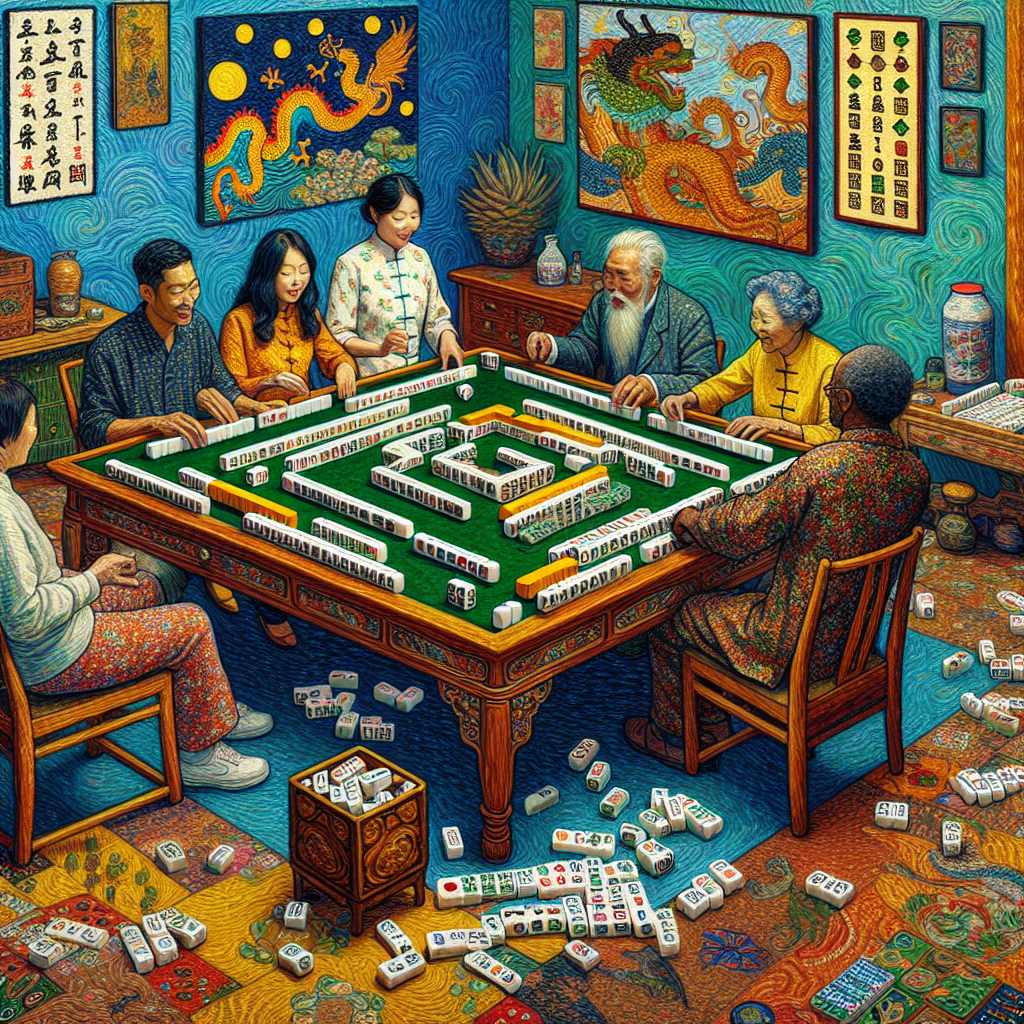
How Do Themes Influence Player Enjoyment In These Games?
How Do Themes Influence Player Enjoyment In These Games?
- Themes in gaming create immersive emotional experiences for players beyond graphics and mechanics.
- Dystopian themes prompt players to reflect on societal norms, morality, and their own realities.
- Games with difficult themes encourage contemplation on issues like survival, freedom, and humanity.
- Light-hearted themes provide joy and wonder, focusing on friendship, exploration, and teamwork.
- Narrative-driven themes offer epic journeys with character development and complex story arcs.
- Themes shape player connections with games, characters, and each other.
- Overall, themes underscore that gaming is a powerful art form reflecting diverse life experiences.
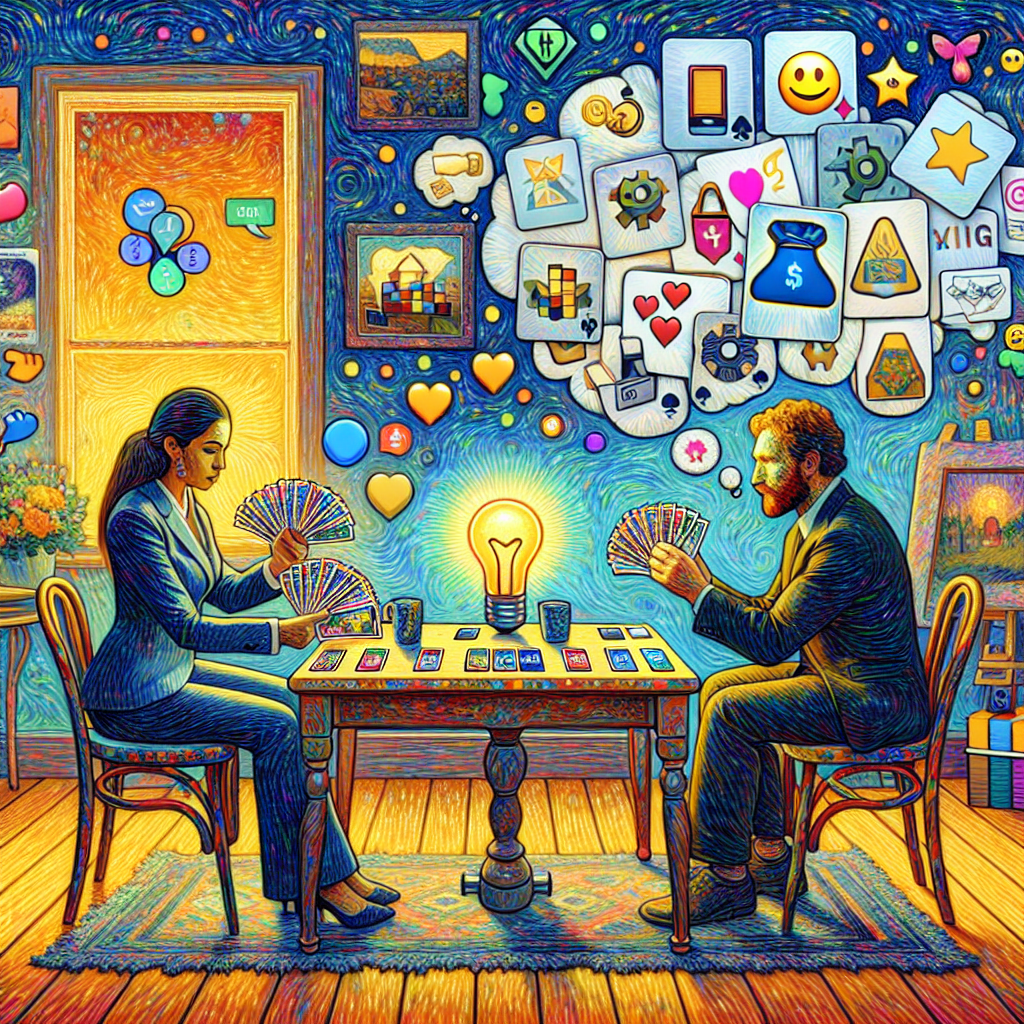
How Do Themes Influence Player Enjoyment In These Games?
What Role Does Competition Play In Tableau-Building Card Games?
In the world of tabletop games, the tension of competition sits at the heart of the experience, particularly in tableau-building card games. Picture a group of players, leaning forward with anticipation, clenching their cards like a deck of secrets. Each move isn’t just a play; it’s a calculated strategy against rivals, a dance of wits where every decision reverberates across the table. This competitive spirit isn’t merely there for the thrill of victory; it’s a catalyst for deeper engagement and creativity.
At its core, competition in tableau-building card games creates an environment ripe for strategic thinking. Each player must evaluate options not just based on the cards in their own hands but also consider how their choices will impact opponents. The decision-making process is layered, like peeling an onion, revealing motivations and strategies that change with every turn. Will you draft that card, or will you let your rival nab it, strengthening their position? Will you hold back and play the long game, or act swiftly to disrupt their plans? Such questions elevate the gaming experience, leading players to analyze risks and rewards meticulously.
Moreover, the competitive aspect fosters a sense of community and camaraderie. Though it might seem paradoxical, it’s within the rivalry that friendships flourish. Players share laughter, banter, and those “aha” moments that accompany brilliant plays. The stakes might be high, but the shared enjoyment of the game is the ultimate prize. In many cases, the effort to outwit one another builds memories—those stories of clutch victories and narrow defeats become part of the collective narrative, blending competition with cooperation.
In tableau-building games, players also find reinforcement for their strategies through competitive feedback. You learn quickly from your rivals’ successes and failures. Did that opponent’s carefully constructed tableau secure their win? It inspires innovation and experimentation. The urge to outshine motivates players to rethink their tactics and refine their approaches. This ongoing cycle of competition propels everyone to improve their skills and think about the game differently.
In the throes of battle, competition reshapes the landscape of the table, turning routine moves into a game of chess, where every player’s strategy evolves in real time. And when it’s all said and done, it’s more than just cards; it’s an experience that cultivates growth, fosters bonds, and ignites the joy of gameplay.
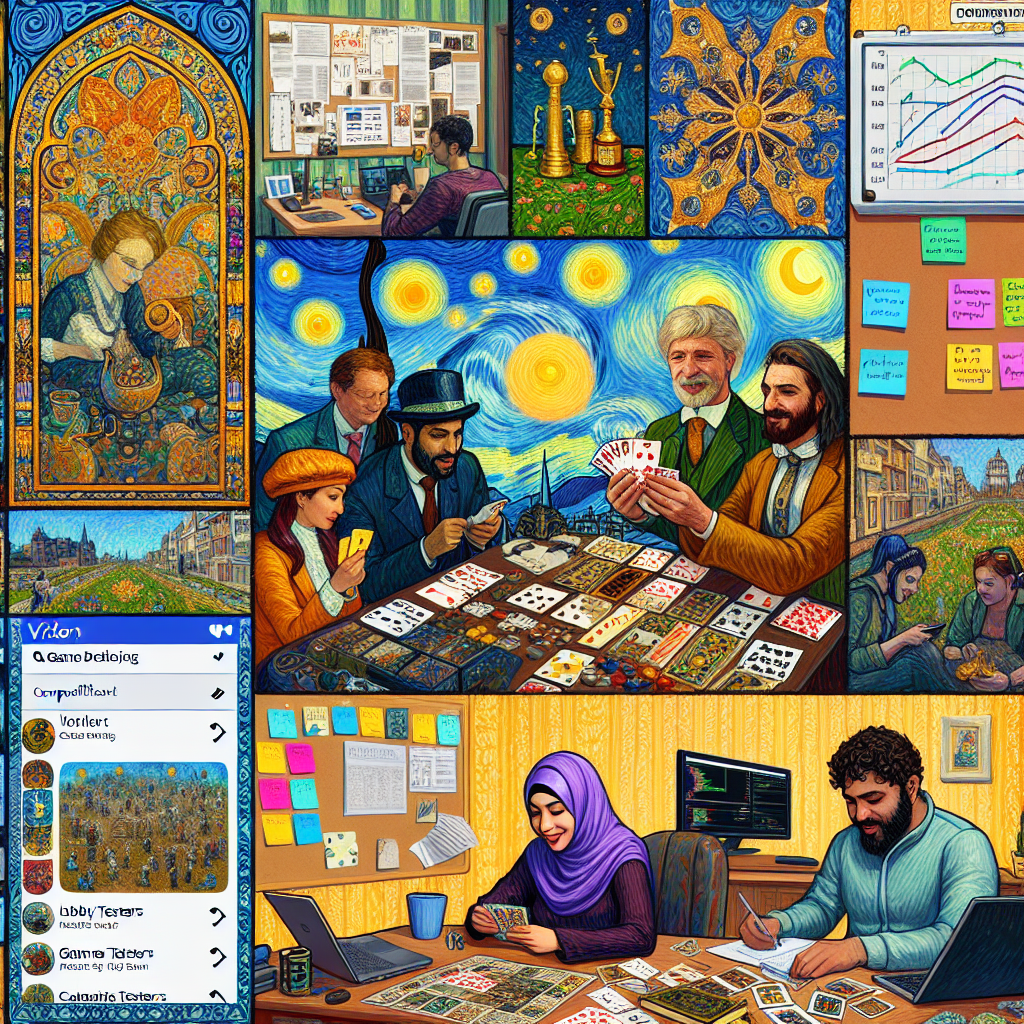
What Role Does Competition Play In Tableau-Building Card Games?
What Role Does Competition Play In Tableau-Building Card Games?
- Competition is central to the experience of tableau-building card games, creating tension and excitement.
- Players engage in strategic thinking, evaluating their decisions not only based on their own cards but also considering their impact on opponents.
- The decision-making process involves weighing options, with players contemplating risks and rewards at each turn.
- Rivalry in the game fosters community, enabling friendships through shared laughter and memorable moments.
- Competitive feedback allows players to learn from each other’s successes and failures, inspiring innovation and strategy refinement.
- Each game evolves into a complex interaction akin to chess, with strategies continuously adapting in real time.
- The overall experience promotes personal growth, strengthens bonds, and enhances the enjoyment of gameplay.
What Role Does Competition Play In Tableau-Building Card Games?
How Have Tableau-Building Games Evolved In Recent Years?
In the world of tabletop gaming, the evolution of tableau-building games has been nothing short of a remarkable journey. Picture this: a decade ago, you’d find a handful of titles inviting players to arrange colorful cards or resources in front of them like a deck of vibrant poker chips. Fast forward to today, and what used to be a niche hobby has transformed into a tapestry of strategic depth and dazzling themes that cater to a diverse audience.
Gone are the days when tableau-building meant simply stacking cards and counting points. Modern games have introduced intricate mechanics that evolve with every turn. Take a look at titles like “Terraforming Mars” or “Dinogenics.” Here, players don’t just build; they craft entire ecosystems, manipulating resources and timelines to create thriving worlds. Each decision feels weighty, a testament to intentional gameplay that ties each player’s choices to the overall fabric of the game. Suddenly, innovative interactions and unique gameplay pathways make every session a fresh experience.
Now, let’s talk about the art of storytelling in these games. The narratives woven into tableau-building are more immersive than ever. From the lush landscapes of “Everdell” to the rich lore of “Wingspan,” players find themselves not just playing, but experiencing a journey through time and space. Thematic integration has become a hallmark of modern design, transforming simple mechanics into gateways that facilitate stories of triumph, survival, and clever resource management.
The social aspect has also taken center stage. With the rise of online platforms, many of these games have adopted digital versions that allow friends and strangers to connect, collaborate, or even compete from miles apart. The community has grown, thriving on forums and social media, where players share strategies, showcase their meticulously crafted tableaus, and dive deep into discussions about the latest expansions or new releases.
Customization is another thrilling trend. Publishers are now embracing the idea that players want to make their mark on the game. Whether through modular components that change the way a game unfolds or pursuing varied strategies that lead to unique outcomes, the era of personalize-your-experience has taken hold.
In the grand scheme of things, tableau-building games have evolved from simple point-scoring exercises into rich, strategic experiences that engage players in multifaceted ways. Each game invites exploration and interaction, creating a vibrant community that fuels ongoing innovation and inspiration. As we look to the future, it’s clear that the creativity and passion behind these games will continue to shape not only how we play but how we connect with one another.
How Have Tableau-Building Games Evolved In Recent Years?
How Have Tableau-Building Games Evolved In Recent Years?
- Tableau-building games have evolved significantly over the past decade, moving from a niche hobby to a diverse and strategic genre.
- Modern games, like “Terraforming Mars” and “Dinogenics,” feature intricate mechanics where players build ecosystems and make impactful decisions.
- The storytelling aspect of tableau-building games is richer, with immersive narratives in games like “Everdell” and “Wingspan.”.
- Thematic integration now plays a critical role, turning mechanics into stories of triumph and clever resource management.
- The social aspect has grown, with online platforms allowing players to connect, collaborate, and compete, expanding the community.
- Customization trends have emerged, enabling players to personalize their gameplay experience through modular components and varied strategies.
- Overall, tableau-building games provide rich, strategic experiences that foster community engagement and ongoing innovation.
How Have Tableau-Building Games Evolved In Recent Years?
What Are The Most Popular Tableau-Building Games Currently?
When you think of tableau-building games, you might picture a group of friends huddled around a table, decked out in their favorite game night attire, ready to build their little kingdoms and strategies. Today, tableau-building games have become a beloved genre, drawing in players with their unique blend of strategy, planning, and a sprinkle of luck. So, what are the hot titles dominating the tabletop scene right now? Let’s dig deep.
First on our list is “Wingspan” – a game that’s flown straight to the hearts of nature lovers and gamers alike. Yes, you heard right; this isn’t just your average bird-watching hobby. In Wingspan, players create their own wildlife preserves, attracting a variety of birds, each with unique abilities. The illustrations are breathtaking, and the mechanisms are beautifully simple yet complex enough to keep even the most seasoned players on their toes. Each round feels like a mini-ecosystem in action.
Then we have “Terraforming Mars,” often touted as a classic in the making. Set on the red planet, this game invites players to become corporations working to turn Mars into a livable paradise. Your tableau represents your corporation’s advancements, from building cities to creating oceans. Here lies a real blend of competitive strategy and resource management that makes every decision feel weighty. The struggle to balance immediate gains and long-term goals? That’s what keeps you at the table, pondering your next move.
Not to be overshadowed, “Gloomhaven” is another titan that has taken the board game community by storm. While it leans slightly towards dungeon-crawling, its tableau-building aspects are riveting. With a sprawling campaign that unfolds over numerous plays, players develop unique character decks that evolve over time. Every choice impacts not just your character but the entire story, leading to an immersive experience that many games strive for but few achieve.
And let’s not forget about “Ark Nova.” This gem invites players to build a modern zoo, focusing on animal conservation and ecological themes. The game’s mechanics create a tableau rich in possibilities, offering pathways to victory that require both shrewd planning and a bit of creativity.
So there you have it: a taste of the tableau-building games taking the board game world by storm. Whether you’re a hardcore strategist or just in it for the fun, these titles promise hours of engaging gameplay, and who knows? You might just find your new favorite pastime hidden within their colorful components and strategic depths. Bring on the dice and cards; it’s game night!
What Are The Most Popular Tableau-Building Games Currently?
What Are The Most Popular Tableau-Building Games Currently?
- Tableau-building games involve strategy, planning, and luck.
- “Wingspan” lets players create wildlife preserves with beautiful illustrations and mechanics.
- “Terraforming Mars” challenges players to turn Mars into a livable paradise while managing resources.
- “Gloomhaven” features dungeon-crawling elements along with character decks that evolve over time.
- “Ark Nova” focuses on constructing a modern zoo with themes of animal conservation and ecology.
- These games engage a wide range of players, from strategists to casual gamers.
- Tableau-building games promise hours of engrossing gameplay and fun for all ages.
What Are The Most Popular Tableau-Building Games Currently?
How Do Player Interactions Impact The Appeal Of These Games?
When you think about video games, the visuals might draw you in, the mechanics get you playing, but it’s the interactions with other players that often keep you coming back for more. Let’s dissect this phenomenon a bit—we’re diving into the messy, unpredictable realm where players collide, cooperate, and sometimes butt heads. This is where the real magic happens.
Picture it: you’re in a sprawling, digital world, and everything seems fine until you bump into another player. Suddenly, the solitary adventure morphs into a shared experience, a dance of sorts. Whether you’re teaming up to tackle a boss or engaging in a heated rivalry, your experience is no longer just a solitary journey—it’s a social ecosystem, rich with emotions and unpredictability.
Consider cooperative games, where players must join forces to achieve a common goal. The thrill isn’t just in overcoming challenges; it’s in the unexpected camaraderie that blossoms. You develop strategies, share resources, and perhaps even form friendships that extend beyond the screen. It’s an invigorating reminder that competition isn’t just about winning; it’s about connection. You find yourself laughing over a mistaken spell or rallying to save a friend from an embarrassing defeat. You partake in a shared narrative that’s uniquely yours—one built on spontaneous decision-making and collective triumphs and failures.
On the flip side, competitive games bring their own flavor of interaction. The adrenaline rush of facing off against another human being is something that a computer-controlled adversary simply can’t replicate. Every move is charged with tension, each decision could tilt the balance, and the stakes feel personal. Rivalries can develop—those thrilling moments when you finally best an opponent after a long series of losses or engage in friendly banter that lights up the chat. Yet, amidst the competition lies an important lesson in humility and sportsmanship. You learn to celebrate not just your victories, but the skill and creativity of others, too. It’s a dance of egos, a balancing act between pride and respect.
Ultimately, the interactions with fellow gamers create a dynamic that shapes the game’s appeal far beyond its technical design. They add layers of meaning, emotion, and experience that you can’t get from a solo adventure. These interactions foster a sense of community, a place where your story intertwines with others, reminding you that, at its core, gaming isn’t just a pastime; it’s a shared experience that resonates deeply, creating bonds forged in digital fires.

How Do Player Interactions Impact The Appeal Of These Games?
How Do Player Interactions Impact The Appeal Of These Games?
- Visuals attract players, mechanics engage them, but interactions with others create lasting appeal.
- Meeting other players transforms solitary gameplay into shared experiences filled with emotions.
- Cooperative games foster camaraderie through teamwork, strategy, and resource sharing.
- Connections made during gameplay can lead to friendships that extend beyond the screen.
- Competitive games offer unique interactions, creating tension and personal stakes that AI cannot match.
- Rivalries in competitive gaming teach humility and sportsmanship, celebrating both victories and the skills of others.
- Overall, interactions in gaming shape the experience, fostering community and meaningful relationships.
How Do Player Interactions Impact The Appeal Of These Games?
What Factors Contribute To The Replayability Of Tableau Games?
When we talk about tableau games, we’re diving into a game genre that thrives on strategy, player choice, and, above all, the art of building something beautiful in front of you. These puzzling wonders tend to offer a unique experience with each playthrough, and it all comes down to some key factors that make you want to come back for more.
First and foremost, variability is king. In tableau games, your experience can change dramatically from one session to the next based on the random elements at play — whether it’s the draw of cards, the setup of the board, or the goals you’re vying for. This randomness has the power to shape strategies on the fly. One game might unfold in a chaotic burst of color and creativity, while the next could be a tense standoff of calculated moves and cunning deception. Getting different cards each time keeps players on their toes and invites them to rethink their strategies.
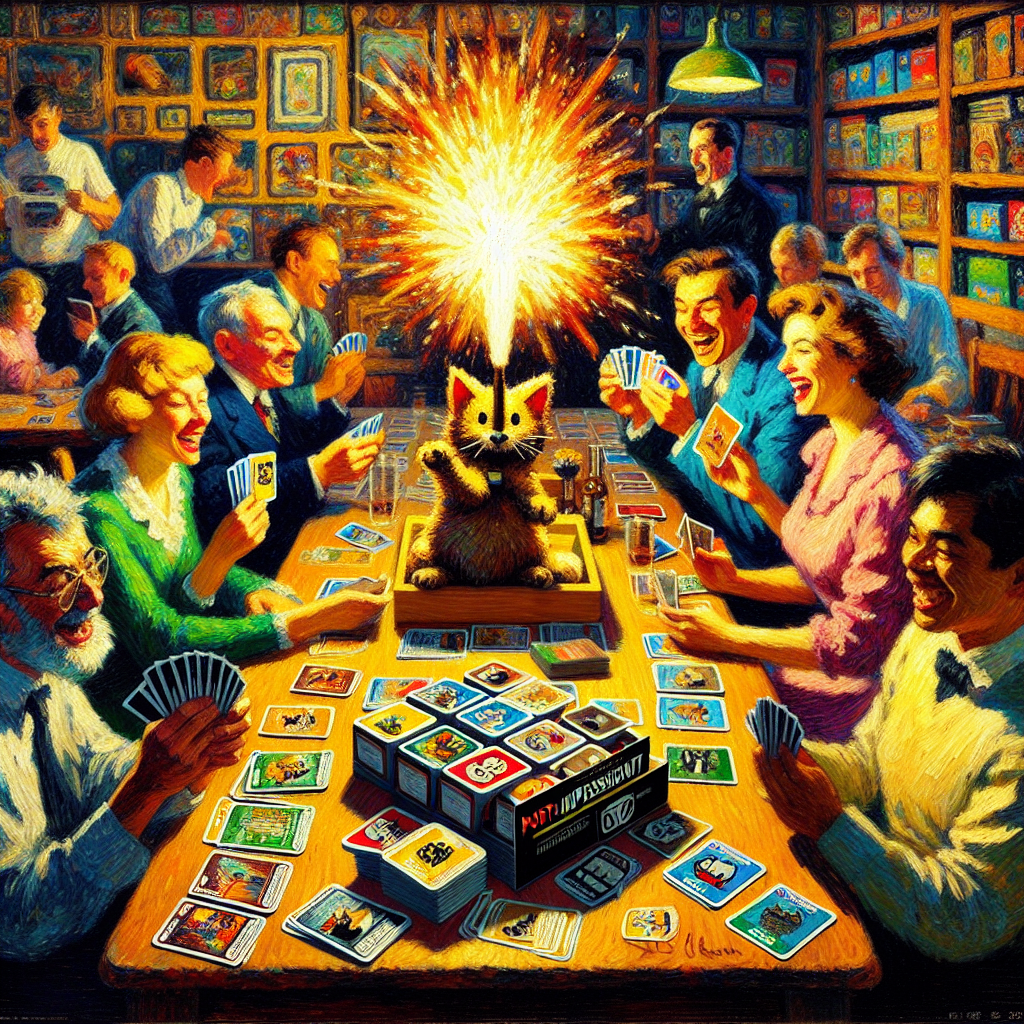
Next up, player interaction plays a crucial role. In many tableau games, what your opponents do can impact your own decisions significantly. This interactivity adds a layer of dynamism that changes your approach every time you sit down to play. Will you choose a path that blocks them from fulfilling their objectives, or will you focus on your tableau, gathering resources quietly until you unleash your masterpiece? Each interaction creates a mini narrative, making each game a new story worth revisiting.
Then there’s the depth of strategy. A game that offers multiple pathways to victory encourages players to explore different tactics with each play. It’s about trial and error, learning from mistakes and refining methods. A game with multiple strategies keeps the mind buzzing, always asking, “What if?” and “How about this instead?” This not only engages players intellectually but also invites them to experiment and discover new ways to succeed.
Finally, the thematic richness and aesthetics of the game cannot be overlooked. A well-crafted tableau brings not just fun, but also a dash of artistry to the table. When you have beautifully illustrated cards and a theme that ignites your imagination, the appeal of constructing your tableau draws you back for another round. A stunning visual experience mixed with engaging mechanics makes for a winning combination that players can’t resist revisiting.
In essence, the replayability of tableau games weaves together randomness, player interaction, strategic depth, and aesthetic appeal, creating a compelling tapestry that keeps players coming back time and again, eager to dive into the rich, ever-evolving experience that awaits.
What Factors Contribute To The Replayability Of Tableau Games?
What Factors Contribute To The Replayability Of Tableau Games?
- Tableau games emphasize strategy, player choice, and beautiful construction.
- Variability is crucial, with experiences changing based on random elements like card draws and board setups.
- Player interaction significantly impacts decisions, creating a dynamic and narrative-filled game experience.
- Depth of strategy allows for multiple pathways to victory, encouraging experimentation and learning.
- Thematic richness and aesthetic appeal enhance the gaming experience, attracting players back for more.
- Replayability hinges on the blend of randomness, interaction, strategy, and aesthetics.
- Each game offers a rich and evolving experience that invites repeated play.
What Factors Contribute To The Replayability Of Tableau Games?
How Do Solo Modes Affect The Enjoyment Of Tableau-Building Games?
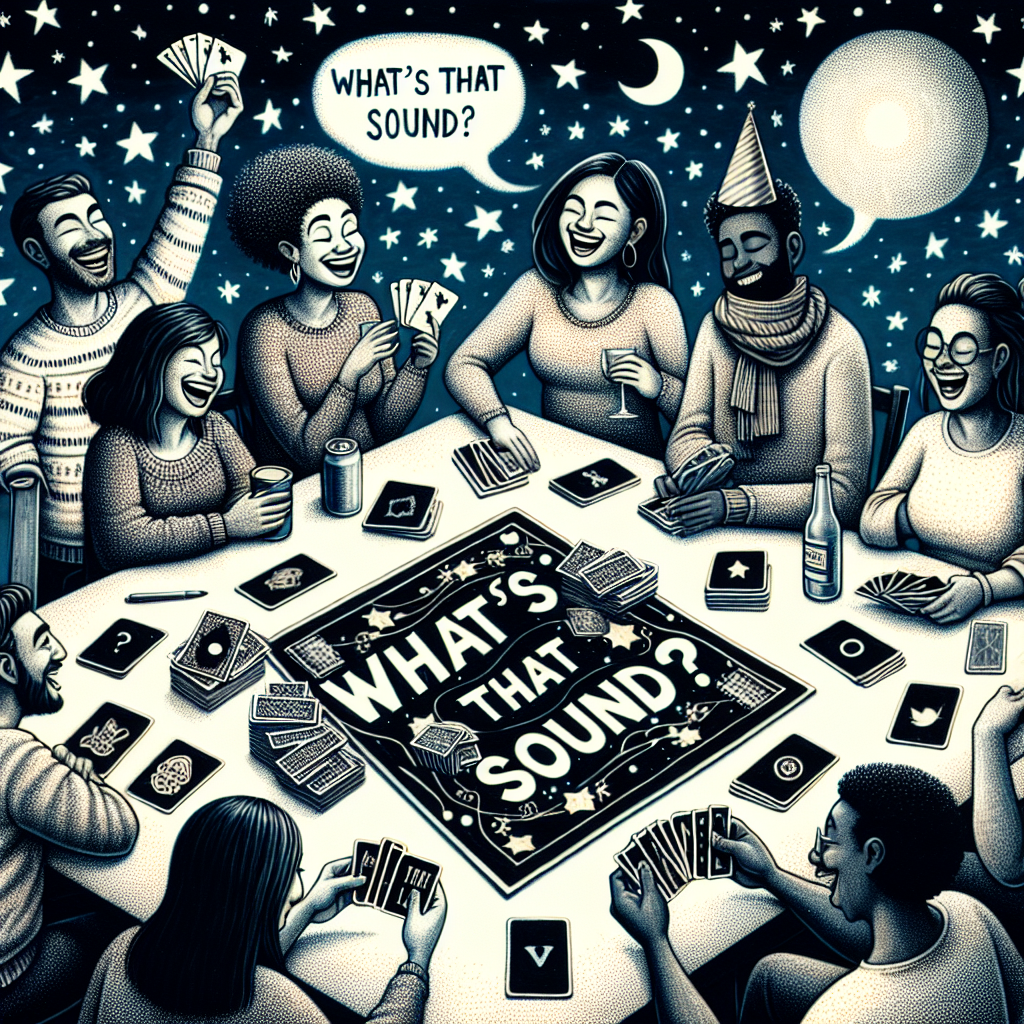
When it comes to tableau-building games, the interaction between players can create a vibrant tapestry of strategy and competition. But what happens when you take that lively crowd out of the equation and toss a solitary player into the mix? Solo modes in these games can be as illuminating as they are divisive, and the way they affect enjoyment is a topic worth exploring.
At the heart of solo gameplay lies a unique challenge: the quest to capture the essence of the game while maneuvering around the absence of other players. In theory, solo modes allow for a deep dive into the intricate mechanics of a game. Without the distraction of opponents, players can fully immerse themselves, savoring each decision as they build their tableau piece by piece. This focused experience can be refreshing, transforming the game into a puzzle that begs for solutions. It’s an opportunity for players to hone their skills, experiment with various strategies, and engage with the game on an intimate level.
However, there’s a flip side to this solitary adventure. The very interactions that make tableau-building games enjoyable—rivalries, cutthroat decisions, and unexpected alliances—are largely stripped away. The tension of competing with others often drives players to greater heights of creativity and strategy. In solo modes, the stakes can feel diminished, and the thrill of outsmarting an opponent can be replaced by the quiet satisfaction of an achieved personal best. This shift can lead to a sense of isolation—where the joys of victory and the sting of defeat are faced alone, devoid of the shared excitement that comes from a game well played in good company.
Additionally, balancing the challenge becomes a pivotal aspect. A well-designed solo mode must offer an engaging difficulty curve; too easy, and it can feel like a waste of time; too difficult, and it may lead to frustration instead of fun. Effective solo gameplay should reward creativity and strategy while still providing a sense of accomplishment.
Ultimately, how solo modes affect enjoyment in tableau-building games varies from player to player. Some may revel in the introspective challenge, while others might crave the camaraderie and excitement of a full table. Finding the right balance is key—because in the world of gaming, much like life, it’s not just about the cards you’re dealt; it’s how you choose to play those cards that counts.
How Do Solo Modes Affect The Enjoyment Of Tableau-Building Games?
How Do Solo Modes Affect The Enjoyment Of Tableau-Building Games?
- The interaction between players in tableau-building games creates a strategic and competitive environment.
- Solo modes offer a unique challenge by allowing players to explore game mechanics without distractions from opponents.
- Solo gameplay can be a refreshing, puzzle-like experience, enabling players to hone skills and experiment with strategies.
- However, the absence of player interactions can diminish the enjoyment, leading to feelings of isolation.
- The thrill of competition and shared excitement is often lost in solo play, reducing the stakes and emotional impact of victories and defeats.
- Balancing difficulty in solo modes is crucial, as too easy or too difficult can affect the overall enjoyment.
- Varied player preferences exist regarding solo modes; some enjoy the introspection while others prefer the camaraderie of multiplayer games.
How Do Solo Modes Affect The Enjoyment Of Tableau-Building Games?
What Design Elements Make Tableau-Building Games Visually Appealing?
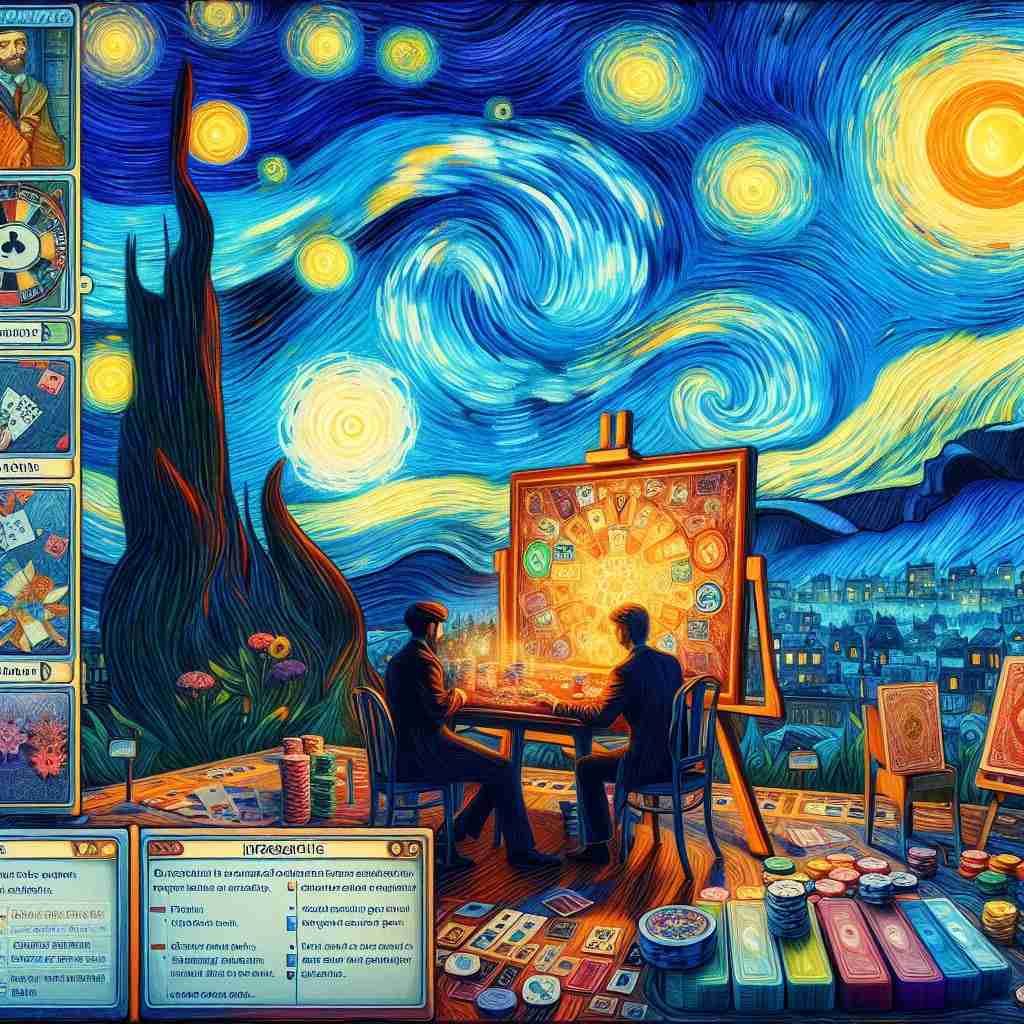
When it comes to tableau-building games, the visual appeal is as crucial as the mechanics that govern them. Let’s face it, in an age where attention spans are as fleeting as a summer breeze, a game that looks good can be the difference between gathering dust on the shelf and being the centerpiece of your game night. So, what design elements elevate these games from mere cardboard and tokens into a feast for the eyes?
First on the list is color. A well-designed tableau-building game dances with vibrant hues, drawing players in like moths to a flame. Each color not only serves aesthetic purposes but also functions to create moods and highlight themes. A game set in a lush rainforest will employ deep greens and earthy browns, while a sci-fi adventure may be splashed with metallic grays and cosmic blues. This careful selection of colors helps players dive into the world the game has created, encouraging them to immerse themselves fully in the experience.
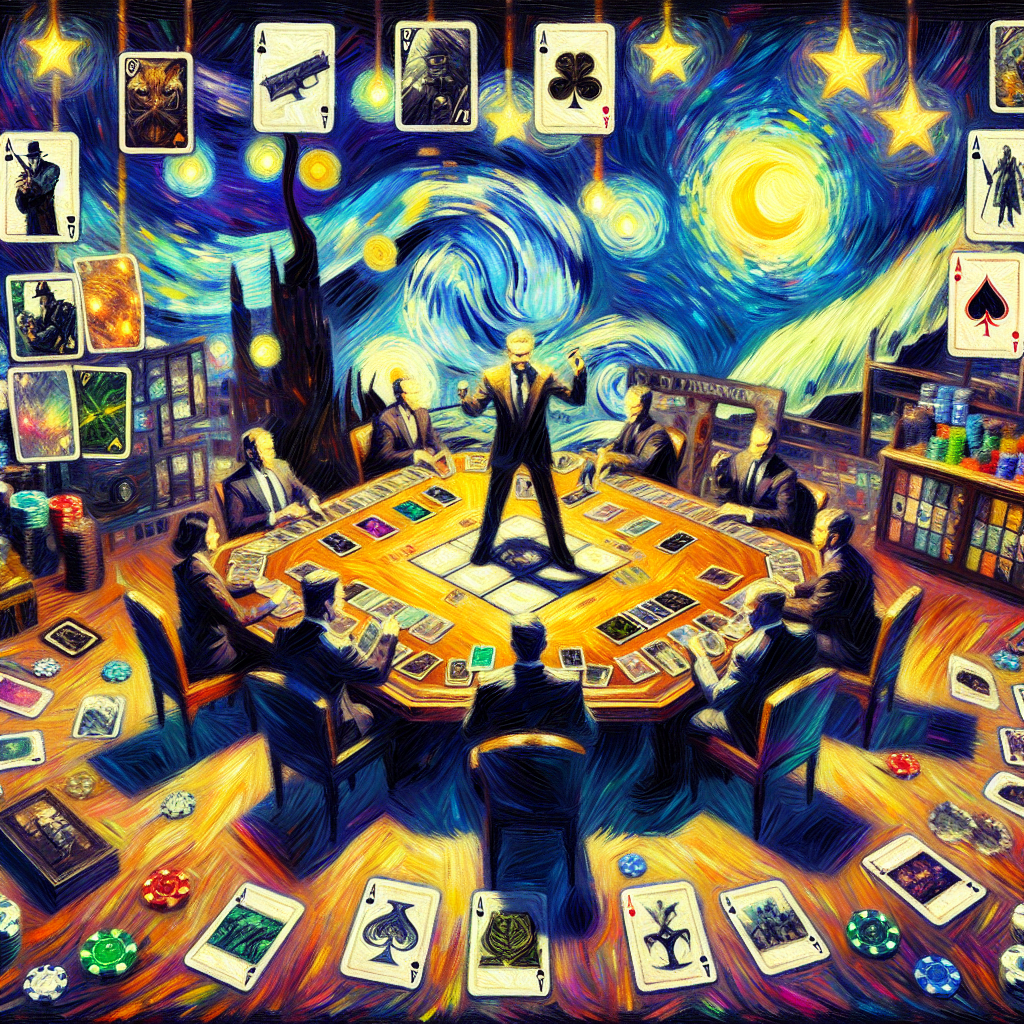
Next, we must pay homage to the artwork itself. Quality illustrations can breathe life into a game, transforming static components into enchanting narratives. Think of those finely crafted card designs that tell a story at a glance. Every creature, location, or artifact depicted on a card comes with the potential to evoke emotion in players. When an artist captures the essence of a game’s theme with skillful strokes, it not only attracts players but also draws them into the universe of the game, making their interactions feel meaningful and engaging.
Let’s not forget about the layout and symmetry of components. A well-organized tableau allows players to appreciate their collection without feeling overwhelmed. Imagine a display where cards are positioned in a way that’s pleasing to the eye—neatly aligned, with just the right amount of space between them. This aesthetic order promotes clarity, making it easier for players to strategize and connect the dots on their paths to victory. A chaotic jumble, on the other hand, can be as frustrating as a fly in your soup and can ruin the entire experience.
Lastly, tactile quality shouldn’t be underestimated. The feel of game pieces can make a world of difference. Thick, sturdy cards and beautifully crafted tokens invite players to interact with them, creating a sensory experience that enhances the enjoyment of the game. It’s not just about how things look; it’s about how they feel in your hands.
In a nutshell, the visual appeal of tableau-building games is a dance of color, artwork, layout, and tactile quality. These elements work in harmony to create not just a game, but an invitation to a world where imagination reigns supreme. When executed effectively, these design choices can transform a simple night of gaming into a visually stunning adventure that players will remember long after the last card is played.
What Design Elements Make Tableau-Building Games Visually Appealing?
What Design Elements Make Tableau-Building Games Visually Appealing?
- Visual appeal is as crucial as game mechanics in tableau-building games.
- Color plays a significant role, setting moods and defining themes, enhancing player immersion.
- Quality artwork transforms static game components into engaging narratives, attracting players.
- Layout and symmetry of components contribute to a pleasing display, promoting clarity and strategy.
- Tactile quality enhances player experience, making the feel of game pieces important.
- The harmony of color, artwork, layout, and tactile quality creates a captivating gaming experience.
- Effective design choices elevate gaming nights into memorable visual adventures.
What Design Elements Make Tableau-Building Games Visually Appealing?
How Do Storytelling Elements Enhance Tableau-Building Card Games?
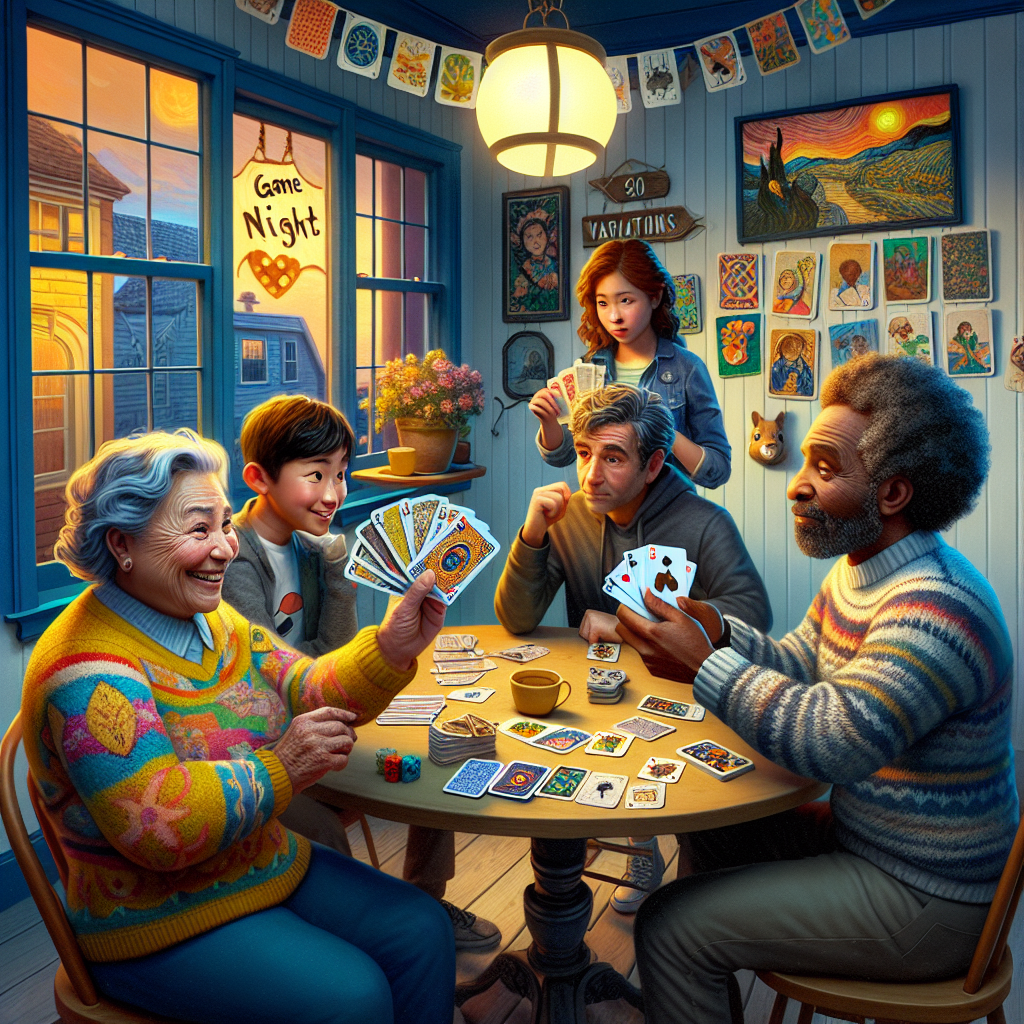
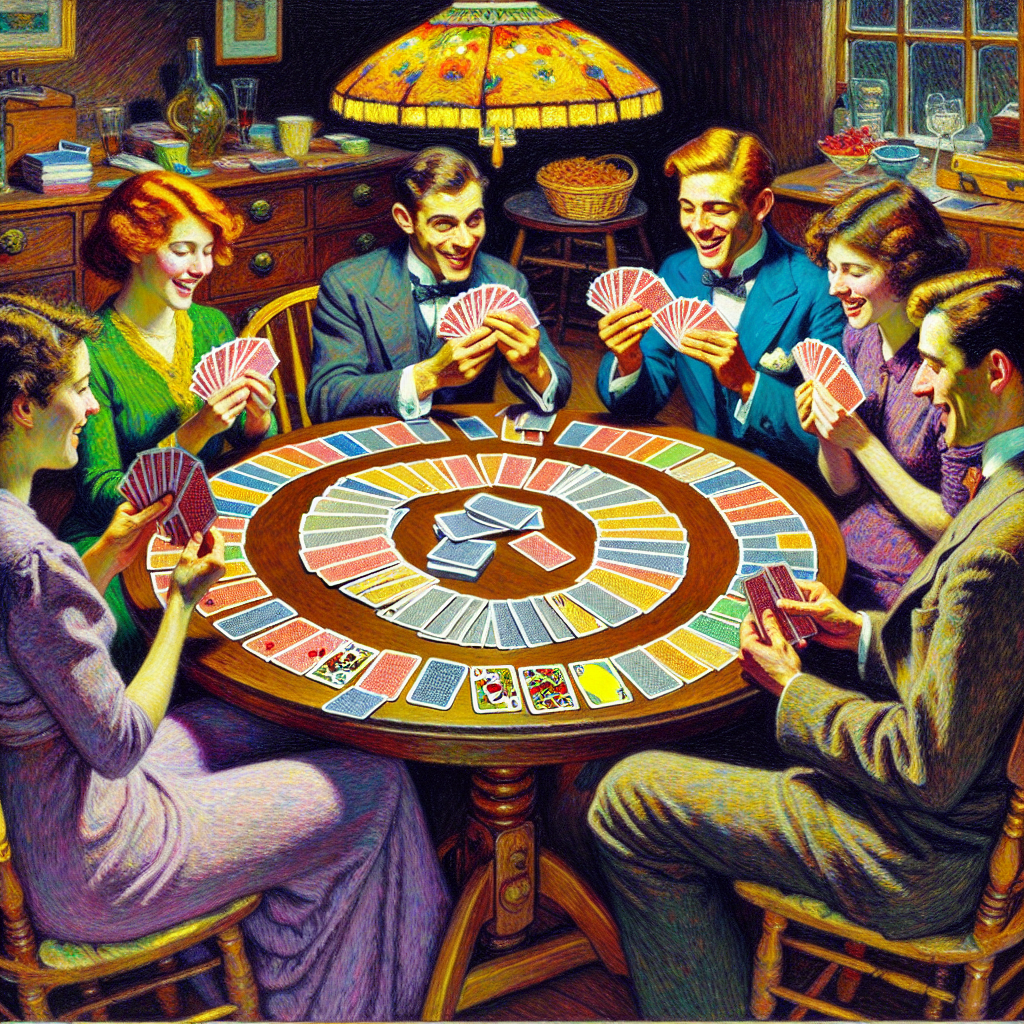
When you think about card games, you might picture a bunch of people hunched over a table, trying to outwit each other with a hand full of numbers and symbols. But what if I told you that the magic doesn’t just lie in the cards themselves? It’s the storytelling elements that breathe life into these games, transforming a simple tableau into a world teeming with adventure and intrigue.
Imagine this: you’re sitting down to play, and the game opens with a captivating narrative—an ancient kingdom, a rising threat, and a band of heroes armed with unique abilities. The cards aren’t just tools for victory; they’re your characters, your plot twists, your allies and enemies. Each card tells a story, merging mechanics with imagination, drawing players into a narrative tapestry that evolves with every turn. When you play a card, you’re not just making a move; you’re adding a paragraph to the chapter of your adventure.
Picture the tableau itself. It’s not merely a grid of cards; it’s a living ecosystem where actions have consequences, and every decision ripples through the narrative. Players become storytellers, their strategies unfolding like a novel in real-time. Maybe you’re forging alliances or plotting betrayals—whatever route you take, the stakes feel real. The tension mounts as each card flip fuels a storyline that feels as epic as any blockbuster.
Dynamic narratives become the lifeblood of these games. They invite players to immerse themselves in roles—be it the valiant knight or the cunning rogue. This character-driven approach puts personal stakes on the line, as players now aren’t just aiming for points; they’re vying for a saga that reflects their choices and couplings on the board.
Moreover, the art of storytelling in tableau-building card games doesn’t just elevate the experience for seasoned players. Newcomers find it easier to engage when the game is wrapped in a narrative they can relate to or get excited about. The introduction of characters, quests, or even an evolving world can lower the intimidation factor of complex mechanics, transforming a learning curve into an enthralling journey.
In short, storytelling elements weave a rich fabric that enhances tableau-building card games, transforming a simple competition into an immersive experience. With each hand dealt, the game isn’t just played; it’s told, making every session a new chapter in a collective adventure. So, the next time you sit down to play, remember: it’s not just about winning; it’s about the story you’ll tell when the dust settles.
How Do Storytelling Elements Enhance Tableau-Building Card Games?
How Do Storytelling Elements Enhance Tableau-Building Card Games?
- Card games involve storytelling elements that enhance gameplay beyond just numbers and symbols.
- The narrative presents a captivating world, with players embodying characters and engaging in an evolving plot.
- Each card represents not only a move but also a contribution to the overarching story of the game.
- The game tableau acts as a living ecosystem where players’ decisions impact the narrative’s direction.
- Dynamic narratives encourage players to take on roles with personal stakes, enhancing engagement and investment.
- Storytelling elements make the game more accessible for newcomers, helping them navigate complex mechanics through relatable narratives.
- The experience of playing tableau-building card games is transformed into an immersive journey, creating a collective adventure with each session.
How Do Storytelling Elements Enhance Tableau-Building Card Games?
What Demographics Are Most Attracted To Tableau-Building Games?
Tableau-building games have burst into the mainstream, captivating players from various backgrounds and interests. While you might picture a typical gamer as a hoodie-wearing twenty-something glued to a screen, the reality is far more colorful. The demographic landscape is as rich and diverse as the games themselves.
First off, let’s talk about the age range. Tableau-building games often attract adults aged 25 to 45. This demographic includes professionals who enjoy the strategic depth these games provide—an escape from the daily grind. Many of these players appreciate a healthy mix of challenge and creativity, allowing them to flex those mental muscles in a low-stakes environment. Think of people in corporate settings who spend their days analyzing data—when it’s finally time to unwind, they find solace in games that require critical thinking.
Now, let’s focus on gender. While the gaming industry has traditionally leaned male, tableau-building games have seen a surge in female players. These games often emphasize planning, resource management, and social interaction—features that resonate with a wider audience. Many female gamers enjoy the cooperative aspects and social interaction inherent in these games, fostering community and collaboration rather than competition. It’s a space where teamwork reigns, and that’s a breath of fresh air.
Speaking of community, let’s not overlook the other groups that are joining this tableau revolution. High school and college students are increasingly drawn to these games, not just for entertainment, but as a means to hone valuable skills. With the rising importance of data literacy, students are recognizing the practical applications of tableau-building, bolstering their resumes while having a good time.
Lastly, let’s chat about the seasoned gamers—the veterans who have grown up with the evolution of video games. They seek the challenge and innovation that tableau-building games offer, presenting layers of strategy that older games might have lacked. These players thrive on mastering complex systems, and they appreciate the tactile nature of building their unique tableau, which harkens back to the charm of classic board games.
In summary, tableau-building games are attracting a motley crew of players—working adults, female gamers, students looking for skills, and seasoned strategists. Each of these groups finds their own reasons to engage with this innovative genre, creating a vibrant tapestry of tabletop fun. So, if you thought this was just a pastime for a narrow segment, it’s time to think again.
What Demographics Are Most Attracted To Tableau-Building Games?
What Demographics Are Most Attracted To Tableau-Building Games?
- Tableau-building games are gaining popularity among a diverse range of players.
- The primary demographic includes adults aged 25 to 45, often professionals seeking strategic depth.
- These games provide an escape for players, allowing critical thinking in a low-stakes environment.
- Female players are increasingly participating, drawn by features emphasizing planning and social interaction.
- High school and college students are leveraging tableau-building games to enhance skills and improve resumes.
- Seasoned gamers enjoy the challenges and strategic innovations offered by tableau-building games.
- The genre appeals to a wide audience, challenging the stereotype of gaming as a narrow pastime.
What Demographics Are Most Attracted To Tableau-Building Games?
What Challenges Do Designers Face When Creating Tableau Games?
Designing games in Tableau is a bit like trying to bake a soufflé in a windstorm; it sounds straightforward until you realize that every little ingredient needs to be just right. Tableau, while a powerful visualization tool, wasn’t originally crafted with gaming in mind. That’s where the challenges come in.
First off, there’s the question of interaction. Traditional game design thrives on hands-on engagement, allowing players to manipulate objects and environments in real-time. But Tableau isn’t a canvas for fast-paced action; it’s a medium for analysis. Designers often find themselves wrestling with the constraints of interactivity. How can you keep the players engaged when their movements are limited to clicks and filters? Striking the perfect balance between fun and functionality becomes paramount.
Next, there’s the issue of storytelling. A good game draws players into a narrative, and that narrative needs structure. However, Tableau’s data-driven nature can make this challenging. While data is a great foundation, it doesn’t inherently generate excitement. Designers have to weave a compelling storyline around raw numbers and complex datasets. This means transforming insights into impactful user experiences while ensuring that the game’s educational value isn’t lost.
Then, there’s the disparity in user skill levels. A game designed for a data-savvy audience might leave casual users scratching their heads, while a game for novices could bore the experienced ones to tears. This balancing act requires a deep understanding of the target audience. Designers must craft onboarding experiences, tutorials, and progressive challenges that cater to both ends of the spectrum without alienating either group.
Consider the visual appeal, too. Tableau’s splash of charts and graphs might not scream “exciting gameplay.” Designers face the challenge of morphing static visualizations into something dynamic and thrilling. They have to innovate, pushing the boundaries of what’s visually possible within a data visualization framework. This might mean employing animation or gamifying the interface without losing that clean, analytical edge Tableau is known for.
Finally, let’s talk about data integrity. A game can only be as fun as its foundation allows. Misleading or misrepresented data can ruin the experience faster than a power outage during a championship match. Designers must ensure that while they’re crafting entertaining experiences, they are also maintaining accuracy and integrity in the data being presented.
Creating Tableau games is no walk in the park, that’s for sure. It’s a juggling act of creativity, analytics, and user experience, all while keeping the core of data visualization intact. And who said games can’t teach?
What Challenges Do Designers Face When Creating Tableau Games?
What Challenges Do Designers Face When Creating Tableau Games?
- Designing games in Tableau is challenging due to its original focus on data visualization, not gaming.
- Interaction is limited; designers must find ways to engage players despite being restricted to clicks and filters.
- Creating compelling narratives around data is essential, as raw numbers alone lack excitement.
- Designers face a balancing act between catering to data-savvy users and novices without alienating either group.
- Visual appeal is critical; transforming static charts into dynamic gameplay requires innovation within Tableau’s constraints.
- Maintaining data integrity is vital; misleading data can ruin the gaming experience.
- Creating Tableau games combines creativity, analytics, and user experience while enhancing educational value.
What Challenges Do Designers Face When Creating Tableau Games?
What Effect Do Expansions Have On The Popularity Of These Games?
When a gaming expansion drops, it’s like tossing a stone into a pond; the ripples spread far and wide, altering the landscape with every wave. Many gamers will tell you that expansions serve as lifeblood for their favorite titles, re-energizing the community and drawing in both seasoned players and curious newcomers. But what really happens behind the scenes when developers announce that shiny new content?
For starters, expansions breathe new life into established franchises. Take a well-loved role-playing game, for example. Once an expansion is rolled out, it often introduces fresh storylines, innovative gameplay mechanics, and new characters that entice players to return, not just to engage with the new material, but also to revisit old favorites. It’s like going back to a beloved neighborhood only to discover a new café that makes the best lattes—suddenly, your interest is piqued, and you’re hanging out there more often.
But it’s not all about the nostalgia; there’s a competitive edge to consider. In multiplayer environments, expansions frequently introduce new classes, vehicles, or abilities that can shake up the meta. This recalibration can revitalize the player base, leading to increased activity and burgeoning communities. Gamers love a good challenge, and new content can reignite that competitive fire. There’s something inherently exciting about diving back in, discovering how new dynamics can upend the strategies you’ve grown accustomed to.
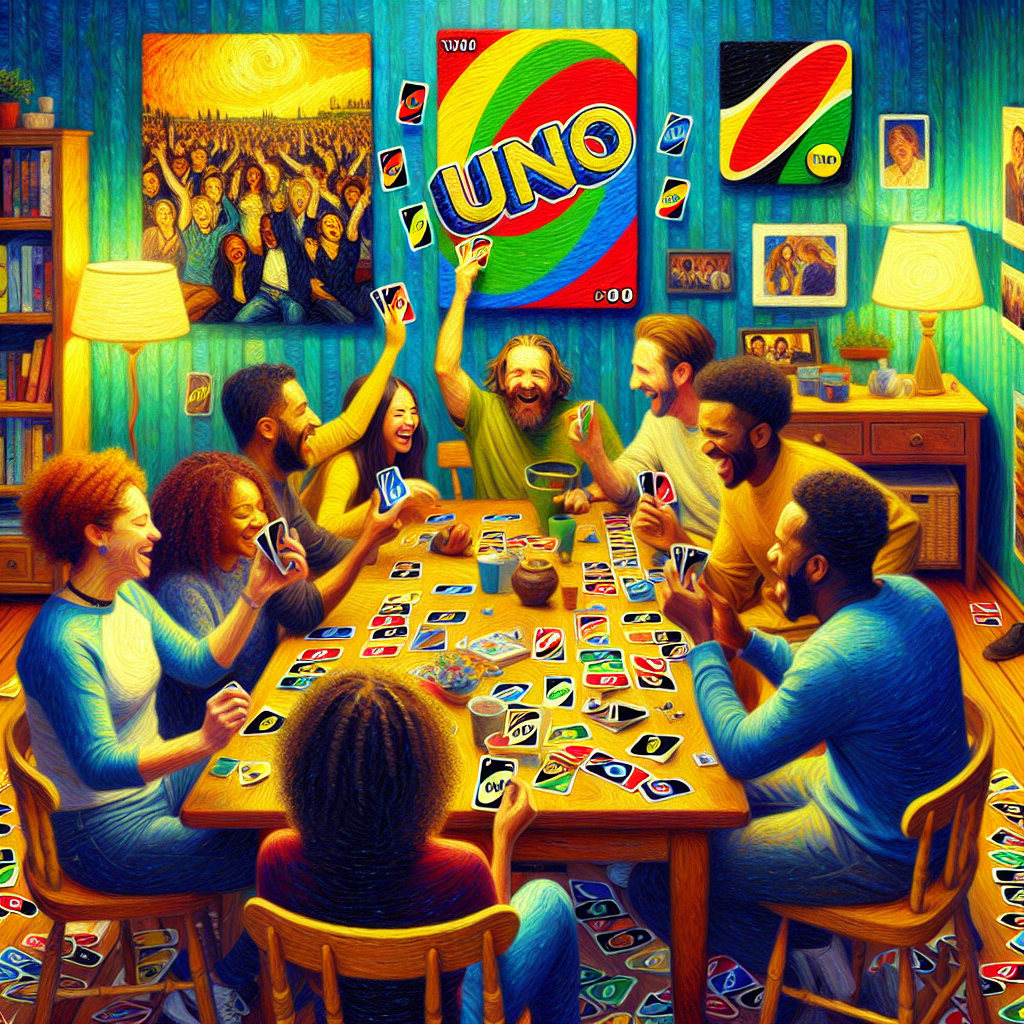
And let’s not overlook the promotional aspect. When a major expansion hits the market, it’s rarely a quiet launch. Developers and publishers pour in resources for marketing, creating buzz that ripples through social media, forums, and even streaming platforms. People love to join the conversation, share their thoughts, and post gameplay footage that showcases the new content. The combination of curiosity and FOMO (fear of missing out) can drive old players back in droves while attracting a fresh audience eager to give it a go.
Ultimately, expansions do more than simply bolster a game; they redefine it. They broaden the player experience, keep the conversation alive, and maintain a dynamic ecosystem that evolves over time. Thanks to expansions, beloved games don’t just exist in memory; they thrive, adapt, and continue to challenge players in new and exciting ways. Whether it’s nostalgia or competition that pulls players back in, the impact of an expansion echoes long after the initial release, ensuring that the game stays relevant and engaging.

What Effect Do Expansions Have On The Popularity Of These Games?
What Effect Do Expansions Have On The Popularity Of These Games?
- Gaming expansions revitalize established franchises and attract both old and new players.
- They often introduce fresh storylines, gameplay mechanics, and new characters to engage players.
- In multiplayer games, expansions can shake up the competitive environment by adding new classes and abilities.
- New content can reignite players’ competitive spirit and encourage deeper strategic exploration.
- Major expansions typically involve extensive marketing efforts to create buzz and excitement around the launch.
- Expansions foster community engagement through social media, forums, and streaming platforms.
- Overall, they maintain a dynamic gaming ecosystem, keeping titles relevant and evolving over time.
What Effect Do Expansions Have On The Popularity Of These Games?
Conclusion
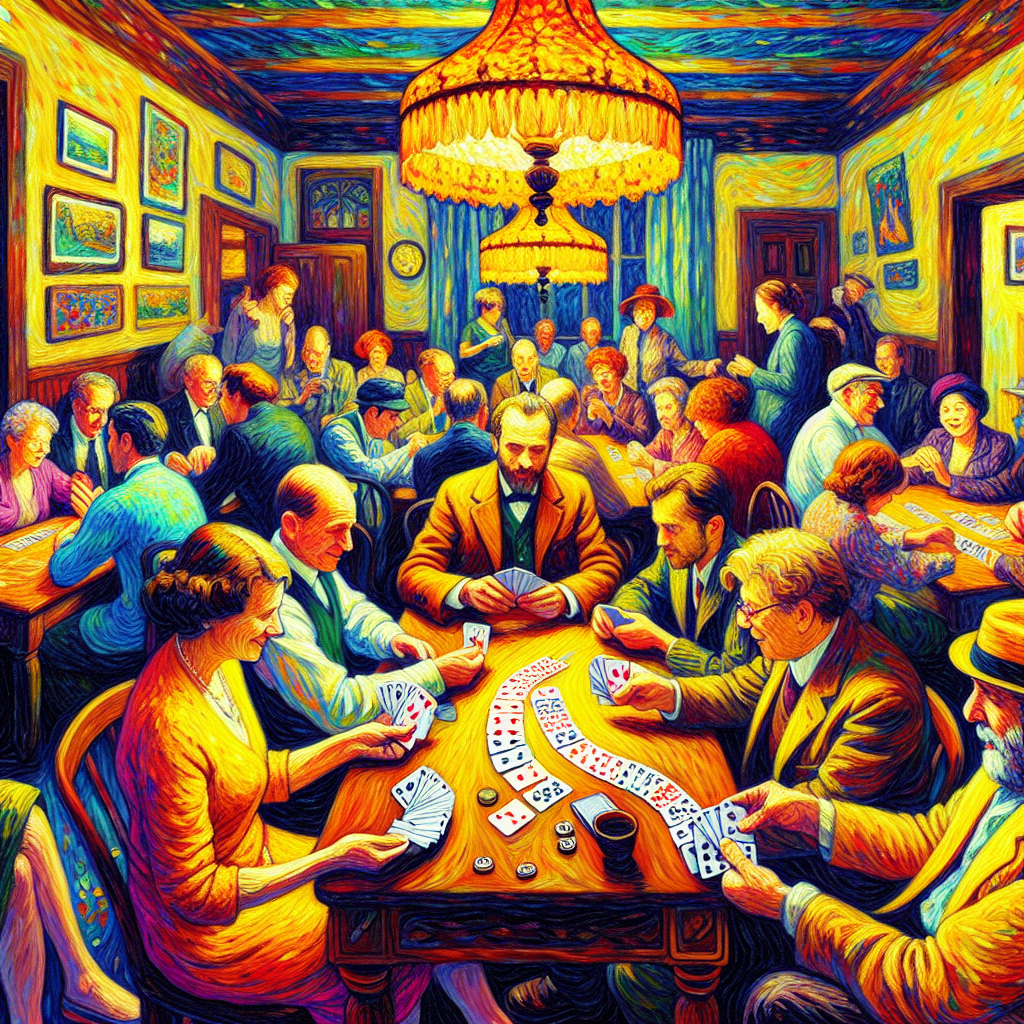
Alright, folks, let’s wrap this up. We’ve taken a winding journey through the captivating world of tableau-building card games, and if there’s one thing that stands out, it’s the passion that brings players to the table time and again. In this era of rapid-fire digital distractions, these games serve as a much-needed reminder of the beauty found in tangible experiences shared with friends. There’s something almost primal about flicking through a deck of cards, feeling the weight of strategy unfold right in front of you, and laughing out loud as your plans zigzag around the schemes of your tablemates.
At their core, tableau-building games thrive on a delicious mix of creativity, competition, and a sprinkle of luck. Players don’t just dive into a game; they wade into a beautifully crafted narrative, where every card played tells a story and every decision alters the course of their collective experience. It’s like crafting a unique narrative as you play—a tale of alliances formed, strategies laid down, and triumphs—both large and small—that make for unforgettable moments.
But it’s not just about competition; there’s a deep sense of camaraderie that arises from shared experiences. Whether you’re gnashing your teeth in rivalry or high-fiving after a cleverly executed plan, the social essence of tableau-building games weaves a fabric of connection that transcends mere gameplay. You’re not just building your tableau; you’re creating memories with friends that will last far beyond the final score tally.
The visual and thematic elements also elevate the experience. The stunning illustrations and thoughtful design choices bring a certain magic to the table, turning gameplay into a feast for the eyes—who doesn’t want to admire their creation while plotting their next move? And when it comes to expanding these games? You bet that new content keeps the excitement alive, ensuring that every session feels fresh, inviting both newcomers and veterans to dive back into the rich, strategic tapestry of each title.
So, whether you’re optimizing resources, formulating synergies, or deftly blocking an opponent’s plan, tableau-building card games have carved out a niche that resonates, proving to be more than just a pastime. They remind us to reclaim those analog moments, fostering patience, connection, and a little friendly competition. As we close the curtain on this discussion, consider joining a few friends at the game table—you might just discover that the cards you play lead to stories worth telling for years to come.
Conclusion
Conclusion:
- Tableau-building card games offer a captivating blend of creativity, competition, and strategy.
- These games provide a tangible experience that fosters connection amidst digital distractions.
- Each card played contributes to a unique narrative and shared experience among players.
- Social interactions in these games create lasting memories, transcending mere gameplay.
- Stunning visuals and thematic designs enhance the overall gaming experience.
- New content keeps gameplay fresh and exciting for both newcomers and seasoned players.
- Ultimately, these games promote patience, connection, and engaging competition with friends.
Conclusion
Other Resources

Other Resources
Here is a list of other resources you can review online to learn more:
- “Azioni – Tableau-building”
- “My favorite tableau building games | The Secrets of Great …”
- “Let’s talk about our favorite Tableau-Building Games!”
- “My Top 10 Favorite Games with Tableau Building”
- “294”
- “Other Products :: Hobby Master”
- “Board Game Book Vol 1 – Spreads HIGH QUALITY PDF”
- “https://raw.githubusercontent.com/rfordatascience/…”
- “Boardgames”
- “DEXCON 22 COMPLETE SCHEDULE”
- “Games where you run your tableau”
Use This Prompt To Get More Resources With Your Favorite Online AI Tool: Please provide me with a list of online articles with their URLS in a bulleted list that I can read regarding What Makes Tableau-Building Card Games Appealing to Fans?
Other Resources
Glossary Terms
What Makes Tableau-Building Card Games Appealing to Fans? – Glossary Of Terms
1. Tableau: A visual arrangement of cards placed in front of players, representing resources, actions, or developments that are leveraged during the game.
2. Mechanics: The core rules and systems that govern the gameplay, influencing how players interact with the game.
3. Strategy: A player’s plan of action formulated to achieve goals within the game, often requiring tactical decision-making.
4. Drafting: A game mechanism where players select cards from a limited pool, strategically choosing cards to build their tableau.
5. Resource Management: The careful allocation and use of limited resources (such as cards, tokens, or currency) to maximize a player’s success.
6. Victory Points: Points earned through various means during the game, which contribute to a player’s overall score and determine the winner.
7. Synergy: The interaction between cards where their combined effects create a more powerful outcome than when played individually.
8. Theme: The narrative or subject matter of the game that influences the artwork, mechanics, and overall player experience.
9. Replayability: The degree to which a game can be played multiple times with a fresh experience each session, due to varying outcomes or strategies.
10. Player Interaction: The ways in which players influence each other’s choices or game states, fostering competition or collaboration.
11. Endgame: The final phase of the game, where players make last moves to increase their scores or finalize tableau arrangements before the end.
12. Balancing: Ensuring that no single strategy, card, or player has an overwhelming advantage, maintaining an enjoyable playing experience.
13. Card Abilities: Special effects or powers that individual cards possess, providing unique options for players to utilize in their strategy.
14. Expansion: Additional content released for a game that introduces new cards, mechanics, and themes, enhancing the core game experience.
15. Draft Pool: The set of cards available for selection during the drafting phase, impacting the strategies players will use.
16. Endgame Scoring: A specific set of rules that determines how points are calculated at the conclusion of the game, affecting player tactics.
17. Game Flow: The pacing and rhythm of the game, which can enhance player engagement and enjoyment.
18. Card Drafting: A method of selecting cards where players take turns picking from a set, usually fostering strategic competition.
19. Thematic Integration: How well the game mechanics align with the game’s theme, enhancing immersion and player connection.
20. Action Points: A resource system allowing players to perform certain actions within their turn, adding strategy and planning.
21. Combo: A sequence of card plays that synergize to create a more powerful or advantageous effect when executed together.
22. Player Agency: The degree of control and decision-making power players possess during the game, significantly impacting their enjoyment.
23. Asymmetrical Gameplay: A design feature where players have different powers, resources, or goals, leading to varied experiences and strategies.
24. Setup: The initial arrangement of game components, including card distribution and starting conditions that impact gameplay.
25. Meta: The evolving strategies and popular tactics within a gaming community, influencing how players approach the game.
26. Goal Setting: The process of defining objectives for gameplay, guiding players’ decision-making and aspirations during the game.
27. Card Draw: The mechanics of acquiring additional cards, which can enhance options and strategies during a player’s turn.
28. Limited Information: A game feature where players do not have access to all cards or strategies, creating uncertainty and requiring strategic guessing.
29. Solitaire Mode: A variant of the game designed for solo play, allowing individuals to experience the game without opponents.
30. Community Engagement: The connection between fans and the game, through discussions, tournaments, or online forums, fostering a sense of belonging and shared experience.
Glossary Of Terms
Other Questions
What Makes Tableau-Building Card Games Appealing to Fans? – Other Questions
If you wish to explore and discover more, consider looking for answers to these questions:
- What are some examples of popular tableau-building card games?
- How can new players get started with tableau-building card games?
- Are there specific strategies recommended for novices in tableau-building games?
- What skills do players develop while playing tableau-building card games?
- What are some of the most common misconceptions about tableau-building games?
- How do expansions for tableau-building games compare to those in other genres?
- What is the historical evolution of tableau-building games?
- How do different cultures influence the themes of tableau-building games?
- What role do game designers play in shaping the player experience in tableau-building games?
- Are there any upcoming tableau-building games to watch for?
Other Questions
Haiku
What Makes Tableau-Building Card Games Appealing to Fans? – A Haiku
Tableau games invite,
Friendship blooms ’round card-strewn skies,
Crafting stories, joy.
Haiku
Poem
What Makes Tableau-Building Card Games Appealing to Fans? – A Poem
In a world where screens employ their charms,
A tactile magic calls, with open arms;
Tableau-building games, a vibrant array,
Where laughter weaves through every play.
Amidst the shuffled decks and colors bright,
Friends gather round, igniting their delight;
Each card a story, a strategy to weave,
In this dance of wits, they truly believe.
With every choice, the pulse quickens anew,
Will you build your empire, or thwart an old foe?
The thrill of creation, the art of finesse,
A canvas of options, each turn a new quest.
Themes galore, from kingdoms to skies,
Escape the mundane, let your spirit rise;
Every tableau a narrative unfolds,
Adventures cherished, as the plot unfolds.
Competition blends with camaraderie’s flare,
As friendships flourish in this lively affair;
A shared experience where memories are spun,
In joy, in rivalry—together, they run.
Yet deeper still lies a tableau’s charm,
Teaching patience, fostering bonds that warm;
In each careful move, as players engage,
They become architects, writing their page.
Accessibility invites all to partake,
A blend of the novice and experts awake;
Through layers of strategy, new paths to explore,
With variability rich, they return for encore.
In this tactile realm, where stories are played,
A world of connections and laughter is laid;
So gather your friends, let your passions ignite,
In tableau-building realms, play into the night.
Poem
Checklist
What Makes Tableau-Building Card Games Appealing to Fans? – A Checklist
1. Understanding the Game Dynamics
_____ Familiarize yourself with the core mechanics of tableau-building games.
_____ Identify how strategy and resource management are woven into gameplay.
2. Embracing the Social Experience
_____ Gather a group of friends for game nights to enhance the social interaction.
_____ Reflect on moments of competition and cooperation that arise during gameplay.
3. Exploring Game Themes
_____ Discover a variety of game themes (medieval, tech, farming, etc. ) to find what resonates with your interests.
_____ Consider how themes contribute to the narrative and emotional engagement in games.
4. Strategies for Success
_____ Develop a plan for balancing risk and reward in resource management.
_____ Look for synergies in card interactions to create powerful combinations.
5. Enhancing Visual Appeal
_____ Notice the aesthetics of the game components, including color schemes and artwork.
_____ Consider how a well-organized tableau improves gameplay clarity and enjoyment.
6. Fostering Player Engagement
_____ Analyze how tableau mechanics facilitate active participation in the game’s narrative.
_____ Recognize the role of emotional stakes through visible consequences of choices.
7. Replayability Factors
_____ Assess the variability in card draws and setups that increase replayability.
_____ Explore different strategies and pathways to victory in subsequent games.
8. Enjoying Cooperative and Competitive Play
_____ Balance collaborative play with competitive strategies for an enjoyable experience.
_____ Reflect on how player interactions impact enjoyment and engagement in the game.
9. Diving into Solo Modes
_____ Try the solo mode of games for a different perspective and experimental strategy development.
_____ Consider how self-paced play can enhance understanding of game mechanics.
10. Staying Updated on Game Trends
_____ Keep an eye on new expansions or popular titles in the tableau-building genre.
_____ Engage with online communities to discuss strategies, themes, and experiences with others.
11. Exploring Designer Insights
_____ Understand the challenges designers face when creating tableau-building games.
_____ Explore how expansions can revitalize your favorite games and keep gameplay fresh.
By using this checklist, you can deepen your understanding and appreciation of tableau-building card games and enhance your gaming experience!
Checklist
At CardGameNews, we help people who love card games by collating information and news about card games.
Be sure to read our other related stories at CardGameNews to learn more about card games.