

Mastering The Art Of Strategy Card Games
By Tom Seest
At CardGameNews, we help people who love card games by collating information and news about card games.
Be sure to read our other related stories at CardGameNews to learn more about card games.
What Makes Strategy Card Games Appealing to Fans?
At first glance, strategy card games might appear to be little more than colorful pictures on a piece of cardboard. But dive a little deeper, and you’ll uncover a rich tapestry of thought, tactics, and triumph that keeps players coming back for more. It’s like peeling an onion—each layer reveals something different, and sometimes you even shed a tear or two.
First off, there’s the sheer thrill of strategy itself. Here’s a game where wits reign supreme. It’s not just about luck; it’s about the ability to think several moves ahead, much like a game of chess but with a much more colorful backdrop. Players are thrust into a battlefield of their own making where their clever maneuvers can outsmart an opponent rather than merely roll a dice for a chance outcome. Each decision counts, and that pressure only heightens the excitement. That’s the beauty of it—every match feels like a mental duel where every card drawn holds the potential to swing the tide of victory.
Then there’s the social aspect. Card games often bring people together, forging connections over a shared love of competition. Whether you’re at a local game store, a friend’s house, or in a high-pressure tournament, the camaraderie of strategizing and smart plays creates an atmosphere almost charged with energy. In a world filled with screens and solitary gaming experiences, the face-to-face interaction that card games provide is a refreshing return to the human element. It’s not just about winning; it’s about the laughter, the banter, and the stories exchanged between matches.
Let’s not forget the vast realm of personal expression that these games offer. Customizing a deck—or even creating a totally unique one—becomes an outlet for creativity. Each choice reflects individual styles, tactics, and preferences. Whether you’re an aggressive attacker or a defensive strategist, the deck becomes an extension of your personality on the tabletop.
Moreover, the constant evolution of strategy card games ensures that there’s always something new to learn. With expansions, new mechanics, and rotating formats, players are constantly challenged to adapt and refine their strategies. This never-ending journey keeps enthusiasts engaged, fostering a community where knowledge and skill become a badge of honor.
In essence, strategy card games appeal to fans not just for the mechanics of gameplay, but for the intricate blend of strategy, social connection, self-expression, and continuous growth. Players aren’t just moving cards; they’re building legacies—one turn at a time.

What Makes Strategy Card Games Appealing to Fans?
What Makes Strategy Card Games Appealing to Fans?
- Strategy card games are more than just colorful visuals; they offer deep thought and tactics.
- The thrill of strategy is key, where players must think multiple moves ahead, akin to chess.
- Each decision impacts the game, creating heightened excitement in mental duels.
- They foster social connections, bringing people together through shared competition.
- Face-to-face interaction in card games contrasts with solitary gaming experiences, enhancing camaraderie.
- Players can customize their decks, allowing personal expression and reflection of individual styles.
- The ever-evolving nature of card games provides continuous learning opportunities for players.

What Makes Strategy Card Games Appealing to Fans?
Table Of Contents
- What Makes Strategy Card Games Appealing to Fans?
- What Draws Players To Strategy Card Games?
- How Do Strategy Card Games Enhance Critical Thinking?
- What Role Does Luck Play In Strategy Card Games?
- Are Strategy Card Games More Enjoyable With Friends?
- How Do Collectible Card Games Impact Fan Loyalty?
- What Strategies Keep Players Engaged Over Time?
- How Do Themes And Artwork Influence Player Preferences?
- What Is The Appeal Of Deck-Building Mechanics?
- How Do Expansions Affect The Longevity Of Games?
- Why Do Players Enjoy Competition In Card Games?
- What Are The Social Benefits Of Playing Strategy Card Games?
- How Have Digital Versions Changed The Popularity Of Card Games?
- What Psychological Factors Contribute To Strategy Game Appeal?
- How Important Are Community Events For Card Game Fans?
- What Trends Are Emerging In Strategy Card Games Today?
- Conclusion
- Other Resources
- Glossary Of Terms
- Other Questions
- Haiku
- Poem
- Checklist
What Draws Players To Strategy Card Games?
In a world bursting with flashy video games and high-octane action, there’s a quieter corner where enthusiasts gather, their faces lit by overhead lights, eyes glued to tables strewn with colorful cards. The allure of strategy card games is a fascinating blend of nostalgia, mental challenge, and social interaction. It’s more than just playing; it’s about connecting on multiple levels with both the game and fellow players.
At the heart of it all lies the draw of strategy. Players are not merely shuffling cards; they are weaving complex tapestries of thought, anticipating opponents’ moves, and crafting intricate plans. Each game is a mental battleground where wits are sharpened, and decisions weigh heavily. A single choice can pivot the outcome, leading to not just victory or defeat, but a tapestry of stories that unfolds every time the cards are dealt. This cerebral aspect keeps players returning, hungry for the thrill of outsmarting their rivals and mastering the ever-evolving strategies.
Then there’s the artistry of it all—beautifully illustrated cards that transport players to new realms. Every deck reflects a unique theme, from epic fantasy realms to gritty dystopias. The aesthetic draws in players and creates an immersive experience where strategy meets the visual art form. These cards serve as not just tools for gameplay, but canvases of creativity that spark the imagination and invigorate the spirit.
Moreover, the sheer social aspect of these games cannot be ignored. Around those tables, players share laughter, cheers, and the occasional groan of frustration as they engage in riveting contests of strategy. There’s a camaraderie that flourishes in this communal environment, where people unite over a shared love for the challenge. It’s a refreshing counterpoint to the isolation often associated with digital escapism; human connection thrives in this space, with friendships forged, rivalries ignited, and stories exchanged over battles won and lost.
Let’s not overlook the historical context either. Many players have grown up with these games, their memories intertwined with family gatherings or late-night battles with friends. There’s a sense of continuity that many cherish, a thread that links generations together. By diving back into those strategy-laden duels, players not only relish the present but also pay homage to their past.
In a fast-paced world, strategy card games offer a moment to pause, strategize, and connect—a perfect blend of challenge, creativity, and companionship that keeps players engaged and coming back for more.

What Draws Players To Strategy Card Games?
What Draws Players To Strategy Card Games?
- Strategy card games attract enthusiasts seeking nostalgia, mental challenge, and social interaction.
- Players engage in complex strategies, anticipating opponents’ moves and making impactful decisions.
- Each game becomes a mental battleground, cultivating a thrilling competitive atmosphere.
- Beautifully illustrated cards enhance the experience, merging strategy with visual art.
- Social interaction is a core component, fostering camaraderie and shared experiences among players.
- Many players cherish historical connections to these games, linking generations through shared memories.
- Strategy card games provide a refreshing escape from digital isolation, emphasizing creativity and companionship.

What Draws Players To Strategy Card Games?
How Do Strategy Card Games Enhance Critical Thinking?
Strategy card games are more than just an entertaining pastime; they are a rigorous workout for the mind, akin to lifting weights at the gym but for your cognitive capabilities. Imagine sitting across from an opponent, the table a battleground, the cards your soldiers. Each decision you make holds weight—every play could lead you to victory or defeat. In this high-stakes environment, critical thinking isn’t just encouraged; it’s essential.
To start, consider the multifaceted layers involved in playing a strategy card game. You don’t merely focus on your cards; you also need to be perpetually aware of your opponent’s intentions. It’s like learning to read a room filled with subtleties. Your opponent might feign weakness while secretly plotting a powerful comeback. This means you have to analyze not just the visible choices but the potential motivations behind those choices. It’s an exercise in predicting behavior, weighing probabilities, and adapting your strategies on the fly.
Strategic card games also thrive on the concept of risk management. Players often face decisions that require them to balance the potential for great rewards against significant losses. Do you go all in, or do you play conservatively? This balancing act stimulates a form of analytical thinking where players must evaluate past experiences, current dynamics, and future possibilities. In essence, you’re developing a mental model that incorporates historical data and anticipates future trends.
Moreover, these games often require players to think several moves ahead—a hallmark of critical thinking. Just as a chess player must visualize the board beyond their next turn, card players must foresee potential outcomes based on their actions and their opponent’s reactions. This long-range thinking cultivates patience and foresight, qualities that serve well beyond the game itself.
Additionally, teamwork often plays a role, especially in multiplayer scenarios where alliances form and dissolve. Negotiation skills come into play, forcing you to communicate effectively, persuade others, and sometimes manipulate circumstances to your advantage. This social aspect fosters a different angle of critical thinking, one grounded in emotional intelligence and interpersonal dynamics.
In sum, strategy card games do more than entertain; they sharpen the mind. They teach us to analyze carefully, to anticipate challenges, and to navigate complex environments with agility and insight. By digging into their rich layers of strategy, players emerge not just as better card players but as thinkers equipped to tackle challenges in all aspects of life.

How Do Strategy Card Games Enhance Critical Thinking?
How Do Strategy Card Games Enhance Critical Thinking?
- Strategy card games provide a cognitive workout, enhancing critical thinking skills.
- Players must remain aware of opponents’ intentions, requiring reading between the lines.
- Risk management is key, involving decisions that balance potential rewards against losses.
- Players develop mental models by evaluating historical data and anticipating future trends.
- Long-range thinking is vital, as players need to foresee outcomes based on actions and reactions.
- Teamwork and negotiation skills play a role, fostering emotional intelligence and interpersonal dynamics.
- Overall, these games sharpen analytical skills and enhance problem-solving abilities applicable in real life.

How Do Strategy Card Games Enhance Critical Thinking?
What Role Does Luck Play In Strategy Card Games?
In the world of strategy card games, the interplay between skill and luck is as intricate as the designs on the cards themselves. Players shuffle their decks, meticulously honing their strategies, yet the essence of luck looms like a shadowy figure, influencing outcomes in ways that can baffle even the most seasoned tacticians.
Picture this: you’ve spent weeks perfecting your gameplay, memorizing probabilities, and anticipating your opponent’s moves. You can calculate chances with the precision of a seasoned accountant, yet the moment you draw a hand that doesn’t align with your grand strategy—a hand full of cards that only overlap in their dazzling insignificance—you’re reminded that luck, like a mischievous cat, can knock over your plans in a heartbeat.
Now, don’t get me wrong. Skill is undeniably the backbone of any strategy card game. It’s the solid framework upon which victories are built. A savvy player knows how to read the table, exploit weaknesses, and manipulate the dynamics in their favor. They understand the nuances of the game, the best cards to play in each situation, and the timing of each move. However, that same player knows that, on occasion, the fates have their own ideas.
Luck often struts in at the most unexpected moments. You might need that one particular card to turn the tide in your favor, the equivalent of finding a needle in a haystack. And lo and behold, you pull it from the deck, as if the universe itself is offering you a wink. On other days, you find yourself grappling with a hand that makes you wonder if your deck has been tampered with by a mischievous spirit. The delicate balance of fate becomes a palpable presence at the table, reminding all players that no match is set in stone.
It’s this very unpredictability that gives strategy card games their thrill. The excitement of a close match, the nail-biting tension as you draw your next card, and the sweet taste of victory that comes not only from skill but from the serendipity of the moment—it’s electrifying. Players learn to embrace luck as a crucial element of the game, recognizing that while strategies can be planned, the outcomes often belong to the whimsical dance of chance.
It’s a symbiotic relationship—strategy and luck entwined like dancers on a stage—a reminder that sometimes, even the best-laid plans need a sprinkle of fortune to take center stage.

What Role Does Luck Play In Strategy Card Games?
What Role Does Luck Play In Strategy Card Games?
- Strategy card games blend skill and luck in an intricate interplay.
- Players invest time in honing their strategies, yet luck can unexpectedly affect outcomes.
- Despite thorough preparation, drawing an unfavorable hand highlights luck’s influence.
- Skill is essential, enabling players to read the table and exploit weaknesses effectively.
- Luck can arrive at unexpected moments, changing the tide of the game dramatically.
- The unpredictability of luck adds thrill and excitement to strategy card games.
- This relationship between strategy and luck emphasizes that both elements are crucial for success.

What Role Does Luck Play In Strategy Card Games?
Are Strategy Card Games More Enjoyable With Friends?
When it comes to strategy card games, the question of enjoyment often dances around one pivotal factor: the company you keep. Sure, a game can be thrilling in its own right, with mechanics that challenge the mind and gameplay that teases the imagination. But toss a few friends into the mix, and suddenly you’ve got a recipe for a downright raucous good time.
Picture this: You’re seated at a table littered with colorful cards, each one brimming with potential power. The air is thick with anticipation as players take their turns, strategizing their next move while simultaneously attempting to predict the actions of those around them. Now, imagine you’re doing this solo, tapping your fingers on the tabletop as you ponder your next decision. Thrilling, right? Not quite.
Engaging in a strategy card game with friends elevates everything. The shared laughter at a well-executed bluff, the collective groans when an unexpected twist derails your meticulously planned strategy — those moments create memories. The inherent competition ignites camaraderie, turning friendly banter into a form of entertainment all its own. When someone pulls off an outrageous play that leaves the table in stitches, the game transcends mere ranking or victory; it becomes an evening of shared experiences that linger long after the last card is dealt.
And let’s not forget about teamwork. Some games require alliances that can shift like the wind, forging bonds that mirror the complexity of the game itself. Navigating these alliances adds another layer to the experience, creating opportunities for negotiation, deceit, and, of course, delightful betrayal. With friends, these elements turn into narratives of their own, transforming the game into a living story rather than just a series of turns.
Now, it’s not to say that solo play has zero merit. There’s an undeniable charm to honing your skills, strategizing without interruption, and challenging yourself against the game’s mechanics. Yet, in the grand stage of strategy card games, it’s hard to overlook the undeniable truth: these experiences are magnified when shared with others.
Whether you’re plotting your ascent to victory or savoring the sweet taste of cunning defeat, the laughter, the banter, and the unpredictable nature of friendship make a strategy card game not just a pastime, but an unforgettable adventure. Surrounded by friends, the game breathes life, transforming mere competition into the shared joy of simply being in the moment together. And how’s that for a winning hand?

Are Strategy Card Games More Enjoyable With Friends?
Are Strategy Card Games More Enjoyable With Friends?
- The enjoyment of strategy card games largely depends on the company of friends.
- Gameplay becomes significantly more thrilling and memorable when shared with others.
- Moments of laughter and surprise add richness and create lasting memories.
- Engaging in friendly competition enhances camaraderie and enjoyment.
- Teamwork and shifting alliances introduce layers of strategy and storytelling.
- Solo play offers skill development, but multiplayer experiences are often more rewarding.
- The combination of laughter, banter, and unpredictability transforms games into unforgettable adventures.

Are Strategy Card Games More Enjoyable With Friends?
How Do Collectible Card Games Impact Fan Loyalty?
When it comes to collectible card games, we’re diving deep into a phenomenon that stretches far beyond just the sheer joy of gameplay. These games have a knack for weaving a tapestry of connection, loyalty, and community that’s as intricate as the cards themselves. So, how exactly do these games foster such fervent fan loyalty? Let’s peel back the layers.
First off, let’s talk about the sheer excitement of building a deck. Players are not merely participants; they are architects of strategy, deciding which cards to include based on personal style and game mechanics. This act of curation creates a sense of ownership and pride. When someone shares a unique deck they’ve crafted, it’s akin to showing off a model airplane or a well-tended garden. There’s artistry involved—each card is chosen like a brush stroke on a canvas. This builds an emotional connection that runs deep, cementing personal investment in the game.
Then we have the social aspect. Card games have an uncanny ability to gather people. Whether it’s at a cozy local shop, a bustling convention, or online forums, players find community. These environments are breeding grounds for friendships and rivalries alike. When a rookie finally wins their first match, it’s a shared celebration among friends. The laughter, the banter, the mutual struggles—all these forge bonds that can withstand the test of time.
Now let’s not forget the competitive aspect. Tournaments and leagues fuel excitement, pushing players to hone their skills and strategies. The thrill of competition can act as a magnet, pulling individuals deeper into the fold. As players chase titles and rankings, their loyalty intensifies. They don’t merely root for their favorite game; they invest their time, energy, and emotions into it, creating a wellspring of enthusiasm that keeps their passion ablaze.
Lastly, we can’t ignore the role of storytelling. Many collectible card games come adorned with rich lore and intricate narratives. Each card tells a story, often connecting players to a larger universe. It’s this narrative engagement that can turn a simple game into an all-consuming passion. Fans become evangelists, discussing strategies and lore, and sharing their experiences with anyone willing to listen.
In essence, collectible card games cultivate loyalty through a blend of strategy, community, competition, and captivating storytelling. It’s a beautiful confluence of experience that keeps players coming back for more, not just for the cards, but for the connections forged in the heat of battle and the friendships solidified over countless matches. In the world of collectible card games, loyalty is not just given; it’s earned through shared experiences and deep-rooted passion.

How Do Collectible Card Games Impact Fan Loyalty?
How Do Collectible Card Games Impact Fan Loyalty?
- Collectible card games foster connection, loyalty, and community beyond gameplay.
- Deck building creates a sense of ownership and pride, akin to a personal artistic endeavor.
- Card game environments serve as gathering spaces for friendships and rivalries.
- Shared experiences, like a rookie’s first win, help forge strong bonds among players.
- Competitive tournaments enhance loyalty by pushing players to refine their skills and strategies.
- The rich lore and narratives in many games engage players on a deeper level.
- Loyalty in collectible card games is earned through shared experiences and passion.

How Do Collectible Card Games Impact Fan Loyalty?
What Strategies Keep Players Engaged Over Time?
When it comes to keeping players engaged over time, the key isn’t just about flashy graphics or endless options; it’s about crafting an experience that resonates on a deeper level. For game developers and marketers alike, understanding the psychology of engagement is crucial. Let’s break down a few strategies that have proven effective at hooking players and keeping them invested long after the initial thrill has faded.
First off, build a sense of community. Gamers are social creatures; they love to share experiences, compete, and collaborate. Platforms that foster communication—be it through in-game forums, social media, or online events—create a communal atmosphere where players feel valued and connected. Regularly updating players on community achievements or spotlighting user-generated content can reinforce this bond. When players feel they are part of something bigger, they tend to stick around for the long haul.
Next, incorporate meaningful rewards and progression systems. Humans are wired to seek validation and achievement, and well-designed rewards hit that sweet spot. Whether it’s leveling up, unlocking new abilities, or customizing characters, giving players something to strive for keeps them coming back. Think about how those delicate dopamine hits work; each little success encourages players to push further. Just be careful—if the rewards are too easy, they’ll quickly lose their charm. Balance is key.
Another potent strategy is to provide regular updates and fresh content. Stale gameplay is the enemy of engagement. Developers who roll out new features, storylines, or challenges keep the experience dynamic and exciting. Live events, seasonal changes, and surprise drops can rejuvenate player interest—a clever way to say, “Hey, we’re still here, and so should you!” However, this requires developers to remain agile, continuously assessing community feedback to refine and adjust their approach.
Let’s not overlook the importance of storytelling. A captivating narrative can turn a simple game into an epic journey. When players invest in characters and their arcs, they are more likely to stick around as the story unfolds. Engaging narratives create emotional hooks, and that emotional investment can be powerful enough to keep players coming back long after the game has technically “ended.”
In summary, keeping players engaged over time involves community building, meaningful rewards, regular updates, and an engrossing narrative. These strategies, woven together, create an irresistible fabric that keeps players coming back for more. Remember, it’s all about building a relationship—one level, one reward, and one thrilling moment at a time.

What Strategies Keep Players Engaged Over Time?
What Strategies Keep Players Engaged Over Time?
- Engagement is more about crafting a resonant experience than flashy graphics.
- Building a sense of community is essential; gamers thrive on sharing and collaboration.
- Incorporating meaningful rewards and progression systems keeps players striving for achievements.
- Regular updates and fresh content are crucial to maintain dynamic gameplay and player interest.
- Storytelling turns a game into an epic journey, fostering emotional investment in characters and their arcs.
- Effective engagement strategies create a blend of community, rewards, updates, and narrative.
- Building a lasting relationship with players involves continuous interaction and thrilling experiences.

What Strategies Keep Players Engaged Over Time?
How Do Themes And Artwork Influence Player Preferences?
When you slip into the world of gaming, it’s often the themes and artwork that pull you in, like a moth to a flame. But what is it about these visual cues that shapes our preferences and keeps us grinding for those elusive achievements? It all boils down to the emotional hooks and aesthetic allure.
First off, let’s talk about themes. Whether you’re roaming the post-apocalyptic landscapes of a zombie-infested world or exploring the intricate realms of high fantasy, the theme serves as the backbone of your gaming experience. It’s more than just a backdrop—it’s a narrative environment that invites players to immerse themselves fully. When a game offers a theme that resonates with players—be it through nostalgia, adventure, or intrigue—it forges a connection that goes beyond mere entertainment. Players often gravitate toward genres that reflect their interests, core values, or even aspirations. If you’ve ever wondered why some folks lose themselves in role-playing games while others are glued to strategic simulators, look no further than the themes at play.
Now, let’s not forget about artwork. The visual style of a game can impact us in ways that we might not even consciously realize. Think about the hand-drawn aesthetic of indie games versus the hyper-realistic graphics of AAA titles. The artwork sets the tone and atmosphere, impacting how engaging or approachable a game feels. Vibrant colors and whimsical designs can evoke a sense of joy and exploration, while darker, more muted palettes might elicit feelings of tension or conflict. The artistic choices made in a game aren’t just superficial touches; they create a visceral experience that keeps players coming back for more.
Consider also how art influences our perceptions of complexity. A game that uses clean, minimalist designs might appeal to someone looking for a straightforward challenge, while intricate, highly detailed artwork may entice players who crave layers and depth. The visual elements serve as signposts, guiding players’ expectations about gameplay mechanics and the kind of experience they can anticipate.
In essence, themes and artwork act as the dynamic duo in the world of gaming, working hand-in-hand to shape player preferences and experiences. They possess a kind of magic that turns a collection of code and design into a vibrant, emotional journey. And it’s this combination that beckons us to dive headfirst into fantastical realms, one pixel at a time.

How Do Themes And Artwork Influence Player Preferences?
How Do Themes And Artwork Influence Player Preferences?
- Themes and artwork are crucial in attracting players to gaming experiences.
- Themes serve as the backbone of games, creating a narrative environment for immersion.
- Players are drawn to themes that resonate with their interests, values, or aspirations.
- Artwork impacts player engagement through mood and atmosphere, influencing perceptions of the game.
- Diverse visual styles, from hand-drawn to hyper-realistic, evoke various emotions and experiences.
- Art influences perceptions of complexity in gameplay, appealing to different player preferences.
- Themes and artwork together create an emotional journey that enhances the gaming experience.
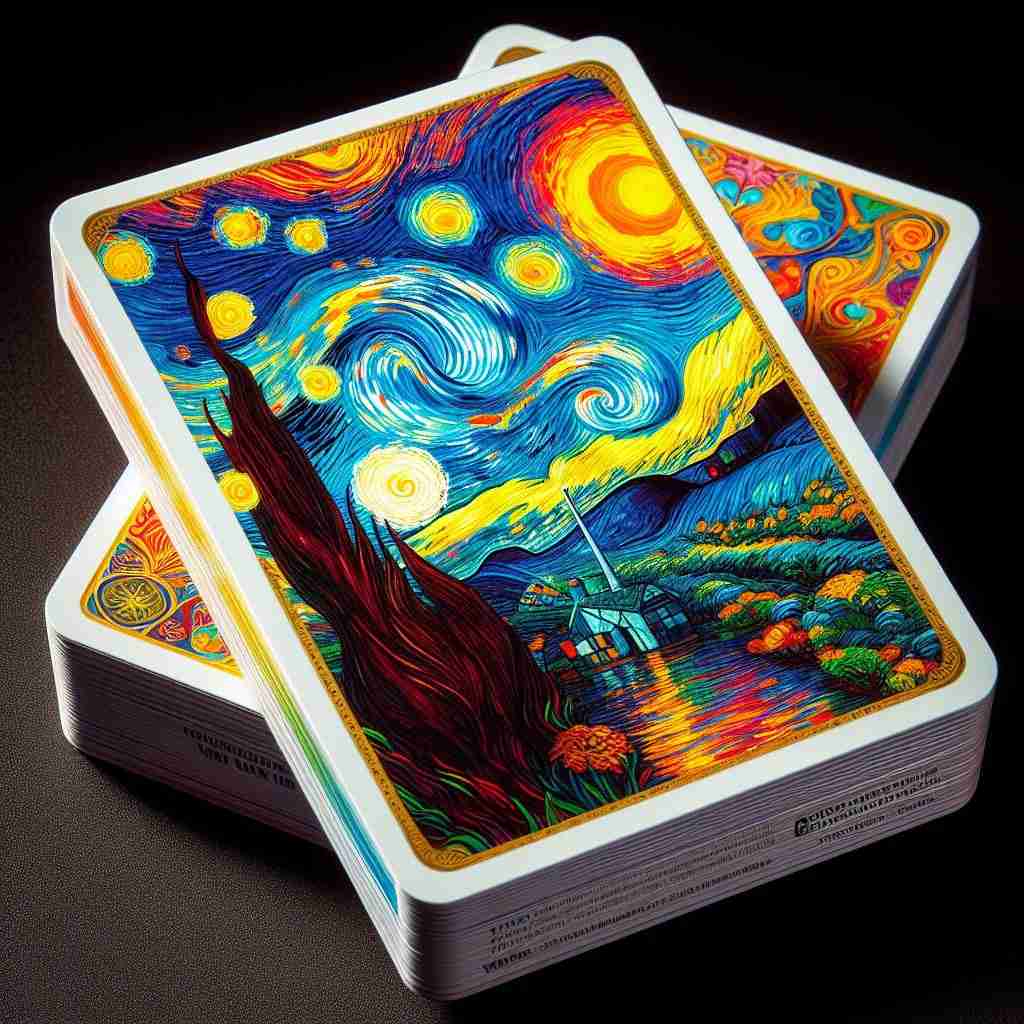
How Do Themes And Artwork Influence Player Preferences?
What Is The Appeal Of Deck-Building Mechanics?
When you crack open a deck-building game, you’re stepping into a world where strategy meets creativity—like a painter armed with a canvas and a palette of colors, albeit instead of paint and brushes, you’re wielding cards. The allure of deck-building mechanics lies in their ability to put the power of choice firmly in your hands, inviting players to craft unique strategies and experience a gratifying sense of personal agency.
Imagine sitting down at a table, a pile of cards spread before you, each one teeming with potential. Right off the bat, you’re faced with decisions that can later ripple through the game. Do you focus on building your engine, ensuring that the cards you play interact smoothly? Or do you go for a more aggressive route, setting your sights on overpowering your opponents early on? This level of strategic depth keeps players on their toes. Every game feels fresh and tailored to the choices you make, creating a sense of ownership that’s hard to replicate in other gaming formats.
Then there’s the feeling of progression. Deck-building games embody that classic journey from rags to riches. You begin with a handful of basic cards, and through clever maneuvering, you evolve your deck, adding new tools and tricks along the way. There’s a palpable satisfaction in watching your strategy come to life, like a craftsman meticulously shaping a block of wood into a masterpiece. This iterative process not only enhances player engagement but also offers a narrative thread that’s often absent in traditional games where luck takes the wheel.
Moreover, deck-building mechanics foster a social experience. As players interact, laughing, debating, and occasionally hovering over the table like hawks, there’s a palpable energy in the air that’s both contagious and engaging. Each decision can ignite competitive banter or playful rivalry, making every session not just a game, but an event.
Finally, let’s not overlook the joy of experimenting. Deck-building games invite players to think outside the box, trying different combinations, testing strategies, and, yes, even failing spectacularly. Each attempt paves the way for learning and refinement, creating a cycle of discovery that keeps players coming back for more.
In essence, the appeal of deck-building mechanics lies in their perfect blend of strategy, progression, and social interaction, providing a dynamic canvas for players to explore their creativity—one card at a time.

What Is The Appeal Of Deck-Building Mechanics?
What Is The Appeal Of Deck-Building Mechanics?
- Deck-building games combine strategy and creativity, allowing players to craft unique strategies with their cards.
- Players face significant decisions that can influence the game’s outcome, promoting strategic depth and player investment.
- The progression from basic cards to advanced strategies creates a satisfying evolution in gameplay.
- Deck-building games provide a narrative thread through the iterative process of developing one’s deck.
- Social interactions are enhanced through competitive banter and shared experiences among players.
- Players are encouraged to experiment with different strategies and combinations, fostering a cycle of learning and improvement.
- The overall appeal lies in the blend of strategy, progression, and social dynamics, allowing creativity to flourish.

What Is The Appeal Of Deck-Building Mechanics?
How Do Expansions Affect The Longevity Of Games?
When we dive into the world of gaming, it’s important to peel back the layers and examine what truly breathes life into a title. Expansions, those tantalizing nuggets of content that developers sprinkle like seasoning on an already robust dish, play an undeniable role in shaping a game’s longevity. Picture a beloved game lying in the cozy arms of its loyal fans. It’s a comfortable relationship—familiar yet predictable. Now, toss in an expansion, and suddenly, the narrative deepens, the environment flourishes, and the stage is set for fresh interactions. It’s much like a family reunion that unexpectedly turns into a raucous party; it simply reinvigorates the entire atmosphere.
First off, expansions serve as the lifeblood of a game’s community. They breathe new air into the experience, offering players new quests, characters, and stories to explore. This isn’t just about adding a few bells and whistles; it’s about providing depth. A well-crafted expansion can transform a single-player experience from a sprint to a marathon. Remember that initial rush of joy when you overcome an obstacle, only to realize there’s an entire world waiting for you just beyond the horizon? That’s the magic of expansions—they unveil the potential that lay dormant, waiting for curious adventurers to uncover it.
Furthermore, expansions can extend the relevancy of the game in the fast-paced digital landscape. It’s no secret that new titles are constantly emerging, vying for attention. A timely expansion can rekindle interest from lapsed players and draw in newcomers, enticing them to jump into the action. It’s not just about keeping scores inflated; it’s about reigniting the passion that brought players together in the first place.
Moreover, expansions often spur community engagement. Online forums, social media, and streaming platforms buzz with discussions and theories about new content. Players collaborate and strategize, sharing their findings and experiences. This engagement builds a sense of belonging, fostering a community that can thrive long after the initial credits roll.
In summary, expansions don’t merely add to a game; they transform it. They extend its life, deepen its lore, and forge connections among players. When executed well, an expansion doesn’t just keep the wheels turning; it creates a whole new vehicle for exploration, adventure, and camaraderie, ensuring that the love for the game can endure long after its initial launch. So, as we embrace these expansions, let’s remember that they’re not just a way to enhance a game—they’re an invitation to step back into a world that always had something more to offer.

How Do Expansions Affect The Longevity Of Games?
How Do Expansions Affect The Longevity Of Games?
- Expansions are vital for enhancing a game’s longevity and player engagement.
- They rejuvenate the game by deepening the narrative and enriching the environment.
- Expansions provide new quests, characters, and stories, offering players a profound experience.
- They can reignite interest in a game, attracting both returning and new players.
- Expansions encourage community engagement through discussions, strategies, and shared experiences.
- They transform a game rather than simply adding content, extending life and deepening lore.
- Embracing expansions invites players back into a world brimming with untapped potential.

How Do Expansions Affect The Longevity Of Games?
Why Do Players Enjoy Competition In Card Games?
When you peel back the layers of a card game, what lies at the heart of it all? Beneath the shuffle of the deck and the strategic calculations lies something primal: competition. For many, the thrill of going head-to-head with friends or strangers ignites a passion that is as old as the games themselves. But why is this competitive spirit so alluring?
First and foremost, competition breeds excitement. There’s something electric about the tension that fills the air when players sit across the table from one another, chips stacked high, eyes narrowed in focus. Each card that’s drawn, each clever play made, builds the anticipation and stakes. That palpable sense of uncertainty keeps players on their toes. It’s a dance, and the stakes could change with a single flip of a card.
Moreover, competition offers a sense of accomplishment. When you best an opponent, it’s not merely about winning; it’s about proving yourself, testing your skills, and walking away with the sweet satisfaction of triumph. This drive to win is not just about pride; it taps into the fundamental human need for recognition and validation. In the world of card games, a well-planned move can elevate a player from novice to champion in a matter of moments. And that feeling? Well, it’s the icing on the cake.
Then there’s the social aspect. Competition in card games often brings people together, encouraging interaction, banter, and camaraderie. It transforms a simple game into a memorable experience shared with friends. The laughter, the friendly (or not-so-friendly) trash talk, and the celebratory high-fives become cherished moments that linger long after the cards are packed away. These shared experiences foster connections, and many players find that these relationships deepen through competition.
Let’s not forget about strategy. Card games inevitably involve a level of psychological warfare—reading your opponents, bluffing when necessary, and capitalizing on their mistakes. The thrill of outsmarting someone adds another dimension to the enjoyment. It’s like chess with a more vibrant deck; players relish the opportunity to engage their minds and pit their wits against others.
In a world where many feel detached or isolated, the competitive spirit found in card games provides a welcome reprieve. It’s not just about the cards; it’s about the people, the thrill, and the rush of competition that keeps players coming back for more. So, the next time you sit down for a game, remember: you’re not just playing cards—you’re participating in a timeless tradition that taps into our very nature.

Why Do Players Enjoy Competition In Card Games?
Why Do Players Enjoy Competition In Card Games?
- The essence of card games lies in the primal competition between players.
- Competition generates excitement, creating a tense and electric atmosphere.
- Winning offers a sense of accomplishment and recognition, fulfilling a human need for validation.
- Card games foster social connections through interaction, banter, and shared experiences.
- Strategic elements add depth, involving psychological tactics like bluffing and reading opponents.
- In a disconnected world, competition in card games provides community and engagement.
- Playing card games is a timeless tradition that taps into our inherent competitive nature.

Why Do Players Enjoy Competition In Card Games?
What Are The Social Benefits Of Playing Strategy Card Games?
When you crack open a box of cards and lay them on the table, you’re not just dealing with bits of paper and ink; you’re opening a portal to social connection that’s as rich as any family gathering or community event. Strategy card games offer a unique interplay of competition and collaboration, and the social benefits they bring are worthy of exploration.
First and foremost, these games create a structured environment where people gather. In an age where screens often dominate our interactions, the tactile experience of shuffling cards and engaging eye-to-eye brings an authenticity that’s hard to replicate online. Whether you’re gritting your teeth over a hard-fought round of poker or strategizing your next move in a game of Magic: The Gathering, that simple act of gathering around a table fosters camaraderie. It’s a moment that strips away the distractions of modern life and reminds us of the joy in human connection.
Playing strategy card games also sharpens communication skills. Strategy requires players to negotiate, bluff, or even collaborate with their opponents at times. As you discuss tactics, confront rival players, or even form temporary alliances, you engage in a nuanced dance of verbal and non-verbal communication. This back-and-forth doesn’t just build camaraderie—it enhances our ability to articulate thoughts and read social cues. Those skills, honed over countless rounds, can spill over into our everyday interactions, leading to more meaningful conversations beyond the tabletop.
Furthermore, these games can boost emotional intelligence. Losing a game hurts; it’s a bitter pill to swallow. But how we handle that defeat—whether with grace or a bit of sulking—teaches us about resilience, humility, and sportsmanship. Learning to navigate these feelings in a controlled environment builds emotional awareness that is invaluable in real life. Wins and losses provide the perfect opportunities for reflection and growth.
Let’s not forget about diversity. Card games attract people from all walks of life. They bring together a range of ages, backgrounds, and perspectives, fostering inclusivity. It’s a microcosm of society, all centered around a shared experience. By breaking down barriers, these games encourage new friendships and help us appreciate the unique contributions of others.
In a world that often feels fragmented, strategy card games are more than just entertainment; they’re a powerful tool for social bonding, communication, emotional growth, and unity. So, grab those cards, shuffle them up, and deal yourself in. You might just find more than a game— you’ll discover a community.

What Are The Social Benefits Of Playing Strategy Card Games?
What Are The Social Benefits Of Playing Strategy Card Games?
- Strategy card games foster social connection akin to family gatherings and community events.
- They create a structured environment for face-to-face interactions, reducing distractions from screens.
- Games enhance communication skills through negotiation, bluffing, and collaboration with other players.
- Playing these games helps build emotional intelligence by teaching resilience and sportsmanship when facing defeat.
- Card games promote diversity by bringing together people of various ages, backgrounds, and perspectives.
- They encourage the formation of new friendships and appreciation for individual contributions within the community.
- Overall, strategy card games serve as powerful tools for social bonding and emotional growth.

What Are The Social Benefits Of Playing Strategy Card Games?
How Have Digital Versions Changed The Popularity Of Card Games?
In the age of screens and algorithms, the tactile joy of shuffling a deck and dealing out hands might feel a relic of the past, but don’t let that fool you. Digital versions of card games have not only preserved these beloved pastimes; they’ve rejuvenated them in ways that would have baffled the original card sharks of yesteryear. Remember those lazy Sunday afternoons spent around a table, engaging in fierce rounds of poker or Rummy? Now, with a simple download, you can experience the same thrill against opponents from around the globe, all without the need for chips or a designated dealer.
Let’s face it: technology has an uncanny knack for redefining how we engage with entertainment. Online platforms have made card games more accessible than ever. Every person with a smartphone or tablet can join the fray, allowing for unlimited participation free from geographical barriers. No longer limited to your local poker night or bridge club, enthusiasts can now find tables populated with players of all skill levels at any hour of the day. The convenience factor cannot be overstated. Want to pull out a quick hand of Texas Hold’em while waiting for your coffee? No problem.
Furthermore, digital adaptations often come packed with features that enhance gameplay, such as tutorials, skill leveling, and matchmaking algorithms. Aspiring players can improve without the pressure of a live audience. They can learn at their own pace, granting them the confidence to eventually transition to a physical table. Features like chat options and voice communication also keep the social aspect alive, fostering community among strangers united by a shared love of cards.
Let’s not overlook the creative spin that developers put on traditional games, too. Sometimes the simplest concepts transform into exhilarating experiences—think fantasy card battles or new twists on classic games that include vibrant graphics and immersive storylines. They cater to diverse tastes, pulling in younger audiences who may not have ever touched a physical deck before.
Ironically, as technology advances, we find ourselves returning to the very roots of card games—friendship, strategy, and a little bit of luck. Whether it’s a digital deal or the sound of cards being shuffled in someone’s hand, the essence remains unchanged: it’s about connection, competition, and of course, a little bit of fun. So, while the context may have shifted, card games are not just surviving; they’re thriving in the digital age.

How Have Digital Versions Changed The Popularity Of Card Games?
How Have Digital Versions Changed The Popularity Of Card Games?
- Digital card games have rejuvenated traditional pastimes, allowing play against global opponents.
- Online platforms make card games more accessible to anyone with a smartphone or tablet.
- Players can engage at any time, breaking geographical barriers and expanding participation.
- Digital adaptations offer features like tutorials and matchmaking, aiding players’ skill development.
- Social interactions are maintained through chat options and voice communication, fostering community.
- Developers creatively innovate traditional games into new formats, attracting younger audiences.
- Despite technological advancements, the core elements of card games—connection, strategy, and fun—remain unchanged.

How Have Digital Versions Changed The Popularity Of Card Games?
What Psychological Factors Contribute To Strategy Game Appeal?
When we dive into the world of strategy games, we can’t ignore the allure they hold over so many players. It’s not just about moving pieces on a board or clicking commands on a screen; it’s about the intricate psychological factors at play that keep players coming back for more.
First off, let’s talk about challenge. There’s something deeply satisfying about overcoming obstacles, especially when the solution isn’t immediately apparent. Strategy games present problems that require careful thought, often pushing players to flex their cognitive muscles. As they navigate complex scenarios, players experience a rush of dopamine — that feel-good chemical — with each victory. This reinforces the idea that their intellectual efforts lead to success, creating a feedback loop that’s difficult to resist.
Then, consider the element of control. In a world where chaos often feels like the norm, strategy games provide a unique arena where players can dictate the outcome of events. The ability to make critical decisions and see their consequences unfold provides a level of autonomy that many crave. This sense of agency empowers players, granting them the opportunity to act and react in a way that feels meaningful. It’s not just about winning or losing; it’s about feeling like you’ve influenced the game’s world, even if it’s just a digital one.
Social dynamics also play a pivotal role. Strategy games often bring players together – whether through team-based play or competitive matchmaking. These interactions tap into our innate social nature, offering camaraderie and rivalry alike. Players bond over shared experiences and strategize together, building connections that extend beyond the screen. Even in competitive scenarios, where players face each other as adversaries, the thrill of outsmarting someone else taps into our desire for recognition and validation.
Moreover, the narrative aspect of many strategy games can’t be overlooked. Engaging storylines envelop players in rich worlds, making the act of strategizing a compelling part of a larger adventure. Whether it’s leading an empire or navigating a post-apocalyptic wasteland, players become invested in the lore and outcomes, adding an emotional depth to their tactical choices.
Lastly, let’s not forget the satisfaction of progress. Strategy games often feature a tiered system of achievements – unlocking new characters, skills, or regions. This progression feeds our desire to improve and conquer. It makes each session feel rewarding, contributing to an ongoing sense of accomplishment that lingers long after the screen goes dark.
In essence, the appeal of strategy games intertwines intellectual challenge, social interaction, storytelling, and a profound sense of control, driving players to engage deeply with these virtual battlegrounds time and again. It’s a captivating blend that keeps the wheels turning in the minds of players everywhere.

What Psychological Factors Contribute To Strategy Game Appeal?
What Psychological Factors Contribute To Strategy Game Appeal?
- Strategy games attract players through intricate psychological factors beyond mere gameplay mechanics.
- The challenge of overcoming complex problems enhances cognitive engagement and provides satisfaction through victories.
- Players experience a sense of control and agency, shaping outcomes through critical decisions.
- Social dynamics foster connections, as players engage in teamwork and competition, fulfilling their needs for camaraderie and recognition.
- Compelling narratives immerse players in rich backstories, adding emotional depth to strategic choices.
- A tiered achievement system promotes a satisfying sense of progress and continuous improvement.
- The blend of intellectual challenge, social interaction, storytelling, and control drives deep engagement in strategy games.

What Psychological Factors Contribute To Strategy Game Appeal?
How Important Are Community Events For Card Game Fans?
In the world of card games, where the shuffle of a deck and the glint of a well-placed strategy can ignite adrenaline, community events serve as the lifeblood that sustains the passion for the game. Think about it. Imagine a room buzzing with energy, players gathered not just to compete, but to revel in their shared love for the cards they hold. It’s not just about the game; it’s about the connections, the shared stories, and sometimes the rivalries that make each match memorable.
Community events create a platform for players of all skill levels to come together. Whether you’re a seasoned veteran or a newbie trying to figure out the difference between a creature card and a spell, these gatherings offer a unique chance to learn and improve. The beauty of playing in a community setting is that knowledge flows like the rivers of camaraderie, where every challenge faced provides an opportunity for growth. The seasoned players often share their hard-won wisdom, while fresh faces bring a jolt of creativity that can inspire everyone around them.
Beyond personal growth, these events foster a sense of belonging. Imagine walking into a venue, surrounded by like-minded individuals who understand the thrill of a clutch victory and the agony of a well-timed loss. The shared language of card games ignites conversations that deepen relationships, creating bonds that go beyond the table. Friendships are forged over the shuffle of a deck and the anticipation of drawing that perfect card, weaving a fabric of community that is both vibrant and supportive.
Moreover, community events can be a launching pad for creativity. Players often showcase innovative new strategies, experiment with deck-building techniques, and even unveil their custom creations. These gatherings serve as a creative incubator, a space where ideas flourish in the most unexpected ways, all sparked by a shared enthusiasm for what card gaming can be.
Finally, let’s not forget the exhilarating rush of competition. Tournaments bring out the best in players, showcasing talent and strategy in exciting head-to-head matchups. The stakes may be high, but the thrill of competition, paired with the cheers and gasps from an engaged audience, creates an atmosphere that can only be described as electric.
In essence, community events are more than just gatherings; they are celebrations of a passion that brings people together, teaching us that in the game of cards, it’s not just the outcome that matters, but the journey and connections made along the way.

How Important Are Community Events For Card Game Fans?
How Important Are Community Events For Card Game Fans?
- Community events are essential for sustaining passion among card game fans.
- They provide a platform for players of all skill levels to come together and learn.
- The sharing of knowledge and experiences fosters personal growth and improvement.
- These events create a sense of belonging among like-minded individuals.
- Friendships are formed over shared experiences and the excitement of gameplay.
- Community gatherings encourage creativity through innovative strategies and deck-building.
- Tournaments heighten the thrill of competition, showcasing talent in an electric atmosphere.

How Important Are Community Events For Card Game Fans?
What Trends Are Emerging In Strategy Card Games Today?
In the vibrant and ever-evolving world of strategy card games, a fresh wave of trends is reshaping how enthusiasts approach their favorite pastime. Players are not just shuffling decks anymore; they’re diving into a rich tapestry of mechanics, themes, and technology that redefines what a card game can be.
First and foremost, we see a marked rise in hybrid game models. Gone are the days when a card game was just about building decks and playing turns. Today’s players crave deeper narratives intertwined with gameplay. Whether it’s through immersive storylines or unique character arcs, developers are weaving complex narratives into their card games, allowing players to feel like heroes on an epic journey. This isn’t just a card game; it’s an experience, where every decision impacts the outcome of a story that unfolds before your eyes.
Another prominent trend is the surge in accessibility. With a growing emphasis on inclusivity, creators are designing games that cater to both newcomers and seasoned veterans alike. Simplified rules, intuitive mechanics, and beautifully crafted starter sets ensure that anyone can pick up a deck and jump into the action. Additionally, many developers are embracing digital platforms, inviting players from around the world to engage in gameplay that transcends borders. These digital spaces foster vibrant communities, where strategies are shared, friendships formed, and tournaments held — all from the comfort of home.
Speaking of community, cooperative gameplay is making an impressive comeback. More and more games are moving away from the traditional adversarial model and encouraging players to team up against common foes. This shift fosters camaraderie and collaboration, turning card games into cooperative adventures where strategy and teamwork are paramount. Imagine huddling with friends, meticulously planning your next move to outsmart the game itself. It’s a collective thrill that engenders a sense of unity, transforming competition into collaboration.
Finally, aesthetics within the genre are reaching new heights. High-quality artwork, intricate designs, and unique themes are more important than ever, captivating players at first glance. The visual elements aren’t just eye candy; they enhance immersion, pulling players deeper into the worlds crafted by imaginative designers.
As strategy card games continue to evolve, one principle remains: the spirit of competition and camaraderie is alive and well. Whether you’re in it for the breathtaking artwork, the rich narratives, or the thrill of collaboration, the future of card games is bright, promising endless adventures with every shuffle.

What Trends Are Emerging In Strategy Card Games Today?
What Trends Are Emerging In Strategy Card Games Today?
- Strategy card games are experiencing a wave of new trends that enhance gameplay and engagement.
- A rise in hybrid game models combines immersive narratives with traditional card mechanics, allowing for a rich player experience.
- There’s an increased emphasis on accessibility, with simplified rules and starter sets catering to both new and veteran players.
- Many developers are utilizing digital platforms, creating global communities for sharing strategies and holding tournaments.
- Cooperative gameplay is gaining popularity, encouraging players to work together against common challenges instead of competing against each other.
- High-quality artwork and intricate designs are becoming essential in capturing players’ attention and enhancing immersion.
- The essence of competition and camaraderie continues to thrive, promising exciting adventures for all players.

What Trends Are Emerging In Strategy Card Games Today?
Conclusion
In the enchanting realm of strategy card games, there’s a magic embedded deep within those colorful cardboard canvases. Beneath the surface, these games are much more than just shuffling cards; they’re a complex dance of intellect, creativity, and camaraderie that keeps fans returning, captivated and eager for more. Imagine stepping into a world where every decision carries weight, and every match is a thrilling mental joust—this is the essence of what makes strategy card games so appealing.
At the heart of the allure lies the thrill of strategy itself. Players aren’t merely participants; they’re tacticians crafting elaborate plans, outsmarting opponents with each calculated move. The game isn’t left to chance like rolling dice; it’s a battlefield where the sharpest minds can outmaneuver one another, creating dynamic narratives with every drawn card. The excitement of this cerebral duel adds an exhilarating layer that intensifies the competition.
And competition isn’t just an individual endeavor; it’s a shared experience. Strategy card games foster a rich social landscape where friendships blossom and rivalries ignite. Gathered around a table, players exchange laughter, playful banter, and the occasional groan of disappointment. Unlike the solitude found in many digital environments, these games bring people together, creating a vibrant tapestry of interactions. The bonds formed over a card mat remind us of our humanity, serving as a refreshing escape from our increasingly isolated lives.
Moreover, there’s an inherent thrill in personal expression. Each player creates a unique deck that embodies their style, strategy, and personality. Whether with a fierce offensive tactic or a more calculated defensive approach, the deck becomes a reflection of the player, an artistic statement in the face of challenge.
Not to be overlooked, the continuous evolution of these games—through expansions, new mechanics, and changing formats—ensures that players never stop learning. The excitement of mastering new strategies alongside seasoned veterans keeps them coming back for more. This vibrant cycle of growth and adaptation creates a community that values knowledge and skill, honoring players’ journeys and their evolving legacies.
Ultimately, strategy card games enchant fans not only for the gameplay mechanics but for the intricate blend of strategy, social connection, self-expression, and relentless growth they provide. As players embark on this ongoing adventure, each turn fosters a legacy built with laughter, competition, and the timeless quest for connection, reminding us all that in this game of cards, everyone has a story to tell. So shuffle up, deal in, and embrace the journey—you’re not just playing a game; you’re stepping into a world that celebrates the human spirit at every turn.

Conclusion
Conclusion:
- Strategy card games are more than just card shuffling; they embody intellect, creativity, and camaraderie.
- The thrill of strategy involves players crafting elaborate plans and outsmarting opponents, creating dynamic narratives.
- Competition is a shared experience that fosters friendships and rivalries among players.
- These games create a vibrant social landscape, allowing players to interact and escape isolation.
- Players express personal style through unique decks that reflect their strategies and personalities.
- The continuous evolution of games through expansions and new mechanics keeps players engaged and learning.
- Ultimately, strategy card games offer a rich blend of gameplay mechanics, social connection, self-expression, and growth.

Conclusion
Other Resources

Other Resources
Here is a list of other resources you can review online to learn more:
Best Strategy Card Board Games – The Gamers Guides
The Enduring Appeal Of Strategy Games – GamesCreed
11 Best Strategy Card Games Of All Time – Game Rant
Choosing a Game Theme: What Works and Why
Use This Prompt To Get More Resources With Your Favorite Online AI Tool: Please provide me with a list of online articles with their URLS in a bulleted list that I can read regarding What Makes Strategy Card Games Appealing to Fans?

Other Resources
Glossary Terms
What Makes Strategy Card Games Appealing to Fans? – Glossary Of Terms
1. Strategy: A plan of action designed to achieve a long-term or overall aim, integral to gameplay and decision-making in card games.
2. Deck: A set of cards used by a player in a game, which can include certain themes, strategies, and characters.
3. Card Drafting: A mechanic where players select cards from a pool to build their own decks, enhancing strategy and competition.
4. Mechanics: The rules and systems that govern gameplay, determining how players interact and how the game progresses.
5. Synergy: A concept where cards work well together, maximizing their overall effectiveness when combined in gameplay.
6. Resource Management: The strategic allocation and utilization of limited resources (such as cards, points, or energy) to achieve victory.
7. Combo: A sequence of moves or card plays that interact to create a powerful effect, rewarding players for strategic thinking.
8. Meta: Short for “metagame,” it refers to the strategic environment and trends within the game, often dictating competitive strategies.
9. Lore: The background story and universe of the game, contributing depth and context that make the game more engaging.
10. Interactivity: The degree to which players can affect each other’s actions and outcomes, enhancing engagement and competitiveness.
11. Tournament Play: Competitive formats where players face off against each other in a series of matches, fostering a sense of community and skill.
12. Customization: The ability to modify or build one’s deck, allowing players to express personal preferences and strategies.
13. Bluffing: A psychological tactic where players mislead opponents about their intentions or hand, adding an element of deception.
14. Variety: The diverse range of cards and strategies available, promoting replayability and keeping the game fresh.
15. Thematic Alignment: How well the cards and gameplay mechanics fit within the game’s overarching story or theme, enhancing immersion.
16. Balance: The fairness and competitiveness of the card abilities and synergies, ensuring that no single strategy dominates.
17. Complexity: The level of intricacy in gameplay mechanics, which can attract players seeking deep and challenging experiences.
18. Scalability: The ability to adapt the game to different player counts or skill levels, allowing for broader accessibility.
19. Card Rarity: A system that categorizes cards based on their availability and power, often influencing strategy and deck building.
20. Community: The network of players who share strategies, discuss gameplay, and enhance the social aspect of card gaming.
21. Replayability: The potential for enjoyable and different experiences across multiple playthroughs, maintaining player interest over time.
22. Turn-Based: A gameplay style where players take turns making decisions, emphasizing planning and strategy.
23. Victory Conditions: The specific goals or requirements needed to win the game, guiding player strategies and tactics.
24. Nostalgia: A sentiment that can enhance a player’s connection to a game, especially in classic or long-standing titles.
25. Skill Gap: The difference in proficiency between novice and experienced players, challenging opponents while rewarding practice.
26. Visual Design: The aesthetic elements of the cards and game board that can enhance appeal and engagement through art and layout.
27. Game Pacing: The speed at which the game progresses, affecting player engagement and strategy formulation.
28. Player Agency: The level of control players have over their decisions, which can heighten immersion and satisfaction in gameplay.
29. Evaluation: The process of assessing the effectiveness of strategies, moves, or deck compositions, promoting a deeper understanding of the game.
30. Clutch Moments: Critical points in gameplay where decisive actions can dramatically shift the outcome, creating excitement and tension.

Glossary Of Terms
Other Questions
What Makes Strategy Card Games Appealing to Fans? – Other Questions
If you wish to explore and discover more, consider looking for answers to these questions:
- What are some popular strategy card games currently on the market?
- How can beginners get started in strategy card games?
- What strategies can advanced players use to improve their gameplay?
- What is the role of tournaments in the strategy card game community?
- What are the most common mistakes players make in strategy card games?
- How do expansions introduce new mechanics to existing games?
- What are the differences between physical and digital strategy card games?
- How can players effectively build and customize their decks?
- How do social factors influence a player’s experience in card games?
- What psychological techniques do players use during competitive play?
- How do narrative elements in card games affect player engagement?
- What are the trends in strategy card game design for 2024?
- What resources (books, websites, etc.) are available for learning about strategy card games?
- How do themes and settings in card games resonate with different groups of players?
- Are there any health benefits associated with playing strategy card games?

Other Questions
Haiku
What Makes Strategy Card Games Appealing to Fans? – A Haiku
Cards laid on the table,
Strategies weave through the air,
Friends unite and play.

Haiku
Poem
What Makes Strategy Card Games Appealing to Fans? – A Poem
In a world where colors dance and cards unfold,
Lies a realm of strategy, a tale to be told.
Decks weave stories, intricate and grand,
Where wits reign supreme, and tactics command.
What draws us, dear friends, to this vibrant delight?
It’s the thrill of the duel, the spark of the fight.
With every decision, the stakes rise high,
Each card, a soldier, your dreams soaring nigh.
Nurtured by laughter, camaraderie blooms,
In community gatherings, excitement consumes.
Friendships are forged over rounds of old,
As tales of victory, together retold.
Expressing oneself through a deck ever deep,
A canvas of choices, a promise we keep.
Through failures and triumphs, we learn and we grow,
In the dance of the game, the passion we sow.
Luck swirls like shadows, it’s part of the thrill,
Yet it’s skill that defines us, our wits that fulfill.
Each match is a story, where we rise and we fall,
With memories crafted, as we give it our all.
So gather round tables, let cards cascade,
For in this endeavor, true bonds are made.
In strategy’s embrace, we find more than a game;
We build legacies cherished, igniting our flame.
So shuffle the deck, let the games now begin,
In each card drawn, the excitement within.
For the heart of strategy, in colors so bright,
Is a journey together, a shared path of light.

Poem
Checklist
What Makes Strategy Card Games Appealing to Fans? – A Checklist
Understanding the Appeal
_____ Explore Strategic Depth: Reflect on how strategy card games challenge your thinking and decision-making skills.
_____ Engage in Friendly Competition: Seek out opportunities to compete against friends or in tournaments to boost your excitement.
Social Connections
_____ Gather with Friends: Organize regular game nights to deepen friendships and create shared experiences.
_____ Join a Local Community: Visit local game stores or clubs to connect with other players and attend events.
Customization & Creativity
_____ Design Your Deck: Take time to customize your deck, reflecting your personal style and strategy.
_____ Experiment with New Strategies: Try out unique combinations and deck-building techniques.
Continuous Learning
_____ Stay Updated on Expansions: Purchase and explore expansions to keep the game fresh and engaging.
_____ Learn from Others: Participate in discussions and observe matches to discover new strategies and insights.
Embrace the Visual and Thematic Elements
_____ Appreciate the Artwork: Spend time examining the artwork and themes of your favorite games to enhance immersion.
_____ Explore Different Genres: Try various themes and settings to see which resonates most with you.
Managing Competition
_____ Accept Lessons from Losses: Reflect on defeats to identify areas for improvement and build resilience.
_____ Celebrate Victories: Make sure to acknowledge and celebrate your wins, big or small.
Enjoy the Social Benefits
_____ Communicate Effectively: Develop negotiation and communication skills during gameplay.
_____ Build Emotional Intelligence: Use gameplay experiences to understand and manage emotional responses.
Explore the Digital Landscape
_____ Try Digital Versions: Check out digital adaptations of your favorite card games for new features and accessibility.
_____ Engage Online: Join online communities for strategy card games to discuss gameplay and share experiences.
Community Engagement
_____ Participate in Events: Attend community events or tournaments to immerse yourself in the card game culture.
_____ Make New Friends: Use gaming as an opportunity to meet new people who share your interests.
Stay Current with Trends
_____ Follow Industry Innovations: Stay updated on emerging trends in strategy card games, such as hybrid models or cooperative play.
_____ Incorporate New Mechanics: Experiment with new gameplay mechanics as they are released.
Reflection
_____ Assess Your Enjoyment: Regularly check in with yourself to see what aspects of strategy card games you love most.
_____ Adapt Your Approach: Be open to trying new things and changing your strategies to enhance your overall enjoyment.
Completing this checklist will deepen your understanding of strategy card games and enhance your overall experience, making each gaming session more enjoyable and fulfilling!

Checklist
At CardGameNews, we help people who love card games by collating information and news about card games.
Be sure to read our other related stories at CardGameNews to learn more about card games.


