

The Allure Of Matching Card Games Explained
By Tom Seest
At CardGameNews, we help people who love card games by collating information and news about card games.
Be sure to read our other related stories at CardGameNews to learn more about card games.
What Makes Matching Card Games Appealing to Fans?
When you delve into the world of matching card games, you’re stepping into a realm that blends strategy, memory, and a touch of luck—all wrapped up in a colorful package. These games hold a special allure, capturing the hearts of players both young and old. But what is it about flipping cards and finding pairs that keeps fans coming back for more?
First off, let’s talk about accessibility. Matching card games are remarkably easy to grasp. You don’t need a PhD in strategy or a master’s degree in arithmetic to dive in. Instead, you simply need a pair of eyes and a little bit of patience. This simplicity is inviting, offering a warm welcome to beginners while still providing depth for those seasoned masters looking to refine their skills. The learning curve is gentle, but the potential for mastery is steep, making it a perfect playground for players of all ages.
There’s also a nostalgic charm at play. For many, matching card games evoke memories of family game nights and rainy afternoons spent honing memory skills with a deck of cards. They serve as a bridge to simpler times, encouraging face-to-face interaction that is often missing in our digital age. In an era dominated by screens, the tactile nature of handling cards, flipping them over, and experiencing the excitement of making a match instills a sense of satisfaction that a swipe on a touchscreen simply can’t replicate.
Then there’s the thrill of competition. Even though these games may appear innocent in their design, don’t be fooled—the stakes can get high. The race to find a match is tinged with friendly rivalry, igniting both camaraderie and spirited competition. Whether it’s a family gathering or a casual night with friends, the adrenaline of chasing pairs sharpens the mind and quickens the heartbeat. Players often find themselves shouting in delight or groaning in frustration, all part of the rich tapestry that makes these games so engaging.
Finally, let’s not forget about cognitive benefits. Matching card games train your brain, improve memory, and enhance concentration. This mental workout is subtly woven into the fabric of fun, making players sharper and more focused. When folks engage in these games, they’re not just having a good time; they’re also exercising their minds in a way that feels more like play than work.
So, what makes matching card games appealing? It’s the perfect blend of simplicity, nostalgia, competition, and cognitive engagement—a recipe guaranteed to keep fans coming back for more.

What Makes Matching Card Games Appealing to Fans?
What Makes Matching Card Games Appealing to Fans?
- Matching card games blend strategy, memory, and luck in an engaging format.
- They are easy to learn, making them accessible to players of all ages.
- The games evoke nostalgia, recalling memories of family game nights and simpler times.
- They encourage face-to-face interaction, contrasting with today’s digital experiences.
- Competition adds excitement, fostering camaraderie and friendly rivalry among players.
- These games provide cognitive benefits, improving memory and concentration through play.
- Overall appeal lies in their simplicity, nostalgia, competitive spirit, and mental engagement.

What Makes Matching Card Games Appealing to Fans?
Table Of Contents
- What Makes Matching Card Games Appealing to Fans?
- What Are The Cognitive Benefits Of Playing Matching Card Games?
- How Do Matching Card Games Enhance Social Interactions?
- What Strategies Improve Success In Matching Card Games?
- Are Matching Card Games Suitable For All Age Groups?
- How Do Visual Elements Attract Players To Matching Card Games?
- What Role Does Nostalgia Play In The Appeal Of These Games?
- How Does Game Design Influence Player Engagement In Card Games?
- What Makes The Competition In Matching Card Games Enjoyable?
- How Do Themed Matching Card Games Impact Player Interest?
- Conclusion
- Other Resources
- Glossary Of Terms
- Other Questions
- Haiku
- Poem
- Checklist
What Are The Cognitive Benefits Of Playing Matching Card Games?
When we think about leisure activities, card games often fall into the background chatter of family gatherings and rainy afternoons. However, it’s hard to overlook the cognitive benefits that come from a simple deck of cards, especially when it comes to matching games. These games, where players flip over cards to find pairs or matches, are more than mere entertainment; they’re a workout for the brain.
First off, let’s talk about memory. In a world where the average attention span seems to shrink by the hour, engaging in matching card games provides an excellent exercise for improving memory retention and recall. Players must memorize the positions of the cards, which enhances working memory and fosters spatial awareness. This constant juggling of information mirrors tasks we face in everyday life, reinforcing a set of skills that can help us remember appointments or grocery lists without defaulting to digital reminders.
Then we delve into concentration. Distinct from the distractions of our tech-driven society, matching card games require players to focus intently on what’s happening in front of them. The game demands a level of engagement that can be hard to come by these days. By concentrating on each turn, players hone their ability to filter out noise—a critical skill in both personal and professional realms. After all, focusing on one task while shutting out distractions is an art form in itself.
Moreover, let’s not underestimate the strategic thinking involved. Appearing simple at first glance, matching card games can involve a surprising depth of strategy. Players often find themselves weighing the odds, remembering which cards have been revealed, and predicting opponents’ moves. This encourages critical thinking and decision-making, skills that translate well outside the gaming table, enhancing problem-solving abilities in various walks of life.
Finally, let’s touch on the social aspect. Playing card games fosters interaction, which often leads to laughter, banter, and mutual camaraderie. This social engagement not only stimulates the brain through conversation and shared experiences but can also reduce stress, promoting overall mental well-being.
So the next time you find yourself reaching for the remote, consider breaking out the cards instead. Matching games offer a trifecta of cognitive benefits: memory enhancement, improved concentration, and strategic thinking—all while building social connections. Who knew a simple game could have such profound effects on both mind and mood? It’s time to shuffle the deck and deal a hand of brain-boosting fun!

What Are The Cognitive Benefits Of Playing Matching Card Games?
What Are The Cognitive Benefits Of Playing Matching Card Games?
- Card games, especially matching games, provide significant cognitive benefits beyond mere entertainment.
- Engaging in matching games improves memory retention and recall by requiring players to memorize card positions.
- These games enhance working memory and spatial awareness, skills applicable to everyday tasks.
- Matching card games promote concentration, requiring players to focus and filter out distractions.
- They involve strategic thinking, encouraging critical thinking and decision-making skills through weighing odds and predicting moves.
- Playing card games fosters social interaction, leading to laughter and camaraderie, which reduces stress and promotes mental well-being.
- Overall, matching games enhance cognitive skills while building social connections, making them a valuable leisure activity.

What Are The Cognitive Benefits Of Playing Matching Card Games?
How Do Matching Card Games Enhance Social Interactions?
In a world dominated by screens and social media, there’s something beautifully primitive about gathering around a table with a stack of cards. Matching card games are the unsung heroes of social interaction, bridging gaps, and forging connections in ways that mere tweets and text messages can’t quite replicate.
First off, let’s talk about the sheer simplicity of it. You don’t need a user manual, a fancy app, or a high-speed internet connection to play a game of memory or concentration. Just a deck of cards and a group of willing participants. It’s a true equalizer—you can invite anyone, from your neighbor’s three-year-old to your retired history professor. Everyone can play, and that’s where the magic happens.
When players sit down to play, something intriguing occurs. The atmosphere shifts from the everyday humdrum of life to a vibrant energy filled with laughter, teasing, and sometimes even a little friendly rivalry. These games ignite all sorts of emotions, from triumph in matching a pair to playful frustration when an opponent snatches the last card just before you can. It’s these shared experiences, the collective gasp, the burst of laughter when someone makes a silly mistake—these moments are the glue that binds relationships.
Matching card games also encourage communication. They stimulate the kind of conversations that might not unfold during a typical gathering. “Did you see how I swooped in on that pair?” becomes the catalyst for laughter and banter, allowing both seasoned players and newcomers to engage. Strategy discussions, playful trash talk, and little pep talks elevate the experience beyond the cards themselves, turning a simple game into a dynamic social ritual.
Moreover, these games teach valuable social skills—patience, sportsmanship, and the art of losing gracefully. Kids can learn to accept defeat and celebrate others’ successes, levels of emotional maturity that carry over into their everyday lives. Watching adults and children engage in this candid dance of connection is nothing short of heartwarming.
So, the next time you find yourself surrounded by friends, family, or even acquaintances, consider breaking out that deck of cards. What might start as a simple game could transform into an unforgettable evening steeped in camaraderie, learning, and a whole lot of fun. In an age where our fingers do the talking, let’s remember the joy of gathering around and rediscovering connection, one match at a time.

How Do Matching Card Games Enhance Social Interactions?
How Do Matching Card Games Enhance Social Interactions?
- Gathering around a table with cards fosters genuine social interaction, unlike digital communication.
- Card games are simple and accessible; they require no complex technology or instructions.
- These games create a lively atmosphere filled with laughter, teasing, and friendly rivalry.
- Shared moments of triumph and playful frustration strengthen bonds between players.
- Matching card games encourage communication and foster engaging conversations among participants.
- Players learn valuable social skills like patience, sportsmanship, and emotional maturity.
- Breaking out a deck of cards can lead to memorable gatherings steeped in connection and fun.

How Do Matching Card Games Enhance Social Interactions?
What Strategies Improve Success In Matching Card Games?
When it comes to matching card games, success isn’t just about luck—it’s a game of memory, strategy, and sometimes even psychology. While flipping over cards and hoping for a match might seem straightforward, there’s a whole world of tactics that can elevate your game from amateur to expert. Let’s delve into some of these strategies and see how they can reshape your approach to those colorful cards.
First and foremost, the foundation of success lies in your memory. This isn’t the same as cramming for a test—no, it’s more about training your brain for the task at hand. As cards are revealed, it’s crucial to pay attention. Make an internal map of where specific cards are located. It’s a bit like being a detective on the hunt for clues; every flip provides vital information. Practice and exposure can sharpen this skill. Try playing solo with a deck of cards, systematically flipping and recalling their positions. Over time, recognizing patterns and remembering placements will turn into second nature.
Next, let’s talk position. A savvy player knows that card placement isn’t just random chaos; it’s a methodical grid of opportunity. As you flip cards and uncover their matches, pay attention not just to your own moves, but also to your opponents’. If they reveal a card, make a mental note. The more you know about their memory, the better you can anticipate their moves. This element of awareness adds an exciting layer to your game. You’re not just trying to match cards; you’re also outsmarting your competition.
Don’t underestimate the power of strategy when it comes to card selection. Prioritize flipping cards that seem more difficult for others to remember. If you can take the easy matches early, it leaves your rivals scrambling for the tougher ones. Additionally, utilize the “pair-up” technique: deliberately pairing one known card with an unknown to gain an upper hand. This tactic not only enhances your chances of success but also creates opportunities to disrupt your opponents’ strategies.
Lastly, approach the game with a chill mindset. Stress and anxiety can muddle your memory and decision-making skills. Keep it light-hearted, enjoy the process, and remember that at the end of the day, it’s just a game. Engage with your fellow players, share a laugh, and relish the simple pleasure of matching cards. By refining your strategy and nurturing your memory while keeping a cool head, you’re not just playing a game—you’re mastering it. So roll up those sleeves, dive into the fun, and let the games begin!

What Strategies Improve Success In Matching Card Games?
What Strategies Improve Success In Matching Card Games?
- Success in matching card games relies on memory, strategy, and psychology, not just luck.
- Train your memory by creating a mental map of card positions as they are revealed.
- Practice recalling card locations to improve pattern recognition and memory retention.
- Pay attention to opponents’ moves to anticipate their strategies and enhance your own.
- Prioritize difficult cards for opponents while securing easy matches for yourself.
- Utilize the “pair-up” technique to gain advantages and disrupt competitors’ plans.
- Maintain a relaxed mindset to improve memory and decision-making, and enjoy the game.

What Strategies Improve Success In Matching Card Games?
Are Matching Card Games Suitable For All Age Groups?
When it comes to matching card games, the question of whether they’re suitable for all age groups is as straightforward as a shuffle and a deal. You might think these games are just child’s play, likely designed for giggling youngsters lounging on the living room floor, battling it out over a colorful deck. But hold your horses; these games have more going on than meets the eye.
At first glance, you might envision a delightful gathering around a table, with kids matching pairs and hooting in delight. But scratch the surface, and you’ll discover that matching card games come with layers of cognitive benefits and social nuance that appeal to folks of all ages. For kids, these games foster memory skills, critical thinking, and even a dash of strategy. They learn to concentrate, to recognize patterns, and let’s not forget the thrill of victory after an intense bout of memory match. The unmistakable cheer that erupts when a child successfully pairs two cards is priceless.
But here’s the kicker: adults are not off the hook. In fact, many grown-ups can often find extraordinary enjoyment in the same simple mechanics that engage children. A weekend gathering, a cozy rainy day, or even memories of simpler times trigger a nostalgic response that can draw in even the most reluctant participants. These card games can become the glue that binds generations, a conduit for shared laughter and meaningful interactions.
Now, let’s not ignore the aging population. As folks grace our lives with their wisdom and years, matching card games can serve as an unassuming ally in maintaining cognitive health. Playing these games stimulates the brain, keeping mental acuity sharp—a robust defense against the cobwebs that sometimes come with age. Plus, the social aspect can combat loneliness, inviting family and friends to join in, fostering connections that cut across age barriers.
Sure, there may be a few exceptions—someone who’s perhaps disinterested and prefers a different genre of entertainment. But for the most part, matching card games can bridge gaps, unite family members, facilitate cognitive development, and inject a good dose of fun into any gathering. So the next time someone asks if matching card games are suitable for any age, it’s pretty clear: the answer is a resounding yes, with a side of enthusiastic applause. Game on!

Are Matching Card Games Suitable For All Age Groups?
Are Matching Card Games Suitable For All Age Groups?
- Matching card games appeal to all age groups, not just children.
- These games offer cognitive benefits like memory skills, critical thinking, and strategy development for kids.
- Adults enjoy matching card games for nostalgic reasons and social interaction.
- These games help bridge generational gaps, fostering shared laughter and connections.
- For the aging population, playing matching card games aids in maintaining cognitive health and mental acuity.
- They provide a social outlet, helping combat loneliness among older individuals.
- Overall, matching card games are a fun, engaging activity suitable for all, encouraging family bonding across ages.

Are Matching Card Games Suitable For All Age Groups?
How Do Visual Elements Attract Players To Matching Card Games?
When it comes to matching card games, visual elements are more than just a pretty face; they’re the lifeblood that draws players into the fold. It’s a bit like baiting a hook—if what you dangle in front of someone’s eyes isn’t enticing, they’re just going to walk right past. But let’s break it down.
First up, color schemes act like sirens, calling players to the shores of your game. Bright, bold hues can evoke feelings of excitement and joy, while soft pastels might summon feelings of calm and nostalgia. The right color palette doesn’t just capture attention; it sets the tone for the entire experience. Think about it: a game with a vibrant splash of colors is not only more visually appealing but can create an atmosphere that invites players to dive in headfirst. Color is a powerful tool that can make mundane elements feel extraordinary.
Next, let’s talk about the artistry behind the cards themselves. Detailed illustrations and quirky designs can tell a story that players want to be a part of. It’s about more than just looking good; it’s about crafting a visual narrative that draws players in. Imagine a whimsical world filled with bizarre creatures or a sophisticated backdrop of vintage elegance. Each card can spark curiosity and, before you know it, players are hooked, eager to discover what’s next. The cards become portals, transporting them away from the daily grind into a vibrant tapestry of imagination.
Then there’s the layout—the arrangement of everything within the game. A clean, intuitive design can ease the way for new players while still catering to the veterans who demand sophistication. Even the smallest details, like the size and shape of the cards or the font used for any text, can affect player engagement. A smart design allows players to focus on the game mechanics rather than getting lost in a cluttered or confusing interface.
Lastly, animations and sounds can elevate the experience from simple matching to a rich tapestry of interaction. Subtle touches, like a card flipping over or a satisfying chime when a match is made, can provide an immediate sense of feedback and gratification. These sensory elements create layers that keep players immersed and invested.
In a world filled with distractions, the visual elements of matching card games serve as a beacon, guiding players through the experience. They blend art, design, and emotional engagement into a package that’s hard to resist, leaving players eager for one more round—if only to see what else is lurking beneath the surface of those colorful cards.

How Do Visual Elements Attract Players To Matching Card Games?
How Do Visual Elements Attract Players To Matching Card Games?
- Visual elements in card games are crucial for attracting players.
- Color schemes can evoke different emotions and set the game’s tone.
- Artistic designs of cards create a compelling visual narrative for players.
- Card design can transport players to imaginative worlds and spark curiosity.
- A clean and intuitive layout enhances player engagement for both new and experienced players.
- Details like card size, shape, and font affect overall player interaction.
- Animations and sound effects enrich the gameplay experience and provide feedback.

How Do Visual Elements Attract Players To Matching Card Games?
What Role Does Nostalgia Play In The Appeal Of These Games?
Nostalgia has a curious ability to wrap around us like a well-worn blanket, transporting us back to a simpler time. In the realm of gaming, this sentimentality plays a crucial role in shaping the appeal of many titles, especially those that harken back to the golden era of pixelated adventures and 8-bit soundtracks. When we immerse ourselves in these games, we’re not just pressing buttons; we’re unlocking memories, rekindling moments spent huddled around a console with friends or family, or perhaps those solitary Saturdays lost in a captivating digital world.
Take a moment to consider the vibrant colors and choppy animations of yesteryear. There’s an undeniable charm in the simplicity of those graphics, a reminder of a time when immersion wasn’t about hyper-realistic textures or sprawling open worlds, but about the sheer joy of gameplay itself. In revisiting these games, players often find themselves not merely reliving a gameplay experience but reconnecting with the emotions tied to it. These games serve as portals back to childhood—carefree days filled with laughter, competition, and a sense of adventure that seemed boundless.
Moreover, nostalgia in gaming isn’t just about the past; it’s a collective experience that connects generations. Parents introducing their children to the classics they enjoyed forms a bridge between the old and the new. It’s a heartfelt moment, sharing those pixelated quests and heroics with the next generation, igniting a shared passion. In these interactions, nostalgia morphs into a tool for bonding, creating shared memories that will likely echo for years to come. As these newer players tackle the same challenges that once captivated their parents, a beautiful cycle of enjoyment and reminiscence takes shape.
Yet, nostalgia also has a twin: the tinge of longing. When we revisit these beloved titles, there’s an awareness that those carefree days are long gone. The gameplay might no longer feel fresh, but the emotions it evokes—those sweet pangs of nostalgia—ensure that the experience remains rich and fulfilling. This bittersweet mixture of joy and sadness only deepens our connection to these games and propels their popularity.
So, as we blast through the levels of our childhood, it becomes clear that nostalgia isn’t merely an emotion; it’s a powerful fuel that drives our love for these games, reminding us of who we were while still inviting us to enjoy who we are today.

What Role Does Nostalgia Play In The Appeal Of These Games?
What Role Does Nostalgia Play In The Appeal Of These Games?
- Nostalgia serves as a comforting force, transporting players back to simpler times in gaming.
- Many games evoke emotional connections tied to past experiences, such as playing with friends or family.
- The charm of retro graphics and gameplay simplicity emphasizes joyful engagement over realism.
- Nostalgia fosters a collective experience, bridging generations as parents share beloved classics with their children.
- This sharing creates lasting memories and strengthens bonds through shared gaming experiences.
- Nostalgia carries a bittersweet longing, as revisiting old favorites evokes both joy and sadness for the past.
- Ultimately, nostalgia fuels a continued love for games, allowing players to connect their past selves with the present.

What Role Does Nostalgia Play In The Appeal Of These Games?
How Does Game Design Influence Player Engagement In Card Games?
When you pull back the curtain on card games, you find a universe stitched together with strategy, luck, and a healthy dose of psychology. Game design isn’t just a background player; it’s the maestro orchestrating the symphony of player engagement. Every card, mechanic, and rule is like a carefully placed brick in the grand castle of enjoyment.
At its core, effective game design taps into the human psyche. It stimulates our natural instincts to strategize, compete, and, let’s be honest, win. Think about it: when you’re dealt a hand in a game of poker or Magic: The Gathering, what you’re really holding is a myriad of potential. Each card is imbued with possibilities, and that anticipation is where the magic happens. A well-designed card game teeters on the edge of unpredictability—often like trying to balance a stack of those flimsy poker chips with your right hand while reaching for a cold drink with the left. You might fumble, but the stakes keep you coming back for more.
Take the mechanics, for instance. A game that incorporates a blended system of resource management and risk assessment holds players’ interest. Engaging players means creating a dynamic landscape where their choices pack a punch; each decision echoing in the game’s progression. Players want to feel like they’re not just participants but architects of their fate, carving out victories or defeats by the power of their minds. Game design gives them the tools to do just that.
Then there’s the element of social interaction—crucial in our quest for engagement. Card games often serve as a communal fireplace where players gather, share laughs, and maybe bicker over a questionable play. A good design fosters these moments of camaraderie and competition, keeping players coming back for more than just the thrill of winning. There’s a warmth in gathering around a table, and that sparks connection—a factor that can’t be underestimated.
Lastly, let’s not forget aesthetics. The visual appeal of a game—the artwork, the card layout, even the feel of the cards in your hand—drastically influences how players connect with the experience. A beautifully designed game can draw players in like moths to a flame; suddenly they’re far more invested in a simple game night than they’d anticipated.
It’s all about crafting an engaging experience. The right mix of strategy, luck, social connection, and visual appeal can transform a simple card game into an unforgettable journey, guaranteeing that players return not just for the game itself, but for the stories they create along the way.

How Does Game Design Influence Player Engagement In Card Games?
How Does Game Design Influence Player Engagement In Card Games?
- Card games combine strategy, luck, and psychology to create engaging experiences.
- Effective game design stimulates instincts to strategize, compete, and seek victory.
- Each card represents potential, adding excitement and anticipation during gameplay.
- Combining resource management and risk assessment keeps players invested in their choices.
- Social interaction is vital, making card games a communal experience for laughter and debate.
- Aesthetics, such as artwork and card feel, significantly influence player connection to the game.
- A well-crafted game can turn a simple evening into an unforgettable journey with lasting stories.

How Does Game Design Influence Player Engagement In Card Games?
What Makes The Competition In Matching Card Games Enjoyable?
There’s something undeniably captivating about the clash of wits in a matching card game. It’s a unique kind of thrill—no gladiatorial arena needed, just a simple deck of cards and a group of folks eager to outsmart one another. But what exactly makes this battle of memorization and strategy so enjoyable?
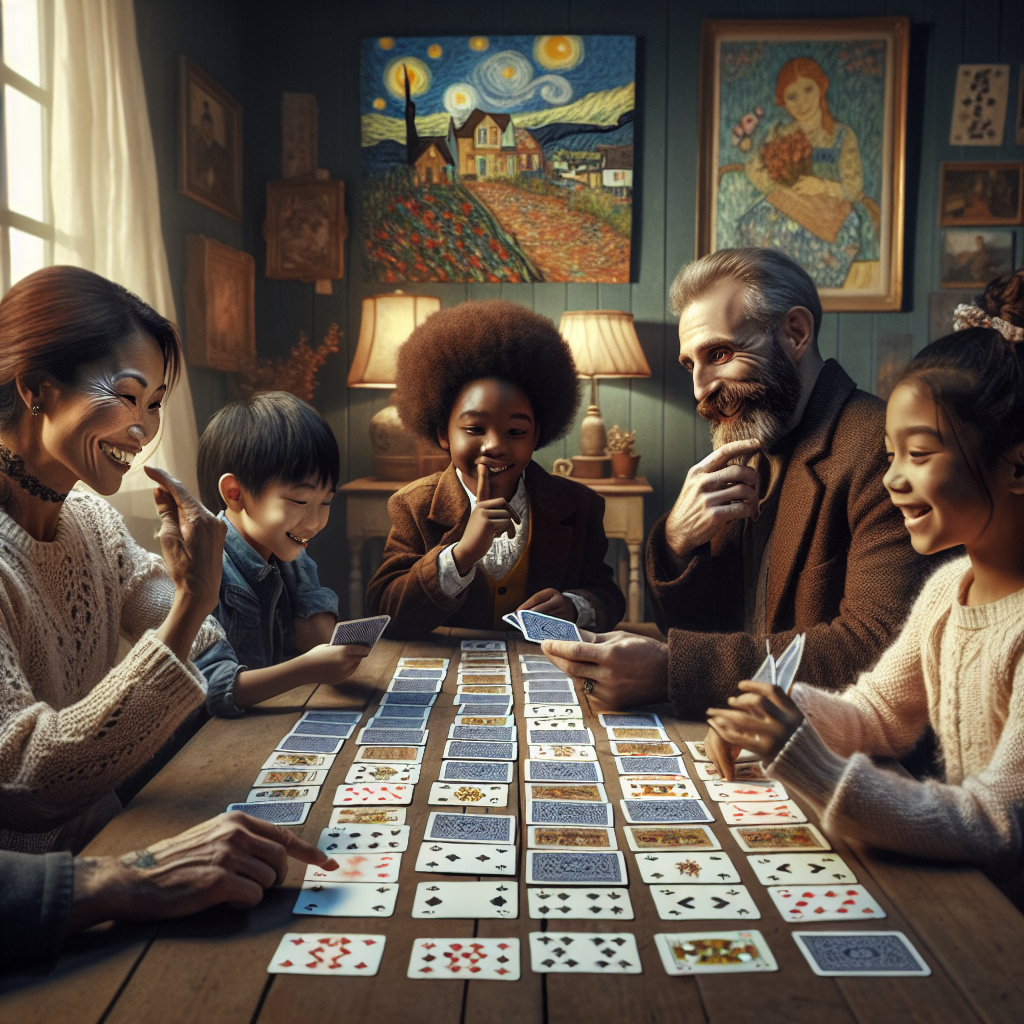
First and foremost, there’s the inherent simplicity of the game. With just a few rules and a handful of cards, anyone can pick it up and dive into the action. Picture this: you’re gathered around a table with friends or family, the atmosphere casual but charged with competitive spirit. As the game progresses, conversations flow, laughter erupts, and suddenly, you’re not just playing; you’re creating memories.
Then, there’s the heart of the competition itself. Matching card games are a perfect microcosm of strategy and memory. It’s not just about luck—after all, you can’t simply rely on chance when the stakes (be they points, snacks, or bragging rights) are high. Every turn demands focus and clever maneuvering. The challenge lies in how well you can remember where your opponents have placed their cards while strategizing for your next move. It’s mental gymnastics, and for those who relish a good cerebral challenge, there’s no greater pleasure.
Moreover, the drama that unfolds during gameplay is truly riveting. The tension builds as someone nears a match, the silence thickens, and then—BAM!—an unexpected turn can change the course of the game in an instant. Maybe you’ve got that winning combination in your sights, only to be thwarted by a rival who snaps up the last card you needed. It’s this unpredictability that keeps players on their toes, rendering each match unique and exhilarating.
Also, let’s not overlook the social dynamic involved. There’s often a delightful rivalry that develops—mock trash talk, playful banter, and the camaraderie that comes from a shared experience. Win or lose, you share a laugh, a moment of tension, or even a little bit of friendly sabotage, and those bonds grow stronger.
In essence, the competition in matching card games isn’t just about who emerges victorious; it’s about the journey, the laughter, and the memories forged along the way. When cards are laid down and the game is declared over, it’s not just about the outcome; it’s the joy of storytelling, rivalry, and connection that lingers long after the last card is turned.
What Makes The Competition In Matching Card Games Enjoyable?
What Makes The Competition In Matching Card Games Enjoyable?
- Matching card games offer a captivating clash of wits without requiring complex setups.
- The simplicity of the game makes it accessible to everyone, promoting fun and engagement.
- Players create lasting memories through shared experiences, laughter, and conversation.
- Strategy and memory play crucial roles, as players must remember card placements and plan their moves carefully.
- The unpredictable nature of the game adds excitement and keeps players on their toes.
- Social dynamics enhance the experience, fostering rivalry and camaraderie among players.
- The enjoyment of matching card games lies in the journey and connections formed, not just the final outcome.

What Makes The Competition In Matching Card Games Enjoyable?
How Do Themed Matching Card Games Impact Player Interest?
When we delve into the world of themed matching card games, we find ourselves not just playing—oh no, my friend—we’re embarking on a journey into the rich tapestry of culture, creativity, and nostalgia. These games have a knack for pulling players in, not simply because of the mechanics, but because they strike a chord deep within us. Think of it as the intersection of simple gameplay and the rich lore of the themes they embrace.
There’s a certain magic in the air when you shuffle a deck adorned with art that reflects ancient mythology, beloved fairy tales, or mashups of pop culture phenomena. The imagery, the colors, and the stories woven into the cards become a sort of bridge to our memories and passions. Players find themselves not just matching cards; they’re reminiscing about their favorite movies, recalling childhood adventures, or celebrating shared interests with friends. This is where the real impact lies—these games allow us to express who we are while we play, fostering connection and camaraderie.
Consider a beloved classic, for example. Take a card game themed around a certain legendary hero’s journey. You’re not just aligning symbols or numbers; you’re rallying around a narrative that resonates, invoking the thrill of adventure with every turn. This thematic engagement hooks players in ways that sterile, generic games simply can’t. It’s like playing in your own little universe. The themes resonate, creating a sense of belonging and that intangible “wow” factor when you sit down at the table.
Moreover, themed matching card games often come with their own communities. Players share strategies, dive into discussions about the lore behind the cards, and develop a wealth of knowledge around their favorite themes. That’s the beauty of it—people don’t just play to win; they play to belong, to engage, and to enjoy the shared enthusiasm that comes with fandom. The conversations that spark from gameplay often lead to friendships, collaborations, and the best kind of debates over game mechanics versus storylines.
In a world that sometimes feels disconnected, these themed games become a beacon of shared experiences. They open a portal to not only challenge our memory and strategy but to connect us with our interests and with each other. And isn’t that what life is all about? Themed matching card games remind us that behind the cards, there are stories waiting to be told and friendships waiting to be forged, one match at a time.

How Do Themed Matching Card Games Impact Player Interest?
How Do Themed Matching Card Games Impact Player Interest?
- Themed matching card games blend culture, creativity, and nostalgia.
- They engage players not just through mechanics, but through rich storytelling and themes.
- Card designs can evoke memories of ancient mythology, fairy tales, and pop culture.
- Players connect over shared interests, reminiscing about movies and childhood adventures.
- Thematic engagement creates a sense of belonging, enhancing the gaming experience.
- Communities form around these games, fostering discussions, strategies, and friendships.
- Ultimately, these games serve as a platform for shared experiences and meaningful connections.

How Do Themed Matching Card Games Impact Player Interest?
Conclusion
Well, folks, as we wrap up our exploration into the magnetic appeal of matching card games, let’s take a moment to appreciate what makes these colorful little wonders worth every flip and match. Here’s the thing: these games are much more than just child’s play. They’re a blend of strategy, memory, and that spark of nostalgia, all cozy enough to draw in folks of all ages. It doesn’t matter if you’re a toddler learning to match pictures or a grandparent honing cognitive skills—the joy lies in the simplicity.
Imagine the laughs and rivalries erupting around a table, where everyone is completely engrossed in the challenge of outsmarting one another while looking for those elusive pairs. The beauty of matching card games is that they level the playing field. You don’t need a degree in strategy or an arsenal of complex rules; just a deck of cards and a willingness to join the fun. The learning curve is gentle, but make no mistake, the potential for mastering the skill is steep.
What really gets me, though, is the nostalgia factor. These games have a way of catapulting us back to warm family game nights and those rainy afternoons spent honing memory skills with loved ones. It’s an antidote to the digital world we live in—a chance for face-to-face interaction that feels refreshingly human. Who needs screens when you can engage in satisfying, tactile moments of flipping cards and celebrating victories with a good old cheer?
And let’s not overlook the cognitive benefits. While we may be laughing and enjoying ourselves, our brains are hard at work. Memory improvement, sharpened concentration, and enhanced strategic thinking flow seamlessly through the gameplay, providing players with an engaging mental workout.
So, as we conclude, it’s clear as day: matching card games offer that perfect cocktail of simplicity, nostalgia, competition, and cognitive engagement. They weave together connections that span generations and offer memories that linger long after the final pair is matched. The next time the opportunity arises, toss aside the remote and shuffle that deck. The charm of matching games ensures the laughter, the competition, and the shared experiences will create bonds—and stories—that last a lifetime. Game on, my friends!

Conclusion
Conclusion:
- Matching card games are more than child’s play, combining strategy, memory, and nostalgia.
- They engage players of all ages, from toddlers to grandparents, promoting joy in simplicity.
- The games foster laughter and rivalries, making the experience enjoyable and interactive.
- Playing requires no complex rules, just a deck of cards and a willingness to have fun.
- The nostalgia factor evokes fond memories of family game nights and face-to-face interactions.
- These games provide cognitive benefits, such as memory improvement and enhanced strategic thinking.
- Ultimately, matching card games create lasting connections and shared experiences that span generations.

Conclusion
Other Resources

Other Resources
Here is a list of other resources you can review online to learn more:
Card Games: What Makes Them So Addictive? Science Explains Why – Science Times
Scientists Explain: Why Are Card Games So Addictive? – SciTechDaily
Choosing a Game Theme: What Works and Why – Mahtgician Games, LLC
What Are Matching Card Games? – CardGameNews
Use This Prompt To Get More Resources With Your Favorite Online AI Tool: Please provide me with a list of online articles with their URLs in a bulleted list that I can read regarding What Makes Matching Card Games Appealing to Fans.

Other Resources
Glossary Terms
What Makes Matching Card Games Appealing to Fans? – Glossary Of Terms
1. Aesthetic: The visual appeal of card designs, including artwork and color schemes that draw players in and enhance the gaming experience.
2. Cognitive Skills: Mental abilities that games stimulate, such as memory, attention, and pattern recognition, making them intellectually engaging.
3. Competition: The drive to outperform other players, which adds excitement and encourages repeated play among fans.
4. Cooperation: Working together with other players to achieve a common goal in cooperative matching card games, fostering a sense of community.
5. Digital Adaptation: The transition of traditional card games to digital platforms, making them more accessible and appealing to a wider audience.
6. Diversity: A variety of themes and game mechanics within matching card games that cater to different interests and preferences of players.
7. Emotional Engagement: The feeling of connection and investment in the game, which heightens enjoyment and attachment to the gameplay experience.
8. Family-Friendly: The suitability of matching card games for players of all ages, making them appealing for family gatherings and social events.
9. Game Mechanics: The rules and systems that govern how the game is played, which can influence how enjoyable and engaging it is for players.
10. Interactivity: The active participation required in matching card games, allowing players to influence the outcome and remain engaged.
11. Luck Factor: The role of chance in games that adds unpredictability, making each playthrough unique and exciting.
12. Memory Recall: The skill used in matching card games that requires players to remember the locations of cards, enhancing cognitive engagement.
13. Nostalgia: The fond memories associated with childhood and earlier experiences of playing card games, attracting returning fans.
14. Pacing: The tempo at which a game is played, which can heighten tension and anticipation or encourage relaxed play.
15. Problem Solving: The ability to strategize and make decisions based on the available card options, appealing to analytical players.
16. Scalability: The ease with which a game can be adjusted to accommodate different numbers of players, enhancing its appeal for groups.
17. Social Interaction: The opportunities for conversation and bonding that evolve during and after gameplay, fostering connections between players.
18. Strategic Depth: The level of strategy required to succeed, which can appeal to more serious gamers looking for complex challenges.
19. Theme: The underlying story or setting of a game, which can engage players and provide context for the card mechanics and art.
20. Turn-based Play: A gameplay style that allows players to take turns, promoting consideration and strategic planning between turns.
21. User-Friendly Design: An intuitive interface and simple rules that make games accessible to new players while still providing depth for veterans.
22. Variety of Formats: The existence of multiple versions of matching card games, including physical, digital, and hybrid, to suit different preferences.
23. Visual Memory: The capacity to remember visual information, essential in matching card games and appealing for players who enjoy visual challenges.
24. Winning Streaks: The excitement and satisfaction derived from consecutive victories that enhance player motivation and engagement.
25. Replayability: The potential for games to offer new experiences upon repeated play, ensuring long-term interest and fan loyalty.
26. Skill Development: The opportunity to improve skills over time, appealing particularly to competitive players who enjoy mastering challenges.
27. Thematic Expansion: The introduction of new themes and cards through expansions that keep the game fresh and exciting for returning players.
28. Community Events: Tournaments or social events centered around matching card games that foster player interaction and engagement outside the typical gameplay.
29. Customization: The ability for players to personalize their gameplay experience, whether through custom rules, card designs, or game formats.
30. Zone Control: A strategic element where players manage specific areas of the game board or card layout, enhancing tactical depth and player engagement.

Glossary Of Terms
Other Questions
What Makes Matching Card Games Appealing to Fans? – Other Questions
If you wish to explore and discover more, consider looking for answers to these questions:
- What are some specific examples of popular matching card games?
- What age groups benefit most from playing matching card games?
- How can players effectively improve their memory for matching card games?
- What variations exist within matching card games?
- How do competitive matching card games differ from casual ones?
- Are there any online platforms for playing matching card games?
- What tips can help beginners excel in matching card games?
- How can matching card games be adapted for larger groups?
- What role do house rules play in matching card games?
- How can educators utilize matching card games in a classroom setting?
- What influence do themes have on the popularity of matching card games?
- Are there any cultural differences in the way matching card games are played?
- What cognitive skills are most enhanced by playing matching card games?
- How do matching card games promote social bonding?
- What are some common strategies to counter opponents in matching card games?

Other Questions
Haiku
What Makes Matching Card Games Appealing to Fans? – A Haiku
Flipping cards with care,
Memories and strategies—
Joy in every pair.

Haiku
Poem
What Makes Matching Card Games Appealing to Fans? – A Poem
In vibrant realms where colors gleam,
Matching cards awaken dreams,
With strategy and memory entwined,
A touch of luck, excitement defined.
Accessible joy for every age,
No need for a scholar’s sage,
Just patience, eyes, and playful hearts,
Where joy and skill are where it starts.
Nostalgia brews in every pair,
Family nights, laughter fills the air,
From screens we gather, share delight,
As cards are flipped in joyful flight.
The thrill of competition ensued,
Friendships deepen, rivalries renewed,
With shouts of glee and playful strife,
Every match sparks cherished life.
Cognitive benefits come entwined,
Memory sharpened, focus refined,
In simple play, minds grow bright,
Each strategy a step toward light.
Through shared connections, whispers fly,
Stories told while cards comply,
In bonds we build, through laughter’s embrace,
The warmth of friendship in every place.
Visually stunning, tales unfold,
Aesthetic charms that beg to be told,
Artistry in decks makes hearts leap,
Inviting all into games so deep.
So shuffle, deal, let joy commence,
In matching cards, find recompense,
For in this realm of simple play,
Connection thrives; together, we stay.

Poem
Checklist
What Makes Matching Card Games Appealing to Fans? – A Checklist
1. Understand the Basics
_____ Familiarize yourself with the rules of the game.
_____ Practice to enhance your memory and spatial awareness.
2. Cognitive Engagement
_____ Focus on improving your memory by playing regularly.
_____ Work on your concentration by minimizing distractions while playing.
_____ Employ strategic thinking: anticipate opponents’ moves and plan accordingly.
3. Create a Nostalgic Atmosphere
_____ Choose games that evoke fond memories from your childhood.
_____ Set up family game nights to reignite cherished memories.
4. Foster Social Interactions
_____ Gather a diverse group of players to encourage inclusivity.
_____ Engage in light-hearted banter and communication during gameplay.
_____ Use the game as an opportunity to teach sportsmanship and patience, especially to younger players.
5. Use Effective Strategies
_____ Maintain mental notes of card locations as they are revealed.
_____ Prioritize flipping cards that might be more difficult for others to remember.
_____ Keep calm and enjoy the process, remembering that it’s all in good fun.
6. Explore Themed Games
_____ Select themed matching card games that reflect your interests (e. g. , mythology, pop culture).
_____ Engage in discussions with fellow players about the themes and stories behind the cards.
_____ Share strategies and experiences to build community.
7. Appreciate Visual Elements
_____ Choose games with appealing artwork and design.
_____ Ensure the cards are intuitive and easy to use for a smooth gameplay experience.
8. Enjoy the Thrill of Competition
_____ Embrace the friendly rivalry during gameplay.
_____ Celebrate the emotions and camaraderie that come from competing.
_____ Reflect on the experiences and memories created during the game.
9. Evaluate Player Suitability
_____ Ensure the game is appropriate for all age groups present.
_____ Encourage younger players while still keeping it challenging for adults.
10. Make It a Habit
_____ Schedule regular game nights to enjoy matching card games consistently.
_____ Mix up the game variations to keep things fresh and engaging.
Remember: The joy of matching card games lies not just in winning, but in the connections and memories made during the experience. Happy playing!

Checklist
At CardGameNews, we help people who love card games by collating information and news about card games.
Be sure to read our other related stories at CardGameNews to learn more about card games.


