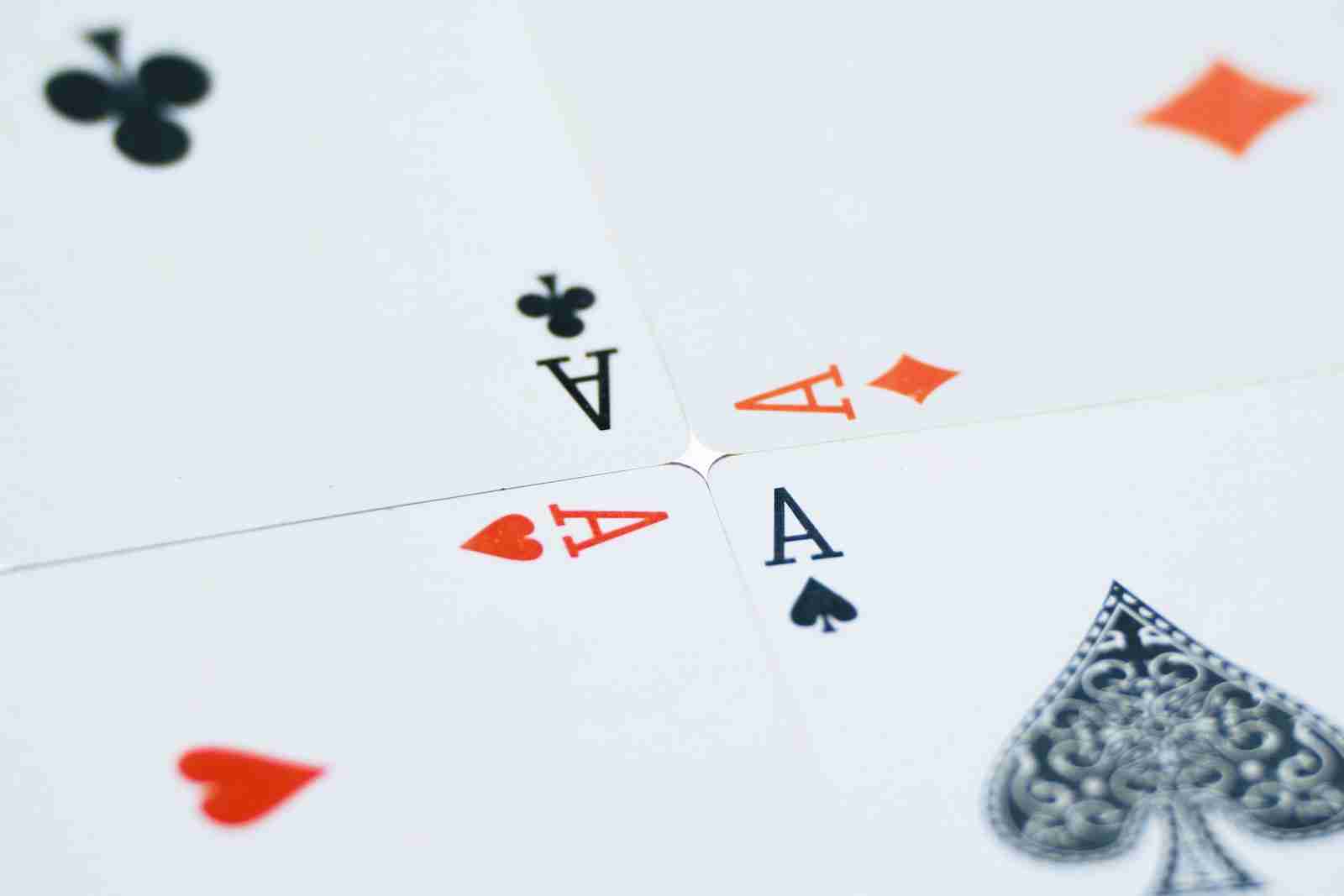
Ai’s Influence On Casual Vs Competitive Card Play
By Tom Seest
At CardGameNews, we help people who love card games by collating information and news about card games.
Be sure to read our other related stories at CardGameNews to learn more about card games.
What Impact Will Artificial Intelligence Have on Casual Vs Competitive Card Play?
When we sit around the table playing a card game, it’s more than just the shuffle of a deck or the anticipation of a reveal. It’s about connection, laughter, and the occasional stolen glance that reveals a budding rivalry. For many, the casual game is a sanctuary, a place where worries dissipate like the smoke from a extinguished candle. But as artificial intelligence begins to seep into our gaming experiences, we’re presented with a complex blend of nostalgia and innovation that begs the question: will AI enhance or eclipse these cherished moments?
In casual play, the advent of AI can feel like a friend easing the tension—offering tips and tricks or even generating random challenges that spice things up. Imagine an AI that crafts scenarios, throwing unexpected twists into a game of Poker. It could make every shuffle a new adventure, ensuring that your Friday night gatherings remain memorable. But here’s the kicker: will it also erode the human touch? The art of bluffing, the subtle hints that come from reading your opponent’s body language—these are the threading stitches that hold our social fabric together in gaming.
Now, shift gears to competitive play. Here, the stakes are higher, and the dynamics change. AI can analyze strategies faster than any human player, making it a formidable opponent. Think about the pro-level tournaments where every decision counts not just for victory, but for reputation and livelihood. The idea of an AI opponent in those spaces can invoke a sense of dread and exhilaration. Do we trust machines to adhere to the spirit of the game, or do we risk losing the ethics that underpin competitive play?
But there’s a silver lining. If we embrace AI as an ally rather than an adversary, we can augment human skills, learning from patterns and strategies to refine our own gameplay. Picture coaches utilizing AI insights to guide their teams, offering a blend of technology and tradition that inspires confidence and camaraderie. We have the opportunity to strike a balance that honors the roots of the card game while pushing us toward uncharted territories of skill and strategy.
Ultimately, the impact of artificial intelligence on both casual and competitive play hinges on our willingness to meld these worlds responsibly. Let’s envision a future where technology amplifies our humanity rather than replaces it, ensuring that the friendships forged over a simple card game remain the heart of our experience.

What Impact Will Artificial Intelligence Have on Casual Vs Competitive Card Play?
What Impact Will Artificial Intelligence Have on Casual Vs Competitive Card Play?
- Playing card games fosters connection, laughter, and camaraderie among players.
- Casual games serve as a sanctuary, allowing worries to fade away.
- The integration of AI into gaming introduces nostalgia and innovation, raising the question of its impact on human interaction.
- In casual play, AI can enhance the experience by offering tips and generating unexpected challenges.
- Competitive play presents a different dynamic where AI can analyze strategies quickly, posing a formidable challenge to human players.
- Embracing AI as an ally can augment human skills, blending technology with traditional gameplay for improved performance.
- The future of card games depends on responsibly integrating AI, ensuring that technology enhances human connections rather than replaces them.

What Impact Will Artificial Intelligence Have on Casual Vs Competitive Card Play?
Table Of Contents
- What Impact Will Artificial Intelligence Have on Casual Vs Competitive Card Play?
- How Will AI Change the Way We Connect During Casual Games?
- Can AI Enhance Strategic Thinking In Competitive Card Play?
- Are We Losing the Human Touch In Card Games with AI Involvement?
- How Might AI Level the Playing Field for Novice Players?
- What Ethical Concerns Arise with AI In Player Decision-Making?
- Conclusion
- Other Resources
- Glossary Of Terms
- Other Questions
- Haiku
- Poem
- Checklist
How Will AI Change the Way We Connect During Casual Games?
Casual games have always been a small but significant part of our lives – clever little escapes where laughter is abundant, friendships are forged, and competition keeps the heart racing. But as the warm glow of our devices pulls us closer, artificial intelligence is poised to shift that dynamic in truly remarkable ways. Think back to the last time you sat around a table, engaged in a raucous card game with friends. The thrill of drawing the right card often rests not just on luck, but on the connections and banter shared with those around you.
Now, imagine that experience enhanced. As AI weaves its way into casual gaming, it will create environments where emotional nuances and player dynamics are understood, elevating the experience to something more profound. This isn’t just about winning a hand; it’s about the laughter shared, the sly grins exchanged, and the camaraderie built over time. AI can learn not just your playing style but your preferences, moods, and even quirks, offering a level of personalization that makes each interaction feel genuine and tailored.
Consider the ethical implications of this technology stepping into our leisure spaces. We stand at a crossroads where gaming is not merely about competition but about uniting people of diverse backgrounds to draw them into engaging narratives. Picture a card game that adapts not only to your skill level but also encourages collaboration, fostering teamwork and trust among players. AI can tap into the rich tapestry of human emotion, creating scenarios that resonate deeply, turning casual encounters into memorable experiences.
The data-driven approach of AI may seem cold at first glance, but it bridges the gap between players who may never sit at the same table. Think about online casual games bringing together an engineer from Seattle and an artist from Rome, connecting through orchestrated laughs, friendly rivalries, and shared victories.
Let’s face it: we all crave connection, especially in a world that sometimes feels divided. AI holds the promise of nurturing those bonds, allowing us to reclaim the joy of shared experiences without the geographical barriers that often keep us apart. As we step into this new era of gaming, let’s embrace it not just as players, but as architects of a community that values every laugh and story shared over the shuffle of a deck. The cards are being dealt; it’s time to see how the game unfolds.

How Will AI Change the Way We Connect During Casual Games?
How Will AI Change the Way We Connect During Casual Games?
- Casual games offer laughter, friendship, and competition, acting as significant escapes in our lives.
- Artificial intelligence is set to enhance casual gaming experiences by understanding emotional nuances and player dynamics.
- The integration of AI can lead to personalized gameplay that reflects players’ styles, preferences, and moods.
- AI presents ethical considerations, transforming gaming into a means of uniting diverse backgrounds through engaging narratives.
- Genuine collaboration can be fostered in casual games, encouraging teamwork and trust among players.
- Data-driven AI can connect players globally, bridging gaps between individuals who may never meet in person.
- Embracing AI in gaming can help reclaim joy in shared experiences, fostering a community that values connection.

How Will AI Change the Way We Connect During Casual Games?
Can AI Enhance Strategic Thinking In Competitive Card Play?
In the high-stakes world of competitive card play, strategy reigns supreme. Every play counts, and every decision can flip the tide of the game. This is where artificial intelligence enters the fray, not as an opponent, but as a partner in reimagining what’s possible at the card table. Imagine the moment when human intuition meets the cold calculations of advanced algorithms, where experience mingles with data-driven insights to create a powerful hybrid approach.
At its core, playing a card game is about more than just numbers; it’s about reading the room, understanding human emotion, and crafting a narrative that can outwit even the sharpest of competitors. AI enhances this intricate dance. By analyzing countless game scenarios and player behaviors, it offers not just suggestions, but a trove of strategies honed through experience. Picture a seasoned player employing AI as a trusted advisor, weighing the nuances of their next move against a backdrop of historical data and predictive analytics. This isn’t just about winning; it’s about elevating the entire experience of the game—a marriage of heart and head.
Rationality tells us that the best decisions are informed ones. The ethical consideration is clear: using AI smartly in card play levels the playing field, fosters a fair competition, and can even help new players learn the ropes faster. It puts knowledge in hands that might otherwise struggle, bridging the gap between seasoned pros and enthusiastic newcomers. This isn’t merely an enhancement; it’s an evolution in the art of strategic thinking.
Narratives emerge as players integrate these powerful tools into their gameplay. Picture a novice making their first bold move, assisted by an AI that whispers wisdom into their ear, transforming that first shaky attempt into a defining moment. The satisfaction of mastering a card game with the aid of technology creates connections, fostering a sense of community as players share their newfound insights and successes.
In this light, the question isn’t whether AI can enhance strategic thinking but how it can inspire a new generation of players to embrace the complexities of the game. This collaboration creates not just winners, but innovators, driving the card game culture forward. Trust in this partnership—a blend of human spirit and technological prowess—can reshape everything we know about playing and enjoying the game.

Can AI Enhance Strategic Thinking In Competitive Card Play?
Can AI Enhance Strategic Thinking In Competitive Card Play?
- In competitive card play, strategy is crucial, with every decision potentially altering the game’s outcome.
- Artificial intelligence serves as a partner, enhancing gameplay through advanced algorithms and data-driven insights.
- Card games involve reading human emotions and crafting narratives, with AI facilitating this complex interaction.
- AI analyzes game scenarios and player behaviors, providing strategic suggestions based on historical data.
- Using AI in card play promotes fairness and helps new players learn more quickly, bridging gaps between experienced and novice players.
- Players can experience satisfaction and community by mastering the game with AI assistance, sharing insights and successes.
- The collaboration between human intuition and AI can inspire a new generation of innovative players and reshape card game culture.

Can AI Enhance Strategic Thinking In Competitive Card Play?
Are We Losing the Human Touch In Card Games with AI Involvement?
There was a time when the shuffle of a deck and the clinking of chips signified moments that might slip into memory as treasured tales, shared over decades. A simple, old-fashioned card game could bridge generations, binding friends and families in laughter, banter, and sometimes even a little friendly rivalry. Yet, as the world rapidly embraces advancements, there’s a nagging concern in the air: Are we really losing the human touch in card games with AI involvement?
To the heart, there’s a warmth in holding those cards—feeling the smooth edges, the anticipation before your reveal. Each move is weighted with intention, every decision a reflection of spirit and strategy, shaped by human experience. Contrast that with a clinical, automated algorithm, devoid of personality or emotional investment. Yes, AI can calculate odds faster than any shuffling hand, but can it replicate the joy of a well-timed bluff or the thrill of a perfect winning streak shared with your closest pals? There’s something about human mistakes—those glorious blunders—that bring laughter and connection, and AI simply cannot offer that.
Let’s think this through rationally. AI undoubtedly enhances competitiveness and introduces an intriguing new layer to strategy, but at what cost? The ethical implications are just as compelling: do we sacrifice the shared experience of companionship for cold efficiency? As card games bleed into the digital realm, we must wonder if we become mere spectators of our own leisure. In taking the gamble towards a more tech-driven experience, are we not only sidelining our humanity but dismissing the value of community?
Socially, we are wired for interaction. We thrive when witnessing laughter across the table or when a close friend reveals a masterstroke over cocktails. Each card game is a narrative—a story waiting to unfold, rich with character. How many tales have been born out of that shared struggle, where victory or loss became less important than the friendships forged?
Embracing AI in card games is not inherently wrong. The key lies in balance. Let us leverage technology to enhance our experiences, but never at the expense of the human touch. Let’s rally together and remember that, ultimately, it’s the people around the table that create the magic—not the cards themselves. It’s time to take action, to preserve the essence of what makes our card games remarkable. Keep the cards close, and the people closer.

Are We Losing the Human Touch In Card Games with AI Involvement?
Are We Losing the Human Touch In Card Games with AI Involvement?
- Traditional card games foster connections and create treasured memories across generations.
- Human interaction adds warmth and enjoyment, while AI lacks emotional investment and the thrill of human mistakes.
- AI enhances strategy and competitiveness but may sacrifice companionship for efficiency.
- Digital transformations in card games risk turning players into spectators of their own leisure.
- Social interactions during games lead to shared narratives and the forging of friendships.
- Incorporating AI is not wrong, but it must be balanced with the human element of gameplay.
- Ultimately, the essence of card games lies in the people involved, not just the cards played.

Are We Losing the Human Touch In Card Games with AI Involvement?
How Might AI Level the Playing Field for Novice Players?
Imagine a dimly lit room filled with the sound of soft shuffles, murmurs of strategy, and the occasional burst of laughter as a group gathers around a table for a card game. For the novice player, this scene can be both thrilling and daunting. The stakes are high—not just the points they’re trying to accumulate, but also their self-esteem, their desire to connect with friends, and their potential for growth. Now, imagine leveling that playing field through the power of artificial intelligence.
Picture AI not as an intimidating opponent but as a patient teacher, standing by with insights and guidance. For novices, this technology can demystify complex strategies and provide real-time feedback, transforming the learning curve from a steep climb into a manageable ramp. It’s like having a seasoned pro at your side, whispering tips about the most effective plays, while the adrenaline of the game pulses through your veins. This emotional connection to the game—where every card dealt can mean a win or loss—now becomes an opportunity for reflection and learning, not just for accolades.
Let’s think about the rational side of this. Novice players often walk into a card game prepared to enjoy the camaraderie, yet they can quickly feel overwhelmed by more experienced opponents. AI can offer analysis of previous games, pinpointing mistakes without criticism, fostering a growth mindset. With every session, the learner can see tangible improvements, converting nervous anticipation into confident anticipation. The satisfaction of seeing progress instills a sense of achievement, empowering players to return to the table, not just as participants but as true contenders.
Ethically, using AI to bridge the gap in skills promotes inclusivity. It allows individuals from all walks of life to engage in the social rituals of card games, leveling the competitive landscape where camaraderie flourishes. No longer are skills reserved for the few; AI democratizes strategy and understanding, encouraging collaboration rather than fostering division.
As the novice evolves alongside AI, a beautiful narrative emerges. This journey—the shifting from a fragile beginner to a confident player—becomes part of a larger story, shared around tables, connecting individuals through the love of the game. The social bonds formed during these encounters deepen as people realize that it’s not merely about winning; it’s about growth, resilience, and the joy of community. So, let’s embrace this technological ally, allowing it to enrich our experiences and instill confidence in those just starting on their card-playing adventure.

How Might AI Level the Playing Field for Novice Players?
How Might AI Level the Playing Field for Novice Players?
- A dimly lit room filled with novices engaging in a thrilling card game atmosphere.
- AI serves as a supportive teacher, providing insights and real-time feedback to beginners.
- The technology simplifies complex strategies and enhances the learning experience.
- Players experience emotional connections to the game and opportunities for personal growth.
- AI analyzes past games, promoting a growth mindset and reducing criticism.
- Using AI promotes inclusivity, allowing a diverse range of players to participate.
- The journey from novice to confident player fosters social bonds and a sense of community.

How Might AI Level the Playing Field for Novice Players?
What Ethical Concerns Arise with AI In Player Decision-Making?
When it comes to AI in player decision-making, we find ourselves standing at a crossroads—a card game where the stakes are the very essence of what makes us human. The rise of artificial intelligence in gaming brings forth a fascinating blend of excitement and trepidation. Can a machine truly gauge the thrill of a high-stakes bluff or understand the weight of a hard-fought victory? Herein lies our ethical concern.
Imagine a young player, leaning into a strategy game with wide eyes and an eager heart, relying on an AI-driven system to optimize their performance. On the one hand, there’s the allure of analytics and the promise of improvement, but on the other, what does it mean for the heart of the game? Is it fair for a player’s decision-making to be influenced or even overridden by an algorithm? This isn’t just about winning; it’s about the journey. Each strategic choice should stem from our instincts and creativity, not just cold calculations crunched by a digital overlord.
Let’s unpack this. The rational mind knows that data-driven decisions can lead to better outcomes, but at what cost? When an AI recommends a move based solely on past patterns, it strips away the rich tapestry of human intuition and passion. Players lose the narrative of their journey—the bold risks, the calculated gambles, the camaraderie forged in friendly competition—all reduced to mere numbers in a database.
Ethically, we’re tasked with understanding the implications of autonomy. In a world where every move can be calculated, what does it mean for personal agency? Are we reducing players to mere cogs in an algorithmic machine, entrusting our decisions to an entity that lacks the ability to experience the thrill of the game?
Socially, think about the connections we forge through play. Games are platforms for shared experiences—moments that build bonds and create memories. If AI dictates how we play, are we inadvertently isolating ourselves from the richness of human interaction? An AI may facilitate gameplay, but it can never replace the laughter shared over a bad hand or the elation of a surprise victory.
As we navigate this landscape, let’s embrace the duality: leveraging AI to enhance decision-making while fiercely protecting the core human elements that make games beautiful. Stand with the players, keep our experiences rich and meaningful, and nurture a system that celebrates the human element in the art of play.

What Ethical Concerns Arise with AI In Player Decision-Making?
What Ethical Concerns Arise with AI In Player Decision-Making?
- AI in player decision-making presents both excitement and ethical concerns about what it means to be human.
- The balance between AI-driven performance optimization and the essence of playing for enjoyment is critical.
- Relying heavily on analytics risks stripping away intuition and the emotional depth of the gaming experience.
- Data-driven decisions may improve outcomes but can diminish personal agency and creativity in gameplay.
- AI could turn players into mere components in a system, lacking the thrill and personal investment of the game.
- Shared experiences and social connections built through gaming may be threatened by AI’s role in decision-making.
- It is essential to leverage AI for enhancement while preserving the human elements that make games meaningful.

What Ethical Concerns Arise with AI In Player Decision-Making?
Conclusion
Artificial intelligence is making waves in the world of card games, but as we welcome this digital frontier, we must navigate its complexities with intention. Playing cards isn’t just about numbers and strategy; it encompasses emotional connections, shared laughter, and the rich narratives we create with friends and family. The essence of card games has always been the human experience—the bonds we forge, the rivalries we engage in, and the joy of mastering a craft over time. But with AI stepping into the ring, we’re faced with an important question: How do we maintain our humanity while embracing technological advancements?
In casual play, AI can be the friend we never knew we needed, offering tips and personalized scenarios that can elevate our gaming nights. Imagine an evening filled with laughter not just driven by raw luck, but by innovative twists introduced by an AI. Yet, this innovation comes with a delicate balance. Will we lose the nuanced moments that come from reading our opponents, or the delightful blunders that often turn into treasured memories? The art of bluffing—the thrill of a close call—holds immeasurable value, and it’s this very essence that must not be overshadowed by a machine’s calculations.
When we move into the competitive realm, the stakes rise significantly. AI is capable of analyzing strategies in a heartbeat, turning loyalty and ethics into a new dilemma. Can we trust a machine to navigate the spirit of fair play, or will it eliminate the thrill of human error and triumph? Yet, if we view AI as an ally, it can also empower players of all ages, leveling the playing field between novices and veterans. Imagine those who might feel intimidated now turning the tables with AI support, each game becoming a narrative of growth and resilience.
As we embark on this journey, we must keep our focus on what truly matters—the people seated around the table. AI is a tool that can enhance our experience, fostering connection and creativity, but it should never replace the very thing that makes card games special. It’s in the shared glances, the encouragement, and the joy of each victory that our collective spirit thrives. Let’s harness the potential of AI, not as a replacement, but as a bridge that brings us closer together, ensuring that the laughter and camaraderie remain at the heart of every game. The cards are dealt—it’s time to play wisely.

Conclusion
Conclusion:
- AI is transforming card games, but we must approach these changes thoughtfully.
- Card games involve emotional connections, shared experiences, and personal narratives.
- The human aspect, including bonds, rivalries, and skill development, is crucial to the game.
- In casual settings, AI can enhance gameplay through tips and personalized scenarios.
- There’s a risk that AI may overshadow human moments like bluffing and mistakes that create lasting memories.
- In competitive play, AI introduces questions of loyalty, ethics, and the essence of fair play.
- AI should be seen as a tool to enhance connection and creativity, preserving the spirit of card games.

Conclusion
Other Resources

Other Resources
Here is a list of other resources you can review online to learn more:
- Fluxx
- Board to Death TV
- Leder Games
- Star Wars: Rebellion
- Ars Technica
- The Game
- Roll Player
- Robinson Crusoe: Mystery Tales Expansion
- Horrible Games
- Through the Ages: A New Story of Civilization
- Clans of Caledonia
- Battlestar Galactica: The Board Game
- Lookout Games
- Eagle-Gryphon Games
- Bridge
- GameSpot
- Cribbage
- Wizards of the Coast
- Caverna: The Cave Farmers
Use This Prompt To Get More Resources With Your Favorite Online AI Tool: Please provide me with a list of online articles with their URLs in a bulleted list that I can read regarding What Impact Will Artificial Intelligence Have on Casual Vs Competitive Card Play?

Other Resources
Glossary Terms
What Impact Will Artificial Intelligence Have on Casual Vs Competitive Card Play? – Glossary Of Terms
1. Artificial Intelligence (AI): Computer systems designed to perform tasks that typically require human intelligence, such as reasoning, learning, and problem-solving.
2. Casual Play: Recreational card games played for enjoyment without the pressure of competition or serious stakes.
3. Competitive Play: Structured card games with defined rules and often involved in tournaments, where players compete for prizes or rankings.
4. Game Mechanics: The rules and structures that dictate how a game is played, including scoring systems, turns, and actions.
5. Player Experience: The overall enjoyment and engagement a player has while playing a game, influenced by game design, mechanics, and interactions.
6. Bluffing: A strategy in card games where a player deceives opponents about the strength of their hand.
7. Strategy: A plan or method employed by players to maximize their chances of winning in card games.
8. Algorithm: A step-by-step procedure or formula for solving a problem, crucial in programming AI for card games.
9. Gameplay Balance: The state where no single strategy, card, or player has an overwhelming advantage, ensuring fairness in play.
10. Learning Models: Approaches used in AI to improve performance over time by analyzing game outcomes and player behaviors.
11. Predictive Analytics: Techniques that use data, statistical algorithms, and machine learning to identify the likelihood of future outcomes in card play.
12. Adaptation: The ability of AI to adjust its strategies based on the opponents’ actions during gameplay.
13. Simulation: The recreation of the game environment using AI to test strategies or predict outcomes without real players.
14. Interactivity: The degree to which players can engage with the game mechanics and influence the game outcome.
15. Emotion Recognition: AI’s capability to identify players’ emotions through responses, potentially influencing gameplay dynamics.
16. User Interface (UI): The means by which a player interacts with the game, including visual elements, controls, and layout.
17. Data Analytics: The process of examining data sets to draw conclusions about the information they contain, often used in competitive card strategies.
18. Leveling: The act of improving skills or ranking in a game, either through experience points or wins.
19. Meta-game: The strategic context that arises outside of the core mechanics of the game, focused on player strategies and popular trends.
20. Randomization: The employment of chance in card distribution to ensure unpredictability and excitement in gameplay.
21. Skill Gap: The difference in skill levels between novice and expert players, impacting outcomes in card games.
22. User-generated Content: Game elements or modifications created by players, which can enhance casual play experiences.
23. Feedback Loop: A system where the outcome of a game influences future decisions, particularly relevant for AI learning.
24. AI Ethics: The principles guiding the responsible use of AI technologies, particularly concerning fairness and player experience.
25. Accessibility: The design aspect that ensures all players, regardless of ability, can participate in card games without barriers.
26. Community Engagement: The interactions among players within a card game community, influencing casual and competitive dynamics.
27. Tournaments: Organized competitive events where players compete according to specific rules for recognition or prizes.
28. Skill-based Game: A game primarily determined by player skill rather than chance, often found in competitive card play.
29. Artificial Opponents: AI-controlled players that can compete against human players, enhancing the gameplay experience.
30. Dynamic Difficulty Adjustment: A method that alters the game’s difficulty based on player performance to maintain engagement and challenge.

Glossary Of Terms
Other Questions
What Impact Will Artificial Intelligence Have on Casual Vs Competitive Card Play? – Other Questions
If you wish to explore and discover more, consider looking for answers to these questions:
- What specific technologies are being used to integrate AI into card games?
- How do players perceive the role of AI in casual versus competitive settings?
- What are the potential risks of relying too heavily on AI in card games?
- How has AI been successfully implemented in other recreational activities?
- What measures can be taken to maintain the social aspects of card games in an AI-driven environment?
- How do different generations view the introduction of AI in traditional games?
- What steps are game developers taking to ensure ethical AI usage in gaming?
- Can AI ever truly understand human emotions in the context of gaming?
- What examples exist of AI improving novice players’ skills in card games?
- How do player dynamics change when AI participates in card games?
- What insights can AI provide that may not be immediately obvious to players?
- How will the introduction of AI influence the future of card game design?

Other Questions
Haiku
What Impact Will Artificial Intelligence Have on Casual Vs Competitive Card Play? – A Haiku
Cards and laughter shared,
AI aids the game we love,
But hearts must stay warm.

Haiku
Poem
What Impact Will Artificial Intelligence Have on Casual Vs Competitive Card Play? – A Poem
In the flicker of laughter, over cards once shared,
Where stories intertwine and memories bared,
The shuffle of fate, a chance to connect,
Yet now looms the question — will AI redirect?
A friend in the fray or a thief of the heart,
We ponder if intelligence will play its part.
In casual nights filled with joy and good cheer,
Will algorithms soften the warmth we hold dear?
Picture a scene where the novice unfolds,
AI as a guide, breaking the mold.
With insights like whispers, from quiet to bold,
Transforming the timid, their confidence sold.
But in competitive realms, where spirits collide,
Can machines sense the thrill of that triumphant ride?
Each move calculated, stripped of the soul,
Leaving players as inputs, devoid of their role.
Trust in the balance, let tech be a friend,
A source of enhancement, but never the end.
For in every sweet victory, each blunder we make,
Lies the essence of play, the bonds that we stake.
Let’s weave innovation, with threads of our past,
Cherish the moments, and hold friendships fast.
A future where laughter and skill intertwine,
Where human connections over chips still shine.
So as cards are dealt, and challengers rise,
May we nurture the heart, where true magic lies.
With AI as ally, let’s play with our might,
And celebrate together, our shared love of the night.

Poem
Checklist
What Impact Will Artificial Intelligence Have on Casual Vs Competitive Card Play? – A Checklist
AI and Card Play Impact Checklist
Emotional Appeals
_____ Reflect on your cherished memories of playing card games—what emotions do they evoke?
_____ Consider how AI can enhance emotional connections through personalized game experiences.
_____ Envision the laughter and camaraderie in a game session enhanced by AI-driven twists.
Rational Considerations
_____ Analyze how AI can improve strategic thinking for novice and experienced players.
_____ Evaluate the trade-off between AI’s efficiency and the personal touch in gameplay.
_____ Think critically about how AI’s predictive capabilities can enhance decision-making without overshadowing human intuition.
Ethical Implications
_____ Reflect on fairness: Does AI level the playing field, or does it create an uneven advantage?
_____ Consider the ethical responsibility of using AI in games: Are players losing their autonomy?
_____ Discuss the importance of maintaining the spirit of the game amidst AI involvement.
Authority Insights
_____ Explore expert opinions on the role of AI in enhancing gameplay experiences.
_____ Research case studies where AI has been successfully integrated into casual and competitive card play.
_____ Review guidelines on responsible AI use in gaming communities to foster inclusive gameplay.
Narrative Development
_____ Share your own journey with card games and how AI could transform your narrative.
_____ Create a story about an unlikely victory with the help of AI insights.
_____ Document the evolution of players from novices to confident strategists through AI support.
Social Connections
_____ Identify ways AI can foster connections among players from diverse backgrounds.
_____ Reflect on the balance between online gaming and in-person interactions; how does AI fit in?
_____ Make a list of potential group games that could benefit from AI-driven enhancements while preserving human interaction.
Use this checklist to spark discussion and reflection on the impacts of AI in card games, ensuring that the heart of the experience remains intact.

Checklist
At CardGameNews, we help people who love card games by collating information and news about card games.
Be sure to read our other related stories at CardGameNews to learn more about card games.