
Unveiling The Hidden Power Of Card Games For Family Calm
By Tom Seest
At CardGameNews, we help people who love card games by collating information and news about card games.
Be sure to read our other related stories at CardGameNews to learn more about card games.
What Benefits Do Card Games Offer for Family Stress Relief?
When life feels like one long to-do list, the idea of gathering the family around for a card game might sound like the simplest, even the silliest option. But let me tell you, there’s magic in those simple moments. Card games provide a unique combination of laughter, connection, and a gentle break from reality—all essential ingredients for tackling stress as a family.
First off, card games foster connection. In this digital age, where screen time often trumps face time, a card game invites everyone to the same table—no phones, no distractions, just the lively banter and genuine interactions that come from shared experiences. Whether it’s an intense face-off in a competitive round of Crazy Eights or the collaborative chaos of Uno, these moments create memories that bond families together. You might even start to notice that laughter, not anxiety, fills the room.
Additionally, let’s be honest: Life can feel overwhelming. Escaping into a few rounds of a card game can provide a refreshing breath of air. Engaging your brain in friendly competition shifts focus away from stressors, serving as a mental reset. The lighthearted challenges and strategic thinking exercise our minds, offering a momentary distraction that is rejuvenating. Instead of ruminating over daily challenges or looming deadlines, your family can relish the thrill of outsmarting each other or the joy of celebrating a well-played round.
Another often-overlooked benefit is the simple act of communication that card games encourage. Players learn to express their strategies, negotiate trades, and occasionally, forgive a fair amount of playful deception. These interactions can teach valuable communication skills, resilience, and sportsmanship that extend far beyond the game itself. Who knew that shouting “Go Fish!” could teach kids about patience and respect?
And we can’t forget about the sheer fun! Card games are a great way to unleash your competitive side in a safe environment. They add an element of playfulness back into our lives. The thrill of a close match can bring a rush of excitement and help alleviate any tension building up in the household. Sure, it’s just a card game, but it’s a card game that reminds us that sometimes, the best stress relief isn’t a grand plan or a getaway; it’s gathering around a table with your favorite people and enjoying the little moments that matter most. So shuffle those cards and deal your way to family stress relief—one round at a time.
What Benefits Do Card Games Offer for Family Stress Relief?
What Benefits Do Card Games Offer for Family Stress Relief?
- Card games foster family connection and create memorable experiences.
- They encourage genuine interactions without digital distractions.
- Playing cards offers a mental reset from overwhelming daily stressors.
- Engaging in friendly competition provides fun and strategic thinking challenges.
- Card games enhance communication skills and teach resilience and sportsmanship.
- They provide a safe environment to unleash competitive spirits.
- Simple moments spent playing cards can effectively relieve stress as a family.

What Benefits Do Card Games Offer for Family Stress Relief?
Table Of Contents
- What Benefits Do Card Games Offer for Family Stress Relief?
- What Are The Main Benefits Of Playing Card Games For Families?
- How Do Card Games Promote Bonding Among Family Members?
- Can Card Games Help Reduce Anxiety And Stress In Families?
- What Types Of Card Games Are Best For Family Stress Relief?
- How Often Should Families Play Card Games For Maximum Benefit?
- What Age Groups Can Enjoy Card Games Together In A Family Setting?
- How Can Card Games Improve Communication Within Families?
- Conclusion
- Other Resources
- Glossary Of Terms
- Other Questions
- Haiku
- Poem
- Checklist
What Are The Main Benefits Of Playing Card Games For Families?
Gather ‘round, folks! Let’s dive into the simple yet powerful joys of playing card games as a family. Believe it or not, shuffling those little rectangles of cardboard can open the door to a world of benefits that stretch far beyond entertainment. So grab a deck and settle in!
To begin with, card games foster connection like few other activities can. When you gather around the table, you’re not just playing; you’re creating an atmosphere filled with laughter, competition, and shared moments that can last a lifetime. Whether you’re dealing out the cards for a game of Crazy Eights or a nail-biting round of Rummy, you’re participating in the age-old tradition of bonding. Engaging with family over a single deck of cards has a way of breaking down barriers, encouraging everyone—from the youngest to the oldest—to come together.
Now let’s talk strategy. Card games are a brilliant way to hone those mental muscles. They encourage critical thinking, strategic planning, and, believe it or not, the ability to read one another—a critical skill in both games and life! When kids learn to keep a poker face or to plan their moves ahead, they’re not just honing skills for the table; they’re equipping themselves for real-world challenges. Life throws plenty of curveballs, and these games create a platform for learning resilience.
And let’s not underestimate the lessons in patience and turn-taking. In an age where instant gratification often reigns supreme, a good card game teaches the value of waiting your turn and enjoying the suspense that comes with it. Those moments when you’re just waiting for the right card to come your way? Those require patience—a trait that will serve any young person well as they navigate the often hectic landscape of today’s world.
Finally, playing card games offers a little slice of nostalgia—a reminder of simpler times. Every family has its favorite games and unique traditions; passing down these experiences can create a cherished legacy. So, when you shuffle that deck, you’re not just playing a card game; you’re weaving together family history, laughter, and love.
So, what are you waiting for? Dust off that old deck and gather the family around a table. The benefits go beyond mere entertainment; they create lasting memories and strengthen bonds, one card at a time.

What Are The Main Benefits Of Playing Card Games For Families?
What Are The Main Benefits Of Playing Card Games For Families?
- Card games foster connection and create shared moments filled with laughter and competition.
- They encourage family bonding, breaking down barriers among all age groups.
- Card games enhance critical thinking, strategic planning, and the ability to read others.
- Playing games helps children develop resilience and equips them for real-world challenges.
- They teach patience and the importance of turn-taking in a fast-paced world.
- Card games evoke nostalgia, creating cherished family traditions and legacies.
- Playing card games generates lasting memories and strengthens family bonds.

What Are The Main Benefits Of Playing Card Games For Families?
How Do Card Games Promote Bonding Among Family Members?
There’s something magical about gathering around a table with a deck of cards. It’s an experience that transcends generations, effortlessly bringing together family members from different walks of life. In a world buzzing with distractions, a simple card game stands as a timeless connection point—a catalyst for laughter, competition, and the sweet nostalgia of shared memories.
Take a moment to picture this: it’s a rainy Sunday afternoon, and the family is stuck indoors. Rather than retreating to separate corners, there’s a collective pull toward the dining table. The clatter of a card game being set up punctuates the air, conversations flicker to life, and suddenly, everyone’s present—really present—in a way that scrolling through social media simply can’t replicate. The allure of the game is infectious. With every shuffle of cards and playful taunts exchanged, bonds are deepening.
Card games encourage a unique kind of communication. Sitting together around that table, every play becomes a chance to share stories, strategies, and even a bit of friendly rivalry. Perhaps Grandma was renowned for her poker face; or maybe Uncle Dave has a knack for brazenly bluffing his way to victory. It’s these quirky personal anecdotes that surface and thrive in the ebb and flow of the game. They transform moments of competition into treasures of connection.
Moreover, card games naturally break down barriers. When you’re vying for the title of “Card Shark of the Family,” it doesn’t matter if you’re 8 or 80. The room becomes a level playing field where age is forgotten, and the only thing that matters is the next hand. These moments go a long way in fostering empathy and understanding across generations. Kids learn to strategize and read the room while adults are reminded of the joys and silliness of youth.
Let’s not forget the sheer joy that card games bring. There’s something inherently exhilarating about a well-timed victory. The laughter that erupts when an outrageous play is pulled off, or the collective groans when a well-planned strategy goes awry—all these moments build a tapestry of shared experience.
So next time life feels hectic and everyone is pulled in different directions, try inviting your loved ones to join you for a card game. Embrace the chaos and magic of togetherness, and watch as the table becomes a hub of connection and joy. In the delightful shuffle of a card game lies an opportunity to bond, laugh, and create lasting memories.

How Do Card Games Promote Bonding Among Family Members?
How Do Card Games Promote Bonding Among Family Members?
- Gathering around a table with cards fosters connections across generations.
- Card games offer a nostalgic experience that unites family in a distraction-free environment.
- The act of playing cards encourages rich communication and shared storytelling.
- Unique family anecdotes emerge, enhancing bonds through friendly competition.
- Card games create a level playing field, breaking down age barriers and promoting empathy.
- The thrill of victory and the joy of shared laughter enrich family interactions.
- Inviting loved ones for a card game can transform chaos into joyful togetherness and lasting memories.

How Do Card Games Promote Bonding Among Family Members?
Can Card Games Help Reduce Anxiety And Stress In Families?
Picture this: you’ve had a long day, the kind that just sticks with you like the annoying remnants of a bad cold. You walk through the door, and instead of the usual chaos of work, school, and family obligations, there’s a card game set up on the table. A simple deck of cards, but oh, what a difference it can make.
Card games have this unique way of breaking through the haze of stress and anxiety that so often wraps around families like a wet blanket. Think about it—when you’re seated around a table, shuffling cards, and sharing laughs, suddenly, the pressures of work deadlines or looming household chores don’t seem so imposing. Each game draws everyone together, creating a space that encourages connection and communication, often laced with laughter and playful banter.
It’s not just about the cards. It’s about the moments shared. You see, engaging in a card game isn’t merely a pastime; it’s a chance to foster relationships. In a world where digital connections often overshadow face-to-face interaction, the simple act of playing cards can reignite bonds that might have been stretched thin. It encourages family members to put down their screens, forget about the outside world, and focus instead on the joy and unpredictability of the game at hand.
For families navigating the complexities of life, card games can serve as a delightful diversion. They’re all-inclusive, too—no one gets left out. From the youngest family member trying to learn a new game to the seasoned players throwing in some gentle rivalry, everyone has a stake in the outcome. The rules may be simple, but the relationships they build are anything but.
Plus, there’s something inherently satisfying about strategizing your next move, or perhaps pulling off that unexpected win. That rush of excitement and those little moments of triumph can act as a natural antidote to stress. You’re not just playing a card game; you’re cultivating patience, teamwork, and good old-fashioned fun, all while reinforcing your family’s dynamic.
So, the next time you feel that familiar knot of anxiety creeping in, consider dusting off the deck of cards. It’s more than a game; it’s an opportunity—one to bring laughter, connection, and love back into the mix. Gather your family and shuffle those cards; you might just find the relief you’ve been chasing.

Can Card Games Help Reduce Anxiety And Stress In Families?
Can Card Games Help Reduce Anxiety And Stress In Families?
- Card games provide a fun escape from daily stress and anxiety, fostering a relaxed environment.
- Playing cards encourages family connection and communication through laughter and playful banter.
- Engaging in card games helps strengthen relationships, contrasting with the prevalence of digital interactions.
- Card games are inclusive, allowing all family members, regardless of age or skill level, to participate.
- Playing cards offers excitement and satisfaction, serving as a natural antidote to stress.
- Card games cultivate essential skills such as patience, teamwork, and family dynamics.
- Using a deck of cards can transform anxiety into laughter, connection, and love in the family setting.

Can Card Games Help Reduce Anxiety And Stress In Families?
What Types Of Card Games Are Best For Family Stress Relief?
When the daily grind begins to weigh heavily on your shoulders, sometimes all you need is a little downtime with those you love—and what better way to unwind than with a good old-fashioned card game? Just picture it: a cozy evening, snacks on the table, laughter filling the air, and a deck of cards ready to bridge the gap between stress and serenity. But not all card games are created equal. Here, we’ll break down the types that are best for family stress relief.
First off, cooperative card games are game changers. Forget about cutthroat competition where someone is inevitably left to lick their wounds. Instead, think along the lines of games where everyone works together, strategizing to achieve a common goal. Titles like “Hanabi” or “The Crew” not only foster teamwork but also build connections, amplifying laughter amid the shared challenge. Everyone’s in it together, transforming potential tension into joyful camaraderie.
Then there are the classic family card games. You can’t go wrong with games like “Uno” or “Go Fish.” These games are straightforward and often ignite nostalgia, bringing back memories of simpler times. They’re easy to learn and have a delightful way of including everyone, regardless of age. Plus, there’s something particularly refreshing about shouting “Uno!” that just washes the stress away.
For those seeking a bit of strategy mixed with silliness, try a game like “Exploding Kittens.” This quirky card game is not only hilarious but also filled with unexpected twists that keep everyone on their toes. The laughter that erupts as someone accidentally triggers the ‘exploding kitten’ is bound to be a stress-buster.
If you’re feeling particularly adventurous, consider whipping out a deck of regular playing cards for some versatile fun. Whether you dive into “Gin Rummy,” challenge each other with “Crazy Eights,” or even turn it into a little poker night, the possibilities are endless. Plus, the act of shuffling and dealing can be almost therapeutic.
Ultimately, the best card game for family stress relief is the one that invites everyone to engage, share, and revel in the absurdity of the moment. So gather around that table, choose a game that speaks to your family’s spirit, and watch as the tension melts away, leaving behind nothing but joy, laughter, and cherished memories. Remember, it’s not just about the cards; it’s about the connections we build while playing. So, shuffle up, deal out the stress, and let the good times roll!

What Types Of Card Games Are Best For Family Stress Relief?
What Types Of Card Games Are Best For Family Stress Relief?
- Downtime with loved ones can alleviate stress through enjoyable activities like card games.
- Cooperative card games like “Hanabi” and “The Crew” encourage teamwork and camaraderie, reducing competition-related tension.
- Classic family games such as “Uno” and “Go Fish” are easy to learn, nostalgic, and enjoyable for all ages.
- “Exploding Kittens” mixes strategy with humor, creating an atmosphere of laughter and fun.
- Regular playing cards offer versatile game options, from “Gin Rummy” to poker, providing a therapeutic and fun experience.
- The best card game is one that encourages engagement and connection among family members.
- Playing card games fosters shared experiences that enhance relationships and create lasting memories.

What Types Of Card Games Are Best For Family Stress Relief?
How Often Should Families Play Card Games For Maximum Benefit?
Let’s be honest. In a world that can feel as chaotic as a tornado in a trailer park, finding time to wind down and connect with loved ones can sometimes feel like trying to find a needle in a haystack. That’s where the humble card game comes into play. Whether it’s a raucous session of Poker or a strategic round of Rummy, these games can transform a simple evening into a cherished family tradition. But how often should we shuffle those cards and gather ’round the table for maximum benefit?
Well, the key here is consistency, but not in a robotic, every-Wednesday-at-6 PM kind of way. Aim for a balance that works for your family—perhaps once a week or even a bi-weekly affair where everyone can put down their phones, close those laptops, and engage in away-from-screen magic. This isn’t just about a game; it’s about creating an atmosphere where laughs are shared, stories are told, and memories are forged.
When families make card games a routine—without the pressure of competition—the results can be quite remarkable. Think of it as stretching a muscle: the more you play, the stronger your family bond becomes. Those moments of friendly banter and good-natured rivalry encourage communication and critical thinking, all while providing a much-needed dose of stress relief. Plus, when push comes to shove, you can learn more about your loved ones in those fleeting moments than in a hundred obligatory holiday dinners.
Now, let’s not forget the importance of variety. Changing up the card game you play can reinvigorate the experience. One week, throw down some Crazy Eights; the next, pull out the Uno cards. Variety keeps everyone on their toes and ensures there’s never a dull moment. This mix brings spontaneity, cultivates enthusiasm, and sets the stage for some hilarious tales down the road.
So, gather up your family, shuffle those cards, and carve out a time each week—or every other week, if that fits best. Engage in a bit of strategic play, laugh until your stomach hurts, and savor those precious moments. There’s something magical about a card game that can transform your living room into a hub of connection and joy. Trust me, the benefits will extend far beyond that table.
How Often Should Families Play Card Games For Maximum Benefit?
How Often Should Families Play Card Games For Maximum Benefit?
- Card games can enhance family connections and create cherished traditions.
- Consistency is key, but it should fit naturally into family schedules.
- Playing card games fosters communication and critical thinking.
- Regular gaming sessions can reduce stress and strengthen family bonds.
- Diverse card games keep the experience fresh and engaging for everyone.
- Variety adds spontaneity and encourages enthusiasm during game nights.
- Transform your space into a hub of connection and joy through card games.

How Often Should Families Play Card Games For Maximum Benefit?
What Age Groups Can Enjoy Card Games Together In A Family Setting?
Card games have an extraordinary knack for bringing people together, cutting across generational divides and fostering connections that last well beyond the final hand. They draw in children, teens, adults, and even grandparents, creating a vibrant tapestry of laughter, bonding, and a little friendly competition. That’s the beauty of a simple deck of cards; it’s like a universal language spoken by all ages.
Picture a cozy living room on a rainy afternoon: your teenage daughter and her friends are huddled together with a deck of cards, sharing giggles over a game of Spades, while Grandma sits on the couch, teaching your younger son the finer points of Crazy Eights. This scenario speaks volumes. Kids as young as five can grasp the basics and enjoy the thrill of a quick game, while the more experienced adults can spice things up with more complex strategies. Suddenly, the family unit is evolving into a dynamic game night filled with clever banter and nostalgic reminiscing.
What makes card games truly special is their adaptability. Whether it’s a wild round of Uno that gets everyone jumping out of their seats or a serious game of Poker that invites strategizing and bluffing, there’s something for everyone. And here’s the thing: every time those cards are dealt, you’re not just playing a game; you’re crafting memories that your family will cherish for years to come.
For those hesitant about involving the youngest members of the family, fear not! Many card games have age-appropriate variations, allowing kids to participate without feeling overwhelmed. And let’s face it: sometimes you’ll find the best players lurking in the youngest players. With a little patience and a lot of enthusiasm, even the littlest hands can grasp the joy of holding their cards like they own the table.
So, open your minds and your hearts, and pull out that deck of cards. Set aside your devices, gather your loved ones, and let the games begin! The age gap? It’s just a number when it comes to playing together in the spirit of fun. Engage in some card action this family game night, and who knows? You might just stumble upon the next great family tradition.

What Age Groups Can Enjoy Card Games Together In A Family Setting?
What Age Groups Can Enjoy Card Games Together In A Family Setting?
- Card games unite people of all ages, fostering lasting connections beyond the final hand.
- They create a lively atmosphere filled with laughter, bonding, and friendly competition.
- Children as young as five can learn and enjoy simple games alongside adults.
- Card games are adaptable, offering options for both light-hearted fun (like Uno) and serious strategy (like Poker).
- Playing cards fosters dynamic family interactions and memorable experiences.
- Age-appropriate variations of card games allow younger family members to participate comfortably.
- Engaging in card games can spark new family traditions and strengthen family bonds.

What Age Groups Can Enjoy Card Games Together In A Family Setting?
How Can Card Games Improve Communication Within Families?
It may sound simple, but gathering around a card game can be a powerhouse of connection and camaraderie for families. There’s something about shuffling through a deck, the soft sound of cards sliding against each other, that sets the stage for more than just friendly competition. When you play a card game, you create an environment ripe for communication—a space where laughter, strategy, and the occasional playful banter come together to foster deeper relationships.
Think about it. In today’s world, where screens are often the primary method of communication, a good old-fashioned card game? That’s like striking gold. It’s a chance to put down the devices and engage with each other face-to-face. As family members gather around the table, the dialogue flows naturally. Whether it’s discussing the best move to make in a round of Uno or teasing the ‘bad luck’ player who keeps drawing wild cards, these exchanges become a vital part of the family dynamic.
Card games require cooperation, too. Team-based card games encourage family members to collaborate, share ideas, and build strategies. This shared problem-solving aspect serves as a practical lesson in teamwork and understanding. Kids learn that communication isn’t just about talking; it’s about listening to others, gauging reactions, and responding in a way that makes everyone feel included.
Even in the heat of competition, there’s a beauty in how a card game can break down barriers. Imagine a family member who’s usually quiet suddenly bursts out in laughter after pulling a surprising card. Suddenly, they’re engaged, and so are the rest of you. It’s moments like these that foster confidence and trust, where each member feels safe and connected enough to express themselves.
Moreover, when family members engage in a card game, they’re also honing important social skills. Winning and losing gracefully teaches lessons about humility and sportsmanship. When a player has to explain their next move or the reasoning behind a strategy, they practice articulating thoughts clearly—even if it’s just to convince someone that their idea is better!
So, gather around that table, deck of cards in hand, and remember: the real winner is the family that plays together. Dive into a card game and watch how it opens up avenues of conversation, revealing stories, challenges, and laughter that might have otherwise stayed hidden. It’s not just a game; it’s a bridge to better communication and stronger family bonds.

How Can Card Games Improve Communication Within Families?
How Can Card Games Improve Communication Within Families?
- Card games foster connection and camaraderie among family members.
- They provide an opportunity for face-to-face interaction away from screens.
- Communication flows naturally during gameplay, enhancing family dynamics.
- Team-based card games encourage collaboration and strategic thinking.
- Playing cards helps build confidence and trust within the family.
- Engaging in card games teaches important social skills, such as humility and sportsmanship.
- Overall, card games strengthen communication and family bonds through shared experiences.

How Can Card Games Improve Communication Within Families?
Conclusion
In today’s fast-paced world, where chaos often reigns supreme, the humble card game emerges as not just a pastime but a powerful lifeline for families grappling with stress. Card games offer a perfect antidote to the pressures of life—creating spaces where laughter, competition, and genuine connection thrive over a deck of cards.
Let’s not underestimate this simple act of gathering around a table. It’s about fostering connection, something we could all use a bit more of in our digitally distracted lives. As everyone sets aside their screens and joins in, moments of shared experience arise, creating a tapestry of family history interwoven with laughter and light-hearted banter. Whether it’s a round of Crazy Eights generating fierce competition or the all-in camaraderie of Uno, these games have a knack for breaking down barriers and building lasting bonds.
But the benefits extend beyond just rekindling relationships. Engaging in a card game can mentally rejuvenate family members, offering a brief escape from the daily grind and enabling everyone to exercise their strategic thinking skills in a fun environment. It’s a delightful distraction that not only alleviates anxiety but also provides an opportunity to learn valuable life lessons in communication, patience, and resilience.
What’s more, card games come with the added bonus of inclusivity. They can bridge generational gaps, involving everyone from toddlers to grandparents. The transparency of rules and the joy of competition elevate family gatherings into memorable traditions that can span years.
Remember, it’s not about the outcome of the game but the shared experiences and connections formed around the table. So dust off that old deck, shuffle those cards, and make room for laughter and love in your family life. Embrace the chaos, dive into the delightful unpredictability of a card game, and watch as the stress melts away. With every hand dealt, you’re not just scoring points—you’re building resilience, laughter, and cherished memories that will last long after the cards are put away. In the end, it’s these little moments that remind us of what truly matters: connection, communication, and a whole lot of fun. So gather your loved ones and let the good times roll, one card at a time!

Conclusion
Conclusion:
- Card games serve as a powerful lifeline for families experiencing stress.
- They foster laughter, competition, and genuine connections away from digital distractions.
- Gathering around a table promotes shared experiences and family history.
- Engaging in card games revitalizes mental energy and enhances strategic thinking.
- They help alleviate anxiety while teaching valuable life lessons like communication and patience.
- Card games are inclusive, bridging generational gaps and creating memorable traditions.
- Ultimately, it’s about forming connections and cherishing moments over winning.
Conclusion
Other Resources

Other Resources
Here is a list of other resources you can review online to learn more:
- Matagot
- GeekWire
- Star Realms
- Cryptozoic Entertainment
- Arkham Horror (Third Edition)
- Geek and Sundry
- Arkham Horror: The Card Game
- Android: Netrunner
- Eagle-Gryphon Games
Use This Prompt To Get More Resources With Your Favorite Online AI Tool: Please provide me with a list of online articles with their URLs in a bulleted list that I can read regarding What Benefits Do Card Games Offer for Family Stress Relief?
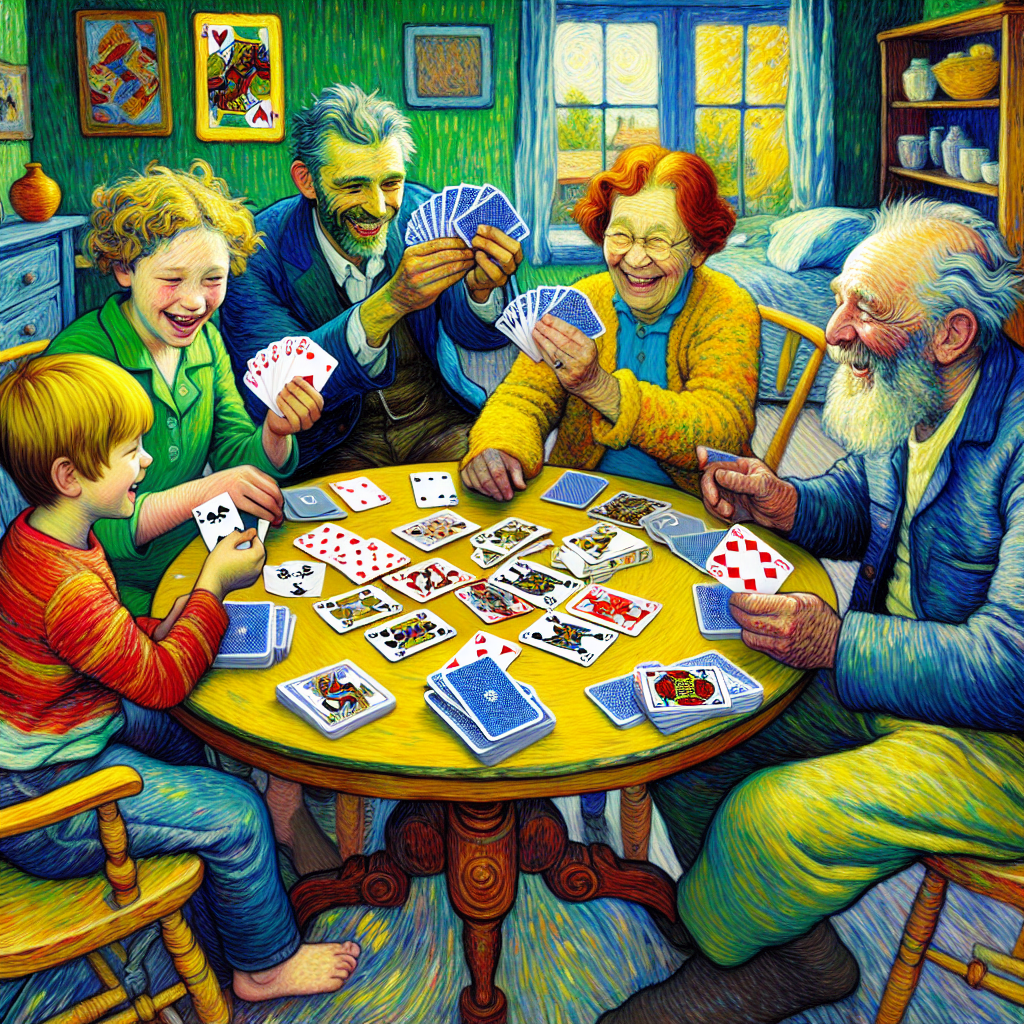
Other Resources
Glossary Terms
What Benefits Do Card Games Offer for Family Stress Relief? – Glossary Of Terms
1. Bonding: The emotional connection that strengthens family relationships through shared activities, such as playing card games.
2. Cognitive Skills: Mental abilities that can be enhanced through card games, including memory, concentration, and critical thinking.
3. Cooperation: The act of working together as a family during card games, which fosters teamwork and collaboration skills.
4. Distraction: A temporary diversion from daily stressors, achieved through engaging in card games, allowing family members to focus on enjoyment.
5. Emotional Release: The expression and processing of emotions that can occur during gameplay, providing a healthy outlet for stress.
6. Focus: The ability to concentrate one’s attention on the game, which can divert thoughts from anxiety and worries.
7. Fun: The enjoyment and light-heartedness that card games bring, contributing to a positive and relaxed family atmosphere.
8. Interaction: The communication and exchange between family members during card games, helping to reinforce social bonds.
9. Joy: The feelings of happiness and pleasure that arise from participating in fun family activities, such as card games.
10. Laughter: The spontaneous joy that can come from friendly competition and playful banter during card games, reducing stress levels.
11. Mindfulness: The state of being present and fully engaged in the moment, which can be achieved through focusing on the game.
12. Patience: A skill developed through waiting for turns and strategizing, promoting a sense of calm and control.
13. Positivity: The uplifting attitude fostered by playing games together, combating negative feelings and promoting emotional well-being.
14. Problem-Solving: The logical thinking and strategy required in card games, enhancing critical thinking skills while reducing stress through engagement.
15. Relaxation: A state achieved through enjoyment and fun that can lower stress levels collectively experienced by family members.
16. Resilience: The ability to bounce back from stressors, enhanced through positive interactions and support found in family game time.
17. Routine: Establishing regular game nights can create a comforting family tradition that contributes to stability and relief from stress.
18. Socialization: The process of engaging with family members and building interpersonal skills that promote well-being through shared activities.
19. Strategy: The planning and tactics involved in card games, helping players manage complexity and focus their thoughts positively.
20. Support: Emotional backing that is cultivated through family interactions during games, enhancing feelings of security and belonging.
21. Tolerance: Learning to accept losses and wins gracefully, thereby developing emotional intelligence and managing competitiveness.
22. Turn-Taking: The practice of sharing time during gameplay encourages respect and patience among family members.
23. Variety: The range of card games available allowing families to switch things up, keeping interactions fresh and engaging.
24. Victory: The sense of achievement that occurs after winning a game, boosting confidence and morale within the family.
25. Well-being: The overall health benefits derived from engaging in enjoyable activities that relieve stress and promote happiness.
26. Communication: The exchange of thoughts and strategies within the game context that enhances understanding and family dynamics.
27. Creativity: The imaginative thinking that can emerge while strategizing or creating house rules for games, fostering a fun atmosphere.
28. Sedentary Leisure: A low-energy activity like card gaming, which allows families to relax and unwind together without physical exertion.
29. Nostalgia: The emotions linked to playing traditional card games that can evoke fond memories, enriching family connections.
30. Escapism: The temporary refuge from daily pressures that card games provide, allowing families to momentarily step away from reality and enjoy themselves.

Glossary Of Terms
Other Questions
What Benefits Do Card Games Offer for Family Stress Relief? – Other Questions
If you wish to explore and discover more, consider looking for answers to these questions:
- What are some popular card games suitable for families?
- How can card games be adapted for different age groups?
- What are the least competitive card games for family bonding?
- Are there any specific card games that promote teamwork more than others?
- How can card games be integrated into family traditions?
- What are some tips for making card game nights more enjoyable?
- How do card games compare to other family activities for stress relief?
- What science or studies back the benefits of playing card games for families?
- How can families choose the right card games based on their dynamics?
- How do card games help children develop important life skills?
- What alternatives exist for families who may not enjoy card games?
- How can card games initiate difficult conversations among family members?
- What should families do if there is a dispute during a game?
- Are there card games specifically designed for teaching communication skills?

Other Questions
Haiku
What Benefits Do Card Games Offer for Family Stress Relief? – A Haiku
Laughter fills the air,
Cards unite across ages,
Stress fades, joy prevails.
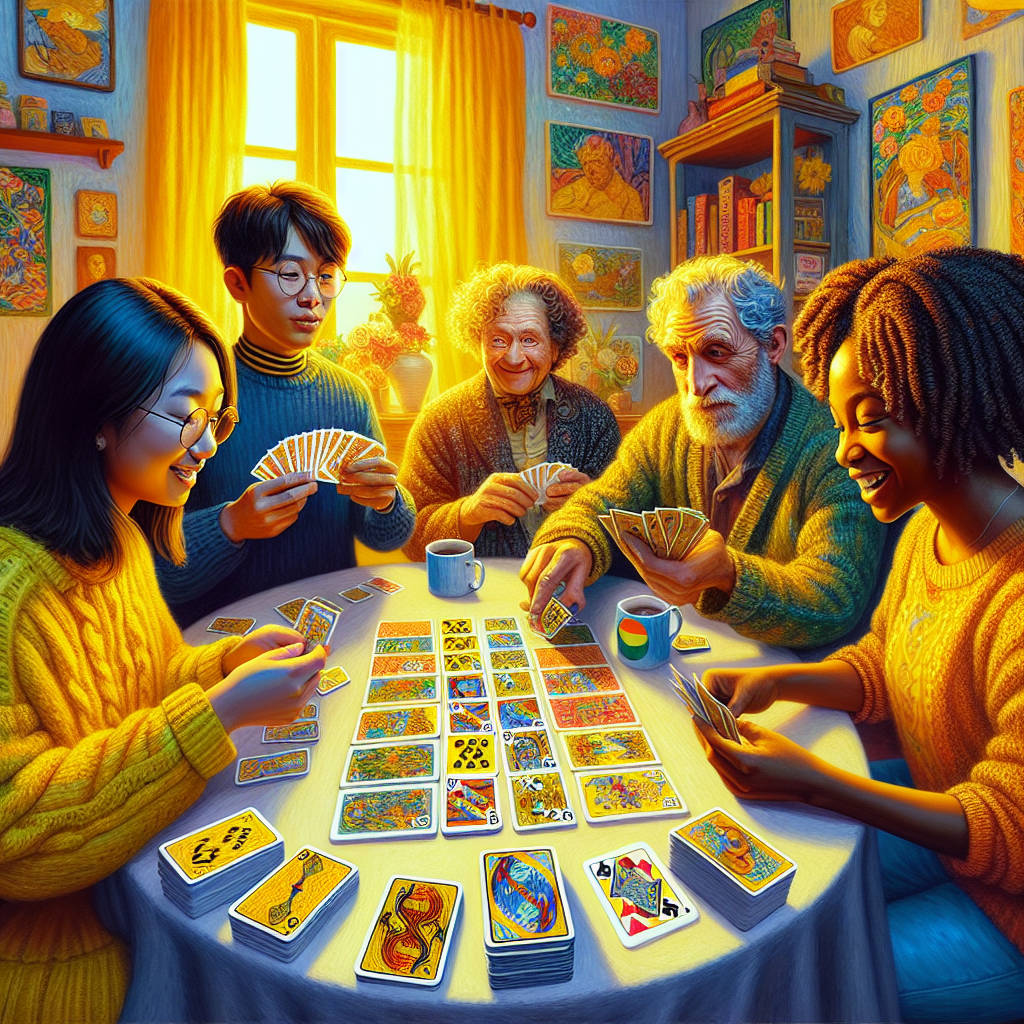
Haiku
Poem
What Benefits Do Card Games Offer for Family Stress Relief? – A Poem
In the quiet of home, where the chaos may reign,
A deck of cards waits, to ease all the strain.
With laughter and banter, a table set right,
Families gather, hearts feeling light.
Forget the devices, let screens fade away,
For magic resides in the games that we play.
From Crazy Eights’ tension to Uno’s delight,
These moments of joy chase the stress from our sight.
Connection rekindled in every swift move,
A poker face practiced, as strategies prove.
With shared tales emerging from rounds played with flair,
Each shuffle of cards weaves a bond that we share.
Patience and sportsmanship taught through our plays,
Teaching young hearts in the most playful ways.
Each triumph, each loss, a life lesson learned,
As laughter erupts for the joy that we’ve earned.
So gather your loved ones, let nostalgia take flight,
In the warmth of your home, let your spirits unite.
For amid simple cards, the world’s worries cease,
Finding solace and joy, and a moment of peace.
Shuffle those cards, let the fun now unfurl,
Through games shared together, let love fill your world.
For the best stress relief hides in laughter and glee,
A timeless reminder of what family can be.

Poem
Checklist
What Benefits Do Card Games Offer for Family Stress Relief? – A Checklist
Connection & Bonding
_____ Designate a Regular Card Game Night: Choose a specific day of the week or month dedicated to family card games.
_____ Encourage All Family Members to Participate: Ensure everyone, from kids to grandparents, gets a chance to play.
_____ Share Personal Game Stories: Take turns sharing amusing anecdotes or memories related to different card games.
Communication Enhancement
_____ Practice Team-Based Games: Incorporate cooperative card games like Hanabi to promote teamwork and collective strategy.
_____ Engage in Playful Banter: Create a lighthearted atmosphere that encourages conversation during play.
_____ Discuss Strategies Openly: Allow players to share their thought processes behind moves to foster deeper understanding.
Mental & Emotional Engagement
_____ Choose Games That Require Strategy: Games like Poker or Rummy can sharpen critical thinking skills.
_____ Incorporate Variety: Rotate between different types of card games to keep sessions fresh and exciting.
_____ Celebrate Wins and Losses: Reinforce the importance of good sportsmanship and resilience regardless of the outcome.
Stress Relief
_____ Set Up a Comforting Environment: Create a cozy space with snacks and drinks to enhance the gaming experience.
_____ Limit Digital Distractions: Ensure all devices are put away during game time to foster genuine interactions.
_____ Embrace the Fun: Prioritize enjoyment over competition, allowing laughter and silliness to prevail.
Family Legacy & Tradition
_____ Pass Down Favorite Family Games: Encourage older family members to teach younger ones the games they loved growing up.
_____ Create New Family Games: Set aside time to make up your own card game rules for a fun twist!
_____ Capture the Memories: Take photos or keep a game journal to document fun moments and memorable games played together.
Emotional Regulation
_____ Use Games to Redirect Negative Emotions: If someone’s feeling overwhelmed, suggest a card game to alleviate stress.
_____ Create Safe Spaces for Expression: Encourage children to vocalize their strategies and frustrations during play.
With these steps, you can utilize card games as a powerful tool for family bonding, stress relief, and communication enhancement. Enjoy your game time!

Checklist
At CardGameNews, we help people who love card games by collating information and news about card games.
Be sure to read our other related stories at CardGameNews to learn more about card games.