Unveiling The Magic: Exploring Trading Card Games
By Tom Seest
At CardGameNews, we help people who love card games by collating information and news about card games.
Be sure to read our other related stories at CardGameNews to learn more about card games.
What Are Trading Card Games?
In a world filled with instant gratification and digital interactions, trading card games carve out an intriguing space where strategy meets social interaction—without a power button in sight. Picture this: a couple of friends armed with colorful pieces of cardboard, each card steeped in lore, art, and numbers that all speak the ancient language of competition. These games are like a chess match layered with the complexity of a classic role-playing quest, all while fostering camaraderie and rivalry at once.
At their core, trading card games (TCGs) are a blend of strategy, luck, and artistic flair. Players build customized decks from a collection of cards, each representing unique abilities, creatures, spells, or other wonders that can change the tide of battle in an instant. The objective? Outwit your opponent through tactical plays, clever combinations, and a dash of unpredictability. It’s not merely about having the shiniest cards; it’s about knowing how to wield them like a seasoned warrior on a quest for victory.
Now, don’t be misled. TCGs are not just for the hardcore strategists or the seasoned veterans who can recite complex rules in their sleep. They’re designed to be accessible as well. You can often find starter kits that offer newcomers a firm footing without the need to dive headfirst into sprawling card collections. The journey into trading card games can start from a simple encounter with friends around a kitchen table, and before you know it, you’re talking deck strategies like pro-athletes dissecting plays in a locker room.
Of course, the community aspect cannot be overlooked. In a time when everything can feel a bit disconnected, TCGs encourage face-to-face interaction—whether at local game shops, tournaments, or casual gatherings. Here, players share stories, swap cards, and engage in banter, echoing the age-old ritual of shared experiences that span generations. Whether you’re joining a weekend tournament or sparking a friendly rivalry with a neighbor, the bonds formed through trading card games often extend beyond the physical cards themselves.
So, what are trading card games? They’re not just pastimes; they’re gateways to creativity, strategy, and friendship. In a universe of distractions, they remind us of the timeless joy of gameplay—all wrapped in the excitement of a good ol’ fashioned face-off. Grab a deck, find a friend, and jump into the world where every card tells a story, and every match is an adventure waiting to unfold.

What Are Trading Card Games?
What Are Trading Card Games?
- Trading card games (TCGs) blend strategy, luck, and artistic flair in a digital-free environment.
- Players create customized decks from unique cards, each with special abilities impacting gameplay.
- The goal is to outsmart opponents through tactical moves and unexpected combinations.
- TCGs are accessible to newcomers, often featuring starter kits for easy entry.
- The community aspect promotes face-to-face interaction and shared experiences among players.
- Playing TCGs fosters friendships, camaraderie, and rivalries that go beyond the game.
- Overall, TCGs offer a creative outlet, strategic challenges, and lasting bonds in a world of distractions.

What Are Trading Card Games?
Table Of Contents
- What Are Trading Card Games?
- What Are Trading Card Games?
- How Do Trading Card Games Work?
- What Is The Appeal Of Trading Card Games?
- What Are The Most Popular Trading Card Games?
- How Do You Get Started With Trading Card Games?
- What Are The Rules Of Trading Card Games?
- How Do You Build A Competitive Deck?
- What Strategies Can Improve My Gameplay?
- Are Trading Card Games Expensive To Start?
- How Do Trading Card Games Foster Community?
- What Skills Can You Develop From Trading Card Games?
- How Do Digital Trading Card Games Differ From Physical Ones?
- What Are Some Common Trading Card Game Terms?
- How Can I Trade Cards Safely And Effectively?
- What Should I Consider When Collecting Cards?
- Conclusion
- Other Resources
- Glossary Of Terms
- Other Questions
- Haiku
- Poem
- Checklist
What Are Trading Card Games?
Picture this: a table strewn with vibrant cards, each one a gateway into a world of strategy, luck, and camaraderie. Trading card games (TCGs) are not just games; they’re a phenomenon—an intricate dance between competition and creativity that has captured the hearts of millions. At their core, TCGs are a blend of collectible card collecting and strategic gameplay. You assemble your deck, tailor it to your style, and then face off against opponents, each match telling a new story driven by the decisions you make.
Now, let’s break this down. The premise of most TCGs is fairly straightforward. Players use customized decks of cards that represent various characters, abilities, creatures, or resources. These cards are the building blocks of battle; each card has its own unique attributes, strengths, and weaknesses. The objective? Outwit your opponent in a battle of wits, skill, and sometimes a bit of luck. But don’t be fooled—this is not merely child’s play. The strategy involved goes deep, pushing players to think several moves ahead while also being adaptable to the ever-evolving landscape of a match.
What really sets trading card games apart is their collectible aspect. Players often find joy in hunting down rare cards, building their collections, or trading with friends to get that elusive piece that might just turn the tide in their favor. The thrill of opening booster packs, the suspense of whether you’ll find that hard-to-get card, and the satisfaction of a well-timed trade can elevate the gaming experience to remarkable heights.
And let’s not overlook the community. TCGs have fostered vibrant networks of players around the world. They gather in stores for competitions, share strategies online, and form lasting friendships along the way. There’s something inherently social about a good TCG session; it invites camaraderie and rivalry in equal measure. Players explore the nuances of the game, often spending hours tweaking their decks and devising strategies, all while laughing, bantering, and engaging in some good-natured trash talking.
So, whether you’re a seasoned strategist or a curious newcomer, trading card games offer an arena where your imagination, intellect, and competitive spirit can run wild. They’re more than just cards; they’re a universe of possibilities, waiting for you to shuffle the deck and deal yourself in.

What Are Trading Card Games?
What Are Trading Card Games?
- Trading card games (TCGs) combine strategy, luck, and camaraderie, captivating millions.
- Players customize decks made up of unique cards with different attributes, strengths, and weaknesses.
- The goal is to outwit opponents using skill and strategy, requiring players to think ahead and adapt.
- The collectible nature of TCGs includes hunting for rare cards and trading with others, enhancing the experience.
- Opening booster packs and trading adds excitement and satisfaction to the gaming experience.
- TCGs create vibrant communities where players meet, compete, and form friendships through shared interests.
- Whether a seasoned player or newcomer, TCGs allow exploration of imagination and competitive spirit.

What Are Trading Card Games?
How Do Trading Card Games Work?
##
Trading card games, or TCGs, are a fascinating blend of strategy, competition, and, let’s face it, a bit of good old-fashioned fun. At their core, these games are about collecting and battling with cards that represent various creatures, spells, or abilities. Picture it as a chess match, but instead of knights and bishops, you’re tossing down dragons and wizards. This amalgamation of art, strategy, and community has drawn millions into a world where cardboard becomes currency, and victories are celebrated like hall-of-fame achievements.
Every player starts with a deck—typically made up of a specific number of cards, each carefully curated to reflect their personal style and strategy. The construction of this deck is an art form in itself. Players spend countless hours sorting through their collections, seeking the perfect combination of offensive and defensive measures, all while trying to predict what their opponents might bring to the table. It’s like trying to crack a code, where understanding the subtle nuances of card interactions can mean the difference between glorious victory and painful defeat.
Once players gather around a table, the real magic begins. The game usually kicks off with each player drawing a hand of cards, setting the stage for an all-out strategic battle. The rules vary from game to game, but the objective often revolves around reducing your opponent’s life points to zero or fulfilling a specific condition to claim victory. As cards are played, the field fills with creatures and spells that create an ever-evolving landscape of tactical opportunities.
One of the most engaging aspects of TCGs is the community they foster. Players often gather in local shops for tournaments or casual play sessions, sharing tips, and trading cards like seasoned negotiators. This social element adds layers of excitement and camaraderie that elevate the experience beyond mere entertainment. It’s a microcosm of life itself—a blend of competition and fellowship, where every match is a chance to learn, adapt, and grow.
So, whether you’re a seasoned strategist or a curious newcomer, the world of trading card games beckons. With each shuffle of the deck and deal of the hand, you’re not just playing a game; you’re part of an elaborate dance of strategy, risk, and unpredictability. It’s an adventure crafted in cardboard, and for many, it’s nothing short of magic.

How Do Trading Card Games Work?
How Do Trading Card Games Work?
- Trading card games (TCGs) combine strategy, competition, and fun through card battles.
- Players collect and battle with cards representing various creatures, spells, and abilities.
- Each player’s deck is a personal expression of strategy, requiring careful curation of cards.
- The game begins with players drawing cards, aiming to reduce opponents’ life points or meet specific victory conditions.
- TCGs foster a strong community, with players gathering for tournaments and casual play, sharing tips, and trading cards.
- The social aspect adds excitement and camaraderie, transforming matches into opportunities for learning and adaptation.
- TCGs invite both experienced players and newcomers to engage in a world of strategic adventures.

How Do Trading Card Games Work?
What Is The Appeal Of Trading Card Games?
Trading card games (TCGs) possess an appeal that’s as multifaceted as the cards themselves. For many, the allure begins with the thrill of competition. There’s something primal about the challenge of pitting your wits against another player, a sort of mental chess where both strategy and luck play pivotal roles. Every card drawn is a potential game-changer, a new twist in a narrative that unfolds uniquely with each match. This element of unpredictability keeps players coming back for more, always hungry for the next showdown.
But let’s not overlook the nostalgia factor. For many, TCGs harken back to simpler times spent with friends, huddled around a table swapping cards and sharing laughs. That joy is tied to the tactile experience—the feel of the cards, the sound of shuffling, the anticipation built through each draw. It’s a tangible connection to childhood, where victory was sweet and loss merely a prompt to try again. In this digital age, where screens dominate our attention, the physicality of a trading card game invites players to engage more deeply with the moment, and with each other.
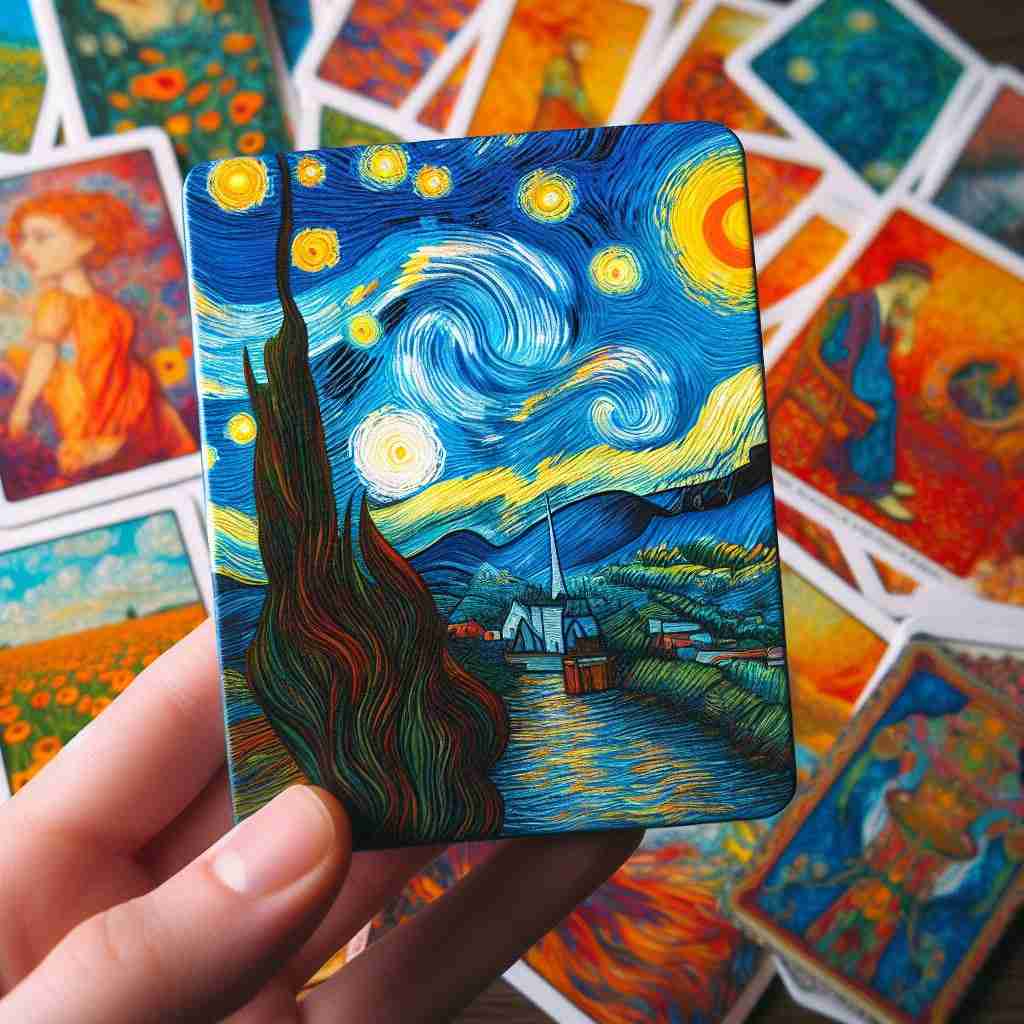
Then, there’s the art. Each card is a little window into a world, showcasing stunning illustrations and creative themes. Artists pour their souls into these pieces, each image crafted to evoke something special. Whether it’s the fierce warrior on a battle card or the serene landscape of an enchanted forest, art becomes a vital component of the experience. For some, collecting cards is almost akin to collecting art; it’s about the appreciation of creativity and imagination that goes beyond the gameplay itself.
Furthermore, TCGs foster community. Players bond over shared strategies, trade cards, and engage in spirited discussions about the latest expansions or the best combos. Tournaments bring people together, igniting camaraderie and friendship among rivals. There’s a sense of belonging that comes from being part of something bigger, a tribe bonded by a love for the game.
Finally, let’s not forget the educational aspect. Trading card games are a fantastic way to develop critical thinking skills. Players must analyze complex scenarios, anticipate their opponent’s moves, and adapt their strategies on the fly. It’s a mental workout disguised as fun, sharpening minds even as players battle for glory.
In a world increasingly dominated by virtual interactions, trading card games stand out as a timeless blend of competition, creativity, and connection. They offer a refuge where skills are tested, friendships are formed, and imagination reigns supreme. And in that, the appeal is undeniable.

What Is The Appeal Of Trading Card Games?
What Is The Appeal Of Trading Card Games?
- Trading card games (TCGs) offer multifaceted appeal, combining competition and luck.
- Nostalgia plays a key role, reminding players of simpler times spent with friends over card games.
- The tactile experience of handling cards enhances engagement and deepens social connections.
- Each card features stunning artwork, creating an appreciation for creativity beyond just gameplay.
- TCGs foster a sense of community, encouraging bonding through trading, strategy discussions, and tournaments.
- They promote critical thinking and strategic skills, serving as a mental workout within a fun context.
- In a digital age, TCGs provide a unique blend of competition, creativity, and personal connection.

What Is The Appeal Of Trading Card Games?
What Are The Most Popular Trading Card Games?
When it comes to the world of trading card games, you might think of it as a quiet pastime, a little corner of the universe where strategy meets art in the most colorful of ways. But trust me, under the surface lies a vibrant community buzzing with competition, creativity, and camaraderie. So, let’s dive into some of the heavyweights of the trading card game scene—each as unique as a custom-painted deck.
First up is the granddaddy of them all: Magic: The Gathering. Launched in 1993, this game has evolved from humble beginnings to a worldwide phenomenon. With its complex mechanics and vast lore, it allows you to summon mythical creatures and cast spells as you battle opponents. Players immerse themselves not just in the gameplay but in the stories that unfold, making each match feel like a chapter in an epic saga.
Next on the list is Pokémon Trading Card Game, which has been captivating fans since the late ’90s. The beauty of Pokémon TCG lies in its accessibility, bridging generations of players. Whether you’re a nostalgic adult or a wide-eyed child, collecting Pokémon creatures and evolving them into powerful allies brings a thrill that’s hard to resist. Plus, who doesn’t want to catch ’em all?
Then we have Yu-Gi-Oh!, a game that often feels like a high-stakes chess match where every move can shift the balance of power. Originating from a Japanese manga, it quickly transformed into a blockbuster card game. The strategy is deep, the duels intense, and the collection of cards nearly endless. Plus, let’s not forget the flashy monster art that practically jumps off the card and into your imagination.
Don’t sleep on the newer entrants to this vibrant arena, either. Games like Flesh and Blood are carving a niche for themselves, offering a fresh take on the trading card experience. With a focus on hero-centric gameplay, it invites players to engage not just in battles but in storytelling, as they create their own legendary warrior.
Lastly, we can’t overlook the driven community around games like KeyForge, which touts itself as a unique deck game—no two decks are the same. This brilliance lies in its randomness and unpredictability, drawing players into the thrill of chance.
So whether you’re a seasoned veteran or just dipping your toe into the realm of trading card games, there’s a world rich with strategy and imagination waiting for you. Grab a deck, sit down with a friend, and immerse yourself in this fantastic universe where every card turned can lead to glory or defeat.

What Are The Most Popular Trading Card Games?
What Are The Most Popular Trading Card Games?
- The world of trading card games is vibrant, filled with competition, creativity, and camaraderie.
- Magic: The Gathering, launched in 1993, is a complex game that combines strategic gameplay with rich storytelling.
- The Pokémon Trading Card Game captivates players of all ages with its accessible gameplay and nostalgia of collecting Pokémon.
- Yu-Gi-Oh! offers intense strategies and duels, originating from a Japanese manga and featuring captivating monster art.
- Newer games like Flesh and Blood focus on hero-centric storytelling in addition to traditional trading card gameplay.
- KeyForge stands out for its unique deck system where no two decks are identical, emphasizing randomness and unpredictability.
- The trading card game community offers a rich experience for both veterans and newcomers alike.
What Are The Most Popular Trading Card Games?
How Do You Get Started With Trading Card Games?
Getting into trading card games (TCGs) can feel like standing at the foot of a mountain. You see experienced players scaling the heights with ease, their hands deftly maneuvering cards like seasoned artisans. But before you decide to turn back or just watch from a distance, let’s break down the steps to get you started on your own ascent.
First off, embrace your curiosity. TCGs are rich with strategy, artwork, and lore, and there’s a wealth of material out there just waiting to be explored. Begin by doing a bit of research. Find a game that piques your interest—whether it’s a classic like Magic: The Gathering or a newer challenger like flesh and blood. Watch tutorials, browse forums, or even check out videos; there’s no shortage of content to help you understand the basics.
Next, get your hands on some cards. Most games offer introductory sets or starter decks designed specifically for newcomers. Think of it as your toolkit; you don’t want to plunge into a project without the necessary equipment, right? Visit your local game store not just to purchase cards, but to soak up the atmosphere. These are often the beating hearts of the TCG community where you’ll meet fellow enthusiasts who can share insights and strategies.
Now, let’s talk about practice. Just as a craftsman hones their skill, you’ll need to do the same. Play games against friends or fellow novices. Don’t worry about losing—every defeat is a stepping stone on a path to mastery. Pay attention to what works and what doesn’t. Your understanding of the game will deepen with every match you play.
Don’t hesitate to ask questions. The TCG community is usually welcoming, full of seasoned players eager to share their knowledge. Whether it’s about card combinations or strategies, tapping into this collective wisdom can give you an edge.
Lastly, embrace the journey with patience. TCGs are vast and complex. You’re not going to become an expert overnight. Enjoy the learning process, celebrate your small victories, and build your deck piece by piece.
It’s not just about the cards; it’s about the bonds you forge, the challenges you face, and the enjoyment you find along the way. So, lace up your boots, grab some sleeves, and step into the exciting world of trading card games. The mountain is calling, and it’s time to answer!

How Do You Get Started With Trading Card Games?
How Do You Get Started With Trading Card Games?
- Embrace your curiosity and explore the rich strategy, artwork, and lore of TCGs.
- Research different games that interest you, such as Magic: The Gathering or Flesh and Blood.
- Acquire introductory sets or starter decks to start your journey effectively.
- Visit local game stores to buy cards and immerse yourself in the TCG community.
- Practice playing against friends or fellow novices, learning from both victories and defeats.
- Ask questions within the TCG community, as many seasoned players are eager to help newcomers.
- Embrace the journey with patience, celebrating small victories along the way and enjoying the experience.

How Do You Get Started With Trading Card Games?
What Are The Rules Of Trading Card Games?
Trading Card Games (TCGs) are an exhilarating blend of strategy, luck, and competition. At their core, TCGs thrive on a simple premise: players choose their decks and face off against each other, all while adhering to a structured set of rules. But what exactly are these rules that govern the captivating world of card dueling?
First and foremost, let’s address the concept of the card pool. Each player builds a deck from a selection of cards, often from a proprietary pool provided by the game developer. The specific limits on card quantities usually state that players can have up to four copies of any single card, with certain rare or powerful cards restricted or banned altogether. It’s a delicate balance of choosing the perfect mix of creatures, spells, and strategic maneuvers—essentially crafting a well-oiled machine to lead you to victory.
Then comes the setup. Players begin by shuffling their decks and drawing an initial hand of cards. This decision-making phase can set the stage for the entire match. Players are often allowed to mulligan, or reshuffle, in hopes of a better hand—a choice that reflects both risk management and adaptability right from the start.
Once the game kicks off, players take turns, and each turn consists of several phases: the draw phase, main phase, combat phase, and end phase. Understanding how to navigate these phases is crucial; it’s a gauntlet where timing is everything. Players can summon creatures, cast spells, and engage in combat—each action carefully weighed against the ever-present risks of counterattacks and resource depletion.
Combat is perhaps the most thrilling aspect of TCGs. When two creatures clash, tactics and calculations come into play. Players must determine attack and defense values, and sometimes also consider additional effects or abilities from their cards. This portion of the game is where heroes are born and strategies unfold, adding layers of excitement and anticipation to every match.
And let’s not forget about the all-important victory conditions. Each game has its own criteria for winning—be it reducing your opponent’s life points to zero, achieving a specific goal, or exhausting their deck. Knowing your win conditions and your opponent’s is essential; it’s a chess match where every card could be your next winning move or your last desperate gasp.
Ultimately, the rules of trading card games create a dynamic environment where skill meets chance, and every match offers a new opportunity to outsmart an opponent. So shuffle those decks, draw your cards, and step into the arena; fortune favors the prepared, and every game is a new story waiting to be written.

What Are The Rules Of Trading Card Games?
What Are The Rules Of Trading Card Games?
- Trading Card Games (TCGs) combine strategy, luck, and competition through structured rules.
- Players build decks from a specific card pool, typically limited to four copies of any single card.
- Setup involves shuffling decks and drawing an initial hand, with an option to mulligan for a better hand.
- The game consists of turns with phases: draw, main, combat, and end phase for strategic plays.
- Combat is key, requiring players to calculate attack and defense values while considering card abilities.
- Victory conditions vary, including reducing opponents’ life points or achieving specific goals.
- TCGs provide dynamic gameplay where skill and chance interplay, leading to unique stories in each match.

What Are The Rules Of Trading Card Games?
How Do You Build A Competitive Deck?
Building a competitive deck is like constructing a solid bridge; it requires careful planning, a keen understanding of materials, and a little bit of hard work. Whether you’re diving into the world of trading card games, deck-building games, or tabletop strategy, the principles of deck construction remain fundamentally the same. So, let’s roll up our sleeves and get into the nitty-gritty.
First and foremost, know your game. Familiarize yourself with the rules, the latest expansions, and the meta game. What does that mean? It means understanding which cards are currently dominant and what strategies players are employing to counter them. A well-rounded knowledge base will serve as your blueprint when piecing together your deck.
Next, identify your core strategy. What is your game plan? Are you looking to overwhelm your opponent with aggressive tactics, or do you prefer a slow and steady approach that focuses on control and resource management? Your strategy will dictate the types of cards you’ll want to prioritize. Aggro decks might lean heavily on low-cost creatures with high damage output, while control decks will favor cards that provide removal or counter spells.
Once you have your strategy, it’s time to choose your cards. A balanced deck generally contains a mix of creatures, spells, and other card types, depending on your focus. Typically, a 60-card deck balances around 24 lands (or resources), 20 creatures, and 16 spells or abilities. This ratio may vary as you refine your strategy, but it’s a solid starting point. Remember, you want consistency, so select cards that complement each other and fit your overall theme.
As you build, don’t shy away from playtesting. Shuffle up your deck and play against friends or available resources to put your creation through its paces. Take notes on what works and what doesn’t. It’s essential to be adaptable; adjust your card choices based on your experiences in battle. Sometimes that one underwhelming card could cost you the game that might have been yours.
Lastly, embrace the community. Share your insights, learn from others, and soak up the wisdom from seasoned players. Building a competitive deck isn’t just about the cards you choose; it’s about connecting with others who share your passion. Together, you can foster an environment that not only challenges your skills but also reignites the spirit of the game. So, get inspired, get to work, and craft that competitive deck—one card at a time!

How Do You Build A Competitive Deck?
How Do You Build A Competitive Deck?
- Building a competitive deck requires careful planning and understanding of game mechanics.
- Familiarize yourself with game rules, expansions, and the current meta to create a solid foundation.
- Identify your core strategy, whether it’s aggressive tactics or control and resource management.
- Choose a balanced mix of cards, aiming for a typical ratio of 24 lands, 20 creatures, and 16 spells.
- Engage in playtesting to refine your deck and adapt based on performance and experiences.
- Embrace the community by sharing insights and learning from experienced players.
- Stay inspired and committed to crafting your competitive deck, focusing on improvement one card at a time.

How Do You Build A Competitive Deck?
What Strategies Can Improve My Gameplay?
When it comes to leveling up your gameplay, there’s no silver bullet. The process is more like tuning an engine than flipping a switch. You’ve got to roll up your sleeves, dig into the nitty-gritty, and systematically fine-tune your approach. Here are some strategies that might just rev up your performance.
First, let’s talk about muscle memory. Just like a skilled craftsman knows his tools by touch, you need that same familiarity with your controls. Repetition is key. Spend time in practice mode or dedicated training sessions; don’t just jump headfirst into competition. Focus on the mechanics: your timing, your positioning, and your reflexes. The more you repeat these actions, the more they’ll embed themselves in your brain like an old song you can’t shake.
Next up, embrace the power of analysis. If you’re not reviewing how you play, you’re essentially shooting in the dark. Record your sessions, then pour over the footage like a detective searching for clues. Identify your habits: Maybe you’re overly aggressive at the start or consistently take a defensive stance. These insights can guide your future choices, helping you to adapt and adjust your strategy on the fly.
Communication is another vital piece of the puzzle, particularly if you’re gaming in a team environment. Think of your squad as a well-oiled machine; every part has to work in sync. Use voice or text chat effectively, and make sure everyone is on the same page. Share strategies, call out enemy positions, and support each other’s decisions. A cohesive unit can often outplay stronger individuals, and that synergy could be just what you need to climb the ranks.
Finally, don’t underestimate the power of rest and mental clarity. Gaming, like any other pursuit, demands mental energy and focus. If you’re running on fumes, your decision-making and reaction time will suffer. Take regular breaks to recharge—step away from the screen, get some fresh air, or do something entirely unrelated. You’d be surprised how a little distance can grant you a new perspective on your gameplay.
In summary, enhancing your gameplay is about deliberate practice, analytical mindset, effective communication, and knowing when to take a breather. Be patient, stay committed, and remember: the road to improvement is a marathon, not a sprint. Each stride forward counts, and before you know it, you’ll find yourself not just playing, but playing smart.

What Strategies Can Improve My Gameplay?
What Strategies Can Improve My Gameplay?
- Improving gameplay is a systematic process akin to tuning an engine rather than a quick fix.
- Develop muscle memory through repetition; practice mechanics like timing, positioning, and reflexes in training sessions.
- Analyze your gameplay by recording sessions to identify habits and adjust strategies accordingly.
- Effective communication is crucial in team settings; collaborate and share strategies with your squad.
- Maintain mental clarity and energy by taking regular breaks to recharge and gain fresh perspectives.
- Focus on deliberate practice, analysis, communication, and rest to enhance gameplay performance.
- Improvement is a gradual process; patience and commitment are essential for long-term success.

What Strategies Can Improve My Gameplay?
Are Trading Card Games Expensive To Start?
When you throw open the lid on the world of trading card games (TCGs), it’s hard not to get swept away by the vibrant artwork, the intricate gameplay, and the sense of community that comes with it. But lurking behind those glossy card backs is a question that’s more pertinent than a fly at a picnic: is this new hobby going to cost you an arm and a leg?
Let’s break it down. The entry point for TCGs can range from “utterly reasonable” to “knee-deep in your savings account” depending on what you’re looking for. At the most basic level, many games offer starter decks or intro packs that you can scoop up for a modest price—usually around twenty bucks. Open that box, shuffle those cards, and you’re off to the races. At this stage, it feels less like a financial commitment and more like an experiment. You’re dipping your toe in the water, and the results can be delightfully surprising.
Now, if you find yourself captivated—your eyes sparkling at the allure of rare cards and shiny foil—be prepared for the wallet to start feeling a little lighter. Collectibility is the name of the game, and some cards become hot commodities faster than you can say “deck building.” Rare cards can sell for astonishing prices, sometimes in the hundreds or even thousands. The savvy among us can navigate this treacherous landscape, looking for deals or knowing when to hold off on a purchase, while the less experienced might find themselves on the saying “whoops” end of a not-so-great investment.
There’s also the cost of expanding your collection. You might start with that starter deck, but before you know it, you’re perusing booster packs, special editions, and perhaps even chasing down cards from that elusive “set” that everyone’s buzzing about. Suddenly, it’s not just a game—it’s a quest, and quests can be notorious for their costs. While you might think it sensible to pick up a few more packs to strengthen your deck, it could become a slippery slope, leading you down a rabbit hole deep enough to put a hole in your pocket.
And don’t forget about accessories! Sleeves, deck boxes, playmats—those add-ons can start to pile up quicker than you can say “shuffle.” So, while TCGs can be as budget-friendly as you want them to be, it’s easy to get caught up in the excitement and, before you know it, find your spending ballooning.
The financial commitment varies widely. It can be kept modest or can escalate faster than you can count your cards. Approach it with a playful spirit and a cautious budget, and you’ll find that the thrill isn’t just in the cards themselves, but in the journey you embark on with them.

Are Trading Card Games Expensive To Start?
Are Trading Card Games Expensive To Start?
- Trading card games (TCGs) offer vibrant artwork, intricate gameplay, and a strong sense of community.
- Entry costs for TCGs can range from affordable starter decks (around $20) to expensive collectible cards.
- Rare cards can become highly valuable, sometimes selling for hundreds or thousands of dollars.
- Expanding your collection can lead to additional costs, including booster packs and special editions.
- Accessories like sleeves, deck boxes, and playmats can also add to your expenses quickly.
- The financial investment required varies widely and can escalate rapidly without careful management.
- Approach TCGs with a playful spirit and cautious budgeting to enjoy the journey of collecting and playing.

Are Trading Card Games Expensive To Start?
How Do Trading Card Games Foster Community?
When you wander into a local game store on a Saturday afternoon, music hums in the air—laughter, animated conversations, and the unmistakable rustle of cardboard cards shuffling against one another. This lively atmosphere is more than just a backdrop; it’s a testament to how trading card games foster a sense of community that resonates with players from all walks of life.
At their core, trading card games (TCGs) are about building connections. You don’t just collect cards; you construct intricate strategies, engage in friendly rivalries, and swap stories that transcend the confines of the game itself. Each player, armed with their custom decks, brings their unique perspective and experience to the table. The moment you sit down across from an opponent, you’re not just playing a game; you’re entering a shared narrative where victories are celebrated, and losses are just fuel for the next match.
Now, let’s talk about the heart of the community—the tournaments. Picture it: an array of players, each with their detailed strategies, gathered together to test their skills and forge friendships. Winning is one part of the equation, but the real prize is the camaraderie that develops through late-night practice sessions, discussions about meta strategies, and impromptu trades. This is where bonds are forged, often leading to lasting friendships. When the dust settles after the final match, what remains is a network of allies and collaborators united by a common passion.
Then there’s the culture of inclusivity. TCGs are often welcoming to newcomers, encouraging them to dive into the complexity of the game and engage with seasoned players. This mentorship is vital. New players find themselves guided by veterans who willingly share their knowledge, ensuring that the community continues to grow. It’s a cycle of learning and teaching that reinforces ties among players, creating an environment where everyone feels valued.
Moreover, trading card games don’t just live in isolation; they often bleed into other aspects of life. Players gather for casual nights, join online forums, and even collaborate on creating custom content. These interactions create a tapestry of experiences that weave through the fabric of everyday life.
So, whether you’re huddled around a table flipping cards, or discussing strategies online late into the night, the essence of a trading card game is clear: it’s a powerful medium that not only engages players cognitively but also weaves a community of shared experiences, friendships, and respect. In essence, TCGs are more than games; they’re thriving ecosystems that nurture connection and togetherness.

How Do Trading Card Games Foster Community?
How Do Trading Card Games Foster Community?
- Local game stores resonate with laughter and conversation, showcasing the vibrant community of trading card game (TCG) players.
- TCGs promote connection through strategy building, friendly rivalries, and shared experiences beyond the game.
- Players engage in a shared narrative during matches, where victories are celebrated and losses motivate future play.
- Tournaments serve as a central hub for community bonding, networking, and forming friendships through practice and collaboration.
- The culture of inclusivity encourages newcomers to learn from veteran players, fostering growth and mentorship within the community.
- TCGs extend into other aspects of life through casual gatherings, online forums, and collaborative content creation.
- Ultimately, TCGs cultivate a rich ecosystem of cognitive engagement, friendships, and shared respect among players.

How Do Trading Card Games Foster Community?
What Skills Can You Develop From Trading Card Games?
Trading card games (TCGs) are far more than just a way to pass the time; they’re a fantastic breeding ground for a host of invaluable skills. While some might think these are merely colorful pieces of cardboard, the truth is, within each deck lies a universe ripe with opportunities for personal development. Let’s delve into a few skills you can cultivate through the strategic play of TCGs.
First and foremost, trading card games are a masterclass in critical thinking and strategy. Players are constantly analyzing their options, predicting opponents’ moves, and devising intricate plans to outsmart their adversaries. Each card represents a strategic decision, and the ability to anticipate outcomes can set apart the winners from the losers. This sharpened critical thinking doesn’t just stay on the gaming table; it spills into everyday life, enhancing problem-solving skills in the workplace, at home, and in social interactions.
Then there’s the social aspect. Trading card games often foster a community of like-minded enthusiasts. Players engage in discussions about strategies, trade cards, and collaborate on building formidable decks. This interaction hones communication skills—after all, being able to articulate your thoughts and engage effectively with others is essential in any field. These friendships formed across tables and tournaments are often lasting and can evolve into networks that provide future opportunities, reminding us that social skills hold as much value as any tactical prowess.
Next up is resource management. As players collect cards, they must learn how to utilize their assets effectively. Deck building is a nuanced skill that requires an understanding of synergy, balance, and improvisation. Outfitting yourself with the best cards is akin to managing a budget—make the wrong choice, and you could quickly find yourself on the losing side. Life, much like TCGs, demands that we make the most of what we have, think ahead, and adjust our strategies on the fly.
Lastly, let’s not overlook resilience. In the world of TCGs, even the best players face defeat. Learning to accept loss, analyze what went wrong, and return to the game stronger is a fundamental lesson. This spirit of perseverance transfers beautifully to life’s challenges, teaching players that setbacks are merely steps on the path to success, a lesson that’s universally applicable in both personal and professional realms.
In essence, trading card games provide a rich tapestry of skills that extend far beyond the game itself. Whether you’re a casual player or a competitive strategist, the capabilities you develop will create a foundation that supports growth in multiple dimensions of life.

What Skills Can You Develop From Trading Card Games?
What Skills Can You Develop From Trading Card Games?
- Trading card games (TCGs) enhance critical thinking and strategy through constant analysis and planning.
- Players develop problem-solving skills that translate into workplace and social settings.
- TCGs foster community, improving communication skills through discussions and collaboration.
- Friendships formed in TCGs can lead to valuable networks and future opportunities.
- Resource management skills are cultivated as players build decks and utilize assets effectively.
- Players learn resilience by accepting losses and striving to improve from setbacks.
- Overall, TCGs provide valuable life skills that support personal and professional growth.

What Skills Can You Develop From Trading Card Games?
How Do Digital Trading Card Games Differ From Physical Ones?
Digital trading card games (TCGs) and their physical counterparts are two sides of the same coin, yet they tap into distinctly different realms of experience and engagement. Imagine walking into a game store, the inviting aroma of new card packs in the air, the sound of excited chatter buzzing all around you—this is the world of physical card games. Diverse players gather around tables, flipping cards, sharing strategies, and navigating the intricate social layers that come with face-to-face competition.
Now, pivot to the digital realm. Here, the experience morphs into something uniquely boundless. With just a few clicks, you can access vast quantities of cards from anywhere. No need to scavenge through local shops or accumulate piles of common cards that clutter your desk. This accessibility opens the door to a broader player base; the world becomes your local game store. You might face off with someone halfway across the globe, which can create a delightful tapestry of diverse styles and strategies.
However, this online convenience comes hand in hand with a different flavor of social interaction. In the digital space, communication is often reduced to emojis, chat bubbles, or the occasional voice call. While you can connect with players worldwide, the camaraderie and unforgettable banter of a physical roundtable may become a fond memory rather than a vivid reality. The laughter shared over misplays, the thrill of a comeback in a live setting—those moments are often lost in the clicks and taps of an online game.
Digital TCGs also offer unique features that are practically impossible in the physical format. Imagine customizable animations, real-time stats tracking, and automated rule enforcement. Gone are the debates over card interactions; the algorithms handle that for you, creating a smooth play experience. Yet, some argue that this takes away from the mechanics of learning the game inside and out—the kind of mastery that requires sleepless nights poring over manuals and decks.
And then, there’s the question of investment. While physical cards can potentially gain in value—think rare holographics or limited editions—digital assets are often tied to the whims of online developers. A patch might change a card’s entire function, and whole strategies can be rendered obsolete overnight.
Whether you shuffle real cards or drag virtual ones onto the battlefield, both digital and physical trading card games evoke passion, strategy, and a touch of nostalgia. Each medium welcomes us to unleash our competitive spirit in its own unique way, ensuring that the thrill of the game never fades.

How Do Digital Trading Card Games Differ From Physical Ones?
How Do Digital Trading Card Games Differ From Physical Ones?
- Digital trading card games (TCGs) and physical card games offer distinct experiences.
- The physical card game environment fosters social interactions with players in a tangible setting.
- Digital TCGs provide accessibility to a vast variety of cards without the limitations of local stores.
- Online play enables matches with global opponents, enriching the diversity of gameplay styles.
- Digital formats lack some personal interactions, often relying on emojis and chat for communication.
- Unique features in digital TCGs, like animations and automated rule enforcement, enhance play but may overshadow in-depth game learning.
- While physical cards can appreciate in value, digital assets are vulnerable to changes by online developers, impacting game dynamics.
How Do Digital Trading Card Games Differ From Physical Ones?
What Are Some Common Trading Card Game Terms?
In the world of trading card games, vocabulary can feel like a secret handshake among seasoned players. However, understanding the lingo is crucial for anyone looking to dive into this intricate and exhilarating hobby. Whether you’re a newbie or trying to impress your friends at the next game night, knowing these terms will help you navigate the battlefield of cardboard combat with confidence.
Deck—This is the lifeblood of any trading card game. A deck consists of a carefully assembled collection of cards that a player uses to compete. Think of it as your arsenal; every card has a role to play, and the right mix can spell victory.
Draw—When you hear someone mention that they need to “draw a card,” they’re referring to the moment they take a card from their deck to add to their hand. Drawing is crucial because it refreshes your resources and options. It’s like reaching into a treasure chest for that one shiny piece of loot that could turn the tide of battle.
Mana—This term originates from games like Magic: The Gathering, where players utilize a resource called mana to cast spells and summon creatures. In simpler terms, mana is the fuel for your deck. Without it, your powerful cards become little more than fancy artwork. Every player must manage their mana wisely to unleash their strategies effectively.
Combo—The word combo refers to a sequence of cards or moves that, when executed together, create an overwhelmingly powerful effect. Think of it like a well-rehearsed dance routine: all the pieces must come together at just the right moment to wow the audience—and your opponent.
Sideboard—For competitive players, the sideboard is a crucial tool. This secondary cache of cards allows you to adapt your strategy between games in a match. If you know your opponent’s deck well, you can adjust your sideboard to counter their strategy, much like a quarterback changing the play at the line of scrimmage.
Meta—Short for “metagame,” this term describes the current trends and strategies dominating the competitive scene. Knowing the meta can give you insights into what decks and strategies are popular, helping you to fine-tune your own deck for optimal performance.
Navigating the vibrant landscape of trading card games means embracing the jargon that comes with it. So, whether you’re brewing a potent deck or strategizing a clever combo, understanding these key terms is the first step towards trading card mastery. Keep that vocabulary sharp, and you’ll find yourself not just playing the game but starting to live it.

What Are Some Common Trading Card Game Terms?
What Are Some Common Trading Card Game Terms?
- Understanding trading card game vocabulary is essential for players of all levels.
- A deck is a player’s collection of cards used to compete, serving as their main arsenal.
- Drawing a card refers to taking a card from the deck to refresh resources and options.
- Mana is a resource used to cast spells and summon creatures, vital for executing strategies.
- A combo is a sequence of cards or moves that produces a powerful unified effect.
- The sideboard is a secondary cache of cards that allows for strategic adaptations between games.
- The meta describes current trends and strategies in the competitive scene, informing deck optimization.

What Are Some Common Trading Card Game Terms?
How Can I Trade Cards Safely And Effectively?
Trading cards can be an exhilarating hobby, but like any thrilling pursuit, it comes with its own risks. So, how can you dive into this world while keeping your bank account intact and your collection thriving? Let’s break it down.
First and foremost, knowledge is your greatest ally. Learn the ins and outs of the cards you’re trading, whether they’re sports cards, Pokémon cards, or something out of a galaxy far, far away. Familiarize yourself with the market trends. What’s hot today might not be tomorrow. Use online resources, forums, and community groups to stay updated on prices, rarities, and breaking news in the trading card world. This isn’t just a casual hobby; it’s a marketplace that thrives on information.
Next up, keep your eyes peeled for the condition of the cards. You wouldn’t buy a car with a busted engine, so why would you invest in cards with bent corners or faded colors? Grading services can help assess the quality of a card, but if you’re going to trade in person, know how to recognize the differences between a Near Mint and a Poor condition card. It’s like distinguishing between fine wine and grape juice—you can tell the difference when you know what you’re looking for.
When it comes to transactions, trust but verify. Meeting up for a trade? Choose a public place. Your local coffee shop or a comic store is perfect—not just for the ambiance, but it offers a safety net. Plus, you’ll often meet kindred spirits who share your passion. And don’t be afraid to walk away from a deal if it doesn’t feel right. The thrill of the trade is no excuse for blindly accepting an offer.
Finally, nurture your network like you would a precious garden. Connect with fellow collectors, join local clubs, and use social media wisely. You’ll find mentors, trade partners, and even friends who share your obsession. The trading card community is a vibrant tapestry filled with characters who can help you navigate through the riskier parts of trading. They can offer advice, share insights, and point you toward where the real treasures lie.
In this exhilarating world, staying informed, doubling down on quality, ensuring safe trades, and connecting with fellow collectors will help you do more than just survive—you’ll thrive. Now, go on and trade like you mean it!

How Can I Trade Cards Safely And Effectively?
How Can I Trade Cards Safely And Effectively?
- Trading cards can be a thrilling hobby but come with financial risks.
- Knowledge is crucial: stay informed about cards, market trends, and pricing.
- Assess card condition carefully; understand grading and quality differences.
- Trust but verify during transactions; meet in public places for safety.
- Be willing to walk away from deals that don’t feel right.
- Nurture your network by connecting with fellow collectors and joining clubs.
- Stay informed and engaged to thrive in the trading card community.

How Can I Trade Cards Safely And Effectively?
What Should I Consider When Collecting Cards?
When diving into the world of card collecting, it’s easy to get swept up in the excitement of new scores and shiny finds. But before you start shoving cards into binders and boxes, there are a few key considerations to keep in mind that can turn a casual hobby into a rewarding passion.
Know Your Purpose
First and foremost, ask yourself: why are you collecting? Are you in it for the love of the game, the thrill of the hunt, or the prospect of future profits? Understanding your motivation will guide your direction. If you’re passionate about a particular sport or series, your collection can become a personal history of that interest—a reflection of the moments that resonated with you. On the other hand, if investment potential is your goal, you’ll need to research market trends and what makes a card valuable.
Educate Yourself
Knowledge is power in the world of card collecting. Familiarize yourself with the different types of cards—trading cards, sports cards, even limited-edition releases. Learn about grading systems; knowing how a card’s condition can affect its value will save you headaches in the long run. Connect with seasoned collectors, scour online forums, and read up on price guides. The more you know, the less likely you are to fall prey to scams or overpay for what may turn out to be a common card.
Set a Budget
Collecting can get expensive in a hurry. Set a budget before you embark on your collecting journey, and stick to it. It can be all too tempting to snatch up every card that catches your eye, but establishing financial boundaries is key to maintaining control over your spending. This doesn’t mean you can’t indulge occasionally; it’s about finding a balance between passion and practicality.
Storage and Care
Once you start acquiring cards, pay attention to their storage and care. Properly maintain your collection by using protective sleeves, boxes, and even climate control if necessary. Cards can be fragile, and the last thing you want is for your treasures to become damaged due to neglect. This is not just about preserving value; it’s about honoring the time and effort you’ve put into the hobby.
In short, card collecting is more than just amassing a pile of cardboard; it’s about understanding the journey, making informed choices, and enjoying the thrill that comes with each new addition. So take a step back, think about what you truly want from this endeavor, and let that guide your collecting adventure.

What Should I Consider When Collecting Cards?
What Should I Consider When Collecting Cards?
- Determine your motivation for collecting cards: passion, thrill, or investment potential.
- Educate yourself on different types of cards and grading systems to enhance your knowledge.
- Set a budget for your collecting activities to manage expenses effectively.
- Be disciplined about spending to maintain control over your collecting journey.
- Store and care for your cards properly using protective gear and appropriate environments.
- Acknowledge that card collecting is about the journey and informed choices, not just accumulation.
- Take time to reflect on what you truly want from card collecting to guide your decisions.

What Should I Consider When Collecting Cards?
Conclusion
Trading card games are more than just simple pastimes; they are dynamic ecosystems where strategy, creativity, and camaraderie conspire to create an experience that’s as thrilling as it is enriching. In an age increasingly dominated by digital distractions, TCGs offer a tangible connection, inviting players to gather around tables, armed with decks full of colorful, lore-rich cards. These games represent a collision of art and intellect, where each duel tells a story and every match presents a unique challenge.
Let’s picture it: friends sitting around a kitchen table, the air buzzing with excitement, plotting the perfect moves to outsmart one another. At the heart of TCGs lies the art of strategy. Players must curate their decks methodically, blending various elements—creatures, spells, and tactics—each offering its own unique advantages. But don’t be fooled; it’s not just about having impressive cards. It’s about wielding them strategically, like a seasoned general commanding an army.
Community plays a pivotal role in the TCG experience. Whether it’s at localized tournaments, casual meet-ups, or online forums, players forge meaningful connections, sharing strategies and exchanging cards like souvenirs from their adventures. The joy of competition is mingled with the thrill of collaboration, creating bonds that extend beyond the game itself. If there ever was a place where friendships blossom and rivalries ignite, it’s the world of trading card games.
Starting your journey into TCGs is as easy as picking up a starter deck and facing off against a friend or two. There’s an ethos of inclusion that welcomes newcomers while providing seasoned players with endless complexities to explore. It’s a space of shared learning, where each match is an opportunity to grow and adapt. Not to mention, many TCGs nurture critical skills—be it analytical thinking, resource management, or resilience, they’re all there, waiting to be honed.
Now, it’s easy to get swept up in the collector’s fever—the excitement of hunting down rare cards, the thrill of cracking open a shiny booster pack—but it’s essential to keep a balance, staying mindful of budgets and making informed decisions about trades and purchases.
Ultimately, trading card games are gateways to experiences, stories, and friendships, reminding us that even in our fast-paced, technology-laden world, some joys remain timeless. So grab a deck, sit down with a friend, and dive into an adventure where every card drawn can transform the battlefield, and every match holds the promise of camaraderie—and perhaps a little friendly rivalry—waiting just on the other side. Welcome to the world of trading card games, where strategy meets fun, and every turn is brimming with possibility.

Conclusion
Conclusion:
- Trading card games (TCGs) create dynamic ecosystems blending strategy, creativity, and camaraderie.
- Offer a tangible connection among players, inviting them to gather and engage around physical decks of colorful, lore-rich cards.
- The art of strategy is central, requiring players to curate their decks with creatures, spells, and tactics for unique advantages.
- Community is crucial, fostering connections through tournaments, casual meet-ups, and online forums.
- Newcomers are welcomed with starter decks, while experienced players find depth and complexity in gameplay.
- TCGs develop critical skills like analytical thinking, resource management, and resilience.
- They serve as gateways to experiences and friendships, offering timeless joy amidst a fast-paced, tech-driven world.

Conclusion
Other Resources

Other Resources
Here is a list of other resources you can review online to learn more:
- “SANDLAND TACTICAL CARD BATTLE – Official Web Site”
- “What is a Trading Card Game (TCG)?”
- “Unveiling the Thrills of TCG: Card Games at Any …”
- “TCG Events”
- “Card Games – GAME ROOM”
- “Gateway 2015”
- “Collectible card game”
- “10 Best Trading Card Games of 2024”
Bing Copilot Prompt: Please provide me with a list of online articles with their URLS in a bulleted list that I can read regarding What Are Trading Card Games?

Other Resources
Glossary Terms
What Are Trading Card Games? – Glossary Of Terms
1. Trading Card Game (TCG): A strategic game where players use decks of cards to compete against each other, typically involving resource management and skill.
2. Deck: A collection of cards that a player uses to compete in a TCG. Decks usually consist of a specified number of cards that a player has carefully selected.
3. Card Types: Categories of cards within TCGs, such as creature, spell, artifact, or land, each with distinct functions and abilities.
4. Mana: A resource used to play cards in many TCGs, often generated by specific cards or game mechanics.
5. Collector’s Card: A card valued for its rarity and potential collectibility, often independent of its gameplay functions.
6. Rarity: The scarcity level of a card, impacting its value and desirability, usually classified into common, uncommon, rare, and mythic rare.
7. Booster Pack: A sealed package containing several random cards, allowing players to expand their decks and collections.
8. Tournament: A competitive event where players face off using their decks, often with specific rules and prizes.
9. Sideboard: A set of additional cards that players can swap in or out of their main deck between matches in a tournament for strategic advantage.
10. Card Abilities: Special effects or powers that a card can activate, affecting gameplay or providing advantages.
11. Constructed Format: A way of playing TCGs where players build decks from a specific pool of cards, often based on a unique set or expansion.
12. Limited Format: A format where players create decks from a smaller selection of cards, usually by drafting or using a pre-defined number of cards.
13. Draft: A method of selecting cards from a shared pool, where players take turns choosing cards to build their decks.
14. Lifepoints: A numeric value representing a player’s health in a TCG; players aim to reduce their opponent’s lifepoints to zero.
15. Turn Structure: The sequence of phases that a player follows during their turn, which may include drawing cards, playing cards, and attacking.
16. Combat Phase: A specific part of the turn where players can attack opponents, declare blockers, and resolve damage.
17. Card Draw: The action of taking extra cards from the deck, enabling players to expand their options during gameplay.
18. Discard: The action of sending cards from a player’s hand to the discard pile, typically as a result of effects or rules.
19. Meta: Short for “metagame,” it refers to the current state of competitive play, including popular strategies, decks, and card usage.
20. Trade: The act of exchanging cards between players, often used to build or improve one’s deck or collection.
21. Set: A group of cards released together, often with a thematic or mechanical focus, around which players build decks.
22. Expansions: Additional sets of cards that expand on the base game, introducing new mechanics, characters, and strategies.
23. Nerf: A term used to describe a deliberate weakening of a card’s effectiveness in response to gameplay balance issues.
24. Buff: The opposite of a nerf, a buff improves a card’s power or effectiveness, often via errata or updates.
25. Sleeve: Protective covers used to keep cards in good condition, preventing wear and damage from handling.
26. Game Master (GM): In some TCGs, the person responsible for organizing and overseeing events or campaigns, ensuring fair play.
27. Wild Card: A versatile card that can serve multiple roles or be used in various ways, often providing strategic flexibility.
28. Combo: A combination of cards played in sequence to achieve a powerful effect or win condition.
29. Win Condition: The specific requirement or method a player uses to achieve victory in the game, often involving defeating an opponent or fulfilling a goal.
30. Community: The collective group of players, collectors, and enthusiasts invested in a TCG, often sharing knowledge, strategies, and organizing events.

Glossary Of Terms
Other Questions
What Are Trading Card Games? – Other Questions
If you wish to explore and discover more, consider looking for answers to these questions:
- What are some beginner-friendly trading card games?
- How do I organize my trading card collection?
- What are the best resources for learning trading card game strategies?
- Can trading card games be played online?
- What factors should I consider when attending a trading card game tournament?
- How do I find local trading card game communities?
- What are the advantages of digital trading card games compared to physical ones?
- How can I spot counterfeit trading cards?
- What are some popular expansions or sets in trading card games?
- How often do trading card games release new sets or expansions?
- What are the current trends in the trading card game community?
- How do I trade cards with players online?
- Are there any regulations or restrictions on trading cards?
- What is the historical significance of trading card games?
- How do I properly value my trading cards for trading or selling?

Other Questions
Haiku
What Are Trading Card Games? – A Haiku
Trading cards in hand,
Strategy and friendship bloom,
Each match tells a tale.

Haiku
Poem
What Are Trading Card Games? – A Poem
In Cardboard Realms: A Trading Verse
In vibrant worlds where cardboard reigns,
With strategy etched in whimsical gains,
Gather ‘round tables, friends take their stance,
Trading tales and cards, in a spirited dance.
From Magic’s grand spells to Pokémon’s lore,
Creatures summoned, battles ignite and soar.
Each deck a canvas, painted with dreams,
Where luck and foresight weave intricate schemes.
With every shuffle, a story unfolds,
In tournaments fierce, where memories mold.
Community thrives in laughter-filled nights,
Cherished connections, rivalries’ flights.
Critical thinking blooms alongside play,
Crafting strategies, learning each way.
Resilience is taught through victory’s grace,
As losses lead players to another embrace.
For novices wise, starter decks shine bright,
Accessible gateways to adventure and flight.
But beware the allure of the rare and the bold,
For treasures pursued can swiftly grow cold.
In shops bustling with energy, friendships begin,
A haven of laughter where all can win.
So delve into realms where imagination sparks,
In trading card games, you’ll find your own marks.
Embrace the adventure, let passion guide,
With knowledge and patience, let joy be your stride.
For in every match, from start to the end,
A universe waits, where every card is a friend.

Poem
Checklist
What Are Trading Card Games? – A Checklist
This checklist is designed to help you navigate your journey through the world of trading card games (TCGs). Whether you’re a newcomer or a seasoned player looking to refine your skills and enhance your experience, these steps will guide you along the way.
Getting Started with Trading Card Games
_____ Research TCG Options
Explore different trading card games (e. g. , Magic: The Gathering, Pokémon, Yu-Gi-Oh!, etc. ).
_____ Acquire Starter Decks
Purchase starter decks or intro packs to familiarize yourself with the gameplay.
_____ Visit Local Game Shops
Spend time in local game stores to soak up the community atmosphere and meet fellow players.
_____ Understand Basic Rules
Learn the essential rules and mechanics of your chosen TCG.
_____ Practice Matches
Engage in practice games with friends or local newcomers to apply what you’ve learned.
Building Your Deck
_____ Identify Your Strategy
Determine your core gameplay strategy (aggro, control, etc. ).
_____ Choose Complementary Cards
Select cards that work well together, aligning them with your strategy.
_____ Playtest Your Deck
Test your deck against various opponents and refine it based on your results.
_____ Engage with the Community
Share your deck ideas and seek advice from other players, both online and offline.
Improving Gameplay and Skills
_____ Analyze Your Performance
Review your gameplay sessions to identify strengths and weaknesses.
_____ Enhance Communication Skills
Practice discussing strategies and giving/receiving feedback with fellow players.
_____ Manage Resources Wisely
Focus on effective resource utilization during matches.
_____ Build Resilience
Embrace setbacks as learning opportunities and return to the game with renewed focus.
Safe and Effective Trading
_____ Educate Yourself on Card Values
Stay updated on market trends and assess card value before trading.
_____ Inspect Card Conditions
Ensure cards are in good condition before trading or purchasing.
_____ Choose Safe Trading Locations
Meet in public places for trades to ensure a secure transaction.
_____ Network with Other Collectors
Build relationships with fellow collectors for advice, support, and trade opportunities.
Collecting Considerations
_____ Define Your Collecting Purpose
Identify whether you’re collecting for passion, completion, or investment.
_____ Set a Collecting Budget
Establish a financial plan for your collecting ventures.
_____ Know the Different Card Types
Familiarize yourself with trading cards, rarity levels, and grading systems.
_____ Properly Store Your Collection
Use protective sleeves and boxes to keep your cards in excellent condition.
By following this checklist, you can enhance your understanding and enjoyment of trading card games, making your journey both enjoyable and rewarding!
Checklist
At CardGameNews, we help people who love card games by collating information and news about card games.
Be sure to read our other related stories at CardGameNews to learn more about card games.