

Mastering The Art Of Card Game Marketing
By Tom Seest
At CardGameNews, we help people who love card games by collating information and news about card games.
Be sure to read our other related stories at CardGameNews to learn more about card games.
How to Market Card Games and Equipment?
So you’ve created an awesome deck of cards or designed a new card game that you know people will love. Now, the next step is getting the word out and marketing your product effectively.
First and foremost, you need to know your target audience. Who is most likely to enjoy playing your card game or using your equipment? Is it families looking for a fun way to spend time together, college students looking for a new drinking game, or serious card game enthusiasts looking to up their game? Understanding your audience will help tailor your marketing efforts to reach them more effectively.
Once you know your audience, it’s time to get creative with your marketing strategies. Social media is a great way to reach a wide audience at a low cost. Create engaging posts and videos that showcase the fun and excitement of playing your card game. Use hashtags and targeted ads to reach people who are interested in card games or similar hobbies.
Collaborating with influencers or popular card game bloggers can also help get the word out about your product. Reach out to these individuals and offer them a free deck of cards or a copy of your game in exchange for a review or shoutout on their platform. Their followers trust their opinions and recommendations, so having them promote your product can lead to increased visibility and sales.
In addition to online marketing, don’t forget about traditional methods as well. Attend local game nights, conventions, or card game tournaments to showcase your product and get people excited about it. Offer demos and let people try out your game for themselves. Word of mouth can be a powerful marketing tool, so getting people talking about your game in person can lead to more sales down the line.
Lastly, don’t forget about the packaging and design of your product. Eye-catching and professional packaging can attract potential customers and make your game stand out on store shelves or online marketplaces. Invest in high-quality materials and design to make a great first impression on your customers.
Marketing your card game or equipment can be a challenging task, but with the right strategies and a little bit of creativity, you can successfully promote your product and attract a loyal fan base. Stay true to your vision and keep pushing forward – who knows, your game could be the next big hit in the world of card games.

How to Market Card Games and Equipment?
How to Market Card Games and Equipment?
- Know your target audience to tailor marketing efforts effectively.
- Utilize social media for low-cost, wide-reaching marketing strategies.
- Collaborate with influencers and bloggers for product promotion.
- Attend local events and offer demos to generate word of mouth marketing.
- Invest in eye-catching packaging and design for product visibility.
- Stay true to your vision and keep pushing forward in marketing efforts.
- With the right strategies and creativity, attract a loyal fan base for your product.

How to Market Card Games and Equipment?
Table Of Contents
- How to Market Card Games and Equipment?
- How Can I Increase Sales Of My Card Game Products?
- What Marketing Strategies Work Best For Card Games?
- How Do I Target My Ideal Audience For Card Games?
- Is Social Media An Effective Platform For Promoting Card Games?
- How Can I Effectively Promote My Card Games To Target Audiences?
- Are There Specific Channels Or Platforms That Work Best For Marketing?
- How Can I Differentiate My Card Games From Competitors In The Market?
- What Role Does Branding And Packaging Play In Marketing Card Games?
- How Can I Use Social Media To Build A Following For My Card Games?
- Conclusion
- Other Resources
- Glossary Of Terms
- Other Questions
- Haiku
- Poem
- Checklist
How Can I Increase Sales Of My Card Game Products?
I get a lot of questions from folks wanting to know how to boost sales for their card game products. Well, let me tell you, it’s not always as easy as it seems. Selling a product, especially in a saturated market like the one for card games, takes some serious elbow grease.
First things first, you’ve got to know your audience. Who are your customers? What kind of card games do they like to play? Are they more into strategy games or party games? Once you have a solid understanding of your target market, you can tailor your marketing efforts to speak directly to them.
Next, you’ve got to find a way to stand out from the crowd. What makes your card game products different from all the others on the market? Maybe it’s a unique theme or artwork, or perhaps it’s a gameplay mechanic that sets your game apart. Whatever it is, make sure you’re highlighting it in your marketing materials.
Speaking of marketing, that’s another key factor in increasing sales. You’ve got to get the word out about your card game products in as many ways as possible. Social media, blogs, podcasts, conventions – you name it, you should be there. Don’t be shy about promoting your products and reaching out to potential customers.
And while we’re on the subject of promotion, don’t forget about the power of word-of-mouth. Encourage your current customers to spread the word about your card game products to their friends and family. Maybe offer them a discount or freebie for referring new customers. People trust recommendations from those they know, so this can be a powerful tool.
Finally, don’t be afraid to try new things. Maybe you’ve been selling your card game products online for a while now, but have you considered partnering with a local game store to carry your products? Or maybe you could run a contest or giveaway to generate buzz around your brand. The possibilities are endless – you just have to be willing to step out of your comfort zone.
So there you have it – a few tips on how to increase sales of your card game products. It’s not always easy, but with some hard work and creativity, you can take your business to the next level. Good luck!

How Can I Increase Sales Of My Card Game Products?
How Can I Increase Sales Of My Card Game Products?
- Know your audience and tailor your marketing efforts accordingly.
- Find a way to stand out from the competition.
- Utilize various marketing channels to promote your products.
- Encourage word-of-mouth marketing from satisfied customers.
- Try new strategies to expand your reach and generate buzz.
- Consider partnerships with local game stores or running contests/giveaways.
- Hard work and creativity can help take your business to the next level.

How Can I Increase Sales Of My Card Game Products?
What Marketing Strategies Work Best For Card Games?
When it comes to marketing card games, there are a few strategies that have proven to be particularly effective. First and foremost, it’s important to understand your target audience. Who are the people that are most likely to be interested in playing your card game? Are they hardcore gamers looking for a complex strategic experience, or casual players looking for a fun way to pass the time? Once you have a clear picture of who you’re trying to reach, you can tailor your marketing efforts to appeal to them.
One tried and true marketing strategy for card games is to leverage social media. Platforms like Facebook, Instagram, and Twitter are great ways to reach a large audience of potential players. You can create engaging content that showcases the unique features of your game, run contests and giveaways to generate buzz, and interact with your audience to build a loyal following. Plus, social media allows you to target specific demographics, making it easier to reach the people who are most likely to be interested in your game.
Another effective marketing strategy for card games is to partner with influencers and content creators. These individuals have built up large, dedicated followings who trust their recommendations. By collaborating with influencers in the gaming space, you can reach a whole new audience of potential players. Have them create content featuring your game, whether it’s gameplay videos, reviews, or tutorials, and watch as their followers flock to check it out for themselves.
In addition to social media and influencer partnerships, traditional marketing methods can still be effective for promoting card games. Consider running targeted ads online or in print publications that cater to your target audience. Attend gaming conventions and events to showcase your game and connect with players face-to-face. And don’t overlook the power of word-of-mouth marketing – encourage your existing players to spread the word about your game to their friends and family.
Ultimately, the key to successful marketing for card games is to be creative, authentic, and consistent. Find unique ways to showcase what makes your game special, engage with your audience in meaningful ways, and keep the momentum going with a steady stream of fresh content and promotions. No matter what strategies you choose to implement, remember that building a loyal fan base takes time and effort – but with the right approach, your card game could become the next must-have addition to every player’s collection.
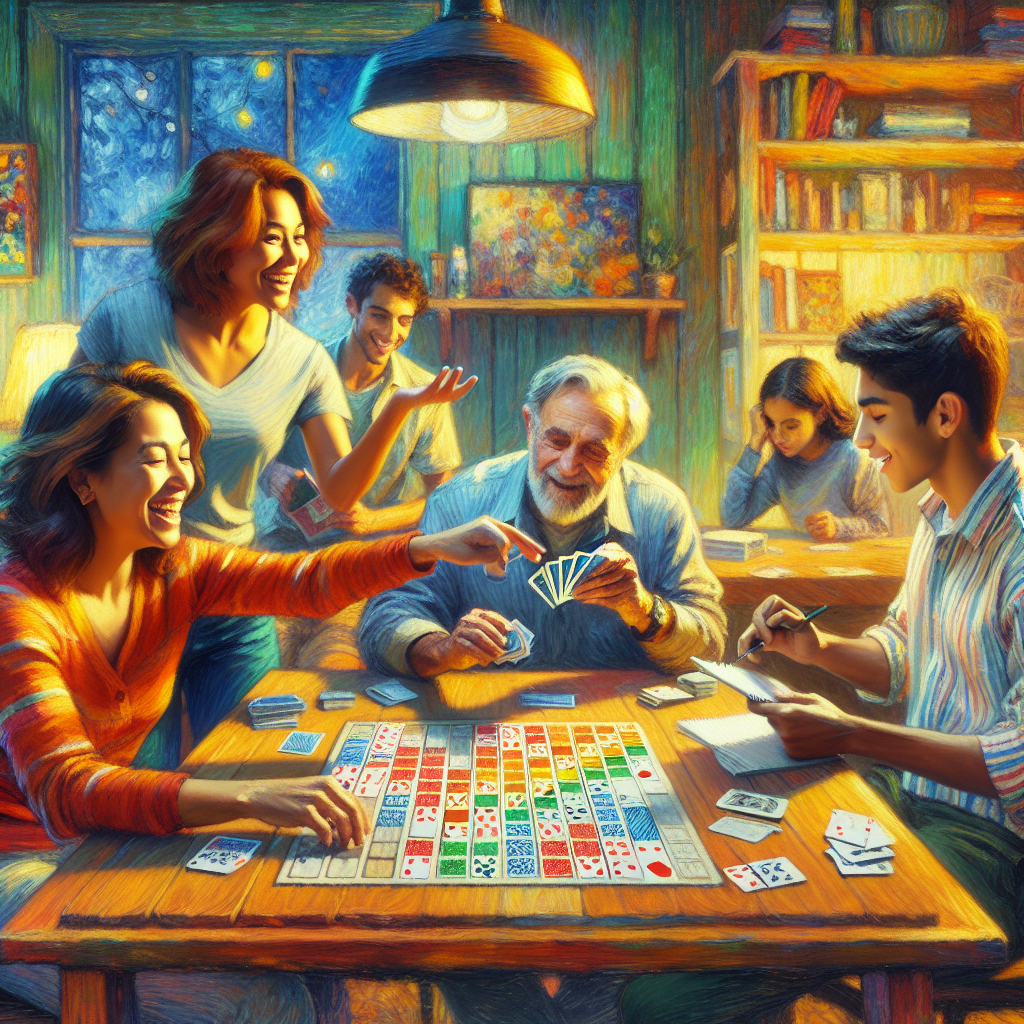
What Marketing Strategies Work Best For Card Games?
What Marketing Strategies Work Best For Card Games?
- Understand your target audience.
- Leverage social media.
- Partner with influencers and content creators.
- Use traditional marketing methods.
- Attend gaming conventions and events.
- Encourage word-of-mouth marketing.
- Be creative, authentic, and consistent.

What Marketing Strategies Work Best For Card Games?
How Do I Target My Ideal Audience For Card Games?
Well, I’ll tell ya, finding your ideal audience for card games can be a bit like searching for a needle in a haystack. But fear not, my friend, for I’ve got some tips that just might help you out.
First things first, you need to figure out who your ideal audience actually is. Are you targeting children, adults, families, or maybe even a niche group like collectors or gamers? Once you’ve nailed down your target demographic, you can start tailoring your marketing strategies to appeal to them specifically.
One way to reach your ideal audience is through social media. Platforms like Facebook, Instagram, and Twitter allow you to target specific demographics with your ads and content. You can create targeted ads based on age, interests, location, and more to ensure that your message is reaching the right people.
Another way to reach your ideal audience is through partnerships and collaborations. Find influencers or bloggers in your niche who have a following that aligns with your target demographic. Reach out to them and see if they’d be interested in promoting your card game to their audience.
And let’s not forget about good old-fashioned networking. Attend gaming conventions, trade shows, and other industry events where you can connect with potential customers face-to-face. This is a great way to get your game in front of the right people and build relationships with players and enthusiasts.
Of course, it’s also important to consider the packaging and design of your card game. Is it eye-catching and appealing to your target audience? Does it stand out on the shelf amongst the sea of other card games? Remember, first impressions are key, so make sure your game is visually appealing to the people you’re trying to attract.
Lastly, don’t underestimate the power of word-of-mouth marketing. Encourage your current customers to spread the word about your game to their friends and family. Offer incentives for referrals or host contests and giveaways to generate buzz around your product.
Targeting your ideal audience for card games is all about knowing who they are, where to find them, and how to appeal to their interests. With a little bit of research, creativity, and persistence, you’ll be well on your way to reaching the players who are just waiting to get their hands on your game.

How Do I Target My Ideal Audience For Card Games?
How Do I Target My Ideal Audience For Card Games?
- Figure out who your ideal audience is.
- Use social media to target specific demographics.
- Utilize partnerships and collaborations with influencers.
- Network at gaming conventions and industry events.
- Consider the packaging and design of your game.
- Encourage word-of-mouth marketing from current customers.
- Research, be creative, and persist in reaching your ideal audience.

How Do I Target My Ideal Audience For Card Games?
Is Social Media An Effective Platform For Promoting Card Games?
Well, let’s take a gander at this here question, shall we? The world of card games has been around for eons, providing folks with endless hours of entertainment and friendly competition. But in this day and age, where everyone and their mother is glued to their screens, the question arises: is social media a viable platform for promoting these beloved games?
Now, I reckon the answer ain’t as simple as a game of solitaire. On one hand, social media has the power to reach a vast audience in a jiffy. With just a few clicks, you can share your favorite card game with folks from all corners of the globe. Whether it’s a tutorial video on how to play poker or a live stream of a fierce round of Uno, social media allows card game enthusiasts to connect and engage like never before.
But, as with most things in life, there’s a flip side to this coin. With the sheer amount of content out there in the digital universe, standing out from the crowd can be a mite challenging. It’s like trying to find a needle in a haystack – except the haystack is constantly growing and changing shape. In this fast-paced world of fleeting attention spans, getting folks to stop scrolling and pay attention to your card game promotion can be akin to herding cats.
Furthermore, social media can be a double-edged sword when it comes to promoting card games. Sure, you can reach a wide audience, but you also run the risk of attracting the wrong kind of attention. Trolls, keyboard warriors, and general mischief-makers abound on these platforms, ready to pounce on any unsuspecting promotion with a barrage of negativity. It’s like trying to play a round of Go Fish while being bombarded with insults and criticism from all sides.
So, is social media an effective platform for promoting card games? Well, pardner, the answer ain’t black and white. It’s more of a shade of gray, with pros and cons to weigh on both sides of the scale. Ultimately, it comes down to how you navigate the wild west of social media, how you craft your message, and how you engage with your audience.
So, saddle up, card game aficionados, and ride into the digital sunset with caution and confidence. Social media may be a vast and unpredictable frontier, but with the right strategy, it can be a powerful tool for promoting your favorite games. Just remember to keep your wits about you and your poker face on – you never know what hand life might deal you next.

Is Social Media An Effective Platform For Promoting Card Games?
Is Social Media An Effective Platform For Promoting Card Games?
- The world of card games has been around for eons, providing entertainment and competition.
- Social media can reach a vast audience and allow enthusiasts to connect like never before.
- Standing out on social media among the vast content can be challenging.
- Social media can attract trolls and negativity, posing risks for promotions.
- The effectiveness of social media for promoting card games depends on strategy and engagement.
- It’s a shade of gray with pros and cons, navigating social media is crucial.
- Social media can be a powerful tool for promoting card games with the right approach.

Is Social Media An Effective Platform For Promoting Card Games?
How Can I Effectively Promote My Card Games To Target Audiences?
So you’ve created an awesome card game that you believe will be a hit with your target audience. Now comes the challenge of effectively promoting it to get it into the hands of those who will appreciate your hard work. Marketing your card game can be a daunting task, but with the right strategy, you can successfully reach your target audience and see your game soar to success.
First and foremost, it’s crucial to identify who your target audience is. Who are the people that would enjoy playing your card game? Are they families looking for a fun game night activity? Gamers looking for a new challenge? Once you have a clear picture of who your target audience is, you can tailor your marketing efforts to reach them effectively.
One of the most important ways to promote your card game is through social media. Create profiles on platforms like Instagram, Facebook, and Twitter to showcase your game and engage with your audience. Share photos and videos of gameplay, behind-the-scenes sneak peeks, and any upcoming events or promotions. Don’t be afraid to interact with your followers and ask for their feedback – it can help you improve your game and build a loyal fan base.
In addition to social media, consider reaching out to influencers and bloggers in the gaming world. These individuals have a strong following of dedicated fans who trust their recommendations. By sending them a copy of your game to review or feature on their platform, you can reach a larger audience and generate buzz around your card game.
Another effective way to promote your card game is by attending conventions and trade shows. These events provide a great opportunity to showcase your game to a captive audience of gamers and industry professionals. Set up a booth, demo your game, and network with potential partners and customers. You never know who you might meet and what opportunities could come from it.
Lastly, don’t underestimate the power of word-of-mouth marketing. Encourage your friends and family to share your game with their networks. Offer incentives for referrals or host a game night where guests can play and spread the word about your card game.
Promoting your card game to your target audience may seem like a daunting task, but with a clear strategy and a little creativity, you can effectively reach the right people and see your game succeed. Stay focused on your goals, engage with your audience, and don’t be afraid to try new tactics to get your game into the hands of those who will enjoy it the most.

How Can I Effectively Promote My Card Games To Target Audiences?
How Can I Effectively Promote My Card Games To Target Audiences?
- Identify your target audience to tailor your marketing efforts effectively.
- Utilize social media platforms like Instagram, Facebook, and Twitter to showcase your game.
- Reach out to influencers and bloggers in the gaming world to expand your reach.
- Attend conventions and trade shows to showcase your game to a captive audience.
- Utilize word-of-mouth marketing by encouraging friends and family to share your game.
- Engage with your audience, ask for feedback, and stay open to trying new tactics.
- Stay focused on your goals and don’t be afraid to be creative in your promotion efforts.

How Can I Effectively Promote My Card Games To Target Audiences?
Are There Specific Channels Or Platforms That Work Best For Marketing?
When it comes to marketing, the options are endless. From social media to traditional advertising, there are countless channels and platforms to choose from. But the real question is, are there specific channels or platforms that work best for marketing?
The answer is not as straightforward as you might think. Each business is unique, with its own target audience and marketing objectives. What works for one company may not work for another. However, there are definitely some channels and platforms that have proven to be effective for a wide range of businesses.
One of the most popular and versatile marketing channels today is social media. With billions of users worldwide, platforms like Facebook, Instagram, and Twitter provide businesses with a direct line of communication to their target audience. From engaging posts to targeted ads, social media allows companies to reach customers in a more personal and interactive way.
Another effective marketing platform is email. Despite being one of the oldest forms of digital communication, email marketing remains an essential tool for businesses of all sizes. With the ability to deliver personalized messages directly to customers’ inboxes, email campaigns can be a cost-effective way to drive sales and engagement.
Of course, traditional advertising channels like television, radio, and print media still have their place in the marketing mix. While they may not be as trendy as social media or email, these channels can reach a broad audience and build brand awareness in a way that digital marketing often cannot.
Ultimately, the best marketing channels and platforms for your business will depend on your target audience, industry, and marketing goals. It’s important to experiment with different channels, track the results, and adjust your strategy accordingly. Don’t be afraid to think outside the box and try new approaches – you never know what might work until you give it a shot.
There is no one-size-fits-all answer to the question of which marketing channels or platforms work best. Every business is different, and what works for one may not work for another. The key is to be open-minded, flexible, and willing to try new things in order to find the most effective marketing strategy for your unique business.

Are There Specific Channels Or Platforms That Work Best For Marketing?
Are There Specific Channels Or Platforms That Work Best For Marketing?
- Marketing options are endless, ranging from social media to traditional advertising.
- Specific channels may work best depending on individual business’s target audience and objectives.
- Social media platforms like Facebook, Instagram, and Twitter are popular and versatile marketing tools.
- Email marketing remains essential for businesses of all sizes, delivering personalized messages directly to customers’ inboxes.
- Traditional advertising channels such as television, radio, and print media can still reach a broad audience and build brand awareness.
- Experimentation is key to finding the most effective marketing channels and platforms for your business.
- Flexibility and openness to trying new approaches are important in determining the most successful marketing strategy for your unique business.

Are There Specific Channels Or Platforms That Work Best For Marketing?
How Can I Differentiate My Card Games From Competitors In The Market?
If you want to stand out in the saturated market of card games, you’ve got to get creative. It’s all about finding that unique angle that sets your game apart from the rest. Here are a few tips to help you differentiate your card games from the competition.
First and foremost, focus on the gameplay. What makes your game different? Is it a new twist on a classic mechanic? A unique theme that hasn’t been explored before? The key is to give players something they can’t get anywhere else. Take some risks, think outside the box, and don’t be afraid to test out some new ideas.
Next, pay attention to the design of your game. Aesthetics matter. If your game looks like every other card game on the shelf, it’s going to get lost in the crowd. Invest in high-quality artwork, eye-catching packaging, and unique card designs. Make sure your game stands out visually and captures the attention of potential players.
Another way to differentiate your game is through storytelling. People love a good story, and a compelling narrative can elevate your card game to new heights. Develop an interesting backstory for your game, create engaging characters, and weave in some exciting plot twists. Players will be drawn in by the story and will feel more invested in the gameplay.
Don’t forget about marketing. In today’s digital age, having a strong online presence is essential. Use social media, online ads, and influencers to promote your game and build a following. Create engaging content, run giveaways, and engage with your audience to generate buzz around your game.
Lastly, listen to feedback from players. Your game is only as good as the people who play it, so make sure to listen to their opinions and suggestions. Take their feedback into account and make improvements where needed. By constantly refining and iterating on your game, you can ensure that it stays fresh and engaging for players.
There are plenty of ways to differentiate your card games from the competition. Whether it’s through unique gameplay, stunning design, captivating storytelling, or savvy marketing, finding that special something that sets your game apart is key. So get out there, be bold, and make your mark on the world of card games.

How Can I Differentiate My Card Games From Competitors In The Market?
How Can I Differentiate My Card Games From Competitors In The Market?
- Focus on the gameplay to make your game unique.
- Invest in high-quality design, artwork, and packaging.
- Use storytelling to elevate your game with a compelling narrative.
- Utilize digital marketing to promote your game and build a following.
- Listen to feedback from players and make necessary improvements.
- Constantly refine and iterate on your game to keep it fresh and engaging.
- Find that special something that sets your game apart from the competition.

How Can I Differentiate My Card Games From Competitors In The Market?
What Role Does Branding And Packaging Play In Marketing Card Games?
When it comes to marketing card games, branding and packaging play a crucial role in capturing the attention of potential players. Think about it – the first thing you see when browsing through a game store or online marketplace is the box that a card game comes in. That box needs to catch your eye, pique your curiosity, and ultimately convince you to pick it up and take a closer look.
Branding is what sets one card game apart from another. It’s the personality, the reputation, the overall feel of the game. A strong brand can create loyalty among players, who will seek out new releases or expansions simply because they trust the brand to deliver a high-quality gaming experience. A well-established brand can also attract new players who may be drawn to the game’s image or reputation.
But branding isn’t just about a logo or a catchy tagline. It’s about creating a connection with the players, making them feel like they’re part of something bigger than just a deck of cards. The best card games have a strong brand identity that resonates with their target audience, whether that’s casual players looking for a fun and accessible game or serious gamers seeking a strategic challenge.
Packaging is another important piece of the marketing puzzle when it comes to card games. The box that a card game comes in is like a mini billboard, sending a message to potential players about what to expect from the game inside. Eye-catching artwork, vibrant colors, and a clear and concise description of the game’s key features are all essential elements of effective packaging.
But packaging is about more than just aesthetics. It also serves a practical purpose – it needs to protect the cards and other components of the game from damage during shipping and handling. A sturdy, well-designed box can make all the difference in ensuring that a card game arrives in pristine condition and ready to play.
In the competitive world of card games, branding and packaging are essential tools for standing out from the crowd and capturing the attention of potential players. A strong brand and appealing packaging can create a sense of excitement and intrigue, sparking curiosity and driving sales. So next time you’re browsing through a game store or scrolling through an online marketplace, pay attention to the branding and packaging of the card games on display – you may just find yourself drawn to a new favorite game.

What Role Does Branding And Packaging Play In Marketing Card Games?
What Role Does Branding And Packaging Play In Marketing Card Games?
- Branding and packaging are crucial for marketing card games.
- Branding differentiates one card game from another and creates loyalty among players.
- A strong brand attracts new players and resonates with the target audience.
- Packaging serves as a mini billboard, sending a message about the game inside.
- Effective packaging includes eye-catching artwork, vibrant colors, and clear descriptions.
- Packaging also protects game components from damage during shipping.
- Branding and packaging are essential for standing out and capturing players’ attention.

What Role Does Branding And Packaging Play In Marketing Card Games?
How Can I Use Social Media To Build A Following For My Card Games?
If you’re looking to build a following for your card games, social media is your best friend. With a little bit of strategy and consistency, you can reach a wide audience and create a loyal fanbase that will keep coming back for more.
First and foremost, you need to establish a strong presence on social media platforms such as Twitter, Facebook, Instagram, and TikTok. Create profiles for your card games and make sure to post regularly with engaging content that will attract followers. This could be anything from game tutorials, behind-the-scenes looks at your design process, or even showcasing user-generated content from fans.
One of the most effective ways to build a following on social media is by engaging with your audience. Respond to comments, messages, and tags from your followers to show that you care about their feedback and are actively listening. This will not only help you connect with your fans on a personal level but also encourage them to share your content with their own followers.
Another great way to grow your following is by collaborating with influencers or other content creators in the gaming community. Reach out to bloggers, YouTubers, or streamers who have a large following and ask them to feature your card games in their content. This will help expose your games to a wider audience and attract new followers who are interested in the same niche.
In addition to collaborating with influencers, you can also run social media contests or giveaways to generate buzz around your card games. Encourage fans to share your posts, tag friends, or create their own content using your games for a chance to win prizes. This not only boosts engagement on your profiles but also helps spread the word about your games to a larger audience.
Lastly, make sure to use paid advertising on social media platforms to target specific demographics and reach potential fans who may not have discovered your games otherwise. Utilize targeted ads to promote your games to users who have shown interest in similar card games or gaming-related content. This will help you attract new followers and grow your fanbase organically.
Using social media to build a following for your card games requires a combination of engaging content, community interaction, influencer collaborations, contests, and targeted advertising. By leveraging these strategies effectively, you can grow your fanbase and create a dedicated following that will support your games for years to come.

How Can I Use Social Media To Build A Following For My Card Games?
How Can I Use Social Media To Build A Following For My Card Games?
- Establish a strong presence on social media platforms like Twitter, Facebook, Instagram, and TikTok.
- Post regularly with engaging content such as game tutorials, design process insights, or user-generated content.
- Engage with your audience by responding to comments, messages, and tags to show you care about their feedback.
- Collaborate with influencers or content creators in the gaming community to expose your games to a wider audience.
- Run social media contests or giveaways to generate buzz around your card games and encourage user engagement.
- Utilize paid advertising on social media platforms to target specific demographics and reach potential fans.
- Combine engaging content, community interaction, influencer collaborations, contests, and targeted advertising to grow your fanbase.

How Can I Use Social Media To Build A Following For My Card Games?
Conclusion
In conclusion, marketing card games and equipment takes creativity, determination, and a keen understanding of your target audience. Knowing who you are trying to reach is key to tailoring your marketing efforts effectively. Social media is a powerful tool for reaching a wide audience, and collaborating with influencers or bloggers can help get the word out about your product. Dont forget about traditional methods as well, such as attending conventions and game nights to showcase your product in person. The packaging and design of your product also play a crucial role in attracting customers and making your game stand out in a competitive market. By staying true to your vision, getting creative with your marketing strategies, and embracing both online and offline methods, you can successfully promote your card game or equipment and attract a loyal fan base. Remember, building a following takes time and effort, but with the right approach, your game could become the next big hit in the world of card games. So keep pushing forward, stay focused on your goals, and who knows – your game could be the one everyone is talking about next.

Conclusion
Conclusion:
- Marketing card games and equipment requires creativity, determination, and understanding of target audience.
- Key to tailor marketing efforts effectively is knowing who you’re trying to reach.
- Social media is a powerful tool for reaching wide audience.
- Collaborating with influencers or bloggers can help promote product.
- Traditional methods like attending conventions and game nights can showcase product in person.
- Packaging and design play crucial role in attracting customers.
- Staying true to vision, getting creative with marketing strategies, and embracing online and offline methods can help attract loyal fan base.

Conclusion
Other Resources

Other Resources
Here is a list of other resources you can review online to learn more:
- A Guide to Card Game Design and Self-Publishing: This guide walks you through all the fundamentals of designing and self-publishing custom card sets, providing valuable insights into the market, game design principles, and effective marketing strategies.
- The Ultimate Guide for Marketing Card Games in 2024: This guide explains everything you need to know about marketing card games to get more users. It also provides tips on how to create perfect ads for a card game with examples from top publishers.
- How to Market Your Toy or Game – wikihow.life: This article provides tips on how to market your toy or game. It suggests being proactive, understanding what makes your game different, and playing with it as often as possible.
- Create A Card Game – Business Ideas – Starter Story: This article suggests hosting card game tournaments, offering lessons or classes for people interested in learning how to play, or even selling card game supplies like decks, chips, and other accessories.
- 73 Marketing Ideas For A Card Game (2024) – Starter Story: This article provides a list of the best marketing ideas for your card game, so you can get your small business out there.
These resources should provide a good starting point for understanding how to market card games and equipment. Happy researching!

Other Resources
Glossary Terms
How to Market Card Games and Equipment? – Glossary Of Terms
1. Advertorial: An advertisement in the form of editorial content designed to blend in with editorial.
2. Branding: The process of creating a unique name and image for a product in the consumer’s mind, primarily through advertising campaigns with a consistent theme.
3. Call to Action (CTA): A prompt on a website or marketing material that instructs the audience to take a specific action, such as “Buy Now” or “Sign Up. ”
4. Campaign: A series of advertising messages that share a single idea and theme which make up an integrated marketing communication (IMC).
5. Conversion Rate: The percentage of users who take a desired action, such as making a purchase after visiting a website.
6. Content Marketing: A strategy that uses the creation and sharing of online material (blog posts, videos, social media posts) that does not explicitly promote a brand but aims to stimulate interest.
7. Customer Relationship Management (CRM): Techniques and strategies for managing a company’s relationships and interactions with current and potential customers.
8. Demographics: Statistical data relating to the population and particular groups within it, often used in market research to target customers more effectively.
9. Differentiation: Making a product stand out from competitors, often through unique features, branding, or marketing techniques.
10. Distribution Channels: The various routes through which a product gets from the manufacturer to the final customer, including wholesalers, retailers, and direct sales.
11. E-commerce: The buying and selling of goods or services using the internet.
12. Engagement: Measures how much and how often customers interact with a brand, which can include likes, shares, and comments on social media posts.
13. Influencer Marketing: A type of social media marketing that involves endorsements and product placements by influencers—people who have a dedicated social following.
14. Kickstarter: A popular crowdfunding platform that can be used to raise funds for launching games, including card games.
15. Loyalty Program: Marketing strategies designed to encourage customers to continue to shop at or use the services of a business associated with the program.
16. Market Research: The process of gathering, analyzing, and interpreting information about a market, including information about the target audience and the competition.
17. PPC (Pay-Per-Click): An online advertising model where advertisers pay each time a user clicks on one of their ads.
18. Pricing Strategy: The method companies use to price their products or services. Pricing strategies for card games could include bundling, discounting, or premium pricing.
19. Product Life Cycle: The stages a product goes through from development to decline. Knowing the life cycle stage can help in planning marketing strategies.
20. Promotional Mix: The combination of promotional tools used to reach the target market and achieve organizational goals. This can include advertising, sales promotions, public relations, and direct marketing.
21. Public Relations (PR): The practice of managing communication between an organization and its publics.
22. Retailer: A person or business that sells goods to the public in relatively small quantities for use or consumption rather than for resale.
23. ROI (Return on Investment): A measure used to evaluate the efficiency or profitability of an investment.
24. Sales Funnel: A consumer-focused marketing model that illustrates the theoretical customer journey toward the purchase of a product.
25. SEO (Search Engine Optimization): The practice of increasing the quantity and quality of traffic to your website through organic search engine results.
26. Social Media: Platforms that enable users to create and share content or participate in social networking.
27. Target Audience: A particular group of consumers identified as the recipients of a particular advertisement or marketing campaign.
28. Trade Show: An exhibition for companies in a specific industry to showcase and demonstrate their new products and services.
29. User-Generated Content (UGC): Any form of content, such as images, videos, text, and audio, that has been posted by users on online platforms. Often used in marketing to build credibility.
30. Wholesaler: A person or company that sells goods in large quantities at low prices, typically to retailers for resale.
This glossary provides a foundational understanding of the key concepts and terminology you may need to know when marketing card games and related equipment.

Glossary Of Terms
Other Questions
How to Market Card Games and Equipment? – Other Questions
If you wish to explore and discover more, consider looking for answers to these questions:
- What are some specific examples of effective social media campaigns for card games?
- How can I identify and understand my target audience more effectively?
- What types of content perform best on social media for engaging card game enthusiasts?
- What are the pros and cons of using traditional marketing methods versus digital marketing for card games?
- How do I find influencers or bloggers who might be interested in promoting my card game?
- What are the best practices for designing eye-catching packaging for card games?
- How much should I invest in packaging and branding compared to other marketing strategies?
- Can you provide examples of successful card games that used unconventional marketing tactics?
- What metrics should I track to measure the success of my marketing efforts?
- How can I handle and respond to negative feedback or reviews on social media?
- What should be included in a media kit for promoting a card game to influencers and bloggers?
- How can I leverage user-generated content to market my card game?
- What are some effective ways to use email marketing for promoting card games?
- How do I balance the time and budget spent on different marketing channels?
- What legal aspects do I need to consider when marketing and selling card games?
- How can I effectively network and create partnerships within the gaming community for marketing purposes?
- What differences exist between marketing card games in physical stores versus online marketplaces?
- How can I create a strong and memorable brand identity for my card games?
- How do I handle inventory and fulfillment if my marketing efforts result in a high demand for my card game?

Other Questions
Haiku
How to Market Card Games and Equipment? – A Haiku
Craft your game’s allure,
Social reach and branding shine,
Fans flock to join in.

Haiku
Poem
How to Market Card Games and Equipment? – A Poem
So you’ve crafted a deck, a gem of play,
With hopes to charm both night and day.
Yet now the quest, your tale to tell,
To market your cards and cast your spell.
First, know your crowd, who they may be—
Families, students, enthusiasts free.
Tailor your tricks, align your theme,
To draw them into your card game dream.
Social media, a modern bazaar,
With posts and vids that reach afar.
Use hashtags, ads, and take your shot,
Engage with the audience you’ve sought.
Influencers, bloggers with clout,
Send them your game for a kind shoutout.
Their faithful followers, your new fans,
Spreading word across the lands.
Don’t shun the old ways, face-to-face,
Conventions, tourneys, a perfect place.
Demos and talks, let people try,
Word of mouth makes numbers fly.
Packaging too, must steal the show,
Professional looks will their minds blow.
High-quality, eye-catching sheen,
First impressions set the scene.
Amidst the market, dense and wide,
Stand out, be bold, let gameplay guide.
Unique mechanics, stories to weave,
Designs that captivate, naught to deceive.
Emails and ads, both old and new,
Bring in a blend, traditional too.
Put forth your game on every front,
With each small step, you’re on the hunt.
Social media can make you known;
Engage with followers, build the zone.
Collaborate, make contests grand,
Influencers lend a helping hand.
Branding whispers, packaging shouts,
In a crowded market, clear the doubts.
With colors bright and tales that sing,
Your card game’s reign will take wing.
So trust the process, stay the course,
Creativity is your greatest force.
With passion, effort, and strategies true,
Your card game’s success awaits you.

Poem
Checklist
How to Market Card Games and Equipment? – A Checklist
Understanding Your Target Audience
_____ Identify the target demographic for your card game: families, college students, enthusiasts, etc.
_____ Conduct market research to understand their preferences and behaviors.
_____ Tailor marketing messages to resonate with your specific audience.
Utilizing Social Media
_____ Set up profiles on key social media platforms: Facebook, Instagram, Twitter, TikTok, etc.
_____ Create engaging content: photos, videos, and behind-the-scenes looks.
_____ Use hashtags and targeted ads to reach interested users.
_____ Engage with your audience by responding to comments and messages.
_____ Collaborate with influencers and bloggers to review and promote your game.
_____ Host social media contests and giveaways to generate buzz.
Traditional Marketing Methods
_____ Attend local game nights, conventions, and card game tournaments.
_____ Offer product demos to get people excited about your game.
_____ Use word-of-mouth marketing by encouraging current customers to refer others.
Packaging and Design
_____ Invest in high-quality, eye-catching packaging.
_____ Ensure the design reflects the essence and fun of the game.
Increasing Sales
_____ Highlight the unique features of your game: special themes, artwork, or gameplay mechanics.
_____ Use social media, blogs, and podcasts for promotion.
_____ Encourage word-of-mouth marketing with discounts or freebies for referrals.
Effective Marketing Strategies
_____ Leverage social media with targeted ads and engaging content.
_____ Partner with influencers and content creators in the gaming space.
_____ Employ traditional advertising methods where applicable.
_____ Attend gaming conventions and industry events.
Targeting Ideal Audience
_____ Utilize social media to target specific demographics.
_____ Partner with influencers or bloggers in your niche.
_____ Network at gaming conventions and trade shows.
_____ Ensure the packaging appeals to your target audience.
_____ Leverage word-of-mouth marketing through customer engagement and incentives.
Branding and Packaging Importance
_____ Develop a strong brand identity that resonates with your audience.
_____ Create visually appealing and professional packaging.
_____ Ensure packaging protects the components during shipping and handling.
Using Social Media to Build Following
_____ Establish strong social media presence with regular, engaging posts.
_____ Respond to comments and interact with followers.
_____ Collaborate with influencers for exposure.
_____ Run social media contests and giveaways.
_____ Use paid advertising to reach specific demographics.
Differentiating Your Card Game
_____ Focus on unique gameplay elements.
_____ Invest in high-quality, unique artwork and design.
_____ Develop an engaging backstory or narrative.
_____ Continuously gather and implement player feedback.
_____ Employ creative marketing strategies to stand out from competitors.
Specific Channels and Platforms
_____ Experiment with different marketing channels: social media, email, traditional advertising.
_____ Track results and adjust strategies based on performance.
_____ Be open-minded and flexible in your marketing approach.
Use this checklist to ensure you’re covering all your bases in marketing your card game effectively. Good luck!

Checklist
At CardGameNews, we help people who love card games by collating information and news about card games.
Be sure to read our other related stories at CardGameNews to learn more about card games.


