

Find Out The Ideal Number Of Players For Speed Card Games
By Tom Seest
At CardGameNews, we help people who love card games by collating information and news about card games.
Be sure to read our other related stories at CardGameNews to learn more about card games.
How Many Players Are Needed for Speed Card Games?
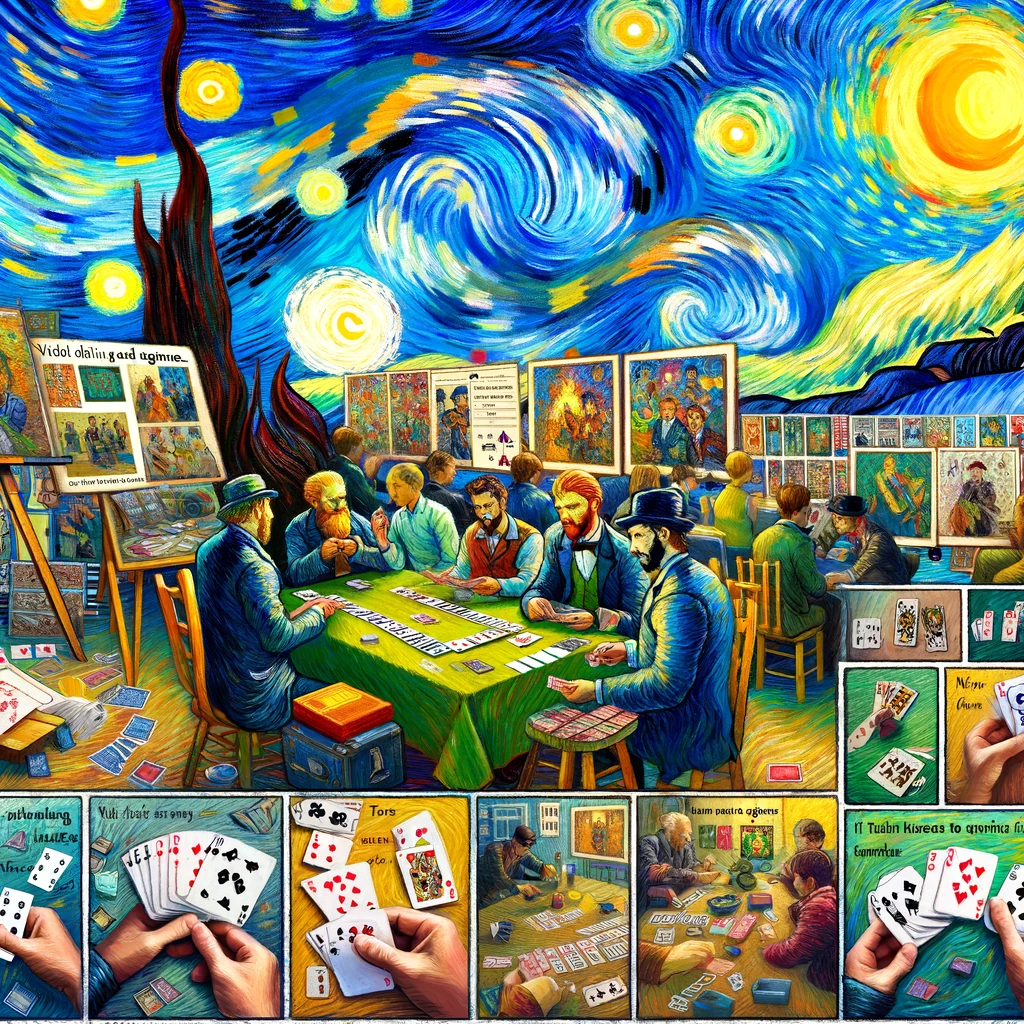
When it comes to speed card games, one might think that the rules are as straightforward as a deck of cards. But let me tell you, while the basics may seem simple, the number of players can make all the difference in how the game unfolds. Let’s dive into the nitty-gritty of how many players you really need to get the most value out of your next card game night.
First off, let’s establish something fundamental: the heart of any good card game lies in the tension created by its players. Too few participants, and you risk missing out on the electric back-and-forth that makes these games a thrill. A speedy round of cards often thrives on chaos, and chaos thrives best in numbers. The sweet spot? Typically, three to six players are ideal for most speed card games. This range strikes a balance, allowing for enough action to keep everyone engaged without turning the playing surface into a free-for-all.
In practice, with just three players, you might find the pace exhilarating – the action is quick, decisions come fast, and strategies unfold almost instinctively. However, too few players might leave you feeling as if the game is over before it really began. These games often require the rush of competition, the kind that comes from a gaggle of opponents gunning for victory.
Now, on the flip side, let’s talk about the upper limit – more than six players might sound appealing, but be warned! While a crowd can certainly amp up the excitement, it can also lead to some serious delays as you wait for everyone to have their turn. Overcrowding can dilute the fun, transforming what should be a nimble, high-speed experience into a more drawn-out affair where boredom sneaks in like an uninvited guest.
Despite these details, there’s always room for adaptation. Some games can be shuffled around with larger numbers if you’re willing to tweak the rules. Consider team play or rotating participants to keep the energy high while expanding your player base. Just remember, choosing the right number of players is the first step in ensuring a gripping, fast-paced showdown that leaves everyone on edge and reaching for the next card. So gather your pals, watch how the table fills, and keep that adrenaline pumping – because in the world of speed card games, every player counts!

How Many Players Are Needed for Speed Card Games?
How Many Players Are Needed for Speed Card Games?
- The number of players significantly impacts the dynamics of speed card games.
- Three to six players is the optimal range for maintaining excitement and engagement.
- With three players, the game pace is often exhilarating, but may feel too brief.
- More than six players can lead to delays and dilute the game’s fast-paced nature.
- Adapting rules or incorporating team play can accommodate larger player groups.
- Choosing the right number of players is crucial for an engaging game experience.
- In speed card games, creating tension is essential, and the right player count facilitates this.

How Many Players Are Needed for Speed Card Games?
Table Of Contents
- How Many Players Are Needed for Speed Card Games?
- How Many Players Are Ideal For Speed Card Games?
- What Are The Rules For Speed?
- Can Speed Be Played With Just Two Players?
- What Is The Maximum Number Of Players For Speed?
- How Does The Number Of Players Affect Gameplay?
- Are There Variations For Different Player Counts?
- What Strategies Change With More Players?
- Is Speed More Fun With Fewer Players?
- How Do Player Dynamics Influence Speed?
- What Are Common Mistakes With Player Counts In Speed?
- Are There Recommended Player Age Ranges For Speed?
- Can Speed Card Games Be Played Online?
- How Do You Set Up A Speed Game For Large Groups?
- What Are Popular Speed Card Games Variations?
- What Equipment Is Needed For Speed Card Games?
- Conclusion
- Other Resources
- Glossary Of Terms
- Other Questions
- Haiku
- Poem
- Checklist
How Many Players Are Ideal For Speed Card Games?
When it comes to speed card games, the question of how many players is optimal can feel a bit like trying to catch fog with your bare hands—slippery and elusive. You might find yourself wondering whether it’s better to keep the circle small or to let the chaos of a larger group reign supreme. The answer, while nuanced, points toward a sweet spot that balances excitement with gameplay fluidity.
First off, let’s consider the essence of speed card games. These games are all about quick thinking and lightning-fast reflexes. As players scramble to shuffle, play, and react, the last thing you want is to become entangled in a slow-moving mess. A group of three to six players often serves as the ideal framework, creating an environment where players can engage in brisk competition without feeling overwhelmed.
With three players, you’ll find that the pace remains blisteringly quick. Every turn is filled with action, and the pressure to respond elevates the adrenaline without leading to burnout. However, once you stretch the player count to six, you still maintain that electrifying pace—though you introduce an element of unpredictability that keeps everyone on their toes. Too many more than six, and you might as well be playing cards at a family reunion—though entertaining, the swift gameplay you seek can quickly devolve into chaos.
It’s also important to factor in player familiarity. If everyone knows the rules and strategy, a larger group can be exhilarating and wildly fun. But if you’ve got a mix of seasoned veterans and newcomers, you might want to lean toward the lower end of the scale. Trust me, nothing drives a would-be card shark to madness faster than having to explain the nuances of play amidst a frenzied match.
Ultimately, the ideal number of players hinges on atmosphere, familiarity, and a good old-fashioned love for fast-paced competition. So whether you’re huddled around a dingy kitchen table or sprawled out on the living room floor, gather your friends, set the rules, and prepare for an exhilarating joust of wits and speed. Pick your players wisely, and may the best hand win!

How Many Players Are Ideal For Speed Card Games?
How Many Players Are Ideal For Speed Card Games?
- Speed card games are best enjoyed with a balanced player count for excitement and fluid gameplay.
- A group of three to six players is considered ideal for maintaining quick competition.
- Three players allow for a fast pace with high adrenaline and minimal burnout.
- Increasing the group to six players retains speed while adding unpredictability.
- Exceeding six players may lead to chaotic gameplay, detracting from the speed experience.
- Player familiarity with the game influences the optimal number of participants; all-veteran groups can handle larger sizes.
- The ideal player count considers atmosphere, familiarity, and a passion for fast-paced competition.

How Many Players Are Ideal For Speed Card Games?
What Are The Rules For Speed?
When it comes to speed, whether you’re behind the wheel of a car, on a bicycle, or just racing your buddy down the block, a few essential rules apply. Now, let me tell you, speed isn’t just about how fast you can go; it’s about how smart you can be while doing it.
First up, let’s talk about the rules of the road. Every country has a set of speed limits designed to keep everyone safe. These aren’t mere suggestions; they’re the law. Ignoring them is like playing tag with a grizzly bear — it’s a bad idea, and you’re likely to get hurt. Speed limits are based on a variety of factors, including road conditions, traffic, and the general temperament of the area. A highway might allow you to cruise at 65 mph, while a winding, narrow country road could cap you at a paltry 25. Know the signs, or get ready to pay the price.
Next, there’s the concept of conditions. Weather has a way of telling you who’s boss. Rain, snow, or fog can turn your sports car into a soapbox derby racer real quick. The rules of speed dictate that you adjust accordingly. If visibility drops or the ground gets slick, it’s time to ease up on the pedal and respect the road. After all, it’s not just about your speed; it’s also about the safety of everyone around you—including that family of ducks crossing the street.
Let’s not forget the age-old adage: “Speed thrills, but it also kills.” The faster you go, the less reaction time you have. That means if something unexpected happens, you better be ready to react—quickly. Speedy decisions can have dire consequences, so it’s vital to stay sharp. Keep your wits about you and your eyes on the road.
Finally, there’s the element of self-awareness. Know your limits. A teenager might think they can take a corner like a NASCAR driver, but without experience, they’re more likely to end up as a cautionary tale. Be realistic about your own skills, and don’t let bravado get you into trouble.
In summary, speed isn’t just about hitting the gas; it’s about making informed choices, respecting the law, and understanding your environment. When you can marry velocity with responsibility, you not only keep yourself safe, but you help everyone else get home in one piece, too. In the race of life, it’s not always the fastest who wins… sometimes, it’s the wisest.

What Are The Rules For Speed?
What Are The Rules For Speed?
- Speed is not only about how fast you can go but also about being smart while doing it.
- Speed limits are legally enforced and vary based on road conditions, traffic, and local norms.
- Weather conditions can significantly affect driving speed and require adjustments for safety.
- Faster speeds decrease reaction time, making quick decisions crucial for avoiding accidents.
- Self-awareness is important; drivers should realistically assess their skills and limitations.
- Responsible driving combines speed with informed choices and respect for the law.
- In life’s race, wisdom and caution can be more valuable than sheer speed.

What Are The Rules For Speed?
Can Speed Be Played With Just Two Players?
Let’s face it: card games are often a battleground of friendships, strategy, and, most importantly, sheer speed. The fast-paced delight of Speed, with its chaotic energy and lightning-quick reflexes, has long been a favorite amongst groups of eager players. But here’s the question: can you dive into the fray with just two players? Spoiler alert: you sure can.
Playing Speed with a partner may not mirror the frenetic chaos of a four-player showdown, but it transforms the experience into a duel of wits and dexterity. With two players, each participant locks in on the other, mirroring their every move. You’re not just playing cards; you’re engaging in a rapid-fire chess match, where each hand presents a new opportunity. The thrill comes not from merely racing against the clock, but from racing against your opponent’s instincts.
To set the stage, shuffle the cards like a master magician, and deal out five face-down piles for each player, two cards in the center to spark the action, and a personal draw pile to keep the rhythm flowing. As the game begins, both players will reveal their top cards and the race is on! Unlike the multi-player variant, where you have multiple directions to look, your attention will be squarely on your rival.
But, oh, the beauty of simplicity! The unrestricted landscape of a two-player game allows for even faster exchanges and a tighter focus on strategy. You might just find yourself developing a sixth sense about your opponent’s next moves. Can you feel the tension rising? The shuffle of cards becomes not just a sound, but a heartbeat, thrumming beneath your very fingertips.
Now, let’s talk about tactics. In this duel, patience emerges as a valuable ally. Jumping the gun can lead to missed opportunities or, worse yet, giving your opponent the chance to swoop in and snag victory from the jaws of defeat. That’s right: the “Speed” in Speed doesn’t just mean rapid-fire moves; it’s also about timing, observation, and, sometimes, playing the long game.
So, grab a deck, invite that friend over, and settle in for a delightful showdown. Whether you’re two or twenty, Speed is about more than just the cards laid out on the table. It’s about the thrill of competition, the joy of the game, and the laughter shared with each blink-and-you-miss-it round. So yes, Speed can absolutely be played with just two players – and it can be just as exhilarating.

Can Speed Be Played With Just Two Players?
Can Speed Be Played With Just Two Players?
- Card games, like Speed, are a mix of friendship, strategy, and speed.
- Speed can be played with two players, transforming it into a duel of wits.
- The game emphasizes focusing on your opponent’s moves rather than racing against multiple players.
- To start, shuffle the cards and deal five face-down piles to each player, with two center cards.
- A two-player game offers faster exchanges and enhanced strategic focus.
- Timing and observation are crucial; patience is key to avoiding missed opportunities.
- Playing Speed with two players is still exhilarating and fosters competition and joy.

Can Speed Be Played With Just Two Players?
What Is The Maximum Number Of Players For Speed?
What Is the Maximum Number of Players for Speed?
Ah, Speed. It’s that unyielding and exhilarating card game that can incite competitive fire in the coolest of cats and transform the humblest gathering into a raucous arena of strategy and quick reflexes. But if you’re thinking about gathering a crowd to partake in this delightful hustle, you might want to consider just how many folks can fit into this quick-paced thrill.
Traditionally, Speed is structured for two players, but the question of scalability raises a curious eyebrow. Can we push the envelope and add more players to this spicy card duel? It turns out you can, but a little caution goes a long way. The essence of Speed lies in its frantic pace, where players race against one another to play their cards in a mad dash. When you introduce additional players, you risk diluting that heady essence.
In its most adapted format, groups of four players—two on each team—can engage in a lively version of Speed. While this team play fosters camaraderie and strategic alliances, one must be cautious. With multiple players vying for attention and space, the chaos can amplify rapidly, transforming a simple game into an operation reminiscent of a tennis match at the U.S. Open. The table starts to look less like an organized playing field and more like a battlefield scattered with cards and camaraderie.
If you get particularly ambitious and decide to go full throttle with six to eight players, the game morphs into a wild spectacle where the initial principles of Speed may become lost in the shuffle. Players can easily find themselves tangled in a web of exciting mayhem, resulting in heaps of laughter but also a bit of confusion. You see, the delicate balance of fairness and fun teeters precariously with each additional challenger.
For the purists at heart, sticking to the classic head-to-head format might be the key to maintaining the game’s essence. But for those exhilarated by the prospect of a larger gathering, modifying rules and introducing team-based or broader gameplay variations can breathe new life into an old favorite. Just remember, scaling the player count comes with both thrills and pitfalls—so gather your crew wisely, if you dare! After all, the goal is to keep that pace blazing while laughter reigns supreme, not transforming Speed into a full-blown mash-up of confusion and clutter.

What Is The Maximum Number Of Players For Speed?
What Is The Maximum Number Of Players For Speed?
- Speed is a fast-paced card game traditionally designed for two players.
- Adding more players is possible but may dilute the game’s frantic essence.
- The most common adapted format allows for four players in teams of two.
- Team play can enhance camaraderie but may lead to chaotic gameplay.
- With six to eight players, the game can become extremely chaotic, affecting the original principles of Speed.
- Purists may prefer the classic head-to-head format to maintain the game’s essence.
- Scaling player count requires careful consideration to balance fun and fairness.

What Is The Maximum Number Of Players For Speed?
How Does The Number Of Players Affect Gameplay?
How Does The Number of Players Affect Gameplay?
When it comes to the world of gaming—whether you’re gathering around a table for a classic board game or diving into the digital realm of online multiplayer—the number of players involved can shift the entire experience from mundane to monumental. Think of it as a recipe: too many cooks can spoil the broth, but just the right number can create a masterpiece.
Let’s start with the intimate gatherings—those games played with just a couple of friends. Picture yourself huddled around a coffee table, strategy guides strewn about, as you engage in a battle of wits. With fewer players, the interactions tend to be deeper and more personal. You can pull off sneaky moves and plan elaborate strategies without the chaos that comes when a crowd is involved. Here, every player’s voice carries weight, and every decision is magnified. The gameplay can often feel like a well-oiled machine, where each cog—each player—works seamlessly with the others.
Now, shift gears to the raucous energy of larger groups. This is where things can really get wild. More players mean more chaos, louder laughter, and unexpected alliances. Every turn can spin a different tale, and the unpredictability keeps everyone on their toes. When you have a crowd, the dynamics can shift dramatically. One moment, you’re the star of the show, and the next, you’re dodging surprise betrayals from friends you thought you knew. It’s exhilarating, if not a bit overwhelming, as players vie for power in ways that are as unexpected as they are entertaining.
However, let’s not sugarcoat it: larger groups can also lead to confusion and frustration. When the action jumps too rapidly from one person to another, some players might feel left in the dust, and strategic depth can get lost in the fray. The tactical nuances often present in smaller games can dissolve into a cacophony of opinions and decisions, leaving even the most seasoned players scratching their heads.
The number of players significantly influences the overall vibe and strategy of a game. When you find that sweet spot, everything clicks. So whether you’re strategizing with a close-knit crew or diving headfirst into the buzz of a larger gathering, one thing remains clear: the number of players is not just a factor; it’s the heartbeat of the gameplay, pulsing with excitement, tension, and, most importantly, camaraderie.

How Does The Number Of Players Affect Gameplay?
How Does The Number Of Players Affect Gameplay?
- The number of players in a game can dramatically shift the overall gaming experience.
- Smaller groups allow for deeper, more personal interactions and strategic planning.
- In intimate settings, every player’s voice and decisions hold significant weight.
- Larger groups create wild, chaotic gameplay with unpredictable dynamics and alliances.
- While larger numbers can be exhilarating, they can also lead to confusion and frustration.
- The tactical depth present in smaller games may dissolve in larger gatherings.
- The ideal number of players enhances the game’s excitement, tension, and camaraderie.

How Does The Number Of Players Affect Gameplay?
Are There Variations For Different Player Counts?
When it comes to tabletop gaming, one size never fits all. Imagine gathering a group of friends around the table. You’ve got some excitement brewing about a new game. However, the score of “how many players?” has just entered the chat. Lucky for you, most games offer variations to accommodate different numbers, turning potential chaos into sheer enjoyment.
Let’s set the scene: you start with a classic game designed for two to six players. As the crowd gathers, you’ll quickly realize that a simple tweak in rules can open a whole new world. Designers understand that not everyone can rally the troops, so they often build in flexible mechanics. For instance, a game originally crafted for five might have alternate rules for four players, maybe even a streamlined version for two. This isn’t just a nice touch; it’s a lifeline that keeps the fun afloat.
Take cooperative games, where teamwork is paramount. These often come with variants that scale with player counts, altering the difficulty and intensity. Fewer players? Up the challenge! More players? You may need to adjust the pacing and spacing of your strategy. Imagine three friends banding together against a horde of monsters. Now, picture five of you standing shoulder to shoulder, tackling more significant threats but also contending with the chaos of too many cooks in the kitchen. Each configuration alters not just strategy but the entire experience.
Then there are competitive games, where player count can affect the tension in the air. Larger groups can mean heightened alliances and shifting loyalties, making each turn a nail-biting affair. Conversely, with fewer players, every move has weight. Tactics become crucial as the few remaining rivals become almost personal. It’s a beautiful dance of collaboration and competition, with every new player count bringing its flavor to the table.
Lastly, many games also offer special mechanics for larger gatherings, introducing rules that might let players join mid-game or adjust scoring based on team performance. These adjustments transform a traditional game night into something fresh and unique, accommodating both seasoned veterans and curious newcomers.
Exploring different player count variations can significantly enrich your gaming experience. Whether you’re playing a tense cooperative survival game or a cutthroat strategy duel, the right adaptations allow everyone to play, engage, and leave with stories worth telling. So gather your crew, and don’t shy away from experimenting with those variations—after all, the joy of gaming is all about the connections you build along the way.

Are There Variations For Different Player Counts?
Are There Variations For Different Player Counts?
- Tabletop gaming offers flexibility to accommodate different player counts.
- Many games have alternative rules for varying numbers of players, enhancing enjoyment.
- Cooperative games can scale difficulty based on player count, impacting strategy and experience.
- Competitive games’ dynamics change with the number of players, affecting alliances and tactics.
- Special mechanics for larger gatherings can introduce unique gameplay elements.
- Exploring player count variations enriches the gaming experience for everyone involved.
- Experimenting with different setups fosters connections and memorable gaming stories.

Are There Variations For Different Player Counts?
What Strategies Change With More Players?
When it comes to games, adding more players is like tossing a handful of hot coals into an already crackling fire. Everything changes. The stakes rise, tactics shift, and the dynamics of play can alter the entire experience. Imagine gathering around a table, the banter of friends swirling like a well-blended cocktail, each sip full of strategy and unpredictability. Here’s where the real fun begins.
In smaller groups, every player’s presence can feel heavy, like a thick fog. Each strategy carries more weight because every move is visible, leaving less room for error. But when you throw more players into the mix, it’s like adding a splash of soda to that cocktail. The fizz creates bursts of activity and, suddenly, you’re not just playing against opponents; you’re navigating a chaotic wonderland of possibilities.
First off, consider cooperation. In a larger group, alliances become paramount. It’s a little like that old saying about it taking a village. You might find yourself teaming up with someone you’d usually see as an enemy to tackle a greater threat on the board—or maybe even the social table. These temporary alliances are often the bedrock of success in larger games, as they allow players to double down on their strengths while buffering against those with potentially more cunning strategies.
Then, you’ve got to think about the strategy of distraction. With so many players vying for attention, the shuffle of options can turn everyone’s head. The challenge becomes masking your true intentions while keeping your opponents guessing. Psychological warfare takes center stage. Utilize misdirection—perhaps subtly steer the conversation toward the player who’s about to launch an attack, all while you’re pulling the strings of a sneaky move behind the scenes.
Also, remember that resource management becomes more complex. Within a packed arena of players, the scarcity of resources means you’ll have to choose your moments wisely. Do you hoard those precious cards, or do you spend them freely to gain immediate benefits? The balance between risk and reward becomes a fine-tuned art, shaping not just your strategy but the collective experience of the group.
In short, more players mean more complexity, heightened interaction, and a cacophony of possibilities. Whether you’re forming alliances, mastering distractions, or juggling limited resources, the thrill of the game escalates. Welcome to the wild side of multiplayer gameplay, where every decision could lead to victory or spectacular failure, all wrapped in laughter and camaraderie.

What Strategies Change With More Players?
What Strategies Change With More Players?
- Adding more players to a game significantly changes the dynamics and stakes of play.
- In smaller groups, every player’s move carries more weight, leading to careful strategies.
- Larger groups introduce a chaotic atmosphere filled with a myriad of possibilities.
- Cooperation becomes crucial in larger games, with temporary alliances often leading to success.
- Psychological warfare and misdirection play key roles in strategy when many players are involved.
- Resource management grows more complex, forcing players to balance risk and reward.
- The excitement of multiplayer games increases with more interactions and options, enhancing the overall experience.

What Strategies Change With More Players?
Is Speed More Fun With Fewer Players?
When it comes to the thrill of speed and the rush of adrenaline, the number of players involved can stir a debate more heated than an engine block on a summer afternoon. Picture this: you’re hurtling down a winding road, the wind whipping through your hair, and a symphony of horsepower roaring beneath you. Now, add more players into the mix. Suddenly, instead of freedom, you find yourself navigating not just the road, but a minefield of humanity, each person with their own agenda and timing. It’s amazing how quickly the thrill dwindles when you have to learn the rhythms and quirks of several other drivers.
With fewer players, that initial rush amplifies. There’s something incredibly pure about a solo or duo experience—think of it like the difference between a solo jam session and a full-blown rock concert. In a smaller group, you can truly dial into the experience, whether it’s the subtle nuances of your ride or the intricate dance of the road beneath you. It’s not just about speed; it’s about the joy of being completely in sync with your vehicle and the environment around you.
Now, consider the dynamics of competition. In the vast landscape of motorsport, fewer competitors usually lead to clearer paths and, as a bonus, less turbulence. When you’re surrounded by a dozen other cars, every split-second decision feels like a high-stakes gamble. But when it’s just you and a couple of friends speeding down that open stretch, the stakes shift. It becomes less about defending your position and more about the sheer enthusiasm of the journey. You can push yourself without the same fear of getting tangled up in the unpredictable ballet of other vehicles.
But let’s be honest: speed is an enjoyable strain on its own. It’s the feeling of liberation, the pulse of potential, and, yes, sometimes the thrill of the chase. When fewer players are involved, that pulse quickens, and the potential seems limitless. It’s you, the road, and the thrill of the unknown. So, whether you’re throttling through a deserted stretch of highway or racing down a dirt track with a friend by your side, one thing is certain: sometimes, speed shines brightest in the simplicity of fewer players. After all, it’s the journey that counts—and it’s often best when the crowd thins out.

Is Speed More Fun With Fewer Players?
Is Speed More Fun With Fewer Players?
- The debate over the thrill of speed intensifies with the number of drivers involved.
- A smaller group allows for a more immersive experience, enhancing the joy of driving.
- Solo or duo driving creates a purer connection to the vehicle and environment.
- Fewer competitors in motorsports lead to clearer paths and less turbulence.
- The focus shifts from competition to enjoyment when there are fewer players.
- Speed alone offers liberation and potential, amplified in less crowded scenarios.
- The journey is often more rewarding when there is less distraction from other drivers.

Is Speed More Fun With Fewer Players?
How Do Player Dynamics Influence Speed?
When it comes to understanding player dynamics in the world of sports, one has to appreciate the intricate dance that unfolds on the field, court, or arena. Picture a team of athletes, each one a cog in a larger machine, their movements and decisions intertwining to create a spectacle of speed. But what exactly influences this quicksilver agility? It’s not just raw talent; it’s the harmonious interplay of human relationships and strategic positioning.
Take a basketball court, for instance. Each player operates within a web of unspoken agreements; they know each other’s tendencies like the back of their hands. It’s a game of precision and predictability, where a split-second hesitation can mean the difference between a three-pointer and a missed opportunity. Here, dynamics are crucial. A teammate who routinely makes sharp, decisive cuts will inspire confidence in the others, prompting quicker passes and faster breaks. Conversely, a player who hesitates or second-guesses their role can bring the whole operation to a screeching halt.
Now, consider the role of communication, that age-old art that shapes our interactions. In sports, it often happens in bursts—a clap, a shout, a deft nod. Successful teams cultivate a culture where players signal their intent as instinctively as they breathe. Quick decision-making doesn’t stem from a playbook alone; it flourishes in a trust-fueled environment where players feel empowered to act. This is where speed meets camaraderie; players who know what their teammates are thinking are often two steps ahead of the competition.
But let’s not overlook the physicality of it all. Speed is amplified not just by chemistry but physical conditioning and spatial awareness. A player who understands where to position themselves relative to their teammates—and even the opposition—can effectively exploit openings. The more in-sync a team is, the less time they spend deliberating, and the more they transform fleeting moments into exhilarating plays.
In many ways, player dynamics are like the gears of a finely tuned watch. Each player is a necessary component, and when they work in concert, the whole thing ticks away with lightning speed. It’s a beautiful chaos, where trust and timing collide—the essence of how relationships on the field can elevate a team’s velocity from good to unbeatable. So, as you watch your favorite athletes fly across the venue, remember: it’s not just about how fast they are, but how well they move together.

How Do Player Dynamics Influence Speed?
How Do Player Dynamics Influence Speed?
- Understanding player dynamics involves appreciating the interactions on the field, court, or arena.
- Team members must recognize each other’s tendencies to create a precise and predictable game environment.
- Player hesitations can disrupt team flow, while decisive movements enhance teamwork and speed.
- Effective communication, including signals and instincts, fosters trust among players and quick decision-making.
- Physical conditioning and spatial awareness are key to maximizing speed and exploiting openings during play.
- Player dynamics function like gears in a watch, where each player contributes to the team’s overall performance.
- A successful team’s velocity results from their ability to work together seamlessly, rather than individual speed alone.

How Do Player Dynamics Influence Speed?
What Are Common Mistakes With Player Counts In Speed?
When it comes to the world of gaming, precision is key. And in the high-octane environment where speed reigns supreme, player counts can make or break your experience. But let’s not kid ourselves—common mistakes abound, leading to chaos in an otherwise meticulously crafted digital space. So let’s roll up our sleeves and dive into the pitfalls that many fall into when determining the optimal number of players in a game.
One of the biggest blunders is assuming that more players always equals more fun. Sure, the idea of a massive free-for-all sounds enticing, but cramming too many players into a confined space can lead to sensory overload. Imagine trying to enjoy a concert when there are too many instruments playing at once. The result? A cacophony where individual contributions are lost in the chaos. In speed-based games, this can translate to players feeling overwhelmed, resulting in frustration rather than exhilaration.
Next up on our list is the issue of imbalance. Picture a track where some players are lightning-quick while others can barely keep up, or worse yet, when everyone is allowed to race at their own pace. The result can often lead to a divided experience, where some players feel like they’re trailing behind an unassailable lead, leading to demotivation. It’s crucial to find that sweet spot where competition thrives and everyone feels they have a fighting chance—this balance keeps the adrenaline pumping and the stakes high.
Then there’s the classic blunder of neglecting communication. In speed-centric environments, the need for coordination cannot be overstated. Players might jump into a track without discussing strategies or expectations, leading to constant collisions and confusion. Imagine a group of drivers on a winding mountain road, each jockeying for position without a single communication device—utter pandemonium! Games thrive on teamwork as much as on individual skill, and underestimating the importance of dialogue can derail even the most promising race.
Lastly, let’s not forget the tech hiccups. With the reliance on servers and connectivity, too many players attempting to race at once can lead to lag and interruptions, turning a fast-paced game into a frustrating crawl. It’s like trying to perform a ballet on a crowded subway—congestion kills grace.
In speed games, player counts aren’t just numbers; they’re the pulse of the experience. Mistakes in this arena might seem innocuous at first, but they can siphon the thrill out of a heart-pounding race. With a bit of foresight and strategy, it’s possible to hit that perfect balance and ensure every player hits their stride in unison.

What Are Common Mistakes With Player Counts In Speed?
What Are Common Mistakes With Player Counts In Speed?
- Precision is critical in gaming, particularly in fast-paced environments.
- Assuming that more players always results in more fun can lead to sensory overload and chaotic gameplay.
- Imbalance among players, where some are significantly faster, can create a divided experience and demotivate others.
- Effective communication is essential; lack of coordination can lead to collisions and confusion during gameplay.
- Technical issues like lag can arise when too many players are on the server, disrupting the game flow.
- Optimal player counts enhance the gaming experience and maintain excitement in speed games.
- Strategic planning is necessary to achieve balance and allow every player to perform at their best.

What Are Common Mistakes With Player Counts In Speed?
Are There Recommended Player Age Ranges For Speed?
When it comes to speed and the game of soccer (or any sport for that matter), the question of age plays a critical role. Parents often want to know at what age their young prodigies should start focusing on speed training, while coaches find themselves pondering how to best structure their development programs for the various age groups. There is a fine balance between nurturing talent and allowing kids the freedom to enjoy the game without the grind of a training regimen too early on.
Generally speaking, for younger players, say those aged 6 to 11, the focus should be less about structured speed training and more about fun. This is the golden age of play, where kids should be learning basic motor skills through games and activities that promote agility, coordination, and overall fitness. Make no mistake; speed will develop naturally during this time as they run, jump, and tumble around the field. Think of it as laying the foundation: a solid base of playful activity will support their future aspirations.
As players reach the ages of 12 to 14, that’s when the winds begin to shift. This is a transitional phase, where biologically, many kids are entering puberty, and what may have been a simple scurry on the field begins to morph into genuine speed. This is a prime time to introduce more formalized speed training—think short sprints, shuttle runs, and agility drills. At this age, players have the physical capacity to handle more demanding workouts, but it’s important to remember that mental maturity varies greatly, and training should be about development, not just about the clock.
For those aged 15 and older, speed training becomes more specific and tailored. Those who are serious about playing at higher levels may start to incorporate more intense sprint work and specialized drills to enhance their acceleration and endurance. Here, the best approach is periodization, where the training loads are manipulated throughout the year to peak at the right times. And let’s not forget the mental side of the game. Speed isn’t just about physical prowess; it’s also about confidence, strategy, and knowing when to unleash that burst of speed.
In short, while there are certainly recommended age ranges for focusing on speed, flexibility in training approaches is essential. It’s about playing smart, fostering a love for the game, and paving the way for young athletes to reach their potential—on and off the field.

Are There Recommended Player Age Ranges For Speed?
Are There Recommended Player Age Ranges For Speed?
- Age plays a critical role in speed training for soccer players.
- For ages 6 to 11, focus should be on fun and play rather than structured speed training.
- This age group should develop basic motor skills through games to promote agility and fitness.
- Ages 12 to 14 mark a transitional phase where players can begin formal speed training.
- Training for ages 12 to 14 should include short sprints and agility drills while considering mental maturity.
- For players aged 15 and older, speed training becomes specific, emphasizing sprint work and periodization.
- Flexibility in training approaches is essential, prioritizing enjoyment and development alongside speed enhancement.

Are There Recommended Player Age Ranges For Speed?
Can Speed Card Games Be Played Online?
In a world bustling with technology, where virtual connections often brush up against the nostalgia of tangible experiences, one question looms large: can we still embrace the thrill of speed card games in the digital realm? The answer, in short, is a resounding yes.
Speed, the fast-paced card game that tests reflexes and quick thinking, has undergone a digital transformation. It’s no longer confined to the kitchen table or late-night gatherings with friends. Today, myriad online platforms offer versions of this frenetic game, allowing players to square off against each other regardless of geographical boundaries. Whether you’re in a cozy living room or on a coffee break at work, with just a few clicks, you can connect with opponents from around the globe.
Of course, playing speed card games online doesn’t quite equal the face-to-face thrill of watching your opponent’s brow furrow in concentration or the infectious laughter that erupts with every playful jab. But it does come with its own set of perks. Digital versions often come with features that make the gameplay even more dynamic—animated cards, customizable decks, and the option to play with various house rules. Plus, for those of us who have experienced the agonizing delays of gathering a group for a card night, online platforms can have you playing within moments.
Notably, the online arena opens doors to hybrid gameplay too. Imagine a virtual game night where a mix of old and new meets halfway—players gather physically in one location, while others join in virtually. Such hybrid experiences can redefine how we connect and play, creating shared moments even miles apart.
With the rise of mobile applications, speed card games are now at your fingertips anytime, anywhere. Capable of fitting snugly into our busy lives, these apps allow you to engage in a quick match during lunch breaks or while waiting in line. And, if you’re a bit self-conscious about your card skills, online play often includes single-player modes where you can practice and hone your strategy without the pressures of competition.
So, while the core thrills of speed card games—the excitement, the strategic plays, and, yes, even the friendly rivalries—still remain, the transition to online play has infused this beloved pastime with fresh energy. Whether you prefer the tactile feel of cards in hand or the click of a mouse, one thing’s for certain: the spirit of speed lives on, both on the table and in the digital realm. It’s all about keeping the game alive, wherever and however you choose to play.

Can Speed Card Games Be Played Online?
Can Speed Card Games Be Played Online?
- The digital transformation of speed card games has made them accessible beyond physical gatherings.
- Online platforms allow players to compete globally, transcending geographical barriers.
- Digital versions offer dynamic features like animated cards, customizable decks, and various house rules.
- Online play eliminates delays in gathering a group, facilitating quick matches anytime.
- Hybrid gameplay possibilities emerge, where some players meet physically while others join virtually.
- Mobile apps make speed card games easily accessible for quick matches during busy schedules.
- The essence of speed card games, including excitement and rivalry, continues to thrive in digital formats.

Can Speed Card Games Be Played Online?
How Do You Set Up A Speed Game For Large Groups?
Setting up a speed game for a large group can be a thrilling venture, akin to orchestrating a fine-tuned machine that runs on enthusiasm and energy. It’s about harnessing the raw power of camaraderie and friendly competition, and it all starts with a solid foundation. First off, you need to choose the right game—a high-energy, fast-paced activity that ignites engagement and keeps everyone on their toes. Think along the lines of relay races, trivia contests, or even a scavenger hunt. The key is to ensure that the game can accommodate everyone while still maintaining that electric speed that keeps participants coming back for more.
Once you’ve settled on the game, it’s time to rally the troops. Communication is vital. Make sure all participants know not just the rules but also the goal—this isn’t just play; it’s play with purpose. Hang up posters or send out digital invites, letting everyone know what’s on the horizon. Capture their interest by teasing the fun and camaraderie that await them. Who doesn’t love a little friendly competition?
Now, logistics come into play—this is where your organizational skills shine. For large groups, you’d want to divide participants into manageable teams to keep the pace snappy. Create an environment that encourages competition without fostering hostility: think colorful team names, matching attire, or spirited chants. You want your groups to feel united in their quest for glory, not just another bunch of players jostling around.
Next, prepare your playing area. Whether you’re locking in a field, a gym, or even a sprawling backyard, make sure it’s spacious enough to accommodate enthusiastic players darting from side to side. Mark boundaries clearly, set up stations if required, and consider safety—nobody wants a twisted ankle from an overly excited sprint.
Finally, equip your teams with everything they’ll need to jump right into the action—materials, score sheets, bells, or whistles. When the starting whistle sounds, ensure someone is ready to keep time and score, so that you can focus on what really matters—the excitement bubbling up around you as laughter and cheers resonate in the air.
Setting up a speed game for a large group isn’t just about rules and scores; it’s about creating memories, building friendships, and stirring that delightful chaos that only comes from people coming together to play. Now, get out there and let the good times roll!

How Do You Set Up A Speed Game For Large Groups?
How Do You Set Up A Speed Game For Large Groups?
- Choose a high-energy, fast-paced game to engage participants, like relay races, trivia contests, or scavenger hunts.
- Ensure the game accommodates everyone while maintaining an electric pace.
- Communicate the game rules and objectives clearly to all participants to foster engagement.
- Organize participants into manageable teams, encouraging a positive competitive spirit with team names and attire.
- Prepare a spacious and safe playing area with clearly marked boundaries and necessary stations.
- Equip teams with essential materials, score sheets, and timing devices for smooth gameplay.
- Focus on creating memorable experiences and building friendships through the joyful chaos of the game.

How Do You Set Up A Speed Game For Large Groups?
What Are Popular Speed Card Games Variations?
If you’ve ever found yourself at a family gathering or a rainy afternoon with friends, chances are you’ve dabbled in a speed card game or two. These games aren’t just time-killers; they’re adrenaline-fueled challenges that put your reflexes and strategy to the test. From the classic version of Speed to several engaging variations, let’s dive into the thrilling world of speed card games that keep players on their toes.
First up is the classic Speed, which is simple yet addictive. Each player starts with a deck of cards, and the objective is to get rid of all your cards first. Two stacks are laid down in the center, and players can place cards on the stacks if they are one higher or one lower in rank. The beauty of Speed lies in its fast-paced nature; players must act quickly, reacting to changes quicker than they can think.
Next, we have a fun twist called Spit. This variation takes the core mechanics of Speed but adds a competitive flavor. You and your opponent start with a pile of cards, and the goal remains the same: discard all your cards before your rival. However, Spit introduces a simultaneous draw, where players need to pounce on specific game moments for the best play. It enhances the excitement, as players scramble to find available cards while trying to outsmart their opponent.
Then there’s Nertz, a real crowd-pleaser. It takes Speed’s intense action and turns it into a multiplayer extravaganza. Everyone gets their own deck and plays simultaneously, aiming for both personal and communal piles. Think of it as organized chaos, where several players compete to be the fastest and most strategic. The thrill of Nertz lies in its energy, a cacophony of card slaps and shouts as everyone races to finish.
Lastly, let’s not overlook Blitz, another swift variation. In this game, the objective is to be the first to play all cards, but there’s a catch: you can play one card at a time from your hand or lay them down in groups. The fast-paced nature leads to intense moments, and you’ll often find yourself torn between strategy and impulse.
So, whether you’re racing to offload your cards in Speed, engaging your competitive spirit in Spit, diving into a free-for-all with Nertz, or strategizing in Blitz, these speed card game variations are perfect for anyone seeking thrills and laughs. Get ready to shuffle those cards and unleash your inner competitor!

What Are Popular Speed Card Games Variations?
What Are Popular Speed Card Games Variations?
- Speed card games are exciting challenges that test reflexes and strategy during social gatherings.
- The classic version of Speed involves players racing to discard all their cards, reacting quickly to changes.
- Spit, a competitive twist on Speed, introduces simultaneous drawing for an intense gameplay experience.
- Nertz turns Speed into a multiplayer game, allowing everyone to play with their own decks in chaotic excitement.
- Blitz adds a unique twist by allowing players to lay down cards in groups or one at a time to win.
- These games are perfect for anyone looking for thrills and laughter while engaging with friends or family.
- Prepare to shuffle cards and unleash your competitive spirit with these engaging speed card game variations!

What Are Popular Speed Card Games Variations?
What Equipment Is Needed For Speed Card Games?
What Equipment Is Needed for Speed Card Games?
When diving into the exhilarating world of speed card games, it helps to know what you need before you hit the ground running—or in this case, shuffling. Speed card games are all about quick reflexes, sharp eyes, and a bit of strategy, so having the right equipment at your disposal can make a world of difference.
First and foremost, you’re going to need a good deck of cards. This isn’t just any deck, mind you; it’s essential to have a standard 52-card deck in pristine condition. You’d be surprised how much a well-worn deck can affect gameplay, especially when you’re trying to spot that elusive card in the blink of an eye. Opt for a deck with smooth finishes for slick shuffles and easy fanning, allowing you to transition seamlessly from one hand to the next. You’ll find that speed card games are as much about dexterity as they are about decision-making.
Next up, a suitable playing surface. Whether you’re gathering around the kitchen table or setting up in a cozy corner of your living room, a flat, sturdy surface is ideal. This allows the cards to lay flat without any distractions. And let’s face it, a chaotic environment can throw off even the most seasoned players. Try to clear off any unnecessary clutter—no one wants to be distracted by last week’s takeout box in the middle of an intense showdown!
And don’t forget about the seating arrangements. Comfortable chairs can make a difference, especially during longer gaming sessions. You want to be able to focus on the game and not on that unexpected creak or squeak from an unyielding chair. A good seat helps maintain your concentration and keeps those friendly rivalries alive.
Now, speaking of rivalries, it’s usually a blast to play with a partner or a group of friends. So gather up a few good buddies who appreciate the fine art of speed card games as much as you do. They’ll be instrumental in the heart-pounding fun that defines this pastime.
Lastly, if you really want to up your game, consider a timer. While the essence of speed card games is instinct and reaction, a timer can add an extra element of challenge. Just remember, though—there’s a fine line between a casual game night and a cutthroat tournament, so keep it friendly!
In a nutshell, the right equipment can elevate your experience in speed card games, turning a casual affair into a thrilling contest of skill and speed. So shuffle up, get comfortable, and prepare for some excitement!

What Equipment Is Needed For Speed Card Games?
What Equipment Is Needed For Speed Card Games?
- Need a standard 52-card deck in pristine condition for optimal gameplay.
- Choose a deck with smooth finishes for better shuffling and fanning.
- A flat, sturdy playing surface is essential to avoid distractions during the game.
- Ensure comfortable seating to maintain focus and concentration during longer sessions.
- Gather friends who enjoy speed card games for a more enjoyable experience.
- Consider using a timer to add an extra challenge to the game.
- The right equipment can enhance the excitement and competitiveness of speed card games.

What Equipment Is Needed For Speed Card Games?
Conclusion
As we wrap up our exploration of speed card games and the ideal number of players to keep the energy high, let’s take stock of what we’ve uncovered. Much like a good engine humming underneath the hood, the essence of these games relies on the players—a unique mixture of competition and camaraderie, where every shuffle and deal brings a fresh burst of excitement.
First off, we learned that the sweet spot for most speed card games lies between three to six players. This range creates a dynamic environment where tension thrives, ensuring everyone is engaged without reducing gameplay to a chaotic free-for-all. Three players can whip up an exhilarating rhythm with quick decisions, while six players add unpredictability, maintaining that adrenaline rush. However, exceeding this number can transform the game from a thrilling sprint into a tedious crawl. Too many players, and suddenly you’re wondering if you joined a card game or a family reunion—great for socializing, not so much for speeding through those cards.
Now, let’s not forget that speed games can certainly adapt to larger gatherings. With some rule tweaks, you can still envelop your friends in that heart-pounding contest of wits and reflexes. Team-based formats or rotating players can inject new energy into the mix. Still, the main takeaway is that finding that ideal number of players is critical to maximizing the thrill of the game.
Moreover, we’ve discovered that the player dynamics shift dramatically based on numbers. With fewer players, the decision-making feels more significant, while larger groups float into the realm of wild unpredictability, where alliances and distractions shape the flow of the game. Whether you’re strategizing with just one friend or navigating the dynamic battlefield of a larger assembly, every player brings a distinct flavor that helps create unique—and often chaotic—game nights.
So, whether you’re looking to fire up a two-player duel or unleash the mayhem of a full table, remember: it’s not just about the cards or the rules, but the people you’re sharing those moments with. At the end of the day, speed card games are all about those shared laughs, the nail-biting tension, and the unforgettable memories you create. Gather your deck, round up your pals, and get ready to feel the adrenaline rush—because in the world of speed card games, every player counts, and the game is always on!

Conclusion
Conclusion:
- The ideal player count for speed card games is between three to six, promoting an engaging and dynamic environment.
- Three players allow for quick decisions and an exhilarating rhythm, while six players introduce unpredictability.
- Exceeding six players can turn the game into a slow and chaotic experience, detracting from the original excitement.
- With rule adjustments, speed games can still accommodate larger groups, retaining an energetic contest through team formats or rotating players.
- Player dynamics shift with the number of participants, affecting decision-making and introducing unpredictability in larger groups.
- Each player’s unique style contributes to the chaotic and memorable essence of game nights, regardless of the player count.
- Ultimately, speed card games focus on shared experiences, laughter, and the thrill of competition among friends.

Conclusion
Other Resources

Other Resources
Here is a list of other resources you can review online to learn more:
- “The Game Card Game – A Highly-Addictive Challenge …”
- “What makes a card game great?”
- “Battling Card Games”
- “40+ Great Card Games For All Occasions”
- “Fast paced and surprisingly fun card game”
- “The best card games to play with a standard deck”
- “10 Fun & Easy Card Games to Develop Communication and …”
- “The 7 Best Card Games | Tested & Rated – Tech Gear Lab”
- “Reality Is Broken”
- “294”
- “Playtoearn – Play to Earn Games – Page – Play To Earn Games”
- “Gaming Pond”
- “Game Design Workshop”
- “(PDF) The Functions of Role-Playing Games”
Use This Prompt To Get More Resources With Your Favorite Online AI Tool: Please provide me with a list of online articles with their URLS in a bulleted list that I can read regarding How Many Players Are Needed for Speed Card Games?

Other Resources
Glossary Terms
How Many Players Are Needed for Speed Card Games? – Glossary Of Terms
1. Card Players: Individuals who participate in a card game, aiming to achieve specific objectives using strategy and skill.
2. Deck: A set of cards used in a game; it can vary in size and composition depending on the game’s rules.
3. Speed Game: A type of card game emphasized on fast-paced play, usually focused on quick reactions and strategic moves.
4. Turn: A single player’s opportunity to play cards during a game, which typically follows an established order.
5. Objective: The specific goal a player aims to achieve within a game, such as being the first to play all their cards.
6. Rules: The guidelines that govern how a game is played, including how players may interact with each other and the cards.
7. Hand: The cards that a player holds during their turn in a game; managing a hand is crucial for success.
8. Draw Pile: A stack of cards from which players can draw new cards during their turn, potentially replenishing their hands.
9. Discard Pile: Cards that have been played or drawn but are no longer in use; players typically place their used cards here.
10. Game Setup: The initial arrangement of cards and players before the game begins, including shuffling and distributing cards.
11. Winning Condition: The criteria that determine when a player has successfully completed the game, often by completing a specific task.
12. Two-Player Game: A game designed for exactly two individuals, emphasizing competition and strategy with minimal interference.
13. Multiplayer Game: A game that accommodates three or more players, requiring different dynamics and interaction.
14. Speed Round: A fast-paced segment within a game where players try to play as quickly as possible, often intensifying competition.
15. All-in: A term where players go all out during a round, betting all their resources or cards in competitive play.
16. Strategy: The approach a player uses to optimize their chances of winning, including tactics for playing cards and managing hand sizes.
17. Referee: An impartial observer ensuring that game rules are followed, resolving disputes that may arise between players.
18. Skill-Based Play: Games that rely on player abilities and strategies rather than luck, challenging competitors to think critically.
19. Quick Play: A style of play that prioritizes rapid card movement and decision-making, frequently used in speed games.
20. Timing: The ability to make rapid decisions and execute moves quickly, a critical skill in speed games.
21. Elimination: A format where players are knocked out of the game when they meet certain criteria, such as running out of cards.
22. Progressive Play: The introduction of new rules or challenges as the game advances, keeping players engaged.
23. Turn-Based: A game structure where players take their actions in separate turns rather than simultaneous play.
24. Bluffing: A strategy where a player misleads opponents about their hand or intentions, adding a psychological component to gameplay.
25. Challenger: A player who actively competes against others, often seeking to dethrone an established winner.
26. Speed Rules: Specific regulations that dictate the pace of the game, including time limits per move.
27. Combo Moves: Sequences of card plays that create a powerful effect, often leading players to victory.
28. Combat Phase: The stage in a game where card interactions typically occur, defining how players influence one another’s chances.
29. Dealer: The player responsible for shuffling and distributing cards at the beginning of a game.
30. Scoring System: The method used to calculate the points or outcomes of a game, determining the winner based on aggregate results.
Glossary Of Terms
Other Questions
How Many Players Are Needed for Speed Card Games? – Other Questions
If you wish to explore and discover more, consider looking for answers to these questions:
- What are some other popular speed card games aside from Speed?
- How can I adapt speed card games for larger or smaller groups?
- What are the best strategies for winning speed card games?
- Can children play speed card games?
- What age is appropriate?
- What mistakes should I avoid when organizing a speed card game session?
- Are there specific online platforms that offer speed card games?
- What variations can I introduce to keep speed card games fresh and exciting?
- How do different player dynamics affect the enjoyment of speed card games?
- Are there any rules specific to playing speed with two players?
- In what environments do speed card games work best (e.g., outdoor, indoor)?
- How can speed card games foster social interaction and friendships?
- What are the recommended materials for a set of speed card games?
- How do player age ranges influence gameplay and enjoyment in speed card games?

Other Questions
Haiku
How Many Players Are Needed for Speed Card Games? – A Haiku
Speed Games in Numbers
Cards scatter and fly,
Three to six players unite,
Chaos brings the thrill.

Haiku
Poem
How Many Players Are Needed for Speed Card Games? – A Poem
In the Realm of Speed: A Card Game’s Heart
In the world of cards laid bare,
Where speed and skill compose the air,
A gathering’s pulse, a rhythm tight,
The thrill of play brings forth delight.
With friends around, the table set,
How many players? Let’s not fret.
Three to six, the sweet spot rings,
Where chaos thrives and tension sings.
Just three may spark that blazing pace,
Yet six endows a wilder chase.
But beware the crowded swarm’s embrace,
For too many hands can slow the race.
From head-to-head, a duel of wits,
Or larger teams where laughter flits.
Adapt the rules, let spirits soar,
In endless variations, the game’s core.
With two you’ll find a simpler scheme,
As each move births a faster dream.
In solo hustle, the stakes grow tall,
Yet joy persists—they thrill us all.
From classic Speed to Spit and Blitz,
Nertz adds chaos to this mix.
Each variant holds a new delight,
In fresh alliances and faster fight.
But setting up for many brings care,
Choose the game that’s light as air.
Communicate, unite the crew,
For laughter blooms where fun rings true.
Remember, dear players, with every hand,
The heart of the game is where we stand.
In numbers we play, strategy unfurled,
Together we dance in a card game world!

Poem
Checklist
How Many Players Are Needed for Speed Card Games? – A Checklist
Pre-Game Preparation
_____ Select a Speed Card Game
Choose a classic like Speed, Spit, Nertz, or Blitz.
_____ Gather Required Equipment
_____ Standard 52-card deck (in good condition)
_____ Playing surface (table or flat area)
_____ Comfortable seating for all players
_____ Optional: Timer for added challenge
_____ Plan Player Count
Determine how many players will join (ideal range: 3-6).
_____ Communicate Rules
Share the rules with all players beforehand to ensure everyone understands how to play.
Setting Up
_____ Clear the Playing Area
Remove distractions and ensure a clutter-free environment.
_____ Organize Seating
Arrange players in a way that everyone can see the cards easily.
_____ Shuffle Cards Thoroughly
Make sure to mix the deck well to ensure a fair game.
Game Time
_____ Start with a Quick Overview of the Game
Briefly explain the objective and rules to any new players.
_____ Set a Timer (Optional)
If using a timer, decide on the game duration or round limits.
_____ Encourage Fair Play
Remind players to keep the competition friendly and fun.
During the Game
_____ Monitor Player Engagement
Ensure everyone is participating and enjoying the game.
_____ Adjust Player Counts If Necessary
If the game becomes overcrowded or sluggish, consider adopting team play or rotating participants.
_____ Keep It Light and Fun
Remind players that the primary goal is to have fun, not just to win.
Post-Game
_____ Gather Feedback
Ask players what they enjoyed and if there are any improvements for next time.
_____ Clean Up
Collect cards and clear the playing area for a tidy finish.
_____ Plan the Next Game Night
Discuss ideas for future games and invite additional friends for next time!
By following this checklist, you’ll set the stage for an exciting and engaging speed card game night that everyone will enjoy!

Checklist
At CardGameNews, we help people who love card games by collating information and news about card games.
Be sure to read our other related stories at CardGameNews to learn more about card games.


