

Discover The Ideal Number For Partnered Card Play
By Tom Seest
At CardGameNews, we help people who love card games by collating information and news about card games.
Be sure to read our other related stories at CardGameNews to learn more about card games.
How Many Players Are Needed for Partnership Card Games?
When it comes to partnership card games, the number of players can mean the difference between a thrilling competition and a lackluster gathering. Typically, these games are designed for four players, split into two partnerships. Why four, you ask? It’s simple: balance and interaction. Having two sets of partners not only amplifies the strategic elements of the game but also fosters a dynamic atmosphere where teamwork reigns.
Picture this: you’re sitting around a table with friends or family, cards in hand and laughter in the air. A pair of partners strategizing their next move brings an electric vibe to the room. There’s something inherently social about teamwork—it’s about collaboration, banter, and the occasional ribbing when one partner makes an eyebrow-raising choice. With four players, the back-and-forth between partners creates a kind of camaraderie that’s hard to replicate with any other configuration.
Now, can you play with more or fewer players? Certainly! While most classic partnership card games such as Bridge, Spades, or Pinochle thrive with four, variations and adaptations allow for a wider range. Some games can be adapted for six players, with three teams of two, or even eight in some creative formats. In these cases, the dynamics shift, but the essence remains—the importance of synergy between partners.
On the flip side, two-player games, though enjoyable, lack that essential partnership element. You miss out on the interplay of strategies and the shared triumphs or defeats that make these games memorable. While you could forge ahead with just three players, the absence of an equal division leaves one person out of the partnership loop, diluting the experience.
It’s crucial to think about the atmosphere you wish to cultivate. Partnership card games thrive on a sense of community, an invisible thread that connects partners through shared decisions. Whether you’re calling the shot to slam down a trump card, relishing a well-timed bluff, or celebrating a triumphant win, it’s the partnership that lies at the heart of these beloved games.
If you’re looking to fully embrace the spirit of partnership card games, gather your four players. It’s the sweet spot where strategy and companionship collide, creating evenings full of laughter, tension, and memories waiting to be made. So, shuffle those cards and prepare for a showdown!

How Many Players Are Needed for Partnership Card Games?
How Many Players Are Needed for Partnership Card Games?
Here is the requested summary in a formatted bulleted HTML list:
- Partnership card games are typically designed for four players, split into two partnerships.
- This format enhances balance, interaction, and strategic elements of gameplay.
- Having two sets of partners fosters camaraderie and a dynamic, social atmosphere.
- Classic games like Bridge, Spades, and Pinochle thrive with four players but can adapt for larger groups.
- Two-player games lack the essential partnership element and shared experiences.
- Using three players dilutes the experience due to an uneven number of partners.
- Gathering four players creates the ideal environment for strategy and companionship, resulting in memorable game nights.

How Many Players Are Needed for Partnership Card Games?
Table Of Contents
- How Many Players Are Needed for Partnership Card Games?
- What Are The Basic Rules For Partnership Card Games?
- How Do You Form Teams In Partnership Card Games?
- What Are Some Popular Partnership Card Games To Play?
- How Does The Number Of Players Affect Game Strategy?
- What Is The Ideal Number Of Players For Partnership Games?
- Can You Play Partnership Card Games With Fewer Than Four Players?
- How Do Partnerships Change During The Game?
- What Is The Role Of Communication In Partnership Card Games?
- How Do You Score In Partnership Card Games?
- What Are The Common Mistakes To Avoid In Partnership Games?
- How Do Player Dynamics Influence Partnership Games?
- What Variations Exist For Partnership Card Games?
- How Can Beginners Learn To Play Partnership Card Games?
- What Strategies Are Effective In Partnership Card Games?
- How Do You Handle Disputes Between Partners In Games?
- Conclusion
- Other Resources
- Glossary Of Terms
- Other Questions
- Haiku
- Poem
- Checklist
What Are The Basic Rules For Partnership Card Games?
Partnership card games are a delightful dance of strategy, camaraderie, and a dash of friendly competition. Whether you’re gathering around the kitchen table or lounging in a cozy living room, the essence of these games is rooted in teamwork and communication. But before diving into the thick of it, let’s cover the basic rules that serve as the foundation for successful gameplay.
First things first, it’s crucial to establish teams. Typically, players will split into groups of two, facing off against the other duo. This isn’t just about winning; it’s about working together and supporting each other’s strategies. A subtle nod, a discreet glance, or even a well-timed grin can be the difference between a glorious victory and a humbling defeat. Remember, though, that overt signaling is a no-go; that kind of shenanigan can lead to more than just a wagging finger—it can ruin the spirit of the game.
Next up is understanding the deck. Most partnership card games use a standard 52-card deck, though variations do exist. Depending on the game, the ranking of cards can differ. Familiarize yourself with the hierarchy; in some games, aces reign supreme, while in others, they might just be a handy tool for strategy. If you’re playing a variation that includes jokers, make sure everyone knows their role—because a wayward joker can spice things up in unexpected ways.
Once you’ve set your teams and grasped the deck dynamics, it’s time to get down to the nitty-gritty of gameplay. Deals typically rotate in a set order; the dealer gives a specified number of cards to each player, and the remaining cards form the draw pile. Pay attention to how cards are played—some games mandate a specific order, while others allow players to follow their whims (with the understanding that you’ll remember your partner’s strengths). As the game unfolds, players will take turns, usually adhering to the strict rule of following suit when possible. This requires not only skill but also an acute awareness of your partner’s cards and strategic thinking.
Scoring varies widely—some games tally points for tricks taken, while others reward certain card combinations. So, make sure your team is on the same page about how victory is defined.
At the end of the day, partnership card games are all about interaction and bonding. So grab those cards, pull up a chair, and prepare for a tussle that’s sure to spark laughter and a touch of rivalry—just don’t forget the golden rule: have fun.

What Are The Basic Rules For Partnership Card Games?
What Are The Basic Rules For Partnership Card Games?
- Partnership card games emphasize strategy, teamwork, and friendly competition.
- Players split into teams of two, focusing on collaboration and supportive strategies.
- Overt signaling between partners is prohibited to maintain the game’s integrity.
- Most games use a standard 52-card deck, with varying card rankings based on the game.
- Understand the flow of gameplay, including the card dealing and turn-taking procedures.
- Scoring systems differ, so teams must clarify how points or victories are awarded.
- The essence of these games lies in interaction and bonding, making fun the primary goal.

What Are The Basic Rules For Partnership Card Games?
How Do You Form Teams In Partnership Card Games?
When you think about forming teams in partnership card games, it’s a bit like assembling a crew for an expedition. You want a good mix of skills, personalities, and a dash of good fortune. The essence of team formation isn’t just about who’s got the sharpest mind for strategy; it’s also about finding a match of rhythm and understanding between players.
First off, consider your options. In classic partnership games like Bridge, Whist, or Pinochle, players pair off into teams—typically two against two. You might be lucky enough to already have a partner in mind, someone whose style and strategy align with yours. But if you’re starting from scratch, look for a player whose strengths complement your own. For example, if you thrive on aggressive play, teaming up with someone who prefers a more defensive, measured approach can create a well-rounded dynamic. You’re not looking for a carbon copy; instead, you want a foil that enhances your collective game.
Next, communication is key. Before the cards even hit the table, it’s essential to establish a rapport and discuss your playing styles. The best partnerships share an unspoken language, a way of reading each other’s moves and intentions. Do you prefer a straightforward approach, or do you like to dance around the topic and keep your opponents guessing? Make sure you’re on the same page, so when the pressure mounts, you both know how to respond. A good partnership is built on trust and mutual understanding—after all, it’s a team sport.
Then there’s the element of experience. Ideally, you want to team up with someone who brings a similar level of expertise to the table. If you find yourself paired with a novice but are a seasoned veteran, it’s worthwhile to temper your expectations and take on the role of a mentor. Be patient and offer guidance, but also be open to fresh perspectives. Sometimes, a new player might surprise you with innovative strategies that seasoned pros overlook.
Finally, don’t forget to have a little fun. The camaraderie often leads to memorable experiences beyond just the game itself. Through laughter, shared victories, and even losses, you’ll forge a bond that extends well beyond the card table. After all, whether you’re winning or losing, the real victory lies in the partnerships you form and the stories you create along the way.

How Do You Form Teams In Partnership Card Games?
How Do You Form Teams In Partnership Card Games?
- Forming teams in partnership card games resembles assembling a crew for an expedition.
- Effective team formation involves a mix of skills, personalities, and understanding between players.
- In classic games like Bridge and Whist, players typically pair off into two teams of two.
- Look for partners whose strengths complement your own, rather than those who are just like you.
- Establish communication and rapport to develop a shared understanding of playing styles.
- Experience matters; strive to partner with someone at a similar expertise level, while being open to fresh perspectives.
- Enjoy the process and build camaraderie, as the memories and bonds formed are invaluable.

How Do You Form Teams In Partnership Card Games?
What Are Some Popular Partnership Card Games To Play?
When it comes to card games, few experiences rival the thrill of partnership play. It’s an exhilarating blend of strategy, teamwork, and a bit of friendly rivalry, often sprinkled with a healthy dose of banter. If you’re looking to gather friends around a table and unleash some fun, here are a few popular partnership card games that never fail to entertain.
First up, there’s Bridge—a timeless classic that has stood the test of time. Played with four players divided into two teams, Bridge is more than just a game; it’s a battle of the minds. The mechanics may seem daunting at first, with bidding and trump suits, but once you get the hang of it, you’ll appreciate the depth of strategy involved. Regular tournaments and clubs keep this game alive, bringing a sense of community to the competition.
Next, let’s not overlook Spades. This game involves a little less complexity than Bridge, making it a favorite amongst casual players. Partnered in teams of two, players bid on the number of tricks they expect to win, all while trying to nullify their opponents’ plans. The cooperation between partners is key here—communication, both verbal and non-verbal, can make or break your game. Plus, the element of surprise keeps everyone on their toes: can your partner pull a fast one and nab that last crucial trick?
For those who appreciate a twist on the traditional, consider Hearts. While not exclusively a partnership game, it can be easily adapted for teams, resulting in an enjoyable experience with a competitive edge. The objective is to avoid certain cards, turning the game into a delightful tug-of-war between partners as they strategize to protect each other from unwanted penalties.
Then there’s Pinochle, a rich and deeply strategic card game that thrives on partnerships. In Pinochle, players work together to meld cards and win tricks, but the blend of skillful deceit and intricate play requires a keen understanding of your partner’s tendencies. It’s a game where reading your partner’s signals and intentions is just as crucial as outsmarting the opposition.
Finally, we have the lively game of Rummy, which can take on a partnership twist with multiple players. The pace is quicker and the competition is fierce, making it perfect for a casual evening with friends. Partners must keep their strategies aligned while observing opponents’ moves.
So, whether you’re a seasoned strategist or just looking to have a good time with friends, these partnership card games offer something for everyone. Grab a deck of cards, and let the games begin!

What Are Some Popular Partnership Card Games To Play?
What Are Some Popular Partnership Card Games To Play?
- Partnership card games provide a thrilling blend of strategy, teamwork, and friendly rivalry.
- Bridge is a classic game requiring skill in bidding and strategy, fostering community through tournaments and clubs.
- Spades is a simpler game focused on trick-taking, emphasizing communication between partners to win.
- Hearts can be adapted for partnership play, creating a competitive experience where partners work to avoid penalties.
- Pinochle is deeply strategic, requiring partners to meld cards and interpret each other’s signals while outsmarting opponents.
- Rummy allows for a partnership twist, providing a fast-paced, competitive experience perfect for casual gatherings.
- These games cater to both seasoned strategists and casual players, making them ideal for social fun.

What Are Some Popular Partnership Card Games To Play?
How Does The Number Of Players Affect Game Strategy?
In the world of gaming, whether it’s a board game, video game, or any sport under the sun, the number of players can dramatically influence how the game is played, strategized, and enjoyed. Let’s face it: gaming is a social endeavor. And like any good potluck dinner, the more people you have at the table, the more complex the recipe becomes.
Imagine a game designed for two. There’s an intimacy of strategy, a dance between opponents where every move counts for something. In a two-player scenario, you can afford to treat it like a chess match, carefully planning your next five moves while keeping a keen eye on what your opponent might do. As the player count increases, the scope widens, and the game transforms into a wild, unpredictable beast. Strategy morphs into something that demands a more communal approach—like managing a group of rowdy toddlers in a candy store.
Take a classic game like poker. In a head-to-head game, you can still bluff and call with precision, but throw in a full table and suddenly your strategies need to pivot. You’re not just up against one player’s intuition; you’re grappling with multiple minds, each with its own tricks, strategies, and tendencies. The game becomes a cacophony of bets, bluffs, and assessments as you juggle your reads on a multitude of players. Here, the art of reading the room can sometimes outweigh the mechanical precision of just counting cards.
In team-based games, the dynamic shifts once again. With a larger group, collaboration and communication become essential. Each player has a defined role, and the strategy hones in on coordinating those roles to achieve a common goal. The beauty lies in the complexity: you might have a designated strategist, a sharpshooter, or a medic, and your tactics need to evolve in real time. Make no mistake; it’s not just about outsmarting the opponent; it’s about leveraging your team’s strengths while covering their weaknesses.
So, whether you find yourself in a quiet tête-à-tête or amidst a raucous five-on-five, the number of players shapes your perceptions, strategies, and the very essence of the game itself. It’s a reminder that no matter how you slice it, gaming is as much about your approach to strategy as it is about the camaraderie shared in moments of triumph and defeat.

How Does The Number Of Players Affect Game Strategy?
How Does The Number Of Players Affect Game Strategy?
- The number of players significantly impacts the gameplay, strategy, and enjoyment in gaming, making it a social experience.
- Two-player games allow for intimate strategic planning, akin to a chess match, where every move is crucial.
- As player count increases, strategy becomes more communal and unpredictable, requiring adaptability.
- In poker, the addition of more players changes the strategies needed, emphasizing the importance of reading multiple opponents.
- Team-based games shift dynamics, necessitating collaboration, communication, and defined roles among players.
- Strategies in larger teams need to evolve in real-time, leveraging individual strengths while addressing weaknesses.
- Overall, the player count influences perceptions, strategies, and the essence of gaming, highlighting the blend of strategy and camaraderie.

How Does The Number Of Players Affect Game Strategy?
What Is The Ideal Number Of Players For Partnership Games?
When it comes to partnership games, the first thing you need to understand is that they’re all about teamwork. Such games, whether it’s a good old-fashioned game of bridge or the strategic brilliance of spades, thrive on the dynamic between partners. But the question that often pops up is, “What’s the ideal number of players?”
To keep it simple, most partnership games are best played with four players—two teams of two. There’s a reason why the number has stood the test of time. In a group of four, everyone gets a chance to interact, strategize, and banter with their partner while also trying to outsmart the opponents. With only two players on each side, the focus sharpens, and the potential for both cooperation and conflict rises.
Let’s break it down a little further. Picture this: you sit across from your partner, cards fanned out like a tiny fortress in your hands. You share glances, non-verbal cues, and whispered strategies. It builds camaraderie and trust. But it also creates a healthy dose of competition—the kind that keeps everyone on their toes and brings everyone together for a shared purpose. In a four-player game, players are forced to engage with each other, fostering an environment rich in laughter, tension, and the thrill of victory—or the agony of defeat.
Now, you might be thinking, “What about three or five players?” While you can certainly squeeze a game in with those numbers, it tends to muddy the waters a bit. Three players can lead to an unbalanced game, as the lone player often finds themselves on the outside looking in. Five players? Well, let’s just say that one player may often feel like the odd man out. With six, you’re flirting with chaos, as there are too many variables and potential for alliances to shift like the wind.
So if we’re getting down to brass tacks, the sweet spot is four players. It’s a balance that allows for strategic partnerships and the delight of shared victories and strategic moves. After all, in the world of partnership games, it’s not just about winning; it’s about bonding over a challenge, creating memories, and letting that competitive spirit flourish amidst good company. Grab your cards, round up your friends, and settle in for a classic game night—just make sure you keep the teams even!

What Is The Ideal Number Of Players For Partnership Games?
What Is The Ideal Number Of Players For Partnership Games?
- Partnership games focus on teamwork and the dynamic between partners.
- They are best played with four players, forming two teams of two.
- This setup allows for interaction, strategy, and competition among players.
- Four players foster camaraderie and trust while maintaining healthy competition.
- Three or five players can disrupt balance, leading to unbalanced play.
- With six players, chaos can ensue due to too many variables.
- The ideal four-player format enhances strategy, bonding, and shared victories.

What Is The Ideal Number Of Players For Partnership Games?
Can You Play Partnership Card Games With Fewer Than Four Players?
When it comes to card games, the classic partnerships are often cherished for their strategic depth and social interaction. Think Hearts, Spades, or Bridge—games that thrive on collaboration and camaraderie. But what happens if you find yourself in a situation without enough players? Can you still enjoy the thrill of partnership card games with fewer than four players?
In short, yes, but with a few modifications. The essence of these games lies in teamwork and strategy, and playing with fewer than the traditional four players requires a little creativity. Some games have built-in flexibility, adapting well to different player counts; others might lead to arguments over rules or the most effective way to proceed.
For instance, consider adapting your game to just three players. This can be tackled in a couple of ways. You can create a temporary partnership by forming a “phantom” team. One player effectively takes on the role of an invisible partner, passing cards in their mind while the other two compete. It’s unconventional, sure, but it can lead to some hilariously tense moments as players strategize against an unseen opponent. Alternatively, you could rotate partnerships every few hands, giving everyone a taste of both sides of the banter.
Now, if you find yourself with just two players, you’re entering a different dimension entirely. In this case, you might want to consider “partnerless” variations of your favorite games, focusing instead on individual competition rather than teamwork. However, if you’re determined to keep the partnership feel, you can implement a system of rotating who your partner is every few rounds. This approach not only keeps the game fresh but also fosters interaction and maintains that competitive spirit—something we all crave when dealing in cards.
Ultimately, while partnerships in card games are best enjoyed with four players, with a little ingenuity, you can make do with fewer participants. So whether you’re playing with a trio at a coffee shop or a duo in the living room, get your deck out, adapt the rules, and keep the laughter rolling. After all, the joy of card games isn’t merely found in the players but in the connections we forge, the laughter we share, and the stories we build, one hand at a time.

Can You Play Partnership Card Games With Fewer Than Four Players?
Can You Play Partnership Card Games With Fewer Than Four Players?
- Classic partnership card games like Hearts, Spades, and Bridge emphasize strategy and social interaction.
- It’s possible to play these games with fewer than four players by making modifications.
- With three players, create a “phantom” partnership where one player acts as an invisible partner.
- Alternatively, rotate partnerships every few hands to keep the game dynamic.
- For two players, consider “partnerless” variations focusing on individual competition.
- You can also rotate partners every few rounds to maintain a partnership feel and promote interaction.
- With creativity, the joy of card games can be enjoyed regardless of the number of players.

Can You Play Partnership Card Games With Fewer Than Four Players?
How Do Partnerships Change During The Game?
Partnerships, much like the landscape of any game, have a unique ebb and flow. They evolve, shift, and sometimes collapse under the weight of tension or the thrill of victory. In the heat of competition, understanding how these relationships morph can be as crucial as the strategy itself.
At the outset, teammates often enter a game with a shared purpose, an unspoken bond tethered by trust and collective ambition. Early on, this connection can feel almost electric. Players read each other’s intentions, anticipating moves like seasoned dancers in a well-rehearsed choreography. In these first moments, communication flows effortlessly, as strategies are articulated and instincts kick in. The joy of simple synergy is palpable; a well-timed pass, a perfectly executed play, and suddenly, they seem invincible.
However, as the game progresses, that harmony can hit a few bumps. The pressure ramps up, stakes grow higher, and with it comes the tension. Miscommunication can rear its ugly head, turning that seamless connection into a cacophony of frustrations. Emotions run hot; a fumbled ball here, a missed tackle there, and suddenly allies can feel more like adversaries. The very things that once bound them together — trust, cooperation, and understanding — are put to the test.
Yet, in that same crucible, lessons are born. When partnerships begin to strain, players often lean back into vulnerability, rediscovering the importance of patience and empathy. A quick flick of a hand to signal a need for a change, a word of encouragement during a moment of failure, or even a shared laugh amidst the chaos can transform the mood. It’s in these moments that the real grit of a partnership shines through, showcasing resilience in the face of adversity.
As the clock winds down and the outcome looms larger than life, those initial bonds can be reforged. Surviving the ups and downs becomes a badge of honor, a testament to shared experience. True partnerships evolve from mere teamwork into something that resembles family — a commitment not just to the game but to each other.
When the final whistle blows, it’s not just about the scoreline. It’s about the journey they took together, the moments that tested them, and the strength they found in collaboration. Partnerships, in essence, are not static; they breathe, react, and ultimately define the game itself.

How Do Partnerships Change During The Game?
How Do Partnerships Change During The Game?
- Partnerships in games evolve, shifting with the dynamics of competition and collaboration.
- Teammates start with a shared purpose and strong bonds of trust, leading to seamless communication and synergy.
- As the game progresses, increased pressure can cause miscommunication and tension among players.
- Frustrations may arise, challenging the initial bonds of trust, cooperation, and understanding.
- In moments of strain, players often rediscover the importance of vulnerability, patience, and empathy.
- Surviving the highs and lows of competition can strengthen partnerships, transforming them into familial commitments.
- The outcome of the game ultimately reflects the journey and strength found in collaboration, not just the final score.

How Do Partnerships Change During The Game?
What Is The Role Of Communication In Partnership Card Games?
Partnership card games are akin to finely tuned machines, where every gear, lever, and cog must work in harmony for everything to run smoothly. At the heart of this intricate dance lies communication—often the unsung hero of the gaming experience. Now, you might be wondering how something as simple as talking can be so crucial in a game where strategy, skill, and a bit of luck reign supreme. Let’s break it down.
In partnership games like bridge or hearts, players are paired off into teams, each relying on their partner’s actions and decisions. Here’s where effective communication takes center stage. While players can’t verbally discuss their hands—after all, that would be cheating—there’s a wealth of information conveyed through subtle signals and carefully chosen plays. It’s a delicate balance of strategy and subtext. One cleverly placed card could send a message louder than a brass band, letting your partner know you’re either in a strong position or desperately fishing for help.
Consider the importance of non-verbal cues: a raised eyebrow, a sly grin, or even the way one player places their cards down on the table can say more than a thousand words. Experienced players often develop their own shorthand, relying on a system of signals that can provide insights about their hands without uttering a single syllable. This requires a level of trust and understanding that’s built over time.
But let’s not overlook the social aspect of communication either. A light-hearted banter can ease tension during a particularly stressful hand, allowing players to relax and think more clearly. Here’s the thing: the best teams aren’t just partners in gameplay; they’re friends working together towards a common goal. They share laughter, and the occasional groan, turning a simple card game into a rich tapestry of connection and camaraderie.
Moreover, effective communication in partnership games fosters a strategic mindset that enables players to adapt and evolve their tactics on the fly. When partners can convey their intentions through their plays, they can make informed decisions that align with their teammate’s strategies, paving the way for a well-coordinated assault on the competition.
In essence, communication in partnership card games isn’t just about sharing information; it’s about building relationships, understanding each other’s tendencies, and forging a dynamic partnership that makes victory not only possible, but truly sweet. In the world of cards, connection reigns supreme, proving that oftentimes, it’s what you say—or don’t say—that really counts.

What Is The Role Of Communication In Partnership Card Games?
What Is The Role Of Communication In Partnership Card Games?
- Partnership card games rely on harmony and communication among players.
- Players cannot verbally discuss their hands, leading to reliance on non-verbal signals and strategic plays.
- Subtle cues like facial expressions and card placements convey critical information to partners.
- Experienced players develop shorthand systems of signals for conveying insights about their hands.
- Social interaction, including light-hearted banter, enhances team morale and decision-making.
- Effective communication enables partners to adapt tactics and align strategies during gameplay.
- The essence of partnership card games lies in building relationships that enhance teamwork and enjoyment.

What Is The Role Of Communication In Partnership Card Games?
How Do You Score In Partnership Card Games?
Partnership card games are a beautiful blend of strategy, teamwork, and a pinch of luck. At their core, these games are about working with a partner to outsmart your opponents, and scoring is the name of the game. Whether you’re battling it out in a high-stakes bridge tournament or enjoying a casual evening of spades with friends, understanding how to score can turn the tide in your favor.
First off, let’s tackle the basics. In many partnership card games, the objective revolves around accumulating points based on a predefined set of rules. Most often, these points are earned by winning tricks, collecting valuable cards, or achieving specific combinations. For example, in bridge, points are awarded for making contracts—specific number of tricks that your partnership successfully aims to win. The more ambitious your contract, the higher the potential score. It’s a delicate dance between risk and reward, and knowing when to bid high or low can make a world of difference.
Let’s take a moment to dive into the nuances of scoring. In a game like pinochle, partnerships score points by melding high-scoring combinations of cards, like the beloved pinochle itself—a king and queen of trump. It’s a game that rewards foresight and clever planning, as players must balance their melds with the tricks they win. Understanding the values of different cards and how they interact is paramount. Each card has its role, and knowing the intricacies can separate the novice from the seasoned veteran.
Now, let’s not forget about the psychological aspect. Scoring isn’t just about numbers; it’s about reading your partner and your opponents. Good communication can dramatically enhance your game. Whether it’s a subtle nod or a coded phrase, conveying your strategy can align your partnership like clockwork.
Finally, there’s the element of keeping score. Have you ever seen two players trying to keep track of points with half-scratched notes and the chaos of laughter? It can get rather entertaining. Modern technology allows for apps and digital scorekeeping, but there’s something about the old-fashioned, hand-written tally that brings people together. It’s about the process as much as the outcome, and while the points may fade, the memories endure.
So, whether you’re a seasoned player or a newcomer to the world of partnership card games, remember this: scoring might be about the numbers, but at its heart, it’s the connection with your partner and the shared experiences that truly make the game come alive. Grab your cards, summon your strategy, and let the games begin!

How Do You Score In Partnership Card Games?
How Do You Score In Partnership Card Games?
- Partnership card games combine strategy, teamwork, and luck.
- The objective is to accumulate points based on predefined rules, often through winning tricks, collecting valuable cards, or achieving specific combinations.
- In bridge, points are earned for fulfilling contracts, with higher contracts offering greater potential scores.
- Pinochle rewards players for melding high-scoring card combinations, requiring a balance between melds and tricks won.
- The psychological aspect of scoring involves reading your partner and opponents, with effective communication enhancing gameplay.
- Keeping score can be entertaining, with a preference for traditional hand-written tallies despite modern digital alternatives.
- Ultimately, the connection with a partner and shared experiences are what make partnership card games enjoyable.

How Do You Score In Partnership Card Games?
What Are The Common Mistakes To Avoid In Partnership Games?
When it comes to partnership games, whether it’s bridge, spades, or some other display of strategic teamwork, the stakes can be high, and the pitfalls are often lurking just out of sight. Players can dive headfirst into the tactical maneuvers without realizing they’re stepping into a minefield of common blunders. So, let’s shine a light on some mistakes that can turn a promising partnership into a train wreck faster than you can say “draw four.”
First up, communication—or the glaring lack thereof. Nothing derails a game faster than a silent partner. Sure, you might think it’s all about the cards in hand, but what lies between the deals is just as important. Failing to discuss strategies, signal intentions, or differentiate between aggressive plays and defensive maneuvers can lead to confusion. Don’t leave your partner second-guessing your moves; set a tone of open dialogue. A well-outlined game plan isn’t just beneficial—it’s essential.
Next, let’s talk about ego. In the world of partnership games, pride can be a poison. Whether you’re trying to show off your skills or taking solo risks to prove a point, understand that teamwork is the core of the game. Letting personal ambition overshadow team dynamics often leads to fractured rapport and regret. Every player’s strengths should complement one another, not clash. Recognize when it’s time to let your partner shine.
Another blunder on the list is overanalyzing every move. Sure, strategy is the name of the game, but paralysis by analysis can leave you stuck in your head, missing the flow of play. While it’s crucial to think ahead, an overabundance of caution can dull your instincts and take the fun out of the game. Balance is key; gauge your partner’s confidence and make decisions that propel the game forward without losing sight of simplicity.
Lastly, neglecting to learn from losses is a classic oversight. Every game presents a chance to reflect on what went wrong and what could have gone right. Avoid the trap of frustration; instead, embrace those moments. After all, every champion was once a beginner who refused to give up.
So, as you lace up for your next round of partner play, keep these mistakes in mind. Steer clear of the pitfalls, and you might just find yourself not only winning more but enjoying the journey along the way.

What Are The Common Mistakes To Avoid In Partnership Games?
What Are The Common Mistakes To Avoid In Partnership Games?
- Partnership games like bridge and spades involve strategic teamwork with high stakes.
- Communication is crucial; a lack of dialogue can confuse and derail the game.
- Ego can damage teamwork; personal ambition should not overshadow collective goals.
- Overanalyzing moves can lead to “paralysis by analysis,” hindering natural gameplay.
- Finding the right balance between strategy and instinct is essential for maintaining the flow of play.
- Learning from losses is vital; reflection on mistakes aids in growth and improvement.
- Being mindful of these common mistakes can enhance both winning potential and enjoyment in partnership games.

What Are The Common Mistakes To Avoid In Partnership Games?
How Do Player Dynamics Influence Partnership Games?
In the world of partnership games, the intricate dance between players is as crucial as the rules themselves. Imagine two individuals seamlessly navigating a complex set of challenges, each relying on their strengths while compensating for the other’s weaknesses. This synergy is what makes partnership games unique; it’s not just about individual talent, but rather how well two players can harmonize their efforts.
First and foremost, communication stands at the forefront of player dynamics. In any partnership game, verbal cues and non-verbal signals can define the outcome. A well-timed nod or glance can shift strategies quicker than a referee’s whistle. Players must develop a rapport that allows for both candid feedback and encouragement. The more they engage in open dialogue, the better they can anticipate each other’s moves. This isn’t rocket science—it’s common sense paired with the innate ability to read your partner like a well-worn map.
Emotional intelligence plays a significant role too. Not every player enters the game with the same mindset; one might be fueled by adrenaline, ready to charge headfirst into challenges, while the other might prefer a more calculated approach. The key is for partners to recognize these different emotional landscapes and adjust their strategies accordingly. A scientifically robust partnership thrives on empathy, enabling players to lift each other up during tough times and share the glory when victory is at hand.
There’s also an undeniable social aspect to player dynamics. Personal backgrounds, experiences, and even competitive spirits shape how players interact with one another. Teams composed of long-time friends often exhibit a unique fluidity in their gameplay, predicated on shared history and mutual trust. On the flip side, when partnerships are formed under pressure, like at a last-minute tournament, players may need to work harder to create that same level of trust. Here, patience and understanding become the glue that binds their efforts together.
Ultimately, the dynamics between players can make or break the partnership game experience. It’s about forging connections, building trust, and learning how to adapt to another’s style. The triumphs are typically sweeter when shared, and the defeats more tolerable when the burden isn’t borne alone. When players understand that they are stronger together than apart, they unlock the secret to success—not just in the game, but in the art of collaboration itself.

How Do Player Dynamics Influence Partnership Games?
How Do Player Dynamics Influence Partnership Games?
- Partnership games emphasize the synergy between players, relying on their strengths and compensating for weaknesses.
- Effective communication—both verbal and non-verbal—is essential for success in partnership games.
- Players must develop a rapport to provide candid feedback and encouragement, anticipating each other’s moves.
- Emotional intelligence is crucial, as players often have different mindsets and approaches to challenges.
- Understanding personal backgrounds and experiences enhances teamwork and interaction among players.
- Building trust is vital, especially under pressure, requiring patience and understanding from teammates.
- The success of the partnership experience lies in connections, collaboration, and shared triumphs and defeats.

How Do Player Dynamics Influence Partnership Games?
What Variations Exist For Partnership Card Games?
Partnership card games are as diverse as the players who love them. From the smoky backrooms of local taverns to lively family gatherings, these games can range from the laid-back and social to the fiercely competitive. Each variation brings its own style, rules, and vibe, ensuring that there’s something for everyone, no matter your skill level or group dynamic.
One of the most popular variants is Bridge, a classic partnership card game that requires not only skill but also a deep understanding of strategy and communication with your partner. Played with a standard deck of cards, Bridge invites players into a world of bidding wars, strategic plays, and, of course, the thrill of outsmarting your opponents. With variations such as Duplicate Bridge, players can challenge not only their own skills but also level the playing field by playing the same hands against different partners.
Moving on, we have Euchre, another staple of the partnership genre. Played with a reduced deck (typically the Ace through Nine of each suit), Euchre is fast-paced and fun, often relying on quick wit and instinctive teamwork. Its variations, such as Stick the Dealer or Call the Trump, add layers of complexity to the game, ensuring that it never becomes stale.
Then there’s Pinochle, which can be played with two or four players split into teams. This game combines elements of trick-taking and melding, requiring players to build combinations of cards for points. Variations like Double Pinochle introduce exciting twists and keep everyone on their toes, balancing luck with strategic play.
For those who enjoy a bit of flair, Canasta provides a unique twist on partnership card games. With its own set of special rules and card combinations for scoring, Canasta encourages cooperation while adding that sprinkle of luck that makes every game unpredictable. Variants like Samba or Modern Canasta take this classic game and mix things up, keeping players engaged.
Finally, we can’t overlook the whimsical chaos of Spades, a favorite in both casual and competitive circles. This game relies heavily on partners’ ability to predict outcomes, and variations like Joker’s Wild or Rummy Spades twist the traditional rules to create even more excitement and unpredictability.
In the world of partnership card games, creativity knows no bounds. Tailoring the rules and styles to fit your group can turn any gathering into a spirited competition or a laugh-filled evening with friends. So gather your cards and your pals, and dive into the variations that await—you just might find your new favorite game!

What Variations Exist For Partnership Card Games?
What Variations Exist For Partnership Card Games?
- Partnership card games cater to a wide range of players, from casual to competitive.
- Bridge is a popular game that emphasizes skill, strategy, and communication between partners.
- Euchre, played with a reduced deck, is fast-paced and encourages quick teamwork and wit.
- Pinochle combines trick-taking and melding, often played in teams, with variations like Double Pinochle.
- Canasta offers unique rules and scoring combinations, fostering cooperation and unpredictability.
- Spades is known for its whimsical chaos and relies on partners predicting outcomes, with exciting variations available.
- Partnership card games can be tailored to fit group dynamics, making for engaging and entertaining gatherings.

What Variations Exist For Partnership Card Games?
How Can Beginners Learn To Play Partnership Card Games?
Learning to play partnership card games can feel a bit like stepping into a new world—one filled with strategy, teamwork, and a sprinkle of good-natured rivalry. If you’re a beginner, don’t fret. Just like learning to ride a bike or fish for the first time, it’s about practice, patience, and maybe a few bruises along the way.
First things first: find your game. Whether it’s Bridge, Spades, or Pinochle, each game has its own set of rules and nuances. Start simple—pick a game that intrigues you and doesn’t seem overwhelming. There’s a certain charm in the older classics, but make sure there’s enough community around your chosen game, so you’re not sitting alone at the kitchen table wondering where everyone went.
Next, consider investing some time in the rules. Yes, I know—reading rules can feel like staring at a foreign language. But think of it like a roadmap; it doesn’t get you lost if you take the time to understand it first. Many partnership card games have YouTube tutorials or online resources loaded with explanations. A visual guide can be a lifesaver when you’re trying to translate what you read into actual gameplay.
Now, let’s talk about the most crucial part: find a partner. Think of this person as your co-pilot, your teammate on this journey of a thousand hands. Besides sharing the learning burden, a good partnership can turn a simple card game into a lively conversation filled with laughs, strategy debates, and maybe even a friendly competition. Make sure you communicate openly—talk about your strategies and what you learned after each round, and don’t shy away from sharing tips that could improve both your games.
Once you’ve got a partner lined up, dive into practice. You could play with friends or family, or even seek out local clubs or online forums where you can join or form new partnerships. The key is to practice and embrace the inevitable hiccups. Don’t let those moments discourage you; every mistake is merely a stepping stone toward mastering the game.
Lastly, be patient with yourself. Mastery doesn’t happen overnight, and that’s perfectly okay! Card games, like life, come with their own set of surprises—often requiring adaptation and a good sense of humor. So as you learn the intricacies of partnership card games, remember to enjoy the ride, keep your sense of sport, and who knows? You just might come out of it with a few new friends and a newfound appreciation for the art of the card game.

How Can Beginners Learn To Play Partnership Card Games?
How Can Beginners Learn To Play Partnership Card Games?
- Learning partnership card games involves strategy, teamwork, and rivalry; it’s akin to learning new skills.
- Choose a card game that piques your interest, starting with simpler options like Bridge, Spades, or Pinochle.
- Understanding the game’s rules is crucial; use online tutorials for guidance if reading the rules feels daunting.
- Find a partner to enhance your experience; teamwork can turn gameplay into engaging conversations and strategies.
- Practice regularly with friends, family, or through local clubs and online forums to develop your skills.
- Be patient and embrace mistakes as part of the learning process; mastery takes time.
- Enjoy the journey, maintain a sense of humor, and you may make new friends along the way.

How Can Beginners Learn To Play Partnership Card Games?
What Strategies Are Effective In Partnership Card Games?
Partnership card games are a blend of skill, strategy, and a touch of psychology. Whether you’re staring down your opponent in a high-stakes game of Bridge or trying to outsmart your buddy in Spades, the right strategy can make all the difference. Here’s a closer look at ways to elevate your game and emerge victorious alongside your partner.
First and foremost, communication is key. But before you start inventing a secret code with your partner—or worse, yelling across the table—you need to establish a clear understanding of your nonverbal signals. This can range from subtle gestures to the way you play certain cards, each of which should convey information about your hand without causing confusion. Mastering this silent language will allow you to make educated guesses about your partner’s cards and intentions, enabling better collaboration during play.
Next, observe your opponents. Each player has a unique style, much like a fingerprint. Are they aggressive and unpredictable, or methodical and safe? By keenly watching how they play, you can identify patterns that allow you to anticipate their moves. It’s a chess match, really—capitalize on their tendencies, and you create opportunities to outmaneuver them.
Then there’s the importance of flexibility in strategy. Card games can turn on a dime. A ‘sure win’ hand can become a disaster with a few unlucky draws. Therefore, while it’s wise to have a plan, be ready to alter your approach as the game progresses. Adaptability is your ally, whether you’re shifting tactics after an unexpected play from your opponents or adjusting your strategy based on changing dynamics with your partner.
Don’t forget to leverage the power of deception. Sometimes, the best strategy is to mislead your opponents. By playing a few unexpected cards or feigning weakness, you can lull them into a false sense of security. That’s the beauty of partnership card games—while you and your partner are working in tandem, you can create diversions that disrupt the opposing team’s rhythm.
Finally, practice makes perfect. The more you play, the more you’ll refine your strategies. So gather your friends, shuffle those cards, and dive in. Remember, it’s not just about winning; it’s about enjoying the journey, cultivating camaraderie, and crafting a few memorable moments along the way. Card games are an art form, and with the right strategies, you’ll become a master of this timeless pastime.

What Strategies Are Effective In Partnership Card Games?
What Strategies Are Effective In Partnership Card Games?
- Partnership card games combine skill, strategy, and psychology.
- Effective communication with your partner is essential; establish nonverbal signals to convey information about your hand.
- Observe opponents’ playing styles to identify patterns and anticipate their moves.
- Stay flexible in your strategy; be ready to adapt as the game dynamics change.
- Use deception to mislead opponents and gain a strategic advantage.
- Practice improves skills; playing regularly helps refine your strategies.
- Enjoy the process of playing, fostering camaraderie, and creating memorable moments.
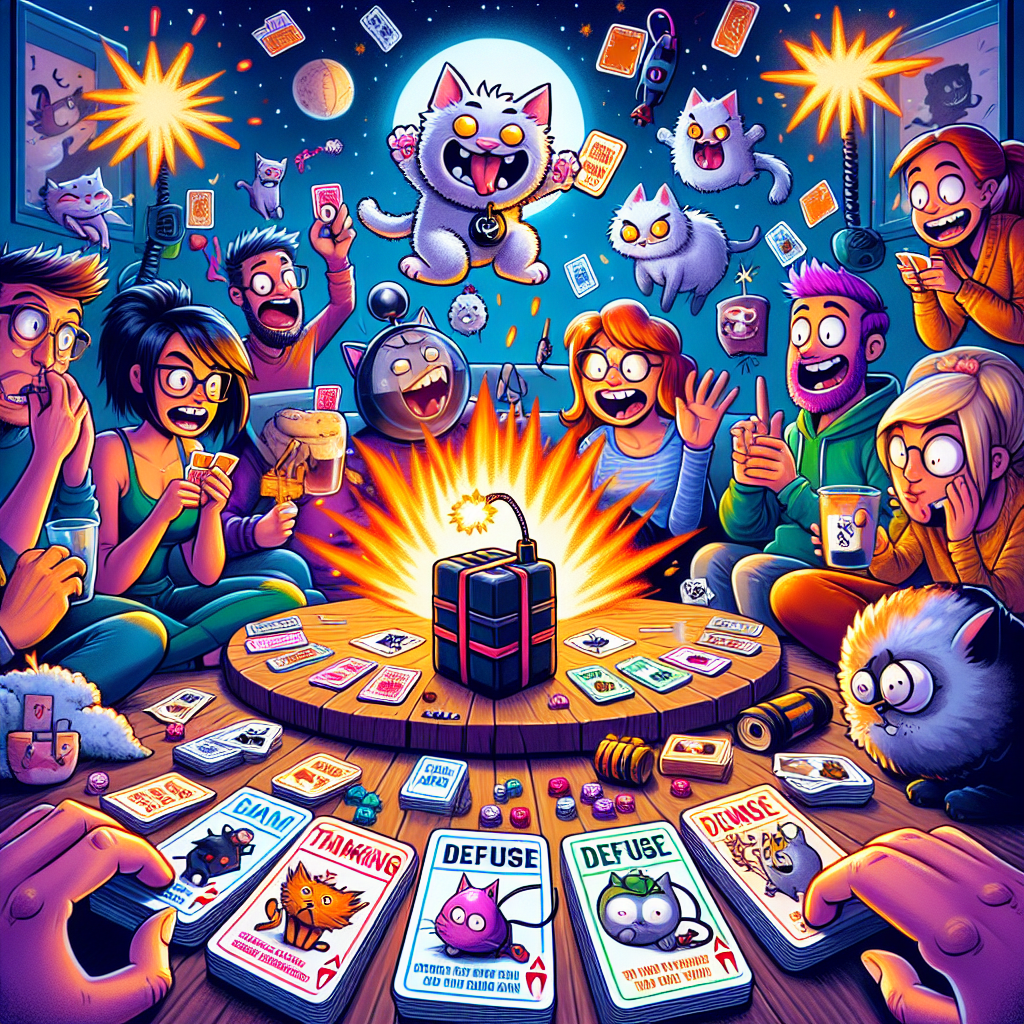
What Strategies Are Effective In Partnership Card Games?
How Do You Handle Disputes Between Partners In Games?
Navigating disputes between gaming partners can be a real challenge, akin to trying to tame a wild horse while balancing on a tightrope. Titles that promise adventure and camaraderie can sometimes end up revealing the cracks in our relationships, particularly when the stakes get high or the frustration levels soar. So, how does one effectively handle these disputes without tossing the controller and burning bridges?
First things first: breathe. You’re not just playing a game; you’re in the glorious arena of collaboration. Take a moment to cool down and remind yourself that it’s just pixels on a screen. Once you’ve gathered yourself, it’s time for open communication—yes, the “C” word. Sit down with your partner and dissect the situation. What triggered the dispute? Was it a miscommunication, a strategic disagreement, or perhaps a poorly timed joke? Approach this conversation like you would a friendly debate over the best pizza topping: passionately, but respectfully.
Next, embrace the power of compromise. In gaming, as in life, sometimes you have to bend a little to keep the peace. Maybe that means agreeing to disagree about which character is the best, or finding a middle ground on tactics during that challenging boss fight. It’s all about prioritizing the relationship over the game. After all, a win is hollow if it costs you valuable companionship.
Understanding is indeed a two-way street. Make sure to validate your partner’s feelings. Sometimes players just want to feel heard—like their concerns matter. A simple acknowledgment can go a long way in diffusing tensions. After all, you’re not only allies in-game; you’re partners in real life.
As you resolve your spat, consider setting some ground rules for future gameplay. Establishing guidelines can help avoid the pitfalls that originally sparked the dispute. Maybe agree on certain boundaries or develop a system for sharing responsibilities in the game. Having a game plan in place can help maintain the harmony you cherish.
Finally, remember to keep the fun in functioning. Engage in team-building games that require collaboration and creativity. Experiment with new titles that challenge you both in exciting ways. After all, the objective is not to come out on top but to nurture the camaraderie that makes gaming a joy.
Whether you’re scaling a mythical mountain or launching a heroic rescue, how you handle disputes can redefine the way you experience the journey together.

How Do You Handle Disputes Between Partners In Games?
How Do You Handle Disputes Between Partners In Games?
- Navigating disputes in gaming partnerships can be challenging, akin to taming a wild horse on a tightrope.
- Take a moment to breathe and remind yourself that it’s just a game before addressing issues with your partner.
- Engage in open communication to dissect the situation and identify the root cause of the dispute.
- Practice compromise, focusing on prioritizing the relationship over the game.
- Validate your partner’s feelings to ensure they feel heard and appreciated.
- Set ground rules for future gameplay to avoid similar disputes and maintain harmony.
- Keep the fun alive by playing team-building games and exploring new titles together.

How Do You Handle Disputes Between Partners In Games?
Conclusion
Let’s wrap it up, folks. When it comes to partnership card games, the number of players is critical to maximizing enjoyment and strategy. While most of these beloved classics—think Bridge, Spades, and Pinochle—are designed for four players split into two teams, the reasoning behind that is straightforward. Four players foster balance, dynamic interaction, and a sense of community that we all crave. Picture gathering around a table, cards in hand, surrounded by friends or family—laughter reverberating, banter flowing freely, and strategies being discussed almost conspiratorially. It’s not just about making plays; it’s about teamwork and shared experiences that make these games genuinely exhilarating.
But what if you find yourself with an odd number of players? Sure, you can rally three or even six players, but watch out—the game dynamics can change dramatically. A three-player format often leaves one person feeling isolated, like a third wheel at a dinner party, while larger teams can get chaotic, diluting the core essence of what makes these partnerships work. That’s why four players strike the ideal balance; it invites everyone to engage fully, share the thrill of victory, and feel the sting of defeat as a cohesive unit.
Now, don’t think you’re out of options if your crew dwindles. You can certainly adapt—three players can make things work through creative partner rotation or the ingenious inclusion of a phantom partner. Two players? Well, roll with individualized variations or have some fun with rotating partnerships during play. The key is to keep that spirit of collaboration alive, regardless of the tweaks you might make.
Ultimately, partnership card games are a celebration of connection—strategically woven threads that turn a simple collection of cards into a canvas of stories and memories. So if you want the purest experience with all the camaraderie, competitive spirit, and strategic play you can handle, gather up four players and shuffle those cards! Embrace the laughter, the tension, and every moment in between. After all, the thrill of the game lies not just in the victories but in the bonds we forge around the table. So get ready for an enlightening showdown—card games, partnerships, and good times await!

Conclusion
Conclusion:
- Partnership card games, like Bridge, Spades, and Pinochle, are typically designed for four players split into two teams.
- Four players promote balance, dynamic interaction, and a sense of community, enhancing the enjoyment of the game.
- Gathering around a table with friends or family creates a social atmosphere filled with laughter and strategic discussions.
- Playing with fewer than four players can lead to isolation or chaos, diminishing the essence of teamwork.
- Options exist for odd player counts, such as rotating partners with three players or including a phantom partner.
- For two players, variations can be adapted while maintaining a collaborative spirit.
- Ultimately, partnership card games celebrate connections and shared experiences, making four players the ideal number for a fulfilling experience.

Conclusion
Other Resources

Other Resources
Here is a list of other resources you can review online to learn more:
- “Card Players Tally Sheets 3-Table Progressive: Scoring for …”
- “Card Players Tally Sheets 2-Table Progressive: Scoring for …”
- “Contract bridge”
- “right bower: OneLook Thesaurus”
- “Family Feud: 2012 Edition – Question/Answer List – Xbox 360”
- “Nash Whist : a collaborative strategic card game”
- “Conceptual-Summary/data/WordNet-3.1/dict/dbfiles/noun. …”
- “Play the Devil”
- “Humboldt-Grown”
- “duplicate bridge: OneLook Thesaurus”
- “Winona Daily News”
- “Petaluma Historian – A blog of stories about Petaluma history”
- “Gambling and”
- “Call Bridge Card Game – Spades”
Use This Prompt To Get More Resources With Your Favorite Online AI Tool: Please provide me with a list of online articles with their URLS in a bulleted list that I can read regarding How Many Players Are Needed for Partnership Card Games?

Other Resources
Glossary Terms
How Many Players Are Needed for Partnership Card Games? – Glossary Of Terms
1. Partnership: A team formed by two players who collaborate to achieve a common goal in card games.
2. Trick: A round of play in which players play a single card, and the highest-ranking card wins.
3. Bid: An announcement by a player indicating the number of tricks they think their partnership can win during a round.
4. Dealing: The process of distributing cards to players at the beginning of a game.
5. Trump Suit: A suit that has higher power than the other suits in the game, allowing trump cards to win tricks.
6. Discard: To play a card from one’s hand that is not used in the current round or hand.
7. Hand: The set of cards held by a player at any given time during the game.
8. Contract: The agreement made by the partnership regarding the number of tricks they aim to win.
9. Scoreboard: A chart or area used to keep track of the points scored by each partnership throughout the game.
10. Lead: The player who plays the first card in a trick, setting the tone for the subsequent plays.
11. Table Talk: Communication between partners that is often restricted; it refers to nonverbal signals or hints during play.
12. Follow Suit: Playing a card from the same suit as the card that was led in the current trick.
13. Winning Hand: The cards that result in the partnership achieving the highest score or number of tricks.
14. Shuffling: The act of mixing the cards before the deal to ensure randomness.
15. Game Over: The conclusion of a game, which is usually determined by reaching a specific score or number of rounds.
16. Turn: The designated opportunity for a player to play a card during a round.
17. Partnership Points: Points scored collectively by a pair of players based on the tricks or contracts fulfilled.
18. Strategy: The plan or method employed by players or partnerships to achieve victory.
19. High Card: A card with a high ranking, which can be decisive in winning a trick.
20. Cut: A method of randomly selecting cards before the deal takes place, often involving dividing the deck.
21. Reneging: Failing to follow the proper rules of play, such as not following suit when able.
22. Game Variation: Different rules or formats that can be applied to the same fundamental card game.
23. Penalty: A consequence assessed against a partnership for failing to meet a contract or for violating rules.
24. Endgame: The final phase of the game where players make crucial decisions to secure victory.
25. Point Count: The system used to evaluate the strength of a hand based on the values of the cards.
26. Suit: One of the categories (like hearts, diamonds, clubs, and spades) into which card values are divided.
27. Solo Play: A format involving only one player against a partnership, contrasting the collaborative nature of full partnerships.
28. Substitution: The act of replacing one player or partnership with another, often due to unavailability.
29. Round: A single segment of play that typically involves each player participating until all cards are played.
30. End of Round: The conclusion of a round of play, typically marked by counting tricks won and updating scores.

Glossary Of Terms
Other Questions
How Many Players Are Needed for Partnership Card Games? – Other Questions
If you wish to explore and discover more, consider looking for answers to these questions:
- What are the prerequisites for playing partnership card games?
- What are the best partnership card games for beginners?
- Which variations exist for classic partnership card games?
- How does the scoring system work in different partnership card games?
- What tools or resources can help beginners learn partnership card games?
- Are there online platforms for playing partnership card games?
- What strategies help improve gameplay in partnership card games?
- How can communication be effectively established among partners?
- What are some tips for mastering a specific partnership card game?
- How do player dynamics evolve during the course of a card game?
- What common mistakes should players avoid in partnership games?
- How does the atmosphere impact the dynamics of partnership card games?
- What are some fun themes or variations to consider for a game night?
- Can digital tools or apps enhance the experience of playing partnership card games?
- How do cultural differences influence card game styles and strategies?

Other Questions
Haiku
How Many Players Are Needed for Partnership Card Games? – A Haiku
Four players gather,
Partners in laughter and strategy,
Cards reveal their bond.

Haiku
Poem
How Many Players Are Needed for Partnership Card Games? – A Poem
In the realm of cards where laughter swells,
Four players gather, weaving tales to tell.
Two teams unite, their strategies entwined,
With trust and whispers, in moves they’ll find.
Bridge and Spades, where friendships forge,
In the dance of cards, memories emerge.
The sweet spot lies in the number four,
Where banter flows and spirits soar.
Communication’s charm is a partner’s might,
Subtle looks and gestures, guiding the fight.
A nod, a grin, the language of eyes,
In the heart of the game, true partnership lies.
When numbers dwindle, can joy still be found?
A phantom partner or a rotating round.
Though three or two may change the game’s face,
With laughter and wit, they still can embrace.
Mistakes will happen, like missed cues and fumbles,
But lessons in patience mend all the tumbles.
Each hand a new chance, to learn and to grow,
In victory sweet or defeat’s humble flow.
So gather your friends, let the cards gently shuffle,
For the essence of play goes beyond all the tussle.
It’s the bonds that you forge, the stories you make,
In the heartbeat of games, it’s the joy at stake.

Poem
Checklist
How Many Players Are Needed for Partnership Card Games? – A Checklist
1. Gather the Right Number of Players
_____ Aim for four players for classic partnership games.
_____ Consider adaptations for six or eight players if needed.
_____ Understand the implications of playing with fewer than four players.
2. Learn the Basic Rules
_____ Familiarize yourself with game-specific rules and objectives.
_____ Ensure players understand card hierarchy and special roles (if any).
3. Form Effective Teams
_____ Partner with someone whose play style complements yours.
_____ Establish clear communication strategies with your partner.
4. Practice Non-Verbal Communication
_____ Develop subtle cues or signals to convey strategies without verbalizing your hand.
_____ Keep an eye on each other’s body language during play.
5. Focus on Strategy and Flexibility
_____ Start with a basic strategy but remain flexible to adapt as the game progresses.
_____ Observe opponents and adjust your play based on their behavior.
6. Maintain a Competitive Yet Friendly Atmosphere
_____ Balance competition with camaraderie; keep the atmosphere light and enjoyable.
_____ Engage in light banter to ease tension.
7. Learn from Experience
_____ After each game, discuss what went well and what could be improved.
_____ Avoid dwelling on mistakes; instead, consider them learning opportunities.
8. Avoid Common Pitfalls
_____ Stay engaged in the game; don’t be a silent partner.
_____ Set aside personal pride and focus on teamwork.
9. Respect Each Other’s Play Styles
_____ Be patient with partners, especially if they are new to the game or a specific strategy.
_____ Celebrate both victories and losses together; they build relationships.
10. Have Fun!
_____ Embrace the social aspect of card games.
_____ Create an enjoyable atmosphere that fosters connections and memories.
11. Handle Disputes Gracefully
_____ If disagreements arise, approach them calmly and communicate openly.
_____ Seek compromise and validate each other’s feelings.
12. Explore Variations of the Game
_____ Try different partnership games to keep things fresh.
_____ Adapt rules as necessary to fit different player counts or dynamics.
Keep this checklist handy as you gather around the table for your next card game night. Shuffle those cards, enjoy the camaraderie, and dive into the fun of partnership card games!

Checklist
At CardGameNews, we help people who love card games by collating information and news about card games.
Be sure to read our other related stories at CardGameNews to learn more about card games.


