

Uncovering The Evolution Of Memory Card Games
By Tom Seest
At CardGameNews, we help people who love card games by collating information and news about card games.
Be sure to read our other related stories at CardGameNews to learn more about card games.
How Have Memory Card Games Changed Over Time?
Ah, memory card games. These simple yet undeniably engaging games have been around in various forms for centuries, but it’s fascinating to look at how they’ve evolved with the times. Picture this: a rainy afternoon, kids huddled around a wooden table, flipping over cards with eager anticipation. It’s a scene as familiar as a campfire story. But now, we find ourselves in a world where technology reigns supreme, and the traditional card game has had to adapt or risk being left behind.
In the early days, memory card games were all about tactile engagement. Players would use a standard deck of cards, laying them face down and testing their recall skills as they tried to match pairs. This simple yet effective format fostered not only memory skills but also social interaction. It was a time when laughter and camaraderie filled the air, with no blinking gadgets to distract from the face-to-face competition. But as they say, the times they are a-changin’.
Fast forward a few decades, and the landscape has transformed dramatically. Today, technology has permeated every corner of our lives, including our beloved card games. Digital platforms have emerged, bringing memory card games into living rooms via our screens. Apps and online games allow players to compete against friends from across the globe or even against artificial intelligence. This shift has made the classic card game more accessible, allowing anyone, anywhere, to test their memory skills at a moment’s notice.
Moreover, the gamification of these experiences has added new layers of complexity and engagement. Developers have introduced themes and challenges that keep players coming back for more. Whether you’re matching cartoon characters, historical figures, or even educational concepts, these modern iterations maintain the essence of the original card game while injecting a fresh dose of creativity. They engage our minds and stimulate our memories in exciting new ways.
Yet, as we embrace this digital evolution, we’d do well to remember the beautiful simplicity of the past. There’s something inherently charming about gathering around a table, laughter echoing, as the tactile experience of flipping cards and making discoveries unfolds. While memory card games have indeed changed over time, the fundamental goal remains: honing our memory skills and enjoying the company of others. In that way, the spirit of the card game transcends the ages, whether it’s on a screen or laid out on a simple kitchen table.

How Have Memory Card Games Changed Over Time?
How Have Memory Card Games Changed Over Time?
- Memory card games have evolved significantly over the centuries.
- Initially, these games focused on tactile engagement, using a standard deck of cards.
- Players developed memory skills and social interaction without distractions from technology.
- Modern technology has transformed memory card games, introducing digital platforms and apps.
- Players can now compete globally or against AI, making the games more accessible.
- New themes and challenges have been added, enhancing engagement while preserving the original essence.
- Despite advancements, the charm of traditional games remains, emphasizing memory skills and social interaction.

How Have Memory Card Games Changed Over Time?
Table Of Contents
- How Have Memory Card Games Changed Over Time?
- What Are The Origins Of Memory Card Games?
- How Have Digital Versions Emerged?
- What New Mechanics Have Been Introduced?
- How Do Themes Affect Gameplay?
- What Role Do Apps Play In Popularizing Memory Games?
- How Has Player Demographics Shifted Over The Years?
- What Innovations Have Enhanced Player Engagement?
- Conclusion
- Other Resources
- Glossary Of Terms
- Other Questions
- Haiku
- Poem
- Checklist
What Are The Origins Of Memory Card Games?
Memory card games, often characterized by their simple rules and engaging gameplay, trace their origins back to a time when social interaction was fostered through the tangible act of play. Imagine a rustic parlor or a cozy corner café where families and friends gathered, fueling camaraderie over a humble deck of cards. At their core, memory card games encourage players to get cozy with their own recollection skills, turning the act of remembering which cards are where into a lively competition.
The story of memory card games begins in Europe, during a period when card games were evolving at a rapid pace. While the exact timeline is murky, the emergence of “Concentration” or “Match” in the mid-20th century can be pinpointed. Its mechanic, where players flip over cards to find pairs, was simple yet enticing. It required not just luck, but also a strong memory, making every game a cerebral showdown.
Now, let’s not forget the pivotal role that educational purposes played in the rise of these games. Teachers soon caught wind of how much fun a few cards could inspire, using them as tools to enhance memory and cognitive skills among young learners. The attraction lay in the blending of fun and learning—a combination that never goes out of style. Every turn brought renewed excitement, and every match discovered was both a victory and a lesson learned.
But this isn’t just about quirky history or dusty old card decks. Memory card games have evolved significantly, finding their niche in today’s digital landscape. With the tap of a finger, players can now engage in various iterations of these classic games on their devices. Whether it’s a solitary session to sharpen one’s mind or a multiplayer bout against friends, the essence remains the same: to exercise memory while having fun.
As we roll through the ages, memory card games continue to thrive, bridging the gap between old-world charm and contemporary convenience. They are more than just a card game; they serve as a reminder that sometimes, the simplest of activities bring people together in the most profound ways. So, the next time you gather around a table or reset your favorite app, take a moment to appreciate the rich history packed into those unassuming cards. Each flip tells a story, taking us back to simpler times when memory mattered more than ever.

What Are The Origins Of Memory Card Games?
What Are The Origins Of Memory Card Games?
- Memory card games promote social interaction through engaging gameplay and simple rules.
- Originating in Europe, these games gained popularity with the emergence of “Concentration” or “Match” in the mid-20th century.
- The mechanics of these games require both luck and memory, creating a cerebral competition.
- Educators have utilized memory card games to enhance memory and cognitive skills in children.
- The blend of fun and learning has remained an enduring appeal of these games.
- Memory card games have adapted to digital platforms, allowing for solo or multiplayer play on devices.
- These games reflect a bridge between traditional play and modern convenience, highlighting the importance of memory and connection.

What Are The Origins Of Memory Card Games?
How Have Digital Versions Emerged?
In the ever-evolving landscape of gaming, one notable transformation has been the rise of digital versions of traditional pastimes. It’s fascinating to see how something as classic as a card game has been reshaped in the digital realm. Once an activity that brought friends and family together around a table, it has now morphed into a global phenomenon accessible at the swipe of a finger.
For the longest time, card games were about more than just the cards themselves. They were social events—board games interwoven with laughter, rivalries, and the occasional scandal over an ill-timed bluff. But as technology advanced, so too did our interpretation of these games. The onset of personal computers and the internet laid the groundwork for the development of digital gaming platforms. Suddenly, the thrill of a card game could be experienced with players a thousand miles apart. Whether you’re into Poker, Solitaire, or the modern twists of Yu-Gi-Oh or Magic: The Gathering, the digital format has taken things to a whole new level.
One of the most significant changes with digital card games is the depth of game mechanics that can be explored. In the past, if you wanted to play a particular card game, you needed to gather all the necessary pieces and find opponents. Now, a well-designed app can introduce players to expansive universes filled with complex rules, characters, and strategies—all without the hassle of physical cards scattered everywhere.
Additionally, the social aspect has not been lost in translation. Online multiplayer options allow players to connect with friends and strangers alike, joining forces or facing off against one another in epic virtual showdowns. The tournament scene has also seen a radical change. Web platforms host massive competitions, allowing both casual players and professionals to showcase their skills on a grand stage—complete with live streaming, commentary, and everything in between.
But let’s not sugarcoat it. The transition to digital has its challenges. Nostalgic players may miss the tactile feeling of shuffling cards or the camaraderie of sharing a table. And yet, there’s something remarkable about being able to play a card game from anywhere, anytime, with just a click. In a world so interconnected, the digital evolution of these timeless games is a testament to our adaptability and our desire to keep the spirit of competition alive, no matter how the medium changes.

How Have Digital Versions Emerged?
How Have Digital Versions Emerged?
- The rise of digital versions of traditional card games has transformed gaming into a global phenomenon.
- Card games have historically served as social events, fostering laughter, rivalries, and interactions among players.
- Advancements in technology, such as personal computers and the internet, have expanded accessibility and participation in card games.
- Digital platforms allow for deeper exploration of game mechanics, offering complex rules and strategies without physical cards.
- Online multiplayer options enable connections between friends and strangers, leading to epic virtual competitions.
- The tournament scene has evolved with web platforms hosting large competitions, complete with live streaming and commentary.
- Despite challenges such as the loss of physical interaction, digital card games exemplify adaptability and the enduring spirit of competition.

How Have Digital Versions Emerged?
What New Mechanics Have Been Introduced?
In the evolving landscape of the card game world, innovation thrives where imagination dances across a shuffle of decks. Designers have been rolling up their sleeves and digging deep into the mechanics to introduce some exciting new twists that are shaking up the way we think about strategy and gameplay.
First off, let’s talk about *multi-use cards*. You’ve probably seen this mechanic sneaking its way into card games with the grace of a cat burglar. Instead of merely serving one function, these cards offer players multiple avenues to explore. Need to draw a card? That’s an option. Want to launch an all-out assault instead? You can do that too. It’s like having a Swiss Army knife in your hand, and it encourages creative thinking and adaptability, qualities that are crucial in a game where every decision can flip the script.
Then, there’s the introduction of *asymmetric gameplay*. In many traditional card games, you’re all playing from the same rulebook, but some new titles flip that notion on its head, giving players unique abilities or victory conditions based on their character or faction. Imagine a card game where each player represents a different aspect of a story, molding the tactics to fit their individual narrative. This shift fosters a sense of ownership over the experience, making victory not just a goal, but a personal achievement entwined within a larger tale.
Now, let’s not forget about the *deck construction mechanics* that have taken a big leap forward. The old, tried-and-true method of building a deck based solely on card combinations is getting an upgrade. With the rise of modular decks and card drafting, players are becoming not just participants but architects of their own strategies. This mechanic ensures a diverse gameplay experience, making each match feel fresh and distinct, regardless of how often you play.
Last but not least, *resource management* has undergone some interesting transformations. New systems allow for varied resources beyond the simple gold or mana options many of us are accustomed to. With innovations like energy pools, relics, or even thematic currencies, players are challenged to think critically about how they allocate resources, ensuring that every move is deliberate and impactful.
In this briskly evolving arena of card games, these new mechanics aren’t just gimmicks; they are tools designed to deepen engagement, expand creativity, and foster connection. So, whether you’re an enthusiastic newcomer or a seasoned veteran, prepare yourself—there’s a lot of fresh strategy lurking just around the corner.

What New Mechanics Have Been Introduced?
What New Mechanics Have Been Introduced?
- Innovation in Card Games: Designers are exploring new mechanics to enhance strategy and gameplay.
- Multi-use Cards: These cards provide multiple functions, encouraging creative thinking and adaptability.
- Asymmetric Gameplay: Players have unique abilities or victory conditions, fostering a sense of ownership in the game.
- Deck Construction Mechanics: Players become architects of their strategies through modular decks and card drafting, allowing for diverse gameplay.
- Resource Management: New systems introduce varied resources beyond traditional options, prompting critical decision-making.
- Engagement and Creativity: These mechanics are designed to deepen player engagement and expand creative possibilities.
- Fresh Strategy Awaits: Enthusiasts and veterans alike can look forward to exciting new gameplay experiences on the horizon.

What New Mechanics Have Been Introduced?
How Do Themes Affect Gameplay?
When diving into the world of gaming, the influence of themes is as profound as the players who embrace them. Grab a seat at your most beloved card game; it’s a vivid reflection of how themes shape gameplay and elevate the player experience, taking it from mere mechanics to a tapestry of interaction and emotion.
Think about a card game where the theme revolves around medieval fantasy. Each card is intricately designed, showcasing valiant knights, mystical creatures, and sorcerous spells. As you shuffle the deck, you’re not just mixing paper; you’re intertwining stories and experiences. The theme enhances every decision made at the table. Do you summon the dragon, costing you precious resources, or do you hold back, playing it safer while plotting your next move? Each choice is echoed in the narrative woven by the game’s theme.
Now, contrast this with a card game set in a dystopian future. The environment is stark and tense. Victory comes with sacrifice, reflecting the grim realities of survival. Players are not merely strategizing; they’re embodying the survivalist spirit, feeling the weight of their choices on a moral scale. This theme fosters cooperation, betrayal, or self-preservation, transforming ordinary mechanics into a stage for drama.
Themes also dictate the pacing of a game. A lighthearted, whimsical card game offers breezy, laugh-filled rounds where players trade silly jests as easily as they trade cards. On the other hand, a heavy, strategic game demands focus and planning. Every play is a chess match rather than a dance, where players weigh options with the seriousness of a courtroom trial. Here, the theme is the heartbeat, establishing the rhythm players follow.
Not to be overlooked is the emotional resonance themes can evoke. The charm of nostalgia can pull players back into their childhood, whispering sweetly of simpler times. A horror-themed card game, however, can incite anxiety and tension, where each draw could lead to delightful doom or despair.
Ultimately, themes become the vessel through which gameplay is experienced and understood. They shape strategies, influence emotions, and foster the camaraderie or rivalry among players. So, next time you sit down for a card game, take a moment to appreciate how the theme breathes life into the cards before you, crafting not just a game, but an unforgettable journey.

How Do Themes Affect Gameplay?
How Do Themes Affect Gameplay?
- Themes in gaming profoundly influence player experience, elevating gameplay beyond mere mechanics.
- A card game’s theme, like medieval fantasy, intricately weaves stories and experiences into the gameplay.
- Decision-making is enhanced by the theme, as players consider narratives behind their choices.
- In contrast, a dystopian theme fosters cooperation, betrayal, and moral dilemmas that shape the game’s strategy.
- Themes dictate game pacing, with lighthearted themes encouraging casual play and heavy themes demanding serious focus.
- Emotional resonance from themes can evoke nostalgia or anxiety, affecting player engagement and tension.
- Themes serve as vessels for gameplay, shaping strategies, emotions, and player dynamics in an unforgettable journey.

How Do Themes Affect Gameplay?
What Role Do Apps Play In Popularizing Memory Games?
In today’s fast-paced digital world, memory games have found a new home in the palm of our hands. The rise of mobile applications has remarkably transformed these cognitive challenges from being mere card games played on a table into engaging experiences that can be accessed anytime, anywhere. Using interactive technology, these apps not only tap into our nostalgia for traditional games but also breathe new life into them with a modern twist.
Memory games have long been existences in various cultures, serving as simple yet effective tools for sharpening cognitive skills. Traditionally, they took the form of card games where players had to match pairs, testing both memory and concentration. However, today’s app developers have recognized the universal appeal of these games and taken it several steps further. They’ve integrated colorful graphics, sound effects, and even gamified elements like leaderboards and rewards systems that make these games even more enticing.
Imagine sitting on a train or waiting in line, pulling out your smartphone, and diving into a quick round of a memory game. The ease of access and instant gratification offered by apps have turned memory exercises into popular pastimes. Voiceovers cheer you on as you flip cards and match pairs, enhancing the experience and drawing you into a world where every move counts. This is about more than just memory; it’s about creating a series of moments that captivate and engage players of all ages.
The social aspect cannot be overlooked, either. Many memory game apps incorporate multiplayer functions, inviting friends and family to join in on the fun, even if they’re miles apart. This sense of community fosters competition and collaboration, keeping the spirit of those old-school card games alive while expanding the audience by incorporating chat features, global tournaments, and real-time playability.
Moreover, the educational potential of these apps is hard to ignore. Parents are increasingly recognizing the value of these games in developing their children’s cognitive abilities. The laughter around a table during a card game can now be replicated through the lively interactions on an app, making learning both fun and effective.
So here’s the bottom line: apps are not just popularizing memory games; they’re reshaping how we experience them. They connect us across distances, enhance our cognitive skills in dynamic ways, and put a fresh spin on familiar concepts. In a digital age that often puts a premium on quick entertainment, memory games—revived through the magic of technology—are reclaiming their spot as a beloved pastime for all generations.
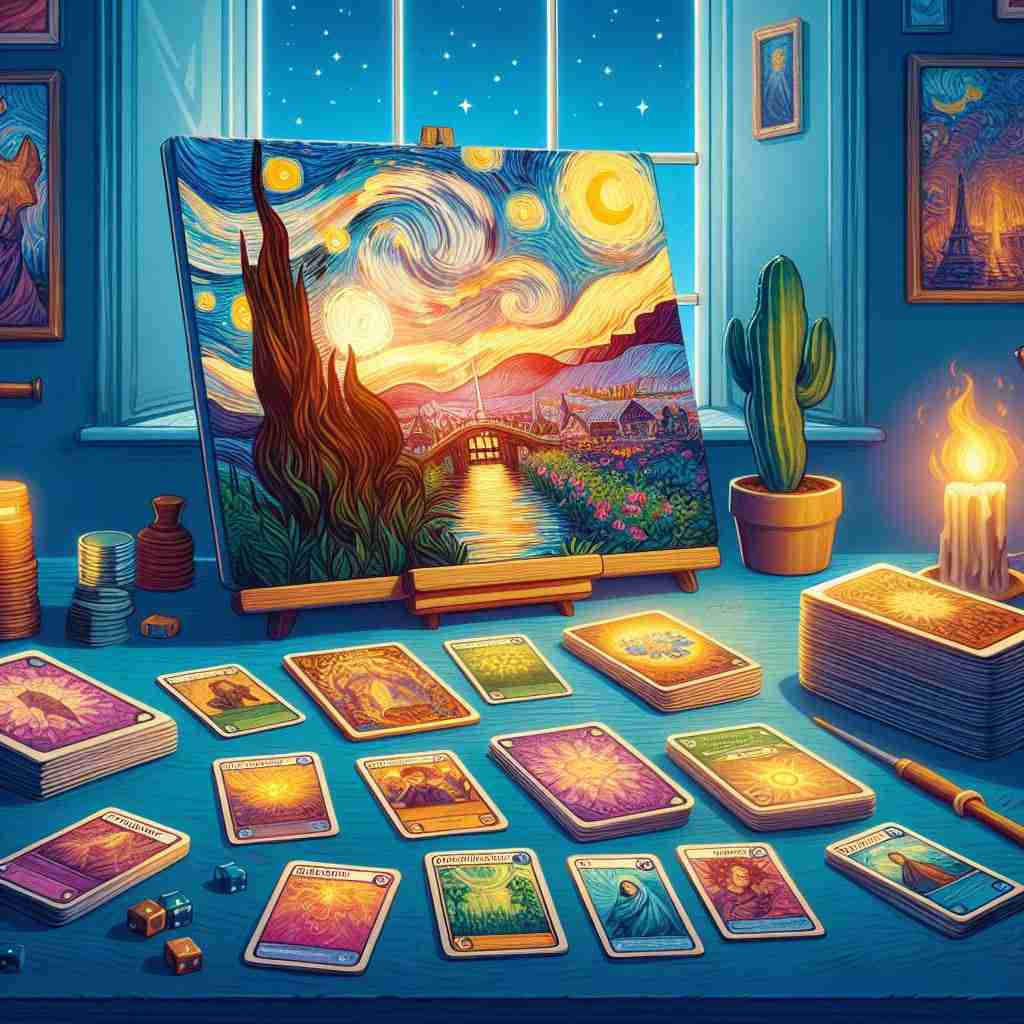
What Role Do Apps Play In Popularizing Memory Games?
What Role Do Apps Play In Popularizing Memory Games?
- Memory games have transitioned from traditional card games to mobile apps, allowing access anytime, anywhere.
- These apps blend nostalgia with modern technology, enhancing the cognitive challenge with engaging experiences.
- Developers have introduced colorful graphics, sound effects, and gamified elements to make memory games more enticing.
- The convenience of apps turns memory exercises into popular pastimes during daily activities, like commuting.
- Multiplayer functions foster social engagement by allowing friends and family to compete remotely.
- Educational benefits are prominent, as these games help develop cognitive skills in children while keeping learning enjoyable.
- Overall, apps are reshaping how we experience memory games, making them a dynamic and beloved pastime across generations.

What Role Do Apps Play In Popularizing Memory Games?
How Has Player Demographics Shifted Over The Years?
When we talk about player demographics, many might be surprised to learn just how much the landscape has shifted over the years. Gone are the days when gaming was primarily viewed as a niche hobby dominated by a specific group. Now, it’s a vibrant community reflecting a rich tapestry of backgrounds and interests.
Take card games, for instance. They used to attract a particular audience—mostly young men hunched around tables in dimly lit basements or crowded game shops. While that scene still exists, it’s evolved significantly. Today, you’ll find people of all ages, genders, and walks of life enthusiastically engaging in card games. Thanks to the rise of social platforms and streaming services, the allure of card games has transformed into a cross-generational phenomenon. Everyone from teens to retirees is finding solace in these strategic battles, often bonding over the thrill of drawing that coveted ace or outsmarting an opponent with a clever play.
This evolution has sparked another shift: the rise of casual gamers. The stereotypes that once neatly boxed in who a ‘gamer’ was have crumbled. No longer are we constrained by the old notion that serious gamers spend every waking hour in front of a screen or maneuvering cards in isolation. Nowadays, players are more adventurous and willing to dabble in various genres—whether it’s the latest first-person shooter, the intricate world of role-playing games, or the strategic landscape of collectible card games. This has broadened the demographic pool drastically, inviting individuals from all sorts of backgrounds to gather and compete.
Another notable change can be seen in the integration of technology. Players now connect online, meaning geographic barriers fade away. Whether across town or across the globe, you could be engaging in a game of cards with someone you’ve never met. This interconnectedness fosters a sense of community and belonging that transcends traditional demographics, allowing everyone’s voice to play a part in the conversation.
In summary, the world of gaming—especially in the realm of card games—has morphed from a tightly knit, often insular community to an expansive, inclusive one. The transformation speaks volumes about not only the games themselves but also the evolution of societal norms regarding play and interaction. What once was an exclusive club is now an open invitation to everyone, making the joys of card games a shared experience for all.

How Has Player Demographics Shifted Over The Years?
How Has Player Demographics Shifted Over The Years?
- Player demographics in gaming have shifted significantly over the years.
- Card games have evolved from being dominated by young men to attracting a diverse audience of all ages and genders.
- Social platforms and streaming services have contributed to the popularity of card games across generations.
- The rise of casual gamers has expanded the traditional definition of who a ‘gamer’ is, inviting a broader demographic.
- Players are now more adventurous, exploring various genres beyond just card games.
- Technology allows players to connect online, breaking down geographic barriers and fostering a global sense of community.
- The landscape of gaming has transformed from an exclusive club to an inclusive environment, inviting everyone to share in the joys of card games.

How Has Player Demographics Shifted Over The Years?
What Innovations Have Enhanced Player Engagement?
In the world of gaming, where cards have shuffled their way into our hearts and homes, innovations have transformed the way we engage with our favorite hobbies. Let’s take a step back and consider what makes player engagement truly shine in today’s landscape, especially in card games.
First off, the evolution of online platforms has revolutionized the card game experience. Players no longer need to gather in person; instead, they can connect with friends or compete against opponents from across the globe with just a few clicks. Online multiplayer options have opened up a whole new realm of possibilities, enticing players with the thrill of competition and camaraderie—two essential ingredients that keep us coming back for more.
But it’s not just about convenience. The integration of live-streaming technology has elevated the excitement of card games to new heights. Gamers can now watch experienced players face off in real time, learning strategies and honing their skills from the comfort of their couches. It’s like having a front-row seat to a master class, blending entertainment and education seamlessly. This democratization of knowledge has cultivated a vibrant community that thrives on shared experiences, deepening the connection between players.
Let’s not overlook the importance of gamification either. Many card games have embraced elements like rewards systems, quests, and achievements, motivating players to fully immerse themselves in their gameplay. It’s that added layer of challenge that keeps players engaged, compelling them to return for just “one more hand” or “one more round.” The allure of leveling up or earning exclusive in-game items has become almost irresistible.
Furthermore, augmented reality (AR) and virtual reality (VR) are beginning to leave their mark on card gaming. Imagine sliding your favorite card across a table that transforms into a vivid battlefield full of animated creatures, spells, and that palpable thrill of action! Such immersive experiences not only enhance player engagement but also broaden the scope of storytelling and strategy, making every game feel uniquely crafted.
Lastly, social media integration can’t be understated. Players share their triumphs, strategies, and the whimsical moments that arise during gameplay, fostering a sense of community that extends beyond the game itself. It’s a modern-day campfire, where stories are told, friendships are forged, and excitement is fueled.
In our quest for connection and excitement, innovation is the magic ingredient that keeps the card games we love vibrant, dynamic, and deeply engaging. So, whether you play with friends or find new rivals online, remember: it’s all about the experience—and boy, what an experience we have today!

What Innovations Have Enhanced Player Engagement?
What Innovations Have Enhanced Player Engagement?
- The evolution of online platforms has changed the card game experience, enabling global connections.
- Online multiplayer options enhance competition and camaraderie among players.
- Live-streaming technology allows gamers to learn from experienced players in real time.
- Gamification elements, such as rewards and achievements, keep players engaged in gameplay.
- Augmented reality (AR) and virtual reality (VR) are creating immersive card gaming experiences.
- Social media integration fosters community by allowing players to share their gameplay moments.
- Innovation is essential to keeping card games vibrant, dynamic, and engaging.

What Innovations Have Enhanced Player Engagement?
Conclusion
As we wrap up our exploration of memory card games and their fascinating evolution, let’s take a moment to soak it all in. From those charming days of flipping cards around a wooden table to the high-tech digital realms we occupy today, it’s clear that memory card games have not only weathered the storm of time but have thrived in the face of change. Remember the nostalgic scene of kids gathered together, laughter filling the air while they matched cards? That communal joy remains steadfast, even as we swipe our screens and connect with players thousands of miles away.
Over the years, we’ve seen these games evolve from simple mechanics driven by luck and memory to intricate digital experiences peppered with innovations. Today’s players can dive into beautifully designed apps that blend visuals, sounds, and gamification to create an engaging atmosphere that our past selves could scarcely imagine. The essence—the brain-boosting challenge of recalling where pairs lie—remains, but the digital landscape takes it to new heights with multiplayer capabilities, leaderboards, and even AI opponents to keep things spicy.
Now, let’s not forget the theme aspect here. A memory card game can transport you to a whimsical world of mythical creatures or plunge you into the gritty depths of a dystopian future. Each theme not only paints the backdrop of gameplay but resonates with us, shaping the strategies and emotional stakes involved. It’s a vibrant tapestry that makes every card flip feel significant.
Technological advancements have reshaped our demographics too. Once reserved for a niche crowd, card games now unite players from various backgrounds and ages, fostering a diverse community. And as we adapt to these shifts, player engagement is at an all-time high, thanks to innovations like online multiplayer platforms and gamified experiences. We’ve transformed a simple card game into a worldwide phenomenon that transcends borders.
So whether it’s a casual game night with family or a heated match against a stranger online, memory card games remind us that, at their core, they bring out our competitive spirit while honing our mental skills. They’re a beautiful blend of old-world charm and contemporary flair, proving that even in a fast-paced digital age, the art of memory should not only be preserved but celebrated. In this dynamic landscape, let’s continue to cherish those moments of connection and competition that cards have gifted us throughout the years.

Conclusion
Conclusion:
- Memory card games have evolved from physical card games to high-tech digital experiences.
- The communal joy of playing remains, now enhanced through online connectivity.
- Modern games feature intricate designs with visuals, sounds, and gamification elements.
- The core challenge of recalling card positions persists despite technological advancements.
- Themes in memory card games enrich gameplay and resonate emotionally with players.
- Technological advancements have broadened demographics, uniting diverse players.
- Memory card games foster competition and mental skill development, blending nostalgia with modernity.

Conclusion
Other Resources

Other Resources
Here is a list of other resources you can review online to learn more:
- Wizards of the Coast
- Spirit Island
- Plaid Hat Games
- Board to Death TV
- Dominion: Seaside (Second Edition)
- Rummy
- Wizards of the Coast
- Gaia Project
- Asyncron
Use This Prompt To Get More Resources With Your Favorite Online AI Tool: Please provide me with a list of online articles with their URLs in a bulleted list that I can read regarding How Have Memory Card Games Changed Over Time?

Other Resources
Glossary Terms
How Have Memory Card Games Changed Over Time? – Glossary Of Terms
1. Card Game: A game played with a deck of cards, which can include a variety of formats and rules.
2. Memory Game: A type of card game designed to enhance the player’s memory by requiring them to remember the locations of hidden cards.
3. Concentration: Another name for a classic memory card game where players take turns flipping over two cards to find pairs.
4. Deck: A set of cards used to play a card game, which can vary in size and composition depending on the game.
5. Pairing: The action of matching two cards that often requires a memory of their locations.
6. Turn-Based Play: A style of gameplay where players take one turn at a time, prevalent in many card games.
7. Cognitive Development: The process through which children and adults improve their thinking, reasoning, and memory skills, often influenced by playing memory games.
8. Digital Adaptation: The transition of traditional card games into digital formats, often featuring interactive elements and animated graphics.
9. Augmented Reality (AR): Technology that enhances the real world with digital elements, sometimes used in modern memory games for immersive experiences.
10. Mobile Gaming: The rise of memory card games on smartphones and tablets, allowing for portable and accessible gameplay.
11. Educational Games: Games designed with the purpose of teaching or reinforcing specific skills, including memory retention.
12. Thematic Designs: Artwork and topics used in card games that reflect specific themes, making them visually appealing and engaging.
13. Gamification: The incorporation of game-like elements into non-game contexts, which can improve player engagement in memory card games.
14. Adaptive Difficulty: A feature in some digital memory games that adjusts the challenge level based on the player’s performance.
15. User Interface (UI): The design and layout of a game that facilitates player interaction, crucial in digital memory card games.
16. Multiplayer Options: Features that allow multiple players to participate in the game, either cooperatively or competitively.
17. Accessibility Features: Design elements aimed at allowing players with disabilities to engage with memory card games, such as voice commands or larger card designs.
18. Online Leaderboards: Competitive scoring systems that track player performance, encouraging engagement and competition in digital memory games.
19. Card Printing Technology: Advances in printing that have improved the quality and durability of physical memory game cards.
20. Game Mechanics: The rules and techniques that govern how a game is played, influencing player strategy and interaction.
21. Social Interaction: The aspect of memory games that encourages players to communicate and engage with one another, important in both physical and digital formats.
22. VR (Virtual Reality): An interactive computer-generated environment that simulates real or imaginary settings for immersive gameplay in modern card games.
23. Card Variations: Different rules or card types that can change how traditional memory games are played, adding complexity or twists to the gameplay.
24. Customizable Gameplay: The option for players to alter rules, card types, or difficulty settings according to their preferences.
25. Thematic Variants: Versions of classic memory games that feature popular themes (like movie characters or animals) to attract different audiences.
26. Neuroplasticity: The brain’s ability to reorganize itself by forming new neural connections, which can be stimulated through memory games.
27. Flashcards: A form of memory tool that can also refer to a simplified version of memory card games, commonly used for educational purposes.
28. Collection Element: Mechanics in some memory games that allow players to collect cards or items as part of the gameplay, enhancing engagement.
29. Game Accessibility: The ease with which players can engage with and learn a memory card game, especially important in broadening its audience.
30. Nostalgia Factor: The emotional response related to memories of past experiences with card games, which can drive interest in modern adaptations.
These terms provide an overview of the various aspects and changes in memory card games over time, reflecting both traditional gameplay and modern adaptations.

Glossary Of Terms
Other Questions
How Have Memory Card Games Changed Over Time? – Other Questions
If you wish to explore and discover more, consider looking for answers to these questions:
- What are some of the most popular memory card games today?
- How do different cultures influence the design of memory card games?
- What are the psychological benefits of playing memory card games?
- How do memory card games compare to other types of games in terms of cognitive development?
- What role do visual and auditory elements play in enhancing memory games?
- Can memory card games be beneficial for different age groups?
- What are some common strategies for excelling at memory card games?
- How do online memory games differ from their physical counterparts in gameplay experience?
- What features do app developers prioritize to keep players engaged?
- How has the introduction of competitive gaming affected the popularity of memory card games?
- What future trends can we expect in the evolution of memory card games?
- Are there any notable tournaments or championships around memory card games?

Other Questions
Haiku
How Have Memory Card Games Changed Over Time? – A Haiku
Cards flipped in the air,
Timeless games transform with tech—
Memory lives on.

Haiku
Poem
How Have Memory Card Games Changed Over Time? – A Poem
In rain-soaked rooms where laughter flows,
A wooden table, where memory glows,
We flipped our cards, hearts intertwined,
A simple joy, where young minds aligned.
Centuries past, in parlor halls,
The tactile thrill of the card game calls,
Faces aglow, with no screens in sight,
Just whispers of friendship, a joyful delight.
Yet winds of change blew fierce and fast,
Electronic realms, our shadows cast,
Once huddled close, now worlds apart,
With a swipe of a finger, we play from the heart.
Digital realms bring colors bright,
Gamified challenges, a dazzling sight,
From matching pairs to intricate quests,
Memory thrives; it still stands the test.
Old charm persists beneath neon lights,
As themed adventures tackle new heights,
Be it medieval tales or dystopian fears,
In stories we weave, we conquer our fears.
Audience shifts: once narrow, confined,
Now a tapestry woven, diverse and aligned,
From youths to elders, all join the parade,
In online realms where connections are made.
Innovations dance with each joyful cheer,
Augmented magic draws us near,
From multiplayer thrills to streamed routines,
Strategies flourish like vibrant dreams.
So gather ‘round tables or join a few taps,
Embrace the old and the new; bridge the gaps,
In memory’s embrace, our spirits remain,
For games and connection are joys to sustain.

Poem
Checklist
How Have Memory Card Games Changed Over Time? – A Checklist
Understanding Memory Card Game Evolution:
_____ Familiarize Yourself with Traditional Gameplay: Learn about the original mechanics of memory card games using physical decks of cards.
_____ Recognize Key Historical Changes: Identify significant shifts in memory card games from tactile to digital formats.
_____ Explore Technological Impact: Investigate how technology and apps have transformed memory games into global digital experiences.
Reflecting on Origins:
_____ Research Historical Origins: Discover the beginnings of memory card games in Europe and their development over time.
_____ Identify Educational Purposes: Understand how educators have utilized memory games as tools for cognitive skill development.
Analyzing Digital Transformations:
_____ Explore Digital Adaptations: Examine how digital platforms have made memory games accessible anytime, anywhere.
_____ Understand Online Multiplayer Dynamics: Analyze the social aspect of digital games that connect players globally.
_____ Evaluate the Role of Apps: Consider how mobile applications contribute to the popularity of memory games.
Investigating Game Mechanics:
_____ Identify New Game Mechanics: Learn about innovations like multi-use cards, asymmetric gameplay, and deck construction.
_____ Evaluate Resource Management Changes: Investigate the evolution of resource management in card games, such as energy pools and thematic currencies.
Appreciating Themes and Their Effects:
_____ Understand Theme Influence: Reflect on how themes enhance the emotional and strategic aspects of gameplay.
_____ Analyze Emotional Resonance: Identify how different themes can evoke various emotions during gameplay.
Recognizing Shifts in Demographics:
_____ Explore Current Player Demographics: Investigate the diverse range of players engaged in card games today.
_____ Assess the Impact of Accessibility: Consider how technology has broadened the player base and fostered a sense of community.
Enhancing Player Engagement:
_____ Review the Impact of Online Platforms: Understand how online gaming has changed player interaction and engagement in card games.
_____ Explore Innovations in Gamification: Identify elements like rewards systems and achievements that enhance player experience.
_____ Investigate AR and VR Applications: Consider how immersive technologies are shaping the future of card gaming.
Feel free to use this checklist alongside the article to deepen your understanding of the evolution of memory card games and their significance in both historical and contemporary contexts.

Checklist
At CardGameNews, we help people who love card games by collating information and news about card games.
Be sure to read our other related stories at CardGameNews to learn more about card games.


