Building Connections: The Power Of Card Games In Family Bonds
By Tom Seest
At CardGameNews, we help people who love card games by collating information and news about card games.
Be sure to read our other related stories at CardGameNews to learn more about card games.
How Do Card Games Bridge Emotional Distances In Families?
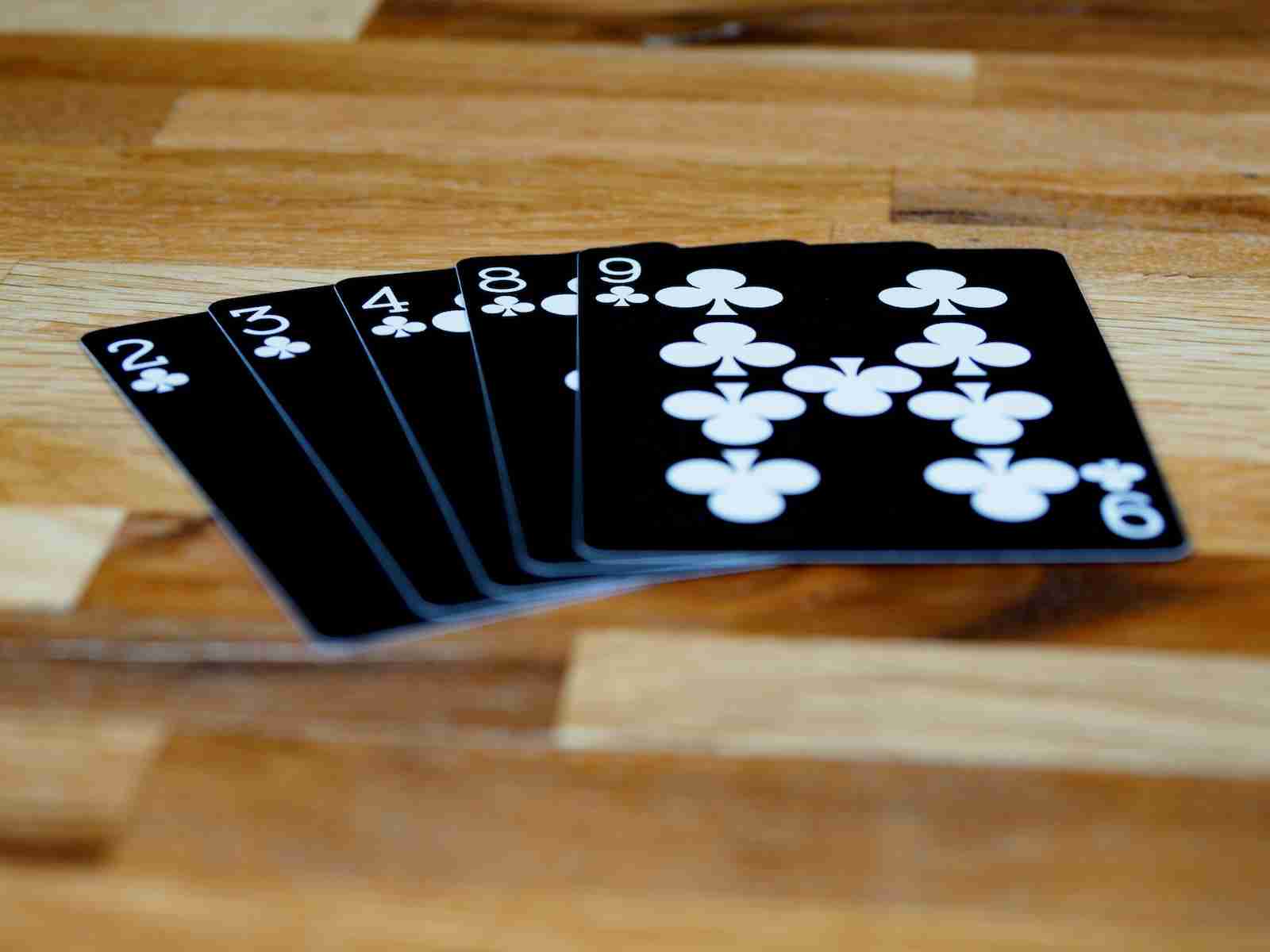
Picture this: it’s a Sunday afternoon, and rather than the usual hustle and bustle filling your home with noise, it feels a bit quieter—a little empty, maybe. You catch a glimpse of a well-worn deck of cards tucked away in the drawer, memories of laughter and lighthearted banter flooding your mind. That simple creation of paper and ink holds more than just the potential for tricks and strategy; it could very well be a bridge spanning the emotional distances that may have quietly crept into your family life.
Card games have a remarkable way of inviting everyone into a shared experience. When the cards hit the table and everyone leans in with eager anticipation, the ice starts melting almost immediately. Suddenly, there’s no room for silence or awkwardness. Instead of scrolling through phones or staring blankly at the TV, you’re engaged in friendly competition, playful banter, and, let’s face it, maybe even a little good-natured trash talk.
Sure, it’s easy to underestimate the power of a card game. After all, isn’t the essence of family built on deeper conversations? Well, sometimes those deeper conversations need a catalyst, and there’s something about that shuffle and deal that stirs up a sense of camaraderie. Whether it’s a cutthroat round of Poker or a casual game of Go Fish with your littlest family member, each hand dealt creates opportunities for connection. Connections that help bridge those emotional gaps that life—busy schedules, differing opinions, and generational divides—can create.
Moreover, card games stimulate storytelling. “Remember that time Uncle Joe lost to Aunt Sue in under five minutes?” Suddenly, everyone shares laughter and memories that remind them of their bonds. Those fleeting moments transform into unexpected lessons about persistence, teamwork, and the value of a good laugh. They create spaces where vulnerabilities are shared more easily—where emotions can surface without judgement.
So, if you’re sensing some emotional distance in your family, don’t underestimate the humble card game. Dust off that deck, gather around the table, and let the games begin. You might just find that a few hands can lead to heartfelt conversations, stronger bonds, and a deeper understanding of one another. Let’s face it; we could all use a little more connection in our lives. And who knows? You might just create new memories worth cherishing.

How Do Card Games Bridge Emotional Distances In Families?
How Do Card Games Bridge Emotional Distances In Families?
- Card games evoke fond memories and can bridge emotional distances within families.
- They promote shared experiences that invite interaction and engagement, reducing silence and awkwardness.
- Games shift focus from digital distractions to friendly competition and playful banter.
- Card games serve as catalysts for deeper conversations and connections amid busy lifestyles.
- They stimulate storytelling and laughter, reviving shared memories and reinforcing bonds.
- Playing cards encourages vulnerability and emotional sharing in a judgement-free environment.
- Gathering for card games can lead to heartfelt conversations, stronger relationships, and cherished memories.

How Do Card Games Bridge Emotional Distances In Families?
Table Of Contents
- How Do Card Games Bridge Emotional Distances In Families?
- How Do Card Games Foster Communication Among Family Members?
- Can Playing Card Games Improve Family Relationships?
- What Psychological Benefits Do Card Games Offer For Families?
- How Can Card Games Serve As A Bonding Activity?
- In What Ways Do Card Games Encourage Teamwork In Families?
- What Types Of Card Games Are Best For Family Interaction?
- What Role Does Humor Play In Family Card Games?
- Conclusion
- Other Resources
- Glossary Of Terms
- Other Questions
- Haiku
- Poem
- Checklist
How Do Card Games Foster Communication Among Family Members?
There’s something wonderfully simple about a card game that brings us back to our roots. It’s not just the thrill of the game itself; it’s the shared laughter, friendly banter, and strategic whispers that weave together the fabric of family life. Gather ‘round your kitchen table or spread out on the living room floor, and you’ll notice something magical happening: the walls of silence start to crack, and conversations flow like the cards in your hands.
When you sit down to play a card game, you’re opening more than just a deck; you’re opening a door to connection. Each shuffle and deal creates a shared experience that’s ripe for discussion. “Did you see that move?” or “I can’t believe you played that card!” become invitations to share thoughts and strategies, igniting a back-and-forth that can keep the chatter rolling for hours. The beauty lies in the interaction—strategizing, celebrating victories, and, yes, even commiserating over defeats. Each player brings their personality to the table, creating a dynamic conversation that creates bonds.
Moreover, there’s a timelessness to card games that transcends age. Whether you have toddlers squealing with glee or grandparents chuckling and reminiscing about their youthful days, a simple game becomes a leveling field where everyone can participate. You might teach your little one how to count while playing Go Fish or share a heartfelt story during a round of Rummy. These moments foster deeper understanding and appreciation for one another, transforming what could be just an evening of entertainment into lasting memories and connections.
But it doesn’t stop there. Card games also require a certain degree of teamwork and communication. As players strategize or bluff with a wink, they learn to read each other—both their cards and their emotions. This builds empathy and patience, life skills vital for navigating the larger world outside your family’s cozy bubble.
So, the next time you shuffle a deck of cards, remember that you hold not just pieces of paper but tools for fostering connection, creativity, and conversation. So gather the family, crack a smile, and let the games begin. It’s more than just a way to pass time; it’s a way to draw closer together. Now that’s a bet worth taking.

How Do Card Games Foster Communication Among Family Members?
How Do Card Games Foster Communication Among Family Members?
- Card games evoke a sense of nostalgia, creating shared laughter and friendly banter.
- Playing cards encourages connection and communication among family members.
- Each game creates opportunities for discussion and strategizing, enhancing interaction.
- Card games are timeless and inclusive, appealing to both young children and older generations.
- These games foster deeper understanding and appreciation through shared experiences.
- They encourage teamwork and communication, helping players develop empathy and patience.
- Card games serve as tools for connection and creativity, bringing families closer together.

How Do Card Games Foster Communication Among Family Members?
Can Playing Card Games Improve Family Relationships?
Picture this: a rainy afternoon, everyone hunkered down in the house, each person glued to their screens or buried in their own worlds. Now, there’s a better way to break the monotony and foster connection without needing a high-tech gadget that costs more than your last family outing. Enter the trusty card game.
Card games have a way of pulling families away from their individual bubbles and throwing them into a shared experience filled with laughter, friendly competition, and the occasional playful banter. Whether it’s a classic like *Uno* or a strategic game of *Rummy*, the simple act of sitting down with a deck of cards can transform an ordinary evening into something extraordinary.
There’s a certain magic that happens when you shuffle the deck and deal the cards. It’s a collective nod to the art of togetherness, an implicit agreement that for the next hour or two, everyone becomes fully present. No distractions, just you and the people who share your family ties. These moments can spark conversation that might otherwise never occur. Kids share their thoughts on strategy; parents reveal their wit through playful jabs; and everyone gets a chance to shine, win or lose.
What’s more, card games weave the threads of resilience and sportsmanship into the fabric of family life. When the stakes are low and the laughter is high, children learn how to handle both victory and defeat with grace. They experience the value of patience when waiting for their turn and the joy that comes from collaboration. Such lessons extend beyond the card table—into school, friendships, and even later in life, as they navigate their way through the world.
And let’s not kid ourselves: everyone loves a little friendly rivalry. A good game of cards can unleash a healthy dose of competition, igniting playful rivalries that bond the family together. Remember, it’s not about winning; it’s about the stories you’ll tell afterward and the memories you’ll create along the way.
So, why not round up the troops, shuffle those cards, and dive into the delightful world of card games? It may just be the catalyst that enhances your family relationships, one hand at a time. Don’t underestimate the power of a simple card game—it might just be the secret ingredient to a happier, more connected household.

Can Playing Card Games Improve Family Relationships?
Can Playing Card Games Improve Family Relationships?
- Card games can break monotony and foster family connection during rainy afternoons.
- They encourage shared experiences filled with laughter, competition, and playful banter.
- Games like Uno and Rummy can turn an ordinary evening into something special.
- Playing cards promotes togetherness and enhances communication among family members.
- Card games teach children resilience, sportsmanship, and the value of patience.
- They create friendly rivalries and memories that strengthen family bonds.
- Engaging in card games can be a simple yet powerful way to enhance family relationships.

Can Playing Card Games Improve Family Relationships?
What Psychological Benefits Do Card Games Offer For Families?
When you think about a simple little card game, it might not seem like much. Just a deck of cards and a few seats around the table. Yet, the magic that happens when families gather to play is far more profound than just passing the time. It’s about creating connections, sharing smiles, and building memories—something that’s crucial in today’s fast-paced world.
Imagine this: You shuffle the deck, deal out the cards, and suddenly, the room fills with laughter and playful banter. As the game unfolds, so do conversations that might not happen during a busy week. Each round spent together is like an invisible thread weaving into the fabric of family bonds. Card games foster communication and teamwork, helping family members express their thoughts and feelings in a low-pressure setting. And that’s something every family can benefit from—finding common ground, nurturing empathy, and growing together.
There’s also something to be said about the thrill of competition. Engaging in a card game encourages healthy rivalry, where winning and losing becomes a shared experience. You don’t just become players; you become teammates, strategists, and sometimes even cheerleaders. In these moments, kids learn valuable lessons about resilience and sportsmanship. They see that winning isn’t everything, and often, the journey—complete with unexpected twists and turns—creates the stories worth telling.
Moreover, the psychological benefits run deeper still. Card games are a great way to enhance cognitive skills like problem-solving, critical thinking, and memory. When players strategize their next moves or try to remember which cards have already been played, they’re exercising those mental muscles. This becomes a fun way to learn without the pressure of a traditional classroom, making it a win-win for parents who want their kids to stay sharp.
So, the next time you find yourself staring at a phone or scrolling through endless social media feeds, consider picking up a deck of cards instead. Not only will you be engaging with your loved ones, but you’ll be cultivating an environment that nurtures emotional and social growth. And remember, it’s not just a card game; it’s a golden opportunity for connection, laughter, and bonding that will echo in your family’s story for years to come. Grab those cards, gather the family, and let the games begin!

What Psychological Benefits Do Card Games Offer For Families?
What Psychological Benefits Do Card Games Offer For Families?
- Card games foster connections, build memories, and create family bonds in a fast-paced world.
- Playing games encourages laughter and conversation, helping families communicate in a low-pressure setting.
- Family card games teach teamwork, empathy, and finding common ground among members.
- Engaging in friendly competition promotes resilience and sportsmanship in children.
- Card games enhance cognitive skills such as problem-solving, critical thinking, and memory retention.
- Playing cards provides an enjoyable alternative to screen time, fostering emotional and social growth.
- The experience is a valuable opportunity for connection, laughter, and lasting family memories.

What Psychological Benefits Do Card Games Offer For Families?
How Can Card Games Serve As A Bonding Activity?
In a world where digital communication often dominates our interactions, it’s refreshing to return to the simplicity and warmth of a good old-fashioned card game. Imagine this: a cozy living room, the aroma of popcorn wafting through the air, and the sound of laughter as friends or family gather around the table, a deck of cards in hand. This setting not only creates an atmosphere but sparks connections—connections that are often overlooked in our fast-paced lives.
When you pile around a table to engage in a card game, you’re doing much more than merely playing. You’re diving into a shared experience that invokes teamwork, cooperation, and maybe even a bit of friendly rivalry. The rules may vary, but the objective remains the same: to have fun and enjoy one another’s company. Card games, whether it’s a competitive round of poker or a lighthearted bout of Uno, strip away the distractions of technology and the pressures of the outside world. In those moments, it’s just you and your companions, sometimes with nothing but a simple deck of cards as the catalyst for joy.
Card games create space for storytelling; the best laughs often come from the mishaps and outrageous plays during a match. Picture this: you dealt the cards, and suddenly you’ve got a grandkid gleefully recounting their first memorable victory, or an old friend sharing a hilarious blunder from their college years. In that simple act of playing, you’re knitting together a tapestry of shared moments that transcend the routine.
Moreover, these games build trust and communication. You learn to read your opponents—not just their cards, but their expressions and reactions. You practice negotiation skills, strategize, and, perhaps most importantly, become good sports. There’s something about competing just for fun that brings out the best in people, allowing friendships to blossom while life lessons simmer just below the surface.
So, dust off that deck of cards you’ve stashed away and gather your loved ones. Whether it’s a regular Friday night gathering or a special occasion, the beauty of a card game lies in its ability to foster connection. It’s a game that invites everyone to show up, engage, and share—one hand at a time. So jump in, deal those cards, and let the memories unfold!

How Can Card Games Serve As A Bonding Activity?
How Can Card Games Serve As A Bonding Activity?
- Digital communication often overshadows personal interactions, making card games a refreshing alternative.
- A cozy atmosphere of laughter, popcorn, and togetherness enhances the experience of playing card games.
- Card games promote teamwork, cooperation, and friendly rivalry among friends and family.
- They create meaningful connections by stripping away distractions and allowing quality time together.
- Storytelling thrives during card games, leading to memorable moments shared among players.
- Playing cards helps build trust, communication skills, and good sportsmanship through friendly competition.
- Gathering around a deck of cards fosters engagement and shared experiences that create lasting memories.

How Can Card Games Serve As A Bonding Activity?
In What Ways Do Card Games Encourage Teamwork In Families?
In the hustle and bustle of modern life, it’s easy for families to drift apart. With everyone glued to screens or lost in their own worlds, finding common ground can sometimes feel like a Herculean task. Enter the humble card game – a simple deck of cards can be a powerful tool for connection, laughter, and teamwork.
Imagine gathering around the dining room table, the sun setting softly outside, casting a warm glow on those familiar faces. You shuffle the cards, and suddenly, everyone is engaged and intrigued. That’s the magic of a card game. It’s not just about the competition; it’s about coming together, strategizing, and collaborating to form a cohesive unit.
Let’s take a moment to consider how these games cultivate teamwork. In a family card game, each player has a role, whether they’re the calculating strategist, the enthusiastic cheerleader, or the quick decision-maker. These roles ebb and flow, and often, they highlight the unique strengths of each family member. As you navigate through the intricacies of the game, you start to communicate more effectively, learning to read each other’s cues and intentions. It’s a dynamic way to foster understanding and develop trust.
When kids see their parents excitedly strategizing over which card to play next, they’re learning vital life skills: critical thinking, negotiation, and patience. Winning a card game requires collective effort, encouraging family members to rally together, support each other, and celebrate joint victories, however small. Those moments of triumph—the cheer and laughter that fills the room when a well-planned move succeeds—create lasting memories that strengthen familial bonds.
Moreover, navigating the occasional defeat can teach resilience. It’s in those moments of losing that the true spirit of cooperation shines through. Families learn to lift each other up, to see setbacks as learning experiences rather than failures. The card game becomes a safe space for building empathy and encouraging perseverance.
So, if you’re looking to reinforce the bonds within your family, consider reaching for that deck of cards hidden in the drawer. With just a few shuffles, you’ll find a world of shared laughter, teamwork, and unforgettable moments waiting to unfold. Dust off those cards and let the magic of connection begin!

In What Ways Do Card Games Encourage Teamwork In Families?
In What Ways Do Card Games Encourage Teamwork In Families?
- Modern life often leads to families drifting apart due to screens and individual pursuits.
- Card games serve as a powerful tool for family connection, teamwork, and laughter.
- Playing together encourages strategizing, collaboration, and effective communication.
- Each player takes on different roles, highlighting unique strengths within the family.
- Kids learn crucial life skills like critical thinking, negotiation, and patience through gameplay.
- Experiences of winning and losing foster support, resilience, and emotional growth.
- Playing card games can create lasting memories and strengthen familial bonds.

In What Ways Do Card Games Encourage Teamwork In Families?
What Types Of Card Games Are Best For Family Interaction?
When families gather for a night of fun, the right card game can transform a mundane evening into a memory-rich adventure. Forget the digital distractions and embrace that pile of colorful cardboard rectangles lying dormant in your game drawer. Whether it’s the thrill of competition or the warmth of teamwork, certain card games foster genuine interaction like no other.
First up, you have your classics—think Uno or Crazy Eights. These games are practically the Swiss army knives of family fun. They’re simple enough for the youngest members to grasp, yet engaging enough to keep even the more seasoned players on their toes. The laughter generated from a well-timed “reverse” card is not just about the game; it’s about bonding over shared surprises and friendly antics. When the stakes are hilariously low, these moments of joy can spark memorable stories that echo through family gatherings for years to come.
But if you’re looking for something that invites a little healthy competition, let’s delve into Spades or Hearts. These trick-taking games require strategy, teamwork, and a bit of psychological finesse. Gather around a table, and you’ll find the dialogue among family members takes off. It’s more than just playing the game; it becomes a battle of wits. Watch as the younger generation learns the ropes from the seasoned pros. You can practically see the torch being passed, creating a beautiful blend of learning, respect, and humor.
Then there are cooperative games like The Crew or Sushi Go! These are designed for working together to achieve a common goal. They promote communication and collaboration, a great reminder that even in games, teamwork makes the dream work. You’ll find that challenges are more enjoyable when you’re teaming up with family rather than against one another. When the last round wraps up and everyone cheers collectively, despite winning or losing, it’s those shared sentiments that knit your family closer together.
So, the next time you’re pondering how to elevate family interaction, shuffle those cards and deal out a few laughs, memorable moments, and unforgettable connections. With a little bit of time and a few card games, you’ll find that building bonds has never been more fun. Dive in, and you might just uncover the hidden gems among your family’s game collection—trust me, it’s worth it!

What Types Of Card Games Are Best For Family Interaction?
What Types Of Card Games Are Best For Family Interaction?
- Card games can enhance family bonding and turn ordinary evenings into memorable experiences.
- Classic games like Uno and Crazy Eights are easy for all ages and encourage fun interactions and laughter.
- Older classic games can create storytelling opportunities, leaving lasting memories from family gatherings.
- Strategic games like Spades and Hearts foster healthy competition, teamwork, and communication among family members.
- Cooperative games like The Crew or Sushi Go! promote collaboration towards a shared goal.
- Teamwork in games can strengthen family ties, creating joy regardless of winning or losing.
- Exploring your family’s card game collection can reveal new ways to connect and share fun moments together.

What Types Of Card Games Are Best For Family Interaction?
What Role Does Humor Play In Family Card Games?
When you gather around the table for a family card game, the atmosphere is charged with anticipation, strategy, and—let’s be honest—a good dose of hilarity. Humor plays a pivotal role in transforming an ordinary card game into an unforgettable experience, one that nourishes not just the competitive spirit, but also the bonds that tie us together.
Picture this: it’s a quiet Sunday evening, the sun is setting, and the family settles in for a rousing round of your favorite card game. You deal the cards, and right away, there’s a palpable shift in energy. The first “oops” followed by an impromptu comedy routine about the disastrous hand? That’s where the magic lies. Jokes fly fast and thick as players make light of each other’s questionable tactics or bad luck, turning potential moments of tension into shared laughter. This is more than just table talk; it’s a way to break down walls and forge connections.
Humor also acts as a cushion for the competitive fire that inevitably ignites during a closely contested game. Instead of allowing frustration to bubble over when someone draws the perfect card or pulls off an unexpected victory, laughter redirects that energy, reminding everyone that the game is ultimately about enjoying each other’s company. It’s the playful banter, the running commentary, and the friendly jibes that lighten the mood and keep the stakes in check. After all, who doesn’t want to relive that epic moment when Grandma declared the wrong card, only to claim it as a new strategy? Those are the stories that get retold at every family gathering.
Not to mention, humor is a powerful equalizer. Whether you’re a strategy mastermind or someone who barely knows the rules, a good laugh can put everyone on the same level. It’s a gentle reminder that we’re all in this together, navigating the ups and downs of both the game and life itself.
So, the next time you shuffle up for a family card game, consider the vital role humor plays. Don’t just focus on winning or losing—savor the moments of silliness, and don’t hesitate to embrace the unexpected laughter. By sharing joy, you’re not only creating lasting memories but also strengthening the threads of family love that bind us all. After all, life is too short to take a card game too seriously!

What Role Does Humor Play In Family Card Games?
What Role Does Humor Play In Family Card Games?
- Family card games create an atmosphere of anticipation and humor.
- Humor transforms ordinary games into unforgettable experiences, fostering connections.
- Laughter helps ease tensions and enhance the enjoyment of the competition.
- Playful banter and friendly jibes maintain a light-hearted mood during games.
- Humor serves as an equalizer, allowing players of all skill levels to bond.
- Embracing humor during games creates lasting memories and strengthens family ties.
- Focus on enjoying the game rather than just winning or losing to enhance the experience.

What Role Does Humor Play In Family Card Games?
Conclusion
In a world swamped with the noise of technology and the hustle of everyday commitments, it takes a humble deck of cards to remind us what it really means to connect with family. Now, let’s face it—family life can feel a bit like a high-stakes poker game, where everyone’s holding their cards close to their chest. The everyday hustle creates emotional distances, leaving many families yearning for genuine connection. Enter the card game—a powerhouse of interaction and bonding that can turn a quiet evening into a tapestry of shared laughter, friendly banter, and those moments of “Can you believe that just happened?”
So, whether it’s a cutthroat round of Poker or a lighthearted game of Uno, the beauty lies in how those cards can transform awkward silences into vibrant conversation. Kids giggle as they figure out strategies, while parents reignite their youthful spirit, reminiscing about the last epic game night where Aunt Sue trounced Uncle Joe in under a minute. The laughter that erupts from such tales is more than just noise; it’s the sound of emotional barriers breaking down.
Not only do card games foster camaraderie, they also provide a much-needed escape from our screens. Each shuffle of the deck is an invitation to share, to engage, and to connect on a deeper level. In a fast-paced world, this engagement becomes a precious commodity—an opportunity for families to practice empathy, nurture understanding, and learn the art of communication in a fun and low-stress environment.
And let’s not forget the lessons tucked away in that deck: resilience through healthy competition, patience while waiting for one’s turn, and the importance of good sportsmanship, all of which translate beautifully into real-life scenarios. Each game reminds us that it’s not just about winning; it’s about the collective journey and the stories we accumulate along the way.
So the next time your family feels a bit disconnected, don’t underestimate the power of that simple deck of cards. Dust it off, gather everyone around, and let the games unfold. You might just find that a few rounds of cards are enough to bridge the emotional gaps that life has created, strengthening bonds and building memories that will last a lifetime. Now, isn’t that a gamble worth taking?

Conclusion
Conclusion:
- The hustle of everyday life often creates emotional distances in families.
- Card games serve as powerful tools for fostering interaction and bonding.
- Games like Poker and Uno can transform quiet evenings into lively, laughter-filled experiences.
- Playing cards encourages children to strategize and allows parents to reminisce about past game nights.
- Card games provide an escape from screens, promoting deeper engagement and connection.
- These games teach valuable life lessons, including resilience, patience, and sportsmanship.
- Using a deck of cards can help bridge emotional gaps and strengthen family bonds.

Conclusion
Other Resources

Other Resources
Here is a list of other resources you can review online to learn more:
- Munchkin
- Small World
- Plaid Hat Games
- Medium
- Arkham Horror: The Card Game
- Cosmic Encounter
- VK
- Kosmos
- Clans of Caledonia
- Through the Ages: A New Story of Civilization
Use This Prompt To Get More Resources With Your Favorite Online AI Tool: Please provide me with a list of online articles with their URLs in a bulleted list that I can read regarding How Do Card Games Bridge Emotional Distances In Families?

Other Resources
Glossary Terms
How Do Card Games Bridge Emotional Distances In Families? – Glossary Of Terms
1. Connection: The emotional bond established between family members, often strengthened through shared activities like card games.
2. Engagement: The act of participating actively in an activity which fosters communication and interaction among family members.
3. Bonding: The process of developing closeness and trust in relationships, which can be facilitated by playing games together.
4. Communication: The exchange of thoughts, feelings, and information, which can be enhanced through the interactions occurring during games.
5. Play: Engaging in a recreational activity that can reduce stress and promote joy, often building camaraderie among players.
6. Rediscovery: The process of remembering common interests and shared moments, often facilitated by playing familiar games.
7. Conflict Resolution: The method of addressing and settling disagreements, which can occur through game interactions and discussions.
8. Emotional Expression: The outward manifestation of feelings, which card games can encourage among family members in a safe environment.
9. Tradition: Established customs or practices within a family that can include regular card game nights, reinforcing shared identity.
10. Intimacy: A close familiarity or friendship that can be nurtured through time spent playing games together.
11. Nostalgia: A sentimental longing for the past, often triggered by familiar games that remind family members of shared experiences.
12. Teamwork: Collaborative efforts among family members while playing games, promoting cooperation and unity.
13. Trust: The reliance on the integrity and ability of family members, which can be built through shared gaming experiences.
14. Fun: Enjoyable experiences during gameplay that foster positivity and happiness within family dynamics.
15. Strategy: The planning and decision-making involved in card games that can encourage critical thinking and collaboration.
16. Interaction: The way family members communicate and engage with one another through conversation and gameplay.
17. Support: Emotional and psychological backing provided by family members, which can be reinforced through cooperative game play.
18. Laughter: An expression of joy and amusement that often arises during games, contributing to a positive family atmosphere.
19. Inclusivity: Ensuring that all family members can participate in the games, fostering a sense of belonging.
20. Mindfulness: The practice of being present and engaged during gameplay, which can lead to deeper emotional connections.
21. Resilience: The ability of family members to bounce back from conflicts or challenges, often improved through shared activities like card games.
22. Generational Bridge: The connection built between different age groups in a family, often catalyzed by shared gameplay.
23. Empathy: The capacity to understand and share the feelings of others, which can be enhanced through cooperative gaming experiences.
24. Inclusiveness: The practice of bringing in all family members, ensuring no one feels left out during game times.
25. Shared Goals: Common objectives in gameplay that can enhance collaboration and a sense of unity among family members.
26. Coping Mechanism: A way to deal with emotions or stress, where card games serve as a positive distraction or outlet for family members.
27. Adaptability: The ability of families to adjust their strategies and interactions during games, promoting flexibility in relationships.
28. Legacy: The traditions and memories passed down through generations, often encompassing the games played within the family context.
29. Social Skills: The abilities used in interpersonal communication, which can be developed through the social nature of card games.
30. Resonance: The deep emotional response that occurs when family members connect over shared experiences and memories formed during gameplay.

Glossary Of Terms
Other Questions
How Do Card Games Bridge Emotional Distances In Families? – Other Questions
If you wish to explore and discover more, consider looking for answers to these questions:
- What specific card games are most effective for improving family dynamics?
- How do different age groups respond to card games in family settings?
- What tips can help families initiate a game night successfully?
- Are there any card games that are particularly good for fostering communication?
- How often should families engage in card games for maximum benefit?
- What are some creative variations of traditional card games for families?
- Can card games help in resolving conflicts within families?
- How do card games compare with other bonding activities like board games or sports?
- What psychological research supports the benefits of card games for families?
- Are there cultural differences in how families use card games for bonding?

Other Questions
Haiku
How Do Card Games Bridge Emotional Distances In Families? – A Haiku
Cards on the table,
Laughter bridges the silence,
Hearts unite as one.

Haiku
Poem
How Do Card Games Bridge Emotional Distances In Families? – A Poem
In the quiet of a Sunday, memories unfold,
A deck of cards whispers tales, both new and old.
Laughter dances in the air, as hands are dealt,
A simple game becomes the warmth that’s felt.
Gone are the screens, the digital distractions,
Around the table, life breathes, sparks of interactions.
With every shuffle, a gateway opens wide,
Bridging emotional gaps, where families can confide.
Strategic plays, and playful jabs take flight,
Moments turn to stories that glow in soft twilight.
Kids learn of patience, as victories arise,
And even in loss, resilience is the prize.
Through Go Fish or Poker, the lessons weave,
Parents guide with laughter, as children learn to believe.
The stakes may be low, but the bonds grow strong,
In the heart of each game, where families belong.
It’s humor that lightens the spirits, a joyful refrain,
Turning blunders into laughter, washing away the mundane.
From “Oops!” to chuckles, the memories we savor,
Every laugh, every glance, grows into bond’s favor.
So gather the family, let the cards find their hands,
In the magic of games, everyone understands.
With each card laid down, connections ignite,
A tapestry of love, woven on a hopeful night.
So dust off those cards, let the joy now begin,
For in the play of together, the real wins come from within.
Life’s too short to rush, laughter needs space,
In the game of connection, we all find our place.

Poem
Checklist
How Do Card Games Bridge Emotional Distances In Families? – A Checklist
Preparation
_____ Gather a Deck of Cards: Find that well-worn deck in the drawer or purchase a new one.
_____ Choose a Comfortable Space: Set up a cozy area, such as the living room or kitchen table, with seating for everyone.
_____ Prepare Snacks: Have some light snacks or drinks ready to enjoy during the games.
Game Selection
_____ Choose Family-Friendly Card Games:
_____ Fun and Simple: Consider classics like Uno, Crazy Eights, or Go Fish for younger family members.
_____ Strategy Games: Select games like Spades, Hearts, or Rummy for strategic play and teamwork.
_____ Cooperative Games: Look into games like The Crew or Sushi Go! that require working together towards a common goal.
Engagement Strategies
_____ Encourage Participation: Ensure everyone has a role, whether as a strategist, cheerleader, or decision-maker.
_____ Set a Positive Tone: Remind everyone that the focus is on fun, connection, and laughter rather than winning.
During the Game
_____ Facilitate Conversations: Use moments in the game to spark conversations:
_____ Ask open-ended questions about strategies or surprising moves.
_____ Share funny stories or memories related to past games.
_____ Embrace Humor: Encourage lighthearted joking and playful banter to keep the atmosphere relaxed and enjoyable.
_____ Balance Competition and Cooperation: Celebrate both wins and losses, using defeats as teaching moments about resilience and teamwork.
Reflection and Connection
_____ Share Takeaways: After the game, discuss what everyone enjoyed most, favorite moments, and what they learned about each other.
_____ Create a Memory Log: Consider keeping a family game journal to note memorable moments and funny anecdotes from each game night.
Follow-Up
_____ Plan Regular Game Nights: Schedule recurring family game nights to maintain these connections and engage in shared experiences.
_____ Introduce New Games: Keep the excitement alive by rotating in new card games to discover different dynamics and interactions.
_____ Encourage Storytelling: Make it a tradition to share one story from each game night to build a collection of family memories.
Implementing this checklist can enhance emotional connections and communication within your family, transforming a simple card game into lasting memories and stronger bonds!

Checklist
At CardGameNews, we help people who love card games by collating information and news about card games.
Be sure to read our other related stories at CardGameNews to learn more about card games.